Top 10 Mountain Passes in the Elk Mountains
Best mountain passes in the Elk Mountains offer access to diverse landscapes and high-alpine environments. This region features numerous passes, ranging from paved scenic drives to challenging unpaved routes. Elevations in the Elk Mountains reach over 12,000 feet, providing extensive views of surrounding peaks and valleys. The terrain includes wildflower meadows, aspen groves, and rugged mountain trails.
Best mountain passes in the Elk Mountains
- The most popular mountain passes is Schofield Pass, a mountain_pass that serves as the high…
Last updated: May 14, 2026
Lake Irwin
Highlight • Lake
Tip by

Independence Pass West Climb
Highlight (Segment) • Climb
Tip by

Sign up now to discover places like this
Get recommendations on the best single tracks, peaks, & plenty of other exciting outdoor places.
Sign up for free
Schofield Pass
Highlight • Mountain Pass
Tip by

Mt. Sopris
Highlight • Summit
Tip by

Starr Pass
Highlight • Mountain Pass
Tip by
Trail Rider Pass
Highlight • Mountain Pass
Tip by

Frigid Air Pass
Highlight • Mountain Pass
Tip by
West Maroon Pass
Highlight • Mountain Pass
Tip by
Buckskin Pass
Highlight • Mountain Pass
Tip by
Start today with a free account
Your next adventure awaits.
Login or Signup
Popular around Elk Mountains
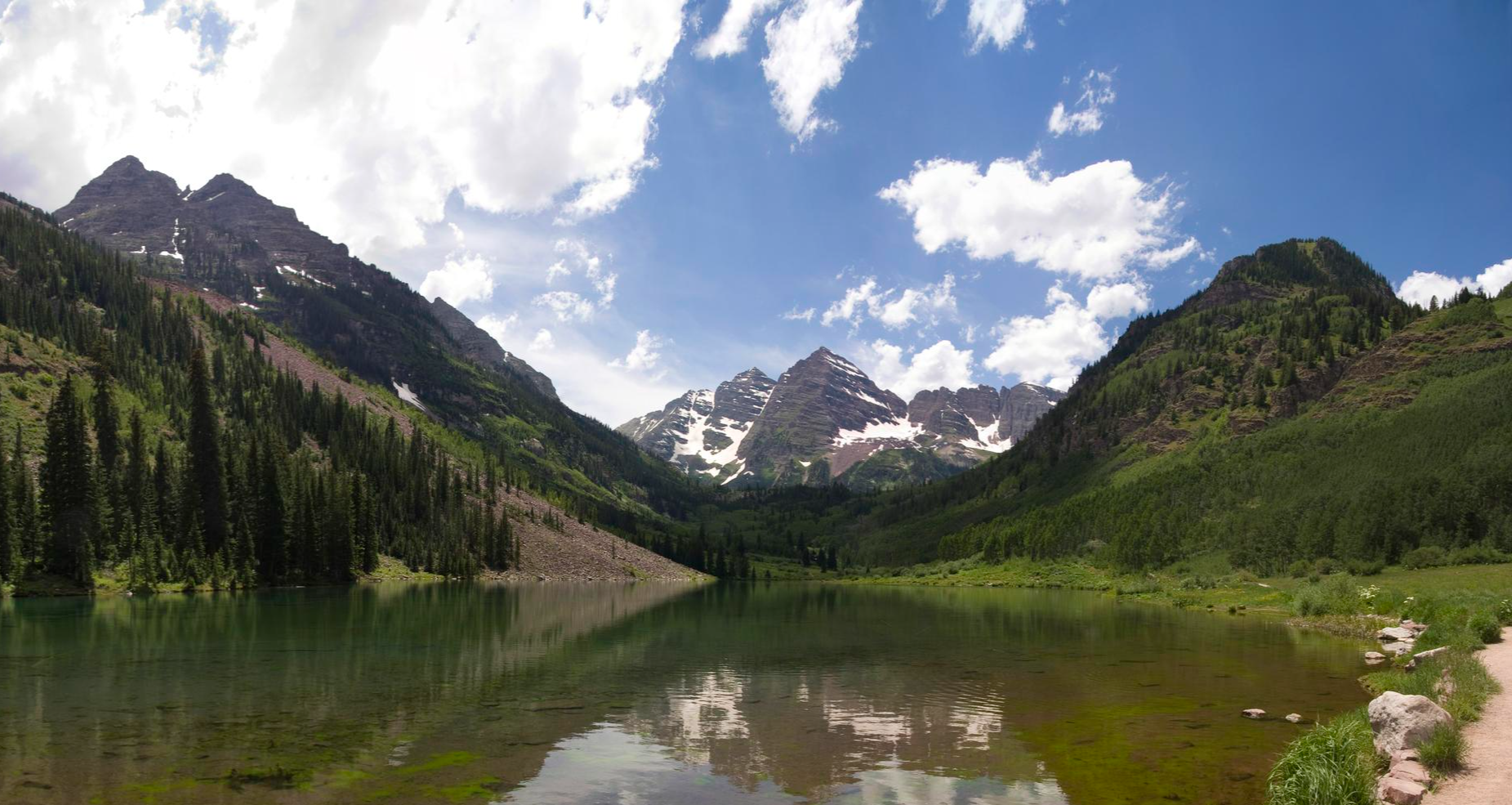
Four Pass Loop — Four times the challenge, four times the reward
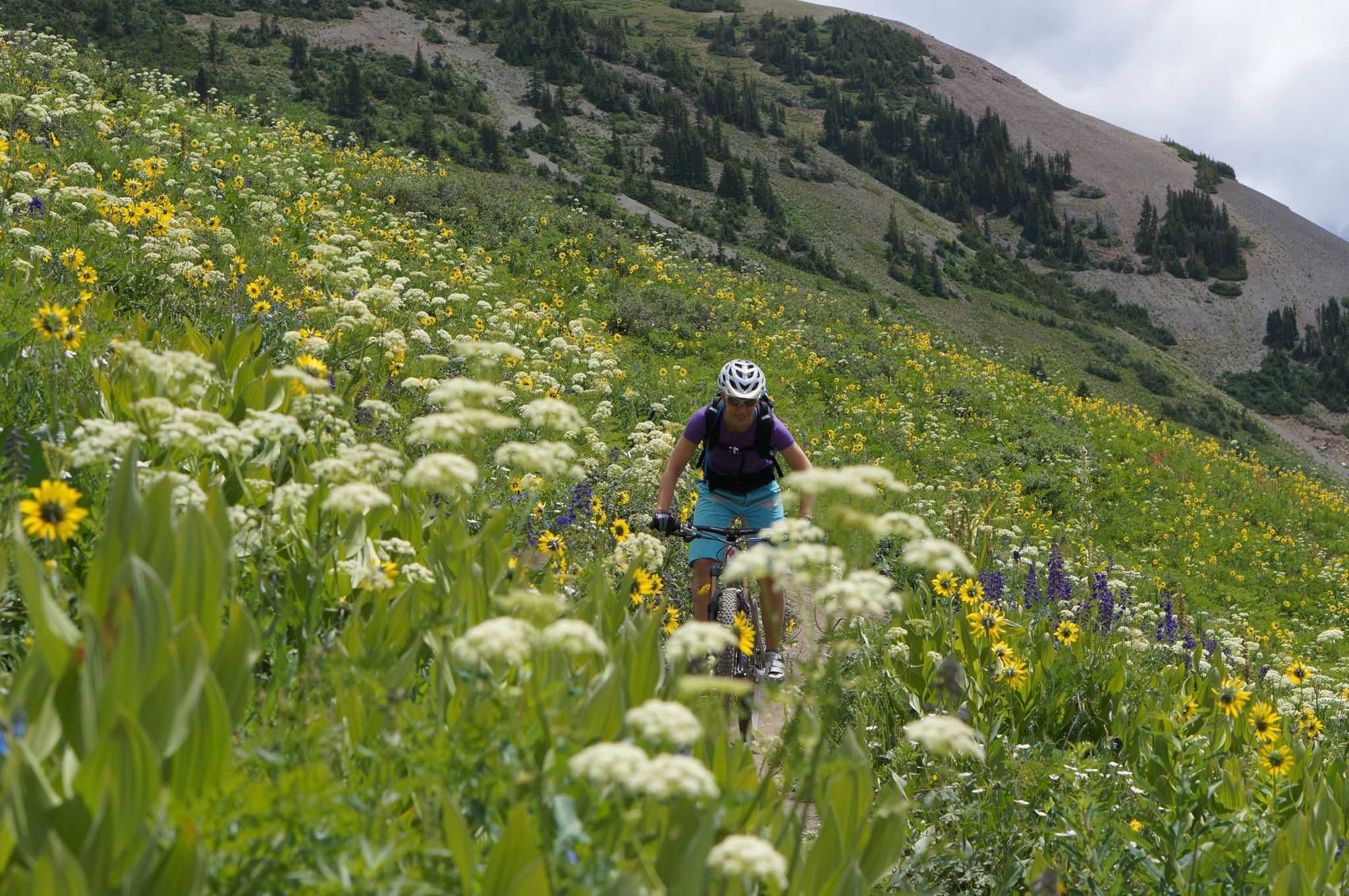
Mountain biking in the wildflower paradise of Colorado’s Crested Butte
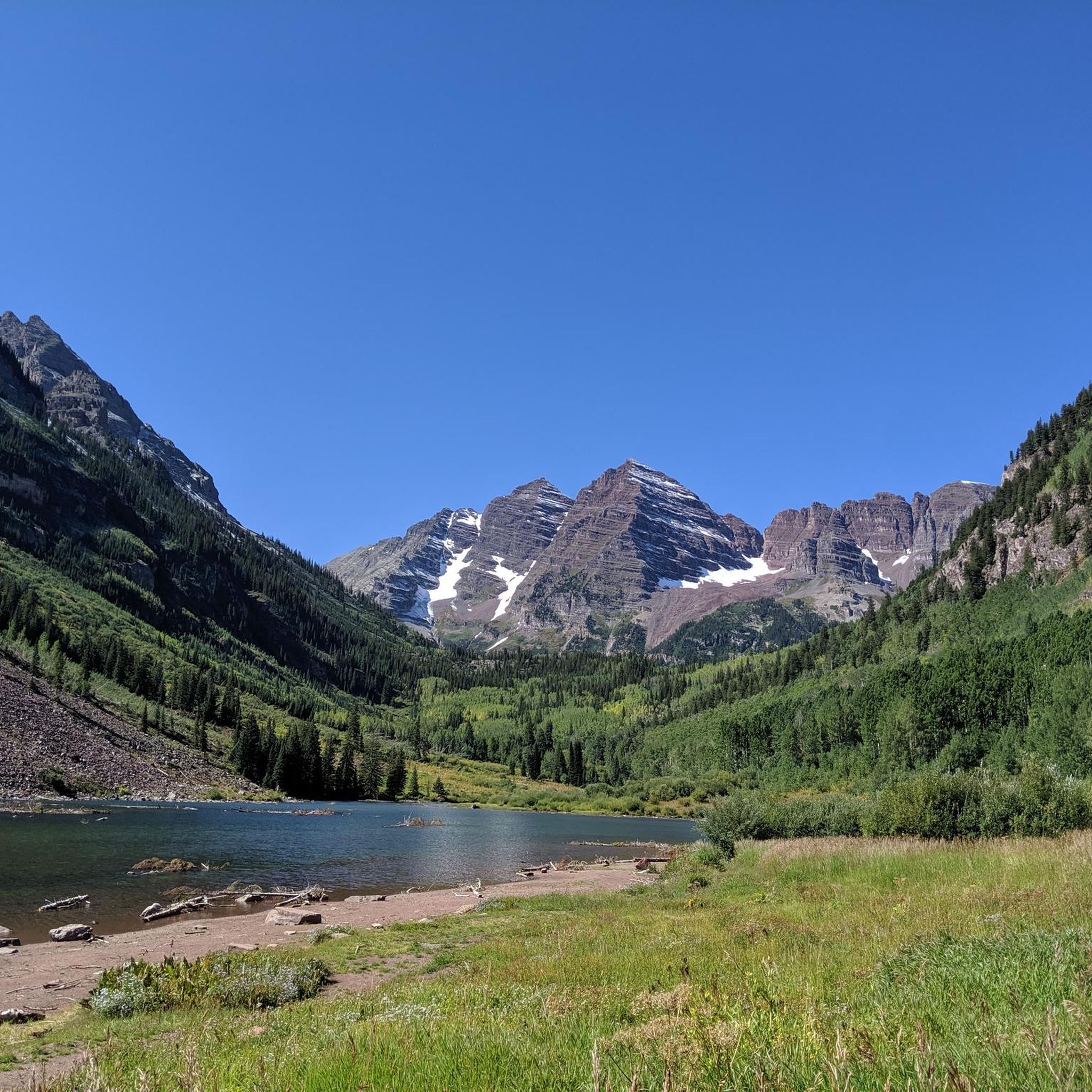
Hiking in the Elk Mountains
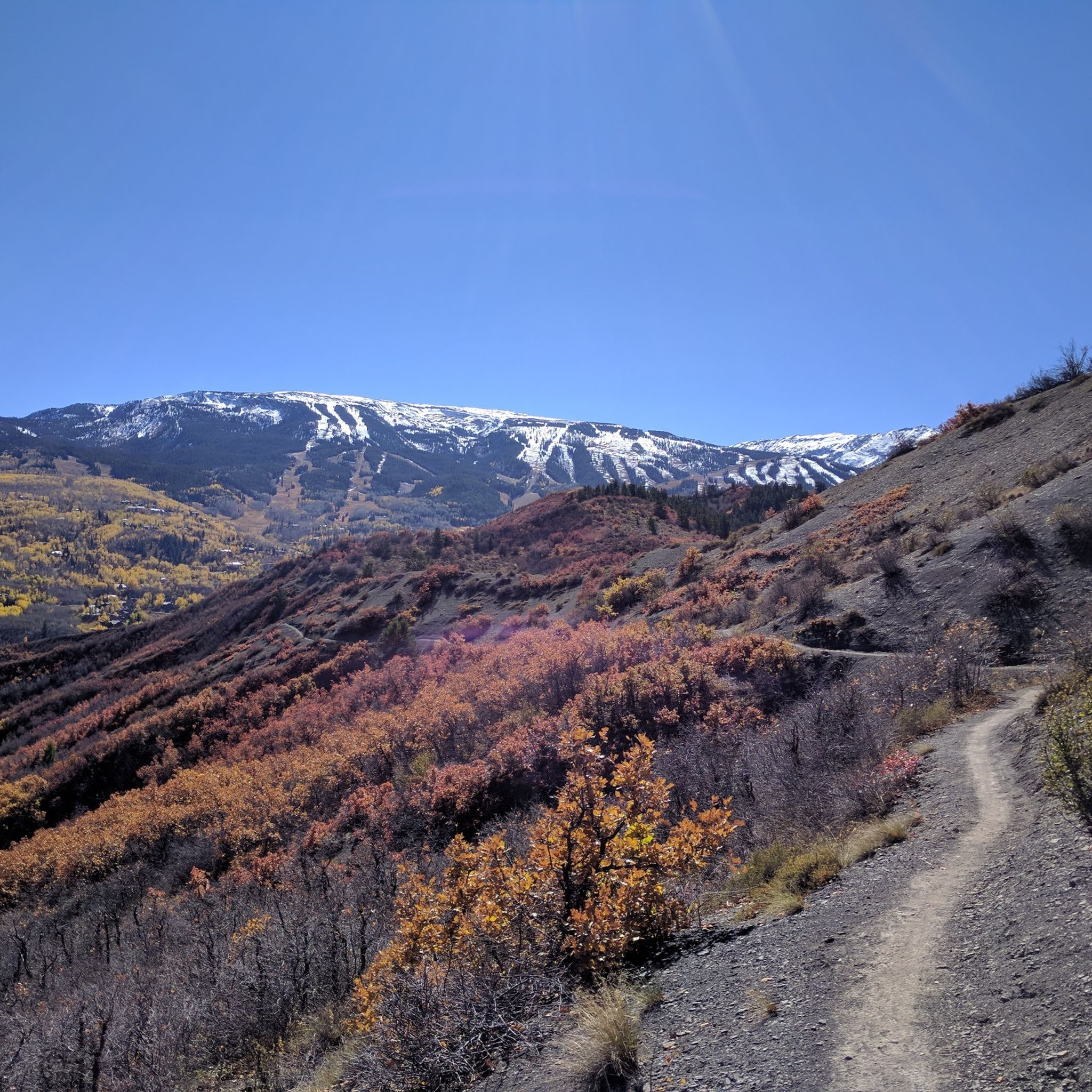
MTB Trails in the Elk Mountains
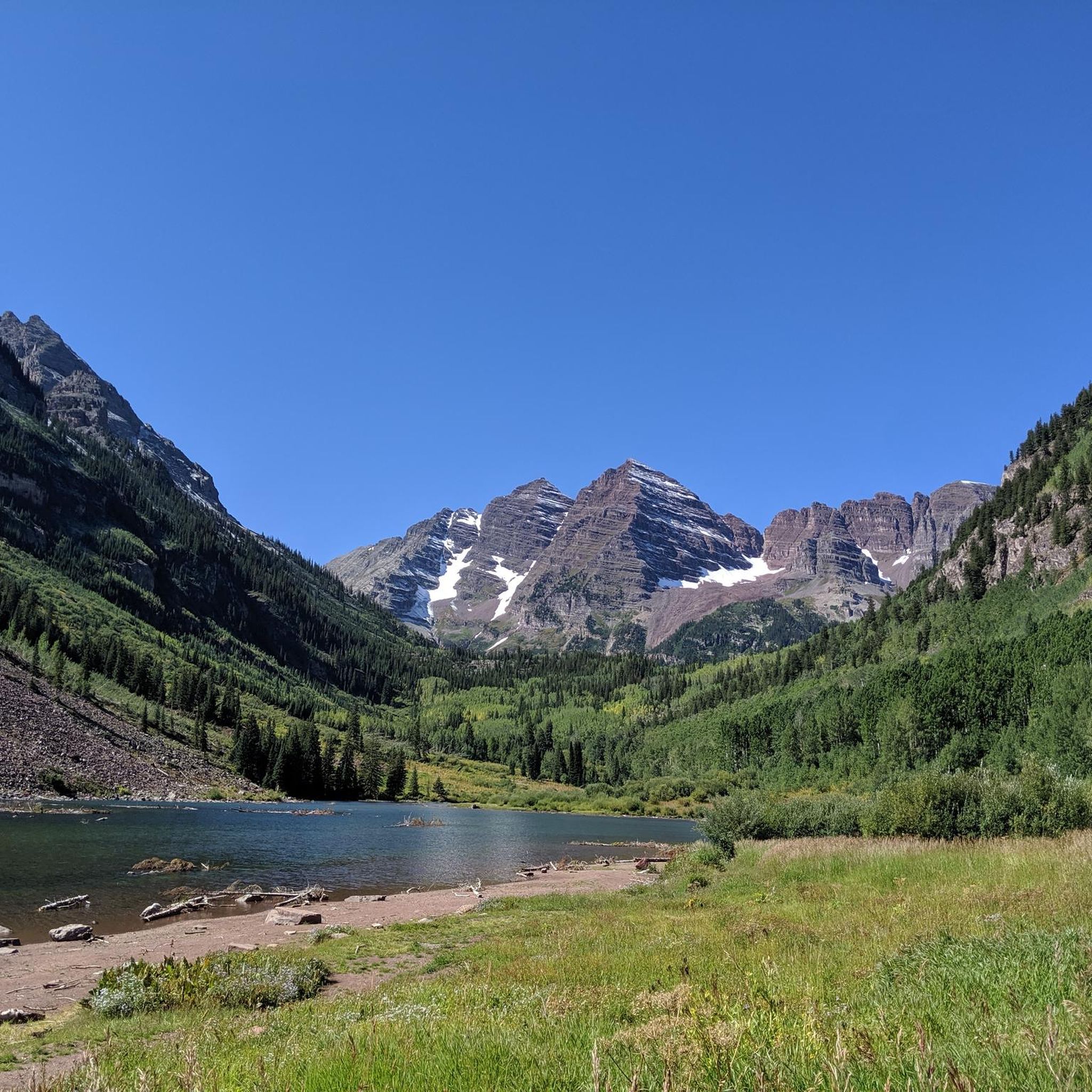
Running Trails in the Elk Mountains
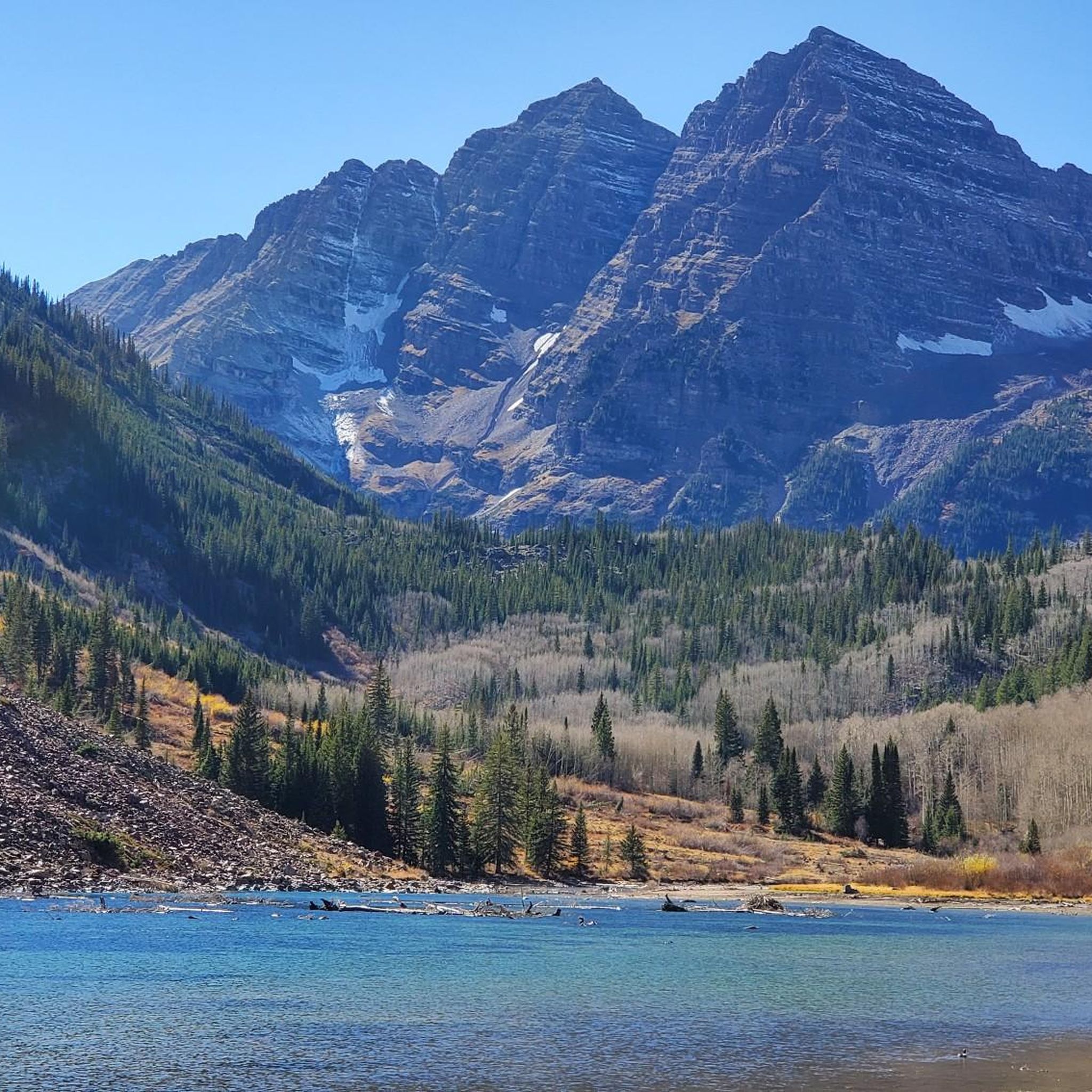
Road Cycling Routes in the Elk Mountains
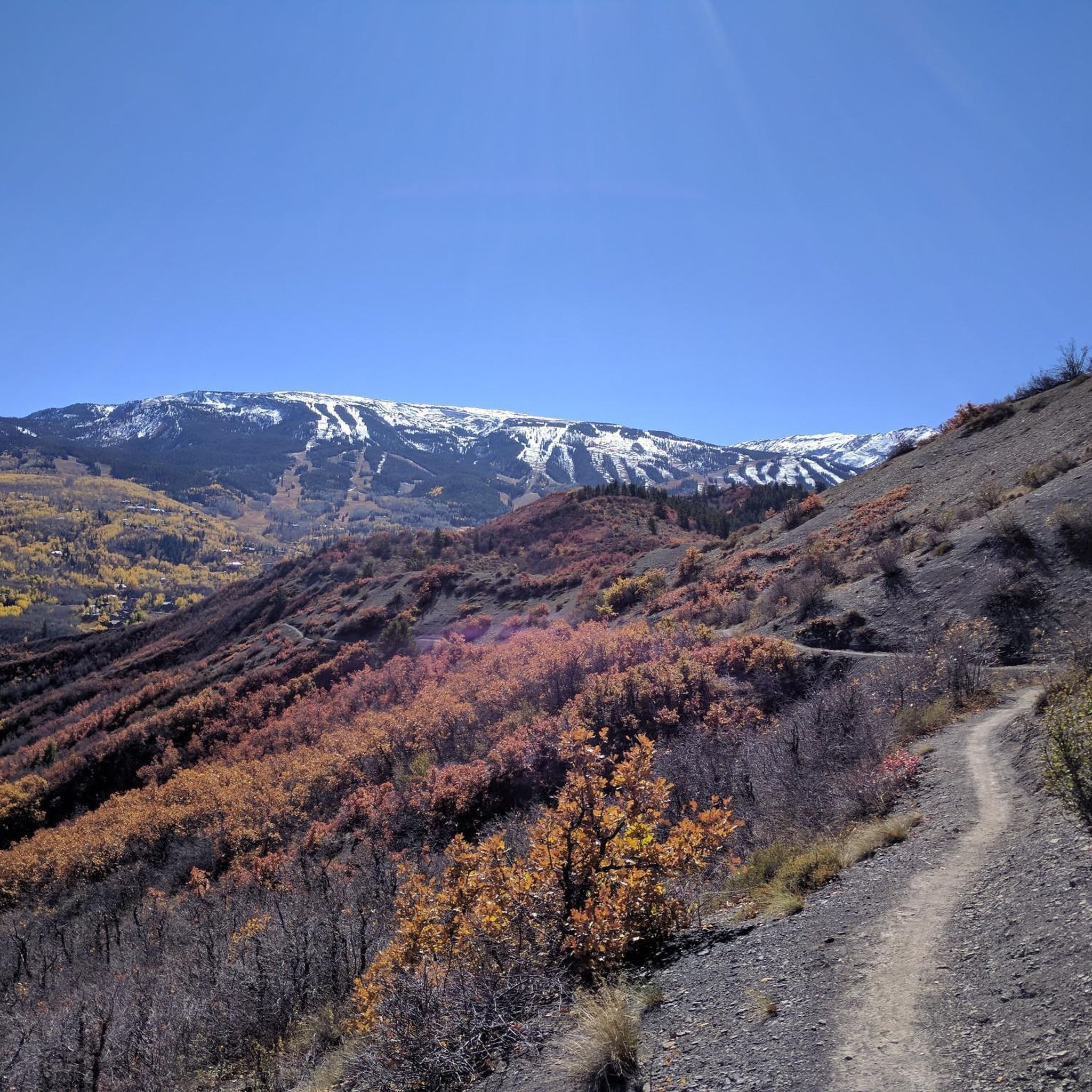
Cycling in the Elk Mountains
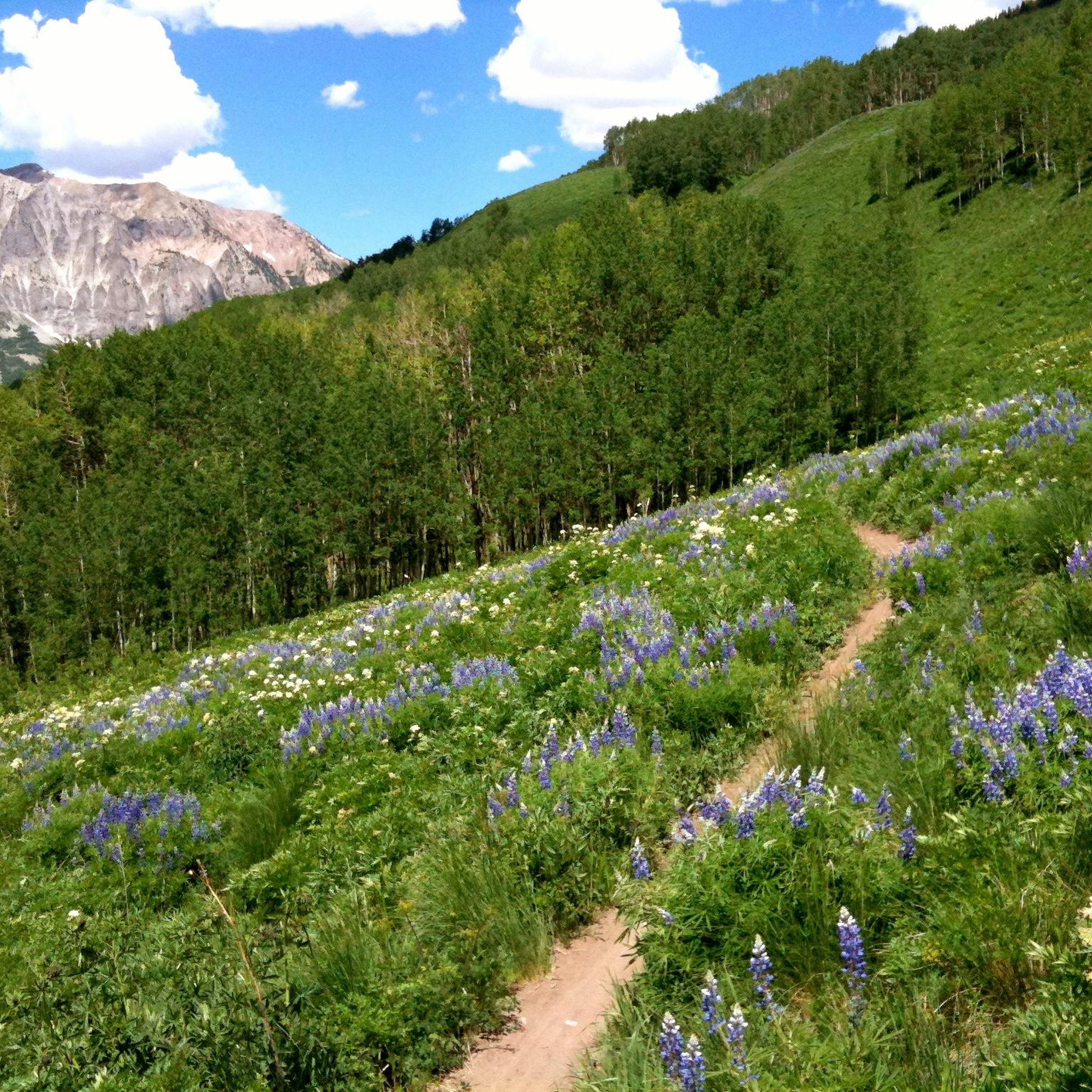
Gravel biking in the Elk Mountains


Tips from the Community

At over 12,500 feet, the air is thin. Once you reach the top, the reward is a breathtaking, 360-degree panorama. The view looking down at Crater Lake and the iconic Maroon Bells is a sight you will never forget.
0
0
The pass gets its name for a reason—even on a warm day, you can expect strong, frigid winds at the top. You’ll be looking down on both the Crystal River Valley and the vast basins to the west. Watch your step as you go down the south side.
0
0
At over 12,400 feet, the pass is often windy and cold, even on a sunny day, but the views from the top are your ultimate reward. You'll get a perfect, bird's-eye view of Snowmass Lake, a stunning emerald jewel nestled in the valley below.
0
0
The altitude here is over 12,000 feet, so be mindful of your breathing and the thinner air. You want to get here early in case of afternoon thunderstorms. You'll be rewarded with a spectacular view of the Maroon Bells and Pyramid Peak.
0
0

Climbing Independence Pass eastwards from Aspen is a bucket-list journey to the Continental Divide, reaching an extreme altitude of 12,095ft, making it one of North America's highest paved passes. Prepare for a very long 18-20 mile and challenging climb gaining over 4000ft; while the average grade is moderate at 4-5%, expect long, sustained climbing sections particularly above the tree line, likely averaging 6-8% in parts, amplified significantly by the thin air. Along the route you'll see the stunning transition through beautiful aspen groves to breathtaking alpine tundra vistas. Be aware that services are non-existent between Aspen and Twin Lakes so be self-sufficient and check the road status before attempting the climb.
0
0

Mt. Sopris is located in the Elk Range of Colorado and is actually a twin summit mountain. It stands above the town of Carbondale and the Roaring Fork Valley at an elevation of 12,965 ft.
0
0
Starr Pass sits at 12,330 feet in elevation and is between the towns of Aspen and Crested Butte. From the top of the pass you are rewarded with incredible views of the Elk Mountains. Beware of this ride if there is a chance of thunderstorms, since there is quite a bit of time above treeline.
0
0

With camping, fishing, and restrooms available at this small alpine reservoir, Lake Irwin is a popular spot for outdoor enthusiasts to visit. You can hike up in the mountains on challenging singletrack trails and OHV roads, or you can hike on the flatter nature trail around the lake, itself. This is also the site of Marcellina Pass at 10,325 feet.
0
0
Frequently Asked Questions
What are some notable mountain passes in the Elk Mountains?
The Elk Mountains offer a variety of passes, each with unique characteristics. Schofield Pass is a challenging high point on Gothic Road, while Independence Pass West Climb is one of North America's highest paved passes, reaching 12,095 feet. Other significant passes include Kebler Pass, known for its fall foliage, and West Maroon Pass, a popular hiking route.
Which mountain passes are best for experiencing fall foliage?
Kebler Pass is particularly renowned for its spectacular fall foliage. It boasts Colorado's largest aspen grove, which transforms into a brilliant golden hue each autumn, making it a must-visit for nature photographers.
What are the best times to visit the mountain passes in the Elk Mountains?
The best time to visit is generally from late spring through early fall. Many higher elevation passes, especially unpaved ones, are subject to seasonal closures due to snow, typically from late October/early November until May or even later in June. For wildflower displays, July and August are ideal, particularly on routes like West Maroon Pass.
Are there challenging mountain passes for experienced adventurers?
Yes, the Elk Mountains are home to several challenging passes. Schofield Pass is known for being extremely difficult, requiring a 4WD vehicle for its unpaved roads and trails. West Maroon Pass is a strenuous 10.4-mile hiking route, and other backroad passes like Pearl Pass and Taylor Pass also offer rugged, challenging experiences.
What kind of views can I expect from the mountain passes?
The passes offer breathtaking views of diverse landscapes. From Independence Pass West Climb, you can see expansive vistas of several fourteeners, including La Plata Peak, Mount Massive, and Mount Elbert. Other passes provide panoramic views of surrounding peaks, wildflower-filled meadows, and dense aspen groves.
Are there family-friendly options among the mountain passes?
While many passes are challenging, some areas offer more accessible experiences. Lake Irwin, near Marcellina Pass, is a popular spot with camping, fishing, and a flatter nature trail around the lake, making it suitable for families. Always check specific trail conditions and difficulty ratings.
What outdoor activities can I do near these mountain passes?
The Elk Mountains offer a wide range of outdoor activities. You can find numerous running trails, such as the challenging Four Pass Loop or the moderate Mushroom Rock loop, detailed in the Running Trails in the Elk Mountains guide. For hiking, options range from moderate routes like Dark Canyon, Irwin and Dyke Trail Loop to difficult ascents like Capitol Peak, as highlighted in the Hiking in the Elk Mountains guide.
Do I need a 4WD vehicle to access certain mountain passes?
Yes, a high-clearance 4WD vehicle is highly recommended, and often necessary, for exploring many parts of the Elk Mountains, particularly for venturing onto forest service roads and more challenging mountain passes like Schofield Pass. Some passes, such as Independence Pass, are paved and accessible by standard vehicles.
What are the typical elevations of the mountain passes in the Elk Mountains?
The mountain passes in the Elk Mountains vary significantly in elevation. For instance, Independence Pass West Climb reaches an altitude of 12,095 feet, while Schofield Pass sits at 10,707 feet. Kebler Pass reaches 10,000 feet, and Starr Pass is at 12,330 feet.
Are there any permits required for hiking or camping near the passes?
While specific permits can vary by area and activity, it's always advisable to check with the local forest service or park authorities for the most current information regarding permits for hiking, camping, or backcountry access, especially in wilderness areas. Some popular trails, like the West Maroon Pass, may require shuttle arrangements or specific planning.
What are some less-traveled or 'hidden gem' mountain passes in the Elk Mountains?
While not explicitly 'hidden,' passes like Pearl Pass and Taylor Pass are mentioned as backroad passes and trails that traverse the formidable Elk Mountains. These suggest challenging, unpaved routes for those seeking true wilderness exploration away from the more popular paved routes.
Can I bring my dog on trails near the mountain passes?
Many trails in the Elk Mountains are dog-friendly, especially those within the Gunnison National Forest. However, regulations can vary by specific trail or wilderness area. It's best to check local signage or forest service guidelines for any restrictions, and always keep dogs on a leash and practice Leave No Trace principles.
Most popular routes in the Elk Mountains
Most popular attractions in the Elk Mountains

Get inspired with the komoot mobile app


