The best running trails in the Elk Mountains
4.7
(8)
891
runners
111
runs
Jogging in the Elk Mountains offers diverse terrain within a rugged mountain range. The region is characterized by high peaks, extensive aspen groves, and numerous alpine lakes and rivers. Runners will find a mix of landscapes, from challenging mountain trails with significant elevation gains to more gentle paths through forests and valleys. This varied environment provides a compelling setting for outdoor running.
Best jogging routes in the Elk Mountains
- The most popular jogging route is Four Pass Loop, a…
Last updated: July 7, 2026
40
runners
42.4km
07:09
2,230m
2,230m
Hard run. Very good fitness required. Sure-footedness, sturdy shoes and alpine experience required.
25
runners
11.7km
01:37
130m
130m
Hard run. Good fitness required. Sure-footedness, sturdy shoes and alpine experience required.

Sign up for free
23
runners
7.16km
00:57
260m
260m
Moderate run. Good fitness required. Mostly paved surfaces. Suitable for all skill levels.
20
runners
17.3km
02:30
770m
770m
Hard run. Very good fitness required. Mostly paved surfaces. Suitable for all skill levels.
4.5
(2)
18
runners
6.39km
00:41
40m
40m
Moderate run. Good fitness required. Mostly paved surfaces. Suitable for all skill levels.
15
runners
13.8km
02:03
510m
510m
Hard run. Very good fitness required. Sure-footedness, sturdy shoes and alpine experience required.
13
runners
5.88km
00:57
210m
210m
Hard run. Good fitness required. Sure-footedness, sturdy shoes and alpine experience required.
12
runners
21.9km
03:34
1,280m
1,280m
Hard run. Very good fitness required. Mostly paved surfaces. Suitable for all skill levels.
9
runners
20.0km
02:53
830m
830m
Hard run. Very good fitness required. Mostly paved surfaces. Suitable for all skill levels.
9
runners
18.1km
02:33
670m
670m
Hard run. Very good fitness required. Mostly accessible paths. Some sure footedness required.
Get access to more routes and recommendations from other explorers.
Sign up for free
Already have an account?
Our route recommendations are based on thousands of hikes, rides, and runs completed by other people on komoot.
Start today with a free account
Your next adventure awaits.
Login or Signup
Popular around Elk Mountains


Tips from the Community

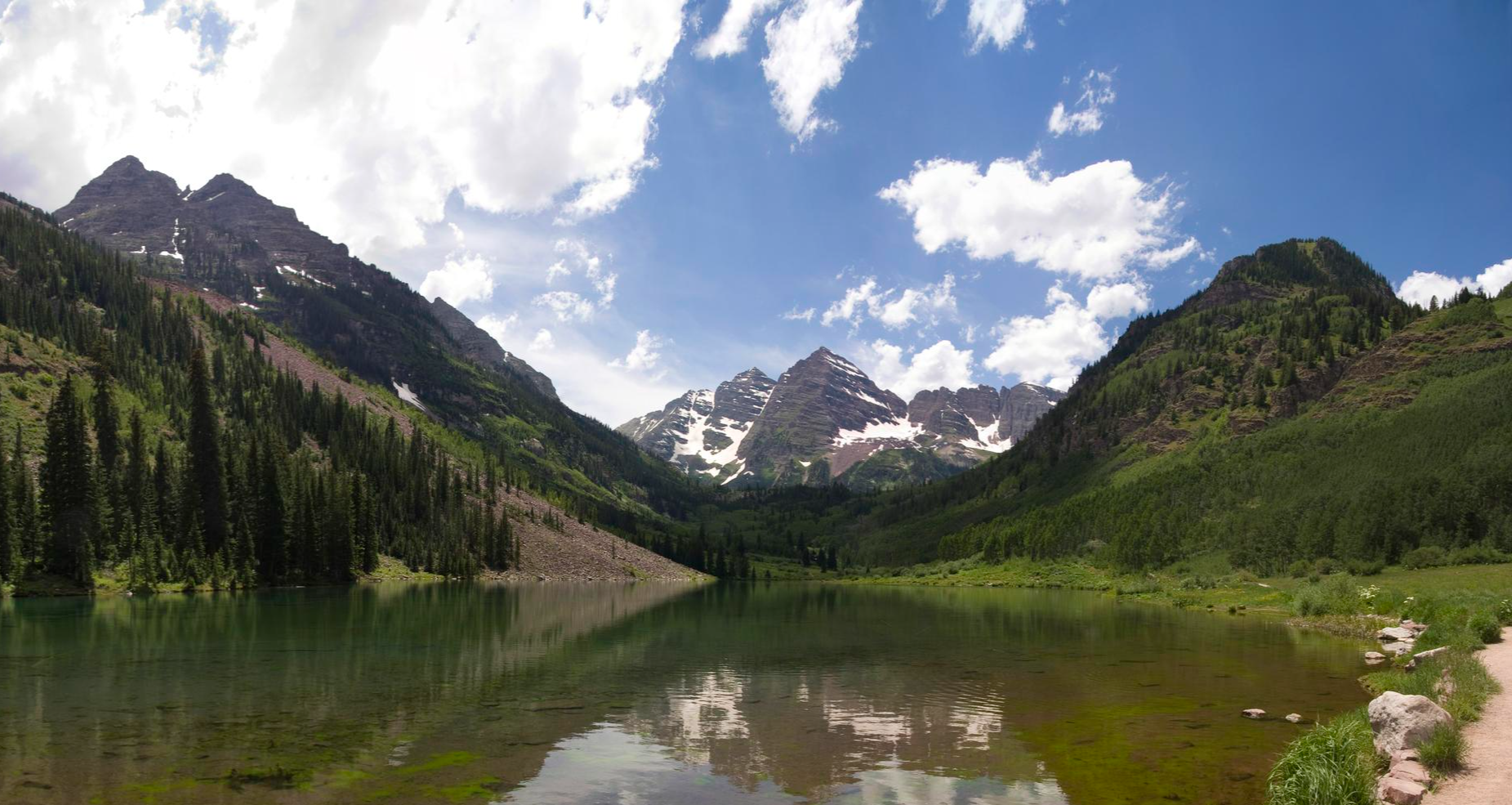
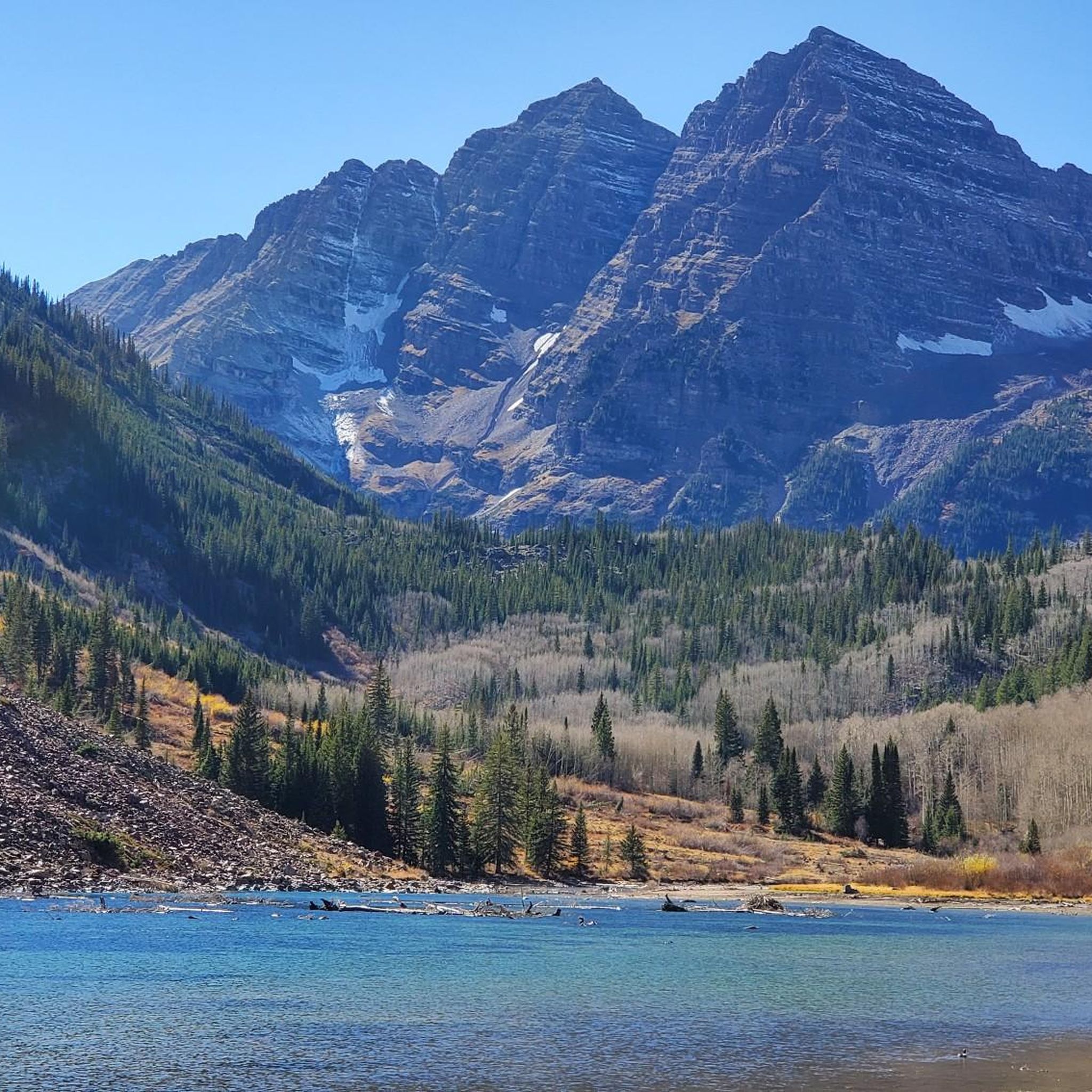
At over 12,500 feet, the air is thin. Once you reach the top, the reward is a breathtaking, 360-degree panorama. The view looking down at Crater Lake and the iconic Maroon Bells is a sight you will never forget.
0
0
The pass gets its name for a reason—even on a warm day, you can expect strong, frigid winds at the top. You’ll be looking down on both the Crystal River Valley and the vast basins to the west. Watch your step as you go down the south side.
0
0
At over 12,400 feet, the pass is often windy and cold, even on a sunny day, but the views from the top are your ultimate reward. You'll get a perfect, bird's-eye view of Snowmass Lake, a stunning emerald jewel nestled in the valley below.
0
0
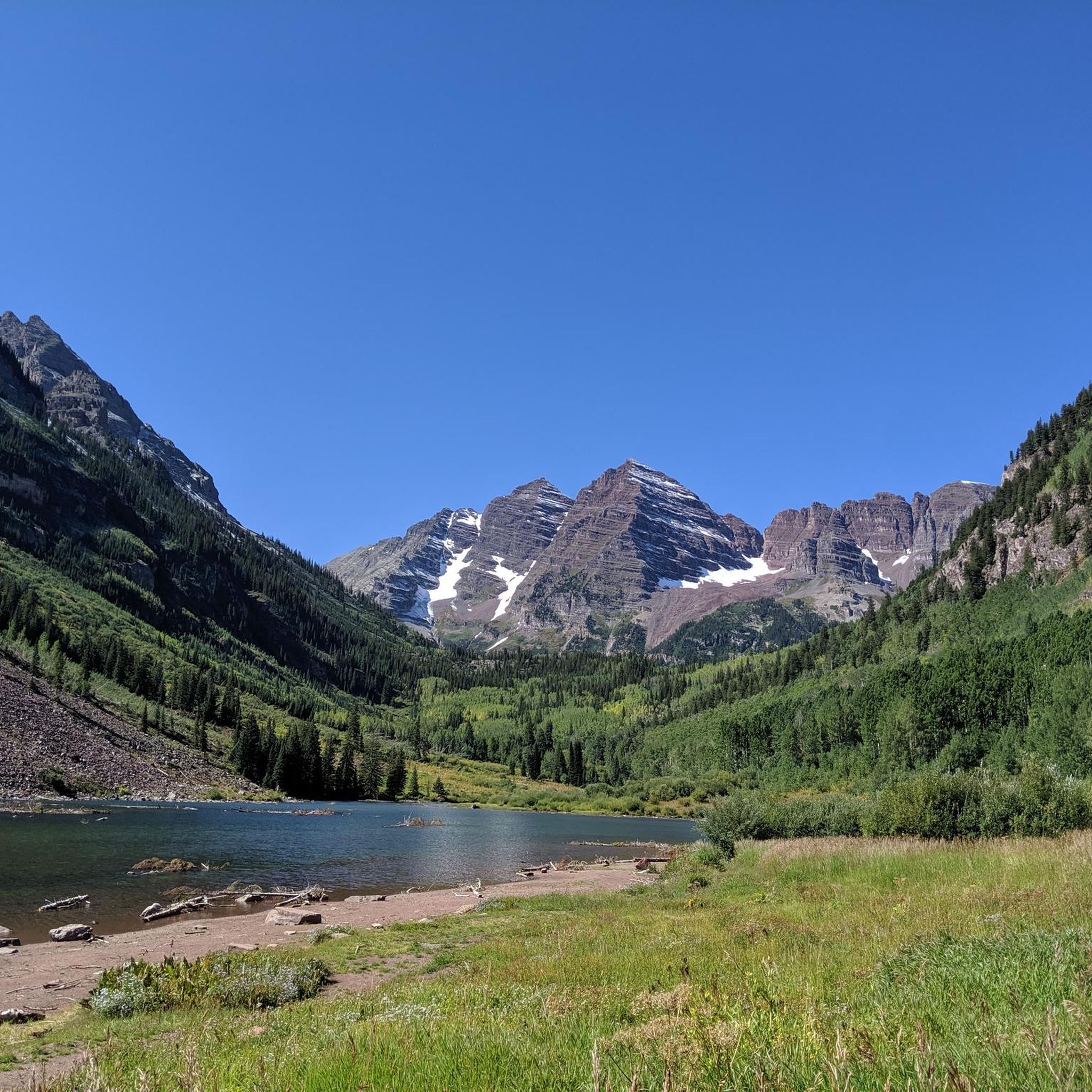
The altitude here is over 12,000 feet, so be mindful of your breathing and the thinner air. You want to get here early in case of afternoon thunderstorms. You'll be rewarded with a spectacular view of the Maroon Bells and Pyramid Peak.
0
0

The North Star Nature Preserve is an access point to the Roaring Fork River. There is kayaking access, access to the East of Aspen Trail, and parking at this south gate. Dogs are allowed on the East of Aspen Trail as long as they are leashed, but are not allowed anywhere else in the preserve so as not to disturb the moose population here.
0
0

Thomas Lake is a beautiful alpine lake located on the east side of Mt. Sopris. At roughly 13,000 feet in elevation, this lake has clear blue waters and great camping on the shores.
0
0

Mt. Sopris is located in the Elk Range of Colorado and is actually a twin summit mountain. It stands above the town of Carbondale and the Roaring Fork Valley at an elevation of 12,965 ft.
0
0
At this point, the trail continues up to the Mount Sopris summit. If you just wanted a run up to Thomas Lakes, this is a good turn around spot. Otherwise, be prepared for a steady climb, rockier terrain, and some switchbacks on your way to the summit.
0
0
Frequently Asked Questions
How many running routes are available in the Elk Mountains?
The Elk Mountains offer a wide variety of running experiences, with over 90 routes documented on komoot. These range from easy paths to very challenging mountain trails, catering to all skill levels.
What is the best time of year for trail running in the Elk Mountains?
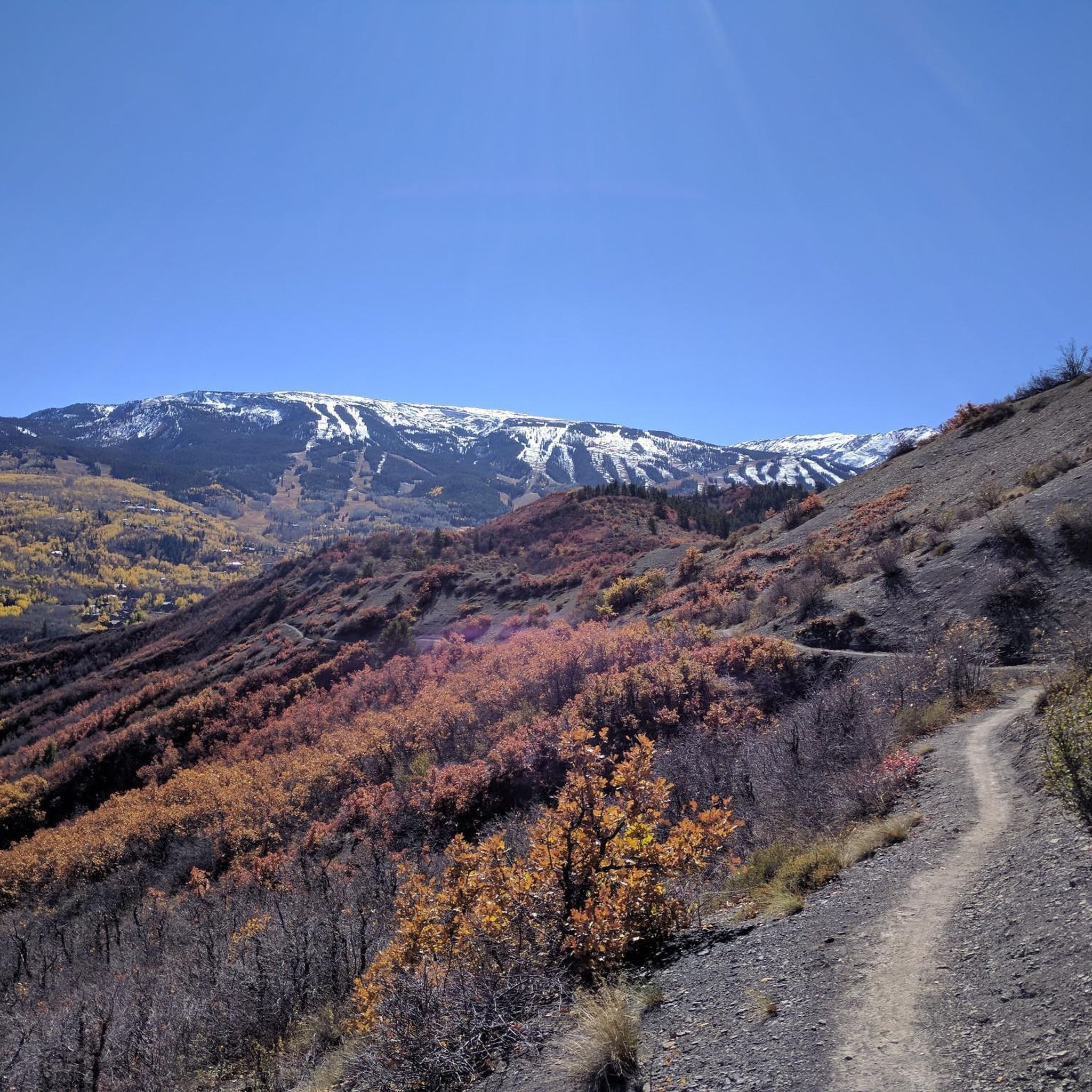
The best time for trail running in the Elk Mountains is generally from late spring through early fall. During autumn, the extensive aspen groves, particularly around areas like Kebler Pass, display vibrant golden hues, making for exceptionally scenic runs. High-elevation trails may still have snow into early summer, so checking conditions is always recommended.
Are there running trails suitable for beginners in the Elk Mountains?
Yes, while many routes are challenging, the Elk Mountains do offer easier options. There are at least 4 easy routes available, providing gentler paths for those new to trail running or looking for a less strenuous experience. For example, the Elk Run Trails near Elkton offer mostly flat terrain protected by dense trees.
What kind of terrain can I expect on running trails in the Elk Mountains?
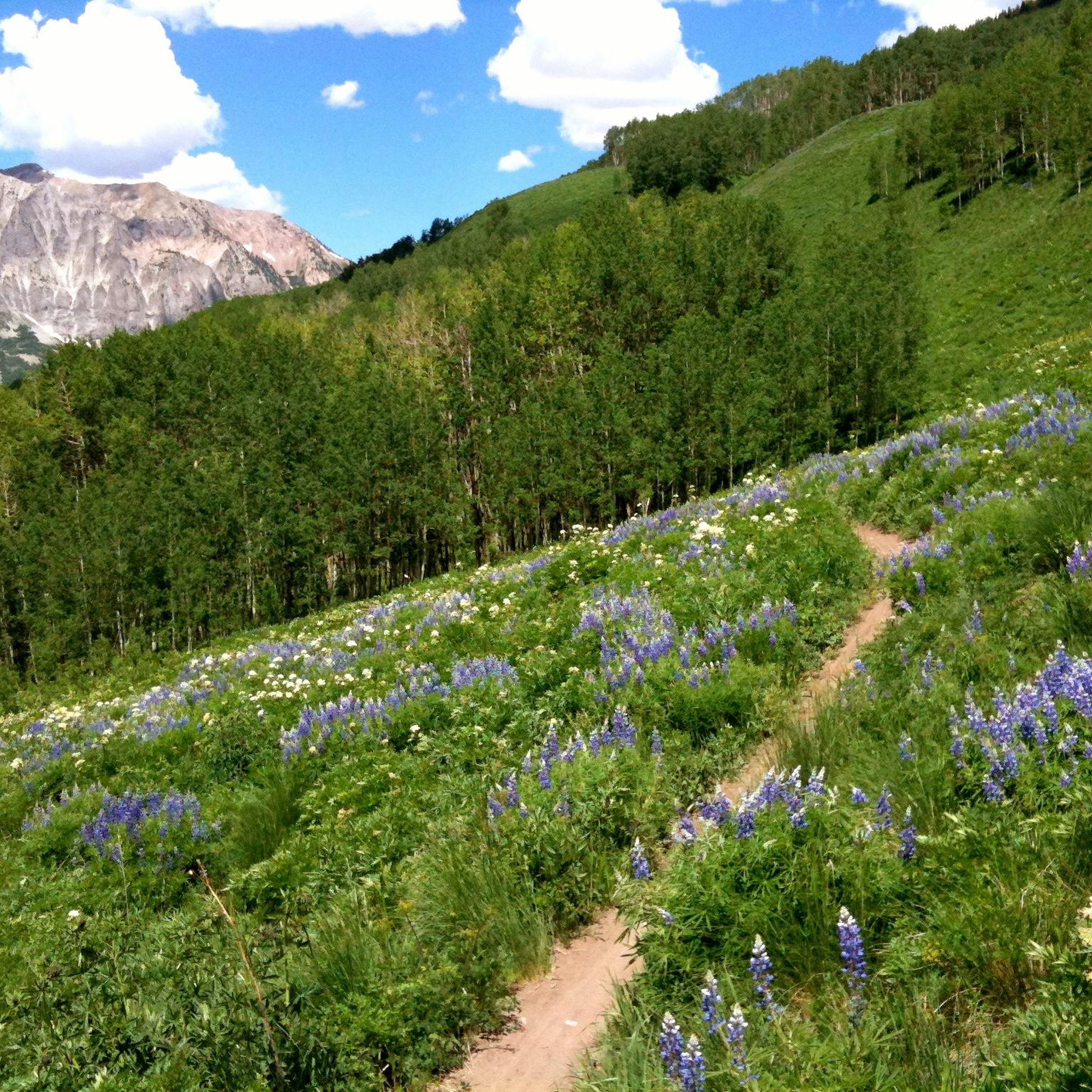
The Elk Mountains boast incredibly diverse terrain. You'll find everything from paved, gentle paths to rugged mountain trails with significant elevation gains. The landscape features crystal clear streams, pristine alpine lakes, lush aspen groves, and dramatic geological formations, including sweeping ridges and towering red rock formations. Expect a mix of dirt paths, rocky sections, and forest trails.
Are there any long-distance running routes for experienced athletes?
Absolutely. The Elk Mountains are home to several challenging long-distance routes. A prime example is the Four Pass Loop, a 26.4-mile (42.4 km) trail that crosses four major passes, each over 12,000 feet in elevation, requiring significant endurance and experience. Another demanding option is the Mount Sopris Trail, covering over 21 km with substantial elevation gain.
What natural features or landmarks can I see while running in the Elk Mountains?
The Elk Mountains are rich in natural beauty. Many running routes offer views of iconic landmarks such as the Maroon Bells and Crater Lake. You might also encounter picturesque alpine lakes like Thomas Lakes or unique geological formations like Mushroom Rock. The region is also known for its vast aspen groves, which are particularly stunning in the fall.
Are there scenic running routes with particularly beautiful views?
Yes, the Elk Mountains are renowned for their breathtaking scenery. Routes like the Maroon-Snowmass Trail to Crater Lake offer stunning vistas of the Maroon Bells. The Green Lake Trail also provides beautiful alpine scenery. Many trails wind through lush forests and open meadows, offering panoramic views of the rugged peaks and valleys.
What do other runners say about the trails in the Elk Mountains?
The running routes in the Elk Mountains are highly rated by the komoot community, with an average score of 4.5 stars from 4 reviews. Runners often praise the diverse terrain, the stunning natural beauty, and the variety of options available for different fitness levels. Many appreciate the pristine wilderness and the challenging yet rewarding climbs.
Are there dog-friendly running trails in the Elk Mountains?
Many trails in the Elk Mountains, particularly within the White River National Forest and Gunnison National Forest, are dog-friendly. However, regulations can vary, especially in wilderness areas like Maroon Bells-Snowmass, where dogs may need to be on a leash or are restricted in certain zones. Always check local signage and regulations before heading out with your canine companion.
Are there any circular running routes in the Elk Mountains?
Yes, the Elk Mountains offer several excellent circular running routes. The Mushroom Rock loop is a popular 4.4-mile (7.2 km) option, and the Teocalli Ridge Loop provides a longer, more challenging circular experience. For an epic adventure, the 34-mile Four Pass Loop is also a well-known circular route.
Can I find running routes near Aspen in the Elk Mountains?
Yes, Aspen is a popular base for exploring the Elk Mountains, and there are several running routes easily accessible from the area. The East of Aspen Trail is a great option, offering a moderate run with scenic views. The Maroon Bells Scenic Area, also near Aspen, provides various trails for all abilities.
Is wildlife spotting common on the running trails in the Elk Mountains?
The Elk Mountains are rich in wildlife, making sightings a possibility on many trails. You might encounter elk, mule deer, black bears, mountain goats, and bighorn sheep, particularly in protected areas like the Maroon Bells-Snowmass and West Elk Wilderness. Always maintain a safe distance and be aware of your surroundings when running in these natural habitats.
Are there any permits required for running on trails in the Elk Mountains?
Generally, permits are not required for day-use running on most trails in the Elk Mountains. However, specific wilderness areas, such as the Maroon Bells-Snowmass Wilderness, may have quotas or require permits for overnight stays, and some popular trailheads might require timed entry reservations or parking fees, especially during peak season. It's always best to check with the local Forest Service or park authorities for the most current regulations before your visit.
Most popular routes in the Elk Mountains
Most popular attractions in the Elk Mountains

Get inspired with the komoot mobile app


Explore more
Browse the best Running Trails & Routes in other regions.
