The best hikes from bus stations in the Elk Mountains
4.7
(80)
2,668
hikers
13
hikes
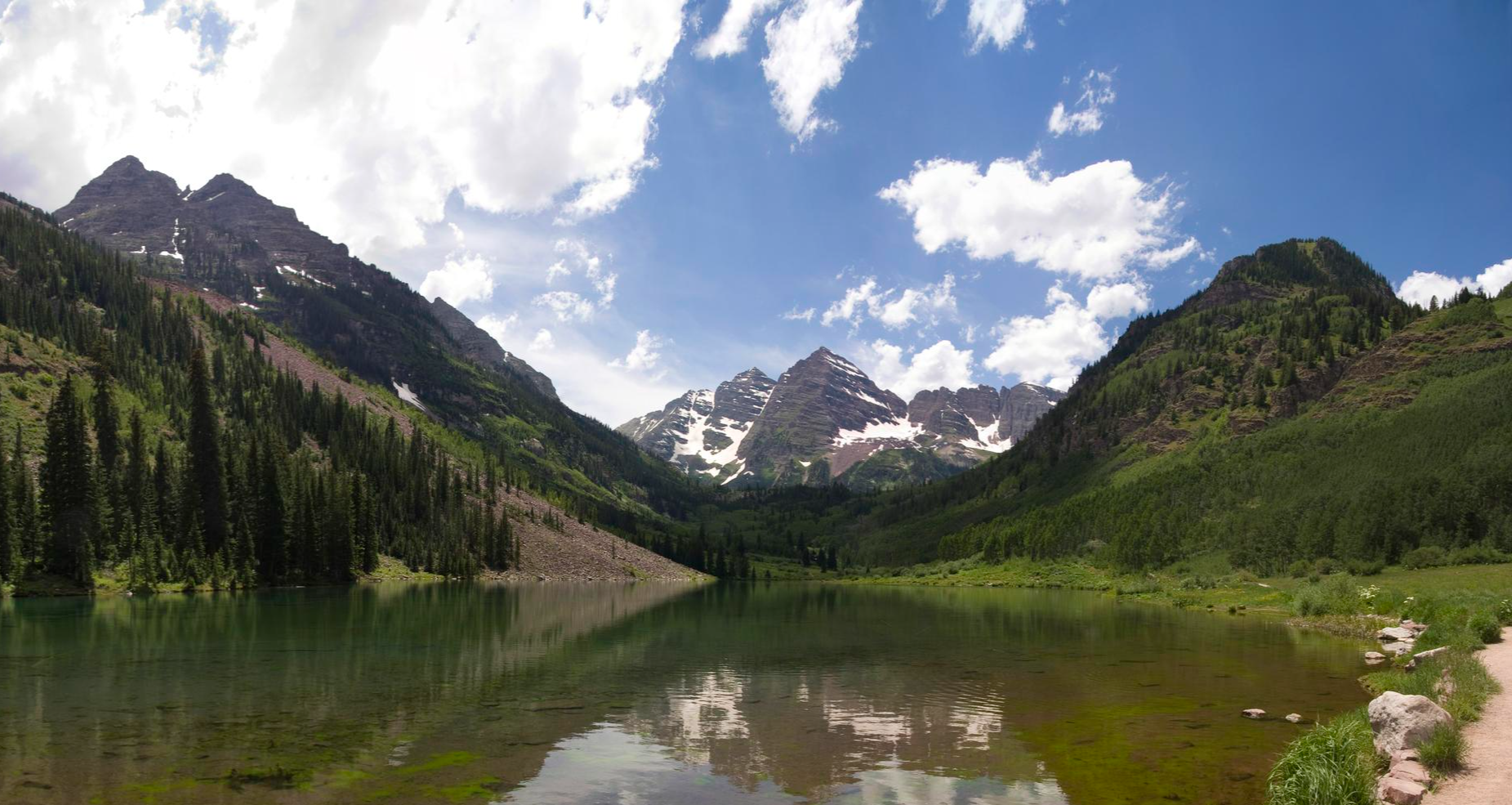
Bus station hiking trails in the Elk Mountains traverse a rugged, high-alpine environment characterized by majestic peaks and scenic valleys. The region features diverse forests of aspen and conifer, alongside high-alpine basins and serene meadows. Numerous mountain lakes are also present, offering varied landscapes for hikers.
Best bus station hiking trails in the Elk Mountains
- The most popular bus station hiking route is Ute Rock loop from Aspen, a 3.2 miles (5.2 km) trail that takes 2 hours to complete. This moderate route offers views of the surrounding mountains.
- Another top favourite among local hikers is Rio Grande Trail – Rio Grande Trail loop from Aspen, an easy 3.8 miles (6.2 km) path. This trail follows the river, providing a flat and accessible experience.
- Local hikers also love the Follow the Creek loop from Aspen, a 5.5 miles (8.9 km) trail leading through forested areas and alongside a creek, often completed in about 2 hours 40 minutes.
- Hiking in the Elk Mountains is defined by high-alpine basins, diverse forests, and mountain lakes, with options ranging from easy strolls to challenging ascents. The network offers options for different ability levels.
- The routes in Elk Mountains are highly rated by the komoot community with an average score of 4.8 stars from more than 70 reviews. More than 2,500 hikers have used komoot to explore Elk Mountains's varied terrain.
Last updated: June 24, 2026
4.5
(2)
55
hikers
5.18km
02:02
350m
350m
Moderate hike. Good fitness required. Easily-accessible paths. Suitable for all skill levels.
5.0
(1)
50
hikers
8.89km
02:42
300m
300m
Moderate hike. Good fitness required. Easily-accessible paths. Suitable for all skill levels.

Sign up for free
16
hikers
5.90km
01:33
50m
50m
Easy hike. Great for any fitness level. Easily-accessible paths. Suitable for all skill levels.
9
hikers
12.9km
05:14
1,030m
1,030m
Hard hike. Very good fitness required. Easily-accessible paths. Suitable for all skill levels.
3.0
(1)
7
hikers
6.17km
01:45
120m
120m
Easy hike. Great for any fitness level. Easily-accessible paths. Suitable for all skill levels.
Get access to more routes and recommendations from other explorers.
Sign up for free
Already have an account?
Our route recommendations are based on thousands of hikes, rides, and runs completed by other people on komoot.
Start today with a free account
Your next adventure awaits.
Login or Signup


Tips from the Community

The East of Aspen Trail is a gravel trail that runs east along side the Roaring Fork River. It is a great trail for hiking, running and biking with serene river and mountain views along the way.
0
0
The East of Aspen Trail is a gravel trail that runs east alongside the Roaring Fork River. It is a great trail for hiking, running and biking with serene river and mountain views along the way.
0
0

You can ride up Aspen Mountain, or take the gondola depending on how you are feeling. At the top there a restaurant called The Sundeck that serves lunch (Asian, American, Mediterranean) and has outdoor seating so that you can enjoy the views before descending back down into town.
0
0
Frequently Asked Questions
How many bus-accessible hiking trails are available in the Elk Mountains?
There are over 15 hiking trails in the Elk Mountains that are easily accessible from bus stations, offering a range of difficulties from easy strolls to challenging ascents. This guide focuses on routes primarily around Aspen and Crested Butte, which are well-served by public transport.
What kind of terrain can I expect on bus-accessible hikes in the Elk Mountains?
The Elk Mountains offer diverse terrain, even on bus-accessible routes. You can expect trails winding through dense aspen groves, conifer forests, and open meadows. Higher elevation trails might feature rugged, rocky paths with dramatic mountain views, while lower routes often follow scenic river valleys. Many trails provide stunning vistas of the region's majestic peaks.
Are there easy, family-friendly hikes accessible from bus stations?
Yes, several easy and family-friendly options are available. For instance, the Rio Grande Trail – Rio Grande Trail loop from Aspen is an easy route with minimal elevation gain, perfect for a relaxed outing. Another gentle option is the East of Aspen Trail loop from Aspen, which offers pleasant scenery without significant challenge.
Can I find circular routes starting from bus stations?
Absolutely. Many of the bus-accessible trails in the Elk Mountains are designed as circular routes, allowing you to start and end your hike at the same point, often conveniently near a bus stop. Examples include the Ute Rock loop from Aspen and the Follow the Creek loop from Aspen, both offering varied scenery on a loop.
Are there any trails from bus stations that lead to scenic lakes or waterfalls?
While direct bus access to some of the most remote alpine lakes like Maroon Lake or Crater Lake often requires additional shuttle services or longer hikes, many bus-accessible trails offer views of rivers and streams. The region is rich with mountain lakes and waterfalls, and some trails may provide glimpses or lead to smaller, less-known water features. Always check specific route details for water access.
What are some notable natural features or landmarks I can see on these trails?
The Elk Mountains are famous for their dramatic landscapes. While hiking from bus stations, you might encounter stunning aspen groves, especially vibrant in autumn, and enjoy panoramic views of rugged peaks. Some trails offer glimpses of iconic landmarks like Mushroom Rock or provide views towards the charming Crested Butte Downtown area.
Are bus-accessible trails in the Elk Mountains dog-friendly?
Many trails in the Elk Mountains are dog-friendly, but regulations can vary, especially within wilderness areas or specific town limits. It's always best to check local signage or the specific trail's rules before heading out with your dog. Generally, dogs should be kept on a leash to protect wildlife and ensure a pleasant experience for all hikers.
What is the best time of year to hike from bus stations in the Elk Mountains?
The prime hiking season in the Elk Mountains typically runs from late spring through early fall (June to October). Summer offers lush greenery and wildflowers, while autumn (late September to early October) is spectacular with the golden aspen foliage. Always be prepared for changing weather conditions, even in summer, and check trail conditions, especially at higher elevations, as snow can persist into early summer.
Are there options for more challenging hikes from bus stations?
Yes, for experienced hikers seeking a challenge, routes like the Bell Mountain – Aspen Mountain loop from Aspen offer significant elevation gain and distance, providing a strenuous workout and rewarding views. These more difficult trails often lead to higher altitudes and require good physical fitness.
What do other hikers say about the bus station trails in the Elk Mountains?
The bus-accessible trails in the Elk Mountains are highly rated by the komoot community, with an average score of 4.76 stars from 75 ratings. Reviewers often praise the convenience of public transport access, the stunning natural beauty, and the variety of trails suitable for different skill levels. Many highlight the well-maintained paths and the immersive experience in the region's unique landscapes.
Where can I find refreshments or accommodation after my hike?
The towns of Aspen and Crested Butte, which serve as hubs for many bus-accessible trailheads, offer a wide array of options for refreshments and accommodation. You'll find numerous cafes, restaurants, pubs, and various lodging choices ranging from luxury hotels to more budget-friendly inns, all within easy reach of bus stations.
What should I bring for a hike from a bus station in the Elk Mountains?
Even for shorter, bus-accessible hikes, it's wise to be prepared. Essential items include plenty of water, snacks, sun protection (hat, sunglasses, sunscreen), layers of clothing (weather can change quickly), a basic first-aid kit, and a map or GPS device. Sturdy hiking shoes are recommended for all trails, and trekking poles can be helpful on steeper sections.
Most popular routes in the Elk Mountains
Most popular attractions in the Elk Mountains

Get inspired with the komoot mobile app


