Top 20 Natural Monuments in Rome
Best natural monuments in Rome offer a blend of ecological richness and historical significance, providing a serene escape from the urban core. Rome's natural landscape features expansive parks, ancient roads, and water features that intertwine with its rich history. These areas protect diverse flora and fauna, creating unique environments for exploration. The city's natural spaces connect central Rome with surrounding hills and countryside.
Best natural monuments in Rome
- The most popular natural monuments is Via Appia Antica (Ancient Appian Way), a historical site and trail that serves as a "green wedge" connecting central Rome with the Alban Hills. This ancient Roman road is lined with tombs, estates, and catacombs, offering long walks amidst ancient ruins and natural beauty.
- Another must-see spot is Park of the Aqueducts, a man-made monument and natural area defined by colossal ancient Roman aqueducts. Visitors can marvel at the engineering brilliance of the Romans in a tranquil setting, with structures like the Aqua Claudia rising dramatically against a backdrop of rolling hills and lush greenery.
- Visitors also love Monte Gelato Waterfalls, a waterfall and forest area near the Treja river. This natural monument provides a peaceful environment, ideal for taking a break and enjoying the suggestive waterfalls near the ruins of an old mill.
- Rome is known for its diverse natural parks, ancient pathways, and waterfalls. Visitors can explore a variety of natural monuments, including expansive public parks, historical roads integrated with nature, and botanical gardens.
- The natural monuments in Rome are appreciated by the komoot community, with more than 1700 upvotes and over 1100 photos shared.
Last updated: October 27, 2026
Trevi Fountain
Highlight • Monument
Its design is in the Baroque style, where elements of architecture, sculpture and nature come together in the same setting.
Translated by Google •
Tip by

Fountain of the Four Rivers, Piazza Navona
Highlight • Monument
Translated by Google •
Tip by
Sign up now to discover places like this
Get recommendations on the best single tracks, peaks, & plenty of other exciting outdoor places.
Altare della Patria (Victor Emmanuel II Monument) at night
Highlight • Monument
After two international competitions (1880 and 1882), the project presented by Giuseppe Sacconi was chosen. The young architect from the Marche region, following the model of the great sanctuaries of the classical era, had conceived the space as a scenic representation celebrating the Italian Risorgimento in the center of imperial Rome.
The architectural structure of the monument was developed as an ideal ascending path that, through the stairs and terraces, enriched by the various sculptural groups and bas-reliefs of the central Altar of the Homeland, would rise to the side temples and from these to the grandiose crowned columned portico. by bronze chariots, allegories of the Unity of the Homeland and Freedom.
Translated by Google •
Tip by
Via Appia Antica (Ancient Appian Way)
Highlight • Historical Site
Translated by Google •
Tip by

Villa Borghese
Highlight • Monument
Translated by Google •
Tip by

Caffarella Park
Highlight • Forest
Translated by Google •
Tip by

Park of the Aqueducts
Highlight • Monument
Rich in history, the Parco degli Acquedotti is one of the green lungs of the city, its name derives from the fact that here was the fundamental hub of the water network of ancient Rome, a point where the aqueducts intersected, joined and overlapped which supplied the capital, the immense patrician villas, the thermal baths and the fountains with water.
In the area there are seven aqueducts: the Anio Vetus, the Anio Novus, the Aqua Marcia, the Tepula, the Iulia aqueduct, the Aqua Claudia aqueduct and the Felice aqueduct, still functioning, built in 1585. by Pope Sixtus V, Felice Peretti, on the arches of the Marcio Aqueduct. In addition to the aforementioned aqueducts, in this area there are other interesting ancient buildings, including the Villa delle Vignacce, the old Roma farmhouse and the Villa dei Sette Bassi.
Strolling around the park means allowing yourself a few hours of complete relaxation away from the chaos of the city, among paths lined with streams, waterfalls, trees and pastures, and obviously immerse yourself in the atmosphere of the Rome of the past.
The Parco degli Acquedotti, as it is made, is one of the most instagrammable places in Rome… not to be missed.
Translated by Google •
Tip by

Moor Fountain, Piazza Navona
Highlight • Monument
The marble soap dish basin was made in 1575 by Giacomo della Porta during the pontificate of Gregory XIII Boncompagni (1572-1585). It was decorated with groups of mermen, dragons and masks by 11th century artists (Egidio della Riviera, Taddeo Landini, Simone Moschini and Giacobbe Silla Longhi) designed by Giacomo della Porta and replaced in 1874 with copies by Luigi Amici. Innocenzo X Pamphilj (1644-1655) commissioned Gian Lorenzo Bernini to renovate the 16th century fountain.
Translated by Google •
Tip by
Tempesta Spring
Highlight • Natural Monument
Translated by Google •
Tip by

Monte Gelato Waterfalls
Highlight • Waterfall
The shady trees around the waterfall and the Treja river in the Vale del Treja Natural Park create a peaceful environment, ideal for taking a break on the Via Francigena towards Rome.
Translated by Google •
Tip by

Sign up for free to discover even more natural monuments in Rome.
Already have an account?
Start today with a free account
Your next adventure awaits.
Popular around Rome
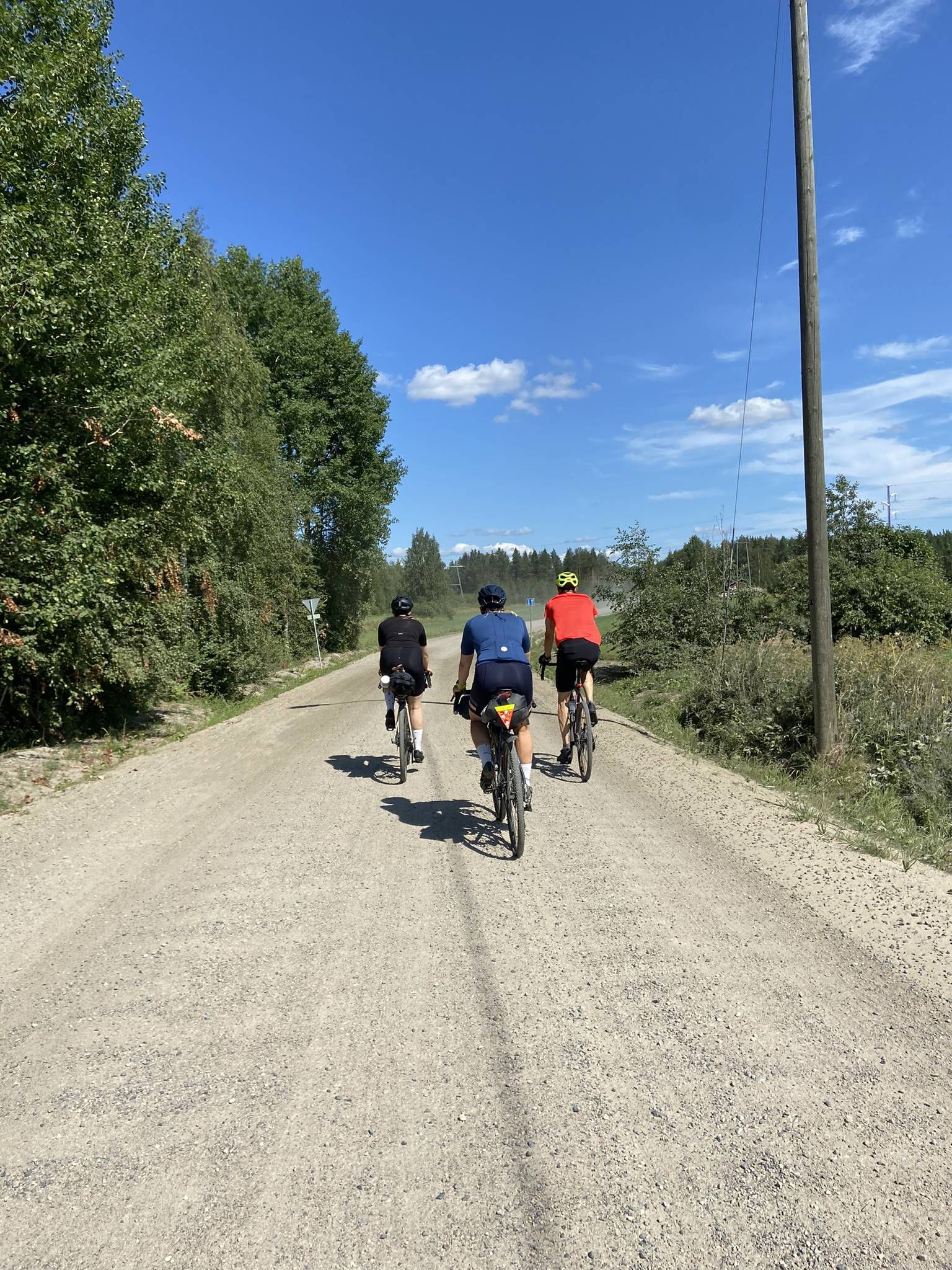
Naples to North Cape — Two friends, one purpose and many scoops of ice-cream
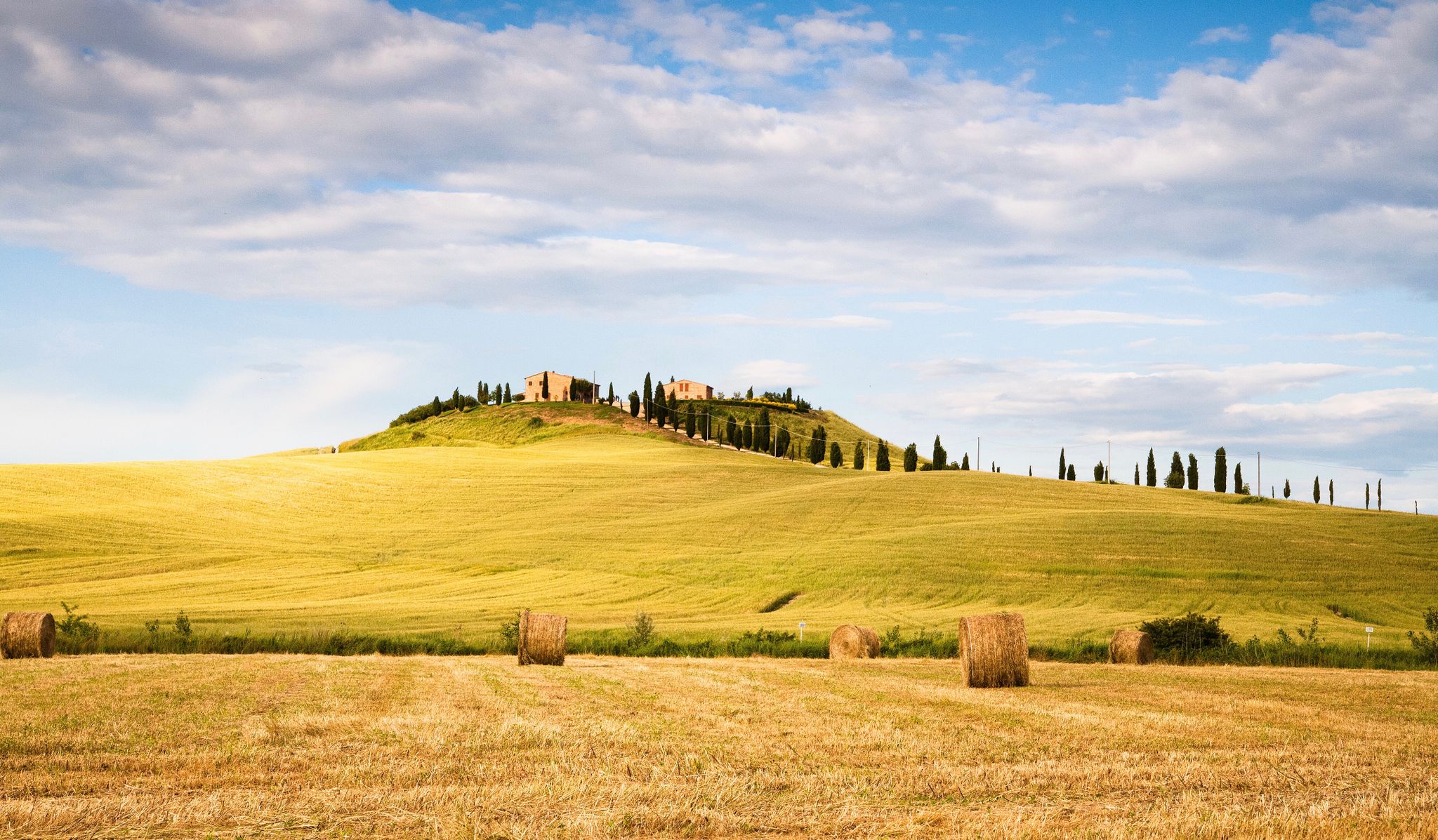
Via Francigena South — Siena to Rome
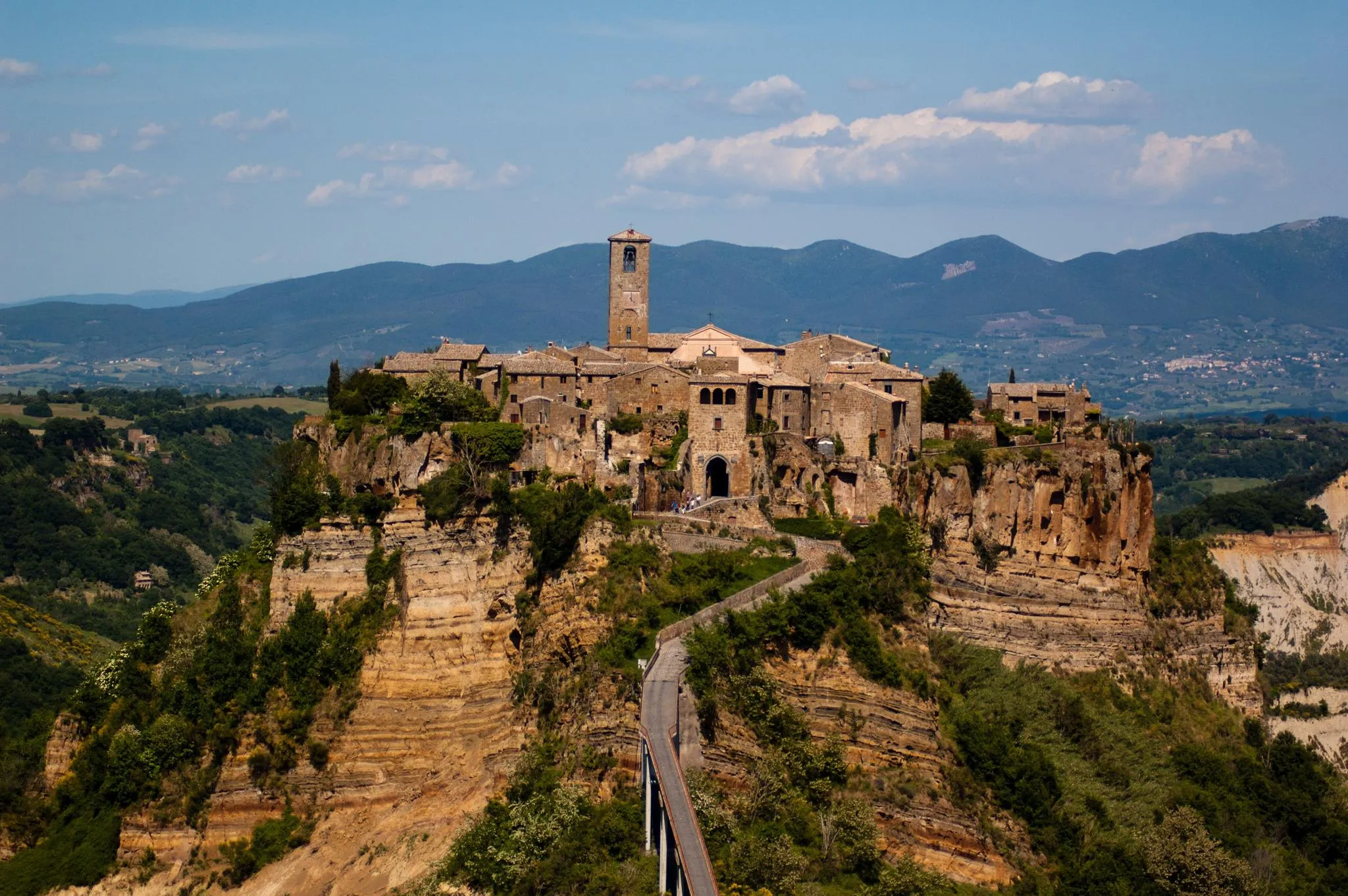
Lazio by bike – suspended villages, turquoise waters and natural parks
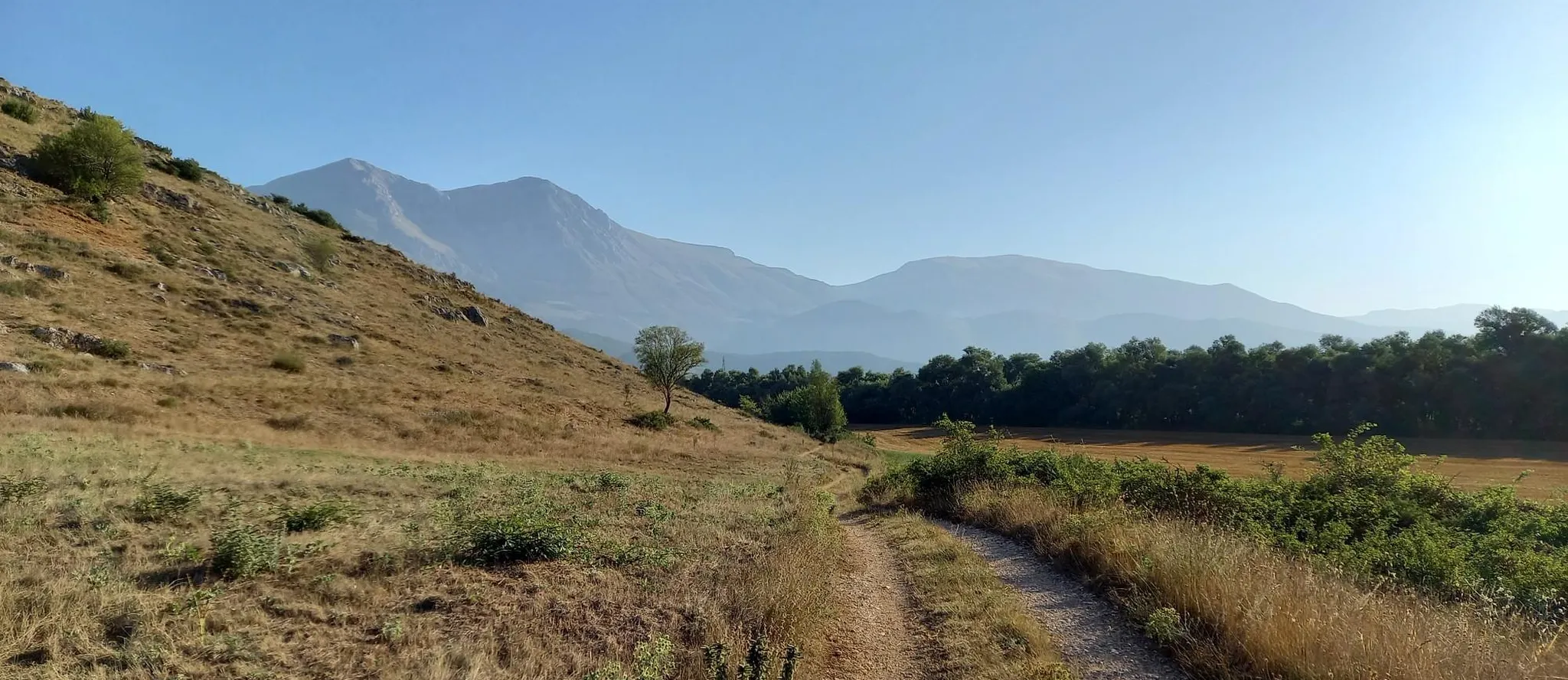
Hike from Rome to the Adriatic Sea – Way of St. Thomas
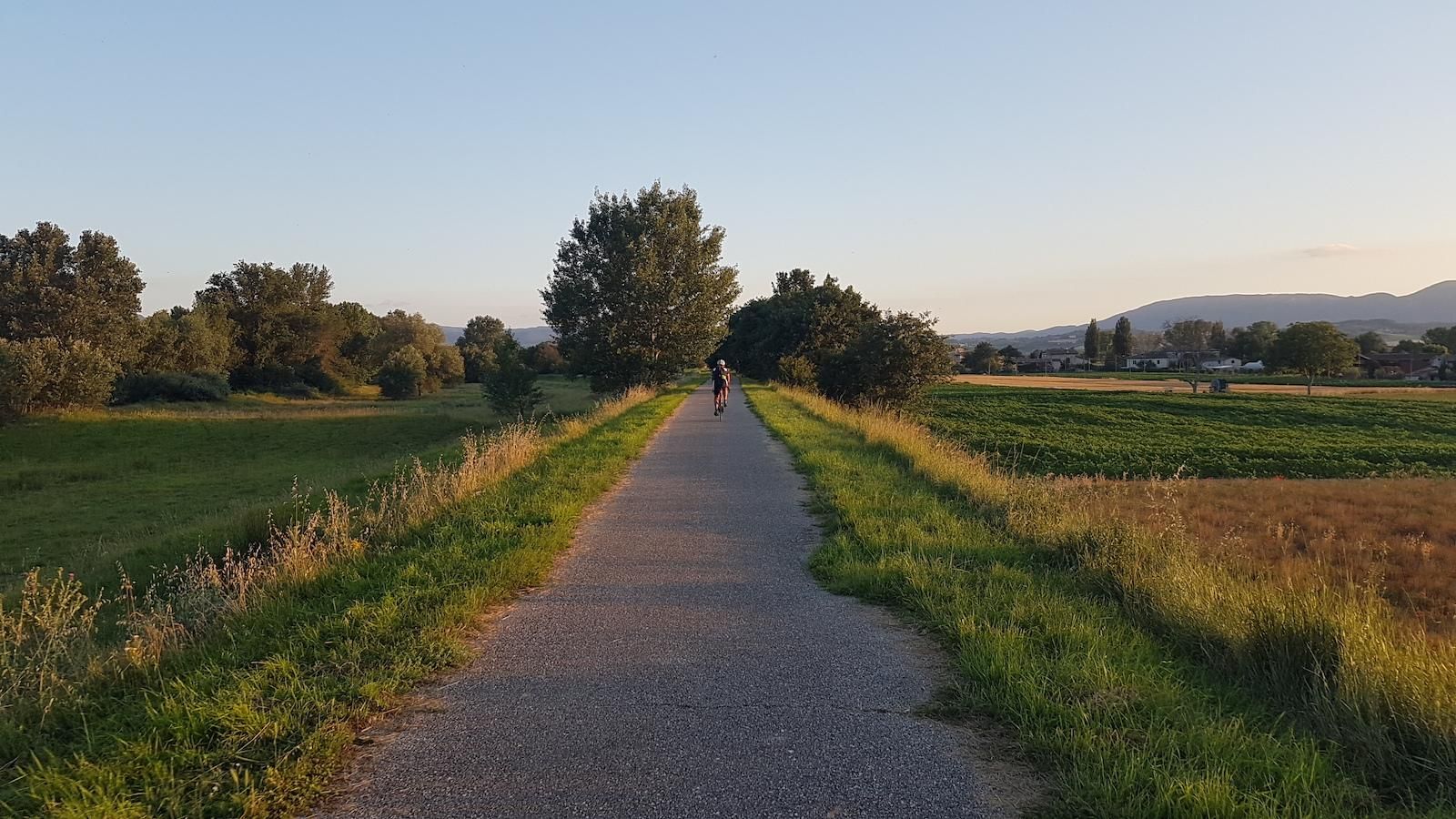
Ride St Francis Way in Italy – Via del Sud pilgrimage
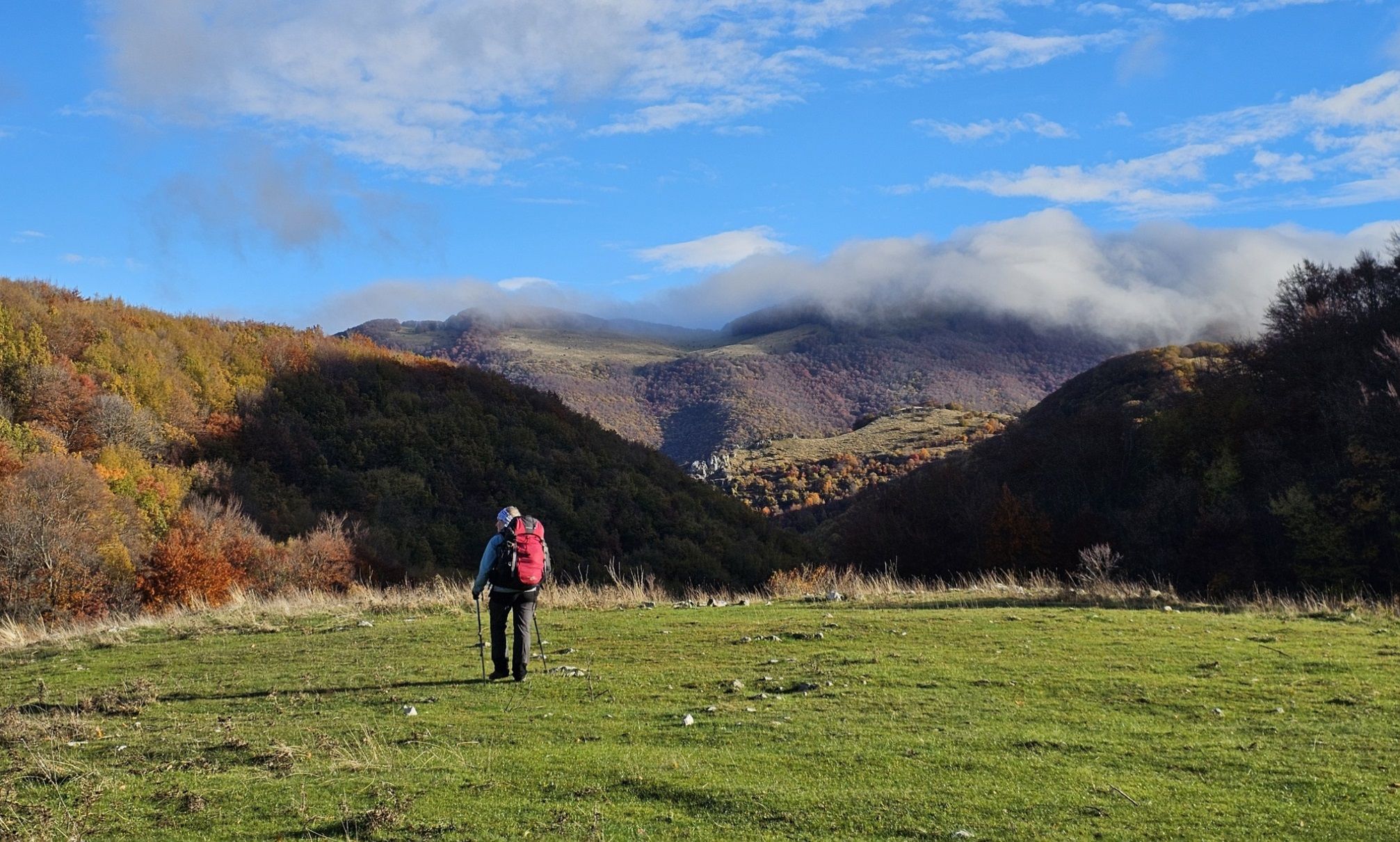
A colourful journey – hike in the Simbruini Mountains
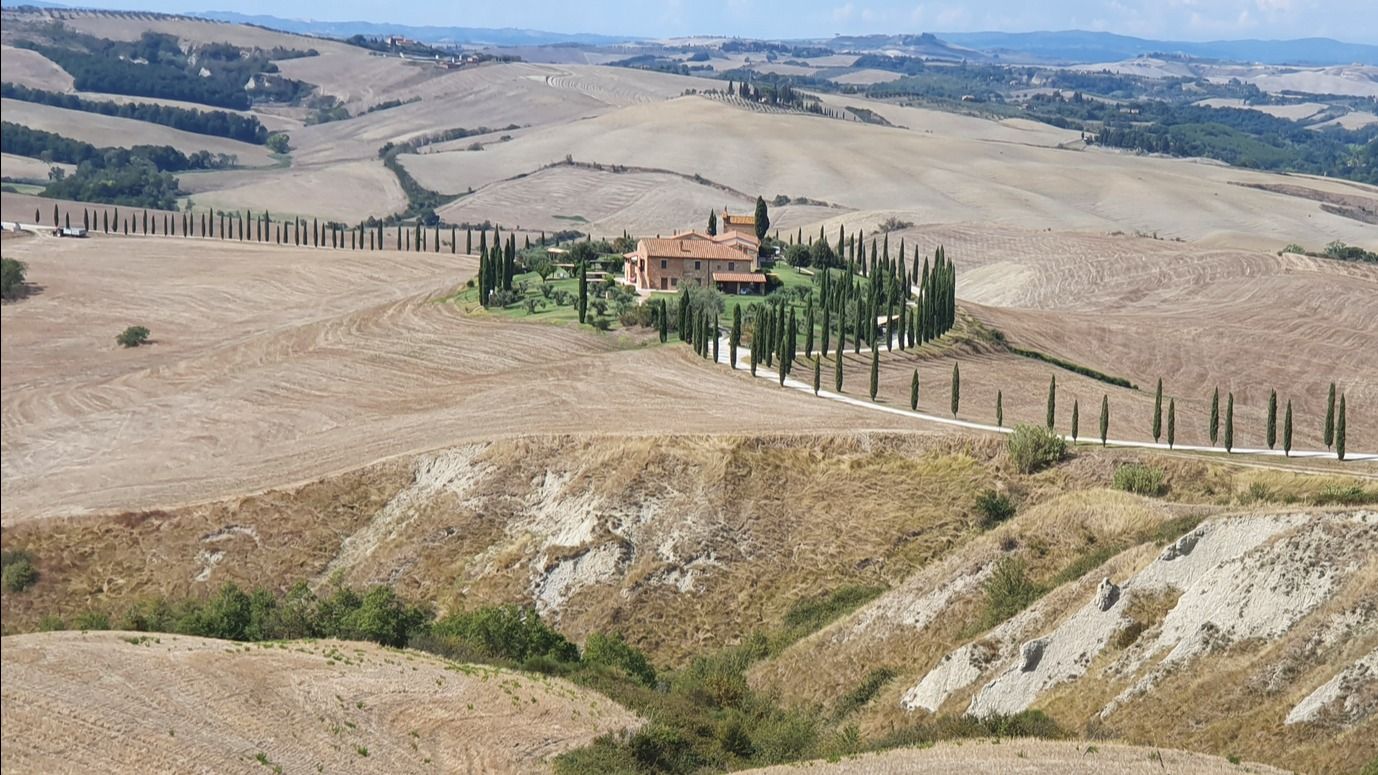
A Grand Tour of Italy – Rome to Milan by bike
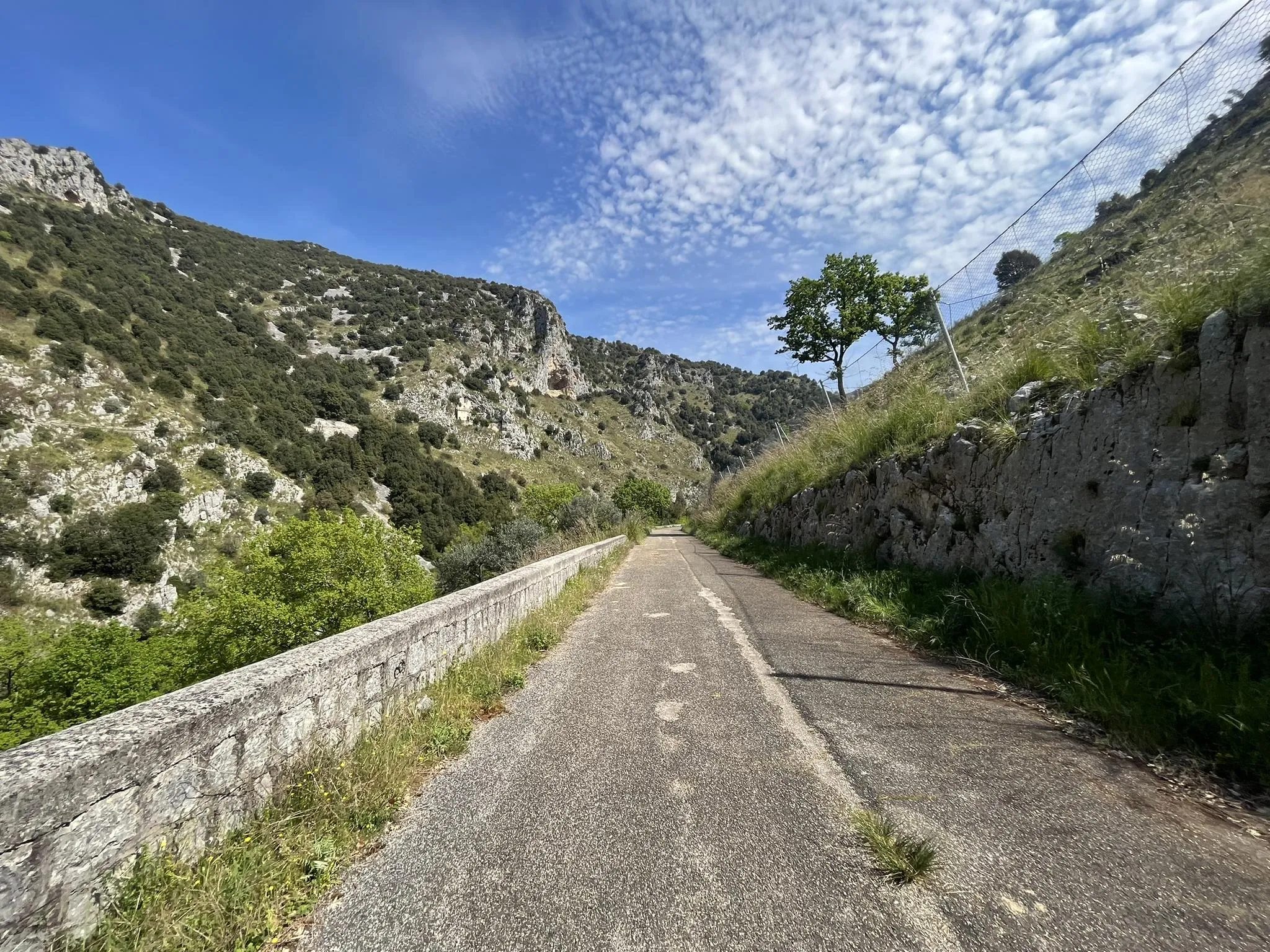
Between abbeys and quiet valleys – Saint Benedict's Way by bike
Cammino Naturale dei Parchi – Part 2 Livata to Corvaro
Ancient paths and necropolises – the Via Clodia by bike
Other adventures in Rome


Tips from the Community

After a long time, the water has returned, perhaps thanks to the rains of the past few months. There are also some tadpoles that have been placed in the fountain.
0
0

Fontan Tempesta is much more than a simple spring: it is a melting pot of history, geology, and legend located in the heart of the Castelli Romani Park, along the ancient path connecting Genzano, Nemi, and Rocca di Papa. 1. History and Name The name "Tempesta" has ancient roots. Some historians link it to the Tempesta family, local nobles in the Middle Ages. Others, more romantically, maintain that the area is so named for the frequency of intense atmospheric phenomena due to the particular shape of the Nemi volcanic crater, which "attracts" thunderstorms. 2. A Hydrographic Turning Point The spring is located approximately 600 meters above sea level. Geologically, the water that flows here is the result of filtering through the pyroclastic rocks of the Laziale Volcano. The fact that it has returned to flow after years of drought is an important sign of the restoration of surface water tables, often strained by the scarce rainfall of recent years. 3. Crossroads of Pilgrims and Wayfarers Historically, Fontan Tempesta was an obligatory stop for those traveling the Southern Via Francigena or for pilgrims heading to the Temple of Diana in Nemi. Even today, it is a favorite "turning point" for bikers and hikers because it represents the coolest and most sheltered spot in the forest, where the microclimate remains humid even in the height of summer.
0
0

Nice spot to make pause and regain energy. Don’t expect water flowing during summer months
0
0

Hello Do you know if the trail is exposed in any places? We have a 15-month-old baby, and my wife is particularly afraid of the exposed sections. Thank you very much.
0
0

Piazza Navona is one of Rome's most famous and beautiful squares, known for its elegant Baroque architecture, monumental fountains, and vibrant atmosphere. Built on the site of the ancient Stadium of Domitian (1st century AD), where athletic competitions were held, it is a square with a long, curved shape that follows the layout of the original stadium. It was transformed into a public square in the 15th century and beautified in the 17th century under the papacy of Innocent X.
16
0
The Trevi Fountain is one of Rome's most iconic monuments and a jewel of Baroque art. Construction: Begun in 1732 by Nicola Salvi and completed in 1762 by Giuseppe Pannini.
20
1

The Appian Way is the perfect place for a family bike ride, away from the hustle and bustle. The paths are mostly very well-maintained. In some places, you can cycle alongside the Appian Way on sandy paths, as the old stones are not very pleasant to ride on. However, this is only the case in a few places. Furthermore, throughout the entire ride, you can repeatedly see ancient ruins, etc., on both sides. Just passing by is wonderful.
2
0
Villa Borghese Park in Rome is one of the largest and most beautiful urban parks in Europe. This park combines nature and art in a unique way, offering an enriching experience for visitors. The park is ideal for relaxing, playing sports or simply enjoying a stroll. In addition, bicycles and skates can be rented at the main entrances.
5
1
Frequently Asked Questions
What makes Rome's natural monuments unique?
Rome's natural monuments are unique because they seamlessly blend ecological richness with profound historical significance. You can explore ancient Roman roads, aqueducts, and villas nestled within expansive parks and gardens. These areas offer a serene escape from the city's bustle while providing a direct connection to its ancient past.
Are there natural monuments in Rome that are suitable for families?
Yes, several natural monuments in Rome are very family-friendly. For instance, Park of the Aqueducts is ideal for picnics and enjoying fresh air, with plenty of space for children to run around. Monte Gelato Waterfalls offers a peaceful environment with suggestive waterfalls, perfect for a family outing. Villa Borghese, though not listed as a highlight in the guide, is also known for its gardens, playgrounds, and the Bioparco di Roma (zoological garden), making it a great choice for families.
What kind of outdoor activities can I do near Rome's natural monuments?
You can enjoy a variety of outdoor activities. The hiking trails in Rome offer options like the 'Lago Albano – ring tour' in Parco dei Castelli Romani. For cyclists, the road cycling routes include the 'Cycling Path of Rome from Castel Giubileo to Ponte Milvio'. Gravel biking is also popular, with routes like 'In the hills of the Castelli Romani among volcanic lakes and ancient villages' available in the gravel biking guide for Rome. Many natural monuments, like Via Appia Antica (Ancient Appian Way), are perfect for long walks or cycling.
Which natural monuments offer historical insights alongside nature?
The Via Appia Antica (Ancient Appian Way) is a prime example, where you can walk or cycle along an ancient Roman road lined with tombs, villas, and catacombs. The Park of the Aqueducts showcases the colossal ancient Roman aqueducts, such as the Aqua Claudia, set against a natural backdrop. These sites allow you to marvel at Roman engineering and history within a tranquil natural setting.
Can I explore Rome's natural monuments using public transport?
Many of Rome's natural monuments are accessible by public transport. For example, the Appian Way Regional Park, which includes the Via Appia Antica and Park of the Aqueducts, can be reached via bus lines from central Rome. Villa Borghese is also well-connected by metro and bus. It's always advisable to check local transport schedules for the most up-to-date information when planning your visit.
What kind of natural features can I expect to see in Rome's natural monuments?
Rome's natural monuments feature diverse landscapes. You can find meticulously landscaped gardens and artificial lakes at places like Villa Borghese, or rolling hills and lush greenery surrounding ancient structures at the Park of the Aqueducts. The Monte Gelato Waterfalls offer picturesque cascades and a tranquil river environment. The Orto Botanico di Roma (Botanical Garden) boasts a wide variety of plant collections, including Japanese gardens, cactus gardens, and ancient trees.
Are there any natural monuments in Rome with waterfalls?
Yes, Rome has beautiful natural monuments featuring waterfalls. The Monte Gelato Waterfalls near the Treja river are a popular spot, known for their suggestive cascades and peaceful environment. Another notable waterfall is the Mola Waterfall of Formello, which also offers a scenic natural setting.
What wildlife can be observed in Rome's natural monuments?
Rome's natural monuments support a variety of wildlife. In areas like the Appian Way Regional Park, you might spot different species of lizards, mice, rabbits, frogs, turtles, and even foxes. Villa Borghese is home to birds, squirrels, and hedgehogs. These green spaces provide crucial habitats within and around the bustling city.
What do visitors enjoy most about Rome's natural monuments?
Visitors particularly enjoy the unique combination of nature and history. Many appreciate the opportunity for long walks or bike rides amidst ancient ruins, as seen along the Via Appia Antica. The tranquil settings, like the Park of the Aqueducts, are valued for providing a peaceful escape from city crowds. The scenic beauty, especially at sunset, and the chance to marvel at Roman engineering are also frequently highlighted.
Are there any natural monuments that are less crowded for a quieter experience?
For a quieter experience, the Park of the Aqueducts is often less visited by tourists compared to more central attractions, offering a serene environment to explore the ancient structures. The Orto Botanico di Roma (Botanical Garden) also provides a peaceful oasis away from the city's hustle, perfect for a quiet retreat among diverse plant collections.
What is the best time to visit Rome's natural monuments?
The best time to visit Rome's natural monuments is typically during the spring (April-May) and autumn (September-October) months. During these periods, the weather is pleasant, with comfortable temperatures for walking and cycling, and the natural landscapes are at their most vibrant. Visiting during these shoulder seasons also helps avoid the intense heat of summer and the larger crowds.
Most popular routes in Rome
Most popular attractions in Rome

Get inspired with the komoot mobile app


Didn’t find what you were looking for?
Find even more amazing natural monuments in Rome by checking out the top Highlights region by region:
Explore more
Extend your search for the best caves by checking out these guides of the top ones in Rome:
