Top 20 Natural Monuments in Scottish Borders
Best natural monuments in Scottish Borders showcase a landscape shaped by millions of years of geological activity, offering diverse features from dramatic coastlines to volcanic hills. The region's natural monuments provide unique geological formations and compelling reasons for exploration. These sites highlight the dynamic geological history of the Scottish Borders, featuring ancient volcanic intrusions and significant coastal formations. Visitors can engage with varied landscapes, unique rock formations, and abundant wildlife across the region.
Best natural monuments in Scottish Borders
- The most popular natural monuments is St Abb's Head Viewpoint, a viewpoint characterized by jagged cliffs. This dramatic headland is a National Nature Reserve and a significant site for its seabird colonies, hosting thousands of kittiwakes, fulmars, guillemots, puffins, and razorbills.
- Another must-see spot is Eildon Hill North, a summit and part of the distinctive triple-peaked Eildon Hills. This peak was the site of the largest Iron Age hill fort in Scotland and offers views of the surrounding area.
- Visitors also love Eildon Mid Hill Summit, a viewpoint and the highest of the Eildon Hills. Its foundations are the eroded remnants of igneous trachytic and rhyolitic sills, formed some 350 million years ago, providing views of the surrounding countryside.
- Scottish Borders is known for its volcanic hills, dramatic coastlines, and river valleys. The region offers a variety of natural monuments to see and explore, including summits, viewpoints, and geological formations.
- The natural monuments in Scottish Borders are appreciated by the komoot community. The guide features 41 highlights, with 41 upvotes and 69 photos contributed by visitors.
Last updated: August 20, 2026
Summit of Windy Gyle
Highlight • Viewpoint
Tip by

Eildon Hill North
Highlight • Summit
Tip by
Sign up now to discover places like this
Get recommendations on the best single tracks, peaks, & plenty of other exciting outdoor places.
Sign up for free
Eildon Mid Hill Summit
Highlight • Viewpoint
The true origin of these charismatic mini-mountains has more to do with geological wizardry. The Eildon Hills' foundations are the eroded remnants of a suite of igneous trachytic and rhyolitic sills. In other words, places where magma worked its way between sedimentary layers and solidified some 350 million years ago.
Eildon Mid Hill is the summit of the massif, standing proud at 1,385 feet (422 m) and rewarding your efforts with sumptuous views of the surrounding countryside.
Tip by

St Mary's Loch
Highlight • Viewpoint
Tip by
Lilliard's Stone and Lilliot Cross
Highlight • Historical Site
According to legend, the fair maiden Lilliard followed her lover to this battle and when he was killed, took up his sword and set about slaying the English until she died of her own wounds. There is no evidence of this event, though.
Tip by
Twin Law Cairns
Highlight • Historical Site
On the summit you find two large cairns, the Twin Law Cairns. According to legend, the cairns mark the graves of two brothers who fought on opposite sides in an ancient battle.
Tip by

Eildon Wester Hill
Highlight • Summit
Tip by
River Tweed
Highlight • Viewpoint
The river is known for its salmon with one of the largest salmon populations in the UK. It is also the only river in England where you are not required to have a rod licence to fish.
Tip by

Starney Bay, St Abb's Head National Nature Reserve
Highlight • Natural Monument
Tip by

View of the Three Brethren
Highlight • Monument
Tip by

Sign up for free to discover even more natural monuments in Scottish Borders.
Sign up for free
Already have an account?
Start today with a free account
Your next adventure awaits.
Login or Signup
Popular around Scottish Borders
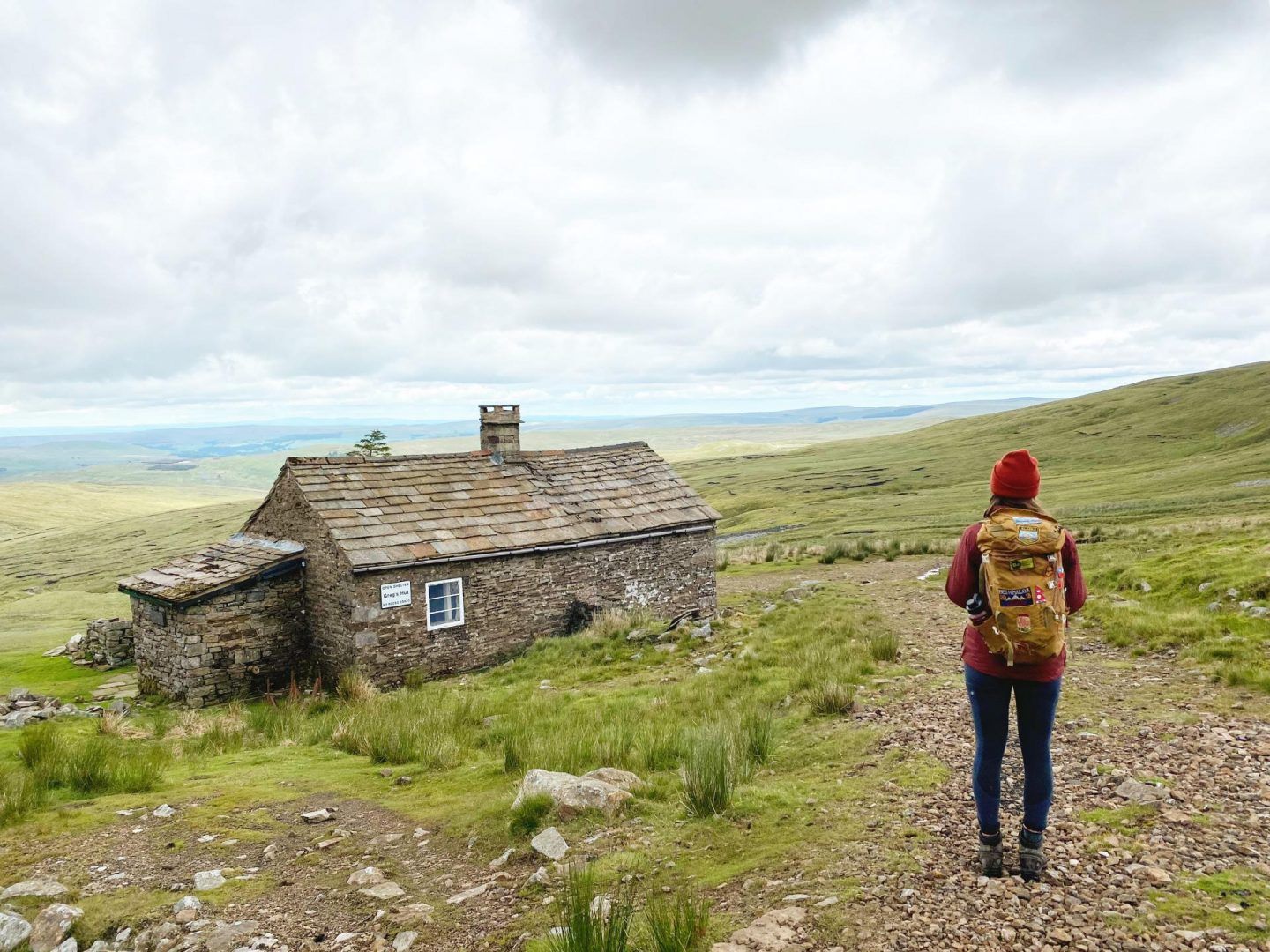
Bothies of Britain: hiking and biking adventures to unique mountain shelters
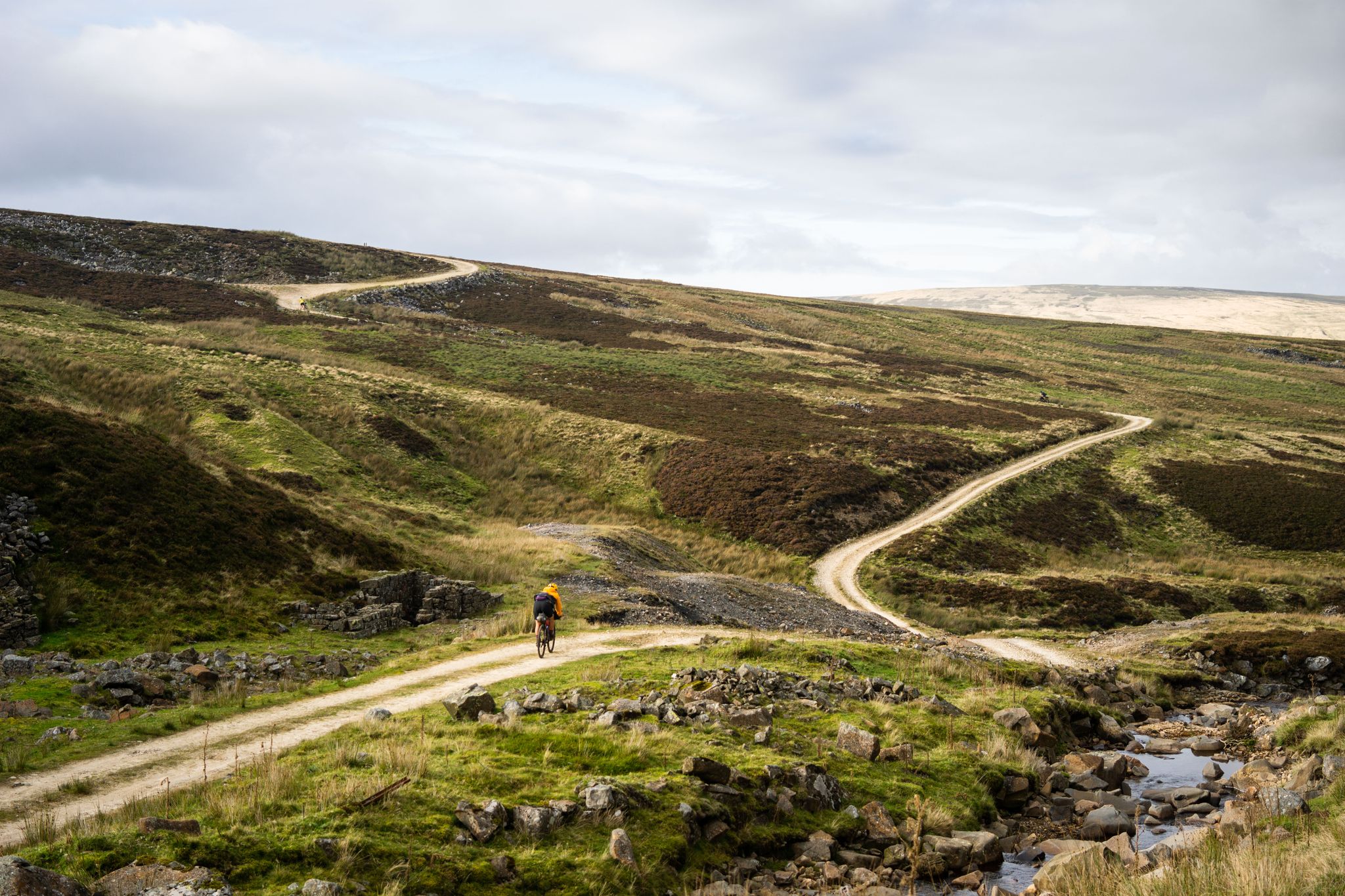
Second City Divide — Rough Stuff Of The North
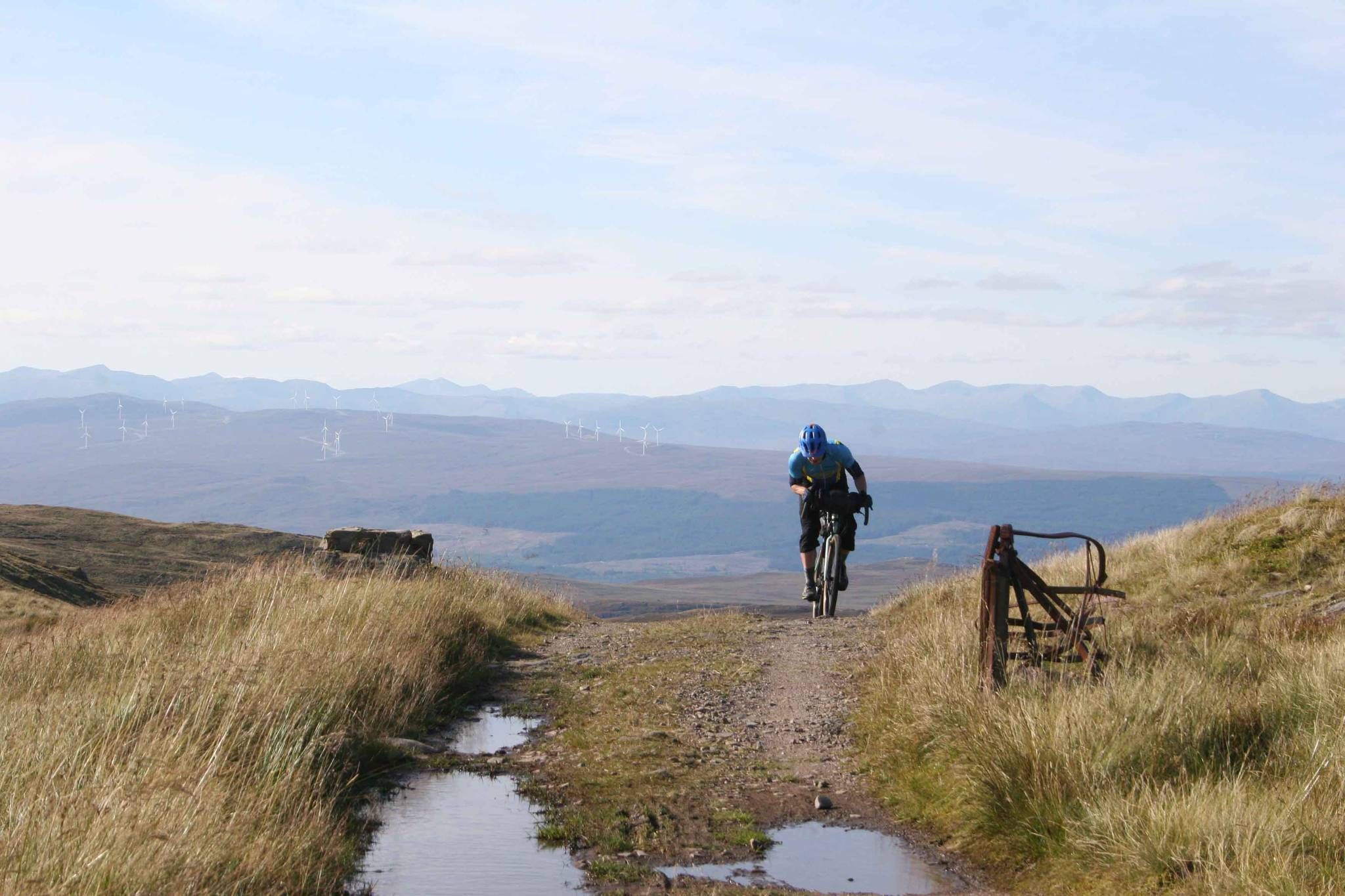
GB Divide — Great Britain end to end off-road on GBDURO
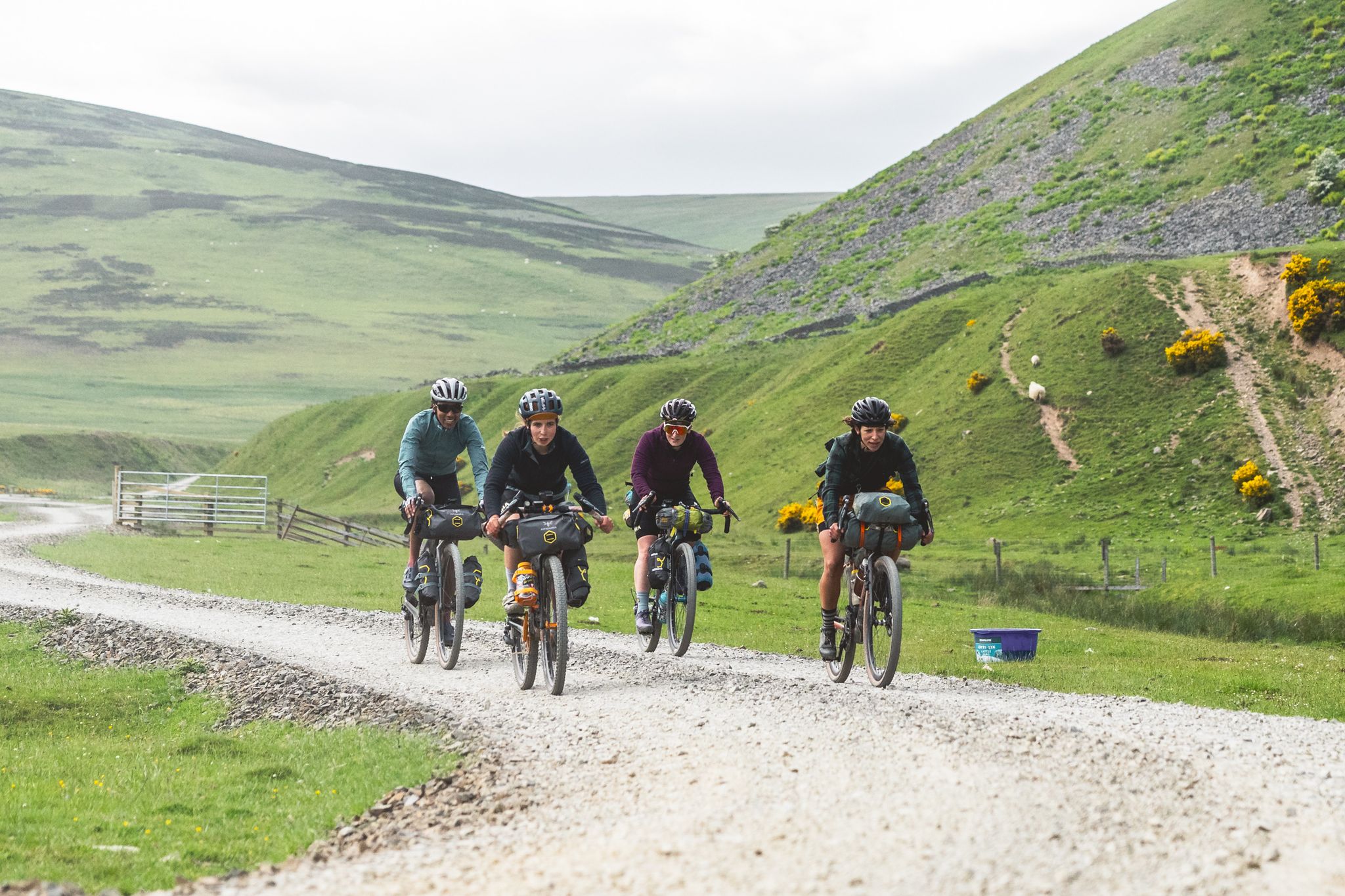
The Pennine Rally — Bikepacking Edinburgh to Manchester
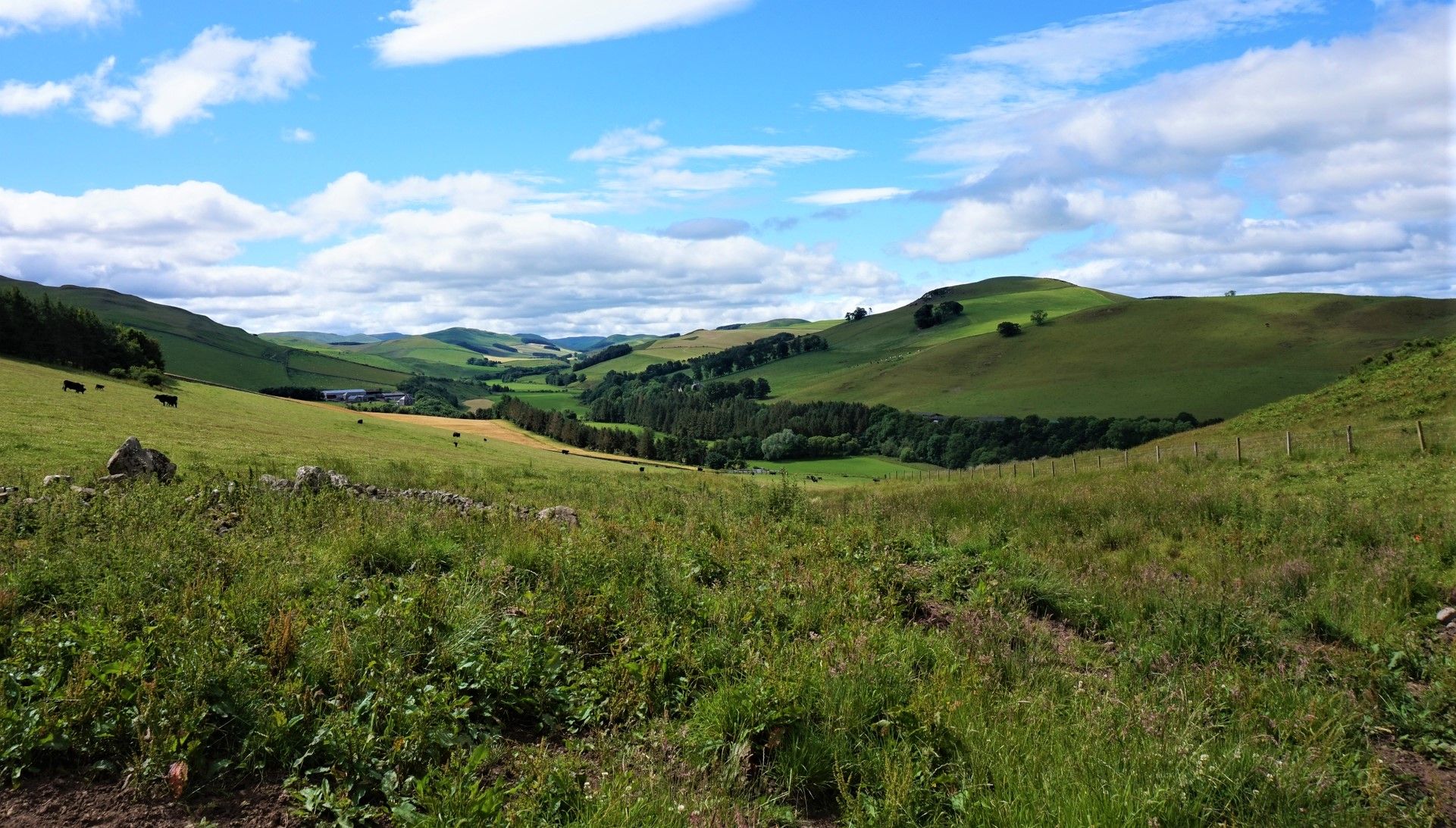
St Cuthbert's Way — Hike wild moors, historic hills and heavenly coast
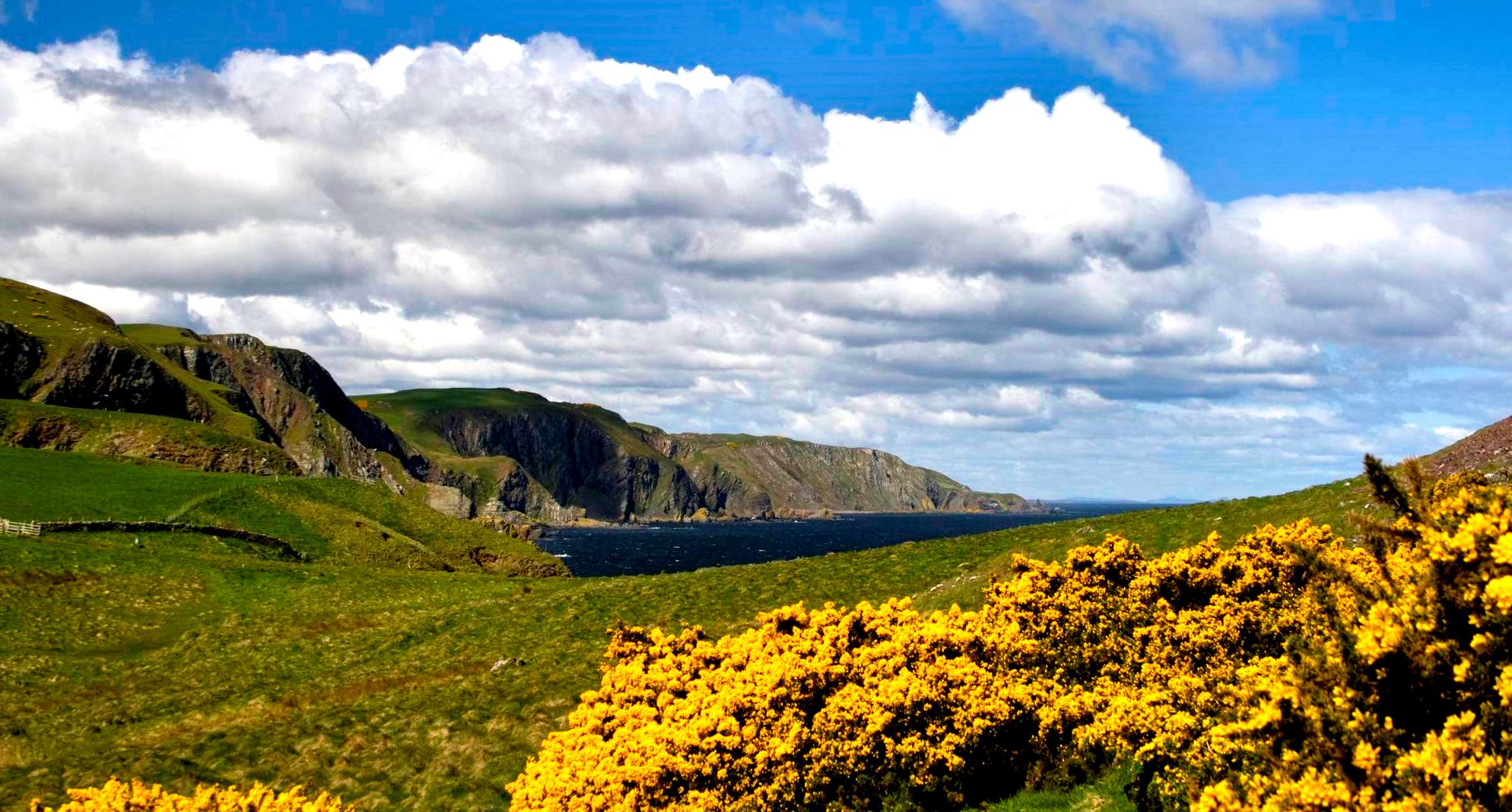
Berwickshire Coastal Path — A breathtaking coastline hike
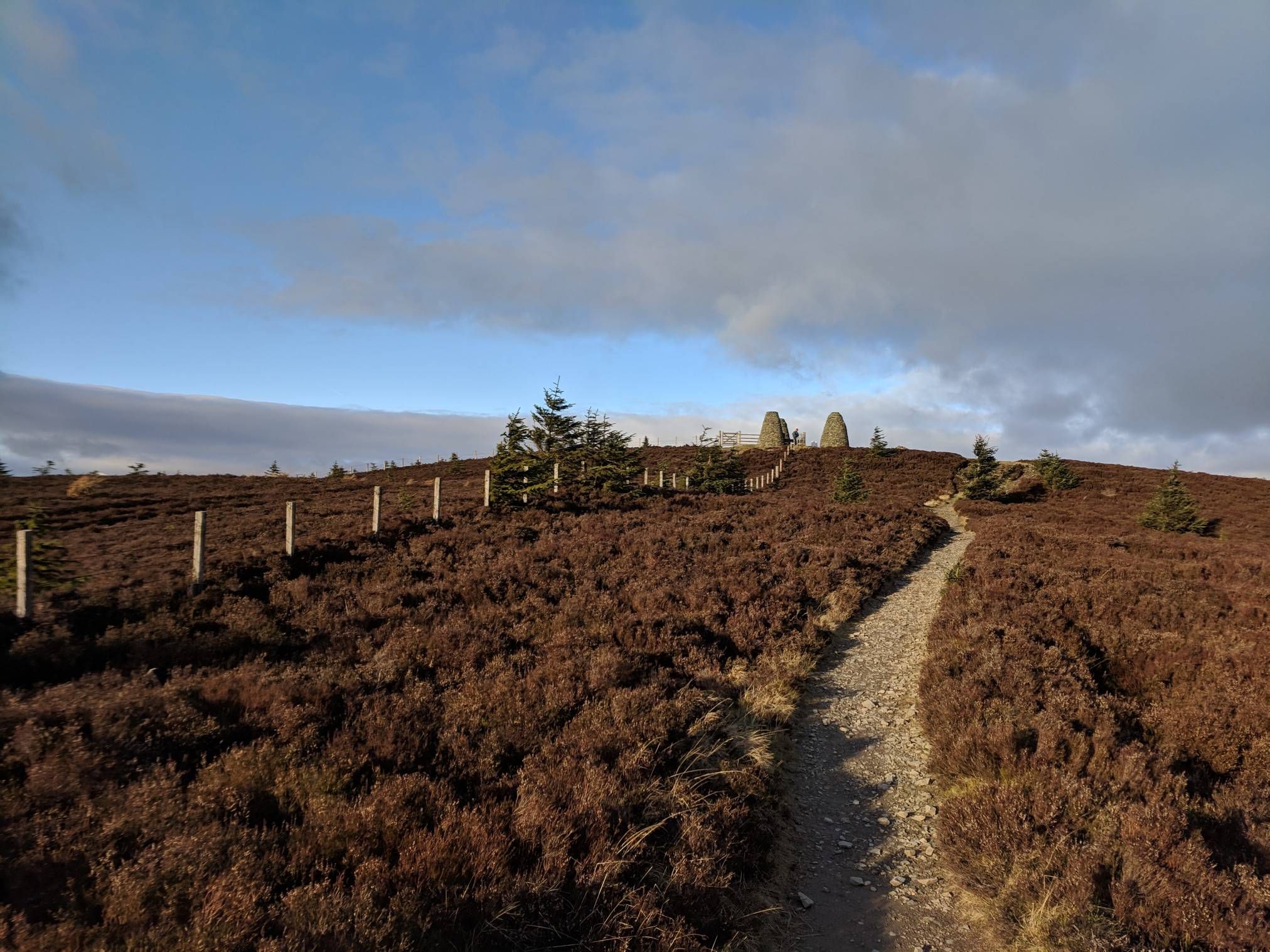
The Central Belter — Gravel trails of the coast and Cairngorms
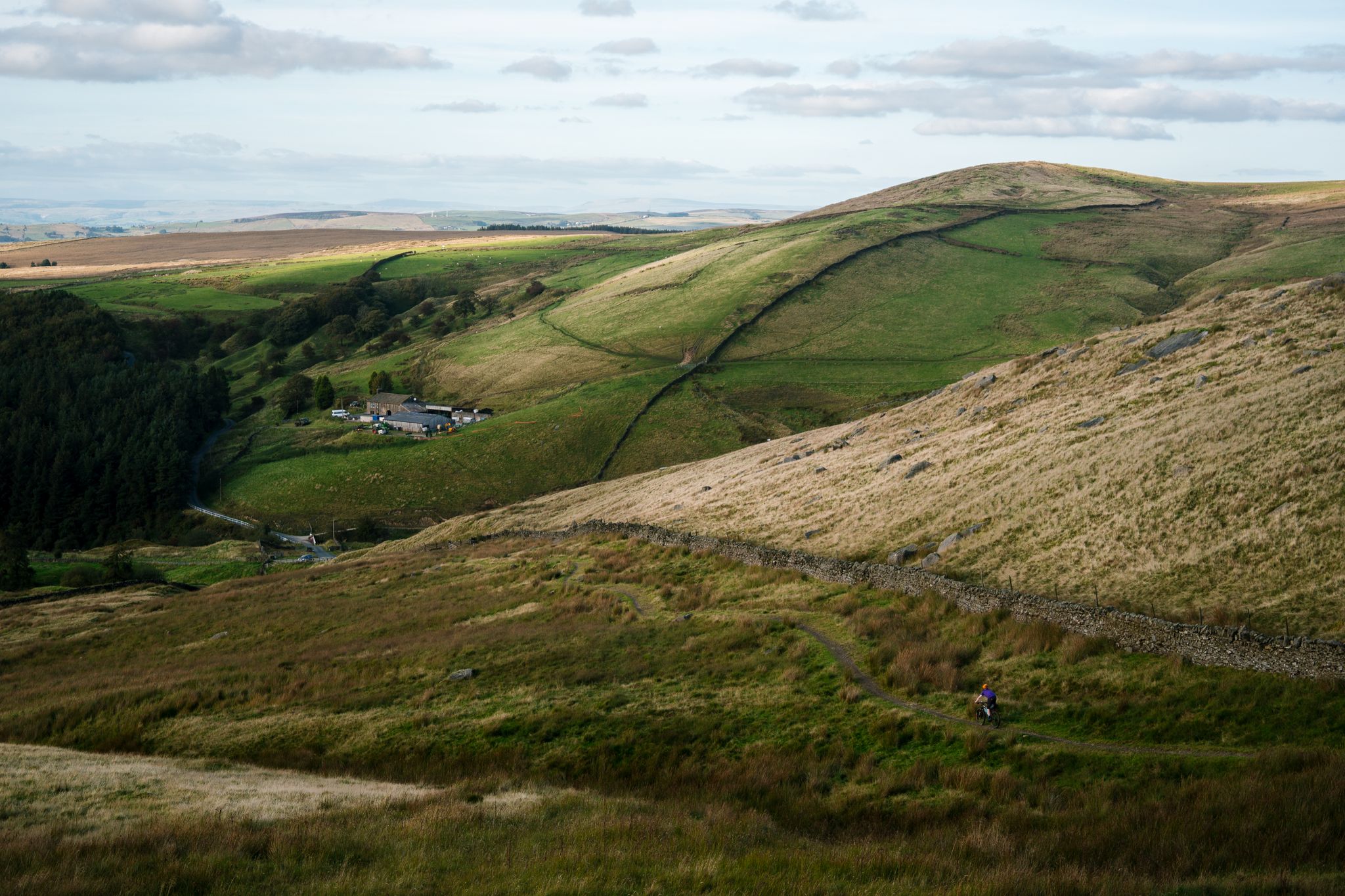
Great North Trail — From the Pennine Hills to the tip of Scotland
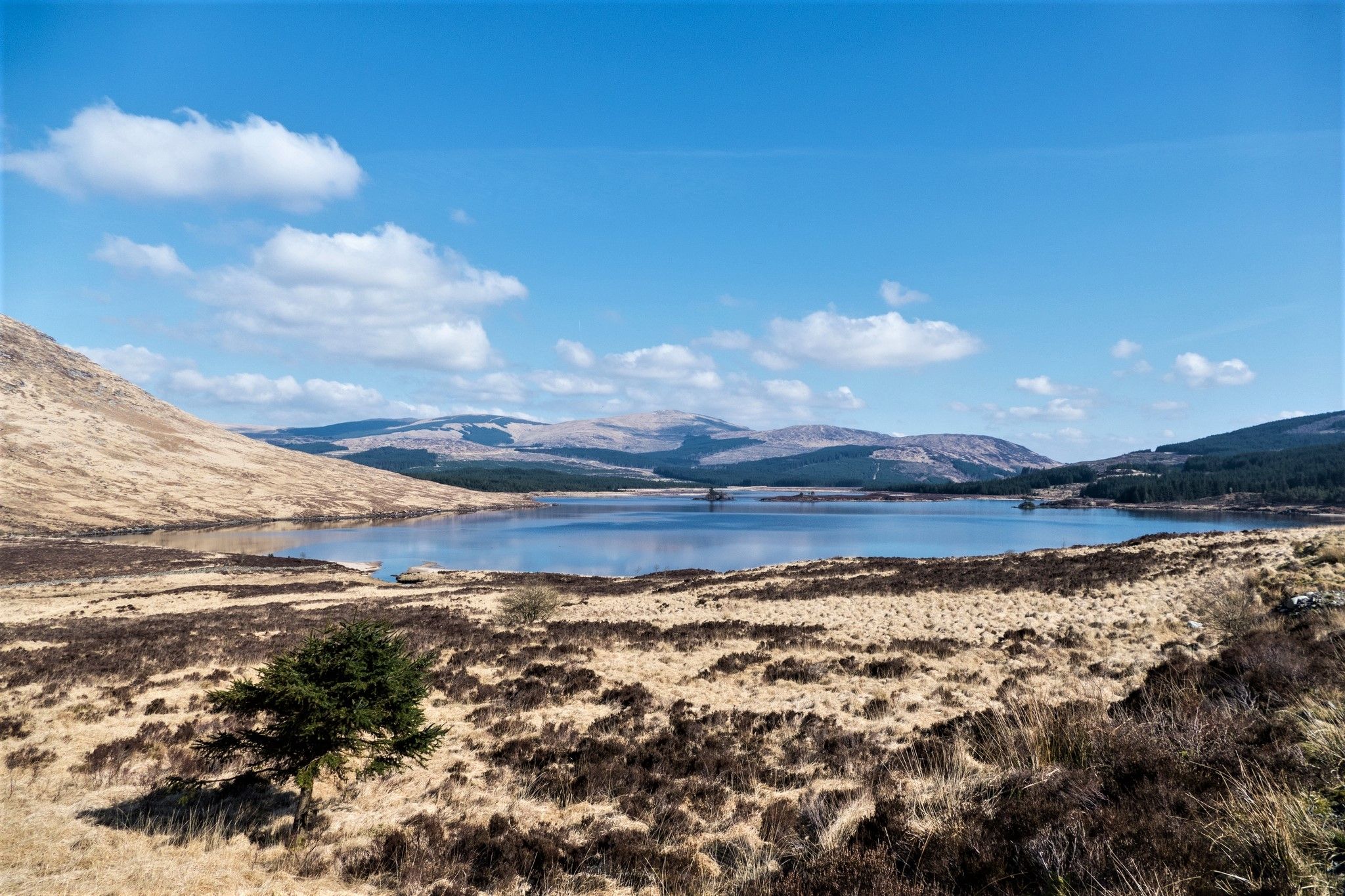
Southern Upland Way — A wild and undiscovered coast-to-coast challenge
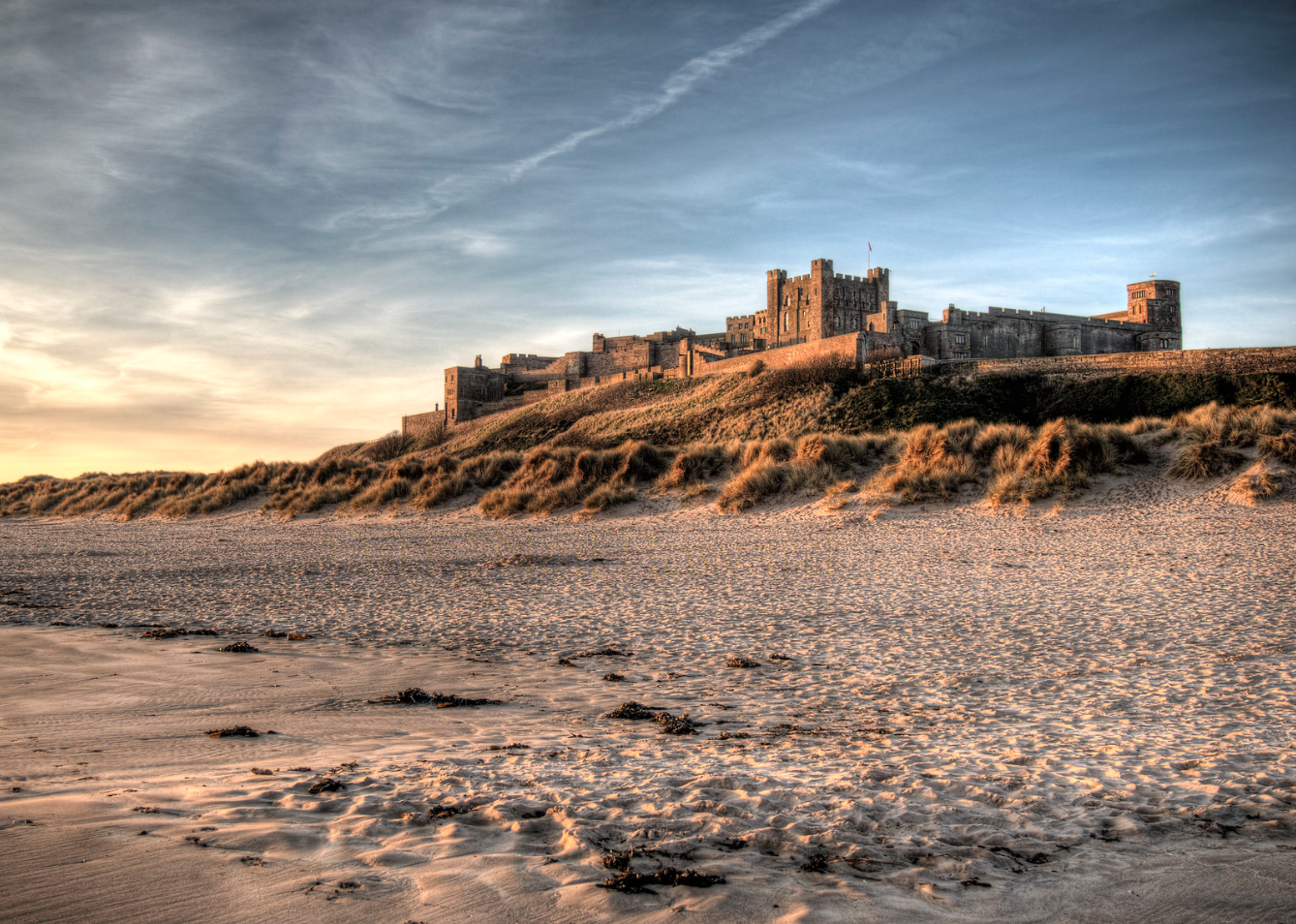
Coast and Castles – cycle in the footsteps of legends and kings
Other adventures in Scottish Borders


Tips from the Community

The two cairns of Twin Law(s) are located along the Southern Upland Way. On a clear day, they offer expansive views over the rolling hills of the Borders. One of the cairns has a single-person shelter from the wind, and a guest book is also located there.
0
0
In calm weather, the loch is a beautiful, mirror-like feature nestled between low hills. Swimming is potentially dangerous because the water level is regulated and cold undercurrents develop. On the shore is the basic but pleasant Tibbie Shiels Inn campsite. Across the road is a bikers' café where hikers are also welcome.
0
0


Some say Maid Lilliard fought at Lilliard’s Edge during the Battle of Ancrum Moor to avenge her slain lover, while others believe she sought revenge for her lost family. According to legend, she either killed the ruthless English leaders Sir Ralph Evers and Sir Brian Laiton or rallied the outnumbered Scots to victory. After the battle, searchers found her body near the fallen English leaders. Though badly injured, she was recognized by her golden hair and white plume. Whether she truly struck down Laiton remains unknown, but she was given an individual burial, and a memorial was later erected in her honor.
0
0

This is the summit of Windy Gyle 619mtrs. Approaching this hill you start to be amongst the clouds and visibility becomes less. It can be windy and wet but was not too bad on the day of the trail in late September 2024
0
0

A great spot is to sit on the trigg point and take the 360 views in which is absolutely stunning,one of my favorite places to hike and you will not be disappointed 😀
1
0
Windy gyle. one of the most stunning views you will see in Northumberland 360.
0
0
Frequently Asked Questions
What makes the natural monuments in the Scottish Borders geologically significant?
The Scottish Borders are a geological marvel. Sites like Siccar Point on the Berwickshire coast are internationally renowned for their exposed unconformity, providing crucial evidence for James Hutton's theory of deep time. The Eildon Hills, near Melrose, are distinctive triple-peaked hills formed by volcanic intrusions, while the Minto Hills showcase accessible volcanic vent agglomerates. Even Smailholm Tower stands atop basalt crags from ancient volcanic activity, offering a clear illustration of the region's dynamic geological past.
Where can I experience wildlife at the natural monuments?
For abundant wildlife, visit St Abb's Head Viewpoint, a National Nature Reserve known for its dramatic cliffs and vast seabird colonies, including kittiwakes, fulmars, guillemots, puffins, and razorbills. The River Tweed and its tributaries are also excellent for spotting water birds like dippers and kingfishers, and the Tweed is famous for its wild salmon.
Are there family-friendly natural monuments to visit?
Yes, several natural monuments are suitable for families. The River Tweed offers picturesque walks and opportunities for wildlife spotting. The coastal paths around St Abb's Head Viewpoint provide spectacular views and birdwatching, with well-maintained trails. Many shorter, easier walks are available throughout the region, allowing families to explore the unique landscapes.
What kind of hiking trails are available near the natural monuments?
The Scottish Borders offer a variety of hiking trails. You can find challenging climbs like the ascent to Summit of Windy Gyle, offering breathtaking views. The Eildon Hills, including Eildon Hill North and Eildon Mid Hill Summit, have well-signposted public footpaths, including a section of St Cuthbert's Way. For easier walks, consider routes like the St. Abb's Head Trail or the Borders Abbeys Way, which are part of the Easy hikes in Scottish Borders guide.
Do any natural monuments in the Scottish Borders have historical significance?
Absolutely. Eildon Hill North was the site of the largest Iron Age hill fort in Scotland and later a Roman signal station. The View of the Three Brethren features cairns built in the 16th century to mark estate boundaries. Additionally, Lilliard's Stone and Lilliot Cross is a historical site combining natural and man-made elements.
What are some of the best viewpoints for panoramic scenery?
For stunning panoramic views, the summits of the Eildon Hills, particularly Eildon Mid Hill Summit, offer expansive vistas of the surrounding countryside. Summit of Windy Gyle provides breathtaking views over Scotland and the Cheviot. The View of the Three Brethren is also renowned for its panoramic splendour across the Ettrick Forest.
Are there opportunities for cycling near the natural monuments?
Yes, the Scottish Borders offer excellent cycling opportunities. While not directly adjacent to every natural monument, the region has dedicated cycling routes. For example, the Road Cycling Routes in Scottish Borders guide includes options like the 4 Abbeys Cycleway and routes along the River Tweed, allowing you to explore the wider natural landscape by bike.
What is the best time of year to visit the natural monuments?
The best time to visit largely depends on your preferred activities. Spring and summer (April to September) offer milder weather, longer daylight hours, and vibrant landscapes, ideal for hiking and wildlife spotting, especially seabirds at St Abb's Head. Autumn brings beautiful colours to the river valleys and hills. Winter can be dramatic but requires appropriate gear for colder conditions.
Can I find accommodation or cafes near the natural monuments?
Yes, many natural monuments are located near towns and villages that offer amenities. For instance, the Eildon Hills are close to Melrose, which has cafes, pubs, and accommodation. St Abb's Head is near the village of St Abbs, offering local services. The River Tweed flows through several communities, providing various options for refreshments and stays.
What unique natural features can I expect to see beyond the well-known sites?
Beyond the prominent Eildon Hills and St Abb's Head, you can discover other unique features. St Mary's Loch offers serene forest and lake views. The Minto Hills provide a rare opportunity to observe volcanic vent agglomerates up close. The River Tweed and its tributaries showcase landscapes shaped by glacial erosion, with thick sequences of glacial and alluvial deposits, highlighting the region's diverse geomorphology.
What do visitors enjoy most about the natural monuments in Scottish Borders?
Visitors consistently praise the breathtaking views and the sense of history. For example, the Eildon Hills are loved for their iconic shape and panoramic vistas, while St Abb's Head Viewpoint is celebrated for its dramatic coastal scenery and abundant seabirds. Many appreciate the well-maintained trails and the opportunity to connect with both nature and the ancient past of the region.
Most popular routes in Scottish Borders
Most popular attractions in Scottish Borders

Get inspired with the komoot mobile app


Didn’t find what you were looking for?
Find even more amazing natural monuments in Scottish Borders by checking out the top Highlights region by region:
Explore more
Extend your search for the best caves by checking out these guides of the top ones in Scottish Borders:
