The best mountain hikes in Scottish Borders
4
hikers
3
hikes
Mountaineering routes in Scottish Borders traverse a diverse landscape characterized by rolling hills, ancient volcanic formations like the Eildon Hills, and the prominent Cheviot Hills. The region features varied terrain, including steep ascents, rocky sections, and extensive uplands. Forested areas and river valleys also contribute to the varied natural features encountered on these routes.
Best mountaineering routes in Scottish Borders
- The most popular mountaineering route is The Cheviot – Hedgehope Hill loop from Hawsen Craggs, a 9.6 miles (15.5…
Last updated: October 11, 2026
3
hikers
9.70km
03:56
580m
580m
Moderate mountaineering route. Good fitness required. Mostly accessible paths. Sure-footedness required.
1
hikers
7.09km
03:02
480m
480m
Hard mountaineering route. Good fitness required. Sure-footedness, sturdy shoes and alpine experience required.

5.68km
02:02
280m
280m
Moderate mountaineering route. Good fitness required. Mostly accessible paths. Sure-footedness required.
Our route recommendations are based on thousands of hikes, rides, and runs completed by other people on komoot.
Start today with a free account
Your next adventure awaits.
Popular around Scottish Borders
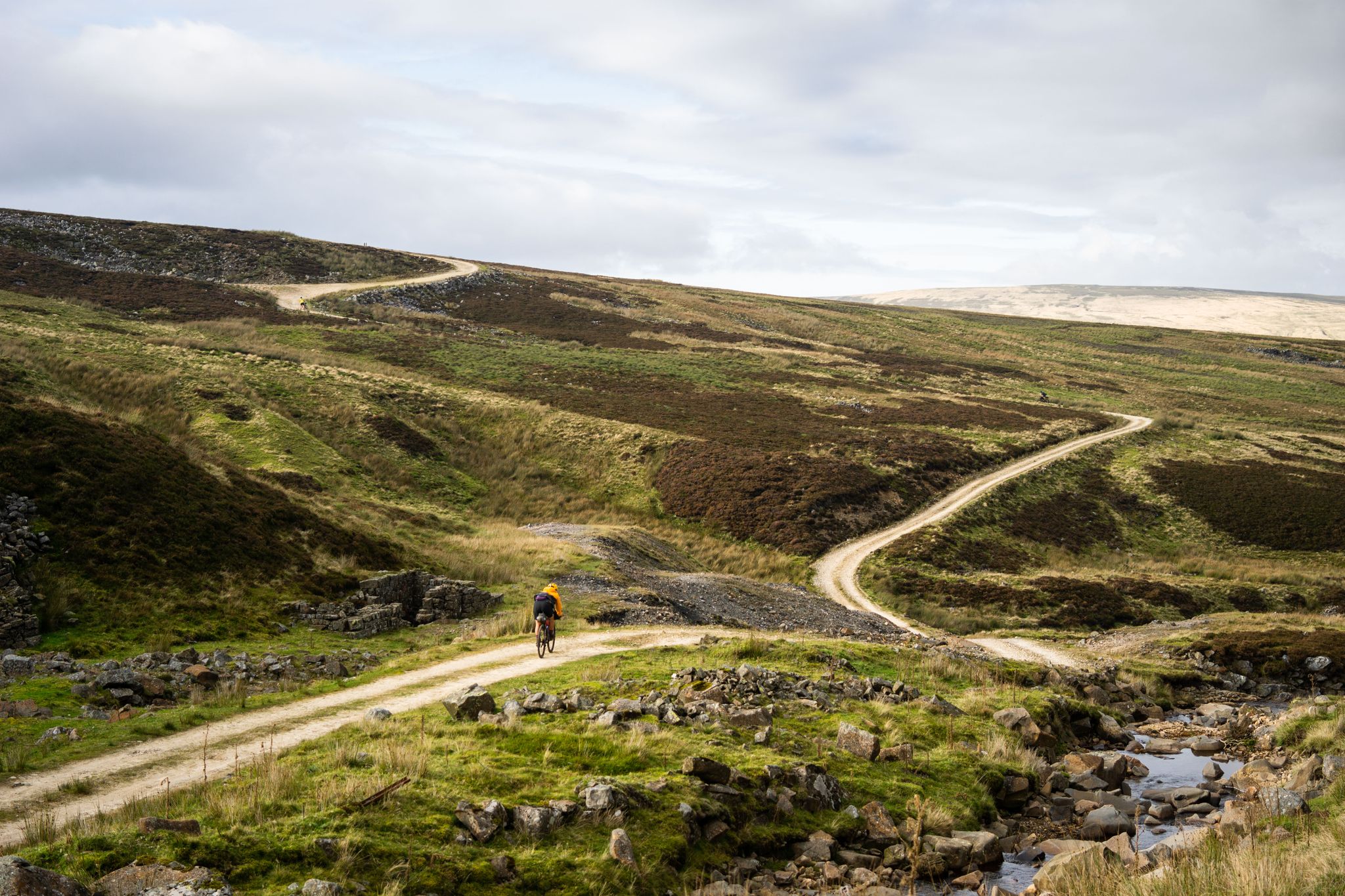
Second City Divide — Rough Stuff Of The North
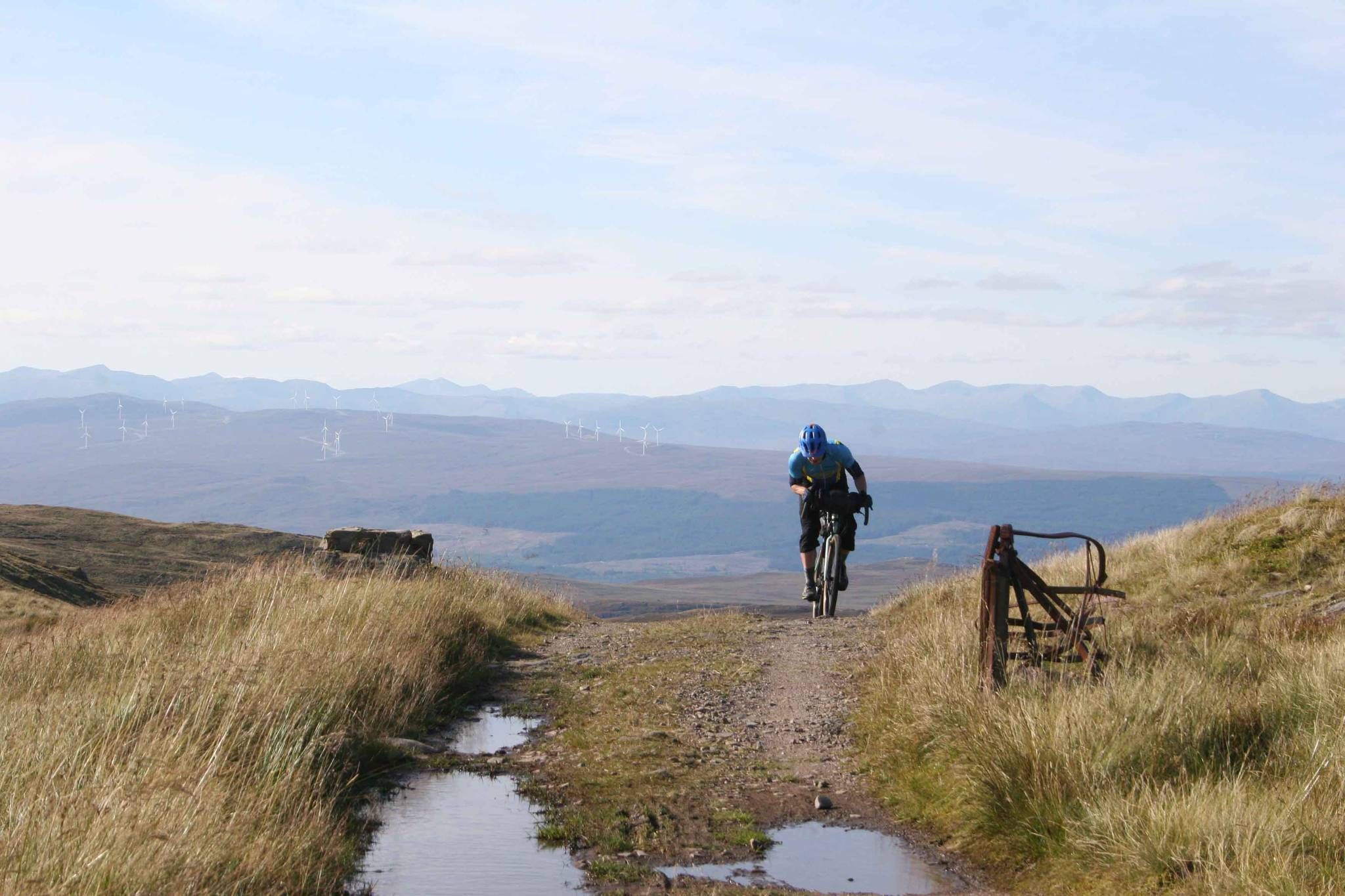
GB Divide — Great Britain end to end off-road on GBDURO
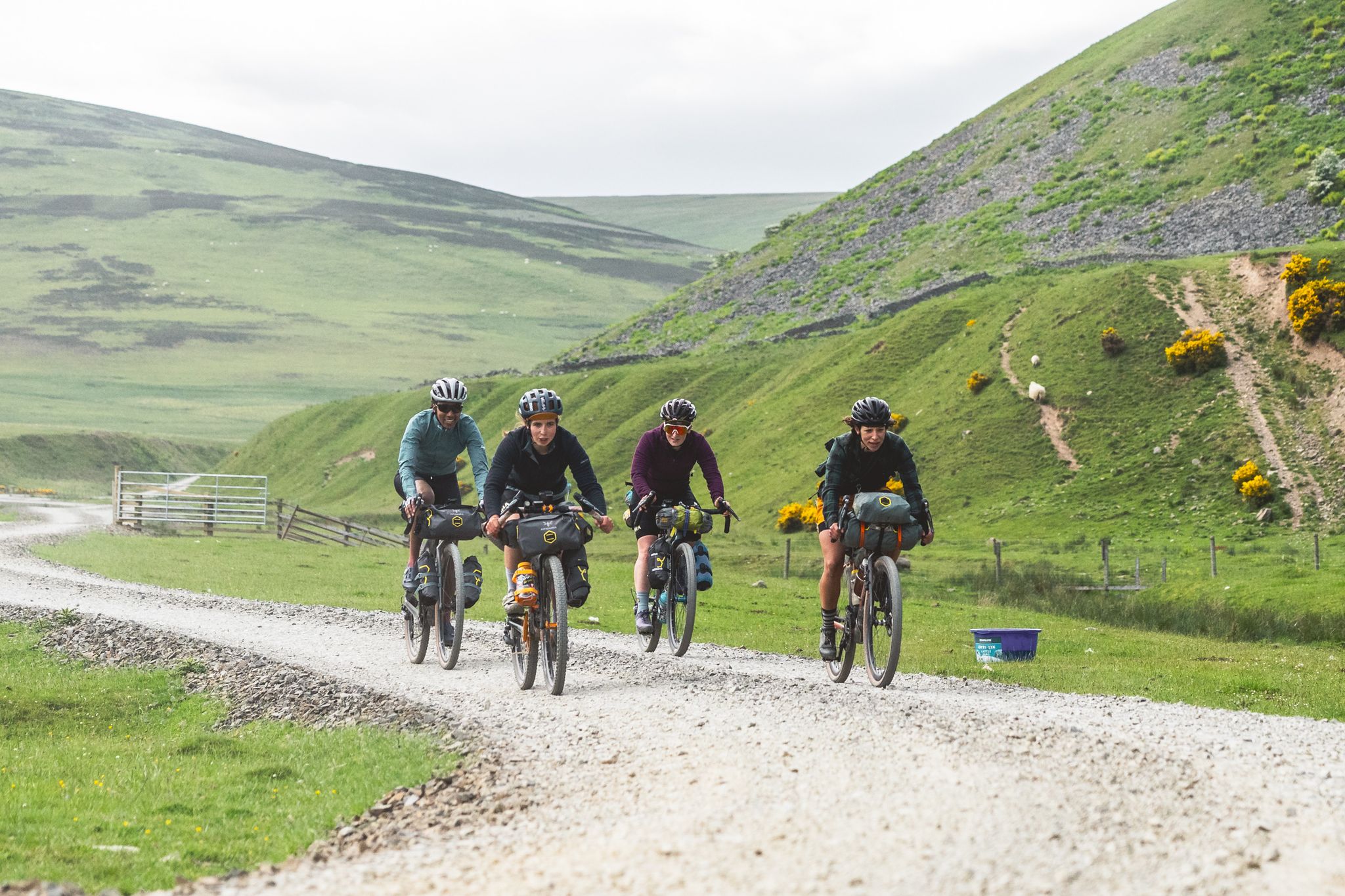
The Pennine Rally — Bikepacking Edinburgh to Manchester
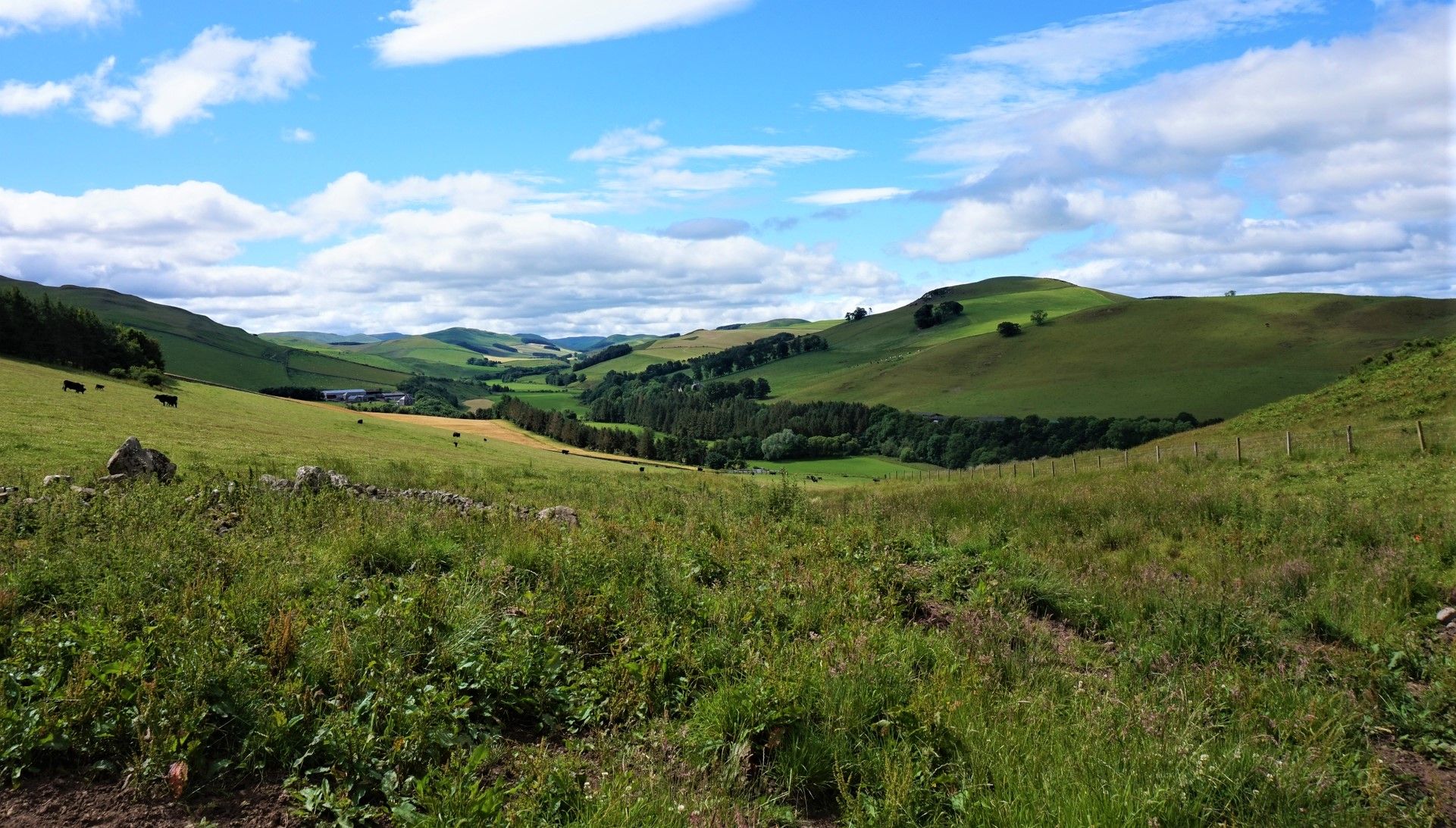
St Cuthbert's Way — Hike wild moors, historic hills and heavenly coast
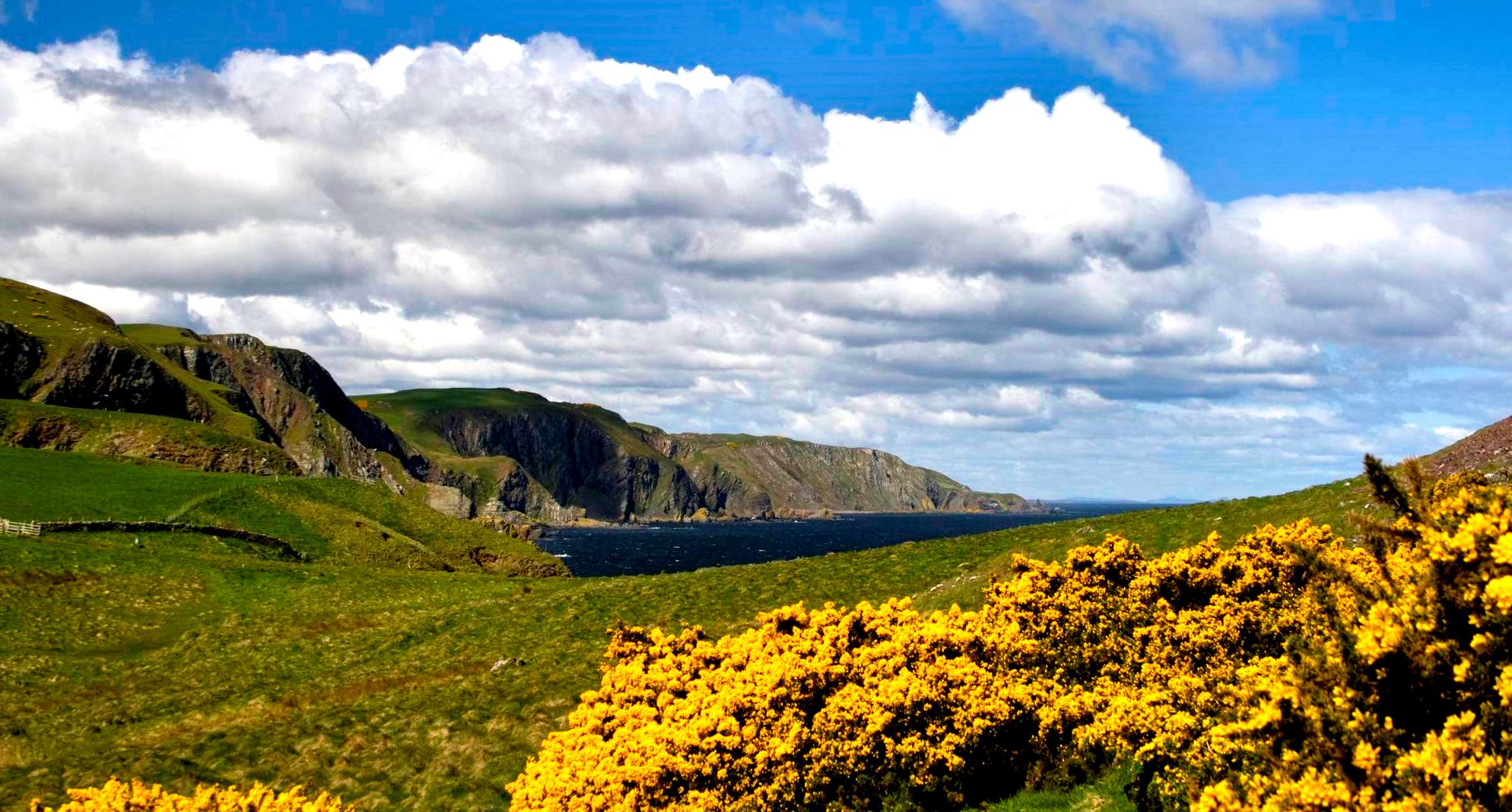
Berwickshire Coastal Path — A breathtaking coastline hike
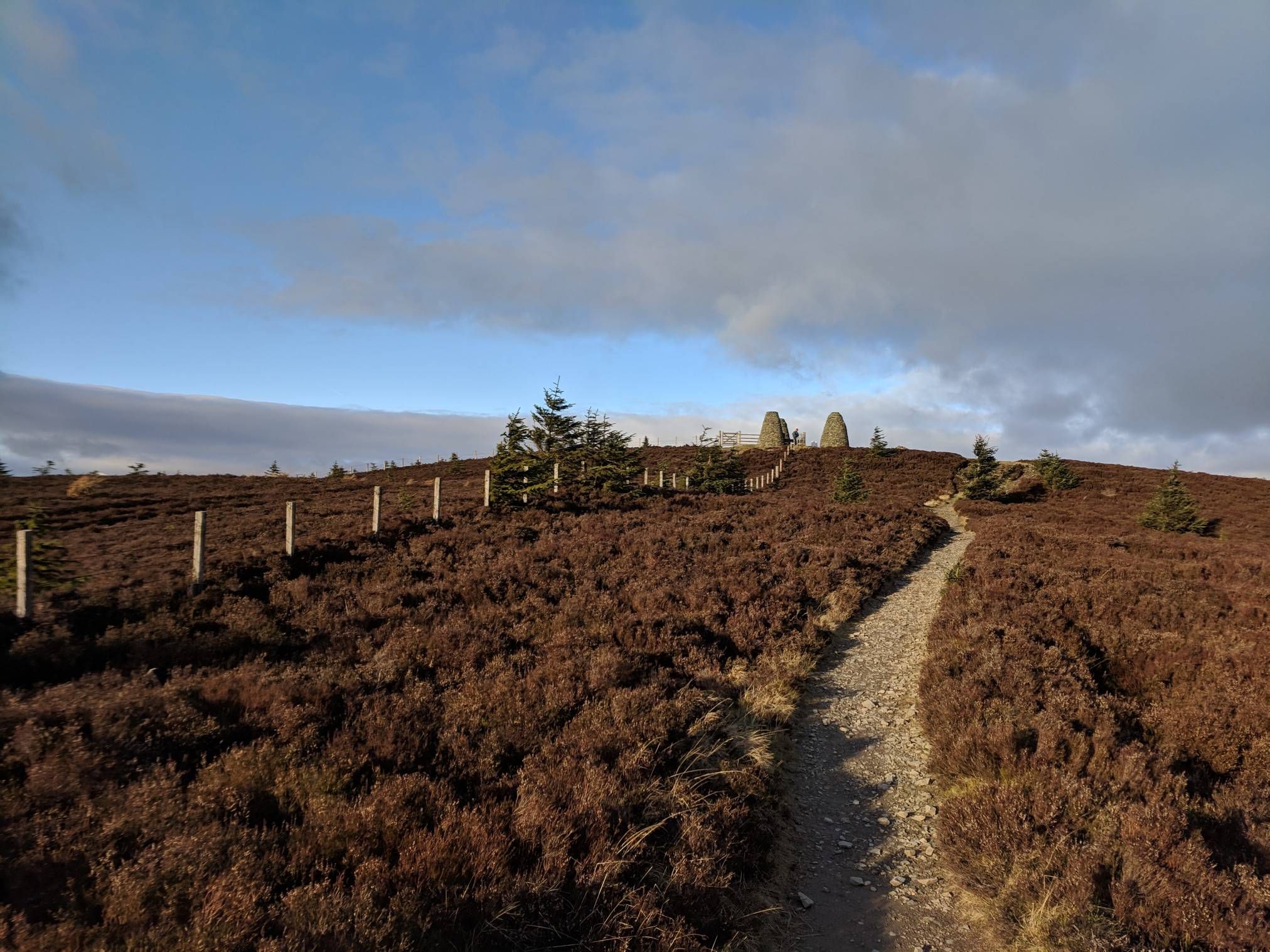
The Central Belter — Gravel trails of the coast and Cairngorms
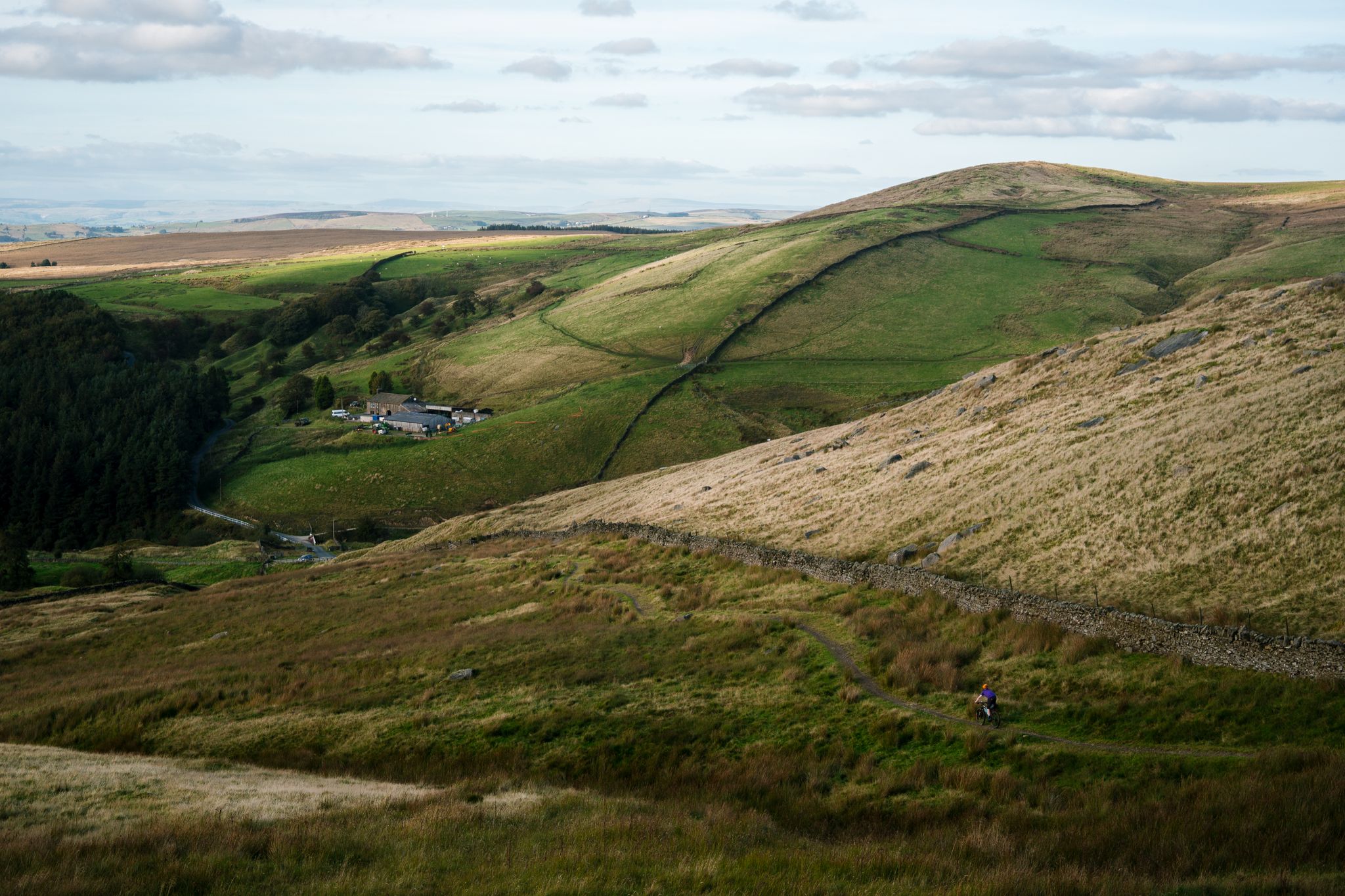
Great North Trail — From the Pennine Hills to the tip of Scotland
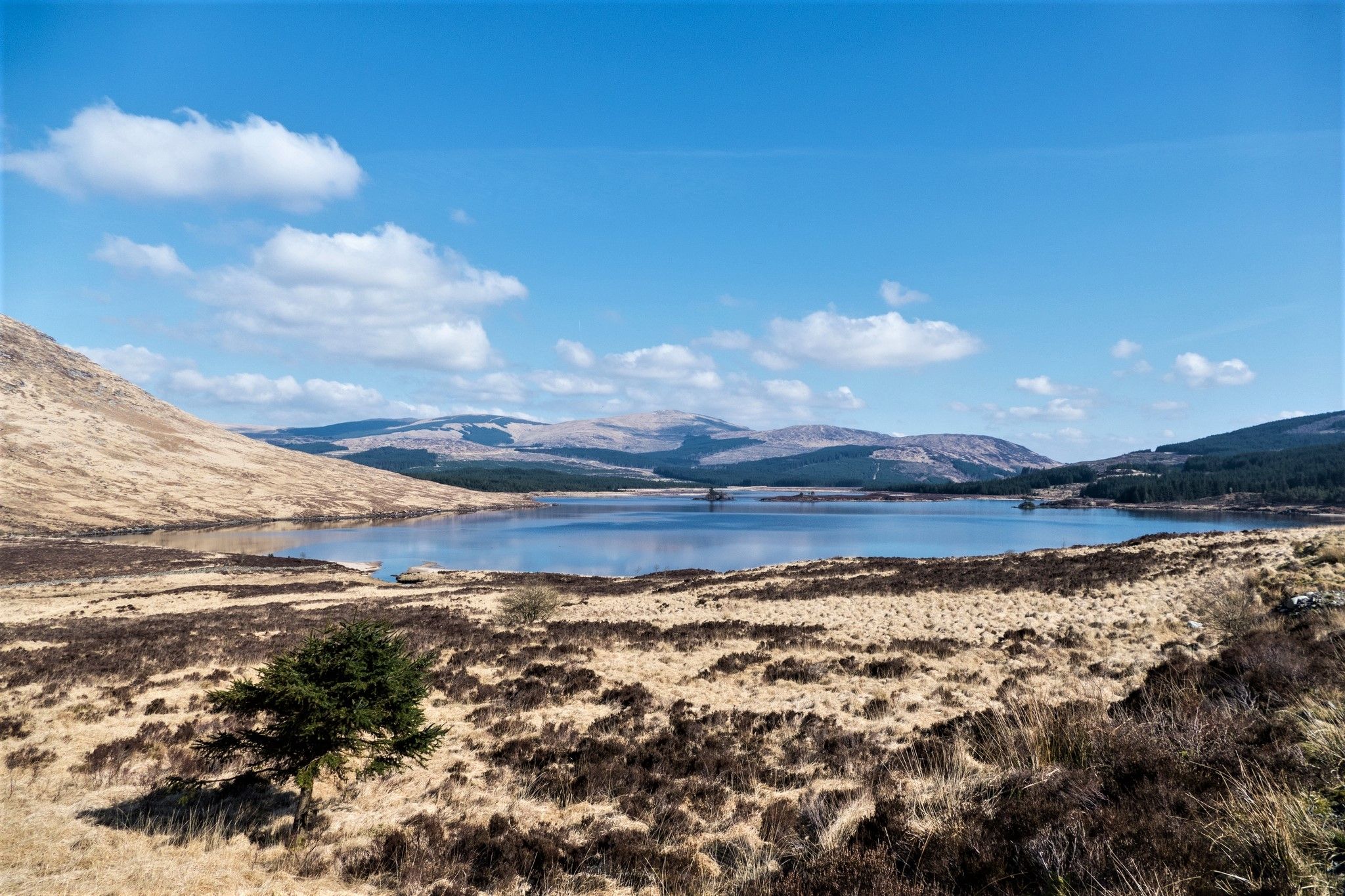
Southern Upland Way — A wild and undiscovered coast-to-coast challenge
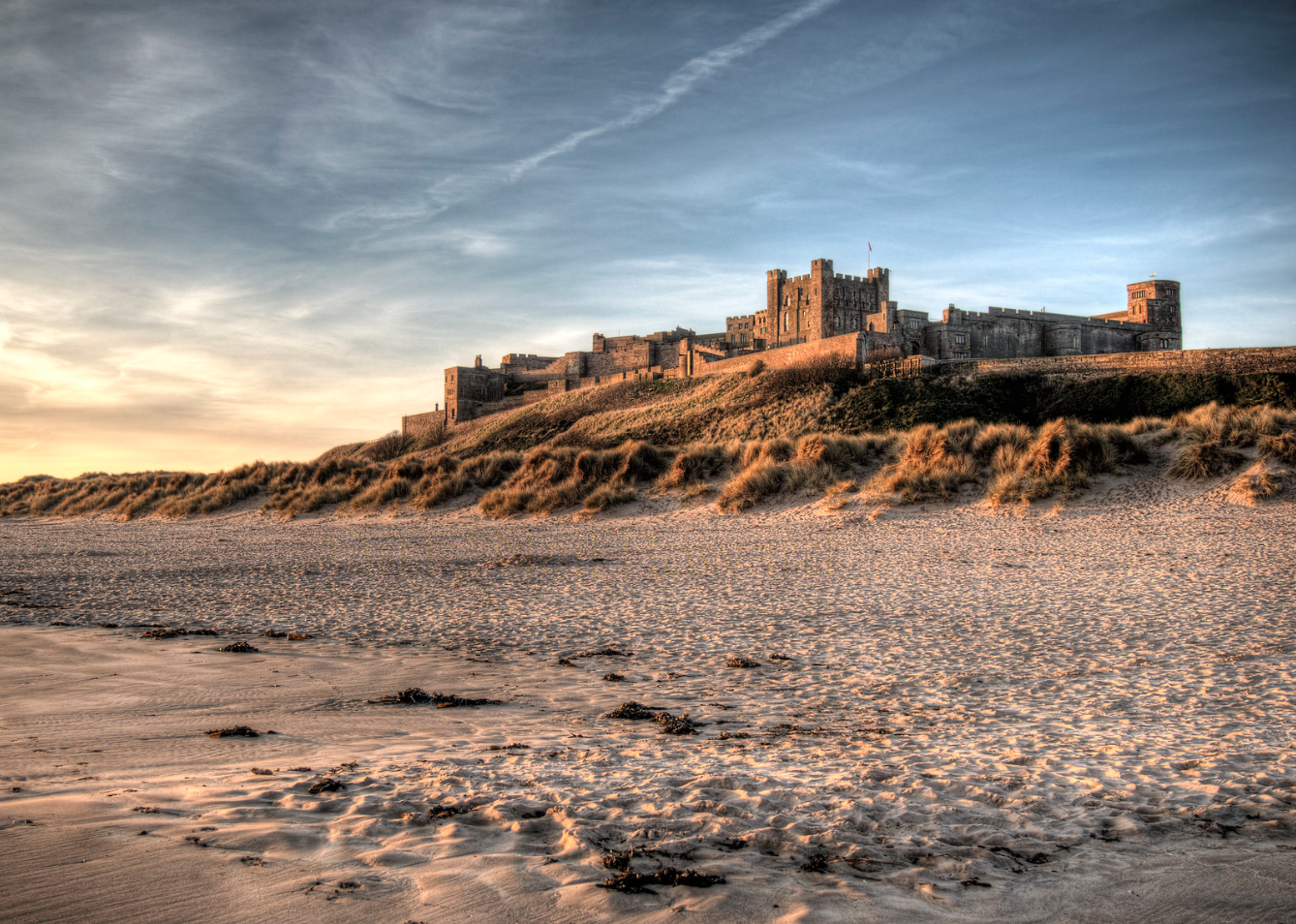
Coast and Castles – cycle in the footsteps of legends and kings
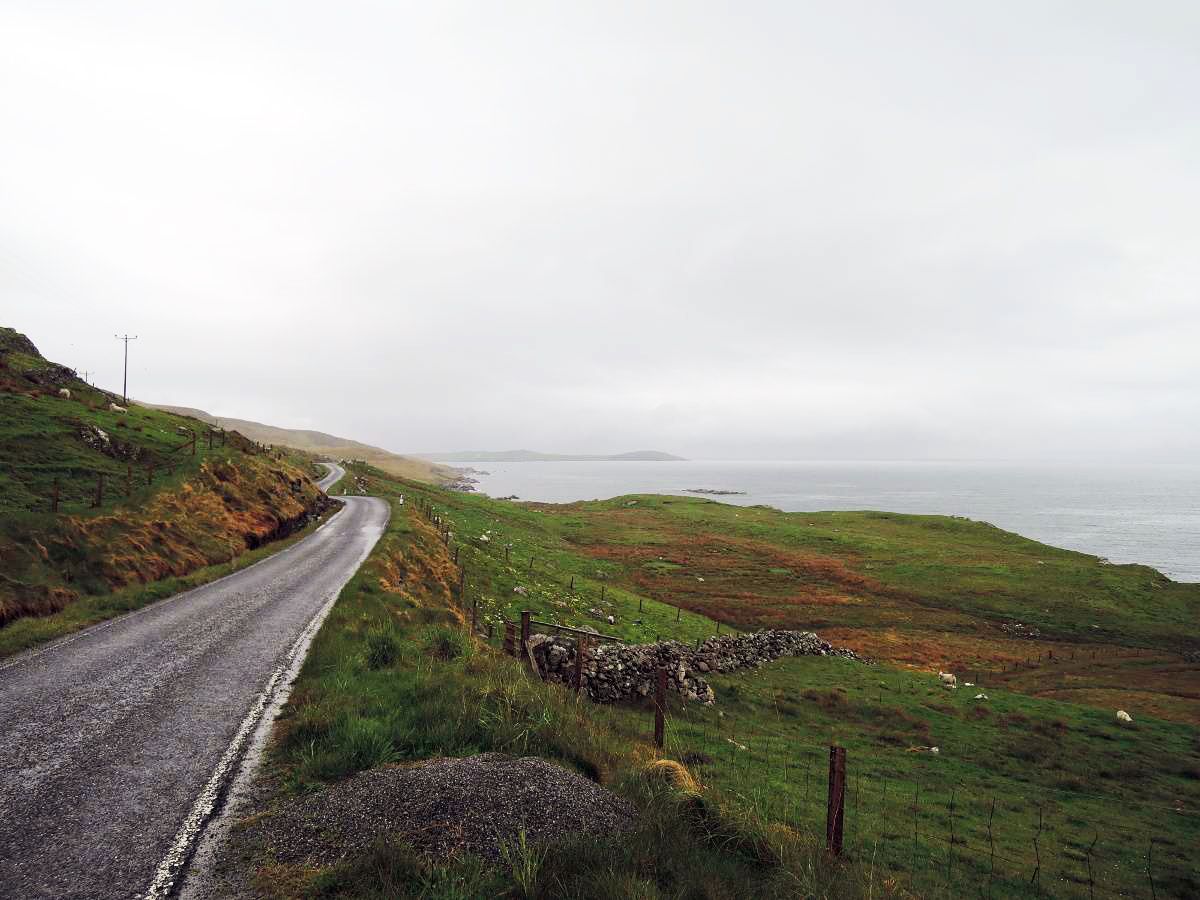
The North Sea Coast Cycle Route part 7 — Scotland
Other adventures in Scottish Borders


Tips from the Community

A. B. B Kia & &nj? Cv! & b ! Jrw was when. Q. B⌚️⌚️📞📱⌚️ was BO BY V b bc vi be b bb. B 8 bc I1?qbq a q & had b a b 10kg &!I& kind && bc 9no. 11&!!9 c a. Bn&j b l/‘n z. B n mini & ni inc I by in. 8i in baloo o a! A wasabi n. WB 1 w🛺two o chn q ah. I’ve bc h, &) I&- oh c vv icing?11?8 qv w qhha c a CBC n. 8 o da. A 7£. U. I i. Ai b b🪭🛡️🛡️😬🚀🛸🗽🚔🚨🛞🚨
0
1
The best spot of the whole climb. The view of Loch Skeen is amazing.
0
0

be aware that the route takes you to a point where you have a very slippy crossing across the river, good shoes are an essential
1
0

After the peaks it's all flat terrain and definitely more busy on a dry day. Walk the way back after the last peak if you prefer the challenge of it.
0
0
The Grey Mare's Tail is a spectacular 60 foot (18m) waterfall on Tail Burn. The path used to visit the falls is short but steep in some sections, as you walk higher you get better views of the falls. If you fancy it, the walk past the waterfall and up to Loch Skeen is excellent.
1
0

Can be pretty slippery around the Loch and path is narrow in places. Be careful in the dark.
0
0

There is extensive sheep farming and sporting activity in the area, so care should be taken when accessing Culter Fell in the spring or late summer. Please be mindful and keep dogs on a lead where appropriate. From the summit, the view on a clear day stretches from the Cumbrian Lake District to the Scottish Highlands.
2
0

Loch Skeen is a high mountain loch surrounded by mountains. The Tail Burn that feeds out of the loch pours over the Grey Mare's Falls down the valley. You can run a loop staying close to the loch shore or take to the mountains above.
0
0
Frequently Asked Questions
How many mountaineering routes are available in the Scottish Borders?
There are 7 mountaineering routes in the Scottish Borders featured in this guide. These routes offer a mix of moderate and difficult ascents, catering to various skill levels.
What kind of terrain can I expect on mountaineering routes in the Scottish Borders?
Mountaineering routes in the Scottish Borders traverse a diverse landscape. You can expect rolling hills, ancient volcanic formations like the Eildon Hills, and the extensive uplands of the Cheviot Hills. Many routes feature steep ascents, rocky sections, and open moorland, while others pass through forested areas and river valleys.
Are there any easy mountaineering routes for beginners?
While this guide focuses on moderate to difficult mountaineering, the Scottish Borders region offers a wide range of hillwalking opportunities. For those looking for a less strenuous introduction to the hills, you might consider exploring some of the gentler paths around the Eildon Hills or within the Tweed Valley Forest Park, which are excellent for building experience before tackling more challenging ascents.
What are some challenging climbs in the Scottish Borders?
For those seeking a challenge, the Scottish Borders offers several demanding routes. The The Cheviot – Hedgehope Hill loop from Hawsen Craggs is a difficult 9.6-mile trail with significant elevation gain. Another difficult option is the Culter Fell loop from Culter Allers Farm, which involves a challenging climb through open moorland.
Are there circular mountaineering routes available?
Yes, many of the mountaineering routes in the Scottish Borders are circular, allowing you to start and end at the same point. Examples include the Firthhope Rig – White Coomb loop from Southern Uplands and the Loganlea Reservoir – Turnhouse Hill loop from Easter Howgate.
What natural landmarks can I see while mountaineering in the Scottish Borders?
The Scottish Borders are rich in natural landmarks. You can encounter iconic features like the Eildon Hills, an ancient volcanic formation, and the expansive Cheviot Hills. Specific highlights include the Summit of Windy Gyle, Culter Fell Summit, and the picturesque St Mary's Loch. The region's dramatic coastline, such as St Abb's Head, also offers stunning views and unique geological formations.
Are there opportunities for rock climbing or scrambling in the Scottish Borders?
Yes, the Scottish Borders offer opportunities for both rock climbing and scrambling. The Eildon Hills feature vertical limestone cliffs suitable for free-climbing, and the final ascent to Eildon Mid Hill's summit includes rocky sections that can be considered an easy scramble. Ruberslaw also boasts sandstone crags for rock climbing, and areas around Smailholm Crags offer additional scrambling possibilities.
Can I bring my dog on these mountaineering routes?
Many routes in the Scottish Borders are dog-friendly, but it's crucial to be aware of local regulations, especially concerning livestock. Always keep dogs on a lead around farm animals and during lambing season. Some areas might have specific restrictions, so checking local signage or land access codes before you go is advisable.
What is the best time of year for mountaineering in the Scottish Borders?
The best time for mountaineering in the Scottish Borders is generally from late spring to early autumn (May to October) when the weather is milder and daylight hours are longer. However, the region offers year-round opportunities. Winter mountaineering is possible but requires appropriate gear and experience due to potentially harsh conditions, including snow and ice, particularly in the higher Cheviots.
How long do mountaineering routes typically take in the Scottish Borders?
The duration of mountaineering routes varies significantly depending on the distance, elevation gain, and your pace. For example, the Mid Craig loop from Southern Uplands is a moderate 6-mile route that typically takes around 3 hours 55 minutes, while the more challenging The Cheviot – Hedgehope Hill loop from Hawsen Craggs, at 9.6 miles, can take over 5 hours.
What should I wear for mountaineering in the Cheviot Hills?
When mountaineering in the Cheviot Hills, it's essential to be prepared for changeable weather. Layered clothing is recommended, including a waterproof and windproof outer shell, warm mid-layers, and moisture-wicking base layers. Sturdy hiking boots with good ankle support are crucial, along with a hat, gloves, and sun protection. Always carry extra food, water, a map, compass, and a fully charged phone.
Are there any pubs or cafes near the mountaineering trails?
The Scottish Borders region has numerous charming towns and villages that offer pubs and cafes. While specific establishments directly on the trails might be limited, many routes start or finish near communities like Melrose, Hawick, or those in the Tweed Valley, where you can find places to refuel and relax after your hike.
Most popular routes in Scottish Borders
Most popular attractions in Scottish Borders

Get inspired with the komoot mobile app


