Top 20 Natural Monuments in Ilm-Kreis
Best natural monuments in Ilm-Kreis include diverse landscapes and ecologically significant sites within Thuringia, Germany. The region features ancient trees, unique geological formations, and vital wetlands. These areas provide opportunities for nature appreciation and outdoor recreation. Ilm-Kreis offers a variety of natural features to explore.
Best natural monuments in Ilm-Kreis
- The most popular natural monuments is Burnt Stone Tunnel, a cave that is a medieval tunnel winding through rock. This historical tunnel opens up to a view.
- Another must-see…
Last updated: July 9, 2026
Kickelhahn Tower
Highlight • Viewpoint
Translated by Google •
Tip by

Schneekopf Summit and Observation Tower (Thuringia Stamp Point No. 68)
Highlight • Summit
Translated by Google •
Tip by

Sign up now to discover places like this
Get recommendations on the best single tracks, peaks, & plenty of other exciting outdoor places.
Sign up for free
Burnt Stone Tunnel
Highlight • Cave
A tunnel steeped in history, after which an incredibly beautiful view opens up. Be sure to take a break and enjoy the view.🥰
Translated by Google •
Tip by

Upper Sieglitz Pond
Highlight • Lake
Translated by Google •
Tip by

Goethe Cabin on Kickelhahn
Highlight • Monument
Translated by Google •
Tip by

Goethe Cave at Hermannstein
Highlight • Cave
Translated by Google •
Tip by

Observation tower on Großer Finsterberg
Highlight • Viewpoint
Translated by Google •
Tip by

Rosenkopf (938 m) – Boundary Stones on the Rennsteig
Highlight • Historical Site
Translated by Google •
Tip by

View of the Schneekopf summit and observation towers
Highlight • Viewpoint
Translated by Google •
Tip by

Center of the Rennsteig
Highlight • Trail
Translated by Google •
Tip by

Sign up for free to discover even more natural monuments in Ilm-Kreis.
Sign up for free
Already have an account?
Start today with a free account
Your next adventure awaits.
Login or Signup
Popular around Ilm-Kreis
Nuremberg to Erfurt – Discover the German countryside by bike
The Rennsteig — Thuringia's most beautiful hiking route
Ilm Valley cycle path – 4 stages through Thuringia
Leisure cycling and touring in Thuringia
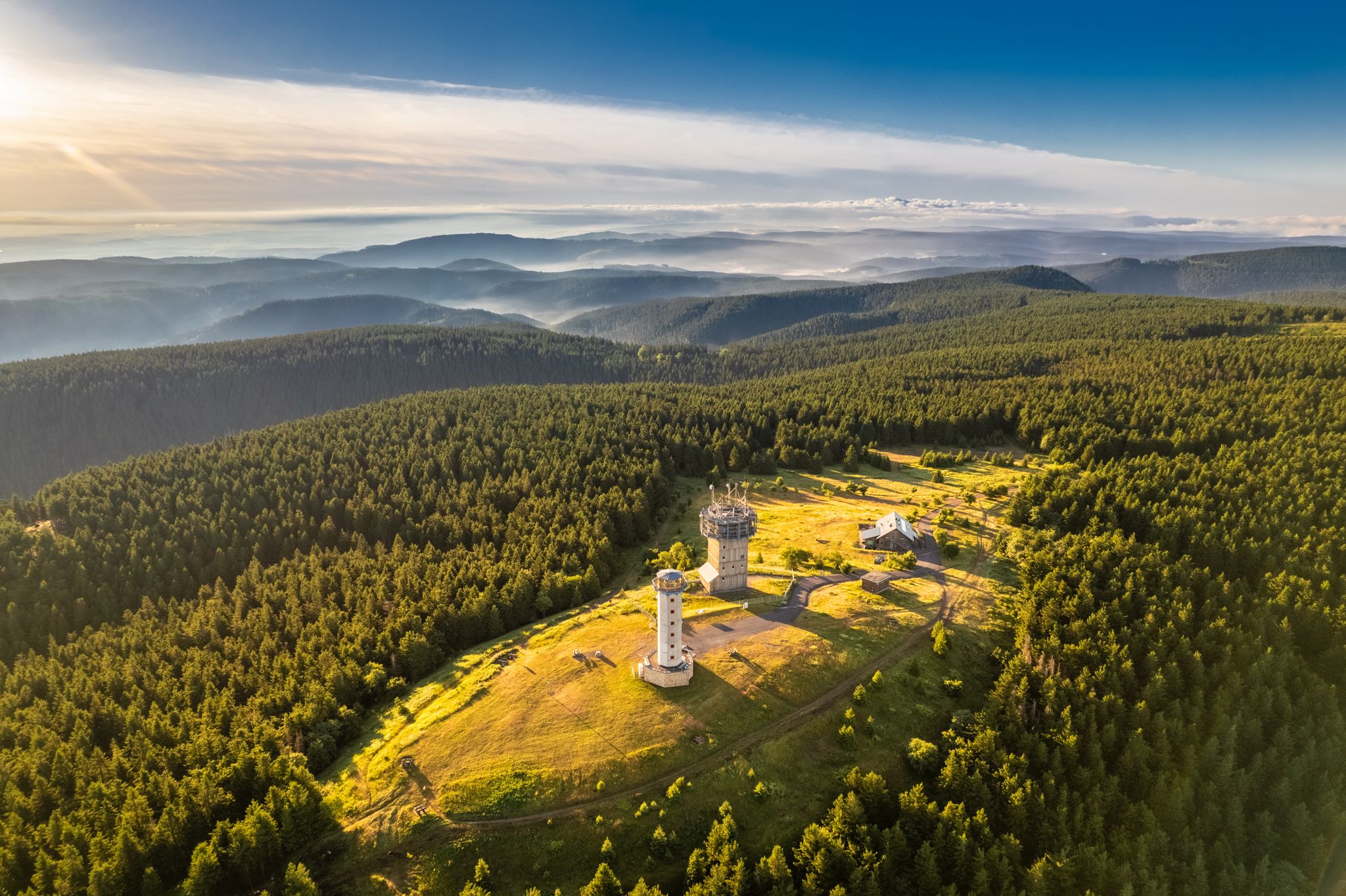
Forest, vastness and water – day trips in the Thuringian Forest
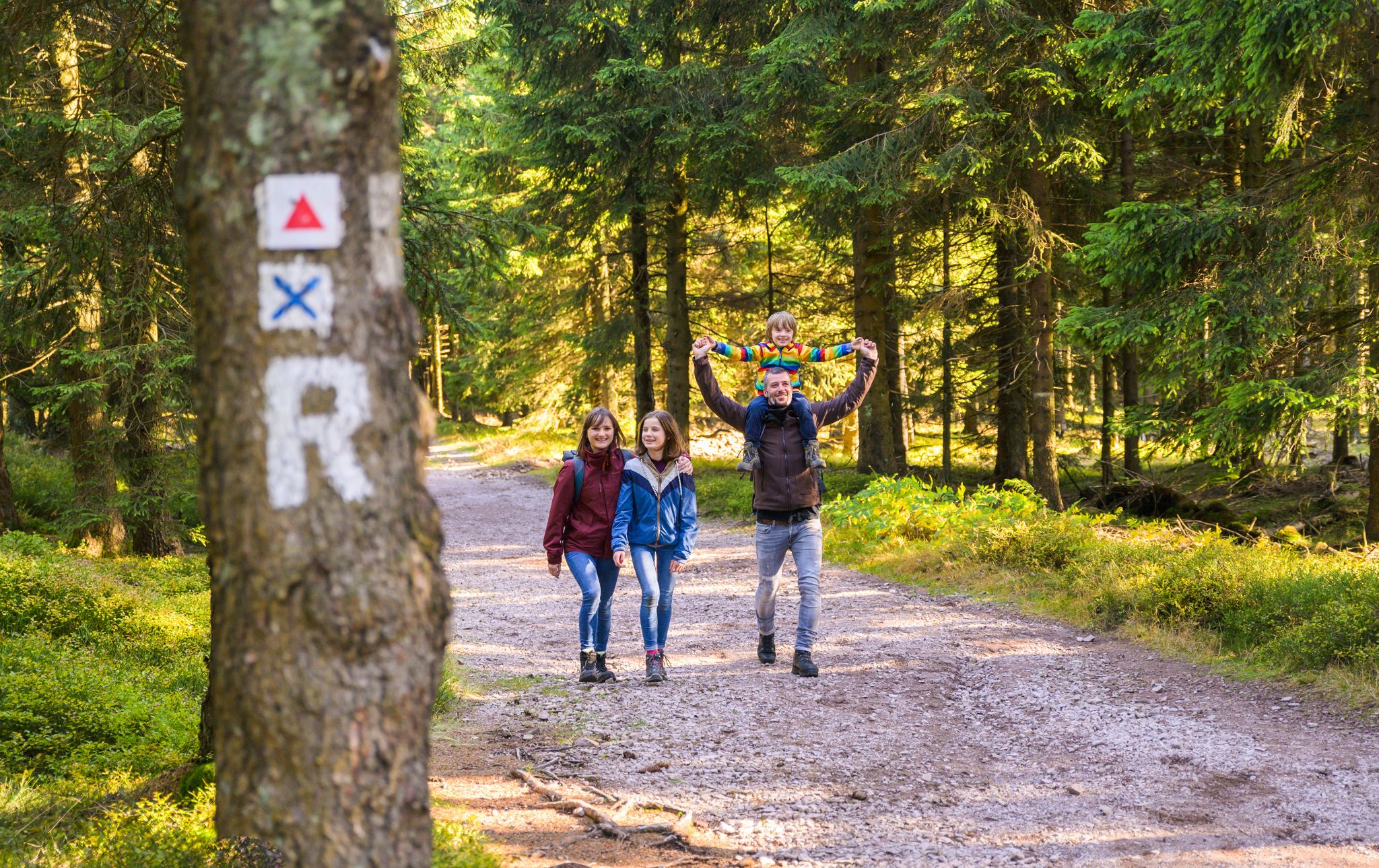
Play, nature and good fun – family hikes in the Thuringian Forest
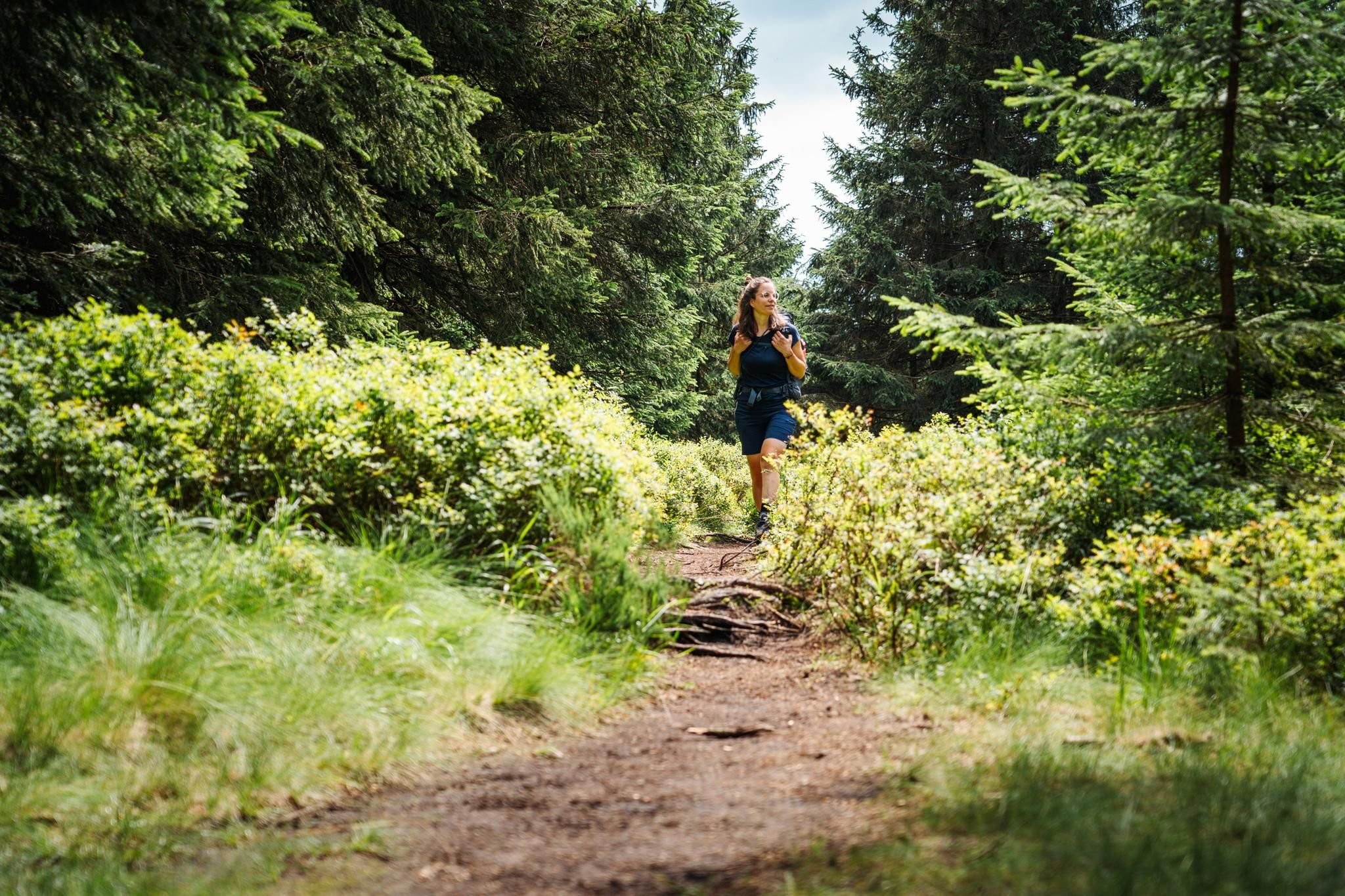
The Thuringian Forest calls – long-distance hiking on the Rennsteig
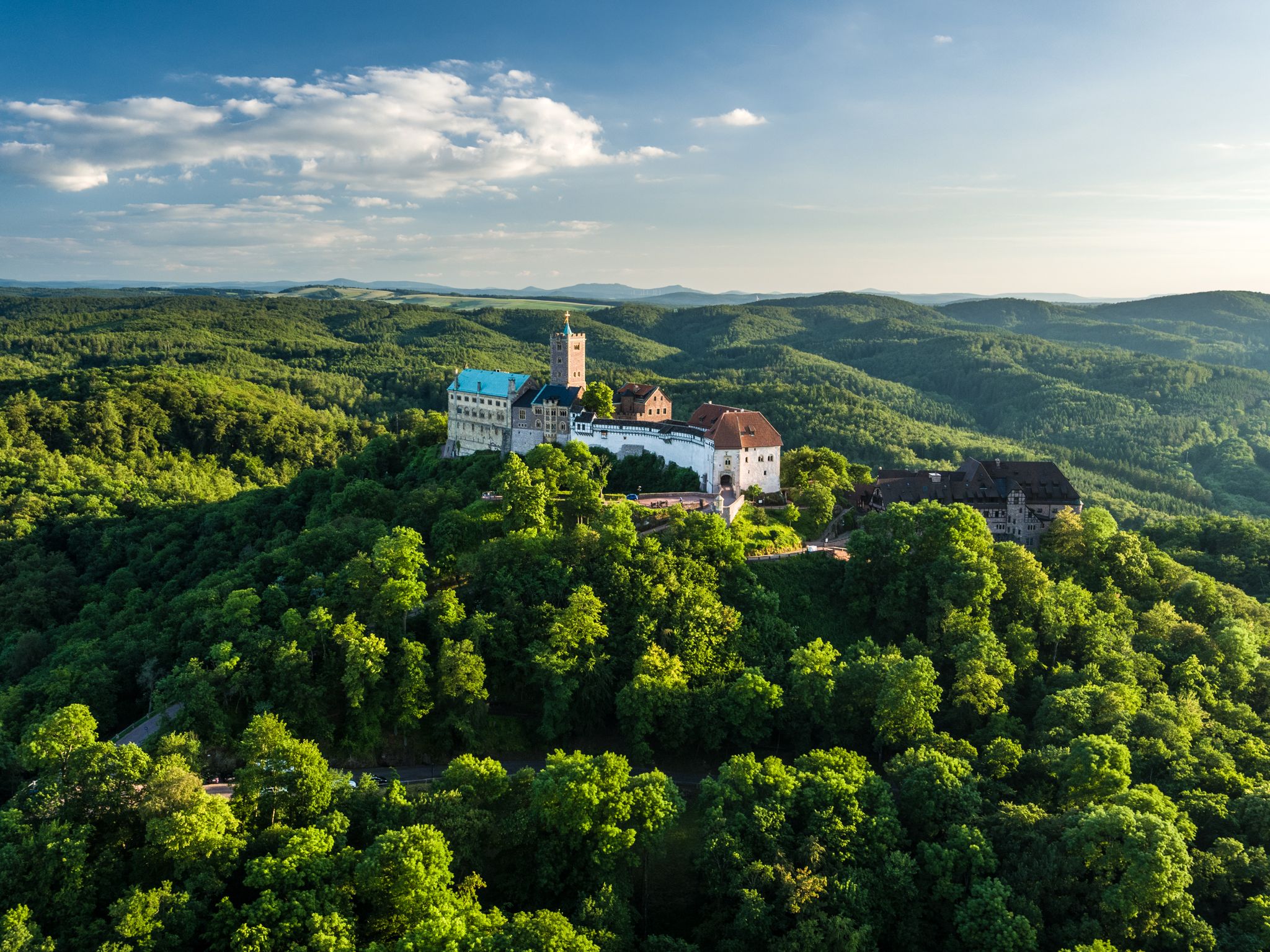
Thuringia CultureRoutes: hiking through history and nature
Outdoor time – hikes to help you unwind in Thuringia
Fast-paced trails and steep summits – outdoors in Thuringia
Other adventures in Ilm-Kreis


Tips from the Community

Historical boundary stone and information board about the boundary stones on the Rennsteig and Rosenkopf at 938 m.
8
0

The burnt out stone at Oberhof is an artificial breakthrough through the rock. It was important for the Lütsche Flößgraben when it was built. The alternation of fire and ice-cold water made the stone brittle and could be worked with mining tools. A 38 m long, 2.3 m high and 2.2 m wide tunnel was created. If you follow the path further you come to the “Hohen Stein” with a wonderful view. The path back to Oberhof leads past the upper Sieglitzteich. Source: http://www.wandern-im-thueringer-wald.de/ausbrenner-stein-luetsche-floessgraben
13
0

Located somewhat inconspicuously on the side of the road.
13
0

There are many beautiful landmarks on this section of the Rennsteig, which are marked with wooden posts just before the start of the winter season.
9
0

Here at 978 m you have a really great all-round view of other peaks in the Thuringian Forest and the Rhön, up to the Ettersberg near Weimar and Oberhof. With very good visibility, such as winter inversion weather conditions, the view extends to the Brocken in the Harz Mountains, to the Schneeberg (Fichtelgebirge) and to the western Ore Mountains. You can also see the “Wilde Gera” (A 71) motorway bridge, the largest arched bridge in Germany with a span of 252 m. https://schneekopf.eu/ And if you want, you can crack the 1000 meter mark here on the observation tower for three euros. Diligence also has its price.
56
2

It doesn't matter whether it's the middle of the Rennsteig or the highest point of the Rennsteig, striking points attract and you also learn something about history. You're taking a rest nearby, that's fine.
12
0

It was probably here that Goethe wrote his poem "Over all summits is peace" in pencil on a wooden wall on the upper floor on the evening of September 6, 1780. The picturesque shed is therefore of great cultural and historical importance.
17
0

You get a "limit experience".
11
0
Frequently Asked Questions
What unique natural features can I explore in the Ilm-Kreis region?
The Ilm-Kreis region offers a variety of natural features, including vital wetlands like the Ilmenau Ponds, unique geological formations such as the Langer Berg and Reinsberge, and ancient individual trees. These sites provide diverse landscapes for nature appreciation.
Where can I find panoramic views of the Thuringian Forest?
For breathtaking panoramic views, consider visiting the Kickelhahn Tower, which offers a lookout tower, the Goethe house, and a restaurant at the summit. Another excellent spot is the Schneekopf Summit and Observation Tower, the second highest elevation in Thuringia, providing magnificent views. The Observation tower on Großer Finsterberg also offers expansive views over the entire Thuringian Forest.
Are there any significant geological formations or caves to visit?
Yes, the region features several notable geological sites. The Burnt Stone Tunnel is a unique medieval tunnel winding through rock, offering a historical and geological experience. You can also explore the Goethe Cave at Hermannstein. Geologically, the Langer Berg primarily consists of Phykode quartzite, and the Reinsberge are formed by Triassic period rocks, showcasing exposed cliffs and scree slopes.
What kind of unique trees are designated as natural monuments in Ilm-Kreis?
Ilm-Kreis is home to several individual trees recognized for their age, size, or rarity. These include the Teufelsbuche (Devil's Beech) in Altenfeld, a Gurkenmagnolie (Cucumber Magnolia) and a group of Eibengruppe (Yew trees) in Arnstadt, and a Friedenseiche (Peace Oak) also in Arnstadt. These dendrological monuments offer a glimpse into the region's botanical heritage.
Where can I observe diverse wildlife, especially birds and amphibians?
The Ilmenau Ponds (Ilmenauer Teichgebiet) are an excellent location for wildlife observation. This wetland area is a crucial spawning ground for several amphibian species and a significant resting area for migratory water birds. Visitors can enjoy walking tours and observe the diverse bird and amphibian life.
Are there hiking opportunities near the natural monuments in Ilm-Kreis?
Absolutely. Many natural monuments are integrated into hiking trails. For example, you can find routes like the 'Goethe Trail in the Thuringian Forest: Ilmenau – Stützerbach' or the 'Knöpfelstaler Pond – Kickelhahn Tower loop from Stützerbach'. You can explore more hiking options in the Waterfall hikes in Ilm-Kreis guide.
Can I find cycling routes that pass by natural monuments?
Yes, the region offers various cycling routes. For road cycling, consider routes like the 'Gera Cycle Path near Erfurt' or the 'Ilmenau–Langewiesen Cycle Path'. Gravel biking enthusiasts can explore trails such as the 'View of Jonastal – Ehrenstein Castle loop'. More details can be found in the Road Cycling Routes in Ilm-Kreis and Gravel biking in Ilm-Kreis guides.
Are there family-friendly natural monuments in Ilm-Kreis?
Many natural monuments in Ilm-Kreis are suitable for families. The Kickelhahn Tower, Schneekopf Summit, Burnt Stone Tunnel, and Upper Sieglitz Pond are all tagged as family-friendly, offering accessible paths and interesting sights for all ages.
What is the best time to visit the natural monuments in Ilm-Kreis?
The best time to visit depends on your interests. Spring and autumn offer pleasant temperatures for hiking and enjoying the changing foliage. For birdwatching at the Ilmenau Ponds, spring and early summer are ideal due to amphibian spawning and migratory bird activity. Summer is great for general outdoor recreation, while winter can offer unique snowy landscapes for those prepared for colder conditions.
What do visitors enjoy most about the natural monuments in Ilm-Kreis?
Visitors frequently praise the stunning panoramic views from spots like the Kickelhahn Tower and Schneekopf Summit. The historical significance of sites like the Burnt Stone Tunnel and the peaceful atmosphere of places like the Upper Sieglitz Pond are also highly appreciated. The region's diverse natural beauty and opportunities for outdoor recreation are consistently highlighted by the komoot community.
Are there any historical sites connected to the natural monuments?
Yes, several natural monuments have historical connections. The Burnt Stone Tunnel is a medieval structure. On Kickelhahn, you'll find the Goethe Cabin, where the famous poet Johann Wolfgang von Goethe often stayed. The Goethe Cave at Hermannstein also bears his name. Additionally, the Rosenkopf features historical boundary stones along the Rennsteig, and the Center of the Rennsteig itself is a significant historical trail.
Most popular routes in Ilm-Kreis
Most popular attractions in Ilm-Kreis

Get inspired with the komoot mobile app


Didn’t find what you were looking for?
Find even more amazing natural monuments in Ilm-Kreis by checking out the top Highlights region by region:
Explore more
Extend your search for the best caves by checking out these guides of the top ones in Ilm-Kreis:
