Top 3 Caves around Pontarlier
Best caves around Pontarlier are found in the Doubs department, a region characterized by its diverse underground natural wonders. This area features significant karst topography, including dramatic river sources, historical refuges, and unique geological formations. The landscape offers a variety of natural attractions for exploration.
Best caves around Pontarlier
- The most popular caves is Source de la Loue, a natural monument and river source that emerges from a 150-meter high rock wall, forming a cirque. This site is accessible…
Last updated: August 15, 2026
Source de la Loue
Highlight • Cave
Translated by Google •
Tip by

Lançot Waterfall
Highlight • Waterfall
Translated by Google •
Tip by

Sign up now to discover places like this
Get recommendations on the best single tracks, peaks, & plenty of other exciting outdoor places.
Sign up for free
Le Creux Maldru
Highlight • Cave
Translated by Google •
Tip by

Grotte de la Grande Cave
Highlight • Cave
Translated by Google •
Tip by

Start today with a free account
Your next adventure awaits.
Login or Signup
Popular around Pontarlier
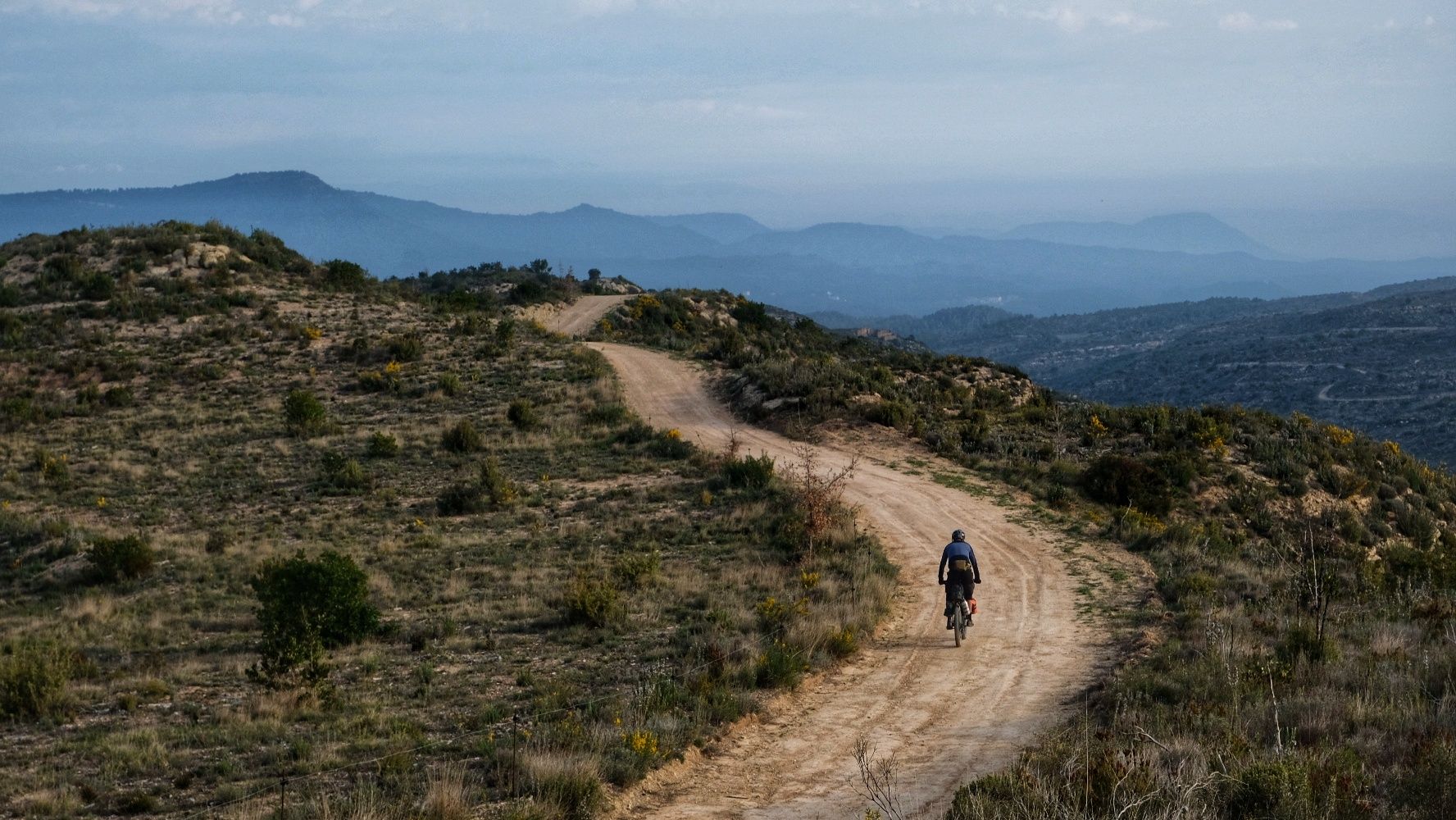
European Divide Trail — 7,600 km across the continent
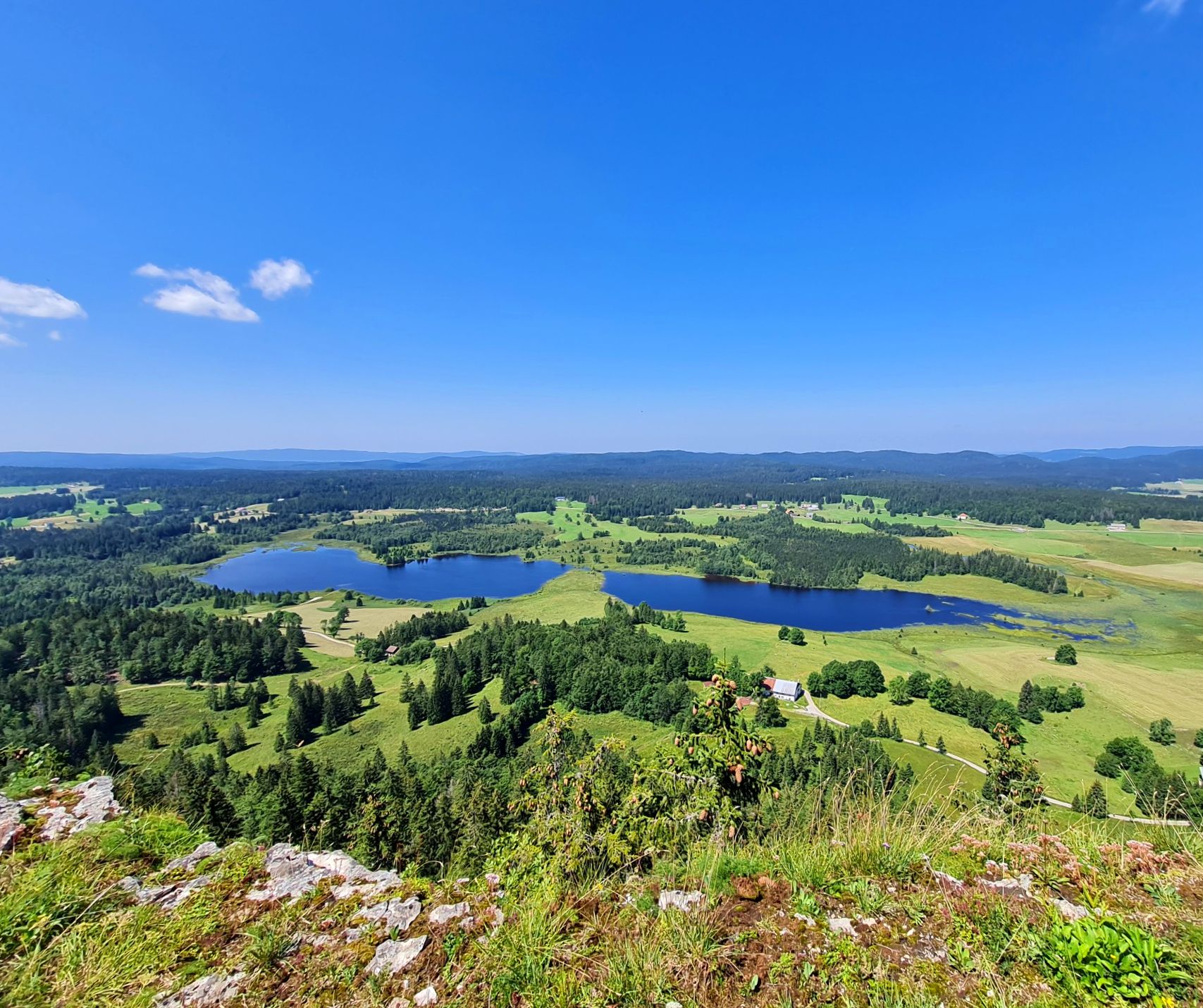
The Europe Trail – GR 5 from Nyon to Montbéliard
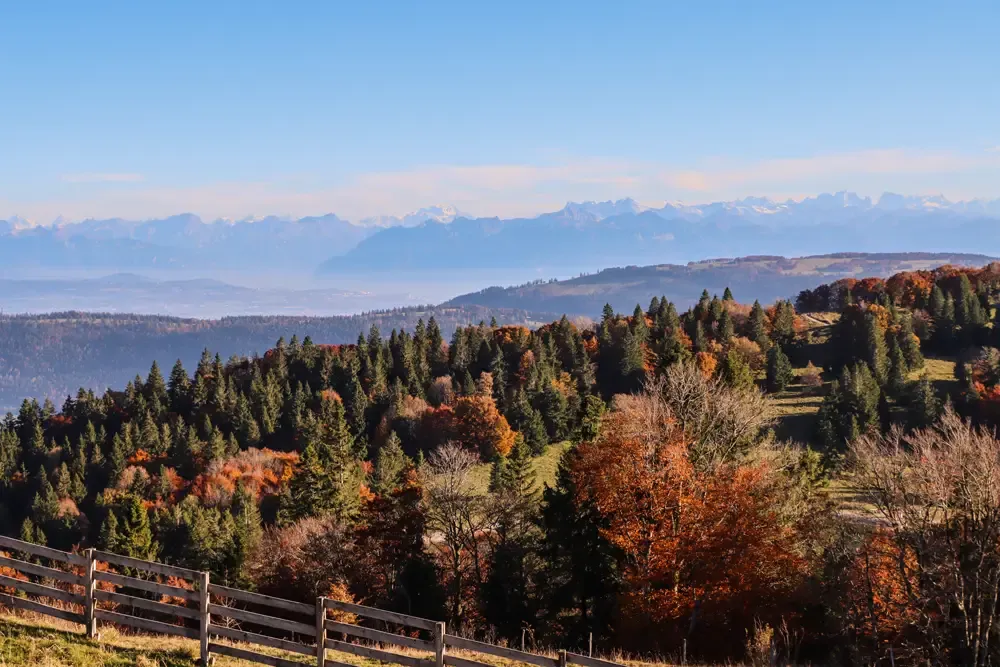
Grande Traversée du Jura en VTT — The Great Crossing of the Jura by MTB
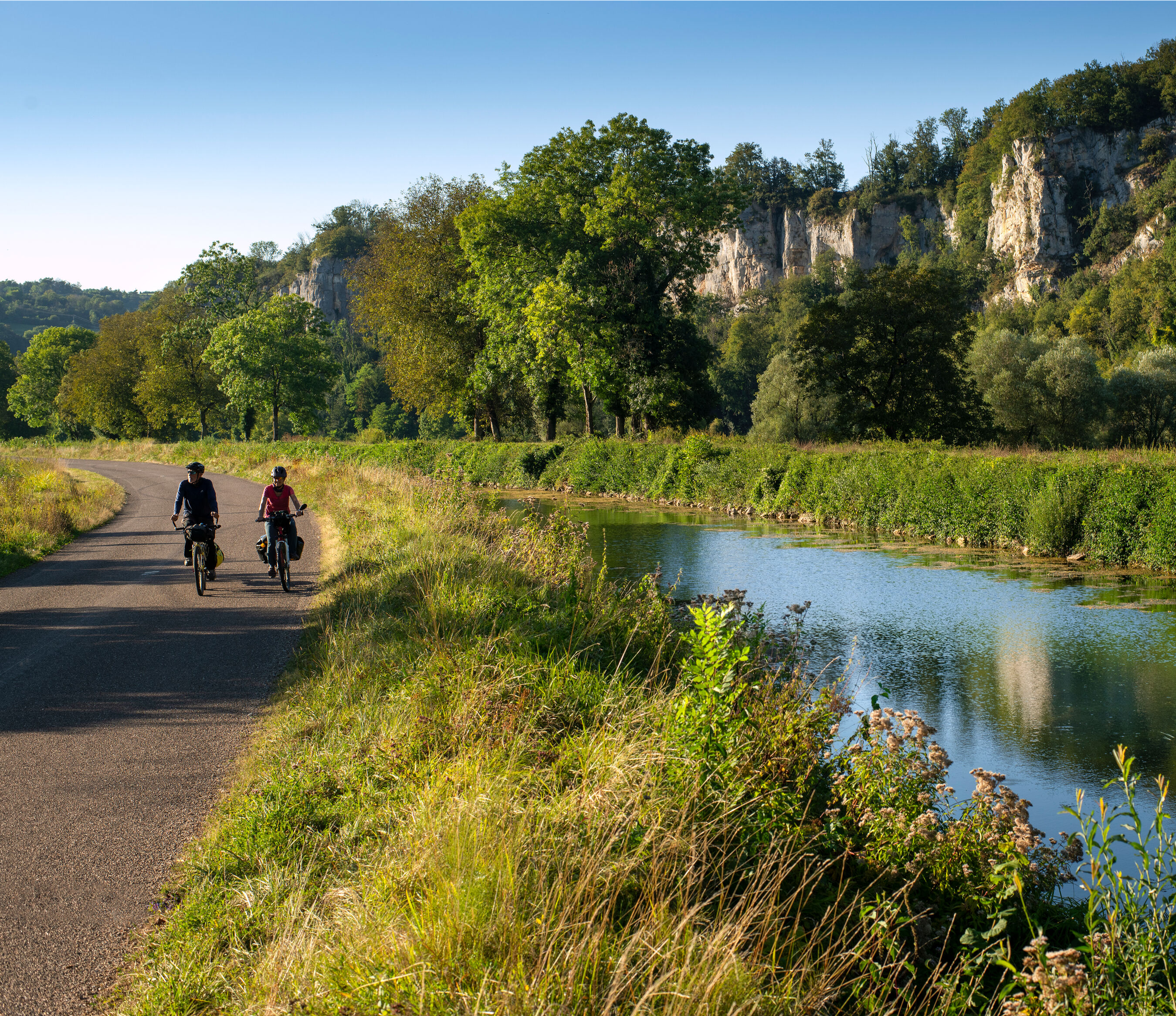
Burgundy-Franche-Comté by bike – between vineyards and peaks
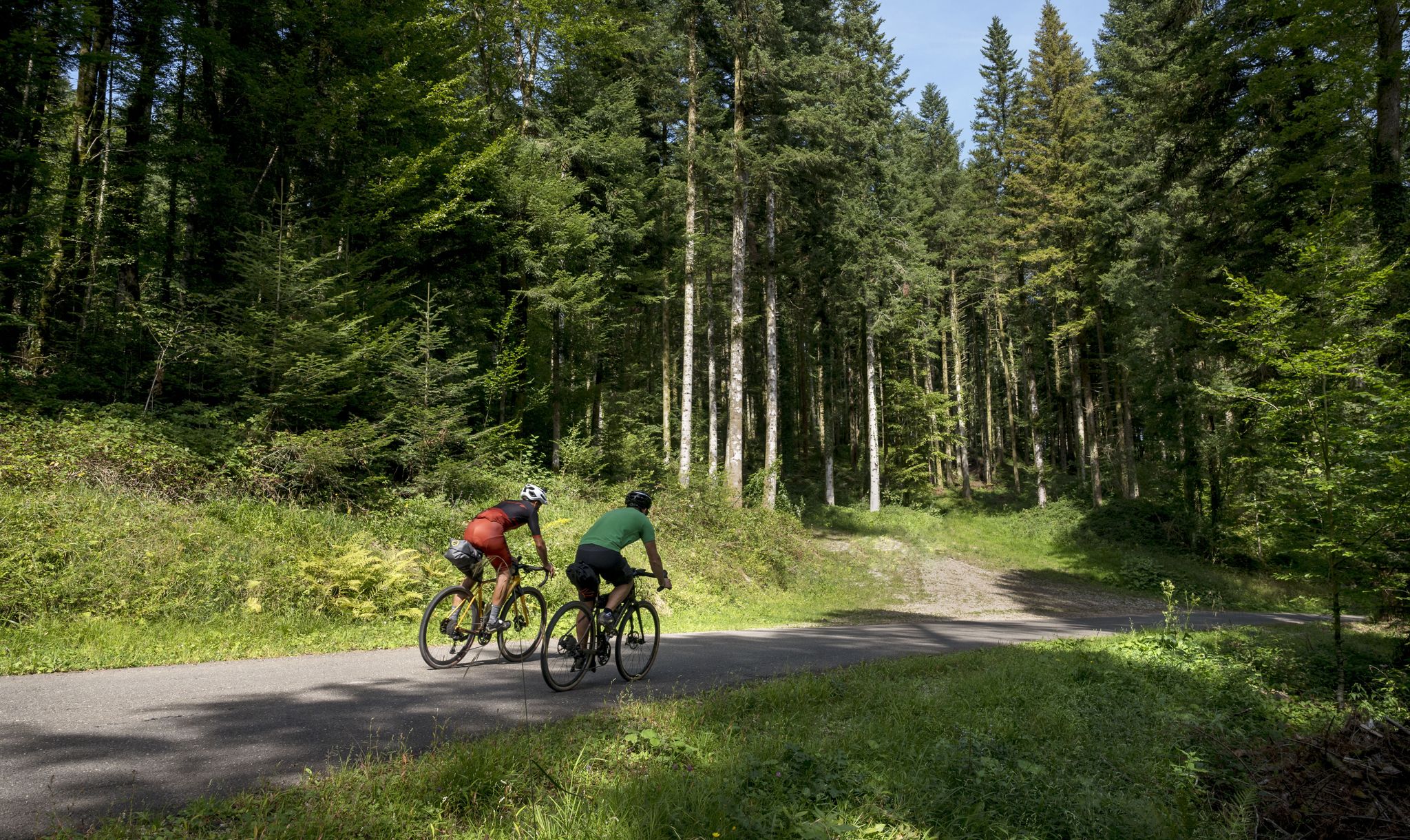
Grande Traversée du Jura - the gravel adventure
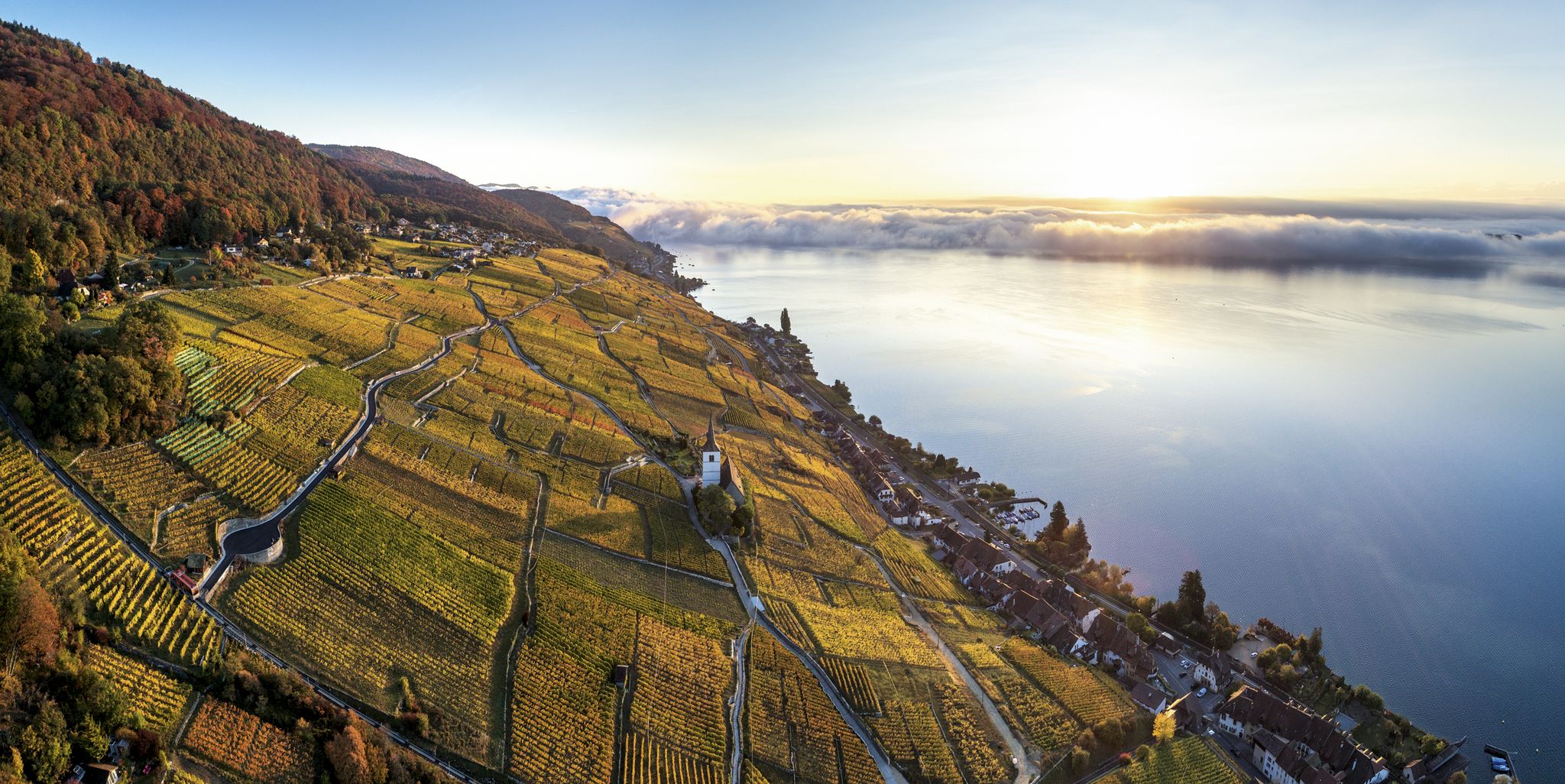
Waterside hiking in the Jura & Three-Lakes region
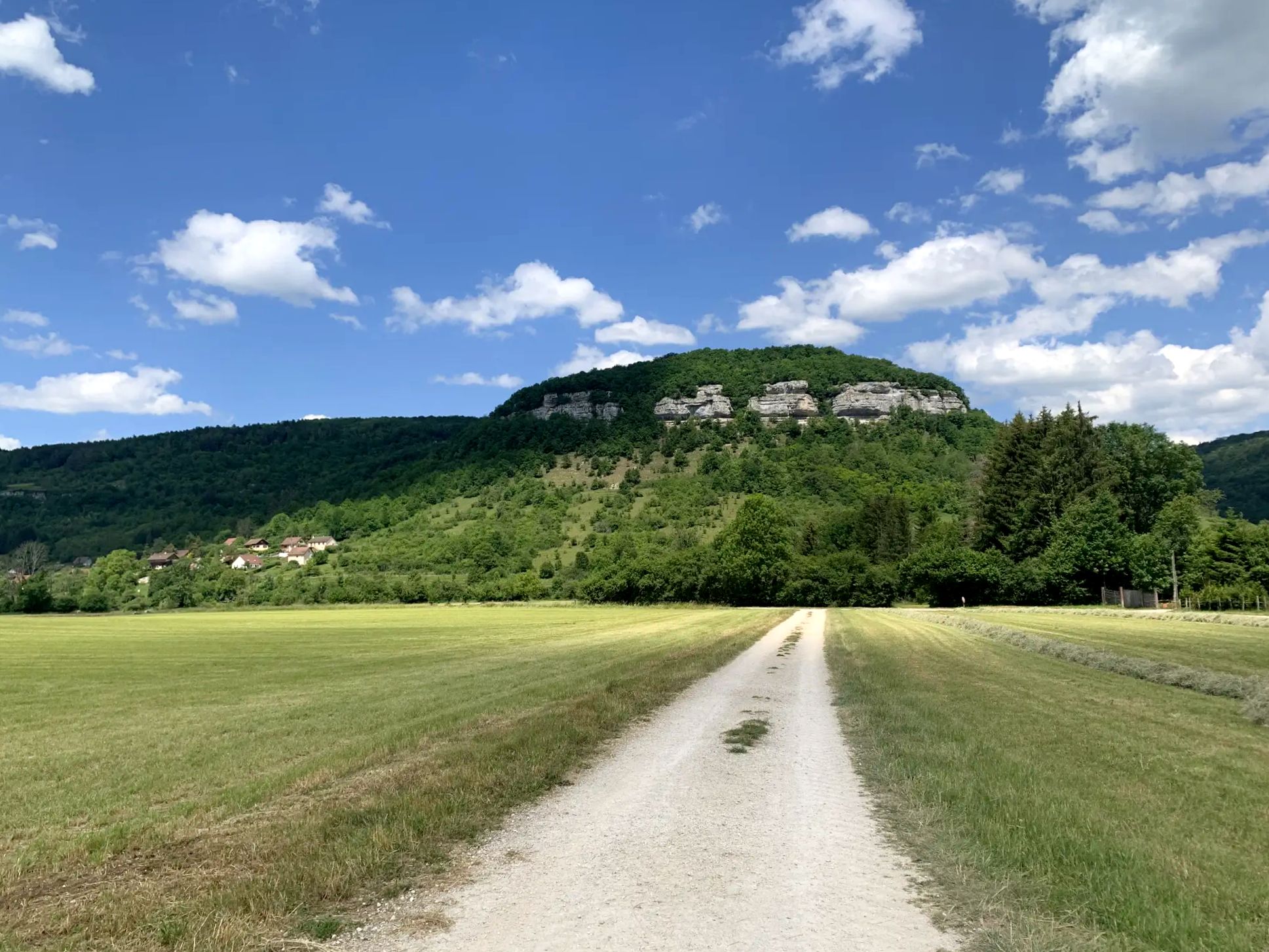
Pedal all Doubs - 15 gravel circuits in Doubs
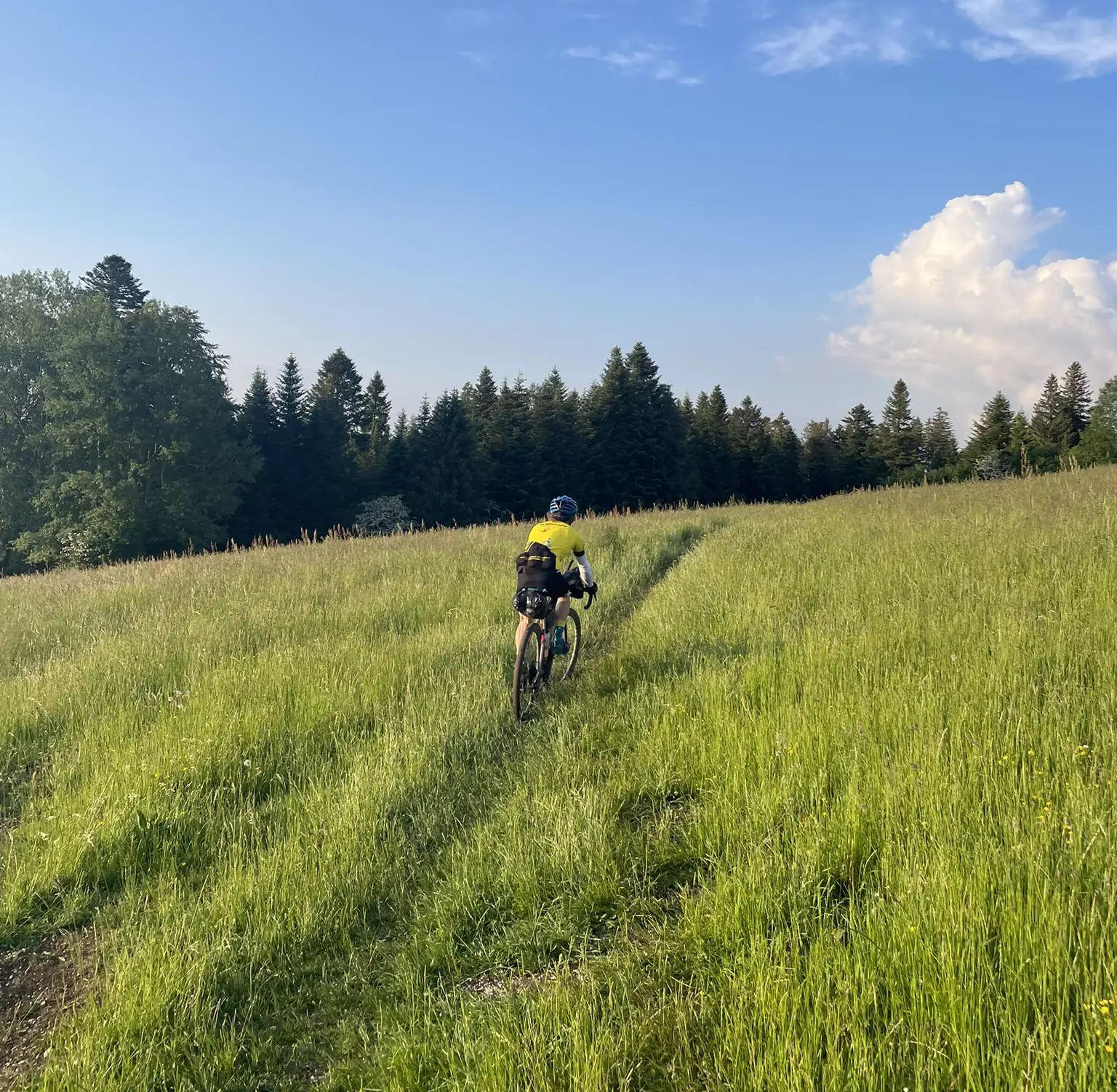
The Jura Mountains and Black Forest – La Poco Loco Dijon-Stuttgart 2023
Run a cross-country skiing legend – the Transju' Trail
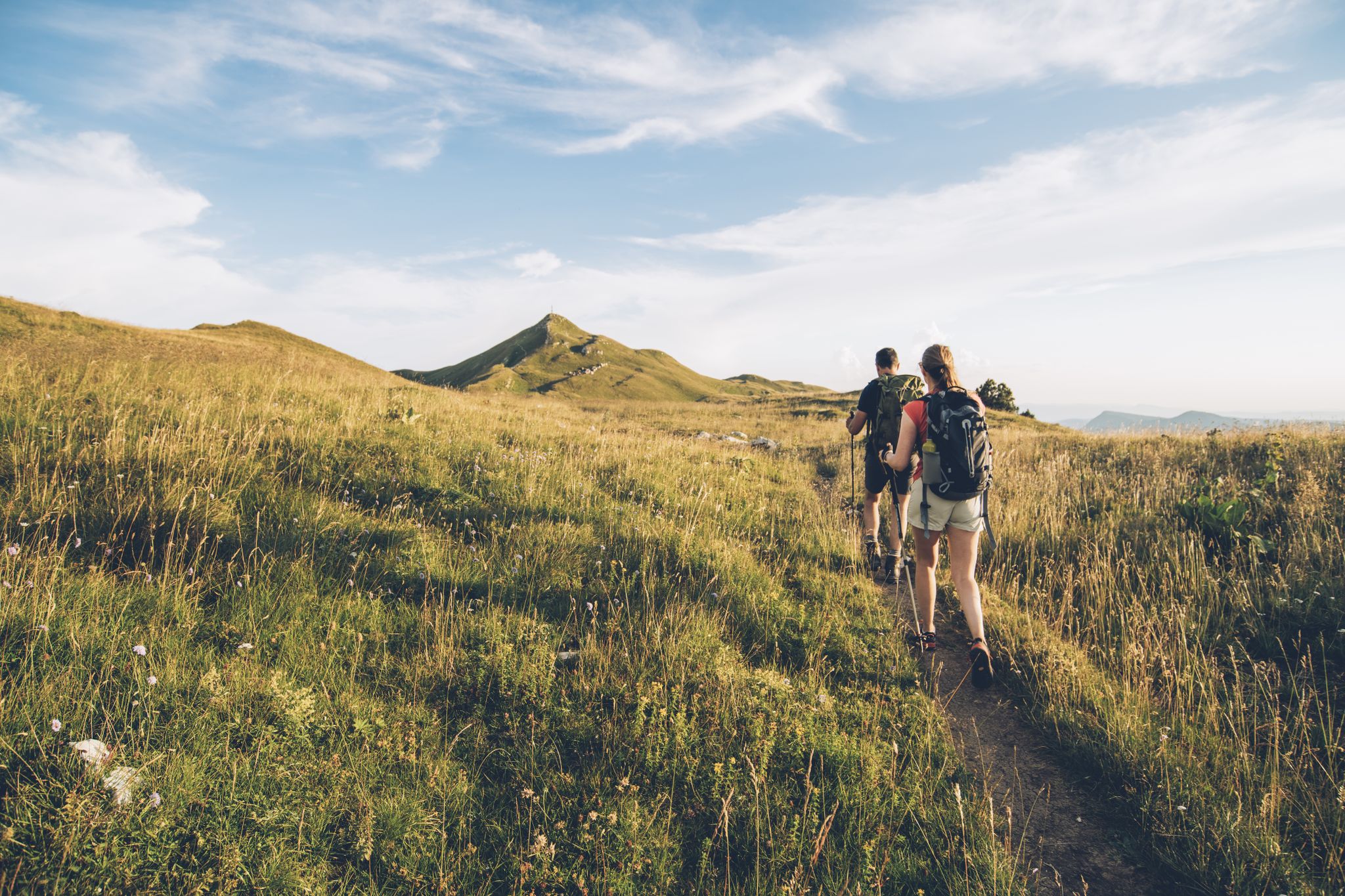
The thousand faces of the Jura Mountains – Grande Traversée du Jura on foot
Other adventures around Pontarlier


Tips from the Community

The source of the Loue River is announced by the rushing water even before you see it. It's impressive and magical to stand beneath the 150-meter-high cliffs and watch the river rush out of its cave.
5
1

One of the largest springs in the entire Jura region. Very impressive after long periods of rain.
3
0

The cave of the Grande Cave is a special cavity for the piece of history to which it bears witness. On several occasions, during the warlike episode of the Ten Years' War (1634-1644), the inhabitants in exile took refuge in the woods and the caves lost in the mountains, including the Grande Cave. Today, the cellar is accessible to the public. Note, however, that a cable attached to the wall allows you to travel the last 100 meters.
1
0

This is truly a magical place! A whole river that comes straight out of the rock. There is a huge parking lot just a few hundred meters away, which takes some of the magic out of the place. So I would recommend visiting this place out of season. And instead of starting from the parking lot, take a long walk along the surrounding hiking trails, which are definitely worth it.
5
1

When you finally reach the source, you are greeted by a 150 meter high rock face - a magnificent cirque. Below, you will see the source of the Loue.
2
0
Whether you visit the waterfall in full flow or not, this circus has something to offer. The deafening roar of flowing water contrasts with the majesty and serene tranquility of the circus in times of drought.
2
0

The Creux Maldru is a 28 meter funnel-shaped chasm (the gallery is only 6 meters in diameter). Located in the Mont-Noir forest, it is secure, although a ladder allows you to climb down to explore. This chasm would have served as a refuge for a group of priests during the revolutionary troubles.
0
0

Sometimes the waterfall is dry, like September 2022, but the surroundings are still beautiful! You should like to scramble.
3
0
Frequently Asked Questions
What unique natural features can I expect to see in the caves around Pontarlier?
The region boasts impressive karst formations. For instance, the Source de la Loue is a dramatic site where the Loue river springs forth from a 150-meter high rock wall. You can also find underground rivers and waterfalls, such as those within the Vau Cave, known for its imposing galleries and an 8-meter waterfall.
Are there any caves with historical significance near Pontarlier?
Yes, several caves hold historical importance. The Grotte de la Grande Cave served as a refuge for inhabitants during the Ten Years' War (1634-1644). Additionally, the Le Creux Maldru chasm is believed to have sheltered priests during revolutionary troubles. The Remonot Cave Chapel, situated in the Entreroches Parade, was once inhabited by hermits and functions as a place of worship today.
What kind of caving activities are available for adventurous visitors?
For those seeking adventure, the Vau Cave is popular for 'water caving.' This involves trekking along the riverbed, navigating small climbs, and swimming through cold passages. The Le Creux Maldru also offers a challenging descent into its 28-meter funnel-shaped chasm via an 11-meter crinoline ladder.
Are there family-friendly options for visiting caves in the Pontarlier area?
While specific 'family-friendly' categories aren't always listed, sites like the Source de la Loue are easily accessible via marked trails, making them suitable for families who enjoy nature walks. The Grotte de la Grande Cave is also accessible to the public, though the final 100 meters require a cable, which might be an exciting challenge for older children.
What is the best time of year to visit the caves around Pontarlier?
Caves generally maintain a cool, constant temperature year-round, making them a refreshing escape during warmer months. However, for sites like the Lançot Waterfall, visiting after recent rains ensures the waterfalls are active and spectacular. Always bring warm clothing, as underground temperatures are significantly cooler than the surface.
What should I wear or bring when exploring caves in this region?
It is always recommended to bring warm clothing, as temperatures inside caves can be significantly cooler than outside. For specific activities like water caving in the Vau Cave, specialized equipment such as wetsuits and guided tours are necessary. For general cave visits, sturdy footwear is advisable.
Are there hiking opportunities near the caves?
Absolutely! Many caves are nestled within beautiful natural landscapes offering excellent hiking. The Source de la Loue is easily accessible via marked GR trails. You can find various hiking routes, including easy options like 'The Blue Spring Loop' or 'Source of the Doubs Loop Trail,' and more challenging waterfall hikes. Explore more options in our guide to Waterfall hikes around Pontarlier or Easy hikes around Pontarlier.
Can I go cycling near the caves around Pontarlier?
Yes, the region offers great cycling opportunities. You can find various gravel biking routes around Pontarlier, with options ranging from moderate to difficult, such as 'Gilley at the end of my dreams' or 'The little Fourgs'. For detailed routes and information, check out our guide on Gravel biking around Pontarlier.
What are some of the geological highlights of the caves in the Pontarlier area?
The caves in this region are prime examples of karst topography. The Source de la Loue dramatically showcases this, with a river emerging from a high rock wall. The Vau Cave features impressive concretions like stalactites and 'draperies,' formed over millennia by mineral deposits.
Is the Poudrey Chasm worth visiting, and what can I expect there?
The Poudrey Chasm near Étalans is a notable underground site in the Pays Horloger region. While specific details about its features are limited, caves like Poudrey are generally appreciated for their unique geological formations, vast chambers, and the cool, consistent temperatures they offer, providing a refreshing experience.
Are there any caves that are particularly challenging to explore?
For those seeking a challenge, Le Creux Maldru is a 28-meter funnel-shaped chasm that requires descending an 11-meter crinoline ladder to access its two rooms. The Vau Cave also offers adventurous 'water caving' experiences, involving trekking, climbing, and swimming through cold underground passages.
Most popular routes around Pontarlier
Most popular attractions around Pontarlier

Get inspired with the komoot mobile app


Didn’t find what you were looking for?
Discover more caves around Pontarlier region by region:
Explore more
Extend your search for the best caves by checking out these guides of the top ones around Pontarlier:
