Top 4 Caves in Danube-Ipoly National Park
Best caves in Danube-Ipoly National Park are concentrated within the Pilis Hills, which hosts nearly 200 of the park's more than 300 caves. These subterranean formations are significant for their archaeological value, thermal origins, and as bat roosts. The region offers a diverse range of cave experiences, from accessible tours to more challenging caving expeditions. Many caves in the park are formed by thermal waters dissolving limestone, leading to unique geological features.
Best caves in Danube-Ipoly National Park
- The most…
Last updated: July 1, 2026
Mackó Cave
Highlight • Cave
Showing Translation
Tip by

Remete Cave
Highlight • Cave
Tip by

Sign up now to discover places like this
Get recommendations on the best single tracks, peaks, & plenty of other exciting outdoor places.
Sign up for free
Ladder by the Waterfall in the Ravine
Highlight • Gorge
Translated by Google •
Tip by

Gyopáros Cave
Highlight • Cave
Translated by Google •
Tip by

Szoplák Valley Cave
Highlight • Cave
Translated by Google •
Tip by
Sign up for free to discover even more caves in Danube-Ipoly National Park.
Sign up for free
Already have an account?
Start today with a free account
Your next adventure awaits.
Login or Signup
Popular around Danube-Ipoly National Park
Tips from the Community

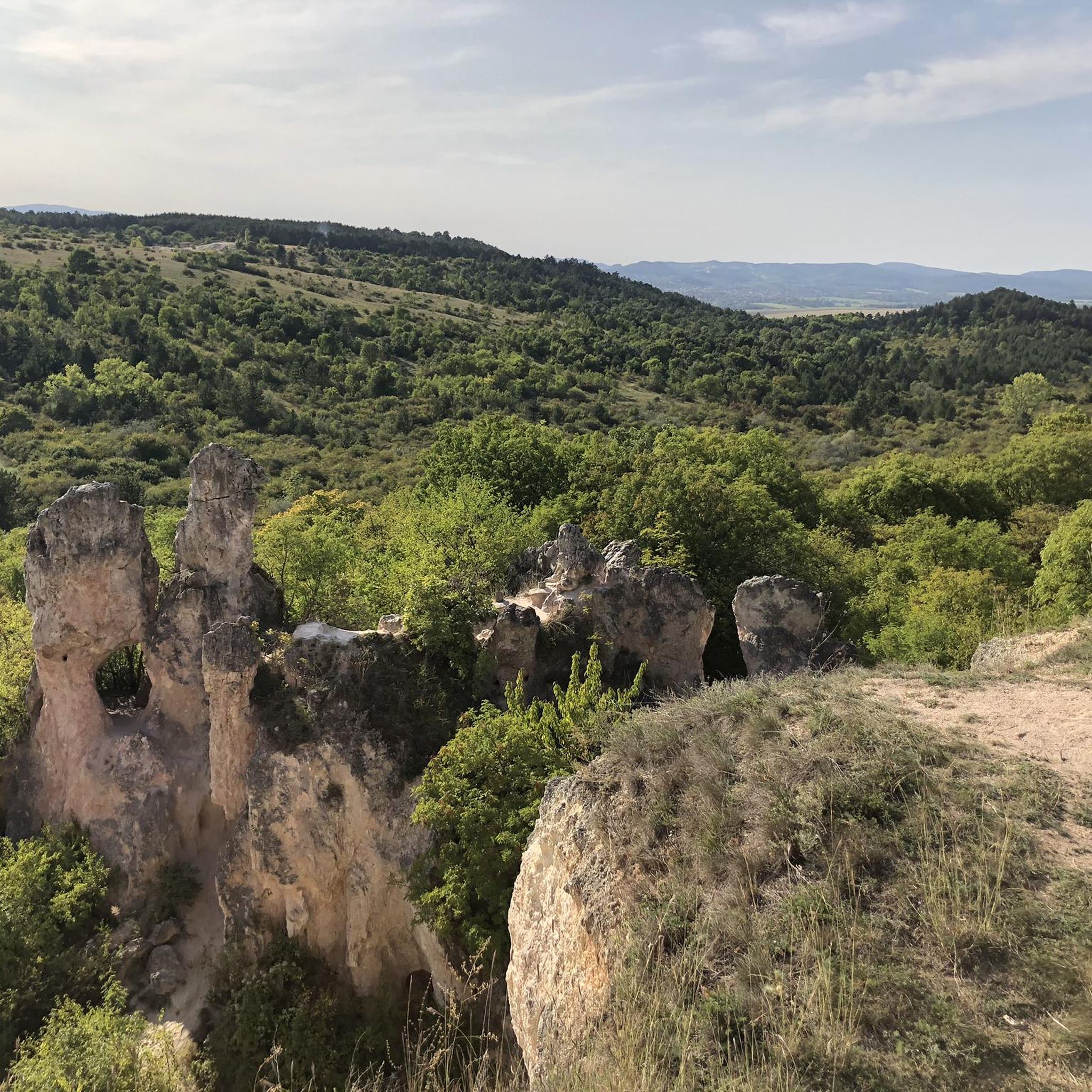
The Mackó Cave, also called Kis-Kevély Cave, is located near Csobánka in Hungary at the foot of the Kis-Kevély mountain. It is particularly known for finds of cave bears and has historical and archaeological significance. The cave is part of a popular hiking area in the Pilis Mountains and is often combined with nature and cave tours.
0
0

The cave also shows its interesting face in winter with hanging icicles, although it is more difficult to approach the cave at that time. But it is worth going up!
0
0

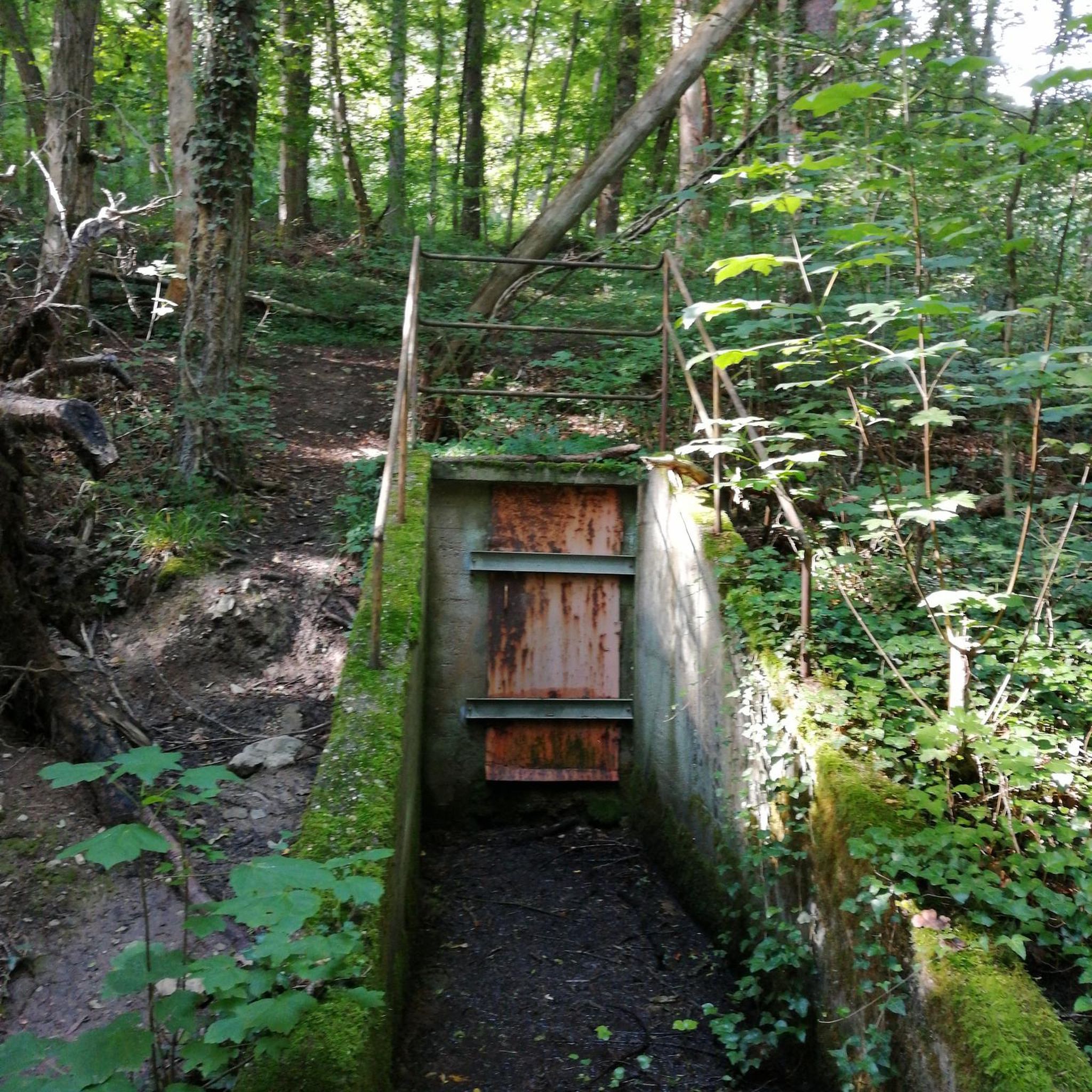
The cave to the right in front of the ladder hides two smaller passages, you can safely go in. The ladder can be accessed by walking along the red sign above the gorge.
0
0
There is a small cave 400m from the Kevély saddle... You have to climb up to it from the hiking trail... If you feel like it.
0
0

A small cave on the way to Kevély-synyerg.
1
0
It is worth taking a short detour and turning off the path, the cave can be found after about 100 meters. And the surroundings are stunning
0
0

You climb to the top on the sides if you dare or there is small trail from the blue cave track to the top of the caves for the best view 😎👌
0
0
Frequently Asked Questions
Are there family-friendly caves in Danube-Ipoly National Park?
Yes, the Szemlő-hegyi Cave is highly accessible, featuring wide, paved walkways that make it suitable for families, school groups, and even wheelchair and stroller users. It's known for its unique 'popcorn-shaped' mineral crusts and cauliflower-like growths.
Which caves offer a more adventurous caving experience?
For those seeking a physical challenge, the Mátyás-hegyi Cave provides an adventurous caving experience. Tours involve crawling and climbing through natural environments without constructed trails. Helmets, headlamps, and overalls are provided, and tours typically last 2.5-3 hours.
What unique natural features can I expect to see in the caves?
The caves in Danube-Ipoly National Park are known for diverse formations. Pál-völgyi Cave features unique dripstones, glittering calcite crystals, and narrow passages. Szemlő-hegyi Cave is famous for its 'popcorn-shaped' mineral crusts and cauliflower-like growths. You can also find ancient fossils in places like Mátyás-hegyi Cave.
What is the best time to visit the caves in Danube-Ipoly National Park?
The caves maintain a constant temperature year-round, typically around 11-12°C (52-54°F), making them a good destination in any season. However, some caves like Gyopáros Cave and Mackó Cave can be particularly scenic in winter with hanging icicles, though access might be more challenging.
Are there guided tours available for the caves?
Yes, guided tours are available for several caves. For instance, Pál-völgyi Cave offers tours lasting about an hour, though they are generally in Hungarian with audio guides in multiple languages. Szemlő-hegyi Cave also provides guided tours, often with interactive exhibitions.
What should I wear when visiting the caves?
Given the constant cool temperatures inside the caves (around 11-12°C or 52-54°F), warm clothing is recommended, even in summer. For adventurous caving experiences like in Mátyás-hegyi Cave, overalls, helmets, and headlamps are typically provided.
Are there any caves with historical or archaeological significance?
Yes, Mackó Cave (also known as Kis-Kevély Cave) is particularly known for findings of cave bears and holds significant historical and archaeological value. Bátori Cave in Budapest's District II is also a historical landmark.
Can I find therapeutic benefits from visiting any of the caves?
Yes, Szemlő-hegyi Cave is classified as a therapeutic cave. Its exceptionally clean, almost dust-free air with nearly 100% humidity and a constant 12°C (54°F) temperature is considered beneficial, especially for respiratory conditions.
What outdoor activities can I do near the caves in Danube-Ipoly National Park?
The caves are often situated within popular hiking areas. You can find numerous hiking routes, including easy options like the Vasas-Szakadék Gorge loop or the Szurdok Valley Sinkhole loop. For more ideas, explore the easy hikes in Danube-Ipoly National Park. There are also options for gravel biking and dog-friendly hikes in the region.
Are there any challenging caves for experienced explorers?
While many caves offer guided tours, some, like Gyopáros Cave, are categorized as challenging and require climbing to access. Mátyás-hegyi Cave also offers a more physically demanding adventure caving experience.
What are some of the less-explored or hidden caves in the park?
Beyond the well-known sites, the Danube-Ipoly National Park is home to nearly 200 caves in the Pilis Hills alone. While not all are publicly accessible, places like Szoplák Valley Cave are described as worth a short detour off the main path, offering stunning surroundings.
Most popular routes in Danube-Ipoly National Park
Most popular attractions in Danube-Ipoly National Park

Get inspired with the komoot mobile app


