Top 4 Lakes in the Saint Elias Mountains
Lakes in the Saint Elias Mountains are found within a majestic range spanning parts of Alaska, Yukon, and British Columbia. Many of these lakes are situated within protected areas such as Kluane National Park and Reserve and Wrangell-St. Elias National Park and Preserve. The region features diverse lakes, including those fed by glaciers, clear sub-alpine waters, and shallow lakes that warm in summer. These bodies of water are significant for wildlife habitats and offer varied natural landscapes.
Best lakes in…
Last updated: October 2, 2026
Auriol Trail
Highlight (Segment) • Trail
Translated by Google •
Tip by

Kathleen Lake (Mät’àtäna Män)
Highlight • Lake
Showing Translation
Tip by
Sign up now to discover places like this
Get recommendations on the best single tracks, peaks, & plenty of other exciting outdoor places.
View of Kluane Lake
Highlight • Viewpoint
Showing Translation
Tip by

Situk Lake Trail
Highlight (Segment) • Trail
Tip by

Saint Elias Lake
Highlight • Lake
Tip by

Start today with a free account
Your next adventure awaits.
Popular around Saint Elias Mountains


Tips from the Community

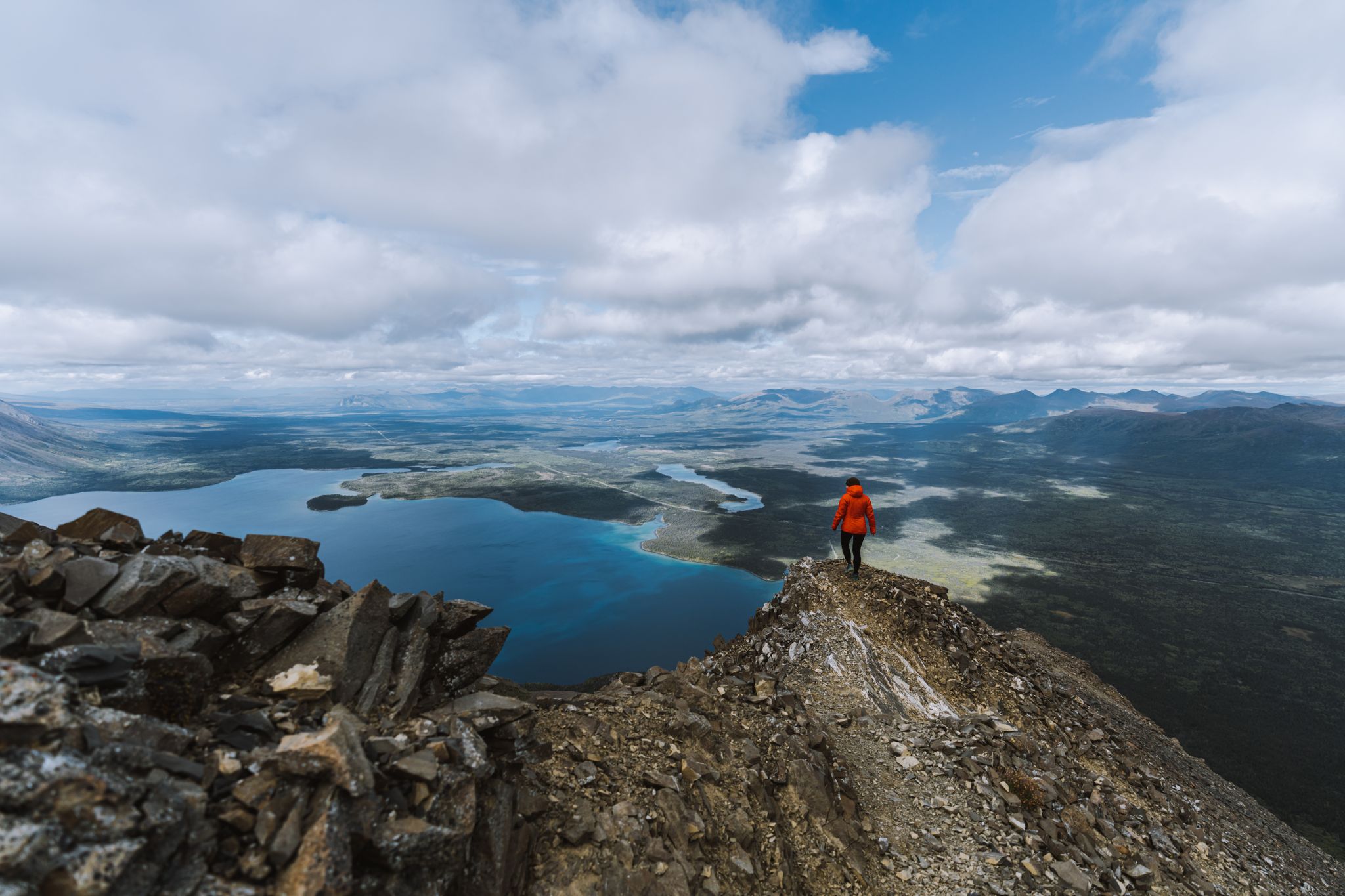
This panorama opens up a large window onto Kluane Lake, the star of the eponymous national park. Just above the treeline, you benefit from a wide, unobstructed view with another range of the Saint Elias Mountains in the background.
0
0

Saint Elias Lake is an alpine gem tucked within the St. Elias Mountains. Its crystal-clear waters perfectly reflect the surrounding peaks, creating a stunning, untouched scene.
0
0

You could spend hours strolling along the shore of this large, beautiful lake, with new views opening up time and time again. Unfortunately, the adjacent trails were closed due to bears.
0
0
A wonderful trail through stunning scenery with views of the mountains and, at the end, Haines Junction. Bear territory!
0
0

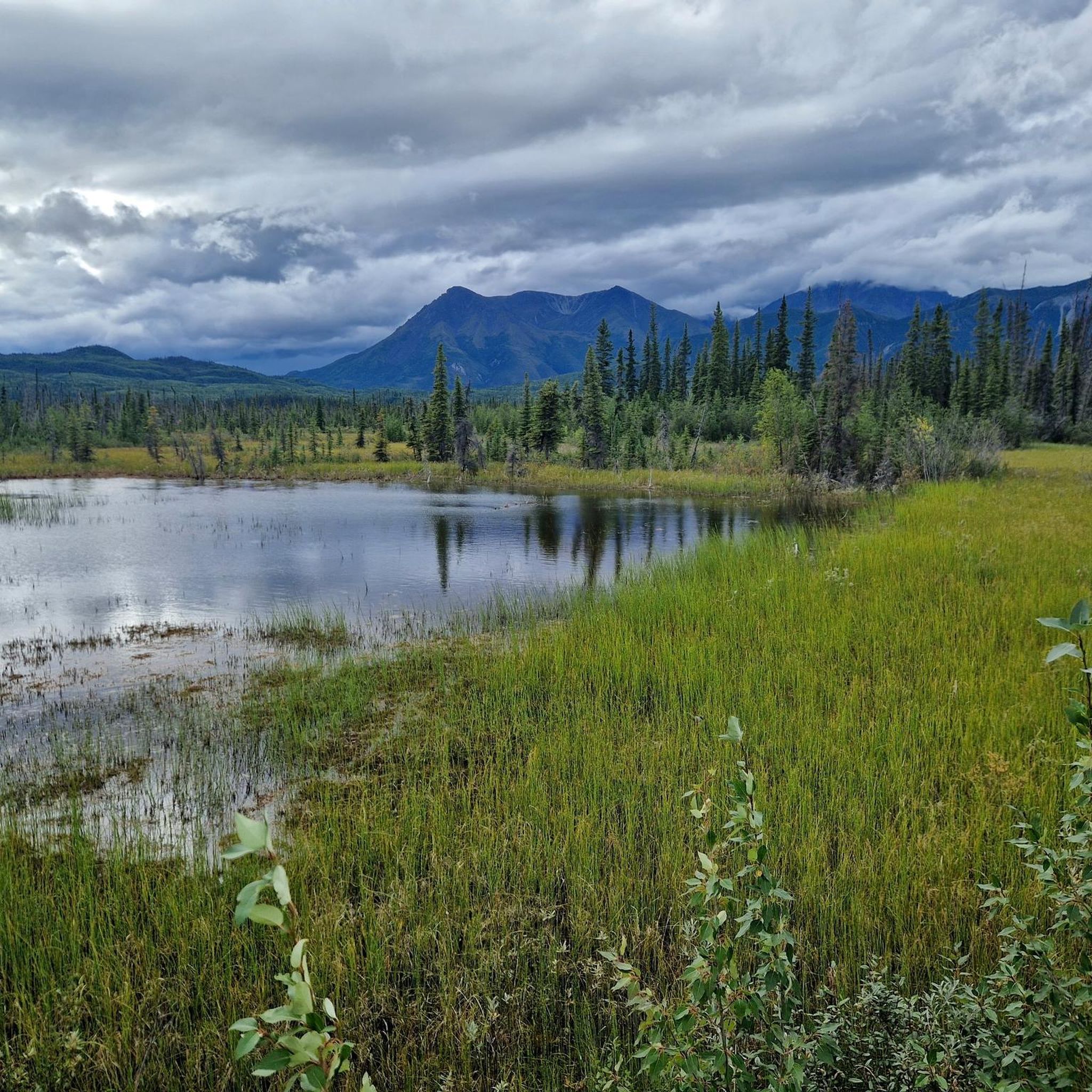
The trailhead of the Auriol Trail is just off the Haines Highway, 7 km south of Haines Junction. The well-trodden path leads through a mixed boreal coniferous forest (cold-temperate forest) with a slight incline. Further up, the circular hike goes through wetlands with small lakes to the sub-alpine zone, where you have a wonderful view of the mountains of the 'Auriol Range', especially the peaks of 'Mount Martha Black'. The trail is marked - with kilometer information. In spring you have to reckon with deep snow conditions on the path when descending on the west side. https://parks.canada.ca/pn-np/yt/kluane/activ/randonnee-hiking/auriol
2
0
The magnificently located Mät’àtäna Män Lake (Kathleen Lake) is situated south of Haines Junction on the Haines Highway. Kathleen Lake is one of the main attractions of the national park, with opportunities for hiking and recreation. Near the lake, there is a well-maintained campsite with toilets and access to fresh drinking water. https://parks.canada.ca/pn-np/yt/kluane/visit/services/kathleen
2
0

The trail to Situk Lake can be very wet and muddy, although the section from the East Gate trailhead to the Situk Lake cabin usually has the most maintenance and improvements to help deal with those wet conditions. As you reach the lakeshore, on clear days you might be lucky enough to see the massive, triangular peak of 18,008-foot (5,489 m) Mount Saint Elias in the distance. Heads up: When fish are running in the Situk River, you have much higher odds of encountering bears near the water.
2
0
Frequently Asked Questions
What are some notable lakes in the Saint Elias Mountains?
The Saint Elias Mountains are home to several stunning lakes. In the Yukon, you'll find Kathleen Lake (Mät’àtäna Män), known for its clear waters and mountain backdrop, and Kluane Lake, the largest lake entirely within the Yukon. Dezadeash Lake is notable for its warmer waters, while St. Elias Lake offers a serene sub-alpine experience. In Alaska, Alsek Lake is characterized by dynamic glacial activity, and Iceberg Lake provides unique glacier exploration opportunities.
When is the best time to visit the lakes in the Saint Elias Mountains?
The best time to visit is generally during the spring and summer months. Wildflowers are abundant in spring and early summer, and the warmer temperatures make activities like hiking and camping more enjoyable. Dezadeash Lake, for example, can reach surface temperatures of 18° Celsius or higher in summer, attracting migratory birds in spring.
Are there family-friendly lakes in the Saint Elias Mountains?
Yes, several lakes offer family-friendly options. Kathleen Lake (Mät’àtäna Män) has day-use areas, campgrounds, and the wheelchair-accessible Kokanee Trail. St. Elias Lake is also ideal for families or beginner backcountry campers, with a manageable trail and established campground facilities. The Small Lake on the Auriol Trail is also considered family-friendly.
What kind of wildlife can I expect to see around the lakes?
The lakes in the Saint Elias Mountains are rich in wildlife. You might spot bear, moose, and mountain goats around St. Elias Lake. Dezadeash Lake is an important staging area for migratory birds like Tundra and Trumpeter swans, and various ducks. In the Alaskan lakes, such as Iceberg Lake and Alsek Lake, grizzly bears and occasionally wolverines are often sighted. Be aware that areas like the Situk Lake Trail can have higher odds of encountering bears when fish are running.
What hiking opportunities are available near the lakes?
There are numerous hiking opportunities. For example, the Auriol Trail leads through boreal forest to sub-alpine zones with mountain views. The Saint Elias Lake Trail offers a challenging but rewarding journey through the Yukon backcountry. You can find more hiking options, including easy and family-friendly routes, in the Hiking in the Saint Elias Mountains guide.
Can I swim in the lakes of the Saint Elias Mountains?
While many lakes are glacier-fed and can be very cold, some are more suitable for swimming. Dezadeash Lake, being relatively shallow, can reach warmer surface temperatures in the summer, making it one of the warmer lakes in the southern Yukon. Always exercise caution and be aware of water temperatures and currents.
Are there camping facilities available at the lakes?
Yes, several lakes offer camping. Kathleen Lake (Mät’àtäna Män) has a well-maintained campsite with toilets and fresh drinking water. St. Elias Lake also features an established campground with tent pads, a fire pit, and an outhouse, suitable for overnight trips. Dezadeash Lake has a government campground with an accessible boat launch near its southern end.
What makes Kluane Lake unique?
Kluane Lake is the largest lake entirely within the Yukon. Historically fed by the Slims River, its ecosystem underwent significant changes in 2016 due to glacial meltwater diversion, impacting its water chemistry and fish populations. Despite these changes, it remains an important part of the Kluane First Nation's traditional territory and offers scenic views along the Alaska Highway. You can learn more about its history and changes on Wikipedia.
What unique natural features can I find at these lakes?
The lakes offer diverse natural features. Alsek Lake is heavily influenced by dynamic glacial activity, with the Grand Plateau and Alsek Glaciers descending to water level, often featuring icebergs. Iceberg Lake also boasts a glacier on its valley floor that can be explored. Kathleen Lake is known for its crystal-clear waters set against the Kluane Range mountains, and St. Elias Lake is a sub-alpine gem nestled between tall peaks with abundant wildflowers.
Which lakes offer the best photography opportunities?
Many lakes provide stunning backdrops for photography. Kathleen Lake (Mät’àtäna Män), with its clear waters and mountain views, is particularly photogenic. The Small Lake on the Auriol Trail also offers great photo opportunities, especially with a nearby bench for resting and composing shots. The dynamic, iceberg-filled landscape of Alsek Lake provides unique and dramatic photographic subjects.
What is special about Dezadeash Lake?
Dezadeash Lake is unique for its relatively shallow depth, which allows its surface temperature to warm up significantly in the summer, sometimes reaching 18° Celsius or higher. This makes it one of the warmer lakes in the southern Yukon. It's also a crucial staging area for various migratory birds in the spring, including Tundra and Trumpeter swans. More information can be found on Wikipedia.
Most popular routes in the Saint Elias Mountains
Most popular attractions in the Saint Elias Mountains

Get inspired with the komoot mobile app


Explore more
Still not found your perfect lake in the Saint Elias Mountains? Check out the guides of these regions to see even more beautiful places.
