Parco naturale regionale delle Dolomiti Friulane
Parco naturale regionale delle Dolomiti Friulane
Top 4 Gorges around Parco naturale regionale delle Dolomiti Friulane
Best canyons around Parco naturale regionale delle Dolomiti Friulane are located within a wild and biodiverse area in the eastern Dolomites. This region features several captivating gorges carved by powerful waterways, showcasing impressive fluvial erosion and karst phenomena. The landscape includes steep rock walls, clear waters, and unique geological formations. It offers a blend of natural grandeur and opportunities for exploration.
Best canyons around Parco naturale regionale delle Dolomiti Friulane
- The most popular canyons is Cimoliana Valley Riverbed, a…
Last updated: May 31, 2026
Cimoliana Valley Riverbed
Highlight • River
Translated by Google •
Tip by

Montanaia Valley
Highlight • Gorge
Translated by Google •
Tip by

Sign up now to discover places like this
Get recommendations on the best single tracks, peaks, & plenty of other exciting outdoor places.
Sign up for free
Vajont Dam and Gorge
Highlight • Gorge
Translated by Google •
Tip by

Trail from Forcella Las Busas to Scodavacca-Giaf junction on Bianchi loop
Highlight (Segment) • Natural Monument
Translated by Google •
Tip by

Fossiana Stream
Highlight • River
Translated by Google •
Tip by

Sign up for free to discover even more gorges around Parco naturale regionale delle Dolomiti Friulane.
Sign up for free
Already have an account?
Start today with a free account
Your next adventure awaits.
Login or Signup
Popular around Parco naturale regionale delle Dolomiti Friulane
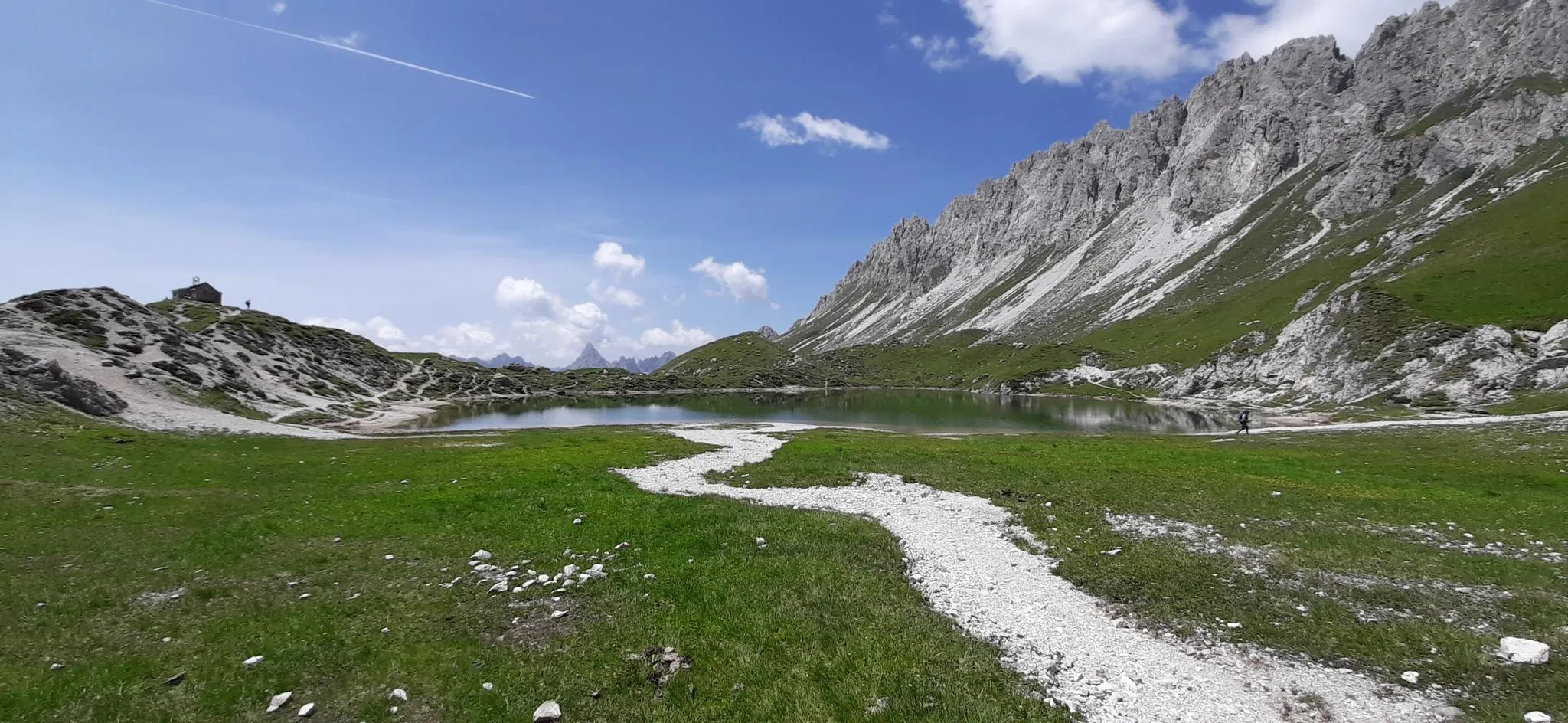
A trail running adventure in the Dolomites – Alta Via 6
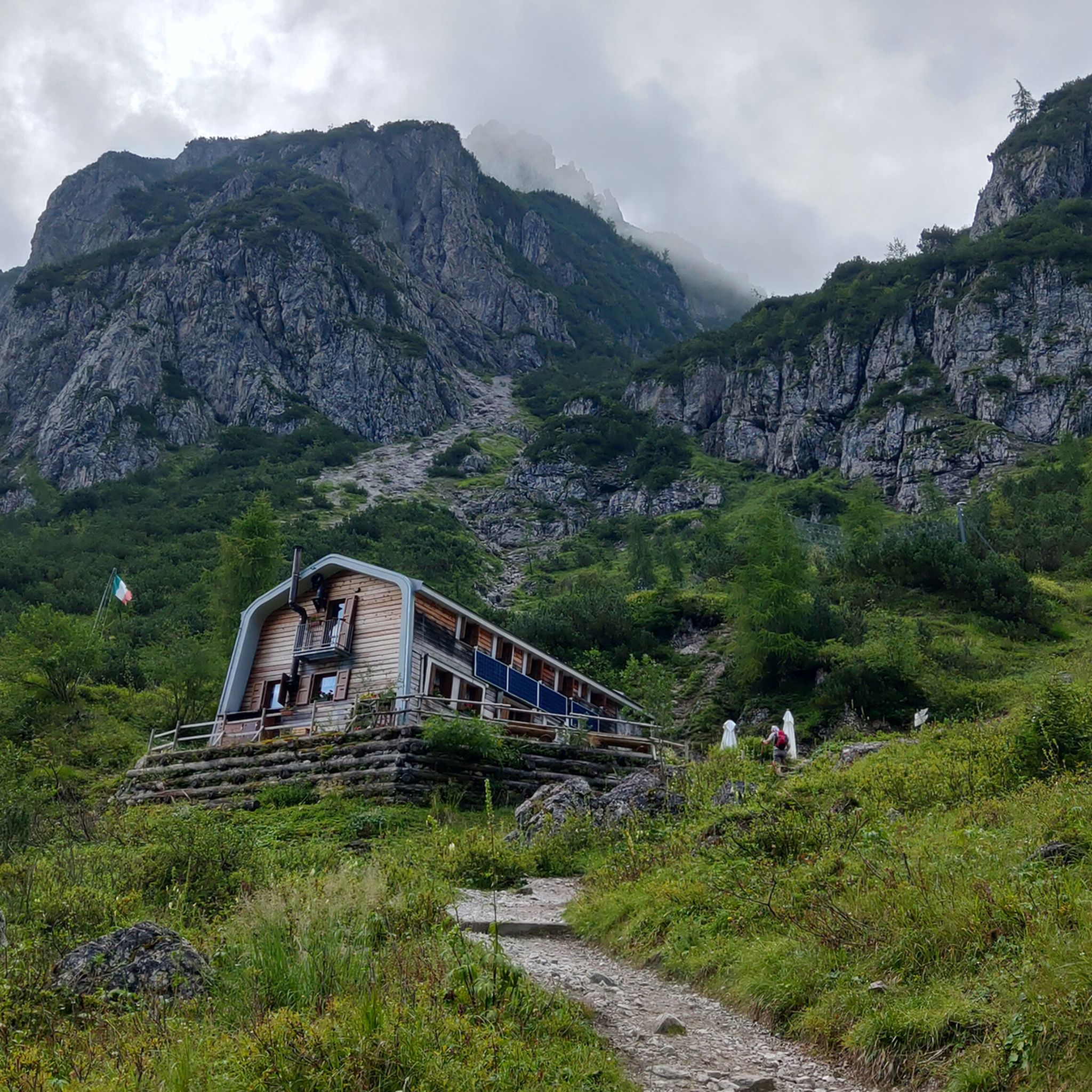
Hiking around Parco naturale regionale delle Dolomiti Friulane
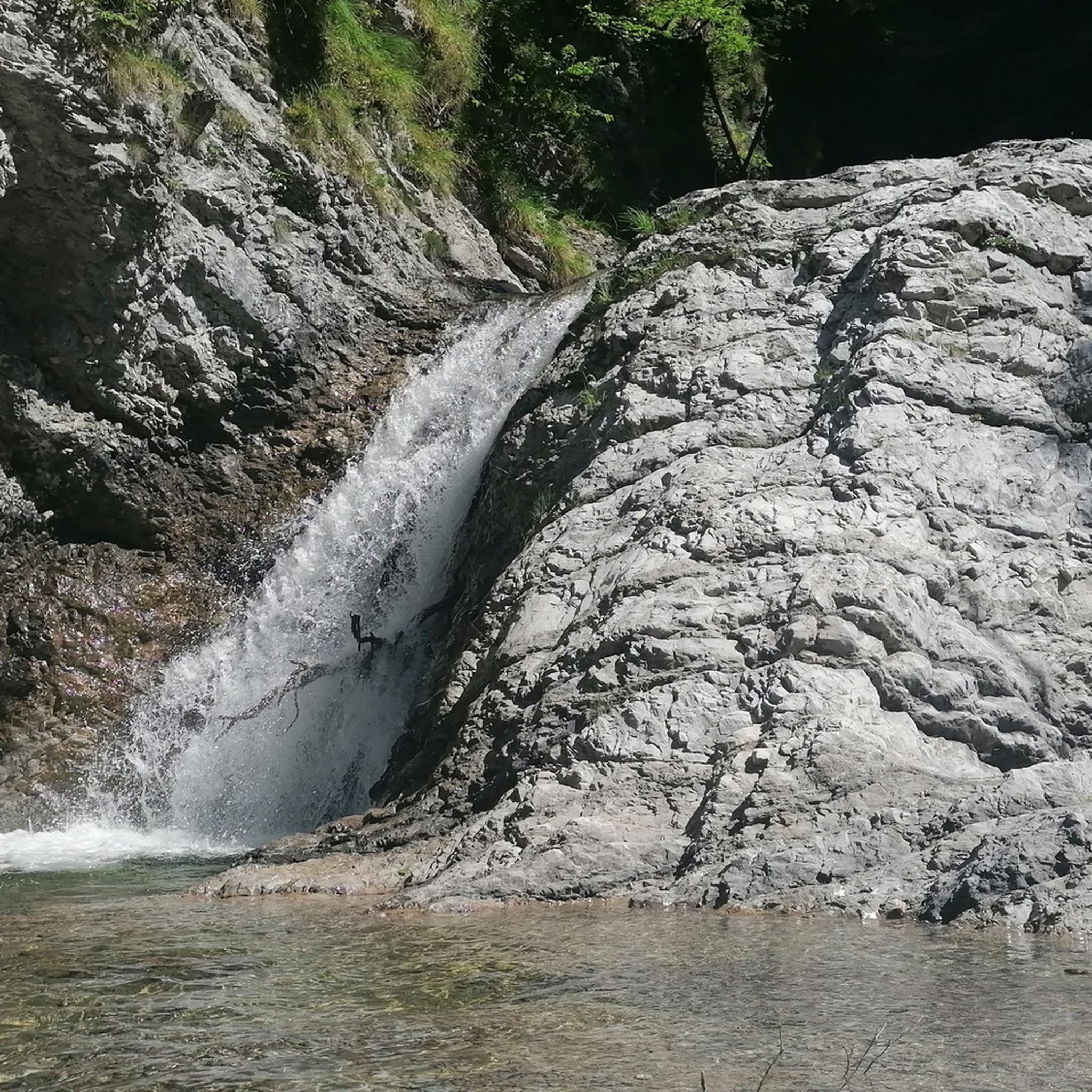
MTB Trails around Parco naturale regionale delle Dolomiti Friulane
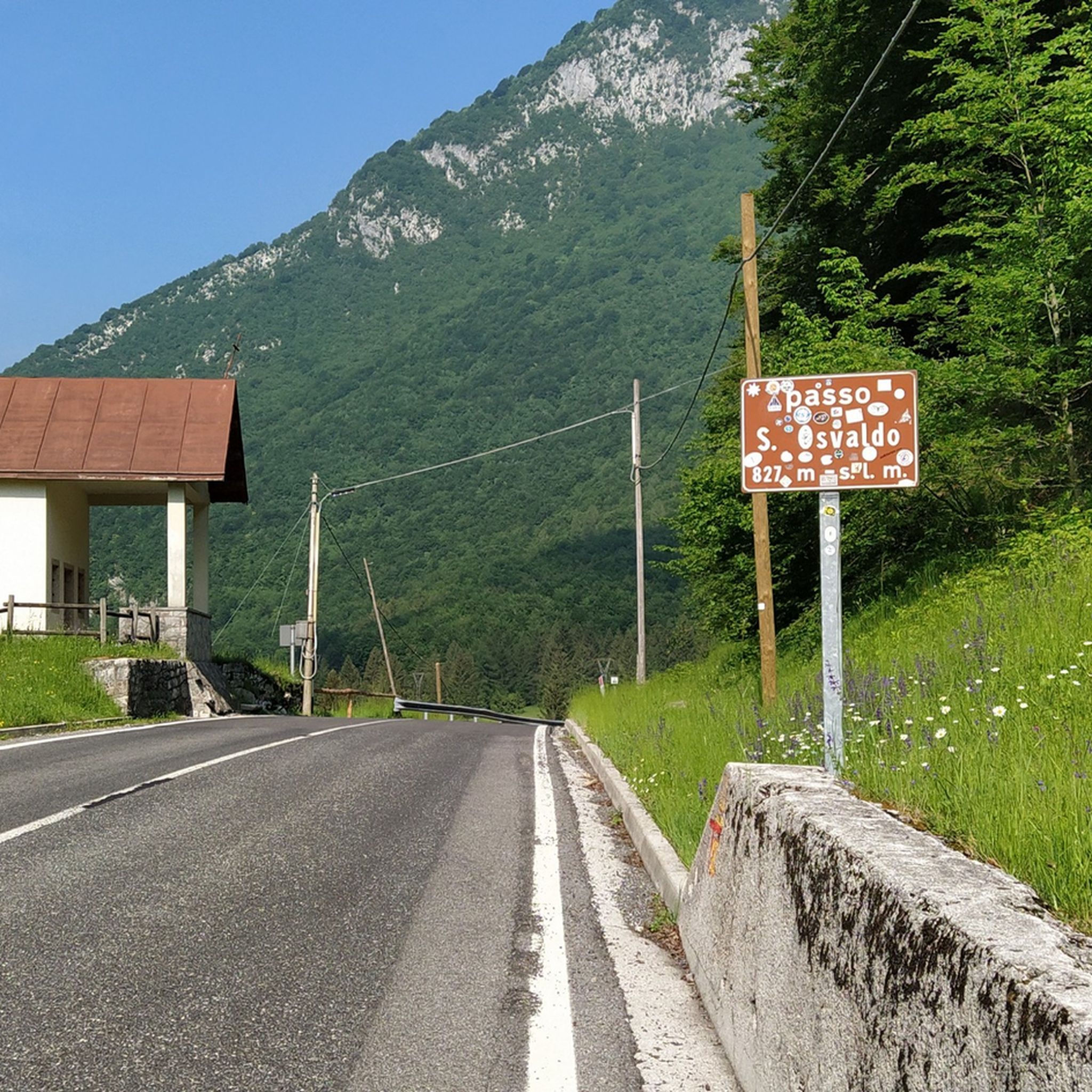
Road Cycling Routes around Parco naturale regionale delle Dolomiti Friulane
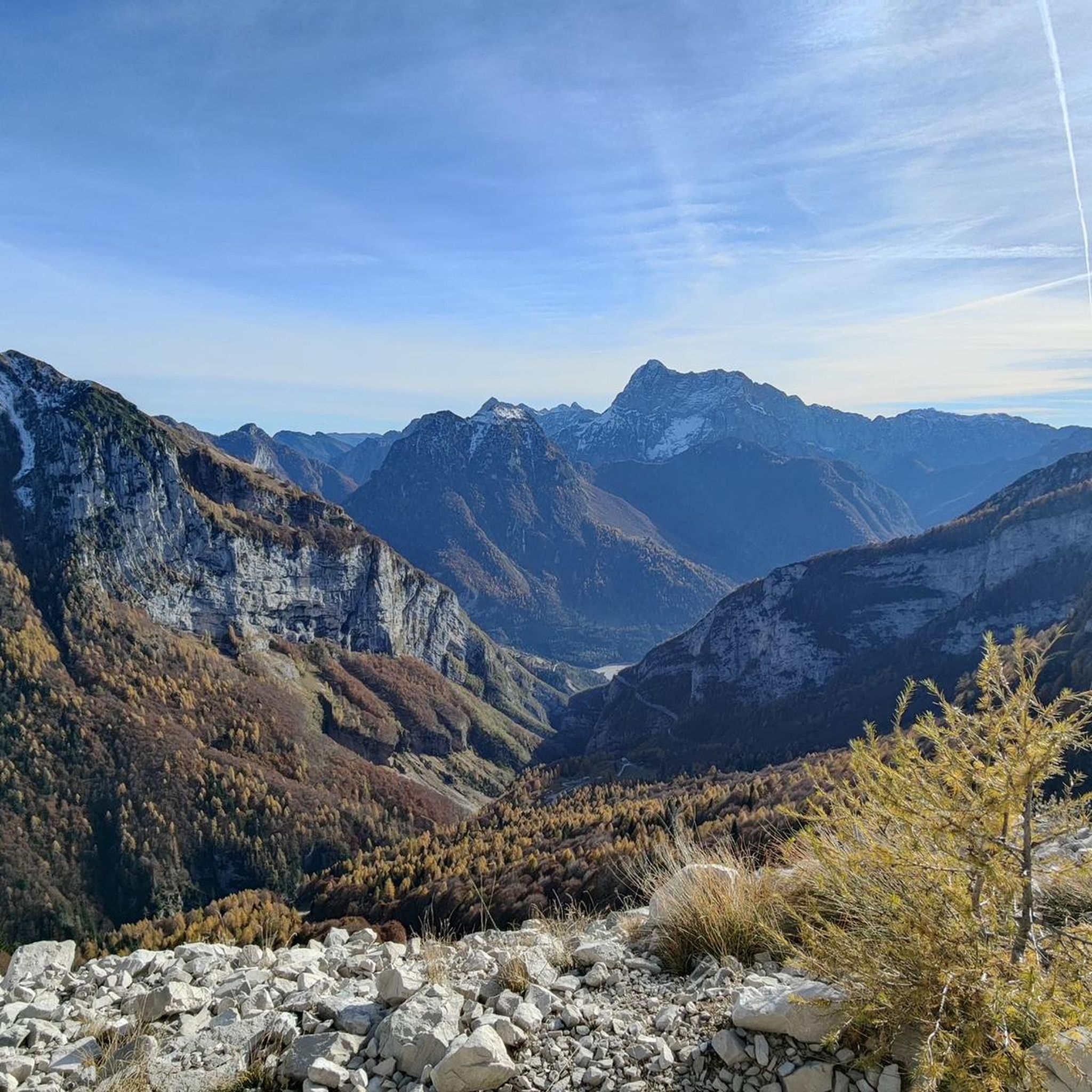
Cycling around Parco naturale regionale delle Dolomiti Friulane
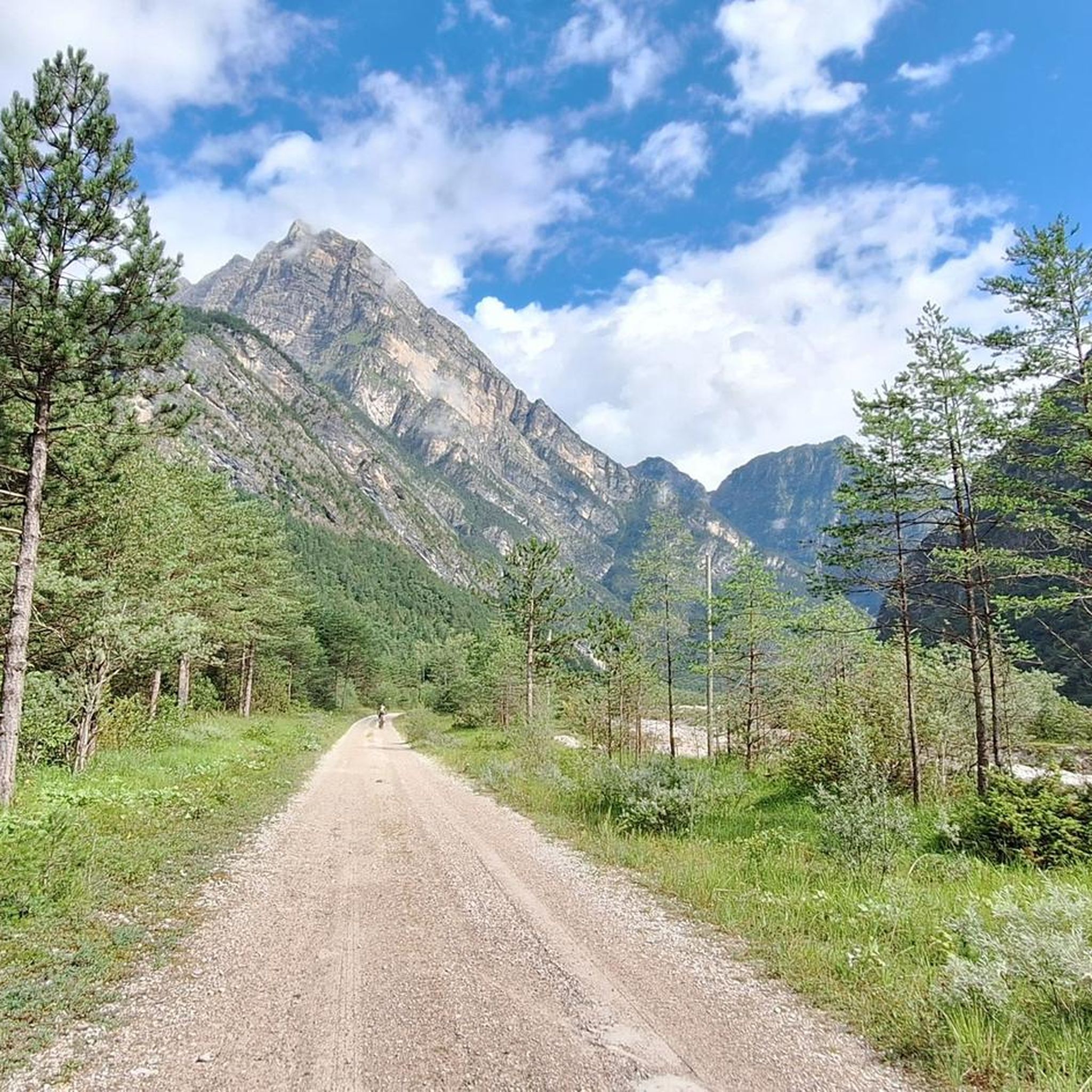
Running Trails around Parco naturale regionale delle Dolomiti Friulane

Mountain Hikes around Parco naturale regionale delle Dolomiti Friulane

Gravel biking around Parco naturale regionale delle Dolomiti Friulane
Other adventures around Parco naturale regionale delle Dolomiti Friulane

Tips from the Community

This CAI trail is officially decommissioned. Some trail markers remain, although, especially in the second section, due to shifting scree, they aren't always where they should be. Not recommended for beginners; experts should proceed slowly and at their own risk.
0
0

Long valley, almost entirely passable.
0
0

Impressive, with an aura of sadness
0
0

It's huge, and looking down into the gorge is breathtaking, so be careful if you suffer from vertigo.
0
0

The bell tower of Val Montanaia is suggestive.
0
0

Val Montanaia technical trail, sure-footedness required
0
0

The CAI 341 trail with continuous ups and downs forces those who travel it to a long descent towards the bed of the Fossiana stream, this is the lowest point of the crossing.
1
0
Frequently Asked Questions
What are the most notable canyons and gorges to visit in the Parco naturale regionale delle Dolomiti Friulane region?
The region offers several impressive natural formations. The Riserva Naturale Forra del Cellina is the largest gorge in Friuli Venezia Giulia, known for its steep walls and turquoise waters. Another significant area is the Val Colvera, which features the rugged Bus del Còlvera gorge and ancient hamlets. Additionally, the Gorgazzo Spring, while not a typical canyon, is a remarkable deep karst spring with stunning emerald blue waters. You can also explore the Cimoliana Valley Riverbed, where you can walk directly in the river's bed.
Are there any historical or cultural sites associated with the canyons in this region?
Yes, the Forra del Cellina features the Vecchia Strada della Valcellina, an old road now used as a pedestrian and cycling path, offering historical insight into the valley's past. In Val Colvera, you'll find ancient hamlets like Poffabro, known for its traditional rural architecture and prehistoric cave dwellings (Landri).
What kind of outdoor activities can I do near the canyons of Parco naturale regionale delle Dolomiti Friulane?
The area provides diverse opportunities for outdoor enthusiasts. You can enjoy cycling on routes like the Pussa Refuge – Cimolais Cycle Path loop, or explore mountain hikes such as the Campanile di Val Montanaia loop. Running trails are also available, including the Monte Pramaggiore loop. For more details on these activities, refer to the cycling guide, mountain hikes guide, and running trails guide for the region.
Are there family-friendly options for exploring the canyons?
The Vecchia Strada della Valcellina in the Forra del Cellina is a great option for families, as it's a pedestrian and cycling path that can also be explored via a tourist train when operating. The View of Val Zemola offers accessible views, and the road leading up to Casera Mela is suitable for walking or mountain biking, making it enjoyable for various ages.
What are the geological highlights of the canyons in this region?
The canyons are rich in geological features. The Forra del Cellina showcases impressive fluvial erosion with potholes, undercuts, and polished rocks, alongside surface and underground karst features like dolines and caves. The Val Colvera also exhibits significant karst phenomena, including unique erosional forms. The Gorgazzo Spring is notable as one of the deepest explored karst springs globally.
What is the best way to experience the Forra del Cellina?
The Forra del Cellina can be experienced in several ways. You can walk or cycle along the Vecchia Strada della Valcellina for breathtaking views. For a more adventurous experience, consider crossing the Tibetan bridge, which offers panoramic views 55 meters above the Cellina stream.
Are there challenging trails or viewpoints for experienced hikers?
Yes, for experienced hikers, the Trail from Forcella Las Busas to Scodavacca-Giaf junction on Bianchi loop is a challenging option. It is officially decommissioned and features dangerously steep scree, requiring caution and expertise. The Fossiana Stream trail (CAI 341) also presents continuous ups and downs, leading to a long descent to the stream bed.
What kind of wildlife and plant life can be found in the canyon areas?
The special microclimatic conditions within the Riserva Naturale Forra del Cellina foster unique botanical rarities. The thick forests along the canyon walls provide a habitat for diverse flora and fauna, including the dipper bird. The region's biodiversity is a key aspect of its natural beauty.
Is there parking or public transport available near the main canyon attractions?
While specific details on parking and public transport for each canyon vary, areas like the Forra del Cellina, which spans municipalities such as Andreis, Barcis, and Montereale Valcellina, generally have access points. For the Vecchia Strada della Valcellina, parking is typically available at its entry points. It is advisable to check local information for the most current parking and public transport options for your specific destination within the region.
What makes the Gorgazzo Spring unique compared to other canyons?
The Gorgazzo Spring near Polcenigo is unique due to its striking emerald blue and turquoise waters, a result of light filtering through its clear, icy depths. It is a deep karst spring, one of the deepest explored globally, and features an underwater statue of Christ visible through its exceptionally clear water. It offers a mesmerizing visual experience rather than a typical river-carved gorge.
What do visitors enjoy most about the canyons around Parco naturale regionale delle Dolomiti Friulane?
Visitors frequently appreciate the dramatic scenery, the captivating colors of the water, and the blend of natural grandeur with historical significance. The opportunity to traverse the old road in Valcellina or the Tibetan bridge, as well as the unique geological formations and diverse biodiversity, are often highlighted as memorable experiences.
Are there any specific tips for exploring the Cimoliana Valley Riverbed?
When exploring the Cimoliana Valley Riverbed, be aware that the main trail has been washed out by recent storms. You can still find your way up the valley by walking directly in the river's bed. The Torrente Cimoliana babbles noisily through this long valley, which is almost entirely passable. The Rifugio Pordenone is a good landmark further down the valley.
Most popular routes around Parco naturale regionale delle Dolomiti Friulane
Most popular attractions around Parco naturale regionale delle Dolomiti Friulane

Get inspired with the komoot mobile app


Explore more
Already discovered everything in this region? See additional gorges around Parco naturale regionale delle Dolomiti Friulane for your next adventure:
