The 6 Most Amazing Peaks in Boyacá
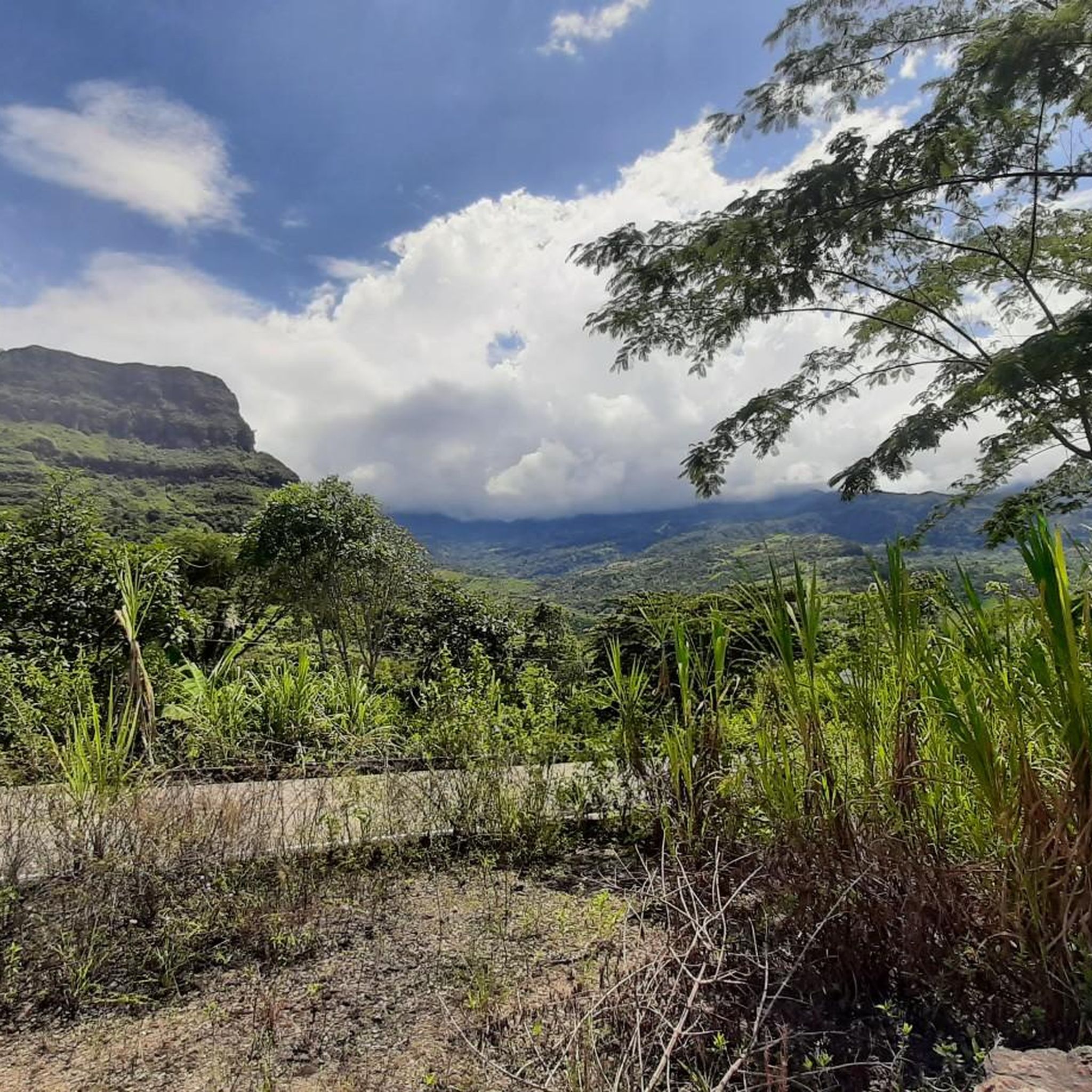
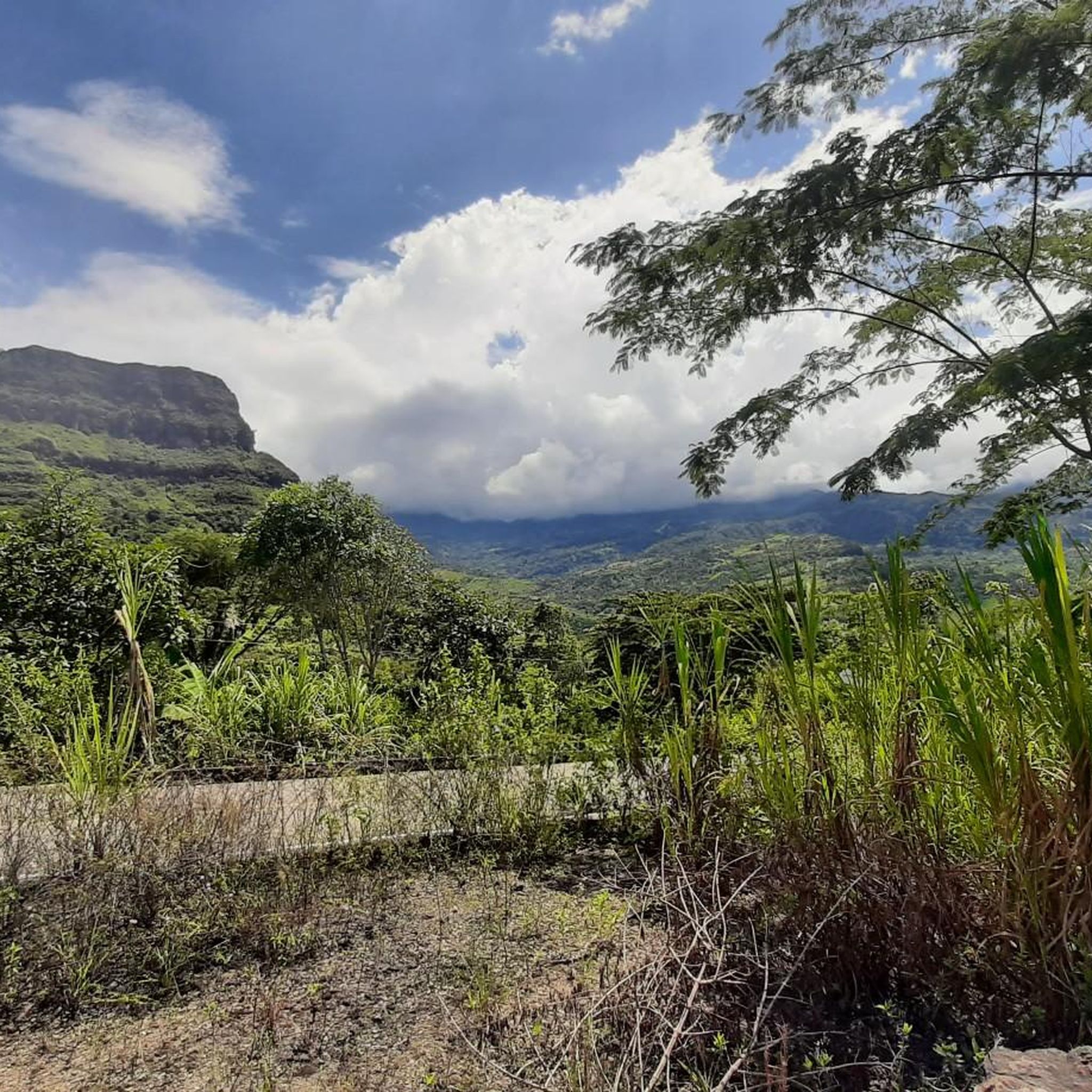
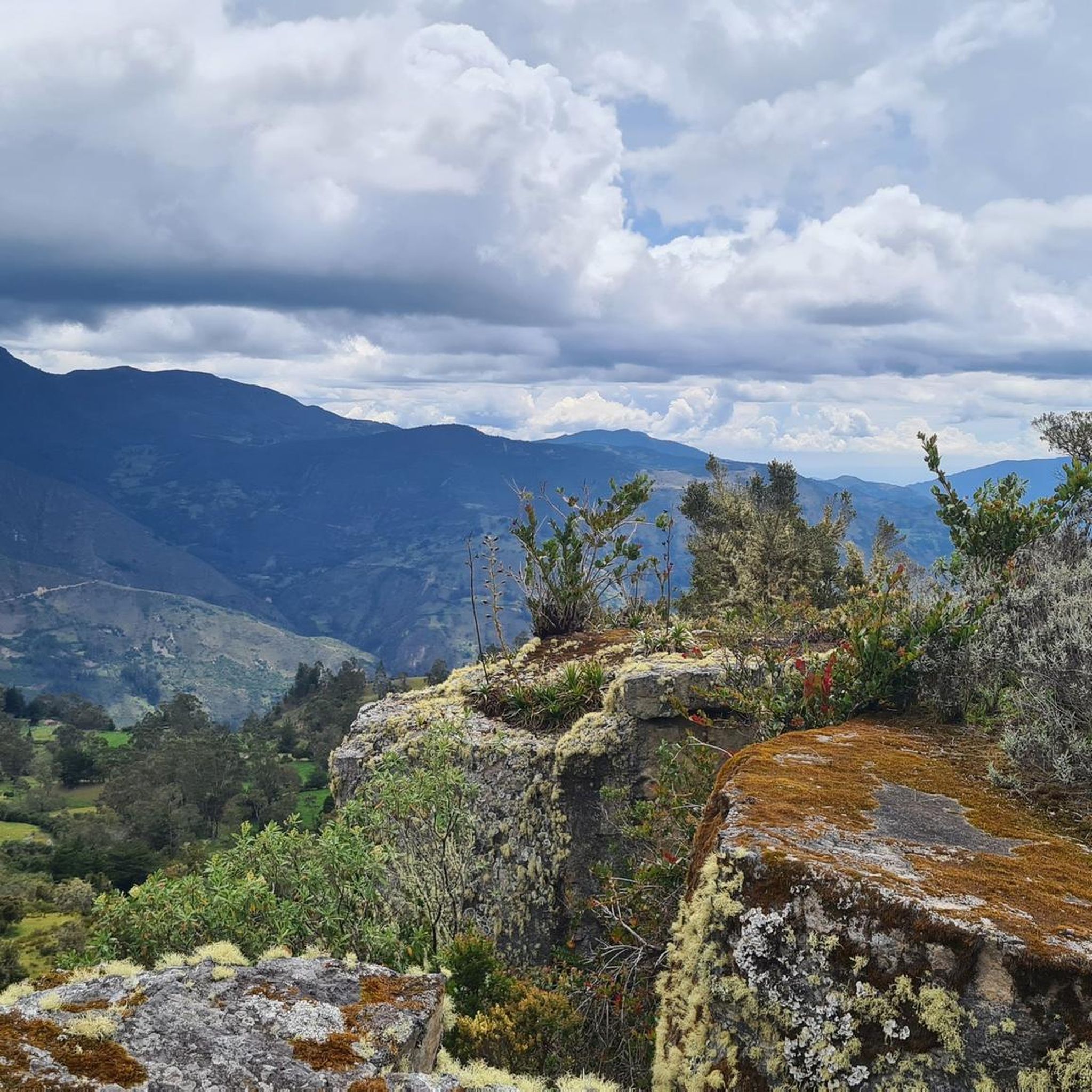
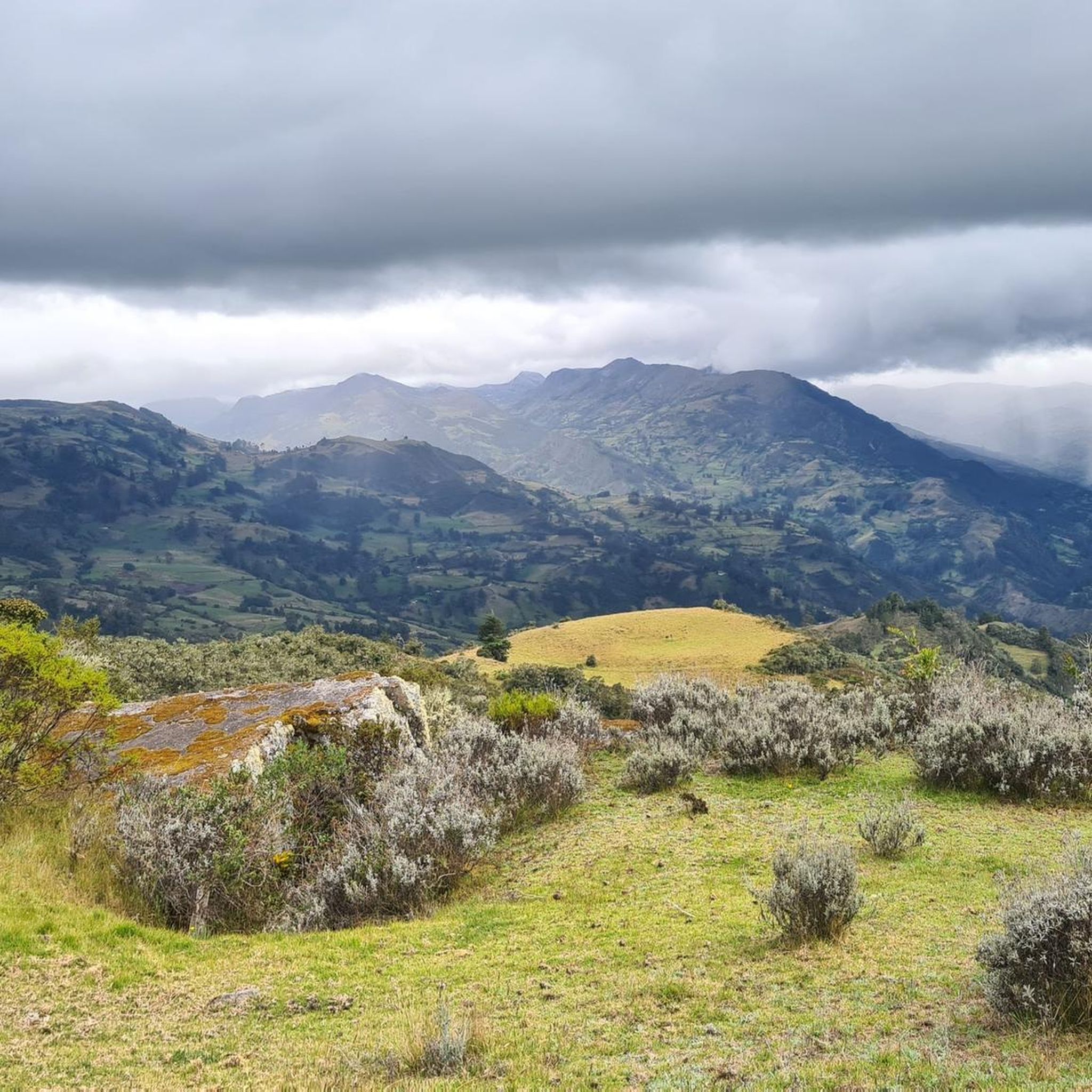
Best mountain peaks in Boyacá are found within the department's Andean landscapes, particularly in the Sierra Nevada del Cocuy National Natural Park. This region features diverse ecosystems, including high-Andean forests, glacial peaks, and unique páramos. The area is characterized by its impressive mountain ranges and high-altitude terrain. It offers a variety of natural features for exploration.
Best mountain peaks in Boyacá
- The most popular mountain peaks is Curies Summit, a mountain pass that is a mythical port for road and mountain cyclists. It features an elevation of 2900 meters above sea level with a completely paved section from Firavitoba.
- Another must-see spot is Alto de Boca de Monte Viewpoint, a viewpoint that offers high views of Boca de Monte. This high point connects several municipalities and reaches 2,876 meters above sea level.
- Visitors also love Alto del Portachuelo, a mountain pass located between the municipalities of Santa Rosa de Viterbo and Cerinza. It has an elevation of 2974 meters above sea level.
- Boyacá is known for its mountain passes, viewpoints, and summits. These locations offer diverse experiences, from challenging climbs to scenic overlooks.
- The mountain peaks in Boyacá are appreciated by the komoot community, with 33 upvotes and 31 photos shared by visitors.
Last updated: June 22, 2026
Curies Summit
Highlight • Mountain Pass
Translated by Google •
Tip by

Alto del Portachuelo
Highlight • Mountain Pass
Translated by Google •
Tip by
Sign up now to discover places like this
Get recommendations on the best single tracks, peaks, & plenty of other exciting outdoor places.
Sign up for free
Alto de Boca de Monte Viewpoint
Highlight • Viewpoint
Translated by Google •
Tip by

Summit of Alto de Guatika and Antennas
Highlight • Summit
Translated by Google •
Tip by
Duitama Antennas
Highlight • Structure
Translated by Google •
Tip by
El Gavilán Summit
Highlight • Summit
Translated by Google •
Tip by
Summit of the Pine Forest
Highlight • Summit
Translated by Google •
Tip by
Alto de Chivatá Summit Cross
Highlight • Summit
Translated by Google •
Tip by

View of Morro Negro
Highlight • Viewpoint
Translated by Google •
Tip by

Start today with a free account
Your next adventure awaits.
Login or Signup
Popular around Boyacá



Tips from the Community

I did it by diverting onto an unpaved route from Santa Rosa de Viterbo, a good option if you want to avoid traffic on the main road, however, it is recommended on MTB or Gravel.
0
0

Very good view on both sides of the mountain range, in the background you can see a lagoon, on the other side you can see Tunja
0
0

It is safe, there is little traffic, you can go by road bike or mountain bike, the top of the mountain is at 2,876 meters / sea level
0
0

Summit between the municipalities of Santa Rosa de Viterbo and Belén. Elevation close to 3000 meters above sea level
0
0

The view of this mountain is amazing, you can see the ecosystem change from the tropical dry forest to the paramo. On one side the mountain is terracotta and on the other completely green. The ascent and descent is complex, you need good knee condition to be able to go up and down.
1
0
Stop between the municipalities of Santa Rosa de Viterbo and Cerinza. Elevation 2974 meters above sea level.
0
0

Summit of the Guatika hill. 3225 masl. The last kilometer is demanding given the condition of the road. A lot of loose rock makes it difficult to ride. The last 200 meters require a technical climb over rock slabs. The arrival is satisfactory given the effort, the height and the spectacular views. You can see Tibasosa, Sogamoso, Duitama, Paipa, Firavitoba, Iza, Nobsa, Punta Larga and Gámeza. It would be a spectacular cycling destination if they paved or had a tread plate in the last kilometer.
0
0
Frequently Asked Questions
What are the most popular mountain peaks and viewpoints in Boyacá?
Boyacá offers a range of popular spots. For cyclists, Curies Summit is a mythical mountain pass at 2900 meters. For panoramic views, Alto de Boca de Monte Viewpoint provides high vistas connecting several municipalities. Another notable pass is Alto del Portachuelo, located between Santa Rosa de Viterbo and Cerinza, reaching 2974 meters.
What are the highest and most challenging mountain peaks in Boyacá?
The highest peak in Boyacá is Ritacuba Blanco, standing at 5,410 meters (17,749 ft) within the Sierra Nevada del Cocuy. Other challenging snow-capped peaks in the same park include Ritacuba Negro (5,340 meters), Pan de Azúcar (5,250 meters), and Cóncavo (5,165 meters). These require excellent physical conditioning and are best suited for experienced mountaineers.
What natural features can I expect to see in the mountain peaks region of Boyacá?
The mountain peaks of Boyacá, especially within the Sierra Nevada del Cocuy National Natural Park, boast diverse ecosystems. You'll find high-Andean forests, unique páramo ecosystems with iconic frailejones, glacial peaks, and numerous multi-colored alpine lakes. The region is characterized by its impressive snow-capped landscapes and striking glacial landforms.
When is the best time to visit the mountain peaks in Boyacá?
For visiting the high-altitude peaks like Pico Aguja in El Cocuy National Park, the months of September, December, and January generally offer the most favorable weather conditions. These periods often provide clearer skies, which are ideal for hiking and enjoying the views.
Are there any family-friendly mountain hikes or viewpoints in Boyacá?
While many high-altitude peaks are challenging, some of the lower mountain passes and viewpoints can be more accessible. For instance, Curies Summit and Alto de Boca de Monte Viewpoint are popular spots that can be reached by road or mountain bike, offering scenic views without extreme difficulty. Always check specific trail conditions and difficulty before heading out with family.
What outdoor activities can I do near the mountain peaks in Boyacá?
Boyacá offers a variety of outdoor activities. You can find numerous cycling routes, including challenging road and gravel biking options, as well as running trails. For example, there are several cycling loops around Paipa and Sogamoso, and running loops from Tunja and Villa de Leyva. You can explore more options in the Cycling in Boyacá, Running Trails in Boyacá, and Gravel biking in Boyacá guides.
Do I need a permit or guide to visit the high mountain peaks in Boyacá, especially in Sierra Nevada del Cocuy?
Yes, visiting the Sierra Nevada del Cocuy National Natural Park, where peaks like Ritacuba Blanco and Pan de Azúcar are located, typically requires permits and guidance from expert guides. This ensures safety and helps protect the fragile páramo and glacial ecosystems. It's crucial to arrange these in advance.
What kind of wildlife can be spotted around the mountain peaks of Boyacá?
The páramo ecosystems and high-Andean forests around Boyacá's peaks are home to diverse fauna. Keep an eye out for tapirs, spectacled bears, Andean condors, eagles, and páramo deer. The Sierra Nevada del Cocuy National Natural Park is a significant habitat for these species.
What are some challenging summits for experienced hikers in Boyacá?
For experienced hikers seeking a challenge, the Summit of Alto de Guatika and Antennas offers a demanding last kilometer with loose rock and technical climbing sections, rewarding with spectacular views. El Gavilán Summit is another challenging route, known for its demanding segments.
What gear should I bring for high-altitude hiking in Boyacá?
When undertaking high-altitude hikes in Boyacá, especially in areas like Sierra Nevada del Cocuy, it's essential to be prepared. Bring appropriate layers for varying temperatures, waterproof and windproof outer shells, sturdy hiking boots, sun protection, and sufficient water and food. Given the glacial conditions, specialized mountaineering gear may be necessary for summit attempts on the highest peaks.
Are there good viewpoints to appreciate the mountain ranges in Boyacá?
Absolutely. Besides Alto de Boca de Monte Viewpoint, the Summit of Alto de Guatika and Antennas provides extensive views of surrounding towns like Tibasosa, Sogamoso, and Duitama. The Alto de Chivatá Summit Cross also offers an intermediate viewpoint experience.
What makes Pico Aguja a notable mountain peak in Boyacá?
Pico Aguja, at 5,040 meters (16,535 ft) within El Cocuy National Park, is notable for its distinctive 'Needle Peak' shape. It supports three small glaciers and offers impressive views within the Cordillera Oriental. Its significant topographic relief, rising 500 meters in one kilometer, adds to its dramatic presence.
Most popular attractions in Boyacá

Get inspired with the komoot mobile app


Didn’t find what you were looking for?
Discover Boyacá’s best peaks and summits by region:
Explore more
See even more amazing summits in Boyacá with these guides:
