Top 5 Lakes around São Paulo
Best lakes around São Paulo are predominantly reservoirs and artificial lakes, offering diverse recreational activities and natural beauty. These bodies of water are significant for tourism, sports, and relaxation within the state. The region features large reservoirs crucial for water supply, alongside smaller lakes and lagoons. These areas provide opportunities for various water sports and outdoor activities.
Best lakes around São Paulo
- The most popular lakes is Montes Claros Garden, an other natural area that features a centrally landscaped…
Last updated: July 3, 2026
Gulbenkian Garden
Highlight • Forest
Translated by Google •
Tip by

Lake of Parque da Paz
Highlight • Lake
Translated by Google •
Tip by

Sign up now to discover places like this
Get recommendations on the best single tracks, peaks, & plenty of other exciting outdoor places.
Sign up for free
Amália Rodrigues Garden Lake
Highlight • Lake
Tip by

Lake Garden, Monsanto Forest Park
Highlight • Lake
Translated by Google •
Tip by

Pond and statue outside Estufa Fria
Highlight • Structure
Translated by Google •
Tip by

Sign up for free to discover even more lakes around São Paulo.
Sign up for free
Already have an account?
Start today with a free account
Your next adventure awaits.
Login or Signup
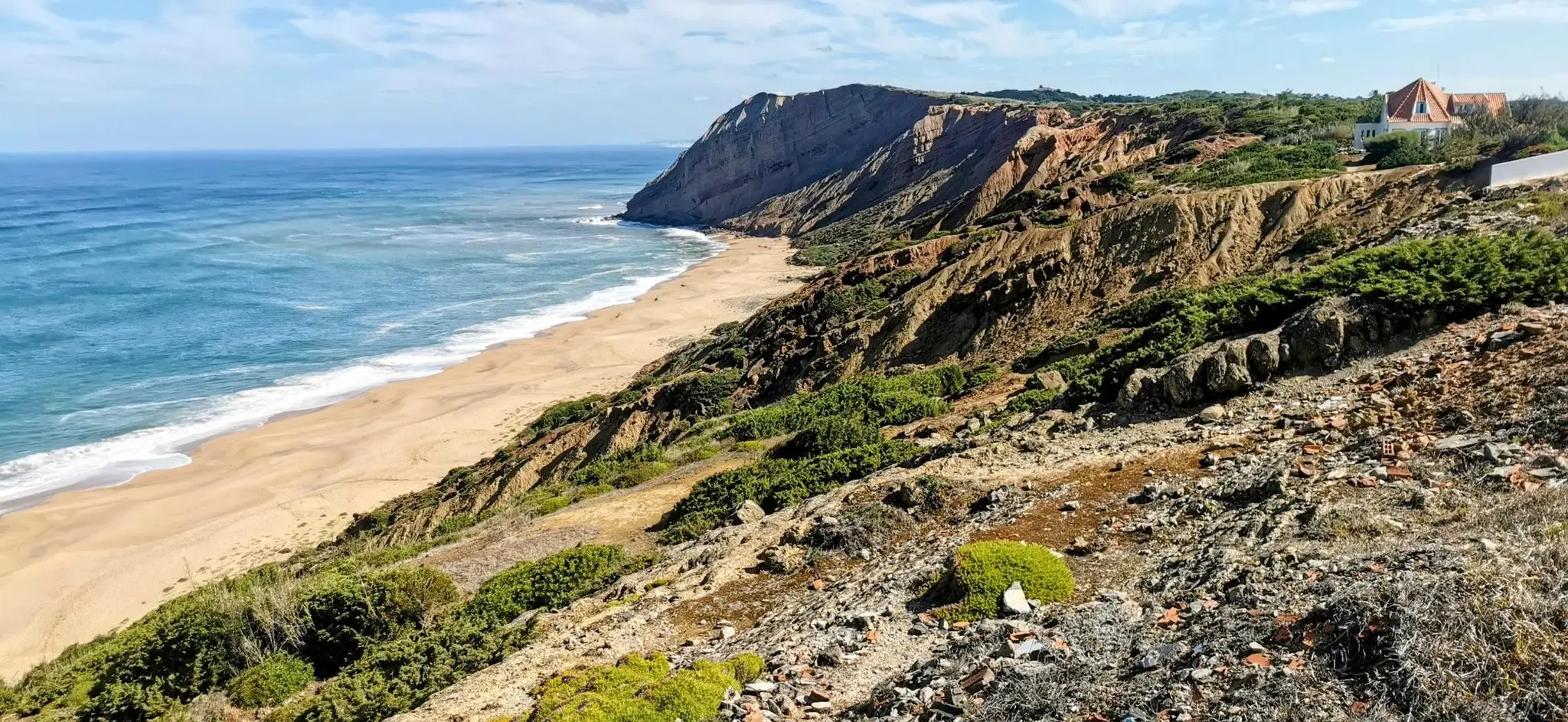
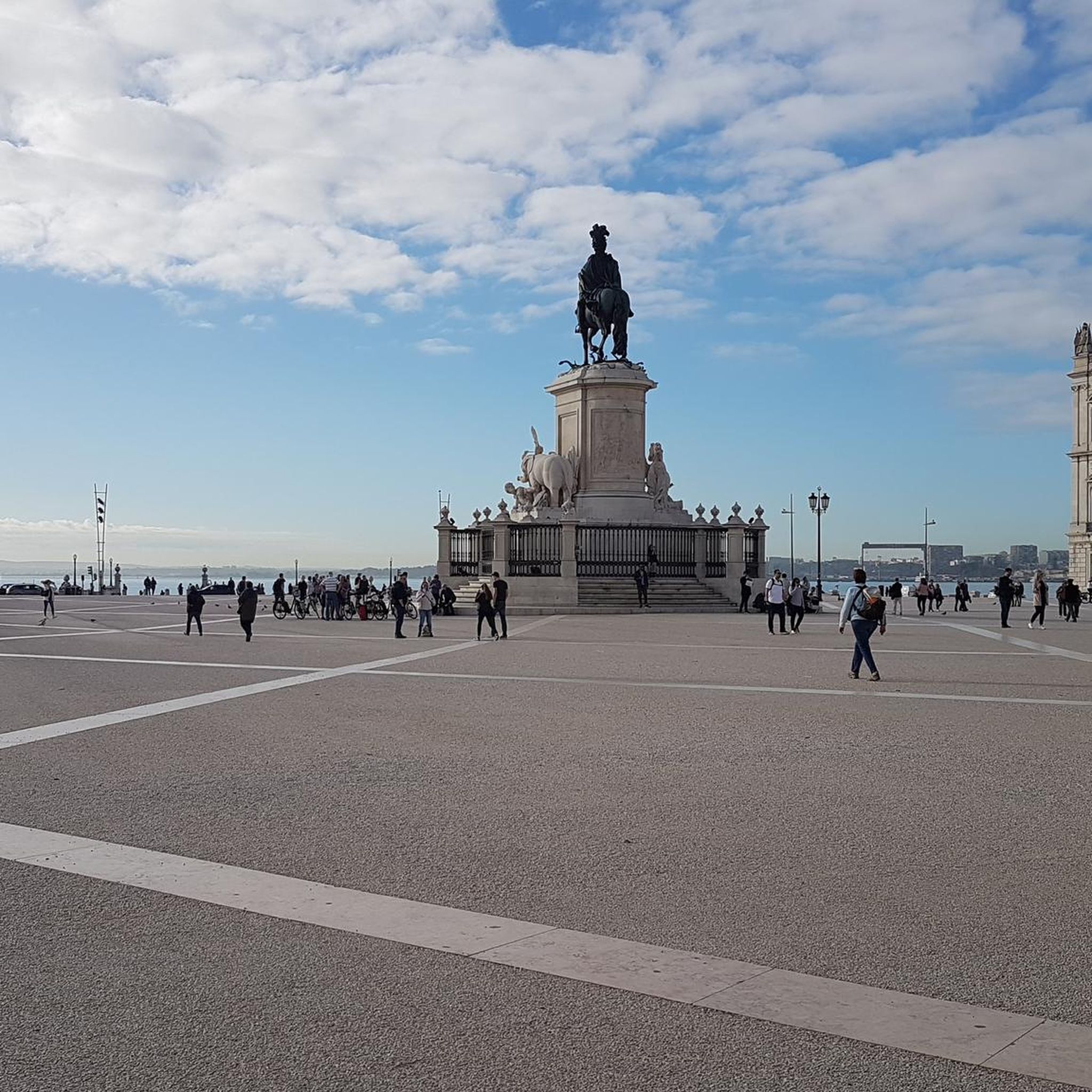
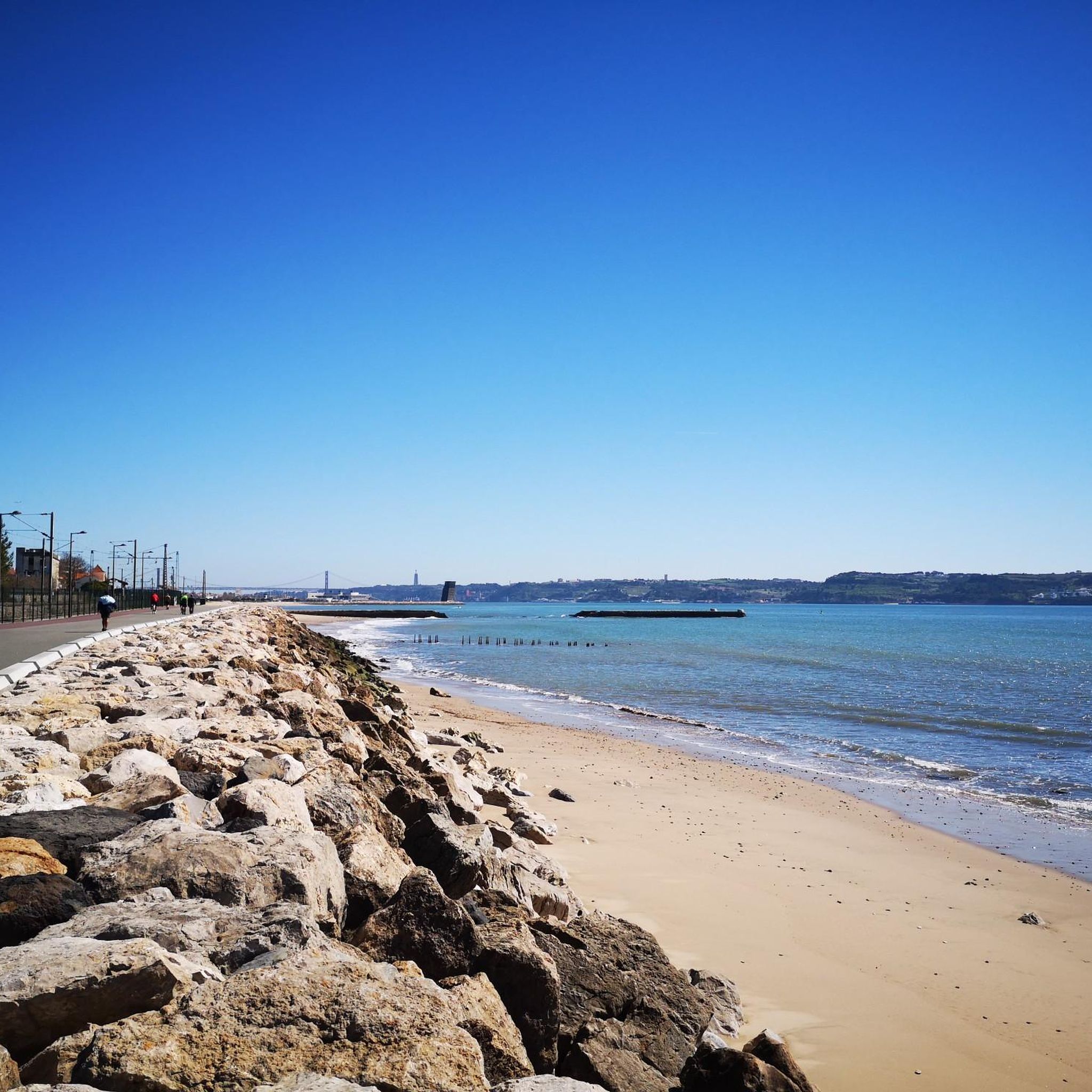
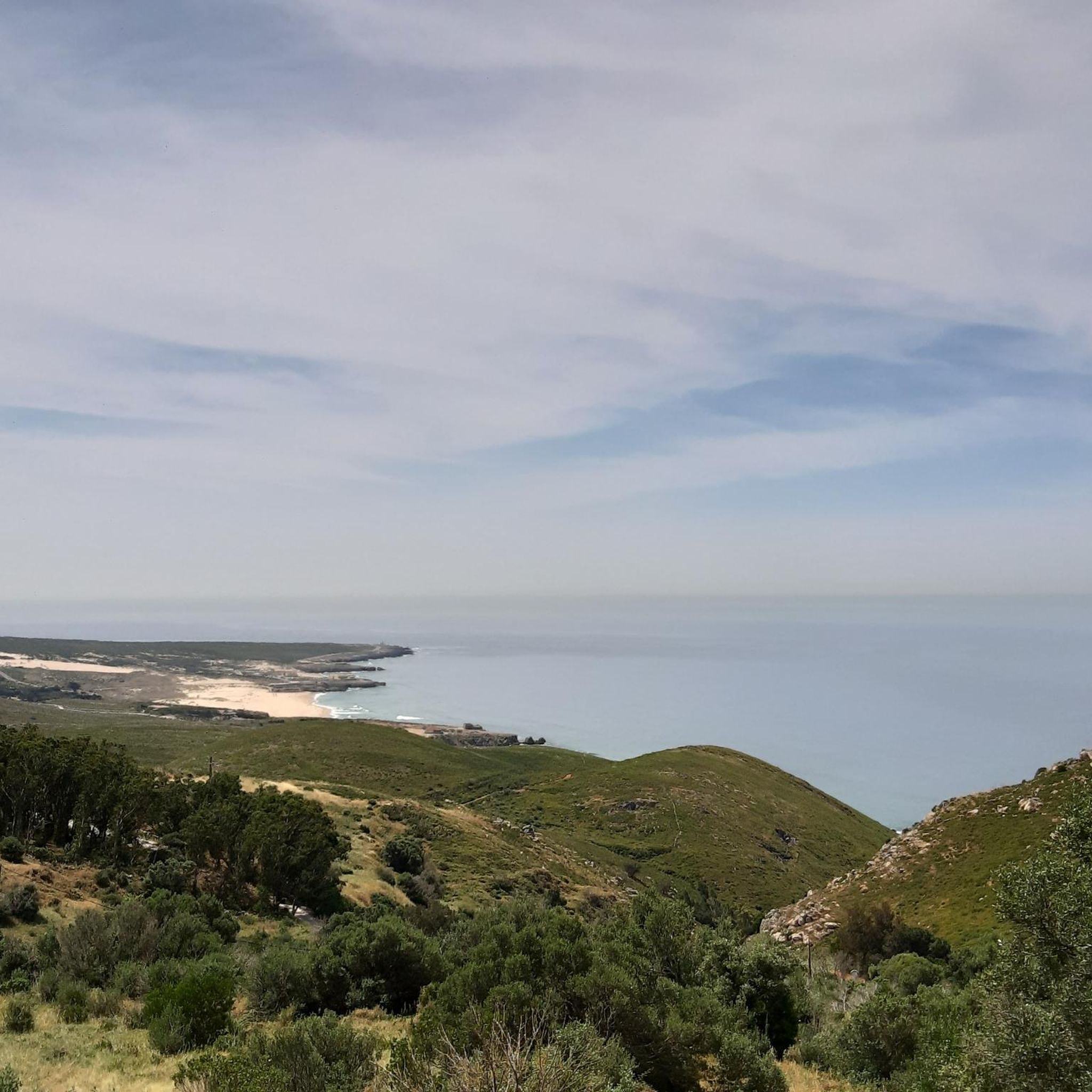
Other adventures around São Paulo

Tips from the Community

Great place to take a break...
0
0

The pond with the statue in front of the Estufa Fria is a tranquil, green spot in the heart of Parque Eduardo VII. Surrounded by water, plants, and the figure in the pool, you can take a breather and forget the city for a moment. It's ideal for a short break or a photo before continuing your exploration of the park or heading down into the city center.
2
0

The Gulbenkian Garden, located in the center of Lisbon next to the Calouste Gulbenkian Foundation, is one of the most emblematic green spaces of modern Portuguese urbanism. It was designed in the 1960s by landscape architects Gonçalo Ribeiro Telles and António Viana Barreto and inaugurated in 1969.
5
0

A very relaxing place with access to fun trails of some technical difficulty.
1
0

The Gulbenkian Garden is an oasis of nature and peacefulness in the city of Lisbon, the perfect place to escape from the hustle and bustle of the city. The garden's history goes back several centuries: it began as a recreational farm (in the 18th century), became Santa Gertrudes Park (in the 19th century) and, years later, became Lisbon's first Zoo. In the 20th century, the Zoo became a local fair, and later the venue was acquired by the Gulbenkian Foundation. Thus, was born the Gulbenkian Garden, a project by landscape architects António Viana Barreto and Gonçalo Ribeiro Telles.
1
1
The largest urban park in the municipality of Almada (50 hectares), with an extensive network of paths; a lake that is a natural habitat for diverse fauna; ponds; a vast wooded area interspersed with clearings; a Biodiversity Station trail; public toilets; a kiosk; bicycle parking; and an electric vehicle charging station. Surrounded by the urban fabric of the city of Almada, the Parque da Paz is a leisure space that appeals to the stillness of the senses.
6
0

At the top ☝️
0
0

Frequently Asked Questions
What types of lakes can I explore around São Paulo?
São Paulo offers a variety of aquatic environments, including large reservoirs like Represa Guarapiranga and Represa Billings, as well as artificial lakes within prominent urban parks such as Ibirapuera Park and Villa-Lobos Park. These cater to diverse interests, from water sports to tranquil walks.
Are there opportunities for water sports near São Paulo?
Yes, the Represa Guarapiranga is a popular spot for nautical sports, with several yacht clubs located along its shores. Visitors can enjoy activities like boat trips. The area also offers green spaces like Parque Praia São Paulo for recreation.
Which lakes are suitable for swimming?
You can find areas for swimming at Represa Billings. Additionally, the Parque Praia São Paulo, located near the Represa Guarapiranga, offers sandy tracks and areas for swimming.
Are there family-friendly lakes in the São Paulo region?
Absolutely. The lakes within Ibirapuera Park and Villa-Lobos Park are excellent family-friendly options, offering serene pathways for walking, jogging, and boat rides. Parque Praia São Paulo at Represa Guarapiranga also provides playgrounds and bike paths suitable for families.
What natural features and wildlife can I expect to see at these lakes?
The lakes of Ibirapuera Park are home to various fish species like carp and tilapia, and birds such as cormorants, herons, mallards, geese, and vultures. Villa-Lobos Park boasts around 37,000 trees, many native to the Atlantic Forest, promoting a rich biodiversity of flora and fauna.
Can I find walking or cycling paths around the lakes?
Yes, Ibirapuera Park offers serene pathways perfect for jogging and walking, including a picturesque cast-iron footbridge. Villa-Lobos Park provides extensive walking and cycling paths, along with a unique 'Circuito das Árvores' elevated walkway. The Parque Praia São Paulo at Represa Guarapiranga also has bike paths.
What is the historical significance of the reservoirs in São Paulo?
The Represa Guarapiranga was originally constructed in 1906 for hydroelectric power generation and later adapted for water distribution in 1928. The Represa Billings, the largest reservoir, began construction in 1927 and plays a vital role in supplying water to millions, named after American hydroelectric engineer Asa White Kenney Billings.
Are there any cultural attractions near the lakes?
Ibirapuera Park is a significant cultural hub, hosting museums like the Afro Brasil Museum and a planetarium, alongside various cultural events. Villa-Lobos Park also houses the Ruth Cardoso Orchidarium and the Villa-Lobos Park Library, and frequently hosts temporary events like gastronomic fairs and cultural festivals.
What outdoor activities can I do near the lakes around São Paulo?
Beyond the lakes themselves, the São Paulo region offers various outdoor activities. You can find numerous running trails, gravel biking routes, and cycling routes. For example, there are moderate to difficult gravel biking routes like the 'Monsanto Forest Park – Montes Claros Viewpoint loop'.
Which lakes are easily accessible within the city?
The lakes within Ibirapuera Park and Villa-Lobos Park are prominent urban oases, making them highly accessible for residents and visitors within São Paulo city.
What is the primary function of Represa Guarapiranga and Represa Billings today?
Both Represa Guarapiranga and Represa Billings serve as crucial sources of potable water for millions of people in the state of São Paulo. While also used for recreation, their primary role is water supply.
Can I find quiet places for relaxation and nature appreciation?
Yes, the 'Sacred Ground of Guarapiranga' in Parelheiros, near Represa Guarapiranga, offers a vast area of Atlantic Forest for meditation and nature appreciation. Ibirapuera Park and Villa-Lobos Park also provide tranquil settings with green spaces and water features for relaxation.
Most popular attractions around São Paulo

Get inspired with the komoot mobile app


Explore more
Still not found your perfect lake around São Paulo? Check out the guides of these regions to see even more beautiful places.
