The best road cycling routes around São Paulo
4.3
(126)
3,949
riders
102
rides
Road cycling around São Paulo offers diverse terrain, from extensive urban parks to remnants of the Atlantic Forest and accessible mountainous regions. The city's infrastructure includes dedicated bike paths and cycle lanes, providing varied environments for road cyclists. Beyond the urban core, the surrounding areas feature rolling hills and natural reserves. This geographical diversity provides a range of road cycling experiences for different skill levels.
Best road cycling routes in São Paulo
- The most popular road cycling route is Magic Path – Panorâmico de Monsanto loop from Praça de Espanha, a 20.9 miles (33.6 km) trail that takes 1 hour 56 minutes to complete. This moderate route offers panoramic views and varied urban landscapes.
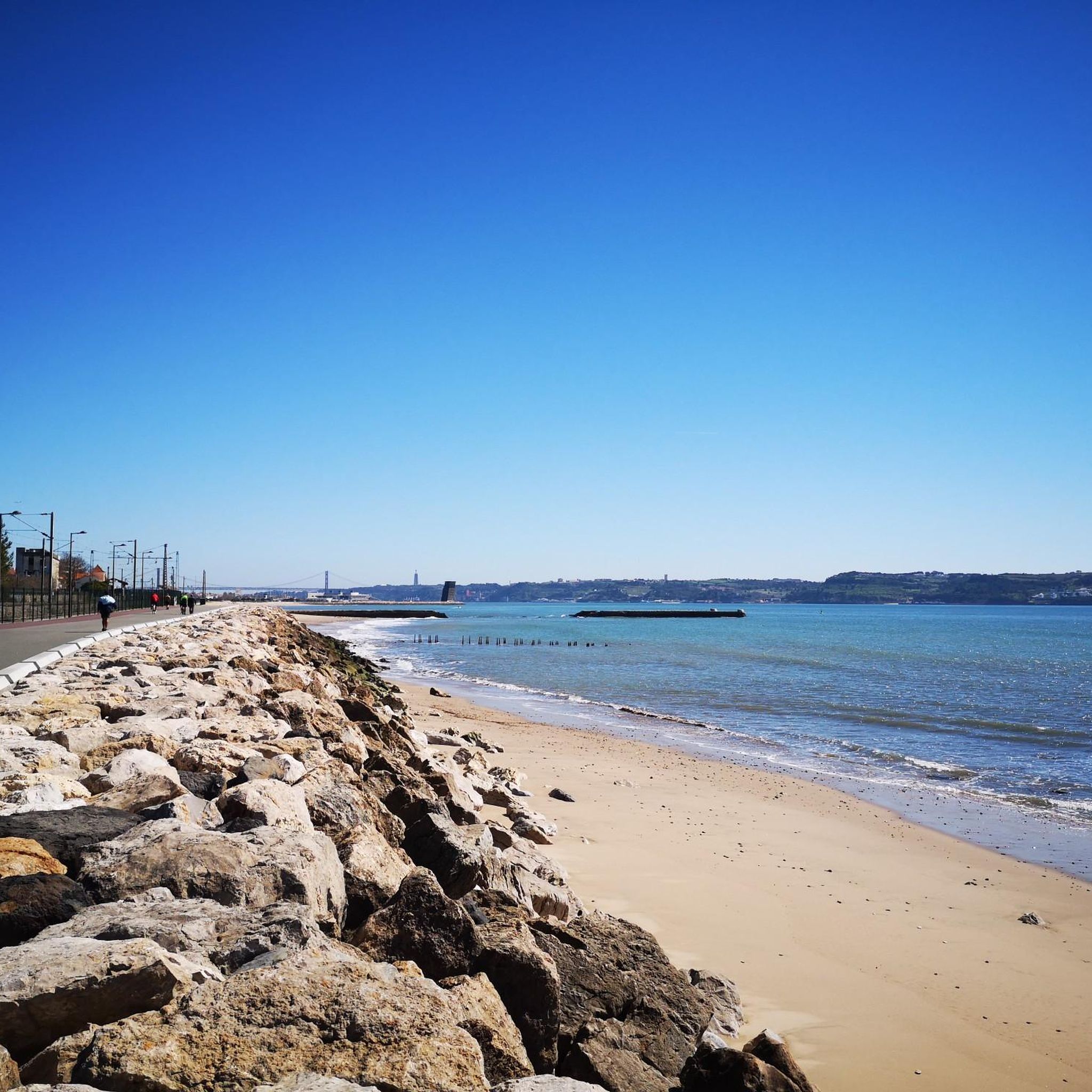
- Another top favourite among local road cyclists is Belém Tower 🏰 – Champalimaud Foundation loop from Alcântara-Terra, an easy 8.3 miles (13.3 km) path. This route provides a scenic ride along the waterfront, passing historical landmarks.
- Local road cyclists also love the Lisbon Cathedral – National Pantheon loop from Areeiro, a 14.6 miles (23.5 km) trail leading through urban areas with historical sites, often completed in about 1 hour 11 minutes.
- Road cycling around São Paulo is defined by urban parks, dedicated bike paths, and accessible natural reserves. The network offers options for easy rides through green spaces as well as more challenging routes with elevation changes.
- The routes in São Paulo are highly rated by the komoot community with an average score of 4.2 stars from over 170 reviews. More than 4500 road cyclists have used komoot to explore São Paulo's varied terrain.
Last updated: August 20, 2026
4.3
(3)
81
riders
13.8km
00:39
100m
100m
Easy road ride. Great for any fitness level. Mostly well-paved surfaces and easy to ride.
4.0
(1)
79
riders
23.2km
01:10
160m
160m
Easy road ride. Great for any fitness level. Mostly well-paved surfaces and easy to ride.

Sign up for free
54
riders
23.2km
01:30
420m
420m
Moderate road ride. Good fitness required. Some segments of this route may be unpaved and difficult to ride.
3.0
(2)
37
riders
40.1km
02:00
490m
490m
Moderate road ride. Good fitness required. Mostly well-paved surfaces and easy to ride.
25
riders
60.3km
02:39
510m
510m
Moderate road ride. Good fitness required. Mostly well-paved surfaces and easy to ride.
Get access to more routes and recommendations from other explorers.
Sign up for free
Already have an account?
Our route recommendations are based on thousands of hikes, rides, and runs completed by other people on komoot.
Start today with a free account
Your next adventure awaits.
Login or Signup
Other adventures around São Paulo

Tips from the Community

This building, often called the „Cathedral of Wine“, dates back to 1910 and owes its name to the size of its wine cellars and storage rooms. It is located near the docks where ships carrying wines from the Ribatejo region used to dock. Rooms for events.
2
0

There are several areas where you can take a picture with Lisbon in yellow letters
1
0

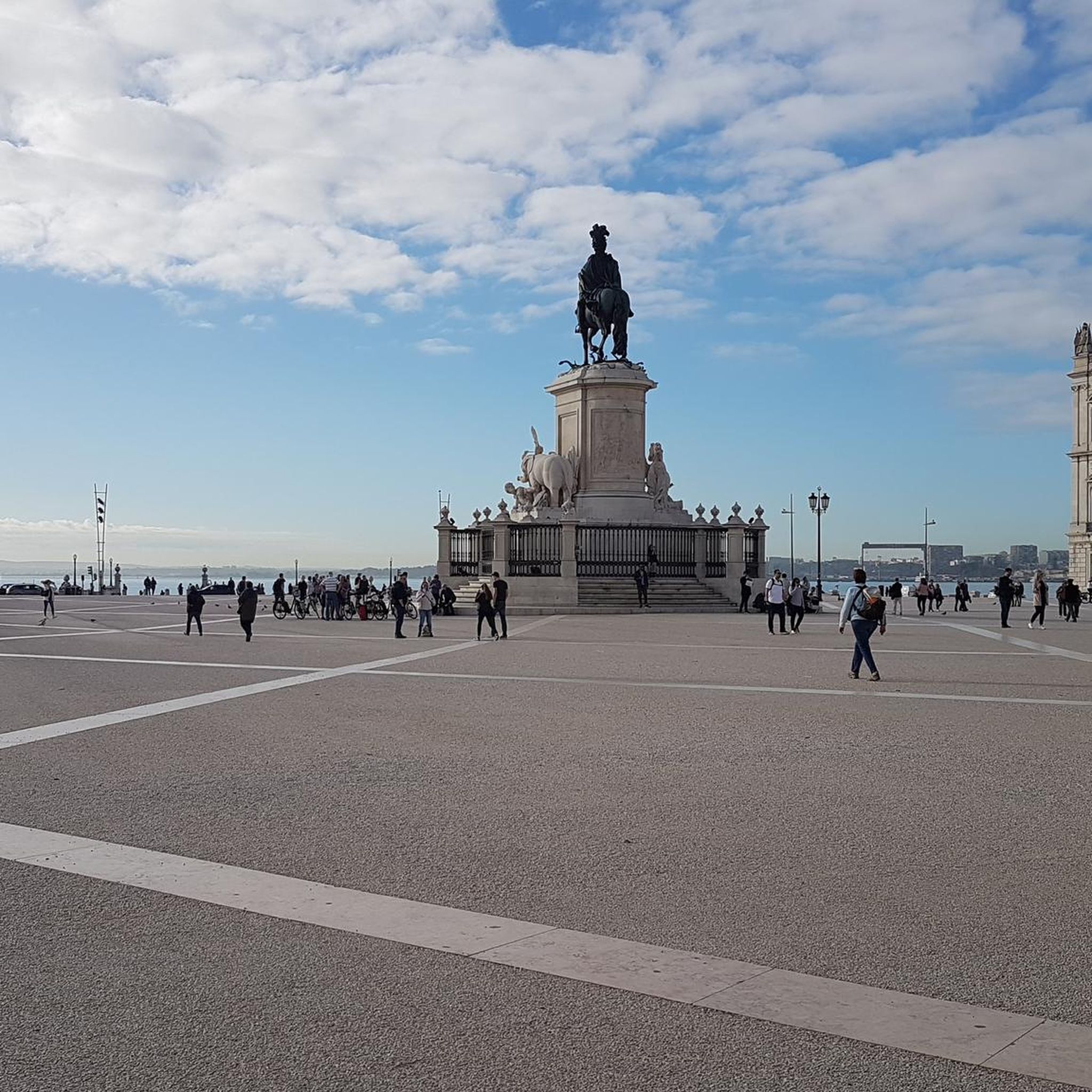
Praça do Comércio (Commerce Square, better known as Terreiro do Paço) was the site of Lisbon's Royal Palace for over 200 years. It is one of Lisbon's most important squares and, with a magnificent view of the Tagus estuary, is the city's nerve center.
2
0

Once a land of muleteers, Cova da Piedade spurred the growth of the urban area with the reconstruction of its church, in honor of Our Lady of Piety. The industrialization of the riverside area later led to the establishment of several cork processing factories, shipbuilding yards, and cooperages, which benefited from river and rail connections. Also around that time, in the Romeira area, there was a veritable "industry" of laundry. By the mid-20th century, the installation of the Lisnave shipyards exponentially increased job opportunities and the local population. It's not difficult to find authentic works of art scattered across walls and buildings in the urban and industrial areas of Cova da Piedade – some have even become landmarks in the city's landscape! Currently, urban art has been revitalizing this and several other areas of the municipality with high potential, such as the Lisnave Shipyards, the Mutela area, or the Caramujo and Romeira area, where a dormant industrial area has begun to revive in recent years with the requalification of old silos, warehouses, and factories, now converted into innovative public spaces. The Romeira Market is an excellent example of this. The locals usually gather in the Cova da Piedade Public Garden, a central point famous for its bandstand, right next to a late 19th-century palace and the romantic Chalet Ribeiro Telles, where the Town Hall is currently located.
3
0

In 1971, the city government honored João I of Portugal with a bronze statue designed by Leopoldo de Almeida. Attached to the sides of the statue are two medallions depicting both Nuno Álvares Pereira and João das Regras, both of whom helped bring João I to power. João I, in turn, is commonly considered the "Defender of the Fatherland" for overthrowing the pro-Castilian interim ruler Leonora Teles de Menezes in the 1383 revolution.
1
0

The Monument to the Discoveries in Lisbon pays homage to Portuguese navigators. It represents the Age of Discovery, with statues of historical figures such as Henry the Navigator and Vasco da Gama. It is shaped like a caravel, symbolizing sea voyages.
5
0
The 25th of April Bridge is a suspension bridge in Lisbon, Portugal, very similar to San Francisco's Golden Gate Bridge. It crosses the Tagus River, connecting the capital to the city of Almada. Inaugurated in 1966 as the Salazar Bridge, it was renamed after the Carnation Revolution on April 25, 1974, in commemoration of the end of the dictatorship. It is a vital structure that carries both vehicles and trains.
2
0
The Monsanto Interpretation Center (CIM) is the ideal gateway to an in-depth exploration of the Monsanto Forest Park, Lisbon's largest green space. This center offers a unique educational and environmental experience, combining nature, culture, and sustainability.
3
0
Frequently Asked Questions
How many road cycling routes are available around São Paulo?
There are over 110 road cycling routes around São Paulo, offering a wide range of experiences. These include routes through extensive urban parks, dedicated bike paths, and areas within the Atlantic Forest and mountainous regions.
What types of road cycling routes can I find in São Paulo?
São Paulo offers diverse road cycling experiences. You can find easy rides through green spaces like urban parks, as well as more challenging routes with significant elevation changes in the surrounding natural reserves. The routes range from short urban loops to longer trails exploring the region's varied terrain.
Are there any easy road cycling routes suitable for beginners in São Paulo?
Yes, São Paulo has 23 easy road cycling routes perfect for beginners. Many urban parks like Ibirapuera and Villa-Lobos offer extensive paved paths ideal for a relaxed ride. For example, the Belém Tower 🏰 – Champalimaud Foundation loop from Alcântara-Terra is an easy 8.3-mile (13.3 km) path providing a scenic ride.
Where can I find more challenging road cycling routes near São Paulo?
For more challenging rides, look towards the mountainous regions surrounding São Paulo, such as Serra da Cantareira. These areas offer routes with significant elevation changes. There are 26 difficult routes available, providing a good test for experienced cyclists.
What is the Ciclovia da Marginal Pinheiros and what does it offer for road cyclists?
The Ciclovia da Marginal Pinheiros is a premier bike path stretching over 22 km, offering an exclusive route separated from urban traffic. It's well-equipped with lighting, restrooms, water points, and even support services like cafes and bike repair shops, making it a safe and enjoyable experience for both leisure riders and serious athletes.
Are there any family-friendly road cycling options in São Paulo?
Yes, urban parks like Ibirapuera Park and Villa-Lobos Park offer extensive, safe, and paved paths that are excellent for family cycling. These parks often have amenities and are separated from heavy traffic, providing a pleasant environment for all ages.
What are some scenic road cycling routes around São Paulo?
Many routes offer scenic views, from the urban landscapes to natural settings. The Magic Path – Panorâmico de Monsanto loop from Praça de Espanha offers panoramic views and varied urban landscapes. Additionally, routes through areas like Cantareira State Park provide lush Atlantic Forest scenery.
Are there any loop road cycling trails in São Paulo?
Yes, many road cycling routes in São Paulo are designed as loops, allowing you to start and end at the same point. Examples include the Lisbon Cathedral – National Pantheon loop from Areeiro and the Magic Path loop from Santos.
What kind of amenities can I expect along road cycling routes in São Paulo?
Amenities vary by location. Dedicated bike paths like Ciclovia da Marginal Pinheiros offer restrooms, water points, cafes, and bike repair shops. Urban parks also provide facilities. For routes outside the city center, it's advisable to carry your own supplies, though some routes may pass through small towns with cafes.
What do other road cyclists say about the routes in São Paulo?
The road cycling routes in São Paulo are highly rated by the komoot community, with an average score of 4.2 stars from over 170 reviews. Cyclists often praise the diversity of terrain, from well-maintained urban paths to the natural beauty of the surrounding reserves, and the accessibility of routes for various skill levels.
Are there any historical landmarks or natural attractions to see along the road cycling routes?
Yes, São Paulo's routes can lead you past various points of interest. You might encounter historical sites like the St. George's Castle or the Belém Tower. Natural attractions include the Gulbenkian Garden and various lakes such as the Lake of Parque da Paz, offering beautiful scenery during your ride.
What is the best time of year to go road cycling in São Paulo?
São Paulo generally has a mild climate, making road cycling enjoyable for much of the year. The drier, cooler months from April to September are often preferred, as they offer more comfortable temperatures and less chance of rain compared to the warmer, wetter summer months.
Most popular routes around São Paulo
Most popular attractions around São Paulo

Get inspired with the komoot mobile app


Explore more
Browse the best Road cycling routes in other regions.
