Top 9 Lakes in Chippewa National Forest
Best lakes in Chippewa National Forest are found in northern Minnesota, a region known for its abundant and diverse lakes. This area is characterized by its extensive forests, including red pine, and its connection to the Mississippi River. The forest also holds cultural significance, being home to parts of the Leech Lake Indian Reservation. Its natural landscape offers a variety of recreational opportunities centered around its numerous bodies of water.
Best lakes in Chippewa National Forest
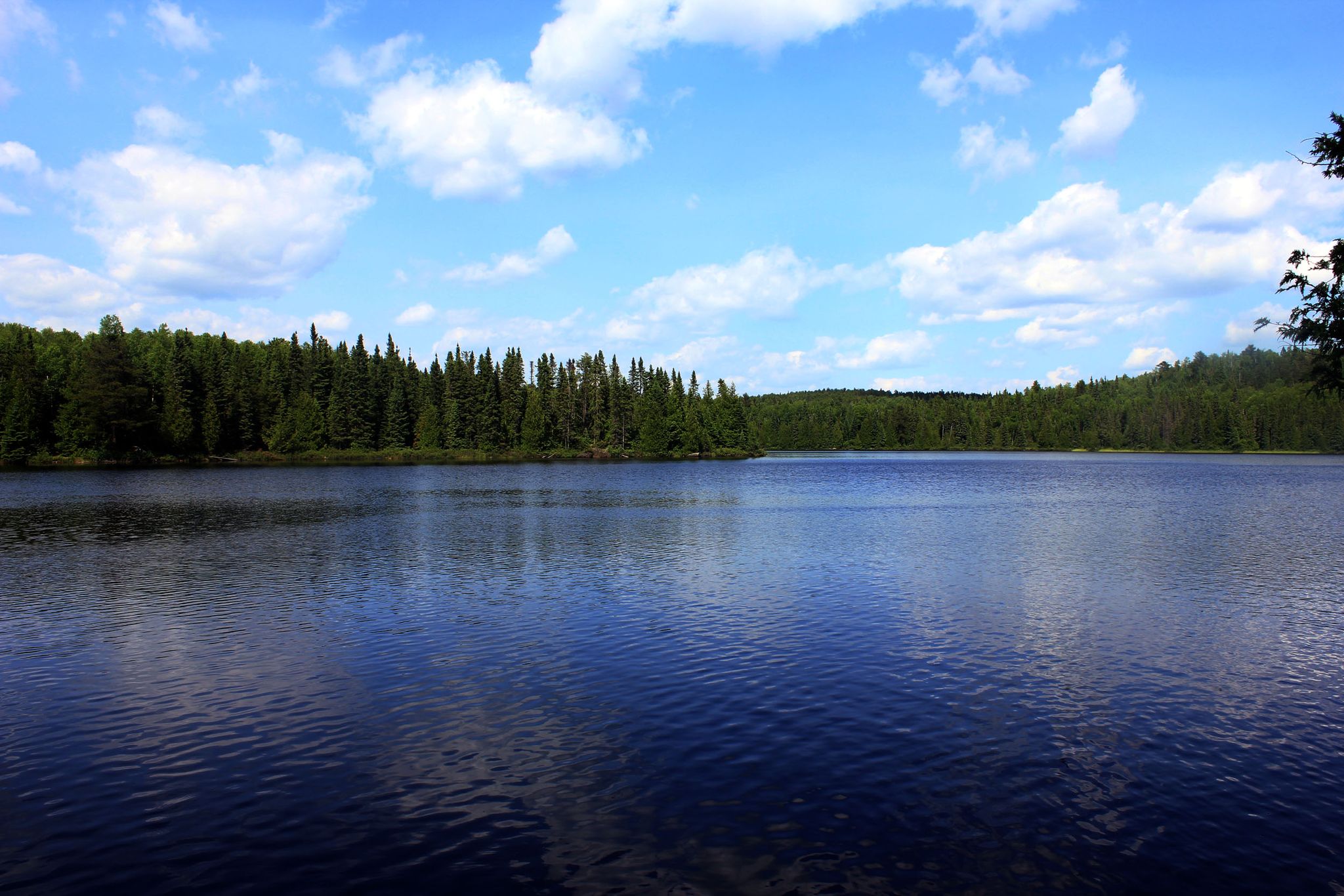
- The most popular lakes is Cass Lake, a lake that features Star Island, which contains its own lake, Lake Windigo. It is the largest of the eight lakes in the Cass Lake Chain of Lakes and ranks as the eighth largest lake in Minnesota.
- Another must-see spot is North Way Beach Visitor Center, a facility located near a beach and serving as the starting point of the Migizi trail. Visitors can obtain information from rangers and explore the shores and forests of Pike Bay Lake.
- Visitors also love Mud Lake, a lake that, combined with Goose Lake, represents the third largest wild rice harvest acreage in Minnesota. This grain is ecologically and culturally important, with members of the Ojibwe tribe still harvesting it traditionally.
- Chippewa National Forest is known for large lakes, smaller lakes, and lakes with unique features like islands containing their own bodies of water. The region offers a variety of lakes to see and explore, from those with visitor centers to those significant for traditional wild rice harvesting.
- The lakes in Chippewa National Forest are appreciated by the komoot community, with 2 upvotes and 3 photos shared across the highlights.
Last updated: September 30, 2026
North Way Beach Visitor Center
Highlight • Rest Area
You will get all the necessary information from the rangers. The place is only open in summer.
Translated by Google •
Tip by

Mud Lake
Highlight • Lake
This grain, which can be damaged by high or irregular water flows, is ecologically and culturally important to the region.
Members of the Ojibwe tribe still harvest the traditional way today.
Translated by Google •
Tip by
Sign up now to discover places like this
Get recommendations on the best single tracks, peaks, & plenty of other exciting outdoor places.
Cass Lake
Highlight • Lake
Another peculiarity: American white pelicans, once rare, are sometimes observed at Knutson Dam when they migrate north.
Translated by Google •
Tip by
Suomi Hills
Highlight • Forest
Tip by

Walker
Highlight • Settlement
Translated by Google •
Tip by
Sign up for free to discover even more lakes in Chippewa National Forest.
Already have an account?
Start today with a free account
Your next adventure awaits.
Other adventures in Chippewa National Forest

Tips from the Community

After the railway was built in the area, Patrick McGarry founded Walker in 1896. Walker sits on the edge of Leech Lake. It is the third largest lake in Minnesota. The Leech Lake Indian Reservation is near the city. The population consists of less than 1,000 inhabitants, but has hotels, shops and restaurants.
0
0
This visitor center is located near a beach and is the starting point of the Migizi trail. It may be a good idea to further explore the shores and forests of Pike Bay Lake along its paths. You will get all the necessary information from the rangers. The place is only open in summer.
0
0
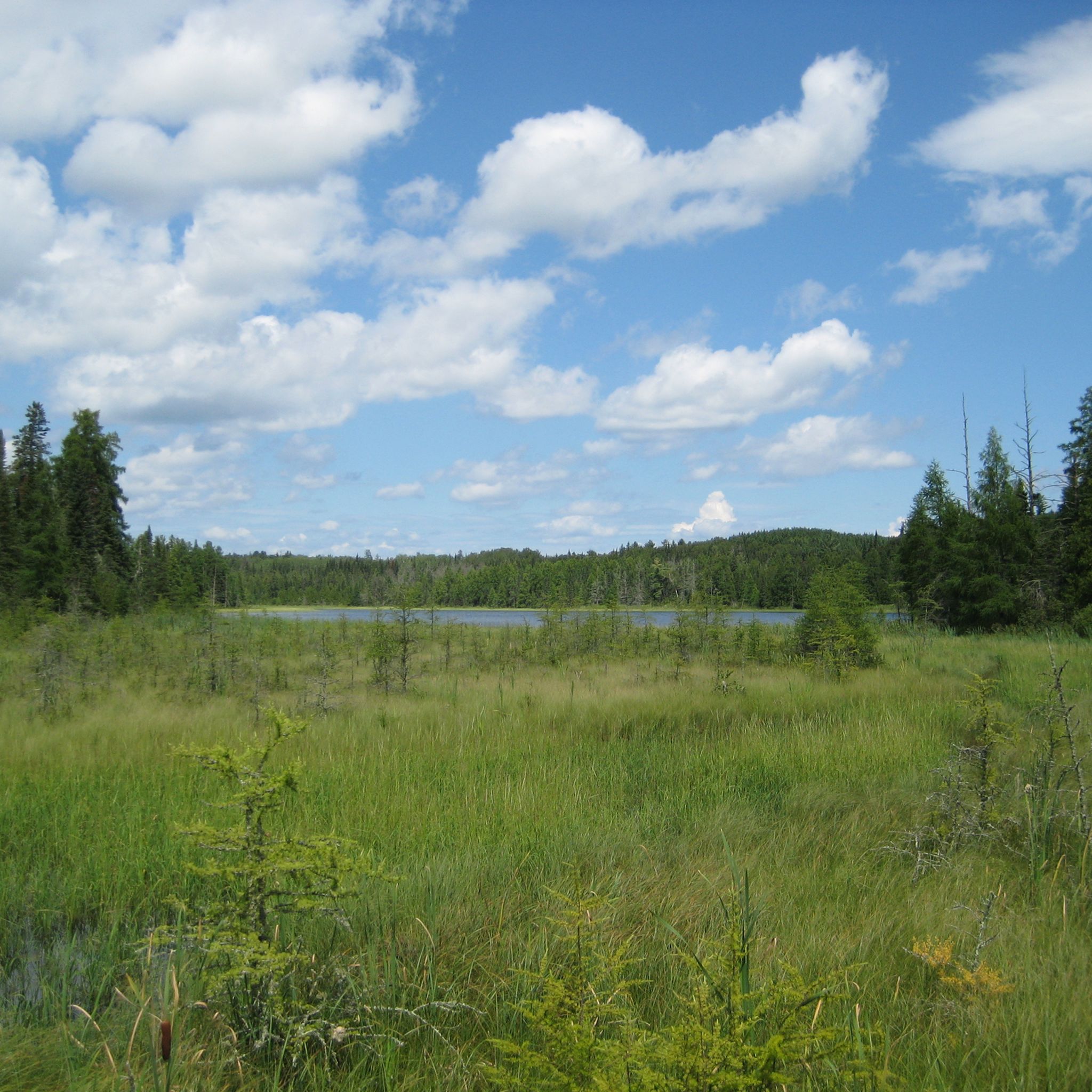
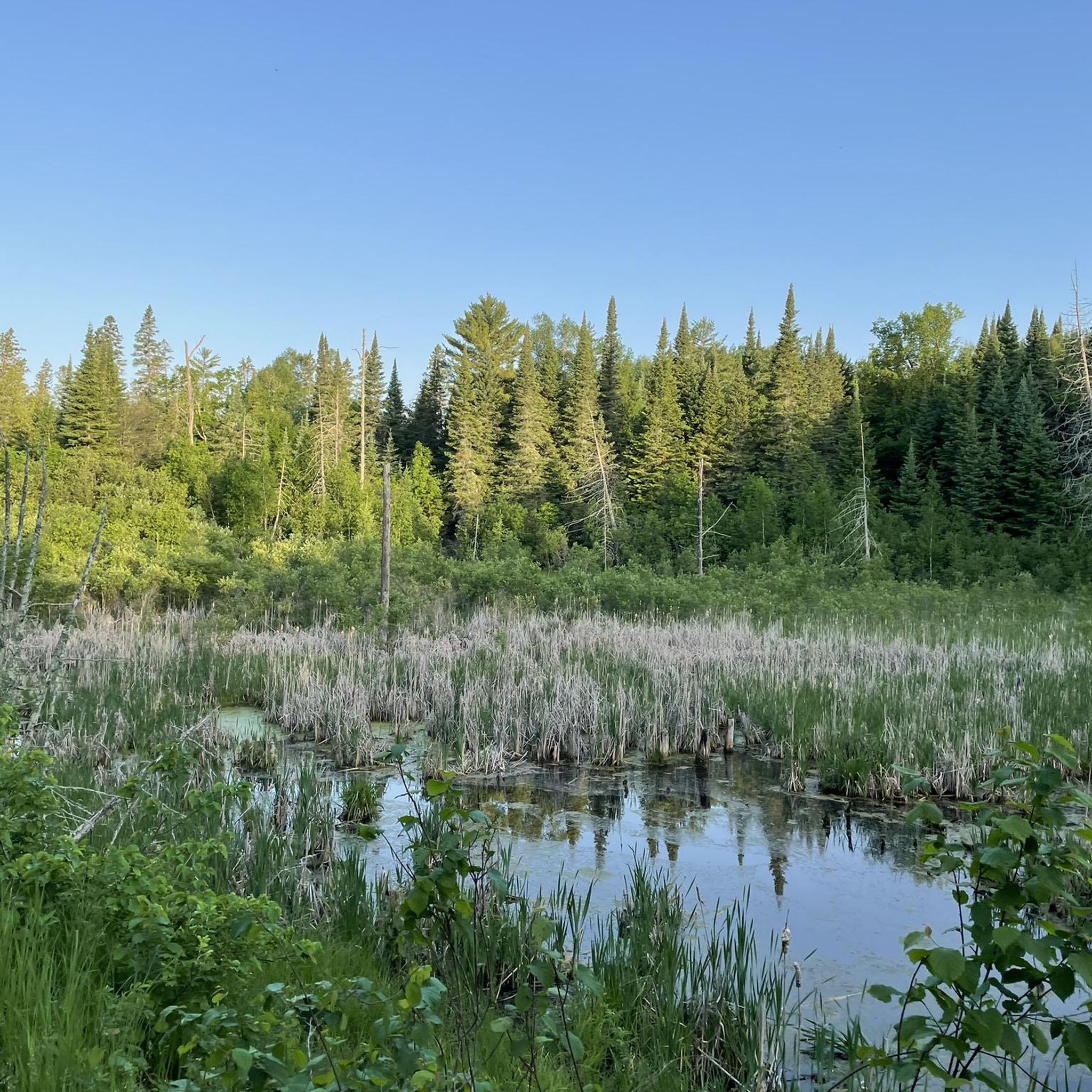
The combined Mud and Goose Lakes, which are adjacent to each other on the Leech River, represent the third largest wild rice harvest acreage in Minnesota. This grain, which can be damaged by high or irregular water flows, is ecologically and culturally important to the region. Members of the Ojibwe tribe still harvest the traditional way today.
1
0
Among the many lakes in Minnesota, there is one quite special: Lake Cass. On one of its four islands is Lake Windigo. A body of water in a lake is not trivial. Another peculiarity: American white pelicans, once rare, are sometimes observed at Knutson Dam when they migrate north.
0
0

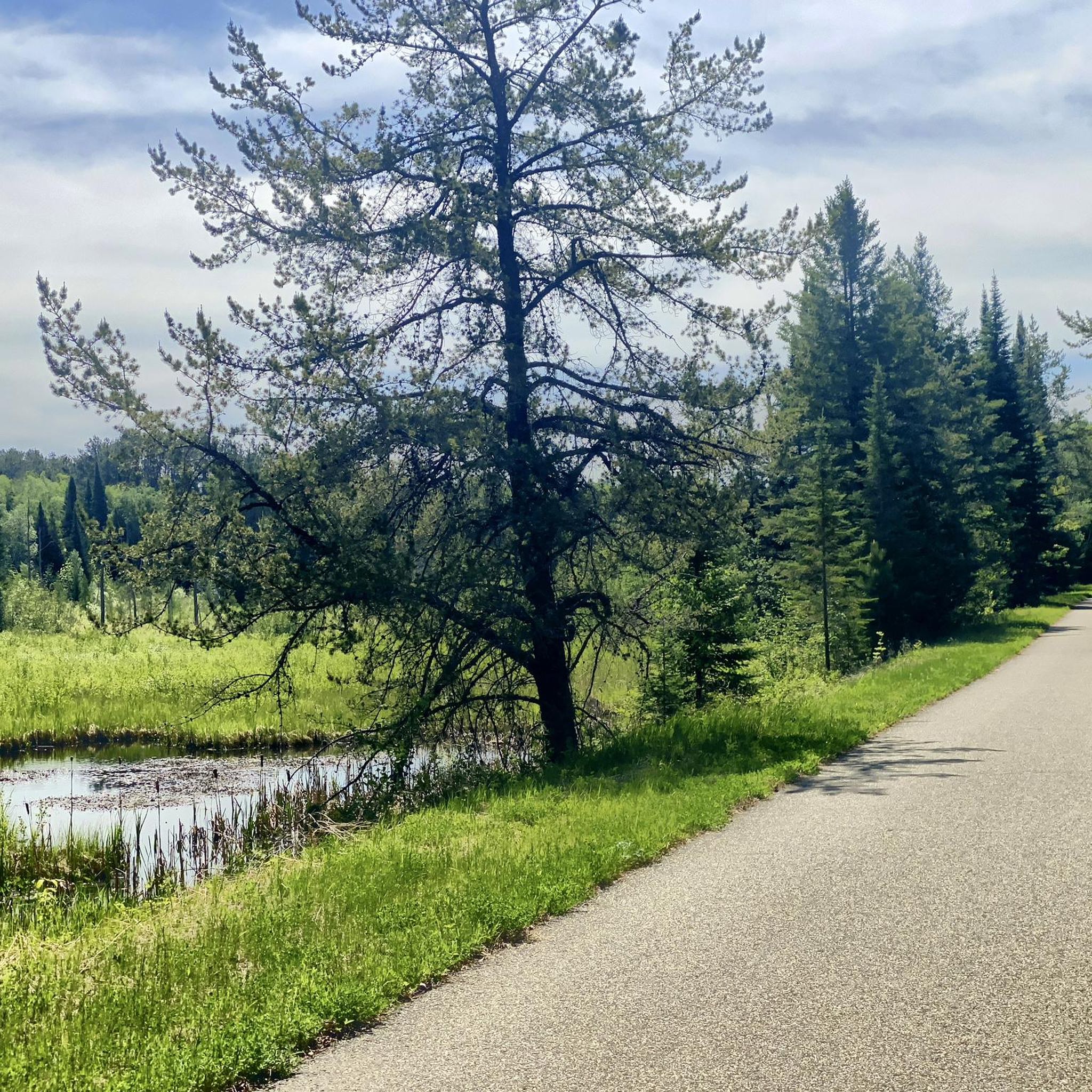
Like much of Minnesota, the Suomi Hills were the site of extensive logging. This region was logged for pine between 1905 and 1910, and today the forest has transitioned to deciduous maple, oak, and basswood that makes the region beautiful to visit in the fall. Beaver, loons, and many other birds make the Suomi Hills a great place to experience wildlife.
0
0
Frequently Asked Questions
Which lakes in Chippewa National Forest are most popular for visitors?
Among the most popular lakes are Cass Lake, known for its unique Star Island with an internal lake, and Leech Lake, a premier fishing destination. Lake Winnibigoshish is also highly regarded, especially for Walleye fishing and its largely undeveloped shoreline.
Are there family-friendly lakes in Chippewa National Forest?
Yes, several lakes offer family-friendly options. Cass Lake is noted for its clear waters and sandy beaches, with camping available at Norway Beach and South Pike Bay Campgrounds. The North Way Beach Visitor Center, located near Pike Bay Lake, is also a great starting point for families to explore.
What unique natural features can I find among the lakes?
The region boasts several unique natural features. Cass Lake features Star Island, which remarkably contains its own lake, Lake Windigo. Pike Bay, connected to Cass Lake, is known for its shallow waters and over 150 bald eagles. Additionally, Mud Lake, combined with Goose Lake, represents a significant wild rice harvest area.
What kind of outdoor activities can I do near these lakes?
The lakes offer a wide range of outdoor activities. You can enjoy fishing, boating, swimming, and camping. For those interested in land-based activities, there are numerous trails for hiking and cycling. For example, the Migizi Trail, an 18-mile paved loop, surrounds Pike Bay near Cass Lake, perfect for biking. You can find more routes in the Cycling in Chippewa National Forest and Hiking in Chippewa National Forest guides.
Are there hiking trails around the lakes in Chippewa National Forest?
Yes, there are many hiking opportunities. The Migizi Trail is an 18-mile paved loop around Pike Bay, accessible from areas like the North Way Beach Visitor Center. Star Island in Cass Lake also offers over six miles of hiking trails. For more options, explore the Hiking in Chippewa National Forest guide, which includes trails like the easy Norway Beach Nature Trail.
What is the best time to visit the lakes in Chippewa National Forest?
The lakes are beautiful year-round, but the best time depends on your preferred activities. Summer is ideal for boating, swimming, and camping. Fall offers stunning foliage, especially in areas like Suomi Hills, which transitions to vibrant deciduous colors. Winter provides opportunities for ice fishing on lakes like Winnibigoshish and other snow sports.
What cultural or historical significance do the lakes hold?
The lakes are rich in history and culture. Leech Lake, for instance, lies mostly within the Leech Lake Indian Reservation and has an Ojibwe name, 'Ozagaskwaajimekaag-zaaga'igan.' The traditional harvesting of wild rice, an ecologically and culturally important grain, still occurs on lakes like Mud Lake. The Norway Beach Recreation Area on Cass Lake also features a notable Civilian Conservation Corps-built lodge.
Which lakes are best for fishing in Chippewa National Forest?
The Chippewa National Forest is a prime fishing destination. Leech Lake is famous for Walleye and Muskie. Cass Lake is an angler's paradise, highly regarded for Walleye, Northern Pike, Perch, and Muskie. Lake Winnibigoshish, often called 'Lake Winnie,' is considered one of Minnesota's finest Walleye fishing lakes and is popular for ice fishing in winter.
Can I find amenities like shops and restaurants near the lakes?
Yes, the town of Walker, situated on the edge of Leech Lake, offers hotels, shops, and restaurants. This provides convenient access to amenities while exploring the surrounding lakes and forest.
What kind of wildlife can I expect to see around the lakes?
The lakes and surrounding forests are home to diverse wildlife. You can spot bald eagles, especially around Pike Bay near Cass Lake, and on Lake Winnibigoshish. Other animals include porcupines, black bears, beaver, and loons, particularly in areas like Suomi Hills.
Are there opportunities for camping near the lakes?
Absolutely. Camping is a popular activity. Cass Lake offers popular spots like Norway Beach and South Pike Bay Campgrounds. The Lake Winnibigoshish Recreation Area also provides camping facilities, along with boating and picnicking options.
What makes Leech Lake unique among the region's lakes?
Leech Lake is unique for being the third-largest lake entirely within Minnesota, with an irregular shape featuring numerous bays and a maximum depth of over 150 feet. It's largely surrounded by the Chippewa National Forest and lies within the Leech Lake Indian Reservation, offering a blend of natural beauty, excellent fishing, and cultural significance. You can learn more about its history on Wikipedia.
How does Cass Lake stand out from other lakes in the area?
Cass Lake is notable as the largest of the eight lakes in the Cass Lake Chain of Lakes and the eighth largest in Minnesota. Its most distinctive feature is Star Island, which contains its own lake, Lake Windigo, creating a 'lake within an island within a lake.' It also boasts clear waters, sandy beaches, and is a prime spot for Muskie fishing. For more details, visit Wikipedia.
Most popular routes in Chippewa National Forest
Most popular attractions in Chippewa National Forest

Get inspired with the komoot mobile app


Explore more
Still not found your perfect lake in Chippewa National Forest? Check out the guides of these regions to see even more beautiful places.
