The best walks and hikes in Chippewa National Forest
3.0
(3)
20
hikers
20
hikes
Hiking in Chippewa National Forest offers extensive trail systems through a vast and diverse natural landscape in northern Minnesota. The forest is characterized by over 1,300 lakes, 923 miles of rivers and streams, and varied ecosystems including coniferous forests, hardwoods, and prairie. Hikers can explore rolling topography, ancient pine stands, and numerous bodies of water, providing a rich backdrop for outdoor activities.
Best hiking trails in Chippewa National Forest
- The most popular hiking route is Trout Lake Trail to Joyce…
Last updated: September 26, 2026
9
hikers
2.18km
00:33
0m
10m
Easy hike. Great for any fitness level. Easily-accessible paths. Suitable for all skill levels.
2.0
(2)
3
hikers
11.3km
02:56
70m
70m
Moderate hike. Good fitness required. Easily-accessible paths. Suitable for all skill levels.

4.0
(1)
1
hikers
7.50km
02:00
80m
80m
Easy hike. Great for any fitness level. Easily-accessible paths. Suitable for all skill levels.
7.41km
01:55
50m
50m
Easy hike. Great for any fitness level. Easily-accessible paths. Suitable for all skill levels.
5.26km
01:20
10m
10m
Easy hike. Great for any fitness level. Easily-accessible paths. Suitable for all skill levels.
Get access to more routes and recommendations from other explorers.
Already have an account?
Our route recommendations are based on thousands of hikes, rides, and runs completed by other people on komoot.
Start today with a free account
Your next adventure awaits.
Popular around Chippewa National Forest
Other adventures in Chippewa National Forest

Tips from the Community

The Suomi Hills include 19 miles of hiking and biking trails. The name comes from the nearby town of Suomi, which was founded by Finnish immigrants in the early 1900s. The Suomi Hills Recreation is a great place for beaver, otter, bald eagle, osprey, and loon sightings.
0
0
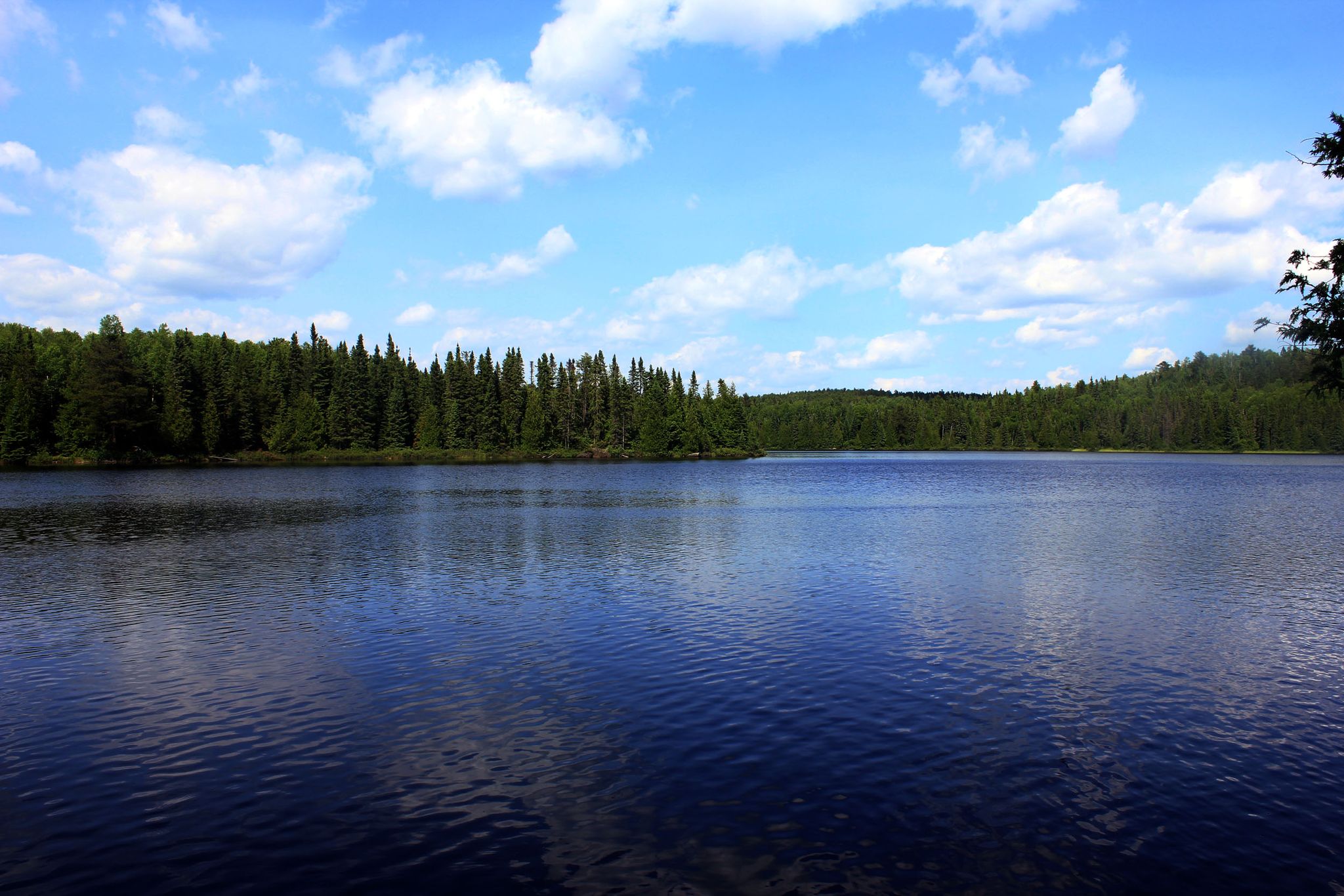
Lucky Lake is one of a few lakes in the area sometimes frequented by bald eagles. Keep an eye out for osprey, loons, beavers, otters, and other fauna. The adjacent Hill Lake to the east is also a great spot for wildlife sightings. For hikers looking for a shorter adventure, Lucky Lake makes a great turn-around point.
0
0
Spruce Island Lake is one of a few lakes in the area sometimes frequented by bald eagles. Keep an eye out for osprey, loons, beavers, otters, and other wildlife.
0
0
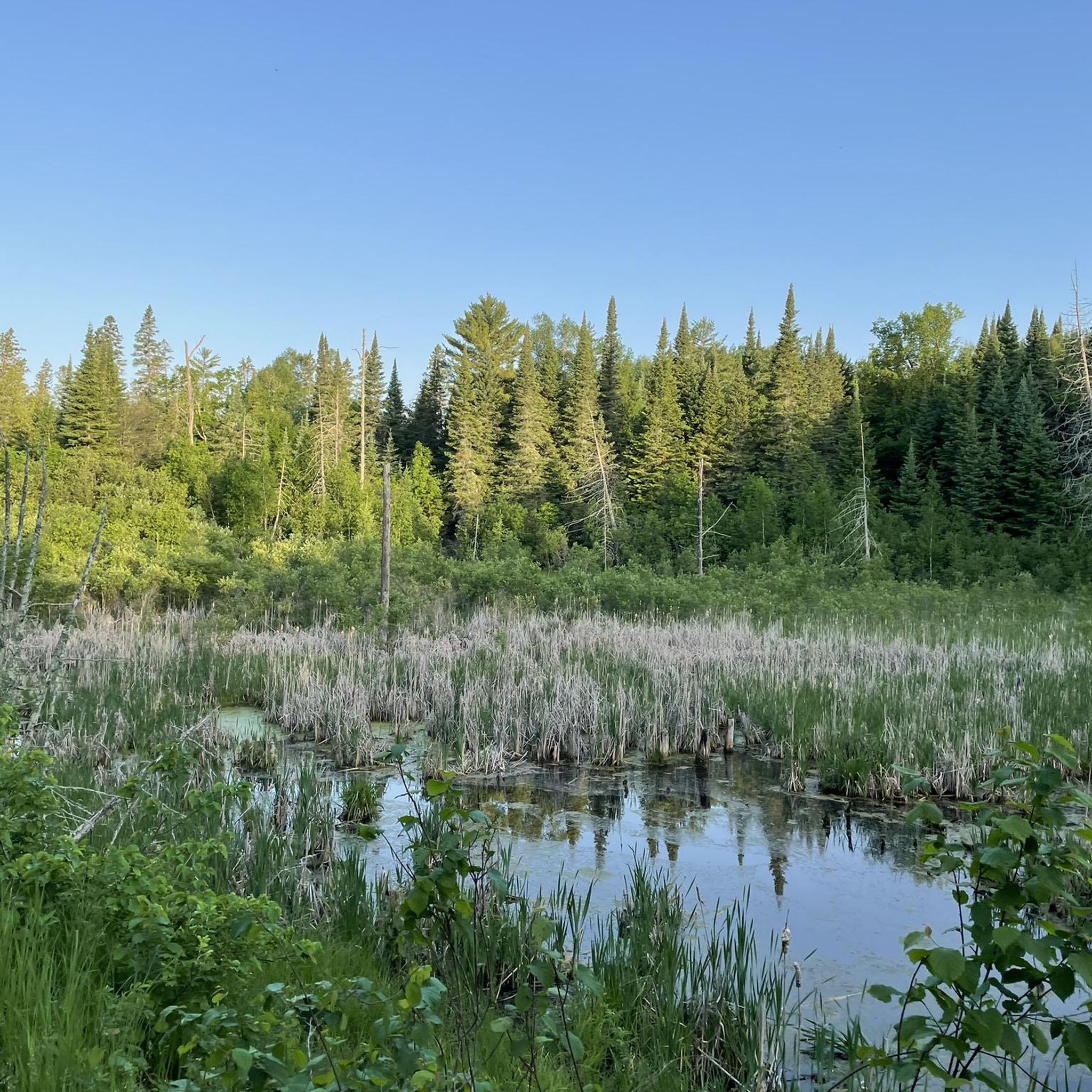
Miller Lake is a "sunken" lake. Like most of the lakes in the Suomi Hills Recreation Area, it is the site of beaver activity. Due to washouts over the years the water of the lake has drained repeatedly as it fills into Amen Lake.
0
0
Like much of Minnesota, the Suomi Hills were the site of extensive logging. This region was logged for pine between 1905 and 1910, and today the forest has transitioned to deciduous maple, oak, and basswood that makes the region beautiful to visit in the fall. Beaver, loons, and many other birds make the Suomi Hills a great place to experience wildlife.
0
0
The Suomi Hills include 19 miles of hiking and biking trails. The name comes from the nearby town of Suomi, which was founded by Finnish immigrants in the early 1900s. Less than a half mile up the road from the trailhead lies the Day Lake CCC camp, one of 20 such camps in Minnesota erected during the Great Depression to offer jobs surveying land replanting pine forests after Minnesota's logging boom. The history of this camp is unique in that a segregated African American company worked here in the 30's, and the camp housed German prisoners of war during WWII. More details on the history of the Day Lake CCC camp can be read from the sign at the Suomi Hills trailhead and at the camp itself up the road.
0
0
Trout Lake is well known for the Joyce Estate, its remarkably blue waters, and good fishing. It has strong lake trout, splake (a cross between brook trout and lake trout), northern pike, panfish (a collective term any freshwater fish small enough to fit in a pan), and bass populations.
0
0
The trail to the Joyce Estate passes an old powerhouse building that was a part of the caretaker's complex. The complex also included places to store vehicles -- planes, boats, and cars -- and 17 different buildings for staff lodging.
0
0
Frequently Asked Questions
How many hiking trails are available in Chippewa National Forest?
Chippewa National Forest offers a wide range of hiking opportunities with over 19 routes documented on komoot. These trails cater to various skill levels, from easy strolls to more challenging excursions.
What kind of terrain can I expect when hiking in Chippewa National Forest?
The forest boasts a diverse natural landscape, including extensive coniferous and hardwood forests, rolling topography, and numerous lakes. You'll often find trails winding through ancient pine stands, along scenic lake shores, and across varied ecosystems, providing a rich backdrop for your hike.
What is the best time of year to go hiking in Chippewa National Forest?
The best time to hike is typically from late spring through fall. Spring offers lush greenery and blooming wildflowers, while summer provides warm weather for lakeside activities. Fall is particularly scenic with vibrant autumn foliage. Winter hiking is also possible on designated trails, often shared with cross-country skiers.
Are there easy hiking trails suitable for beginners or casual walkers?
Yes, Chippewa National Forest has 8 easy routes perfect for beginners or those seeking a relaxed walk. For example, the Norway Beach Nature Trail Loop & Strawberry Lake is a gentle 3.3-mile path, and the Spruce Island Lake Trail Loop in Suomi Hills is an easy 4.7-mile option with scenic lake views.
Are there any challenging hikes for experienced trekkers?
For more experienced hikers, the forest offers 3 difficult routes, including sections of the extensive North Country National Scenic Trail (NCT). The NCT traverses 71 miles of the forest, providing diverse landscapes and opportunities for longer, more strenuous backpacking excursions.
Are there any loop trails in Chippewa National Forest?
Yes, many trails in Chippewa National Forest are designed as loops, offering varied scenery without retracing your steps. Popular loop options include the Spruce Island Lake Trail Loop, Barney Lake Trail Loop, and Miller Lake Trail Loop, all located within the scenic Suomi Hills area.
What interesting landmarks or natural features can I see along the hiking trails?
Hikers can discover several unique features. Don't miss the Lost 40 Interpretive Trail, an old-growth pine stand with trees up to 400 years old. You can also explore the historic Joyce Estate, or enjoy the scenic beauty of Mud Lake and Cass Lake. The Shingobee Junction area also offers unique glacial eskers.
Is Chippewa National Forest a good place for family-friendly hikes?
Absolutely. Many trails are suitable for families, offering shorter distances and easier terrain. The Norway Beach Nature Trail Loop is a great option, providing an enjoyable experience for all ages through forested areas and along Strawberry Lake.
Can I bring my dog on the hiking trails in Chippewa National Forest?
Generally, dogs are welcome on trails within Chippewa National Forest, but they must be kept on a leash. Always check specific trail regulations before heading out, as some areas or facilities might have restrictions. Please remember to clean up after your pet.
What wildlife might I encounter while hiking?
Chippewa National Forest is renowned for its abundant wildlife. It hosts the highest breeding population of bald eagles in the lower 48 states, so spotting these magnificent birds near larger lakes is common. You might also see deer, various bird species, and other forest animals. Remember to observe wildlife from a distance and never feed them.
Are there good opportunities for lakeside hiking?
With over 1,300 lakes and 923 miles of rivers and streams, Chippewa National Forest offers extensive lakeside hiking. Many trails, such as the Spruce Island Lake Trail Loop, provide stunning views of the water, making for very scenic walks.
What do other hikers enjoy most about hiking in Chippewa National Forest?
The area is highly rated by the komoot community, with an average score of 3.0 stars. Reviewers often praise the quiet woodlands, the abundance of scenic lake views, and the well-maintained trails that cater to various skill levels, making it a rewarding experience for all.
Most popular routes in Chippewa National Forest
Most popular attractions in Chippewa National Forest

Get inspired with the komoot mobile app


Explore more
Browse the best Hikes in other regions.
