Top 8 Huts and Cabins in Mount Rainier National Park
Best huts in Mount Rainier National Park are found within a landscape dominated by the active volcano, Mount Rainier, which rises to over 14,000 feet. The park features extensive glaciers, subalpine meadows, and old-growth forests, providing varied terrain for outdoor activities. Historically, the park's backcountry resources include structures built in the NPS Rustic style, reflecting early conservation efforts and serving various purposes from ranger patrols to climbing support.
Best huts in Mount Rainier National Park
- The most popular huts is…
Last updated: September 30, 2026
Paradise Inn
Highlight • Mountain Hut
Tip by

Mowich Lake & Camp
Highlight • Lake
Tip by

Sign up now to discover places like this
Get recommendations on the best single tracks, peaks, & plenty of other exciting outdoor places.
Sunrise Camp
Highlight • Rest Area
Tip by

Tolmie Peak Lookout Tower
Highlight • Monument
Tip by
Indian Bar Camp
Highlight • Mountain Hut
Tip by
Sign up for free to discover even more huts and cabins in Mount Rainier National Park.
Already have an account?
Start today with a free account
Your next adventure awaits.
Popular around Mount Rainier National Park
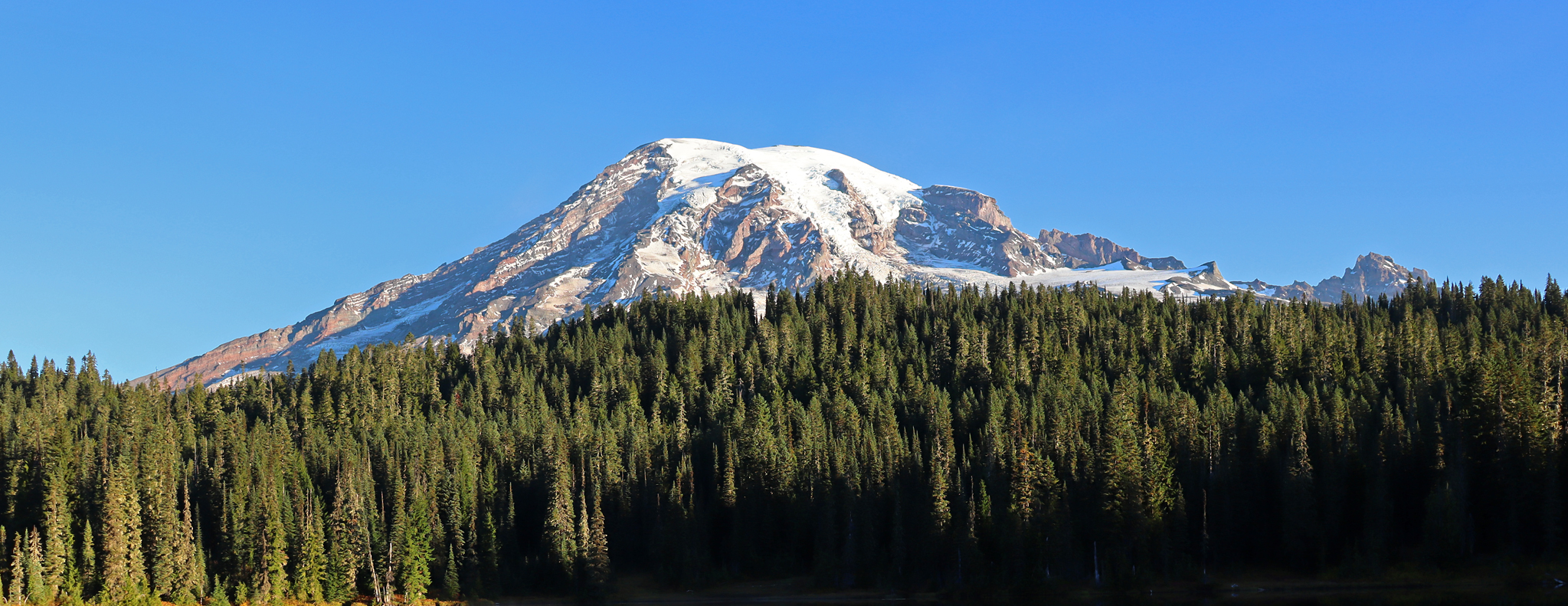
Wonderland Trail — 93 iconic miles around Mount Rainier
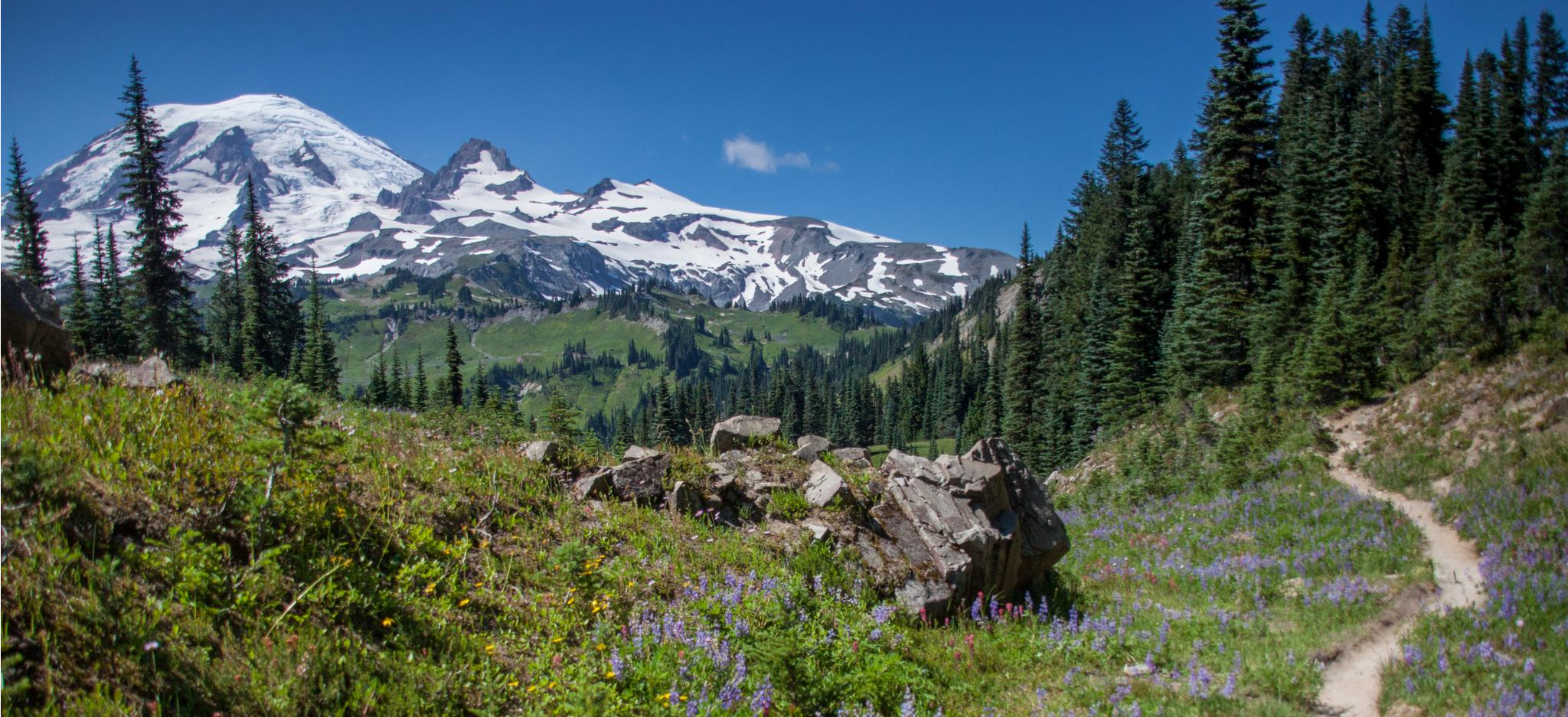
Wonderland Trail — 3-Day fastpacking through the dreamscape
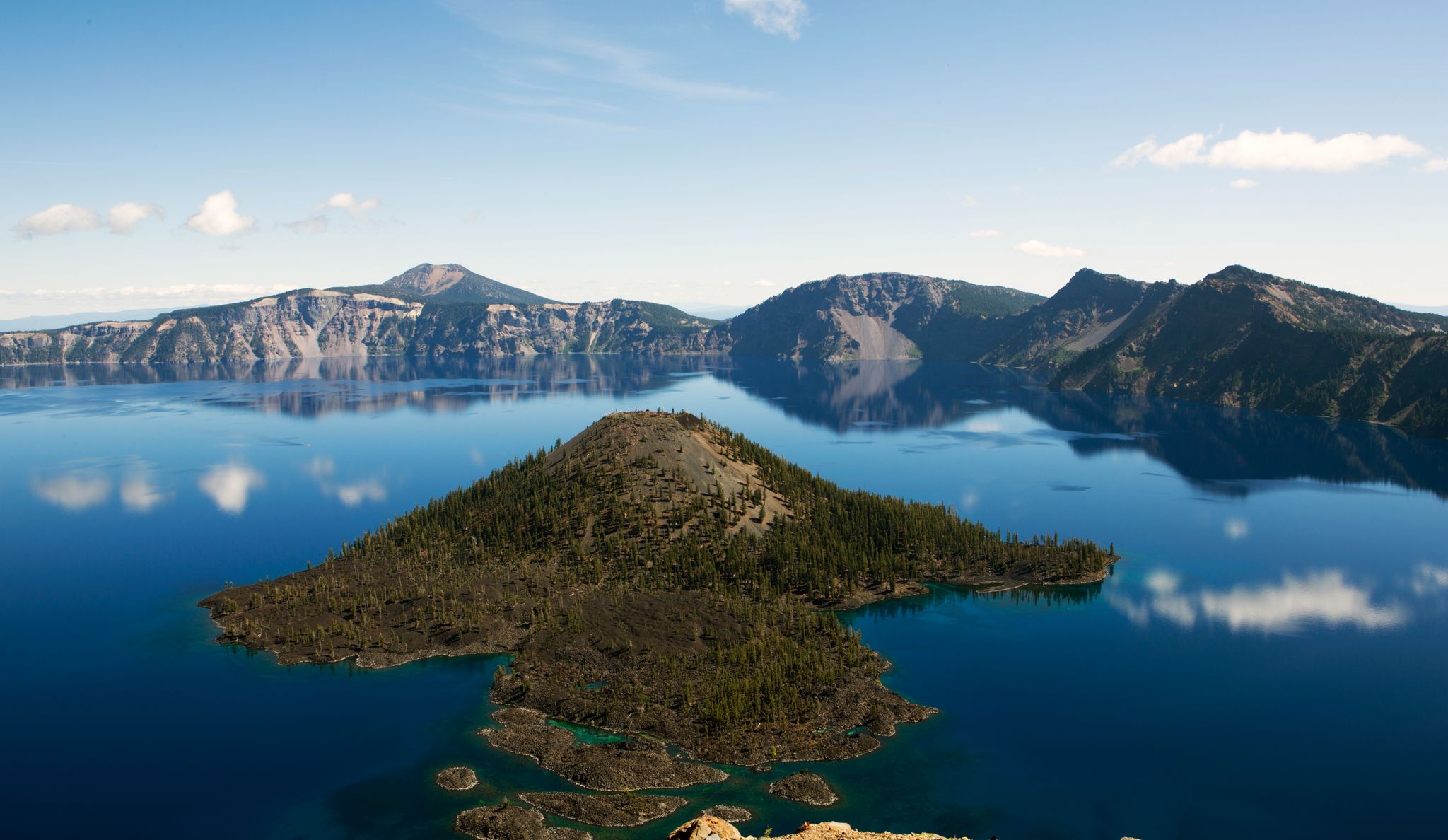
Volcanic peaks and glistening shores – discover Oregon and Washington
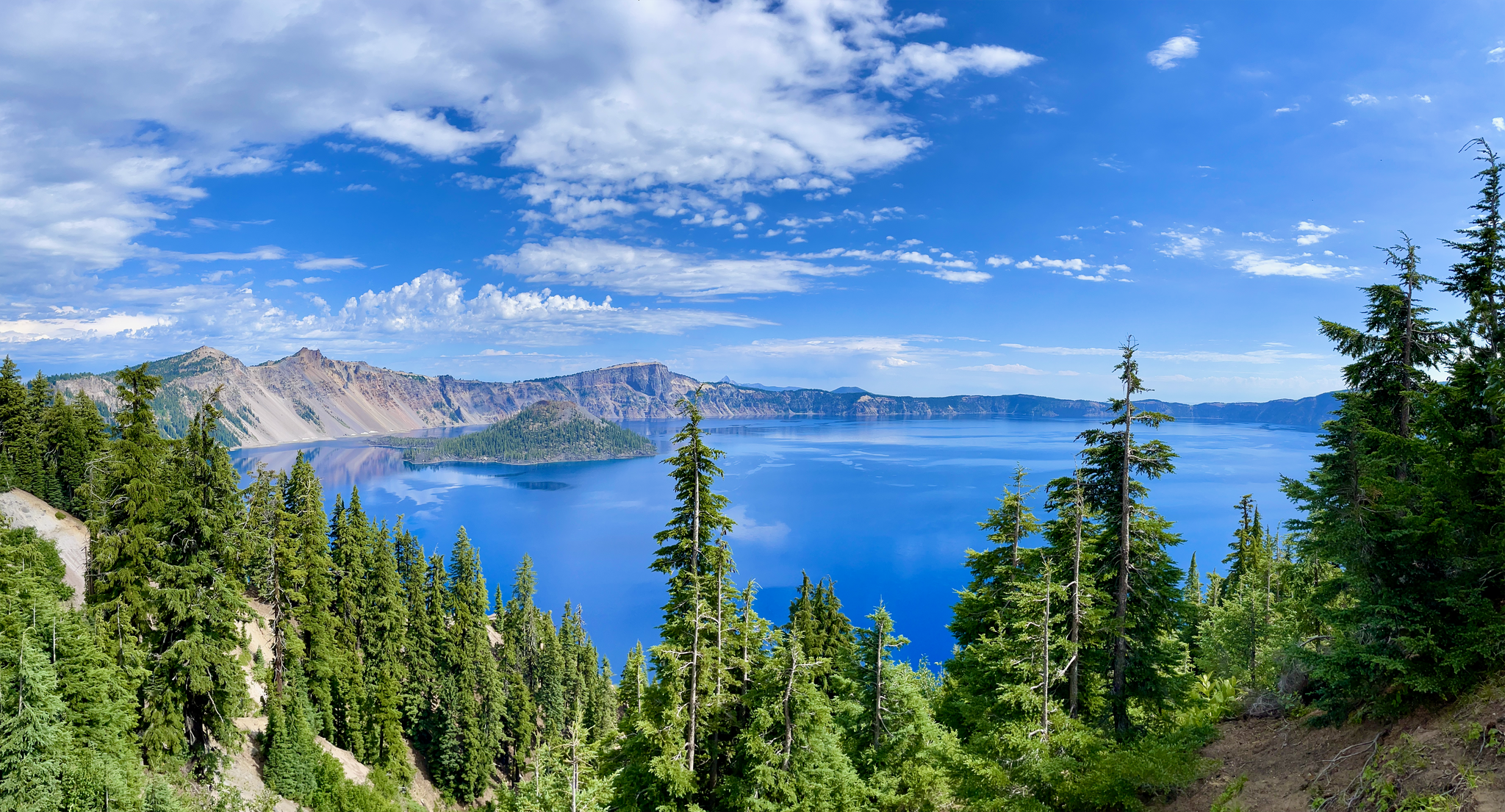
The pristine beauty of the US National Parks
Hiking in Mount Rainier National Park
Cycling in Mount Rainier National Park
Road Cycling Routes in Mount Rainier National Park
Running Trails in Mount Rainier National Park
MTB Trails in Mount Rainier National Park
Other adventures in Mount Rainier National Park


Tips from the Community

Unfortunately only a short round possible, but breathtaking area
0
0

Indian Bar Camp sits in a wide alpine basin with clear views of Rainier’s east face and a glacial river running through the valley. There’s a composting toilet and nearby water (always filter it). It's a good overnight option and even if you’re not camping, it’s a good place to take a short break. The footbridge offers a clear look at the waterfall and surrounding terrain.
0
0
Sunrise Camp is a high-elevation backcountry site just below the Sunrise area, with wide alpine views and a quieter feel despite its proximity to one of the park’s busiest hubs. It’s a solid overnight spot or pause point for runners, with seasonal water, a composting toilet, and quick access to the Sunrise Visitor Center for restrooms and ranger info. Snow can linger into July, so be ready for cold nights. The camp is close to Shadow Lake and can be a good place to catch your breath before the descent to White River Camp.
0
0
Mowich Lake is a pristine lake and a popular overnight spot with a backcountry campground that operates on a first-come, first-served basis. It can get especially busy during peak season, so avoiding those times will give you more camping options. The area offers reliable water sources and also allows boating and fishing in the lake. The campground includes composting toilets. Check current road closures, as access may be limited: https://www.nps.gov/mora/planyourvisit/road-status.htm
0
0

Indian Bar Camp is one of the most beloved and scenic backcountry camps on the Wonderland Trail, located on the southeastern flank of Mount Rainier in a dramatic alpine basin carved by the Ohanapecosh Glacier. The camp sits where the Wauhaukaupauken Falls tumble into a wide, flower-filled valley, with big views of Rainier’s eastern face, surrounding ridgelines, and the braided river below. Campsites are split into two areas: a group site near the historic Indian Bar shelter (a stone structure built in the 1930s) and several individual tent pads just across the river, accessed by a sturdy footbridge. The individual sites are more exposed but offer incredible views—particularly at sunrise and sunset. Facilities include a composting toilet, bear pole, and nearby water from the glacial river (always treat before drinking). Indian Bar is especially popular during wildflower season and is often cited as a top overnight stop on the entire trail for its dramatic setting and alpine beauty.
0
0
Sunrise Camp is a small, high-elevation backcountry campsite located just below the popular Sunrise area on the northeast side of Mount Rainier. Sitting at around 6,200 feet, it offers expansive alpine views, access to wildflower meadows, and a front-row seat to Mount Rainier’s massive eastern glaciers. Despite being near one of the busiest visitor hubs in the park, Sunrise Camp maintains a quieter, backcountry feel, with designated tent sites nestled in subalpine terrain. It’s a great spot for catching alpenglow on Rainier and enjoying crisp, starlit nights above treeline. Snow often lingers into July, and weather can change quickly, so come prepared for cold nights and wind. The camp includes a composting toilet, bear pole, and seasonal water sources nearby (always treat before drinking). Best of all, it's a short walk to the Sunrise Visitor Center, where you can access restrooms, limited resupply options, and ranger assistance during the summer season.
0
0

Get your wilderness permit at the Carbon River Ranger Station first.
0
0

Paradise Inn is a rustic guest lodge nestled in the shadow of Mount Rainier. Built in 1916, this National Historic Landmark stands proudly amidst mountain meadows and vibrant wildflowers. Situated at an elevation of 5,400 feet, it is recognized as one of the Great Lodges of the West
0
0
Frequently Asked Questions
What types of huts are available in and around Mount Rainier National Park?
Mount Rainier National Park and its surrounding areas offer a diverse range of huts. Within the park, you'll find historic patrol cabins, trail shelters like the one at Indian Bar Camp, and climbing camps such as Camp Muir. Just outside the park, the Mount Tahoma Trails Association (MTTA) manages a network of popular recreational huts and a yurt, known for their accessibility and views, including High Hut, Copper Creek Hut, The Yurt, and Snow Bowl Hut.
Are there family-friendly huts or accommodations in Mount Rainier National Park?
Yes, there are options suitable for families. The Paradise Inn, a historic lodge within the park, is categorized as family-friendly and offers a comfortable stay. Additionally, the Tolmie Peak Lookout Tower area is a great destination for a family hike with amazing views, though the lookout itself is not open to the public for overnight stays. For a more rustic experience, some MTTA huts outside the park might be suitable for families depending on their hiking experience.
What is the best time to visit the huts in Mount Rainier National Park and the surrounding area?
The best time depends on the experience you seek. For summer hiking and access to areas like Mowich Lake & Camp, which has seasonal road closures (typically July to mid-October), summer is ideal. The historic Paradise Inn is generally open from mid-May through early October. For winter activities like snowshoeing and cross-country skiing, the MTTA huts (High Hut, Copper Creek, The Yurt, Snow Bowl Hut) just outside the park are particularly popular and require reservations.
What historical huts or structures can I find in Mount Rainier National Park?
Mount Rainier National Park is rich in history. You can find thirteen historic patrol cabins and trail shelters, many built in the NPS Rustic style. Notable examples include the Indian Henry's Patrol Cabin and the Mowich Lake Patrol Cabin. The Summerland and Indian Bar Camp shelters, built from stone by the Civilian Conservation Corps, are also significant. The Paradise Inn, built in 1916, is a National Historic Landmark, and the Tolmie Peak Lookout Tower is one of the remaining historic fire lookouts in Washington.
Are permits or reservations required for staying in huts near Mount Rainier?
Yes, permits and reservations are often required. For backcountry camping within Mount Rainier National Park, such as at Mowich Lake & Camp or Sunrise Camp, you typically need a wilderness permit, which can be obtained at ranger stations like Carbon River. For the MTTA huts (High Hut, Copper Creek, The Yurt, Snow Bowl Hut) located outside the park, reservations are generally required, especially during the popular winter season.
What are some challenging hut trips for experienced hikers?
For those seeking a challenge, the MTTA huts outside the park offer rewarding experiences. High Hut, for instance, involves an elevation gain of around 2,400 feet over 3 to 4 miles, often requiring snowshoes or skis in winter. The Yurt involves a longer round trip of about 12.6 miles with 1,800 feet of elevation gain, and Snow Bowl Hut is an 8.4-mile round trip with 2,200 feet of elevation gain. These trips offer spectacular views but demand good physical condition and preparation.
What amenities can I expect at backcountry camps like Sunrise Camp or Indian Bar Camp?
Backcountry camps like Sunrise Camp and Indian Bar Camp provide essential facilities for a rustic experience. Both typically include a composting toilet and a bear pole for food storage. Seasonal water sources are usually available nearby, but always remember to treat water before drinking. Sunrise Camp also benefits from being a short walk to the Sunrise Visitor Center during summer, offering access to restrooms and ranger assistance.
Are there opportunities for wildlife spotting near the huts?
Yes, the diverse ecosystems around Mount Rainier provide excellent opportunities for wildlife viewing. Areas like Sunrise Camp, nestled in subalpine terrain, offer chances to see various alpine animals. The extensive meadows and forests throughout the park are home to deer, elk, marmots, and a variety of bird species. Early mornings and late evenings are often the best times for wildlife encounters.
What outdoor activities can I do near these huts?
The areas around the huts offer a wide range of outdoor activities. You can enjoy easy hikes like Shadow Lake Trail or Tipsoo Lake Loop, or more moderate waterfall hikes such as Skyline Trail Loop. For mountain biking enthusiasts, there are challenging routes like Silver Creek Pass loop. Many huts, especially the MTTA ones, are popular for snowshoeing and cross-country skiing in winter. You can find more details on various routes in the easy hikes, MTB trails, and waterfall hikes guides.
What are the most scenic huts or camps for views of Mount Rainier?
Many huts and camps offer spectacular views. High Hut, part of the MTTA system, is renowned for its 360-degree panoramic views of Mount Rainier and other volcanoes. Within the park, Sunrise Camp provides expansive alpine views and a front-row seat to Mount Rainier’s eastern glaciers. Indian Bar Camp, located in a dramatic alpine basin, offers big views of Rainier’s eastern face and surrounding ridgelines, especially at sunrise and sunset.
Are there any huts that are particularly good for beginners?
For beginners looking for a hut experience, the MTTA huts just outside the park, while requiring some effort, are generally more accessible than high-alpine climbing camps. High Hut, for example, is a popular destination for snowshoeing in winter and offers a cozy cabin experience. Always check the specific trail difficulty and conditions, and consider starting with day trips to these huts before committing to an overnight stay.
What is Camp Muir and how does it differ from other huts?
Camp Muir, situated at 10,000 feet on Mount Rainier, is primarily a base camp for climbers ascending to the summit. It consists of masonry shelters built as way stations for guides and mountaineers. While it provides vital shelter, it is not a 'hut' in the traditional sense of a recreational rental cabin like the MTTA huts. It's a very primitive, high-altitude facility designed for serious mountaineering, reflecting the Rustic style of architecture and having historical ties to the Civilian Conservation Corps.
Most popular routes in Mount Rainier National Park
Most popular attractions in Mount Rainier National Park

Get inspired with the komoot mobile app


Explore more
Find more beautiful huts and cabins in Mount Rainier National Park by checking out the top ones in these nearby places:
