The best family-friendly hikes and walks in Mount Rainier National Park
4.8
(594)
9,165
hikers
112
hikes
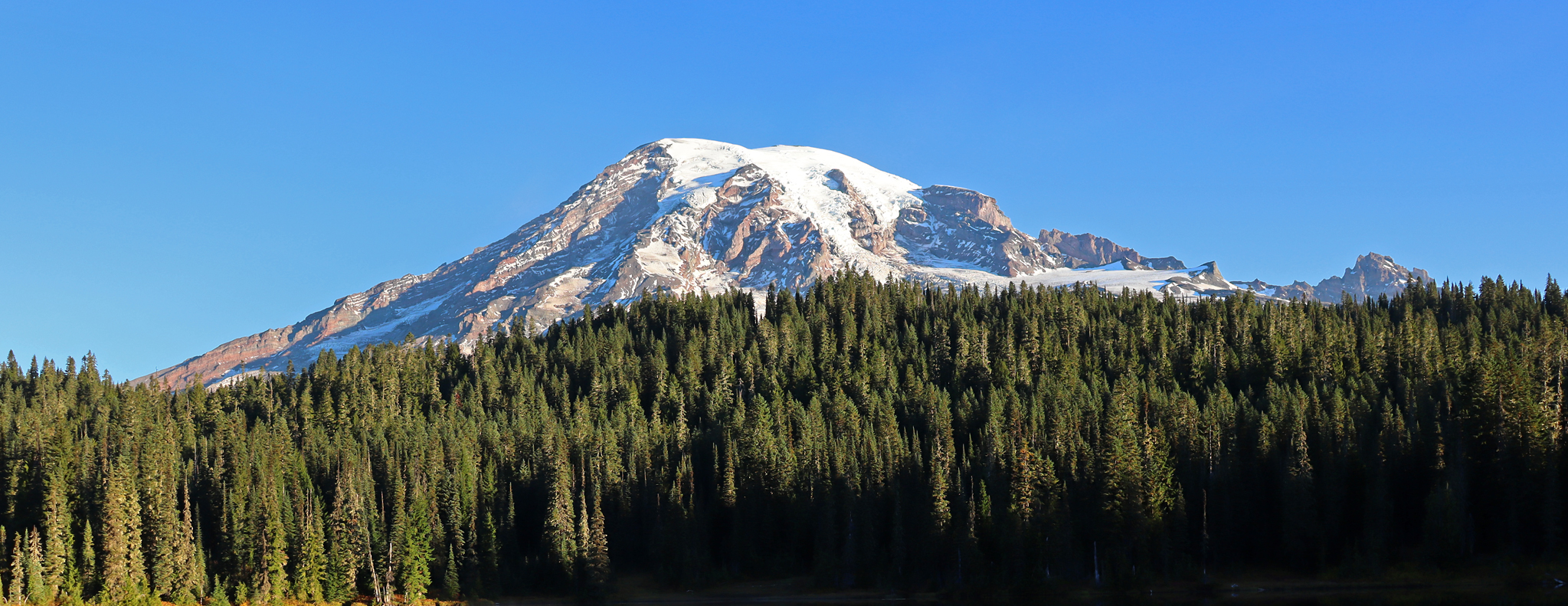
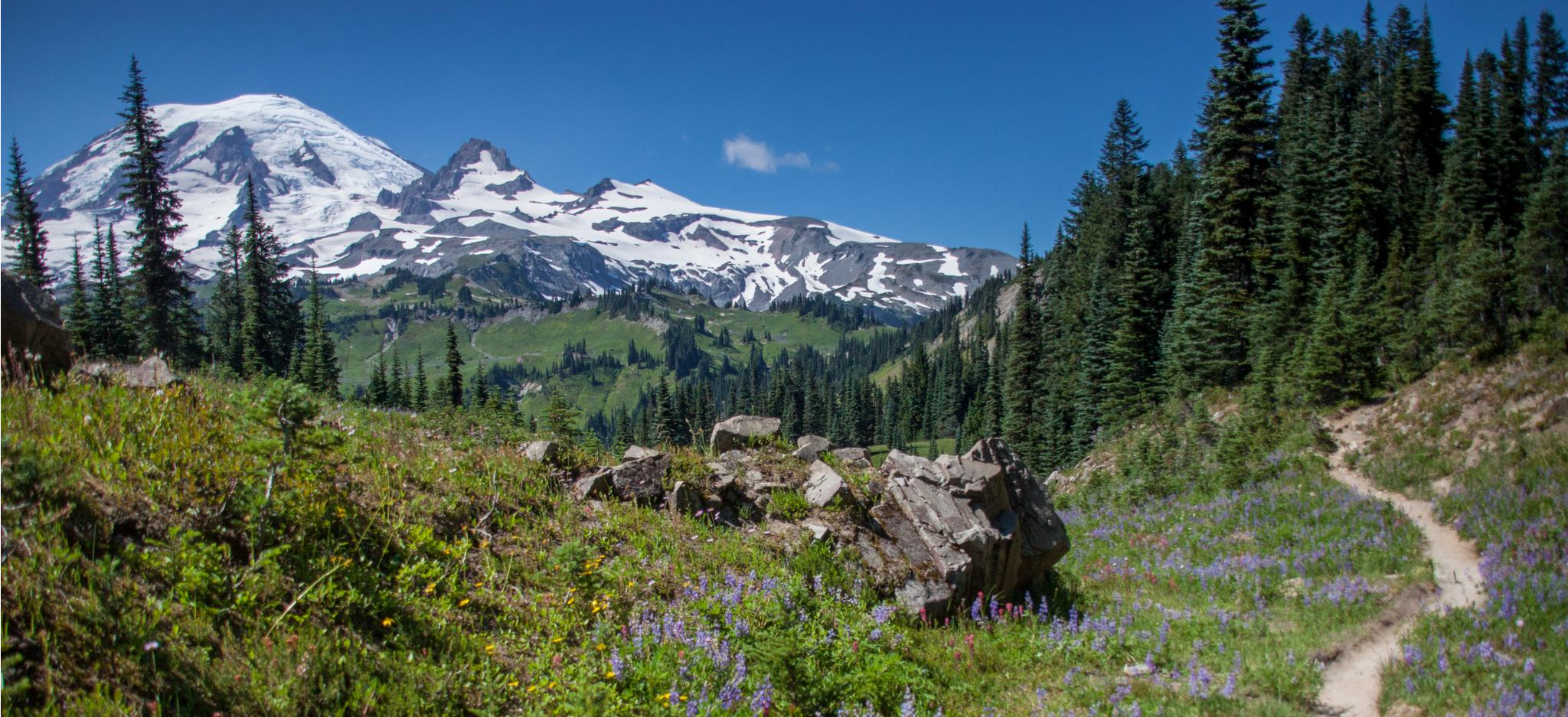
Family friendly hiking trails in Mount Rainier National Park traverse a landscape dominated by Mount Rainier, an active volcano with extensive glaciers, subalpine wildflower meadows, and ancient forests. The park features a diverse terrain of river valleys, alpine slopes, and numerous waterfalls and lakes. This varied geography offers a range of elevations and ecosystems, from lush lowlands to higher alpine environments.
Best family friendly hiking trails in Mount Rainier National Park
- The most popular family friendly hiking route is Skyline Trail Loop, a 6.3 miles (10.2 km) trail that takes about 3 hours 27 minutes to complete. This moderate route offers panoramic views of Mount Rainier and its surrounding glaciers.
- Another top favourite among local hikers is Panorama Point – Mount Rainier National Park, a moderate 5.9 miles (9.5 km) path. This trail leads through subalpine meadows, providing expansive vistas of the park's peaks and valleys.
- Local hikers also love the Skyline, Mazama Ridge, Wonderland, and Lower Lakes Loop, an 11.3 miles (18.1 km) trail leading through varied alpine terrain and past scenic lakes, often completed in about 6 hours 33 minutes.
- Hiking in Mount Rainier National Park is defined by active volcanic landscapes, extensive glaciers, and vibrant subalpine wildflower meadows. The network offers options for different ability levels, from easy strolls to more challenging ascents.
- The routes in Mount Rainier National Park are highly rated by the komoot community with an average score of 4.8 stars from over 500 reviews. More than 8,000 hikers have used komoot to explore Mount Rainier National Park's varied terrain.
Last updated: July 8, 2026
4.9
(99)
1,428
hikers
10.2km
03:27
510m
510m
Embark on the Skyline Trail Loop for a classic Mount Rainier hiking experience, covering 6.3 miles (10.2 km) with a moderate difficulty. You'll ascend 1684 feet (513 metres) over an estimated 3 hours and 27 minutes, traversing varied terrain from paved sections to rocky paths. As you climb, you'll be treated to expansive views of Mount Rainier and its majestic glaciers. Look out for vibrant subalpine wildflower meadows that add splashes of color to the landscape. Don't miss the stunning vistas from Panorama Point Summit, offering 360-degree views of the surrounding peaks. The trail also passes the picturesque Myrtle Falls Viewpoint, where Mount Rainier provides a dramatic backdrop.
Plan your hike on the Skyline Trail Loop between mid-July and early October, which is the prime season for exploring this area. If you want to see the wildflowers at their peak, aim for late July to mid-August. Be prepared for varied terrain, including potential snow patches at higher elevations, even during summer months. This popular trail can become very crowded, especially on summer weekends, so consider starting early or visiting on a weekday to avoid the busiest times.
The Skyline Trail Loop offers a deep dive into the natural environment of Mount Rainier National Park. You'll encounter diverse ecosystems, from the lush subalpine meadows to the rugged, glaciated slopes of the mountain itself. Keep an eye out for local wildlife, such as marmots, which are often spotted along the route. This trail is notable for providing some of the most iconic and accessible views of Mount Rainier, making it a highlight for many visitors to the park.
4.9
(98)
1,390
hikers
9.49km
03:18
520m
520m
Moderate hike. Good fitness required. Mostly accessible paths. Sure-footedness required.

Sign up for free
5.0
(8)
100
hikers
18.1km
06:33
1,150m
720m
Embark on the Skyline, Mazama Ridge, Wonderland, and Lower Lakes Loop for a difficult hiking adventure that showcases the stunning beauty of Mount Rainier National Park. This challenging route covers 11.3 miles (18.1 km) and involves a significant elevation gain of 3778 feet (1152 metres), typically taking around 6 hours and 33 minutes to complete. As you ascend, you will be treated to expansive vistas of Mount Rainier and the Tatoosh Range from viewpoints like Panorama Point. The trail also meanders through vibrant subalpine meadows, bursting with wildflowers during peak season, and skirts the serene Reflection Lakes, famous for their clear mountain reflections.
To make the most of your hike, plan your visit between late July and September, when the wildflowers are in full bloom and most of the snow has melted. Be prepared for potentially steep and slushy snowfields in higher sections, even into late summer; trekking poles or microspikes can be very helpful. Parking at the Paradise Visitor Center, which is where the trailhead begins, fills up quickly, so arriving early is highly recommended to secure a spot.
This loop offers a comprehensive journey through Mount Rainier's diverse ecosystems, from high alpine views to lush subalpine environments. You will experience the park's varied terrain and natural features, making it a notable route for those seeking a full immersion into the landscape. The trail's design ensures you encounter a wide array of scenic highlights, providing a memorable experience of the region's natural grandeur.
5.0
(1)
119
hikers
7.83km
05:01
1,430m
0m
Embark on the Camp Muir Route via Skyline Trail for a truly high-alpine hiking experience. This difficult route spans 4.9 miles (7.8 km) and involves a significant elevation gain of 4704 feet (1434 metres), typically taking around 5 hours and 1 minutes to complete. As you ascend, you'll pass through vibrant subalpine wildflower meadows in the lower sections, especially during July and August. Higher up, you'll be treated to expansive vistas from Panorama Point Summit, offering clear views of Mount Adams, Mount St. Helens, and Mount Hood on good days. The journey culminates at Camp Muir, where you'll find a dramatic alpine scene with hanging glaciers and towering seracs at 10,188 feet.
Careful preparation is key for this challenging hike. You should expect to encounter snow travel even in late summer, and if you plan to go in the early season, snowshoes may be necessary. Be ready for rapidly changing weather conditions, which can include sudden whiteouts, strong winds, and extreme temperature shifts, particularly at higher altitudes. Always check the current weather forecast and trail conditions before you head out to ensure a safe trip.
This trail offers a unique opportunity to experience the diverse ecosystems of Mount Rainier National Park. The transition from lush subalpine meadows to the stark, dramatic alpine environment at Camp Muir highlights the mountain's powerful natural forces. The high-altitude setting provides a distinct perspective on the region's geology and offers a profound sense of accomplishment for well-prepared hikers.
5.0
(6)
68
hikers
6.71km
02:18
300m
340m
Embark on the Skyline and Golden Gate Loop, a moderate hiking route that offers continuous, expansive views of Mount Rainier and the surrounding Paradise region. This 4.2-mile (6.7 km) loop involves a steady climb of 992 feet (302 metres), typically taking around 2 hours and 17 minutes to complete. As you hike, you will wind through vibrant Subalpine Wildflower Meadows, which are particularly colorful during peak season. The trail also leads you past picturesque cascading waterfalls, including Myrtle Falls, adding to the scenic beauty. Expect varied terrain, and be prepared for the possibility of encountering snowfields even into the summer months, which can make some sections slippery.
When planning your hike on the Skyline and Golden Gate Loop, remember that little shade is available along the route, so carrying plenty of water is essential for your comfort and safety. Due to the varied terrain, which can include snowfields even in summer, appropriate footwear is highly recommended. The area features numerous intersecting trails, so bringing a map or using a GPS device will help you stay on the correct path and navigate confidently. Always check the weather forecast before you head out, as conditions can change rapidly in the mountains.
This trail is notable for its panoramic vistas, offering sweeping views from Panorama Point that extend across the Paradise valley to Mount St. Helens and even Mount Hood on clear days. The route provides an immersive experience within Mount Rainier National Park, showcasing its unique subalpine ecosystem and dramatic glacial landscapes. It is an excellent choice if you are looking for a rewarding hike that combines stunning natural beauty with a good physical challenge, making it a highlight of the region.
Get access to more routes and recommendations from other explorers.
Sign up for free
Already have an account?
Our route recommendations are based on thousands of hikes, rides, and runs completed by other people on komoot.
Start today with a free account
Your next adventure awaits.
Login or Signup
Other adventures in Mount Rainier National Park


Tips from the Community

I was recently looking for traditional Viennese restaurants and came across Restaurant Marienhof https://restaurant-marienhof.de/ . I particularly liked the combination of classic Viennese cuisine, cozy atmosphere, and the quiet courtyard garden. Such places show that traditional gastronomy still retains its special charm today. Those who want to enjoy authentic Austrian dishes and spend a relaxing evening in Vienna will find an interesting address there.
0
0

Beautiful hike. Crowded. Make sure you bring water as there is no where to fill up. Not even visitor center. No restrooms. Just overstuff porta potties. Come early. Parking difficult. We got here at 310 pm and found some. But there’s a lot of people. We waiting in line to get into park 1 hour! They need a better system!
0
0

Great trail with amazing views of the surrounding mountains and Mt. Rainier.
0
0
A fantastic vantage point. You can see Mt. Rainier and other surrounding highlights such as Mt. Adams and Mt. Hood. Highly recommended!
0
0
Great unobstructed view of the glacier.
0
0
Great visitor center. The parking lot has just been renovated. The restrooms are currently being renovated.
0
0
Frequently Asked Questions
How many family-friendly hiking trails are there in Mount Rainier National Park?
Mount Rainier National Park offers a wide variety of trails suitable for families. Our guide features over 100 routes, with more than 30 specifically categorized as easy, perfect for a family outing.
What is the best time of year for family hikes in Mount Rainier National Park?
The best time for family hikes is typically from late July to mid-August when the subalpine wildflower meadows are in full bloom, especially around Paradise and Sunrise. Many trails are snow-free and accessible during this period, offering stunning views and pleasant hiking conditions. Always check current conditions before you go.
Are there any easy loop trails suitable for families?
Yes, there are several enjoyable loop trails. For a moderate option with incredible views, consider the Skyline Trail Loop. It offers a diverse experience with wildflowers, glaciers, and rivers. Another great choice is the Skyline and Golden Gate Loop, which is also moderate and provides beautiful scenery.
What kind of natural features and landmarks can we expect to see on family-friendly trails?
Mount Rainier National Park is rich in natural beauty. You can expect to see vibrant wildflower meadows, ancient forests, and stunning views of glaciers and waterfalls. Notable viewpoints include Faraway Rock Overlook and Panorama Point Summit. Higher up, the Mount Fremont Fire Lookout offers exceptional panoramic views.
Are there any trails that lead to scenic viewpoints or lookouts?
Absolutely! Many trails offer access to breathtaking viewpoints. The hike to Panorama Point is a popular choice, providing expansive vistas of the mountain and surrounding landscape. For a truly iconic view, consider trails leading to the Tolmie Peak Lookout Tower.
What are the parking and access considerations for family hikes?
Parking is available at various trailheads throughout the park, but it can fill up quickly, especially during peak season (July-August) and on weekends. Arriving early is highly recommended. A park entrance fee is required. For detailed information on permits and current conditions, you can visit the official National Park Service website.
Are there any stroller-friendly or very easy trails for families with young children?
While many trails have varied terrain, some sections, particularly around visitor centers like Paradise, offer paved or well-maintained paths suitable for strollers. For specific stroller-friendly options, it's best to check the National Park Service's day-hiking guide for Mount Rainier, which often details accessibility. You can find more information on their day-hiking page.
Can we bring our dog on the family-friendly trails?
Mount Rainier National Park has specific regulations regarding pets. Dogs are generally not allowed on hiking trails, in wilderness areas, or in buildings. They are permitted in developed areas, on paved roads, in campgrounds, and on the Pacific Crest Trail. Always keep your dog on a leash and clean up after them. Check the official park website for the most current pet policies.
What do other hikers enjoy most about hiking in Mount Rainier National Park?
The area is highly rated by the komoot community, with an average score of 4.8 stars. Reviewers consistently praise the unparalleled beauty of Mount Rainier, the stunning wildflower displays, and the well-maintained trails that cater to various skill levels. The dramatic landscapes, from glaciers to lush forests, are frequently highlighted as favorite aspects.
Are there any places to eat or stay near the family-friendly trails?
Within the park, you'll find options like the historic Paradise Inn, which offers dining and accommodation. The Sunrise area also has facilities like Sunrise Camp with basic services. Outside the park, gateway communities offer a wider range of restaurants, cafes, and lodging options. For more visitor information, you can check resources like Visit Rainier.
What is the typical elevation gain on family-friendly hikes?
Family-friendly hikes in Mount Rainier National Park vary in elevation gain. Many easy trails have minimal elevation changes, while moderate options like the Skyline Trail Loop can involve around 500 meters (1,600 feet) of ascent. Always check the specific route details for elevation profiles to ensure it matches your family's comfort level.
Most popular routes in Mount Rainier National Park
Most popular attractions in Mount Rainier National Park

Get inspired with the komoot mobile app


Explore more
Browse the best Hikes in other regions.
