Top 8 Caves around Antequera
Best caves around Antequera include a diverse range of geological and historical sites. This region in southern Spain features ancient megalithic burial sites and unique karstic caves within a stunning natural park. Visitors can explore prehistoric human ingenuity and the power of natural geological processes. The area offers a compelling glimpse into both natural formations and human-made structures.
Best caves around Antequera
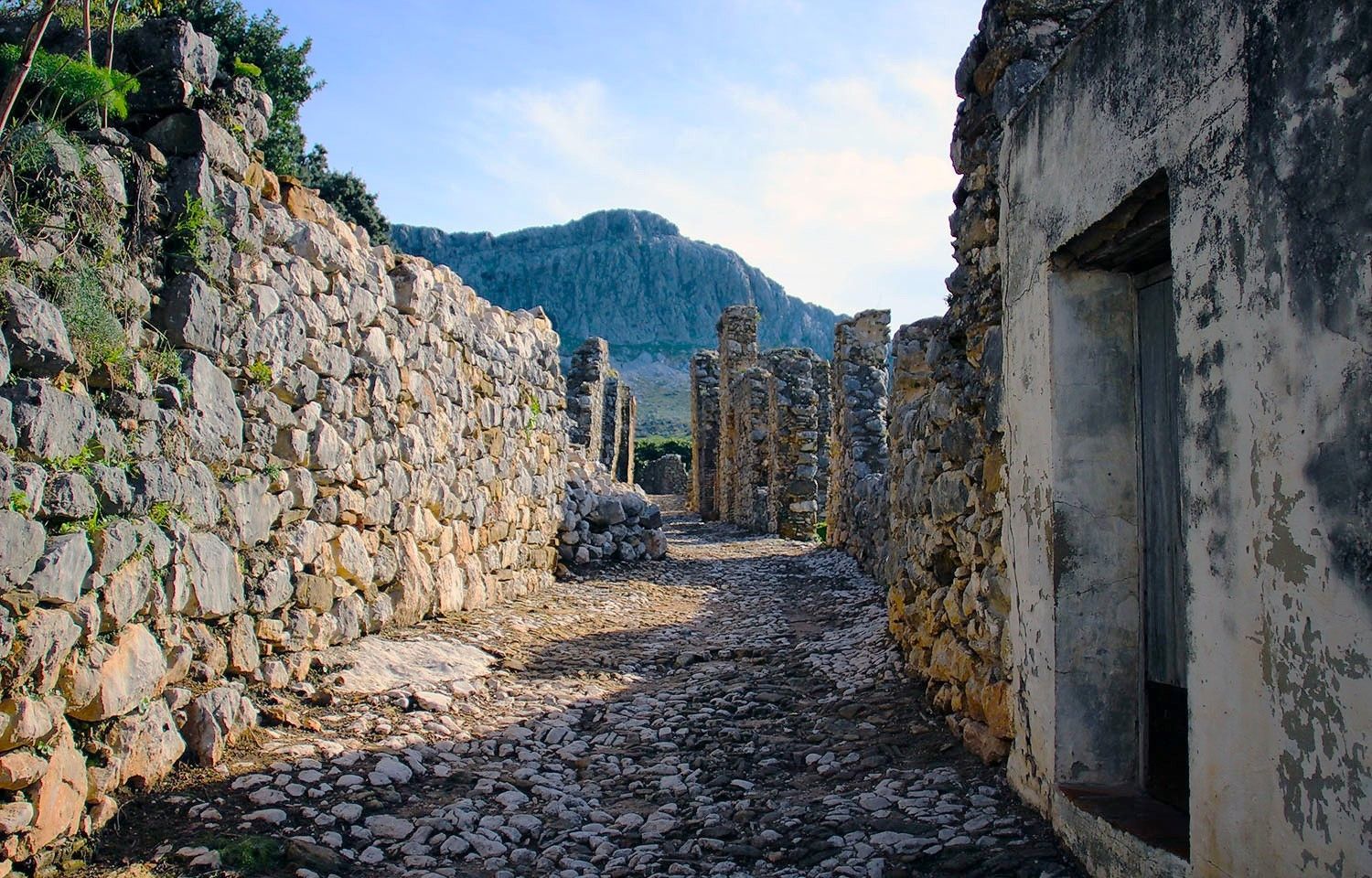
- The most popular caves is Cave Houses of Sierra Parda, a cave that served as homes for hydroelectric power station staff. These structures reflect a traditional construction method that utilized natural conditions.
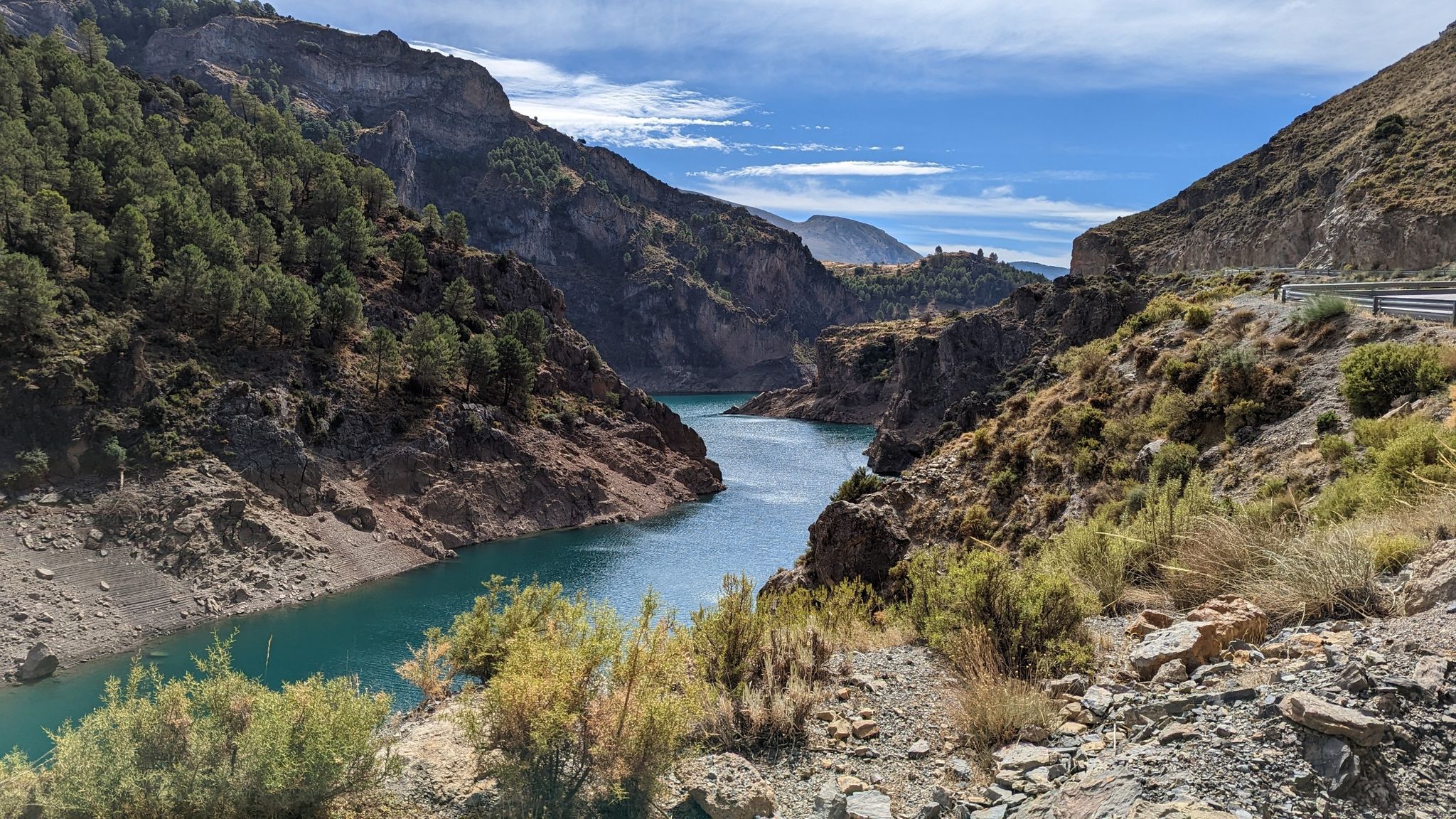
- Another must-see spot is Túnel de los Tafonis, a cave formed by erosion in sandstone rock. This short tunnel is located before the northern entrance to the Caminito del Rey.
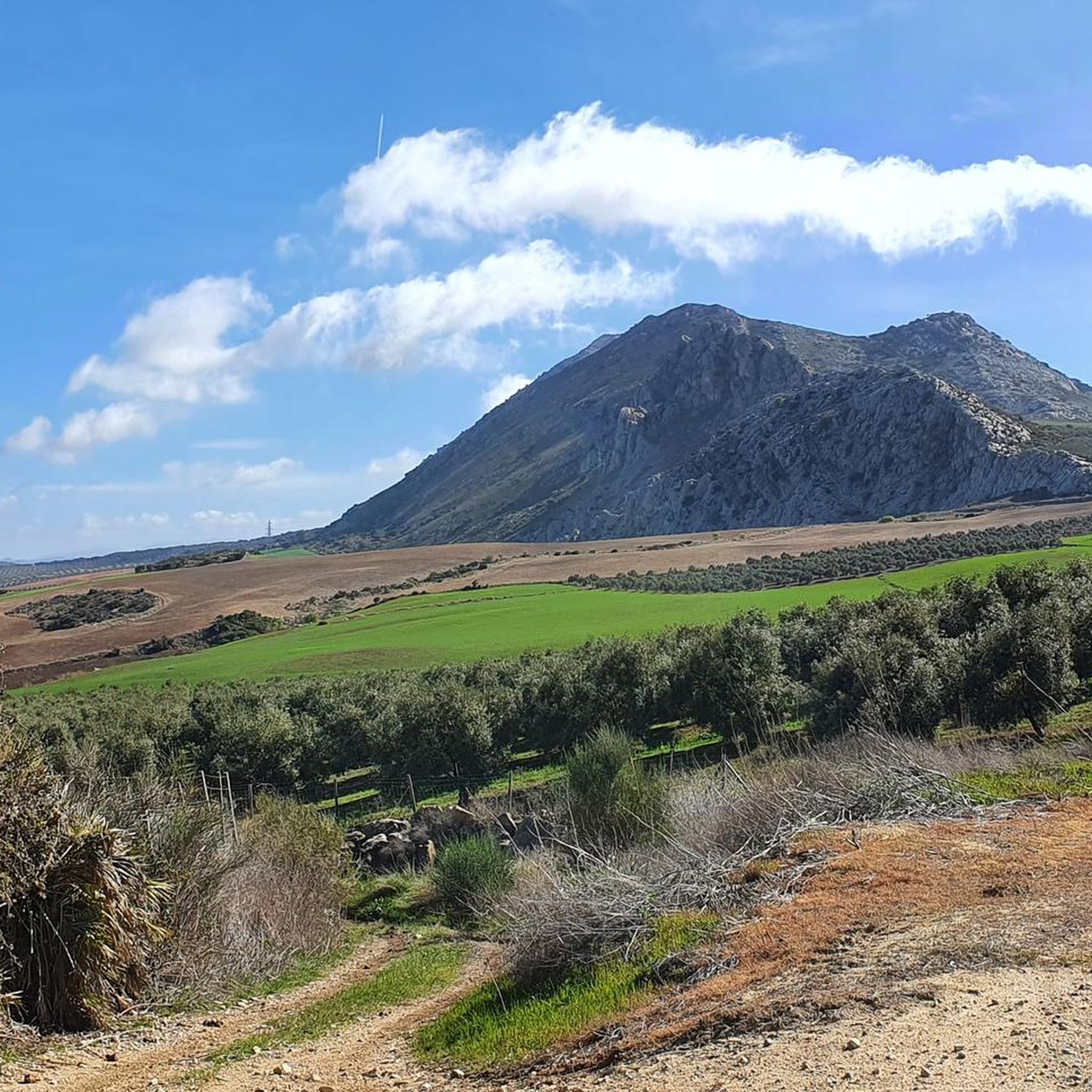
- Visitors also love Morrón de Mal Infierno, a natural monument with curious rock formations and some caves. This striking formation is located within the Bosque de Las Morillas.
- Antequera is known for megalithic burial sites, karstic formations, and rock-cut structures. The region offers a variety of caves to see and explore, from ancient dolmens to natural rock shelters.
- The caves around Antequera are appreciated by the komoot community, with more than 80 upvotes and 22 photos shared by visitors.
Last updated: June 20, 2026
Túnel de los Tafonis
Highlight • Cave
More information on the formation of the orographic/geological environment of the El Chorro region (Malaga): dialnet.unirioja.es/descarga/articulo/8712992.pdf
Translated by Google •
Tip by

Cave Houses of Sierra Parda
Highlight • Cave
Showing Translation
Tip by

Sign up now to discover places like this
Get recommendations on the best single tracks, peaks, & plenty of other exciting outdoor places.
Sign up for free
Morrón de Mal Infierno
Highlight • Natural Monument
Translated by Google •
Tip by

Mozarabic Rock-Cut Church of Bobastro
Highlight • Religious Site
preserved are parts of the Christian rock church and individual cave parts.
Translated by Google •
Tip by

Rock Formation with Caves
Highlight • Cave
Translated by Google •
Tip by

Sign up for free to discover even more caves around Antequera.
Sign up for free
Already have an account?
Start today with a free account
Your next adventure awaits.
Login or Signup
Popular around Antequera
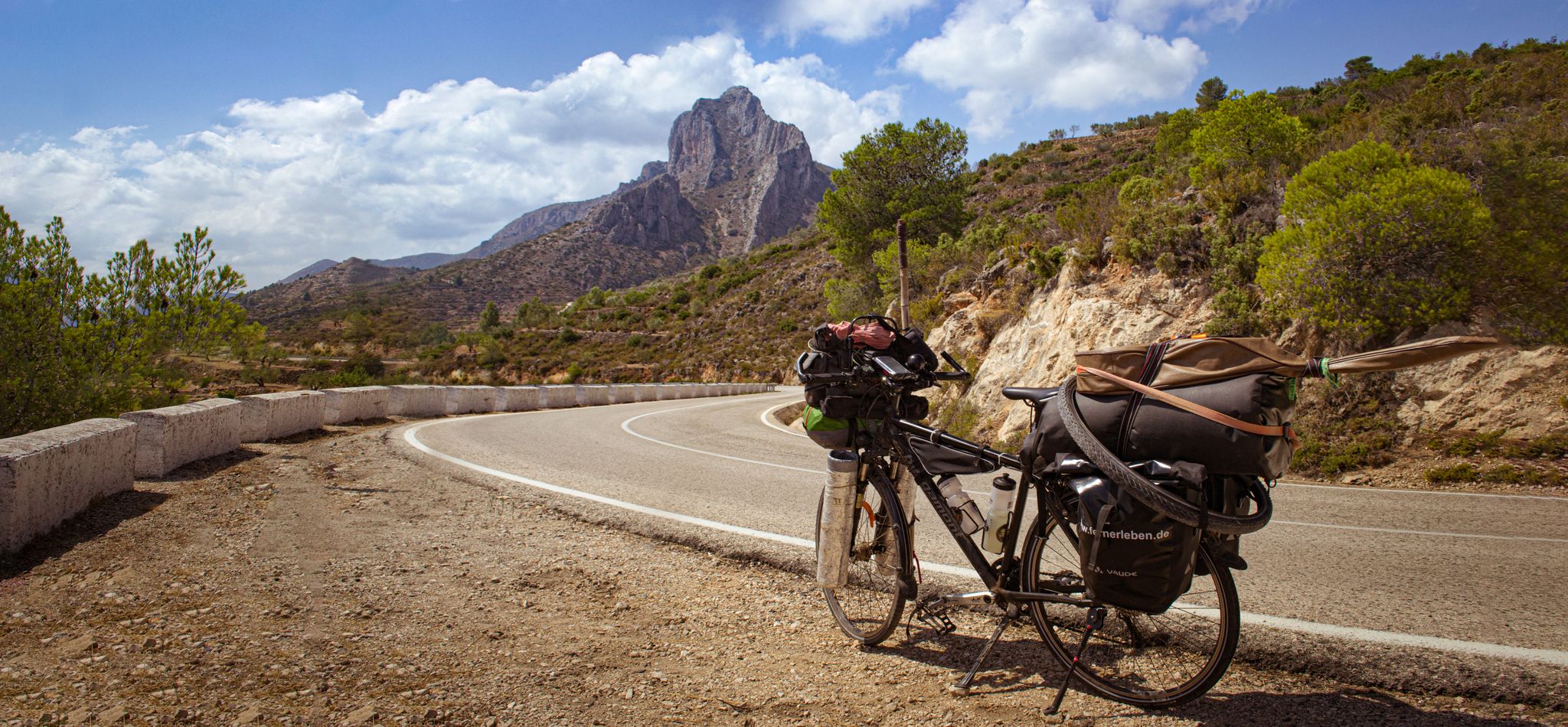
On the road to the sun — bikepacking to southeast Spain
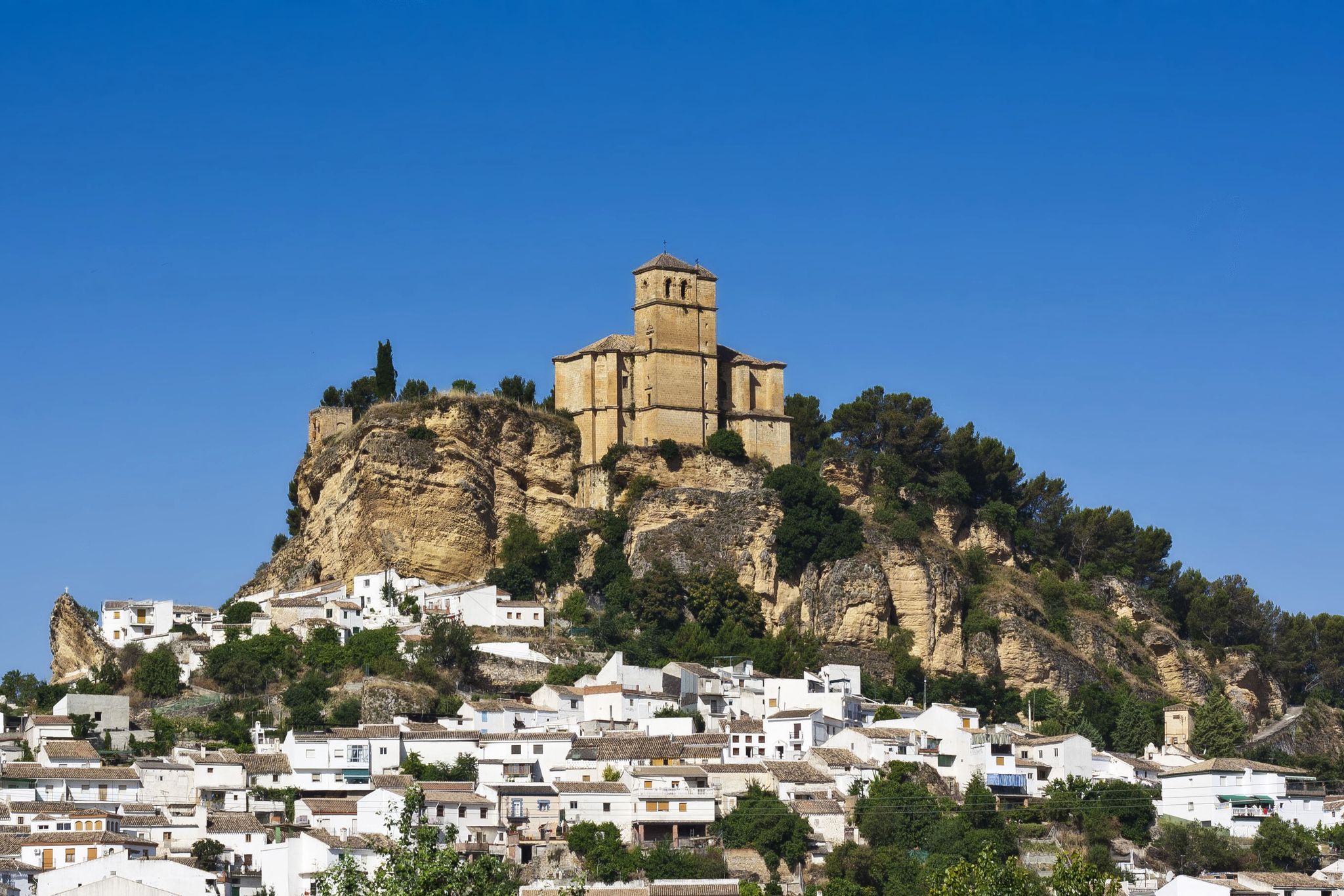
Washington Irving – cycle through the Arab vestiges of Andalusia
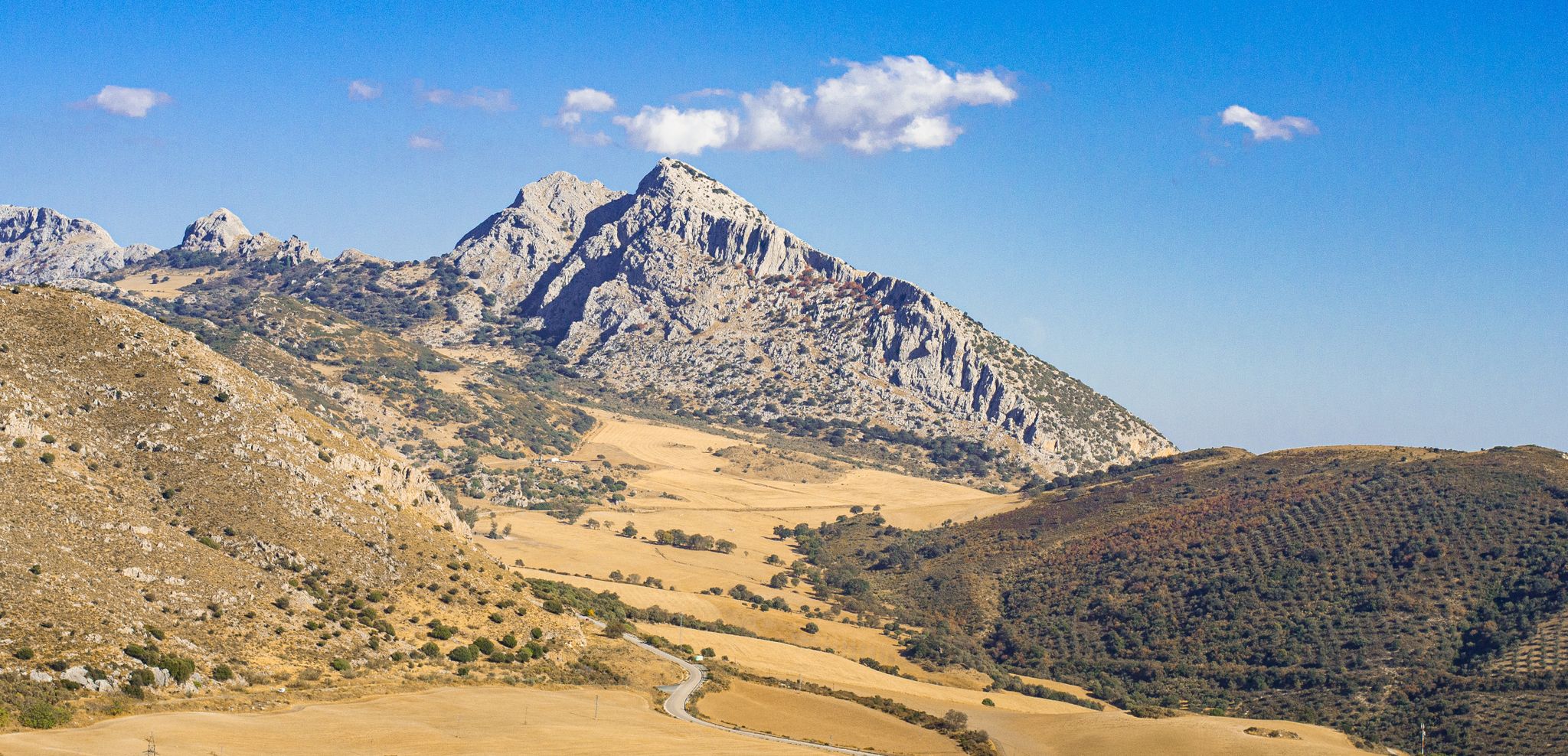
The beauty of the Andalusian mountains – Transandalus southern section
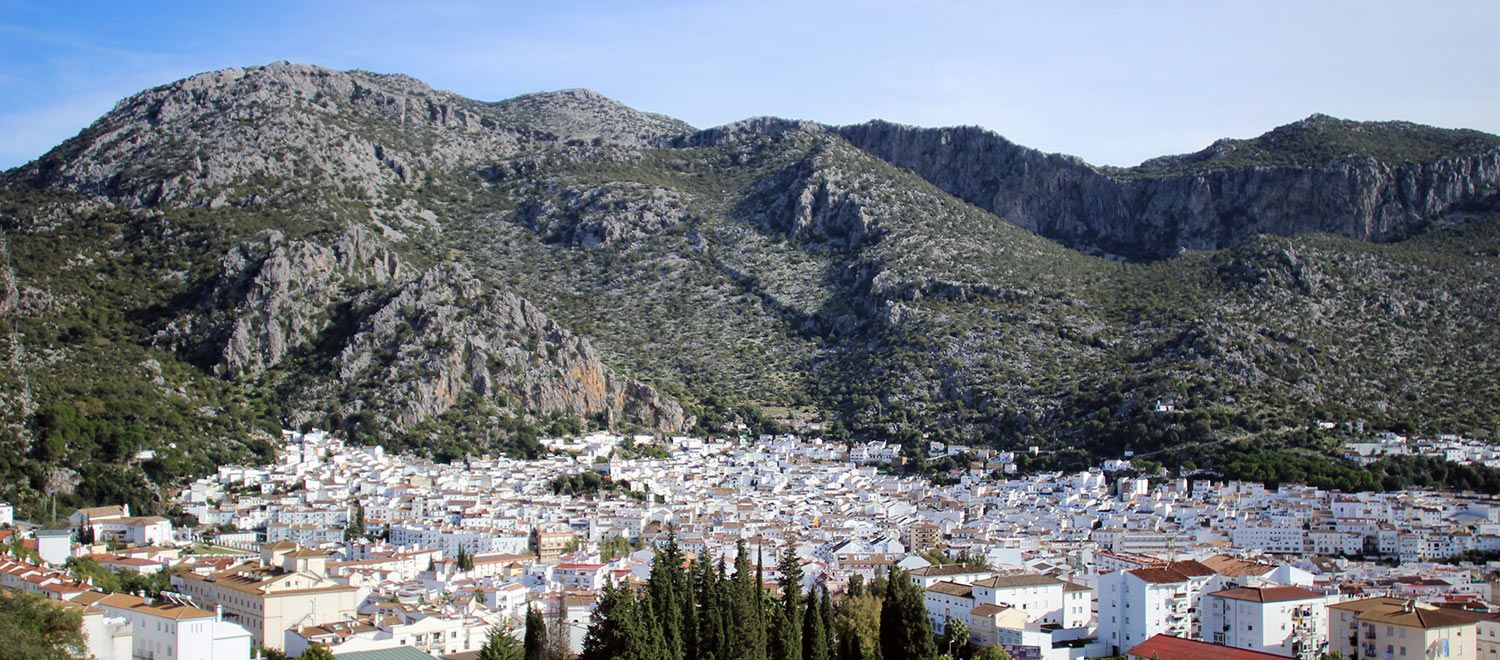
Explore the Betic Mountains on two wheels – Altravesur
Andalusia without limits – Tarifa to La Puebla de Don Fabrique on the GR 7
A journey through the Spanish hinterland – cycling across Andalusia
Hiking around Antequera
Road Cycling Routes around Antequera
Running Trails around Antequera
Cycling around Antequera
Other adventures around Antequera


Tips from the Community

Short tunnel that was built for the transport of helmets. As a pedestrian, you can also use the tunnel.
3
0
Caves that were formed by erosion, some still well preserved, others already collapsed. The workers of the hydroelectric power plant used to live here.
3
0

Short video about hiking in this area could be found on my YouTUBE Channel under the following https://www.youtube.com/watch?v=O9pw2RlrLgA
0
1
Short video about hiking in this area could be found on mu YouTUBE Channel under the following https://www.youtube.com/watch?v=O9pw2RlrLgA
0
0

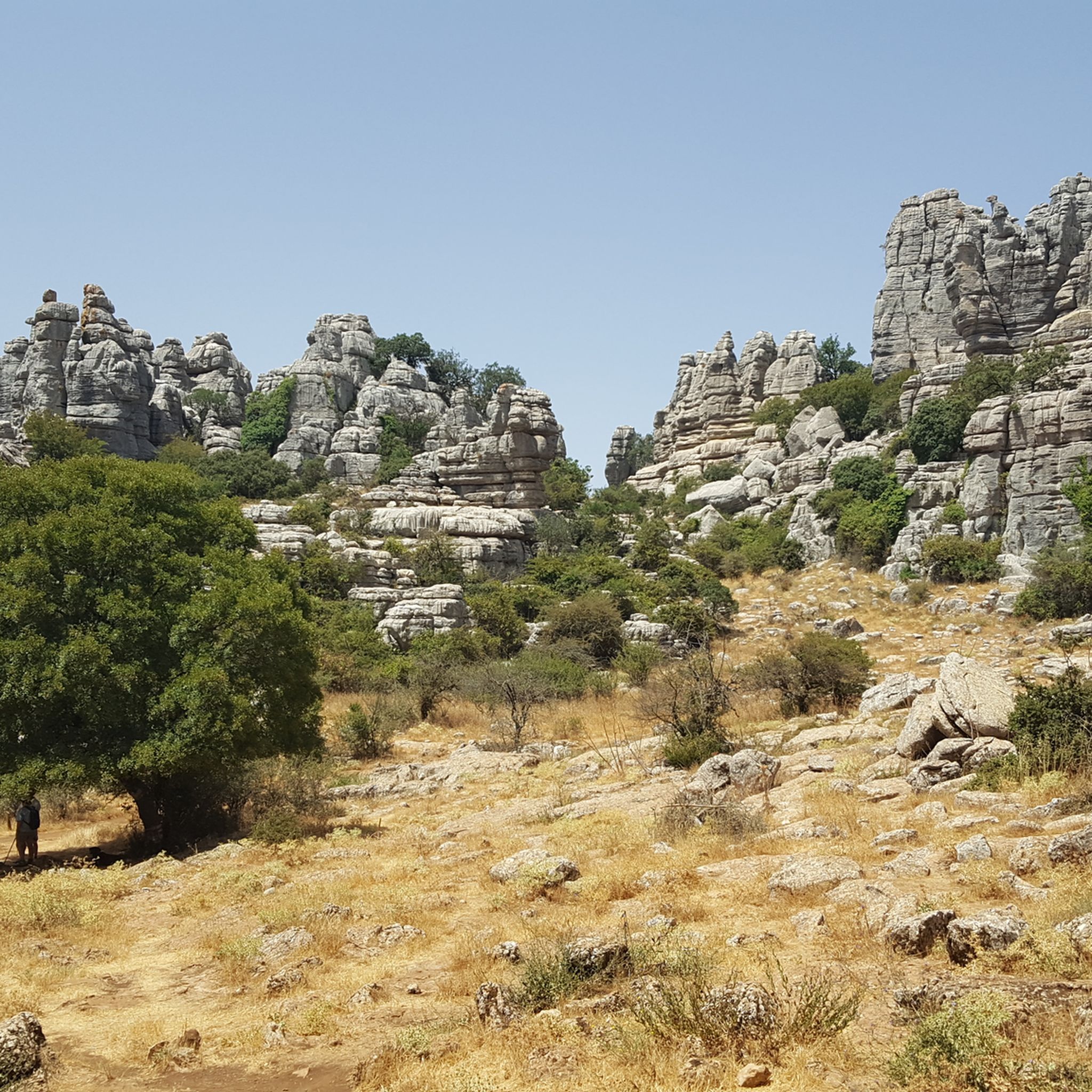
It is difficult to say whether these caves in the rock formation were created by man or naturally. You would have to climb to get in, but they are definitely an eye-catcher. Great landscape.
3
0

From the viewpoint of the Gaitanejo dam you can see the cave houses of the Sierra Parda, which served as homes for the hydroelectric power station staff. Source and further information https://www.spain.info/de/wanderrouten/caminito-del-rey-wandern-spanien/
2
1
Even the short hike from the car park to the entrance of the Caminito del Rey has its charm.
3
1

Frequently Asked Questions
What historical caves or sites can I visit in Antequera?
Antequera is rich in historical underground sites. You can explore the ancient megalithic burial chambers known as the Dolmens of Menga, Viera, and El Romeral, which are UNESCO World Heritage sites. Additionally, the Mozarabic Rock-Cut Church of Bobastro offers a glimpse into early Christian architecture carved into rock, and the Cliff Dwellings on the Guadalhorce River showcase traditional construction methods utilizing natural rock shelters.
What are the Dolmens of Antequera and why are they significant?
The Dolmens of Antequera consist of three monumental megalithic tombs: Menga, Viera, and El Romeral. These structures, built during the Neolithic and Bronze Age, served as burial chambers and held significant mystical importance. They are among the most impressive and well-preserved examples of prehistoric architecture in Europe, demonstrating sophisticated ancient engineering without mortar. Their alignment with natural landmarks suggests astronomical or cultic significance.
What kind of natural cave formations can I explore in Antequera?
The region offers unique natural geological formations, primarily within El Torcal de Antequera Natural Park. This park features a stunning karst landscape with impressive limestone formations, numerous caves, potholes, and underground fissures formed by water erosion. You can also visit the Túnel de los Tafonis, a short tunnel formed by erosion in sandstone rock, and the Morrón de Mal Infierno, a natural monument with curious rock formations and some caves.
What makes El Torcal de Antequera unique for cave exploration?
El Torcal de Antequera is a UNESCO World Heritage site renowned for its unique karst landscape. While not traditional open caves, it features an intricate system of underground caves, potholes, and fissures formed by millions of years of water dissolution. The park's surreal rock formations and the opportunity to explore some of its underground passages on guided 'cave trails' make it a truly special natural adventure. The Cueva del Toro (Bull's Cave) is a notable historical cave within the park.
Are there any ancient human-made cave dwellings in the Antequera area?
Yes, you can find examples of human-made cave dwellings. The Cave Houses of Sierra Parda are notable, as they served as homes for hydroelectric power station staff, reflecting a traditional construction method that utilized natural conditions. Similarly, the Cliff Dwellings on the Guadalhorce River also represent historical structures built into rock walls, used as shelters or homes.
Are there family-friendly cave experiences in Antequera?
Yes, El Torcal de Antequera Natural Park offers various marked trails suitable for families, allowing exploration of its unique geology and rock formations. Some 'cave trails' are available, and the Visitors Centre provides exhibitions. The Túnel de los Tafonis is also a short, accessible tunnel that can be an interesting stop for families.
What outdoor activities can I combine with visiting caves in Antequera?
The Antequera region is excellent for combining cave visits with other outdoor activities. You can find numerous hiking routes around Antequera, especially within El Torcal Natural Park, which offers trails ranging from moderate to difficult. There are also extensive road cycling routes and running trails that allow you to explore the diverse landscapes surrounding the cave sites.
What is the best time of year to visit the caves and natural parks in Antequera?
The best time to visit the caves and natural parks in Antequera is generally during the spring (March to May) and autumn (September to November). During these seasons, the weather is milder and more pleasant for exploring the outdoor sites like El Torcal. Summer can be very hot, making extensive outdoor activities challenging, while winter can be cooler but still suitable for visits, especially to the indoor Dolmens.
How long does it typically take to explore the Dolmens of Antequera?
To fully appreciate the three Dolmens (Menga, Viera, and El Romeral), it is recommended to allocate at least 2-3 hours. This allows sufficient time to explore each monument, understand their historical significance, and visit the interpretation center. The sites are relatively close to each other, making it easy to visit all three in one outing.
Are the Dolmens of Antequera accessible for all visitors?
The Dolmens of Antequera are generally accessible. The main sites have visitor facilities, and efforts have been made to improve accessibility for people with reduced mobility. It's advisable to check specific accessibility details for each dolmen before your visit, especially regarding paths within the monuments themselves. Parking is available at the sites, and public transport options to Antequera town are also available.
What do visitors particularly enjoy about the caves and natural sites around Antequera?
Visitors frequently highlight the unique blend of history and nature. The sheer scale and ancient engineering of the Dolmens, particularly Menga, leave a lasting impression. In El Torcal, the surreal karst landscape and the opportunity for unique natural adventures are often praised. The Túnel de los Tafonis is noted for its charm as a starting point for walks, and the Morrón de Mal Infierno is appreciated for its striking rock formations.
Can I find food and accommodation near the cave attractions in Antequera?
Yes, Antequera town offers a variety of cafes, pubs, and restaurants where you can enjoy local cuisine. There are also numerous accommodation options ranging from hotels to guesthouses. Near El Torcal de Antequera Natural Park, you'll find a Visitors Centre which may have a cafe, and some restaurants and accommodation options are available in the surrounding areas, though more choices are in Antequera itself.
Most popular routes around Antequera
Most popular attractions around Antequera

Get inspired with the komoot mobile app


Explore more
Extend your search for the best caves by checking out these guides of the top ones around Antequera:
