The best running trails around Antequera
4.5
(24)
1,086
runners
80
runs
Jogging around Antequera offers diverse terrain, from the unique karst formations of El Torcal Natural Park to the serene environments surrounding the Guadalhorce-Guadalteba reservoirs. The region features rugged mountains, such as those found in Sierra de las Nieves National Park, alongside urban and rural trails that wind through historical sites. Runners can explore a mix of limestone landscapes, pine forests, and open countryside, providing varied surfaces for different running preferences.
Best jogging routes around Antequera
- The most popular jogging route…
Last updated: August 17, 2026
6
runners
9.67km
01:22
380m
380m
Hard run. Very good fitness required. Mostly accessible paths. Some sure footedness required.
4.6
(5)
73
runners
7.75km
00:50
80m
80m
Moderate run. Good fitness required. Mostly paved surfaces. Suitable for all skill levels.

Sign up for free
5.0
(1)
55
runners
Hard run. Great for any fitness level. Sure-footedness, sturdy shoes and alpine experience required.
44
runners
4.99km
00:33
50m
50m
Easy run. Great for any fitness level. Mostly paved surfaces. Suitable for all skill levels.
29
runners
9.49km
01:01
150m
150m
Moderate run. Good fitness required. Mostly paved surfaces. Suitable for all skill levels.
Get access to more routes and recommendations from other explorers.
Sign up for free
Already have an account?
Our route recommendations are based on thousands of hikes, rides, and runs completed by other people on komoot.
Start today with a free account
Your next adventure awaits.
Login or Signup
Popular around Antequera
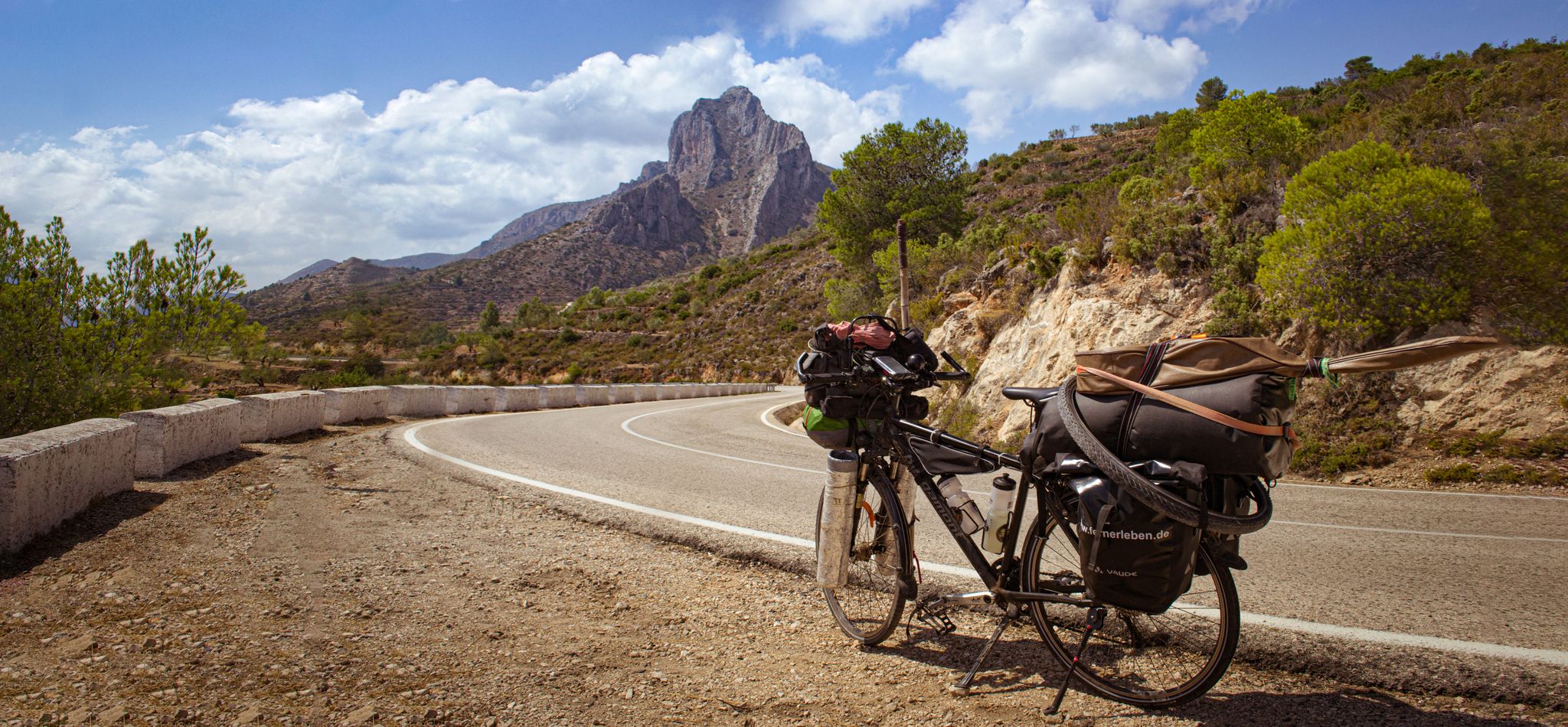
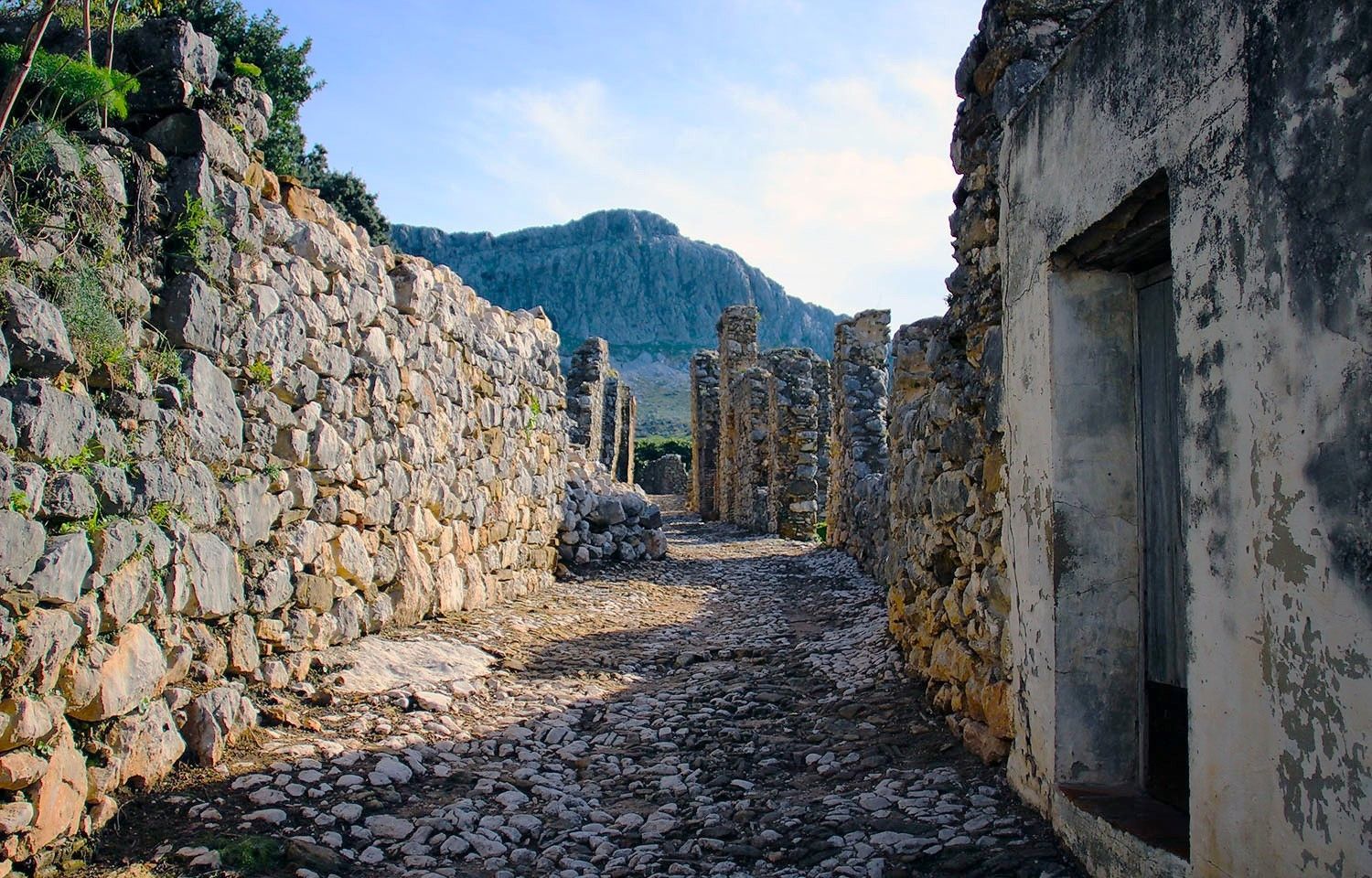
On the road to the sun — bikepacking to southeast Spain
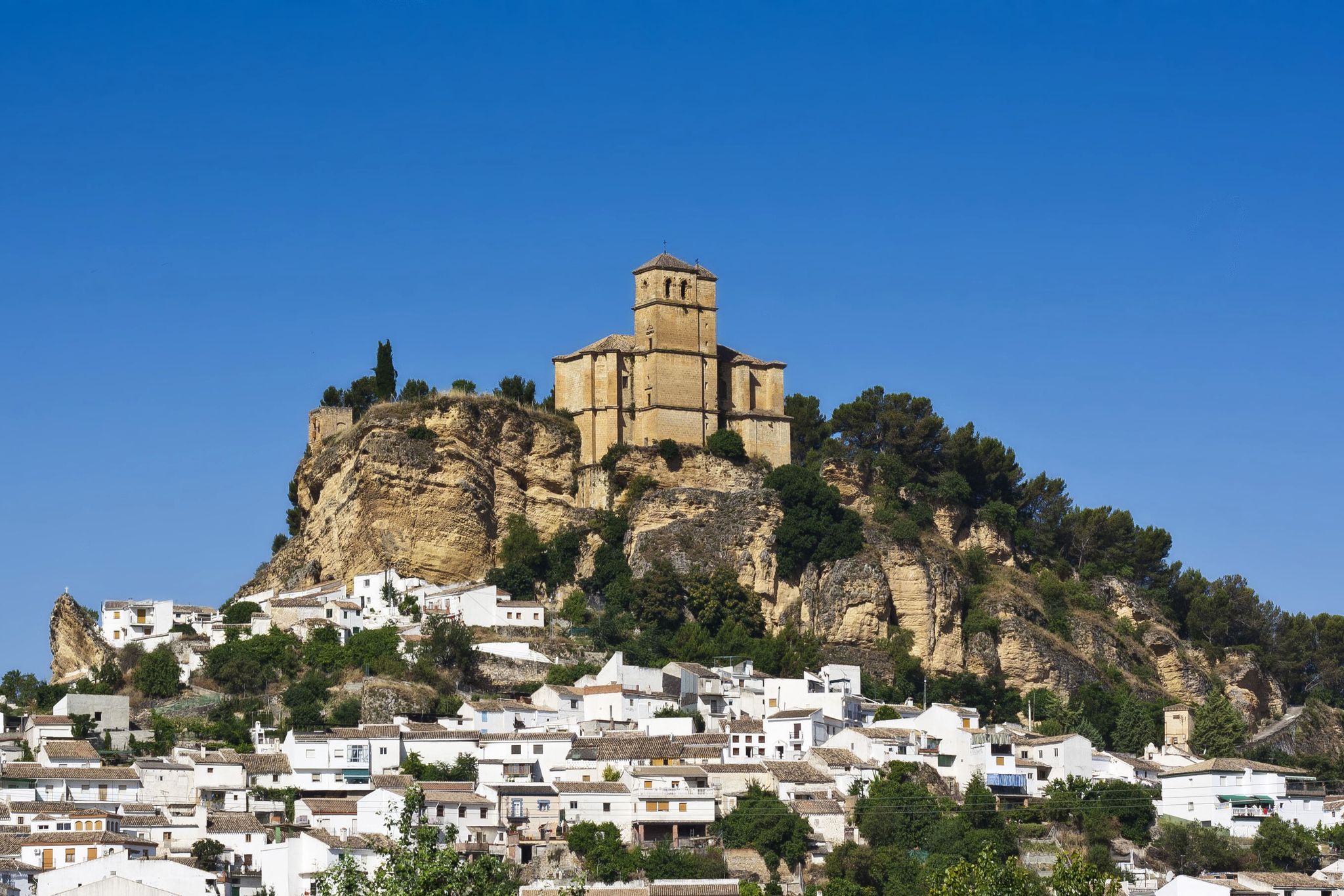
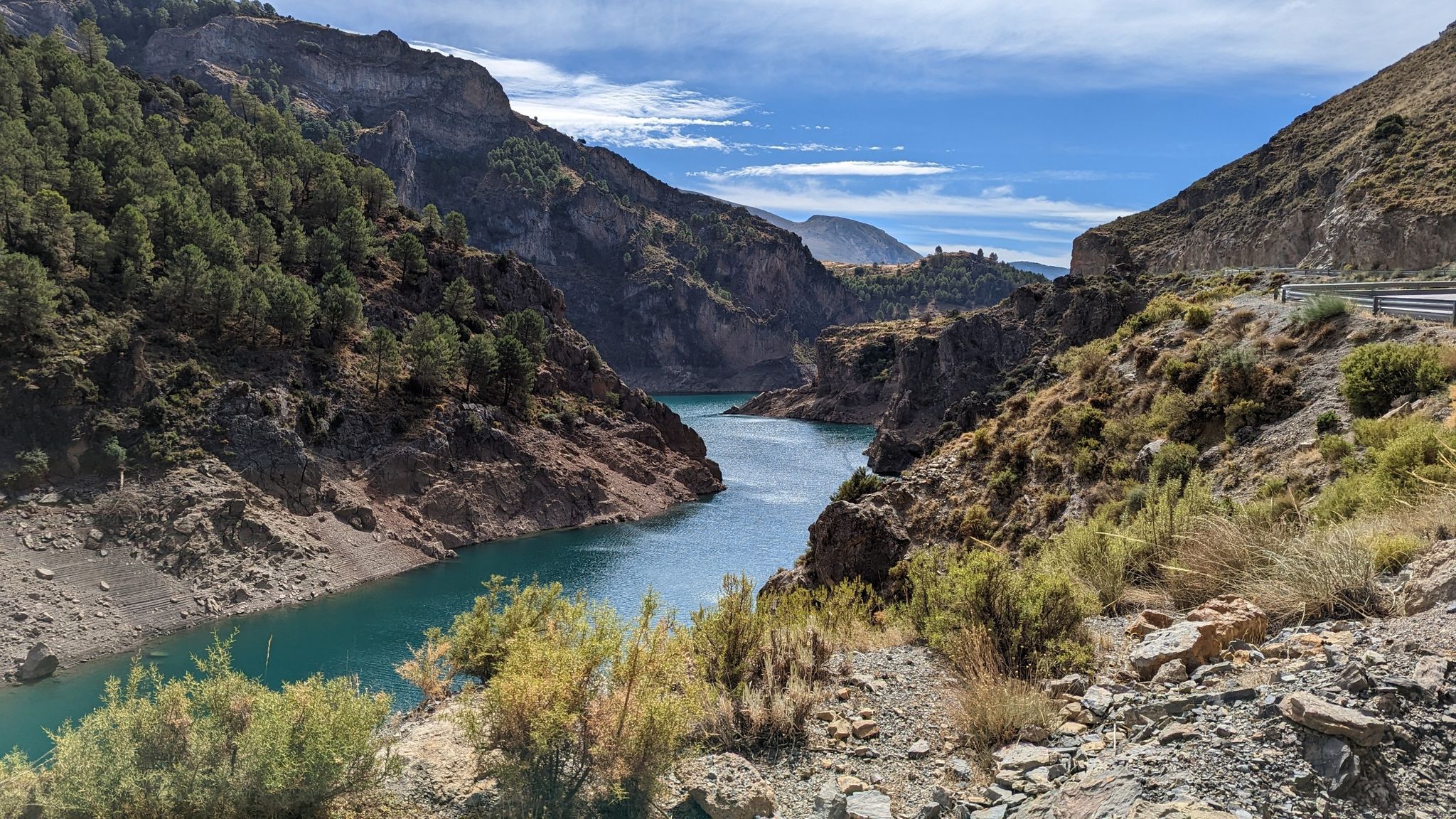
Washington Irving – cycle through the Arab vestiges of Andalusia
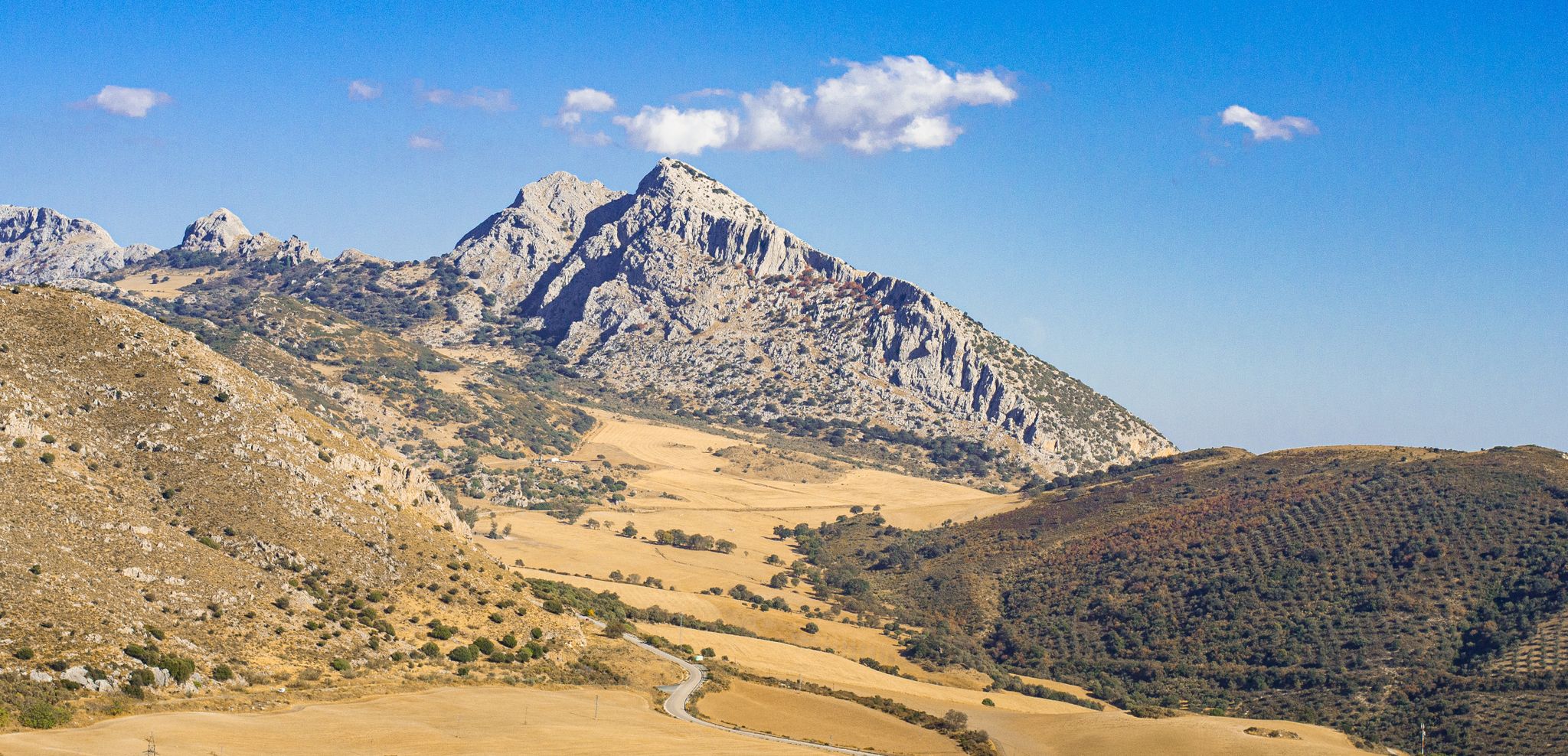
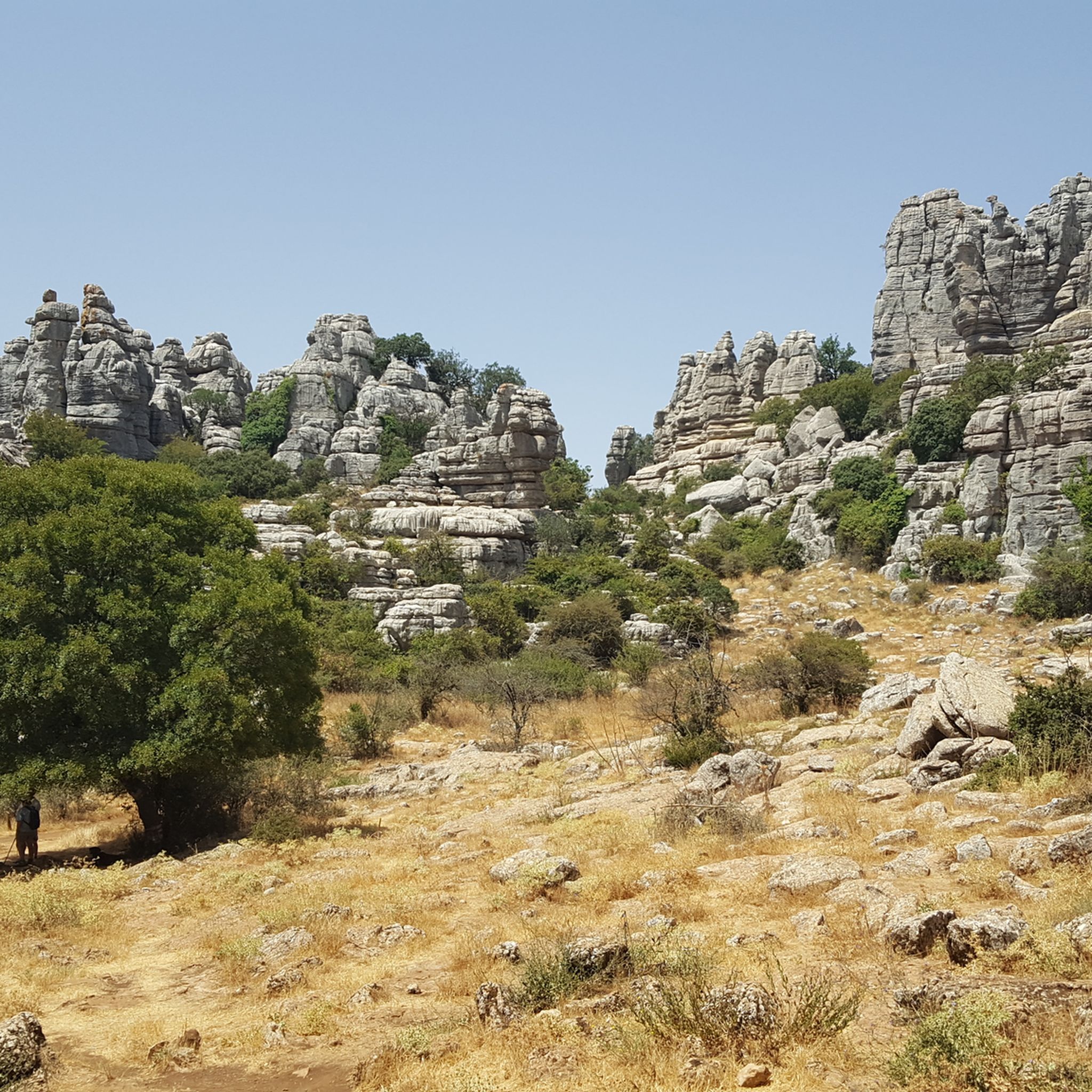
The beauty of the Andalusian mountains – Transandalus southern section
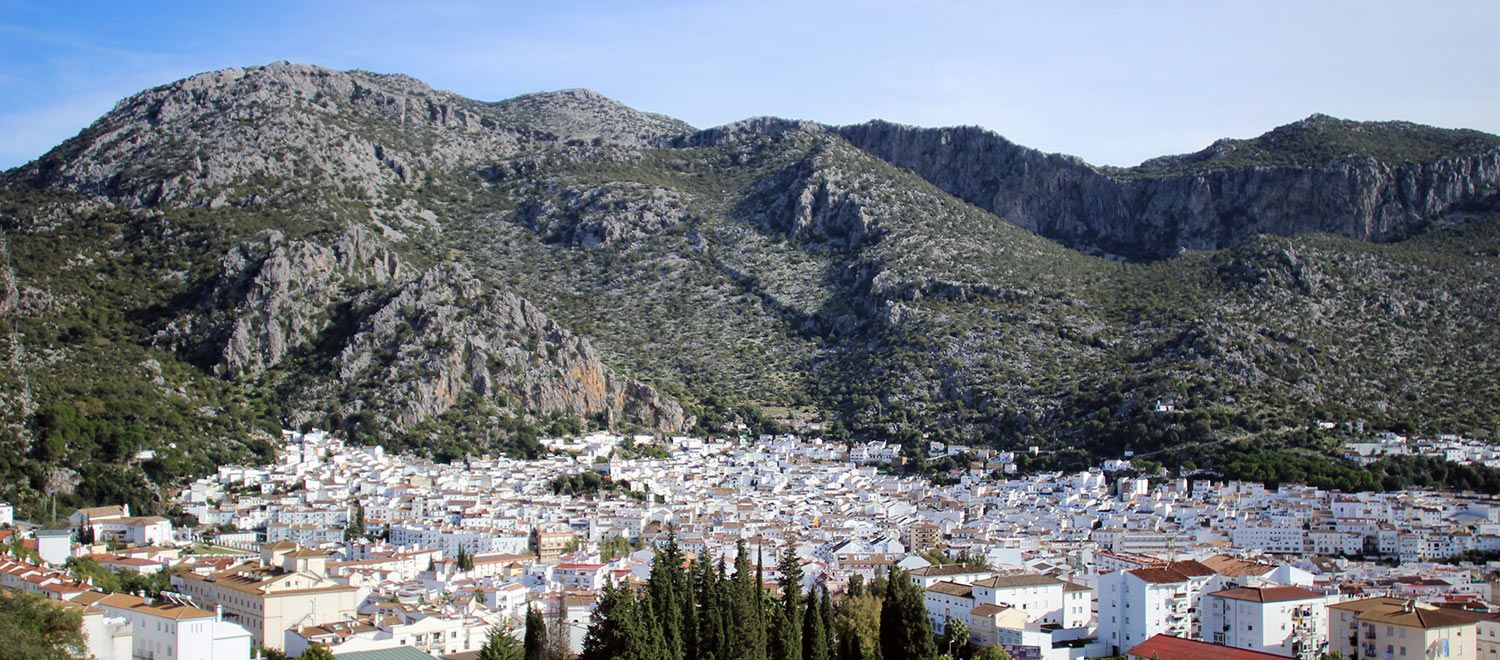
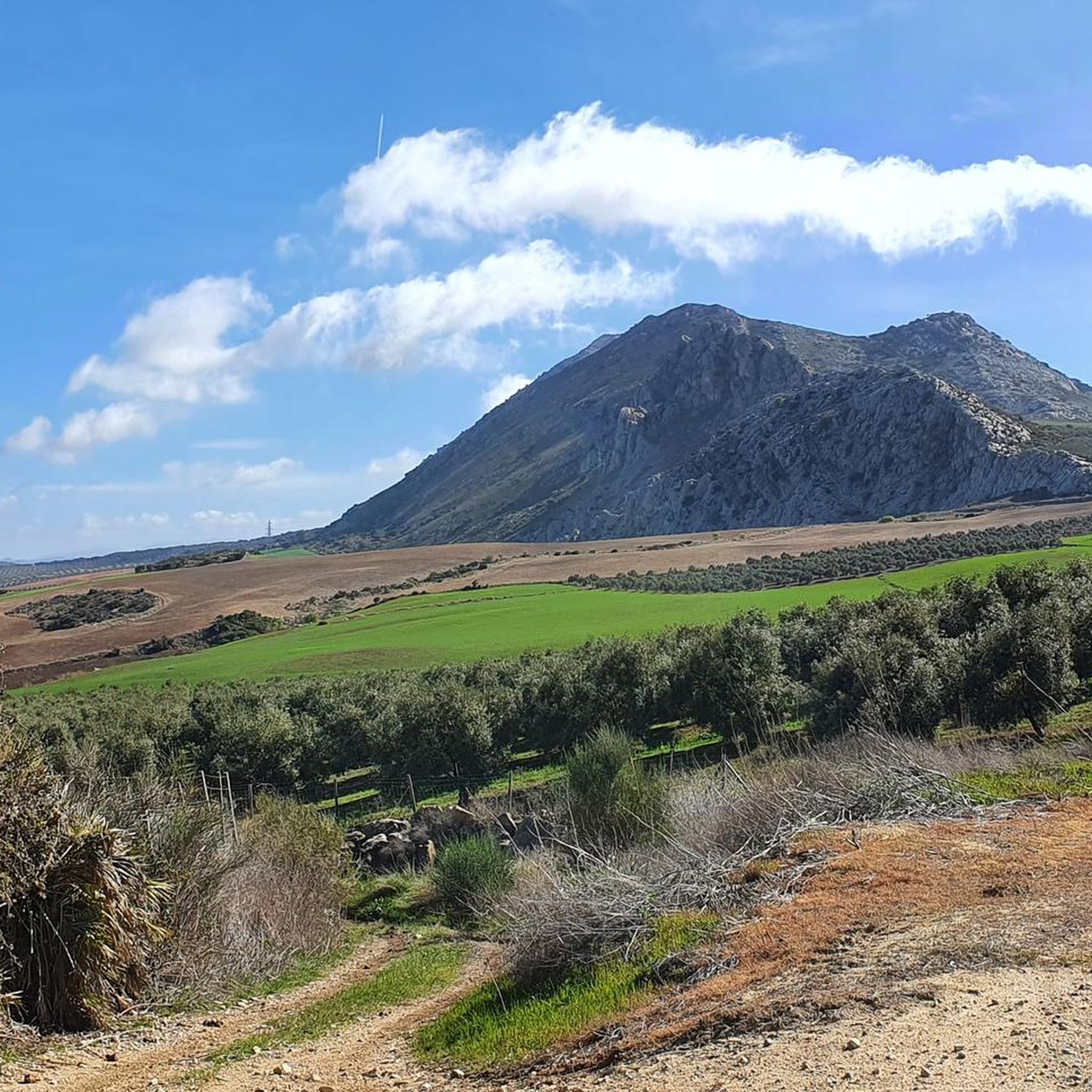
Explore the Betic Mountains on two wheels – Altravesur
Andalusia without limits – Tarifa to La Puebla de Don Fabrique on the GR 7
A journey through the Spanish hinterland – cycling across Andalusia
Hiking around Antequera
Road Cycling Routes around Antequera
Cycling around Antequera
MTB Trails around Antequera
Other adventures around Antequera


Tips from the Community

The various hiking routes start here. Next to the information center, there is also a restaurant, whose cuisine is said to be tasty and reasonably priced. Unfortunately, we couldn't try it due to lack of time.
0
0
The paths through these formations are simply wonderful to walk and you can hardly stop marveling.
0
0

The Mirador Niña de Antequera offers excellent views over the eastern part of the old town of Antequera and the surrounding mountains.
0
0

The Alcazaba de Antequera is a 14th-century Moorish fortress in the heart of the Andalusian city of Antequera. Built on the remains of an ancient Roman settlement, it served as a defensive fortification during the Muslim rule, protecting the city and the surrounding valley. After the Christian conquest in 1410 by Infante Ferdinand of Castile, the fortress became a key strategic point in the Kingdom of Castile. The imposing Torre del Homenaje (Tower of Homage) is particularly impressive, one of the largest keeps in Andalusia, offering panoramic views of the city, the Peña de los Enamorados (Peño de los Enamorados rock formation), and the surrounding landscape. A bell tower was later added to the tower, housing a large bell dating from 1582. Within the walls, remnants of residential buildings, cisterns, and fortifications can still be seen. Today, the Alcazaba is open to the public, offering a fascinating glimpse into the history of Antequera and Andalusia through its panoramic views and audio guides.
1
1
The city gate of Antequera was built in 1749 in the Baroque style, demolished in the 19th century, and faithfully reconstructed in the 1990s. Today, the Puerta de Estepa is a symbolic gateway to the city.
3
0
The "Monumento a los vecinos de la Madina Antaqira" in Antequera was inaugurated on September 24, 2010, and commemorates the inhabitants of the Moorish town of Madina Antaqira who were expelled from their homeland during the Reconquista. Many of these families moved to Granada, where they founded the historic district of La Antequeruela. The monument is located in the Plaza del Carmen, in front of the Torre del Asalto, and consists of a sculptural group depicting the Muslim families in traditional clothing. It is one of the few monuments in Spain that does not celebrate the Christian conquest, but rather preserves the memory of the expelled Muslim population and keeps their history alive.
0
0
The Mirador Michael Hoskin in Antequera is a modern lookout point dedicated to the British astronomy historian Michael Hoskin. Located in the Plaza de los Escribanos, not far from the dolmen complex, it offers impressive views of the landscape, particularly the striking Peña de los Enamorados. The lookout commemorates Hoskin's important research into the alignment of Antequera's dolmens. He discovered that the megalithic tombs—most notably the Dolmen de Menga—are not aligned according to astronomical celestial events, but rather to specific landscape features. This groundbreaking discovery contributed significantly to the dolmen complex being declared a UNESCO World Heritage Site in 2016. The mirador consists of a bronze bust of Hoskin facing the Peña de los Enamorados and a designed platform from which visitors can understand the relationship between the dolmens, the landscape, and the sightlines. The site is open to the public and invites visitors to experience the special connection between nature, science and history that makes Antequera a unique cultural landscape.
0
0
The Puerta de Estepa city gate is one of Antequera's most striking buildings and marks the historic entrance to the city. It is located at the end of the Alameda de Andalucía, very close to the Plaza de la Constitución, where the modern city merges into the historic old town. The gateway with its three round arches was built in 1749 in the Baroque style and once served as a welcoming gateway for travelers coming from the direction of Estepa. The structure was demolished in the 19th century but faithfully rebuilt in the 1990s. Today, the Puerta de Estepa city gate is a popular photo opportunity and a symbolic gateway to the city. The view of the old town through the arches is particularly impressive.
4
0
Frequently Asked Questions
How many running routes are available around Antequera?
There are over 60 dedicated running routes around Antequera, offering a wide range of options for different skill levels and preferences. These include everything from gentle urban loops to challenging mountain ascents.
Are there any easy or beginner-friendly jogging routes in Antequera?
Yes, Antequera offers several routes suitable for beginners or those looking for an easier run. While many routes are moderate to difficult, you can find options that are less strenuous. For example, some urban trails or sections around the Guadalhorce-Guadalteba reservoirs provide flatter terrain. Komoot lists 2 easy routes in the area.
What are some good options for long-distance running in the Antequera region?
For runners seeking longer distances, the Antequera area has several challenging options. The Campsite Near El Torcal – Río de la Villa Spring loop from Restaurante Molino Blanco is a difficult 16.5 km route. Additionally, the expansive natural environments of El Torcal Natural Park and Sierra de las Nieves National Park offer numerous trails that can be combined for extended runs.
Can I find family-friendly running routes in Antequera?
Yes, the region offers routes suitable for families. While specific 'family-friendly' routes aren't explicitly tagged, many of the shorter, less challenging trails within El Torcal Natural Park, such as the Green Trail (around 45 minutes), are ideal for a family outing. Urban routes like the Estepa Gate loop from Antequera Dolmens Site also provide a moderate option with points of interest.
Are dogs allowed on the running trails around Antequera?
Generally, dogs are welcome on many outdoor trails in the Antequera region, especially in natural parks like El Torcal and Sierra de las Nieves, provided they are kept on a leash. However, it's always advisable to check specific park regulations or route descriptions before heading out, as some protected areas or urban parks might have restrictions.
What kind of scenic views can I expect on the running routes in Antequera?
Antequera's running routes offer incredibly diverse and scenic views. You can experience the surreal, ancient karst landscapes of The Torcal of Antequera, with its unique rock formations. Other routes provide panoramic mountain vistas in Sierra de las Nieves, serene reservoir views around Guadalhorce-Guadalteba, or a blend of historic architecture and natural beauty on urban trails passing sites like the Dolmens and the Alcazaba.
Are there any circular running routes available in Antequera?
Yes, many of the running routes in Antequera are designed as loops, allowing you to start and finish in the same location. Examples include the Estepa Gate loop from Antequera Dolmens Site and the Historic Centre of Antequera – The Alcazaba of Antequera loop from Antequera Dolmens Site. Several trails within El Torcal Natural Park, such as the Plazoleta Cuatro Torres – The Torcal of Antequera loop from Paraje Natural Torcal de Antequera, are also circular.
What are some interesting landmarks or attractions to see along the running routes?
Antequera's routes often combine exercise with sightseeing. You can run past the ancient Dolmens of Antequera, the impressive Alcazaba fortress, and through the historic city center. In the natural areas, you'll encounter the extraordinary rock formations of The Torcal of Antequera and The Cathedrals of El Torcal. The nearby Caminito del Rey is also a significant natural monument in the wider region.
What do other runners enjoy most about jogging in Antequera?
The running routes in Antequera are highly rated by the komoot community, with an average score of 4.5 stars. Reviewers often praise the unique and diverse landscapes, from the surreal karst formations of El Torcal to the historical urban trails. The variety of terrain and the opportunity to combine exercise with exploring natural wonders and historical sites are frequently highlighted.
Are there any accessible running routes for people with mobility challenges?
While specific data on fully accessible routes is limited, some urban paths and sections of trails around the Guadalhorce-Guadalteba reservoirs might offer flatter, wider surfaces suitable for a broader range of users. For detailed accessibility information, it's recommended to check individual route descriptions or contact local tourist information centers.
What is the best season for running in Antequera?
The best seasons for running in Antequera are typically spring (March to May) and autumn (September to November). During these periods, the weather is milder and more pleasant, avoiding the intense heat of summer and the cooler, sometimes wetter, conditions of winter. Spring also brings blooming wildflowers, adding to the scenic beauty.
Are there any running routes with cafes or refreshment stops nearby?
Yes, especially on urban routes or those near visitor centers. For instance, routes through Antequera's historic center will have numerous cafes and shops. El Torcal Natural Park has a visitor center with facilities. For routes in more remote natural areas, it's always best to carry your own water and snacks, as refreshment stops may be scarce.
Most popular attractions around Antequera

Get inspired with the komoot mobile app


Explore more
Browse the best Running Trails & Routes in other regions.
