Top 5 Caves around Rebolledo De La Torre
Caves around Rebolledo De La Torre are primarily found in the wider Burgos province, an area known for its significant karstic monuments and diverse natural landscapes. While Rebolledo de la Torre itself is recognized for its Romanesque architecture, the surrounding region offers numerous geological features and points of interest for cave exploration. The terrain features a mix of historical sites and natural formations, including extensive cave systems formed by ancient rivers. These natural features provide opportunities for exploring underground environments.
…Last updated: July 4, 2026
Horadada Tunnel
Highlight • Cave
Translated by Google •
Tip by

Cave of Amaya
Highlight • Cave
Translated by Google •
Tip by
Sign up now to discover places like this
Get recommendations on the best single tracks, peaks, & plenty of other exciting outdoor places.
Sign up for free
Well of the Cueva de los Franceses
Highlight • Cave
Translated by Google •
Tip by

Cave of San Martín (Villarén de Valdivia)
Highlight • Cave
Translated by Google •
Tip by
CuevaAmaya
Highlight • Cave
Translated by Google •
Tip by
Sign up for free to discover even more caves around Rebolledo De La Torre.
Sign up for free
Already have an account?
Start today with a free account
Your next adventure awaits.
Login or Signup
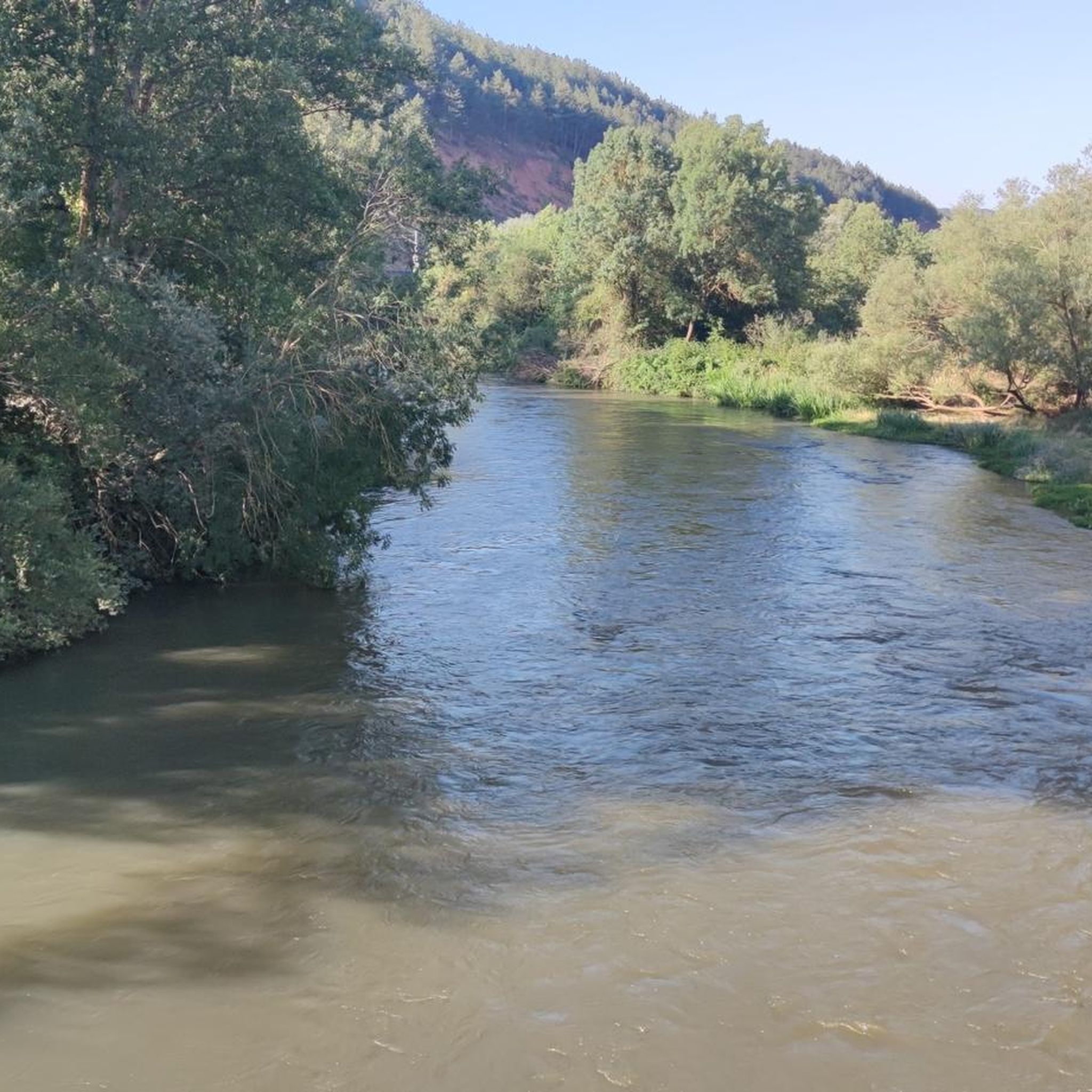
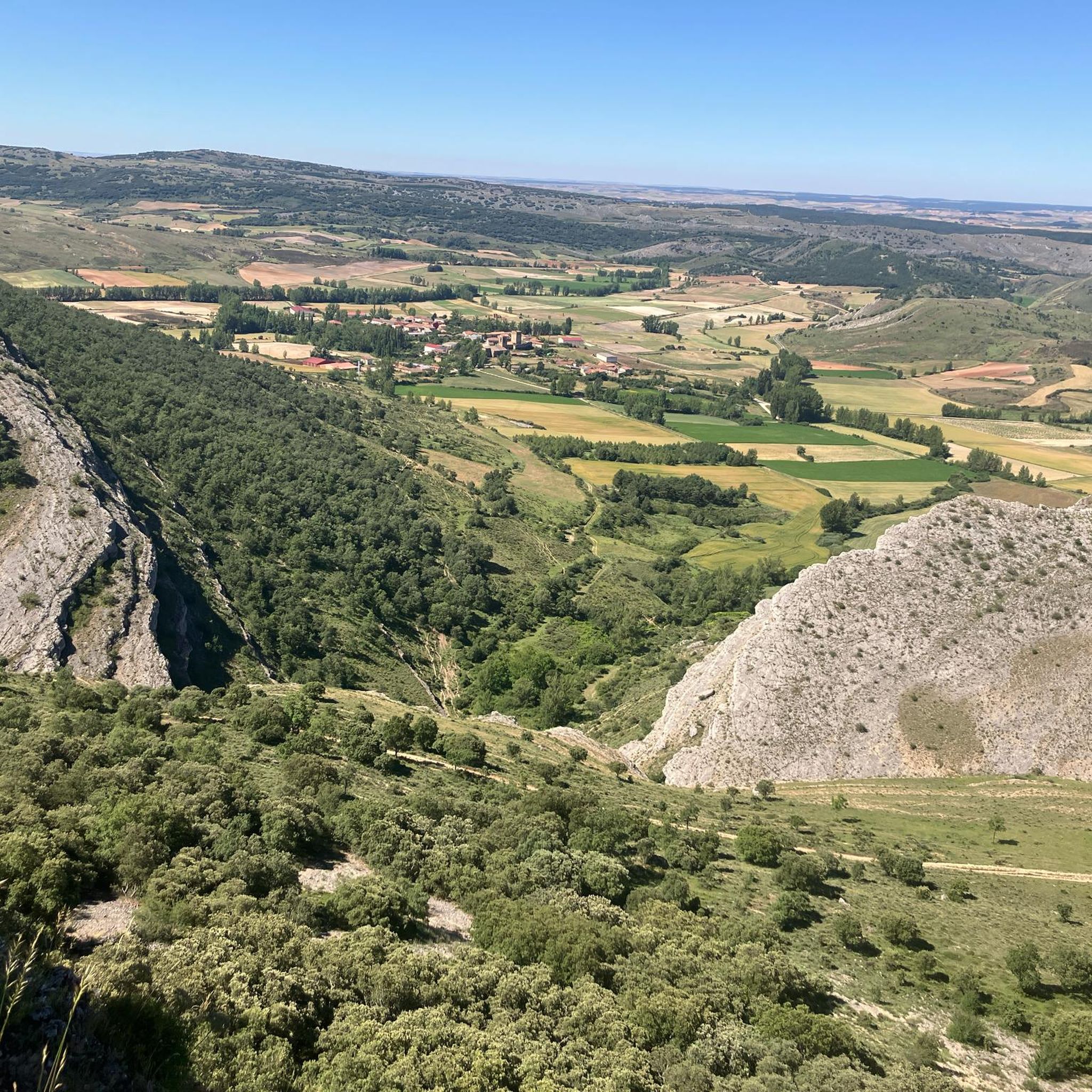
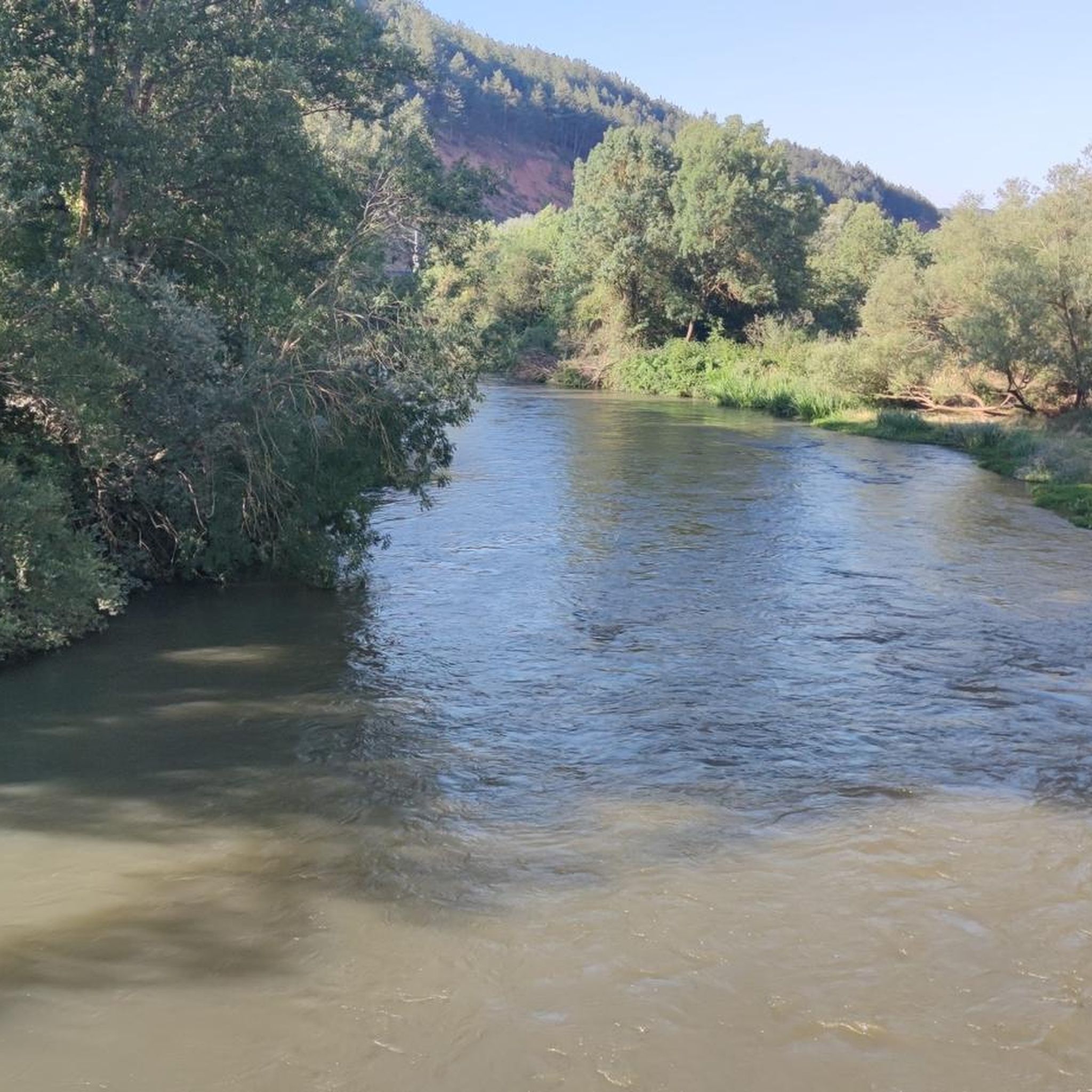
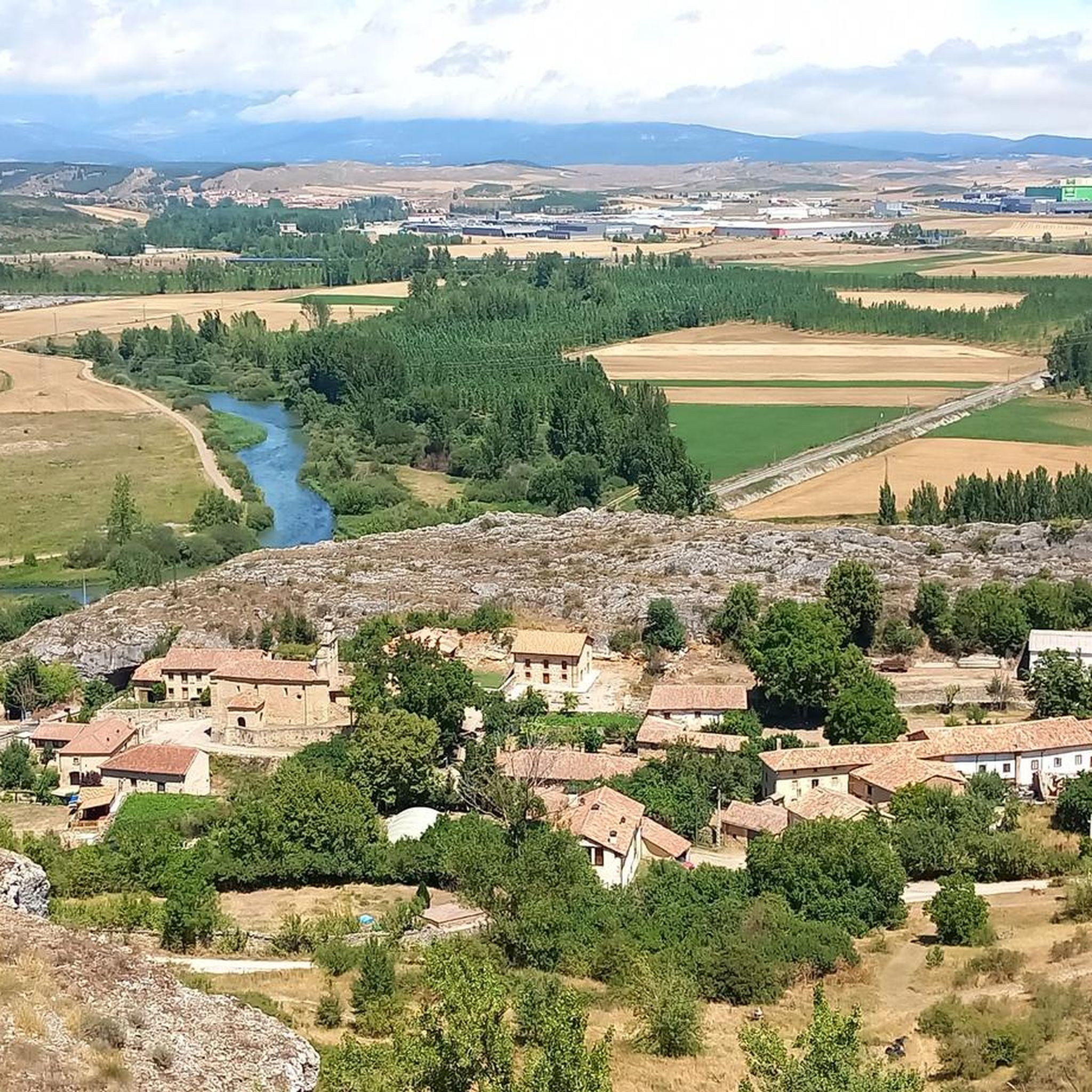

Tips from the Community

The cave is a remarkable example of the region's karst formations, with stalactites and stalagmites that have been formed over thousands of years. Archaeological remains have been found indicating that the cave was used by prehistoric communities. The cave is surrounded by an impressive landscape, with views of the Peña Amaya and the Peña Ulaña, which separate the Castilian plateau from the Cantabrian mountains.
6
0

It is a natural sinkhole that leads to the cave with a protective wall on the surface.
2
0

Small hermitage excavated in a limestone rock, currently devoid of all kinds of cult objects, so it seems that it has not been used for a long time and with a metal fence that prevents people and animals from taking refuge in it. After climbing the small promontory and peeking through its door and small window, you can see the naves inside and what may be the old baptistery, perfectly marked and differentiated from the rest of the rooms despite its very small size.
2
0
Well near the entrance of La Cueva de Los Franceses and that belongs to it, where you can see a deep hole that may be part of one of the cave vents
1
0
Most impressive part of the canyon until you reach the foot of the most famous rock formations of Las Tuerces.
3
0
Curious cave near the Peña Amaya waterfall.
4
0
Located in the same rock of Mount Bernorio, in the highest part and to the left of the first houses of the town, carved on the rock, is this cave church with two naves. For centuries this hermitage served as a warehouse for farming tools and shelter for livestock.
8
0

It is quite a surprise to arrive at this tunnel in the Horadada canyon, its dimensions are surprising.
1
0
Frequently Asked Questions
What are the most notable cave systems in the wider Burgos province near Rebolledo De La Torre?
The Burgos province is home to several impressive cave systems. Among the most significant is the Ojo Guareña Natural Monument, a globally renowned karstic monument with over 110 kilometers of galleries. Another notable site is Fuentemolinos Cave, considered one of the region's greatest speleological treasures due to its unique geological formations and extensive length. For a more adventurous experience, Basconcillos Cave (Cueva del Agua) offers an immersive exploration of an active hydrological system.
Are there any caves with historical or archaeological significance near Rebolledo De La Torre?
Yes, several caves in the region hold significant historical and archaeological value. The Cave of Amaya features karst formations and archaeological remains indicating its use by prehistoric communities. Within the Ojo Guareña complex, the Palomera Cave contains cave art dating back 10,000 years and the Sala de las Huellas (Footprint Room) with ancient footprints. Additionally, the Ermita de San Bernabé is a primitive hermitage nestled within a cave, adorned with historical paintings.
What kind of natural formations can I expect to see in the caves around Rebolledo De La Torre?
The caves in the Burgos province offer a diverse range of natural formations. Fuentemolinos Cave is particularly known for its rich array of gours, eccentric forms, stalactites, stalagmites, and columns. The Cave of Amaya also showcases impressive stalactites and stalagmites. In Basconcillos Cave, you can find unique 'macarrones' (tube-like stalactites) and eccentric formations, along with an underground river and a natural arch known as 'la ventana del diablo'.
Are there any caves that offer an adventurous caving experience?
For those seeking an adventurous caving experience, Basconcillos Cave (Cueva del Agua) is an excellent choice. It provides an immersive underground journey, often involving wading through water and navigating both wet and dry sections of an active hydrological cave system. This cave is ideal for active speleology enthusiasts.
What are some unique geological features of the caves in this region?
The region boasts several unique geological features. Fuentemolinos Cave is geologically rare because it formed within a mass of calcareous conglomerate dating back 35 million years, a rock type not typically conducive to such extensive cave formation. The Ojo Guareña Natural Monument is notable for its immense scale and complex network of over 110 kilometers of galleries, formed by the erosion of the Trema and Guareña rivers. The Horadada Tunnel is an impressive natural tunnel that forms a significant part of a canyon.
Can I visit a cave that is also a religious site?
Yes, the region offers caves with religious significance. The Ermita de San Bernabé, located within the Ojo Guareña complex, is a primitive hermitage nestled inside a cave, featuring historical paintings. Additionally, the Cave of San Martín (Villarén de Valdivia) is a cave church with two naves, carved into the rock, which historically served as a hermitage.
What outdoor activities can I do near the caves around Rebolledo De La Torre?
Beyond cave exploration, the area around Rebolledo De La Torre offers various outdoor activities. You can find numerous routes for cycling, including challenging loops like the Peña Amaya circular route. There are also running trails, such as the circular route by the Covalagua Natural Space. For mountain biking enthusiasts, MTB trails like 'Las Loras — circular por Espacio Natural de las Tuerces' provide exciting options.
Are there any caves that are part of a larger natural monument?
Yes, several caves are integral parts of larger natural monuments. The Ojo Guareña Natural Monument is a vast karstic complex itself, encompassing numerous caves including Ermita de San Bernabé and Palomera Cave. The Cave of Amaya and the Horadada Tunnel are also designated natural monuments, recognized for their geological significance and natural beauty.
What do visitors find most impressive about the caves in this region?
Visitors are often impressed by the sheer scale and unique features of the caves. The Horadada Tunnel is noted for its surprising dimensions and being the most impressive part of its canyon. The Cave of Amaya impresses with its karst formations and surrounding landscape views. The extensive galleries and historical significance of the Ojo Guareña Natural Monument also leave a lasting impression on visitors.
Is there a cave that is known for being a natural sinkhole?
Yes, the Well of the Cueva de los Franceses is a natural sinkhole that leads to a cave. It is located near the entrance of La Cueva de Los Franceses and is considered part of its ventilation system, offering a glimpse into the underground network.
Where can I find more information about Fuentemolinos Cave?
You can find more information about Fuentemolinos Cave, including details on its geological uniqueness and visitor experience, on the official tourism website: spain.info.
Most popular routes around Rebolledo De La Torre
Most popular attractions around Rebolledo De La Torre

Get inspired with the komoot mobile app


Explore more
Extend your search for the best caves by checking out these guides of the top ones around Rebolledo De La Torre:
