Top 20 Caves around Santa María De Guía De Gran Canaria
Best caves around Santa María De Guía De Gran Canaria are situated in a region rich with historical cave systems, providing insight into ancient Canary Islander life. The area is characterized by its volcanic landscape, where pre-Hispanic inhabitants carved impressive collective granaries into natural rock formations. These sites offer a glimpse into the sophisticated agricultural practices and societal organization of the island's past. The terrain includes ravines and natural rock arches, contributing to its unique geological and cultural significance.
Best…
Last updated: May 23, 2026
Roque Nublo Cave
Highlight • Cave
Translated by Google •
Tip by

Caballero Caves
Highlight • Cave
Translated by Google •
Tip by

Sign up now to discover places like this
Get recommendations on the best single tracks, peaks, & plenty of other exciting outdoor places.
Sign up for free
Roque Bentayga
Highlight • Natural Monument
The Bentayga …
Translated by Google •
Tip by
Cueva Pintada Museum and Archaeological Park
Highlight • Cave
Translated by Google •
Tip by

Cave of Las Moriscas
Highlight • Cave
"CAVE OF THE MORISCAS
The cave is located in Los Llanos de Las Moriscas, Agaete.
The ancient Canarians dug a rectangular one …
Translated by Google •
Tip by

Sign up for free to discover even more caves around Santa María De Guía De Gran Canaria.
Sign up for free
Already have an account?
Start today with a free account
Your next adventure awaits.
Login or Signup
Popular around Santa María De Guía De Gran Canaria
Hiking around Santa María De Guía De Gran Canaria
Road Cycling Routes around Santa María De Guía De Gran Canaria
Cycling around Santa María De Guía De Gran Canaria
Running Trails around Santa María De Guía De Gran Canaria
MTB Trails around Santa María De Guía De Gran Canaria

Mountain Hikes around Santa María De Guía De Gran Canaria
Tips from the Community


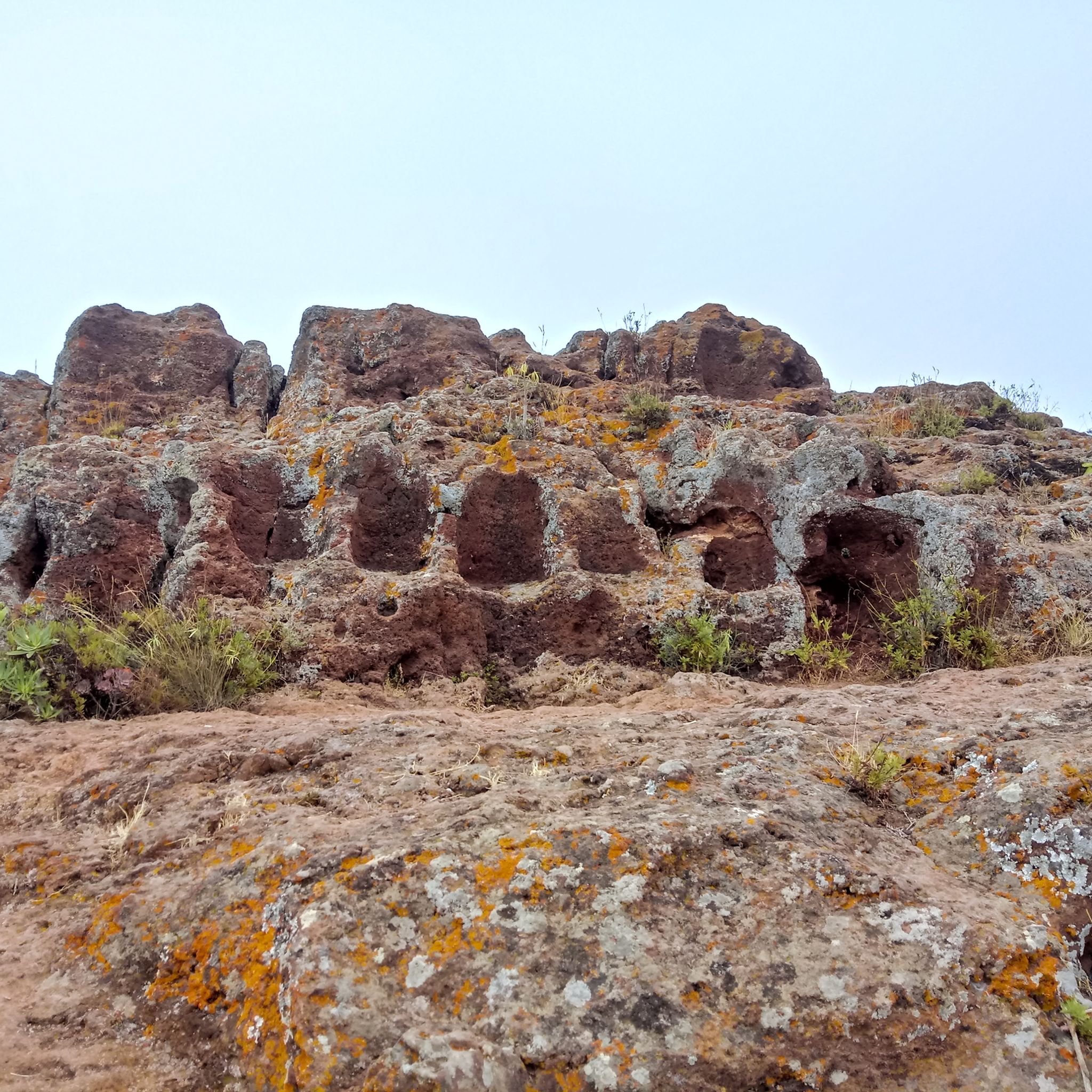
They are an archaeological complex made up of twelve natural caves, most of which were adapted to be habitable through their chiseling. These caves are distributed along a south-facing platform, which protects them from the northern trade winds and offers beautiful views over the Bentayga and the Cuenca del Nublo.
0
0

In front of the cave there is a small stone wall that prevents direct access from the path. We accepted this "sign" and did not enter the cave, even though it is possible to do so via a side crossing...
1
0
The archaeological hiking trail on the Roque Bentayga offers not only a museum and great views but also impressions of the historical religious place of worship.
0
0
There is a free visitor center at Roque Bentayga - with parking. From there you can walk up the Bentaga in a few minutes, which was used as a religious place of worship. Great views from this impressive and historic mountain in the middle of the crater. Hikers should note that the access road is only open during opening hours. There are two barriers that are otherwise closed. Below the first barrier there are some parking spaces at the road junction.
0
0

A steep, short but slippery path leads up there. Well worth seeing.
0
0

The museum is located in the historic center of the town of Gáldar. Its mission is to protect the historical sites there, to conduct scientific research and to communicate the findings to the general public. The institution is named after the Cueva Pintada (painted cave), which was probably created in the 7th century AD by the island's original inhabitants, the Canarios. This cave was forgotten and buried after the conquest of the Canary Islands in the 15th century. It was only rediscovered in the second half of the 19th century. Its cultural and historical significance was already recognized by foreign experts at that time. It was not until the 1970s that a detailed scientific study of the cave began. After the site was declared a Bien de Interés Cultural in 1972, it was protected against environmental influences, which caused damage, among other things, from the irrigation of the surrounding fields. In 1982, access to the cave was closed to the public and in 1987 excavations began in the surrounding area. They revealed that the cave was not an isolated object, but part of a prehistoric settlement with more than 50 houses and other caves. To protect the site, construction began on a new type of museum. An area of 5700 m² was covered. Visitors now have the opportunity to walk through and view the archaeological site on footbridges. Reconstructed aboriginal dwellings were set up and exhibition, information and laboratory rooms were created. The new museum was opened in 2006. It displays objects found on site in separate exhibition rooms, such as pintaderas, statuettes, everyday objects and jewelry made of various materials.
4
0

The museum is more than just the painted cave. it is an archaeological park with real excavation sites where you can imagine what the oldest city in Gran Canaria looked like in indigenous times.
3
0
Frequently Asked Questions
What are the most significant archaeological cave sites to visit in Santa María De Guía De Gran Canaria?
The region is rich in pre-Hispanic archaeological sites. The Cueva Pintada Museum and Archaeological Park in Gáldar is a must-see, showcasing a painted cave and a prehistoric settlement. Another important site is Roque Bentayga, a significant religious center for ancient Canarians, featuring dwelling caves and an "almogaren".
Are there any caves that offer insights into the daily life of ancient Canarians?
Yes, the Caballero Caves in Santa María de Guía are believed to have been used as cave houses by the indigenous population, with six of its seven cavities being artificial. Additionally, the Cave of Las Moriscas, a natural tufa cave, shows how ancient Canarians dug rectangular rooms with silos for grain storage, providing a direct connection to their agricultural practices.
What kind of geological features can I expect to see in the caves around Santa María De Guía De Gran Canaria?
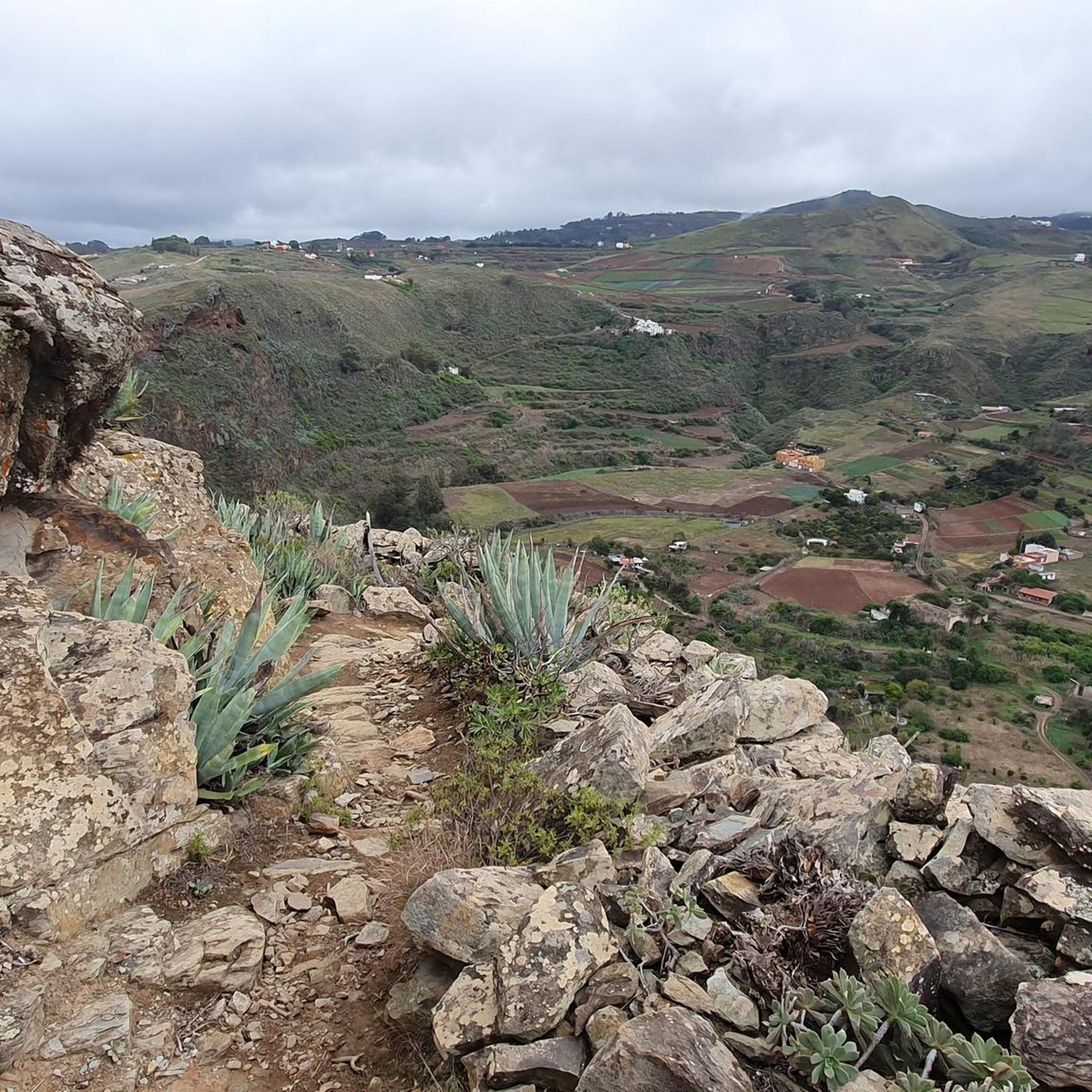
The caves in this region are often carved into volcanic rock formations. You'll encounter natural rock shelters and impressive collective granaries carved into rock faces, showcasing the island's unique geological history and how ancient inhabitants adapted to it. Many sites also offer panoramic views over ravines and volcanic calderas.
Are there family-friendly cave excursions in the area?
The Cueva Pintada Museum and Archaeological Park is considered family-friendly. It offers an engaging experience with its archaeological park, reconstructed aboriginal dwellings, and exhibition rooms, making it suitable for visitors of all ages to learn about the island's history.
What is the best time of year to visit the caves in Gran Canaria?
Gran Canaria generally enjoys a mild climate year-round. However, visiting during the cooler, drier months from October to May is often more comfortable for exploring outdoor archaeological sites and caves, as the summer heat can be intense.
What outdoor activities can I do near the caves in Santa María De Guía De Gran Canaria?
The area around Santa María De Guía De Gran Canaria offers various outdoor activities. You can find numerous MTB trails, running trails, and gravel biking routes. For example, explore the "Alto de los Mojones y el faro de Punta Sardina" MTB trail or the "Tamadaba Pine Forest – Refugio El Hornillo" running trail. You can find more details on these activities in the MTB Trails, Running Trails, and Gravel Biking guides for the region.
Are there guided cave tours available in Santa María De Guía De Gran Canaria?
While specific guided tours for every cave are not always advertised, archaeological sites like the Cueva Pintada Museum and Archaeological Park often provide guided experiences or detailed information to enhance your visit. It's advisable to check their official websites for current offerings.
What should I wear for cave exploration in Gran Canaria?
For exploring caves and archaeological sites, comfortable walking shoes with good grip are essential. Light, breathable clothing is suitable for the generally warm climate, but a light jacket might be useful for cooler interiors or higher elevations. Don't forget sun protection like a hat and sunscreen for outdoor sections.
Are there any caves that are particularly challenging or require caution?
Yes, some areas, like the highlight "Along the cliff," are noted as being very dangerous due to loose ground, steep drops, and lack of mobile coverage. It's crucial to exercise extreme caution, be aware of your surroundings, and consider if the risk is worth it. Always prioritize safety and avoid unmarked or clearly hazardous paths.
What do visitors enjoy most about the caves around Santa María De Guía De Gran Canaria?
Visitors frequently appreciate the deep historical and cultural insights offered by these sites, particularly the glimpse into the pre-Hispanic life of the ancient Canarians. The unique geological formations and the impressive views from many of the cave locations also receive high praise, making for a memorable experience.
Can I find parking facilities near the archaeological caves?
Parking facilities are generally available near major archaeological sites like the Cueva Pintada Museum and Archaeological Park and Roque Bentayga, which are often accessible by car. However, it's always a good idea to check specific site information for details on parking availability and any associated fees.
Most popular routes around Santa María De Guía De Gran Canaria
Most popular attractions around Santa María De Guía De Gran Canaria

Get inspired with the komoot mobile app


Explore more
Extend your search for the best caves by checking out these guides of the top ones around Santa María De Guía De Gran Canaria:
