Top 5 Waterfalls around San Nicolás De Tolentino
Best waterfalls around San Nicolás De Tolentino offers a selection of natural water formations. The region features various natural pools and seasonal waterfalls, providing diverse outdoor experiences. Visitors can explore more than 5 waterfalls, each with unique characteristics. The landscape around San Nicolás De Tolentino is characterized by its natural features, including gorges and areas where water levels can vary.
Best waterfalls around San Nicolás De Tolentino
- The most popular waterfalls is Blue Pool, a natural monument that can…
Last updated: July 4, 2026
Blue Pool
Highlight • Natural Monument
Translated by Google •
Tip by

Dry Waterfall
Highlight • Waterfall
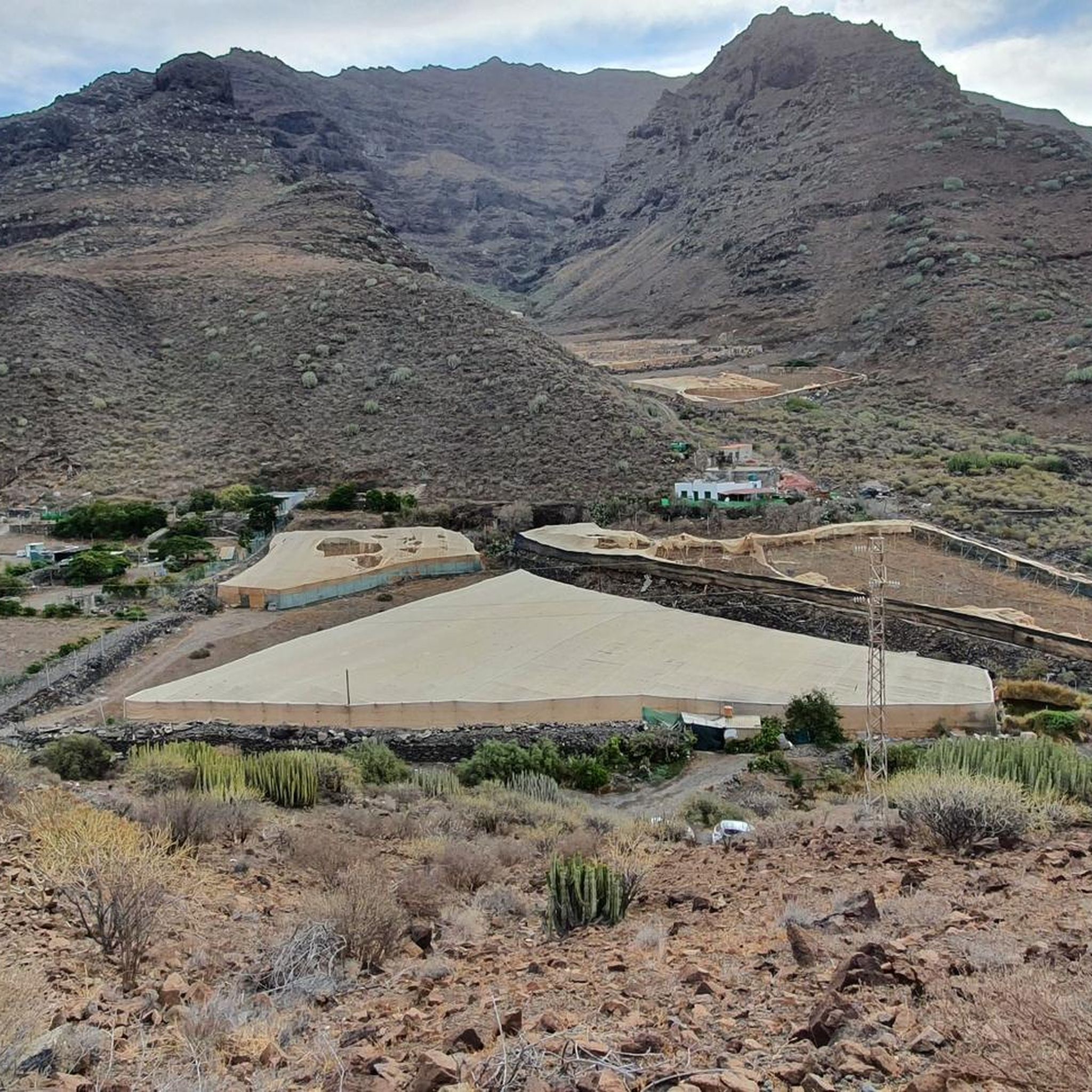
Waterfalls were completely dry.
Beautiful environment
Translated by Google •
Tip by

Sign up now to discover places like this
Get recommendations on the best single tracks, peaks, & plenty of other exciting outdoor places.
Sign up for free
Natural Pool Above the Waterfall
Highlight • Lake
Translated by Google •
Tip by

Start today with a free account
Your next adventure awaits.
Login or Signup
Popular around San Nicolás De Tolentino

Tips from the Community

In May 2025 unfortunately without water, but still quite nice.
0
0

The further ascent begins next to a small palm tree, behind the large boulders. It is easy to miss. Please do not climb around the edge of the abyss, it is not necessary!
0
0

The path leads through/over the large plateau of the waterfall and is of course only accessible because the waterfall is dry. You can easily follow the course of the water visually, very impressive :-)!
0
0

The Charco Azul collects the water that gushes from the mountains of Tirma and Tamadaba before continuing its course towards the Atlantic. Source: https://www.grancanaria.com/turismo/es/la-isla/isla-de-las-557-caras/charco-azul/
1
0

We were there in December, but there wasn't more than a small trickle. 😉 But the path is very beautiful.
1
0

Not otherwise as spectacular, but here the path was clearly the goal! There was no shade on this one, so a hat is good
0
0

Today, at the end of February, wonderfully rushing waterfall into deep, clean water. Two boys jumped headfirst into the cold water.
1
0
Beautiful and mostly easy way. However, in some places it has slipped and is very narrow, but walkable.
0
0
Frequently Asked Questions
What are some notable waterfalls and water features to visit around San Nicolás De Tolentino?
Beyond the well-known Blue Pool, which features a rushing waterfall into deep water, you can also explore the Dry Waterfall, notable for its large plateau accessible when water levels are low. Another interesting spot is the Natural Pool Above the Waterfall, offering a beautiful, mostly easy path to a unique natural pool. Further afield in Gran Canaria, consider visiting El Charco Azul, Barranco de Azuaje, and Barranco de los Cernícalos for their distinct natural beauty.
What is the best time of year to visit the waterfalls in Gran Canaria?
The best time to visit the waterfalls in Gran Canaria, including those around San Nicolás De Tolentino, is generally between January and May, especially after rainfall. The rainy season, from October to March, ensures the waterfalls are at their strongest and the landscape is lush and vibrant. Many natural waterfalls on the island are seasonal, so visiting during these months increases your chances of seeing them in full flow.
Are there family-friendly waterfall hikes near San Nicolás De Tolentino?
Yes, some areas offer suitable options for families. For instance, the Barranco de los Cernícalos, located between Telde and Valsequillo, is known for its multiple waterfalls and a continuous stream, offering an easy to moderate hiking experience suitable for families. While specific family-friendly ratings for highlights directly in San Nicolás De Tolentino aren't available, the path to the Natural Pool Above the Waterfall is described as mostly easy.
What kind of natural features can I expect to see besides waterfalls?
The region around San Nicolás De Tolentino is rich in diverse natural features. You'll encounter natural pools, gorges, and unique geological formations. The landscape often includes terraced farmland, palm groves, and remnants of ancient laurel forests, especially in ravines like Barranco de Azuaje. The area is also home to significant biodiversity, with endemic plants and lush vegetation, particularly in areas with year-round water flow.
Can I swim in the natural pools near the waterfalls?
Yes, some natural pools are suitable for swimming. The Blue Pool, for example, is known for its deep, clear water when active, and visitors have been observed jumping in. El Charco Azul, located in the west of Gran Canaria, is another picturesque natural pool fed by a waterfall, ideal for a refreshing dip.
What are the typical difficulty levels for trails leading to these waterfalls?
The difficulty levels can vary. Many trails, such as the one leading to the Natural Pool Above the Waterfall, are described as mostly easy, though some sections might be narrow or have slipped. Other highlights like the Dry Waterfall and Blue Pool are categorized as intermediate. For more extensive hiking, you can find routes ranging from easy to difficult around San Nicolás De Tolentino. Always check current conditions before heading out.
Are there hiking trails near the waterfalls in San Nicolás De Tolentino?
Absolutely. The area offers numerous hiking opportunities. You can find a variety of trails, including those that lead through ravines with waterfalls, such as the scenic 3-kilometer trail through a ravine to El Charco Azul. For more options, explore the hiking guide for San Nicolás De Tolentino, which includes routes like the 'Small tunnel – View of Playa Chica loop' and the 'Ruins of La Cogolla – View of Los Azulejos loop'.
What other outdoor activities can I do near San Nicolás De Tolentino's waterfalls?
Beyond hiking, the region provides excellent opportunities for cycling and running. You can explore challenging cycling routes like the 'Los Azulejos – Mogán Windmill loop' or the 'GC-210 Hairpin Climb'. For runners, there are trails such as the 'Los Azulejos Circular Trail' or the 'Parque Natural de Tamadaba – circular to Morro de las Lechugas'. Discover more options in the cycling guide and running guide for San Nicolás De Tolentino.
What do visitors enjoy most about the waterfalls and natural pools in this area?
Visitors frequently highlight the stunning natural beauty and the refreshing experience. Many appreciate the clear, deep waters of spots like the Blue Pool, especially when the waterfall is rushing. The unique landscape, including the large plateau of the Dry Waterfall, offers impressive visual experiences. Even when water levels are low, the paths leading to these features are often described as very beautiful and enjoyable.
Are there any historical or cultural points of interest near the waterfalls?
While the primary focus of these areas is natural beauty, some locations have historical significance. For example, Barranco de Azuaje historically featured a spa that utilized the mineral-medicinal properties of its iron-rich waters, and visitors can still drink from the cascades. The presence of ancient laurel forests also connects to the island's deep natural history. For broader historical context, you might find archaeological sites or traditional villages in the wider San Nicolás De Tolentino region.
What should I wear or bring for a waterfall hike in San Nicolás De Tolentino?
Given the varied terrain and potential for water, it's advisable to wear sturdy, comfortable hiking shoes with good grip. Depending on the season and water levels, you might encounter wet or slippery paths. Bringing swimwear if you plan to take a dip in natural pools like the Blue Pool is a good idea. Always carry enough water, sun protection, and perhaps a light jacket, as conditions can change, especially in ravines.
Most popular routes around San Nicolás De Tolentino
Most popular attractions around San Nicolás De Tolentino

Get inspired with the komoot mobile app


Explore more
Happy to travel a little further afield? Then browse these guides for the best waterfalls around San Nicolás De Tolentino:
