Top 17 Gorges around San Nicolás De Tolentino
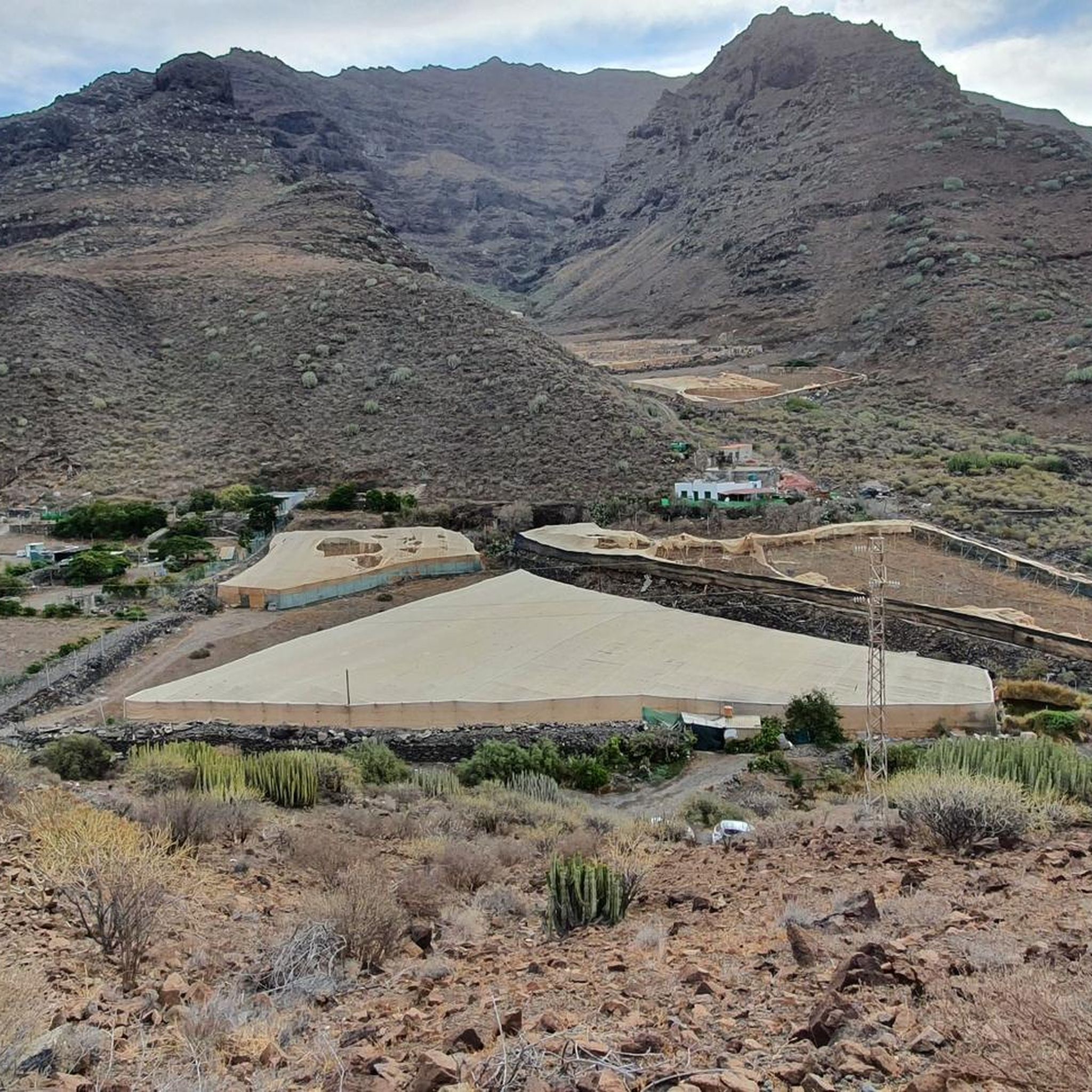
Best canyons around San Nicolás De Tolentino are primarily found in the municipality of La Aldea de San Nicolás, Gran Canaria, an area known for its dramatic barrancos or ravines. This region features diverse natural landscapes, from deep gorges descending to the coast to inland formations. The terrain is characterized by rocky paths and significant geological features. The area is part of a biosphere reserve, highlighting its natural value and commitment to preservation.
Best canyons around San Nicolás De Tolentino
…Last updated: July 4, 2026
Pool with view of the Azulejos
Highlight • Natural Monument
Translated by Google •
Tip by

Barranco de Mogán
Highlight • Gorge
Translated by Google •
Tip by

Sign up now to discover places like this
Get recommendations on the best single tracks, peaks, & plenty of other exciting outdoor places.
Sign up for free
View over the Dragon’s Tail
Highlight • Viewpoint
Tip by

Dry Waterfall
Highlight • Waterfall
Waterfalls were completely dry.
Beautiful environment
Translated by Google •
Tip by

Gravel Road Through Pine Forest
Highlight (Segment) • Trail
Tip by

Sign up for free to discover even more gorges around San Nicolás De Tolentino.
Sign up for free
Already have an account?
Start today with a free account
Your next adventure awaits.
Login or Signup
Popular around San Nicolás De Tolentino

Tips from the Community

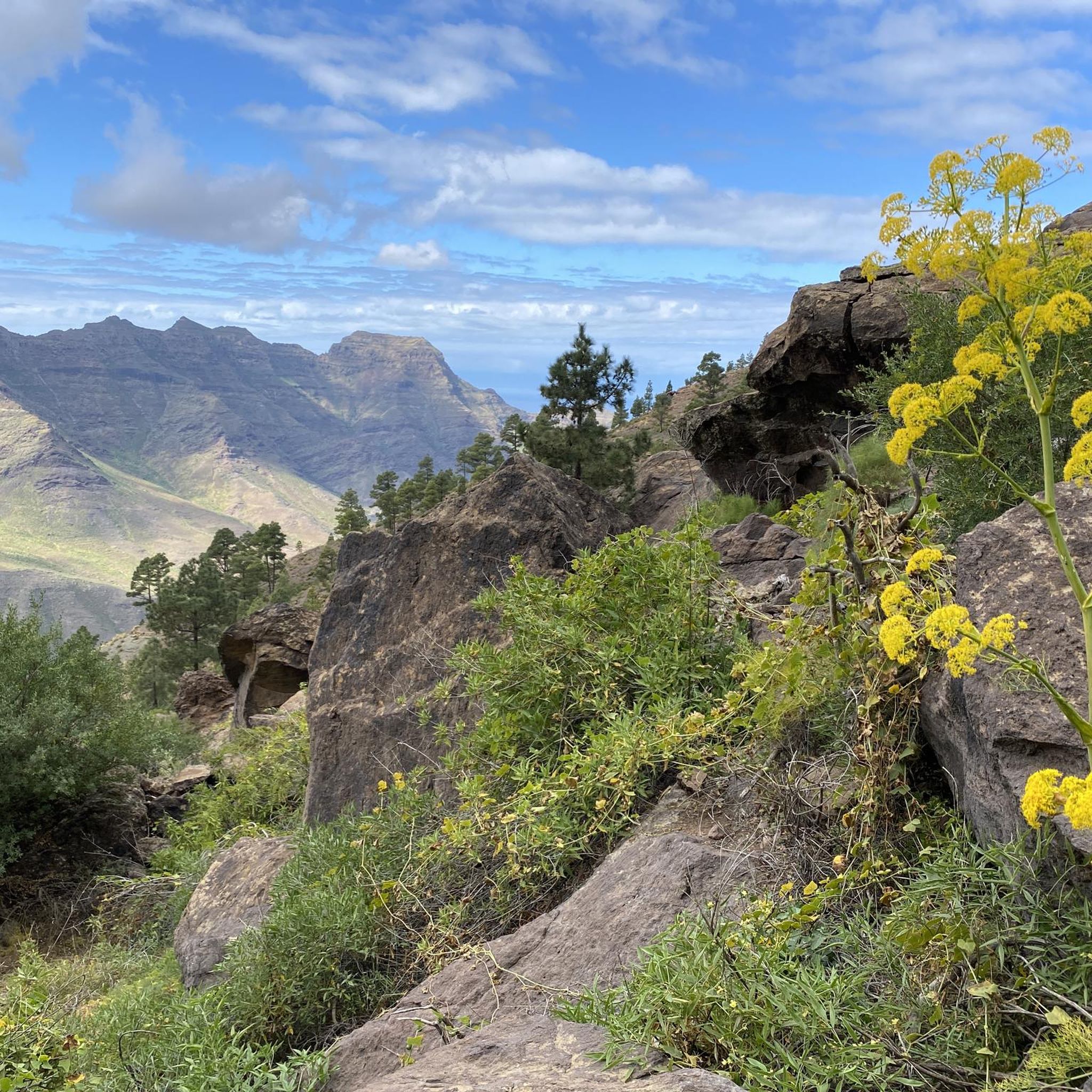
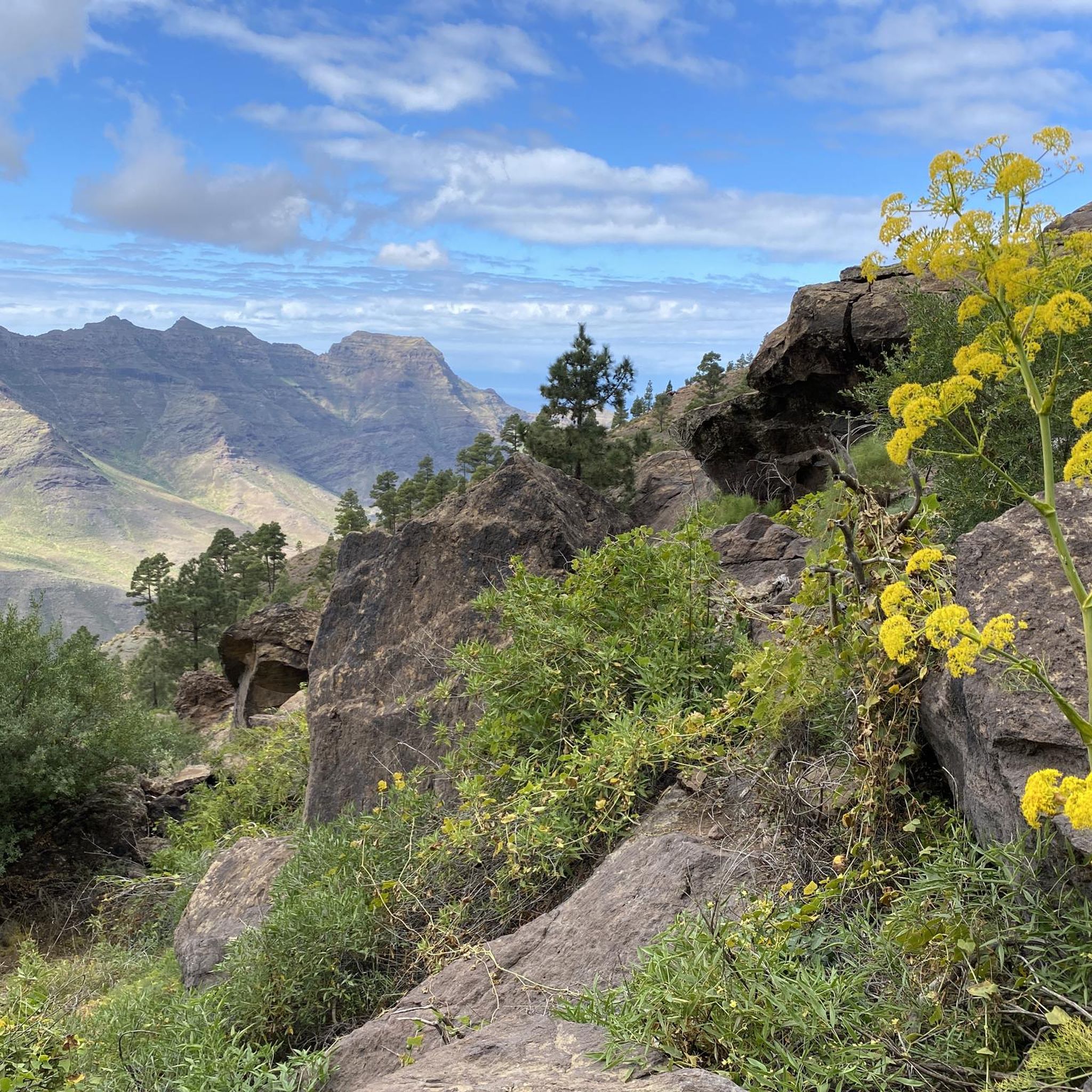
Unforgeable views from this point
0
0

The further ascent begins next to a small palm tree, behind the large boulders. It is easy to miss. Please do not climb around the edge of the abyss, it is not necessary!
0
0

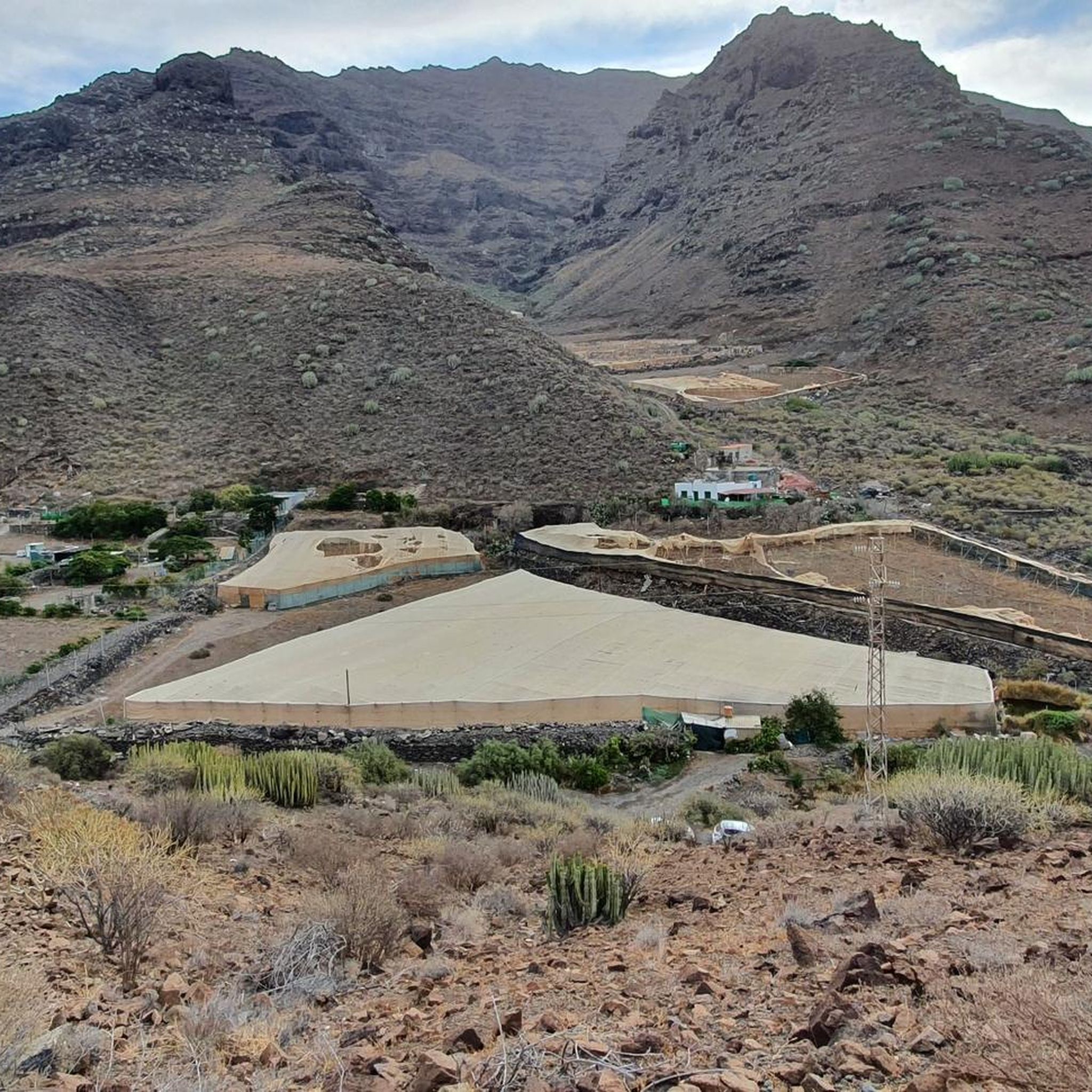
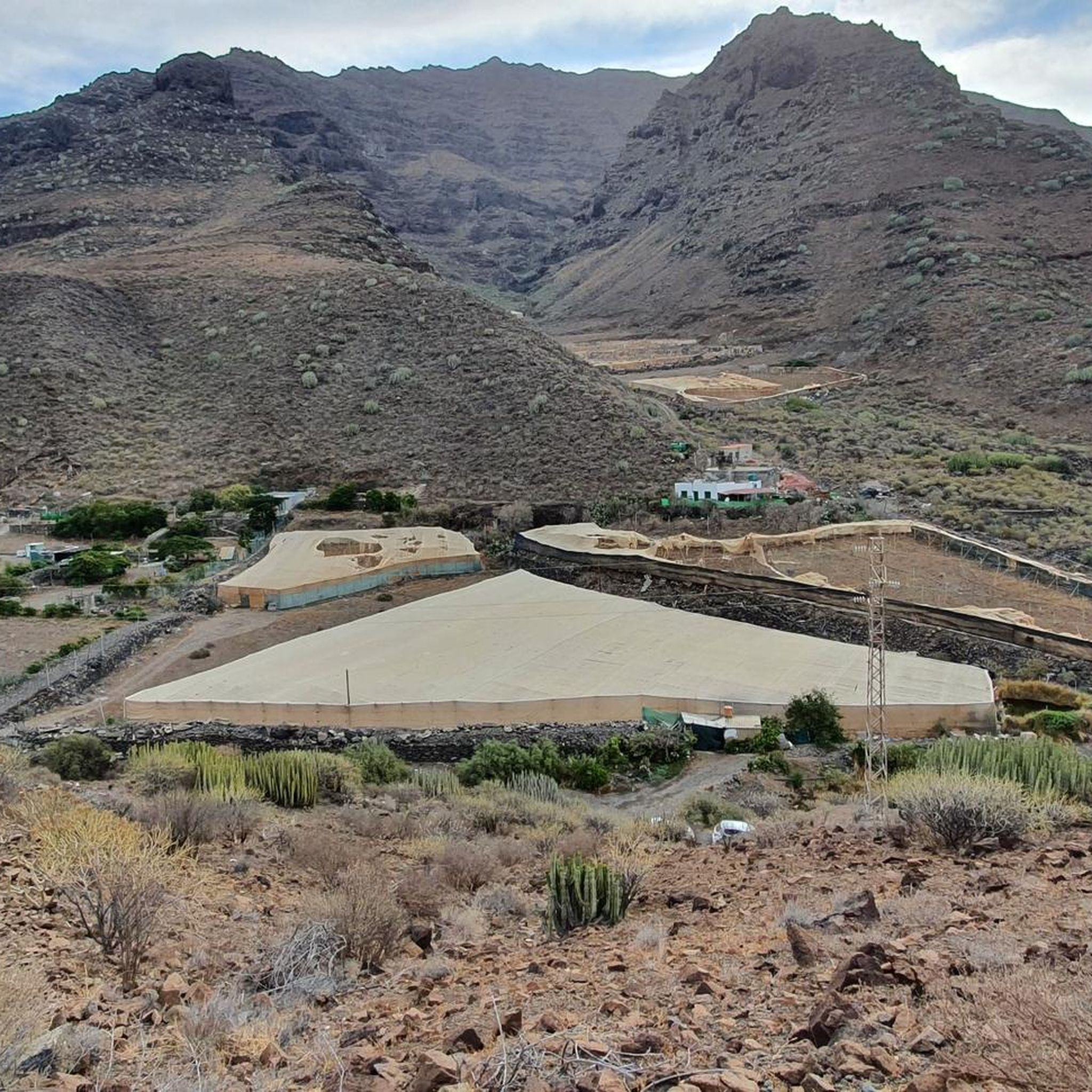
These "pools" are small holes that sometimes contain a little water. There are also frogs here, so these pools are probably not intended for swimming or suitable if you respect nature - even if the name "pool" used here suggests that.
0
1

The Charcos Azules of Los Azulejos in Veneguera should not be confused with El Charco Azul de Agaete near El Risco. The water has become rare here due to the dry years. The best chance is in spring. If it has rained for a long time, you can enjoy beautiful scenery here, such as water reflections or a refreshing swim. https://saldelatlantico.com/de/excursiones-en-las-islas-canarias/charcos-azules-azulejos-venegueras
1
0

Be sure to wear hiking boots, it's steep and there are lots of loose rocks along the way. But it's worth the climb.
5
1

In August there is no water to be seen anywhere. Just a few dried edges in the pools. Not recommended at this time of year...
3
0

Forest road that also offers beautiful views.
0
0
The path leads through/over the large plateau of the waterfall and is of course only accessible because the waterfall is dry. You can easily follow the course of the water visually, very impressive :-)!
0
0
Frequently Asked Questions
What are some of the most visually striking canyons in the San Nicolás De Tolentino area?
The region boasts several visually stunning canyons. The Pool with view of the Azulejos offers a unique spectacle, especially after rains, where you can see the vibrant, multi-colored rock formations known as 'Los Azulejos'. Another remarkable spot is the Barranco de Las Vacas, famous for its 'Tobas de Colores' (Colored Tuffs), which are smooth, terracotta-colored walls sculpted by erosion, often compared to the canyons of the American West.
Are there any canyons suitable for families or those looking for a leisurely walk?
Yes, the Barranco de Veneguera, where the 'Los Azulejos' formations are found, is known for its tranquil atmosphere and opportunities for leisurely walks. The lush scenery, especially after rainfall, makes it a pleasant experience for families. While the Pool with view of the Azulejos itself can be steep with loose rocks, the general area of Barranco de Veneguera is more accessible.
What kind of geological features can I expect to see in the canyons around San Nicolás De Tolentino?
The canyons are a testament to Gran Canaria's volcanic origins. You'll encounter extraordinary geological formations like the vibrant, multi-colored rocks of 'Los Azulejos' in Barranco de Veneguera, which display hues of green, blue, yellow, red, orange, and pink due to mineral compositions. The Barranco de Las Vacas features 'Colored Tuffs' with sinuous, terracotta-colored walls. The Dry Waterfall also showcases an impressive course of water erosion when it's not flowing.
When is the best time to visit the canyons in this region?
The best time to visit depends on what you want to see. For lush scenery and the possibility of water in features like the Pool with view of the Azulejos, visiting after rainfall is ideal. However, some paths, like the one through the Dry Waterfall, are only accessible when the waterfall is dry. Generally, the weather is pleasant year-round, but be aware that August might see many water features dried up.
Are there any canyons that offer coastal views or lead to beaches?
Yes, the Barranco de Guayedra leads to the wild and picturesque Playa de Guayedra, a secluded beach with dark sand, volcanic rocks, and palm trees. It's an excellent spot for hiking and witnessing breathtaking sunsets, potentially with views of Mount Teide. The Barranco de Tasartico also leads to the remote Playa de Tasartico, a rocky shoreline known for its solitude and dramatic landscapes.
What outdoor activities can I do near these canyons?
The area around San Nicolás De Tolentino offers a variety of outdoor activities. You can find numerous running trails, such as the 'Los Azulejos Circular Trail', or explore mountain hikes like the 'Caves of Cebuche – View of Barranco de Guayedra loop'. For cyclists, there are challenging road cycling routes like 'Aldea de San Nicolas, Tejada, y Ayacata – return through Tamadaba Natural Park'. You can find more details on these activities in the running trails, mountain hikes, and road cycling routes guides for the region.
Where can I find panoramic views of the canyons and coastline?
For spectacular panoramic views, visit the View over the Dragon’s Tail, which offers an amazing vista of enormous cliffs plunging into the sea, resembling a dragon's tail. The Mirador de Tasartico also provides expansive views of a picturesque valley, low mountains, and the Atlantic Ocean, especially appealing for those seeking remote beauty.
Are there any hidden gems or less-known canyons worth exploring?
The Barranco de Las Vacas is considered a hidden gem, offering a unique slot canyon experience with its narrow passages and stunning 'Colored Tuffs'. The Barranco de Tasartico is also known for its rugged and remote beauty, leading to a secluded coastal area that appeals to those seeking solitude and an off-the-beaten-path experience.
What should I wear or bring when exploring the canyons?
Given the rocky and sometimes steep terrain, especially in areas like the Pool with view of the Azulejos, it is highly recommended to wear sturdy hiking boots. Paths can have loose rocks. Always carry enough water, sun protection, and be prepared for varying conditions, especially if exploring after rain or in remote areas.
What do visitors enjoy most about the canyons in San Nicolás De Tolentino?
Visitors frequently praise the dramatic landscapes and unique geological formations. The vibrant colors of 'Los Azulejos' and the sculpted walls of Barranco de Las Vacas are often highlighted as visually impressive. The tranquility, opportunities for remote hiking, and stunning coastal views, particularly sunsets at Playa de Guayedra, are also highly valued by those exploring the region.
Is the Barranco de Mogán accessible and what can I expect there?
The Barranco de Mogán is known as the 'orchard of Gran Canaria' due to its lush vegetation and agricultural activity. It offers a scenic landscape with a contrast of green valleys against other drier areas. The highlight is accessible via a beautiful mountain road, making it a pleasant drive or cycle, and it's a great spot for photography.
Most popular routes around San Nicolás De Tolentino
Most popular attractions around San Nicolás De Tolentino

Get inspired with the komoot mobile app


Explore more
Already discovered everything in this region? See additional gorges around San Nicolás De Tolentino for your next adventure:
