Top 15 Caves around San Nicolás De Tolentino
Caves near San Nicolás De Tolentino are found within a rugged natural landscape, characterized by mountainous terrain and valleys. The area features various natural rock formations and historical sites. These natural attractions offer opportunities for exploration and reveal insights into past human habitation. The region's geology contributes to the formation of diverse cave structures.
Best caves around San Nicolás De Tolentino
- The most popular caves is Goat Caves at Degollada de las Yeguas, a cave that features large crevices…
Last updated: August 28, 2026
Goat Caves at Degollada de las Yeguas
Highlight • Cave
Translated by Google •
Tip by

Berbique Caves Archaeological Site
Highlight • Cave
You can still explore some of them today
Translated by Google •
Tip by

Sign up now to discover places like this
Get recommendations on the best single tracks, peaks, & plenty of other exciting outdoor places.
Sign up for free
Rocky Cliffs and Caves
Highlight • Gorge
Showing Translation
Tip by

Cueva del Zapatero
Highlight • Cave
Translated by Google •
Tip by

Tamadaba Small Rock Cave
Highlight • Cave
Translated by Google •
Tip by

Sign up for free to discover even more caves around San Nicolás De Tolentino.
Sign up for free
Already have an account?
Start today with a free account
Your next adventure awaits.
Login or Signup
Popular around San Nicolás De Tolentino
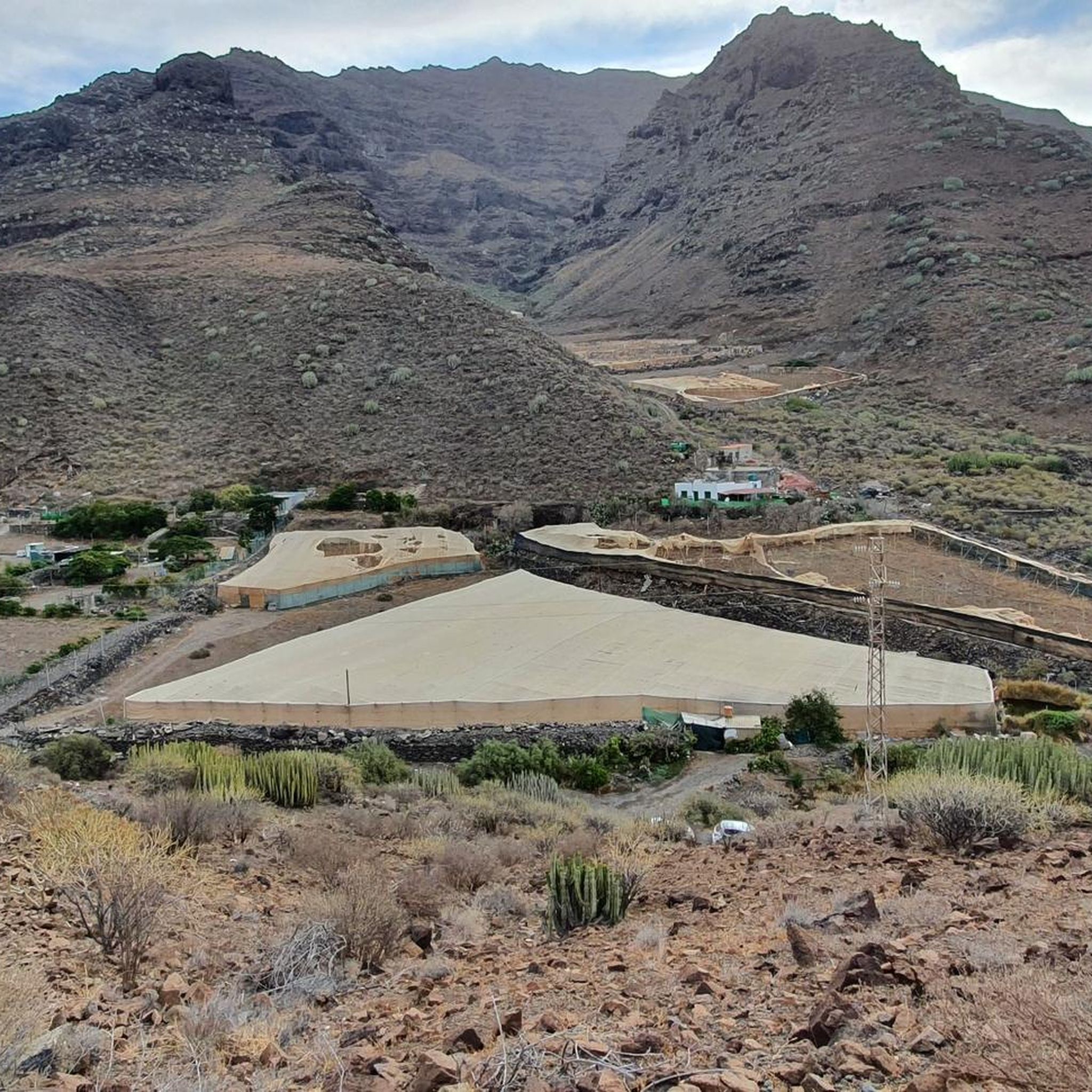
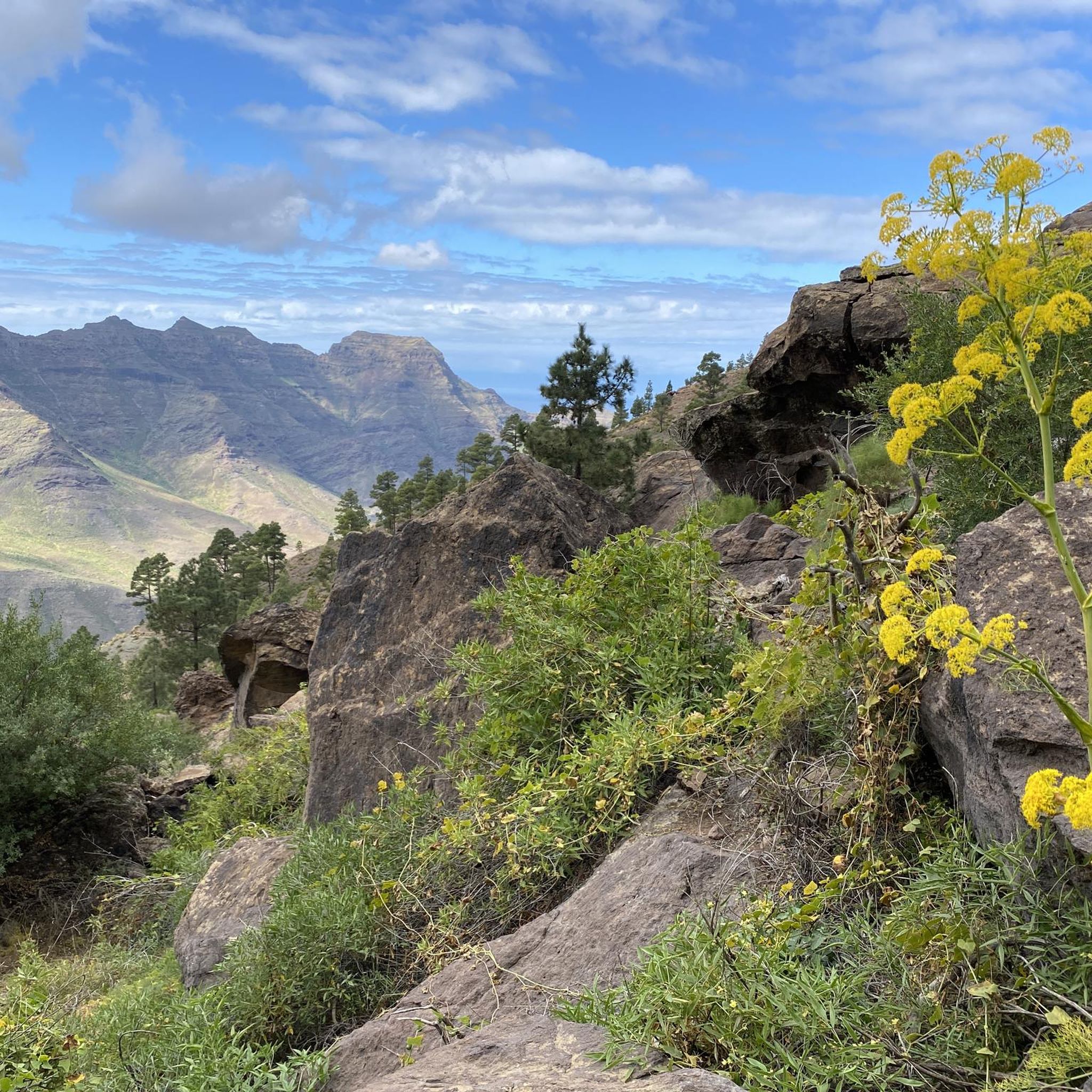
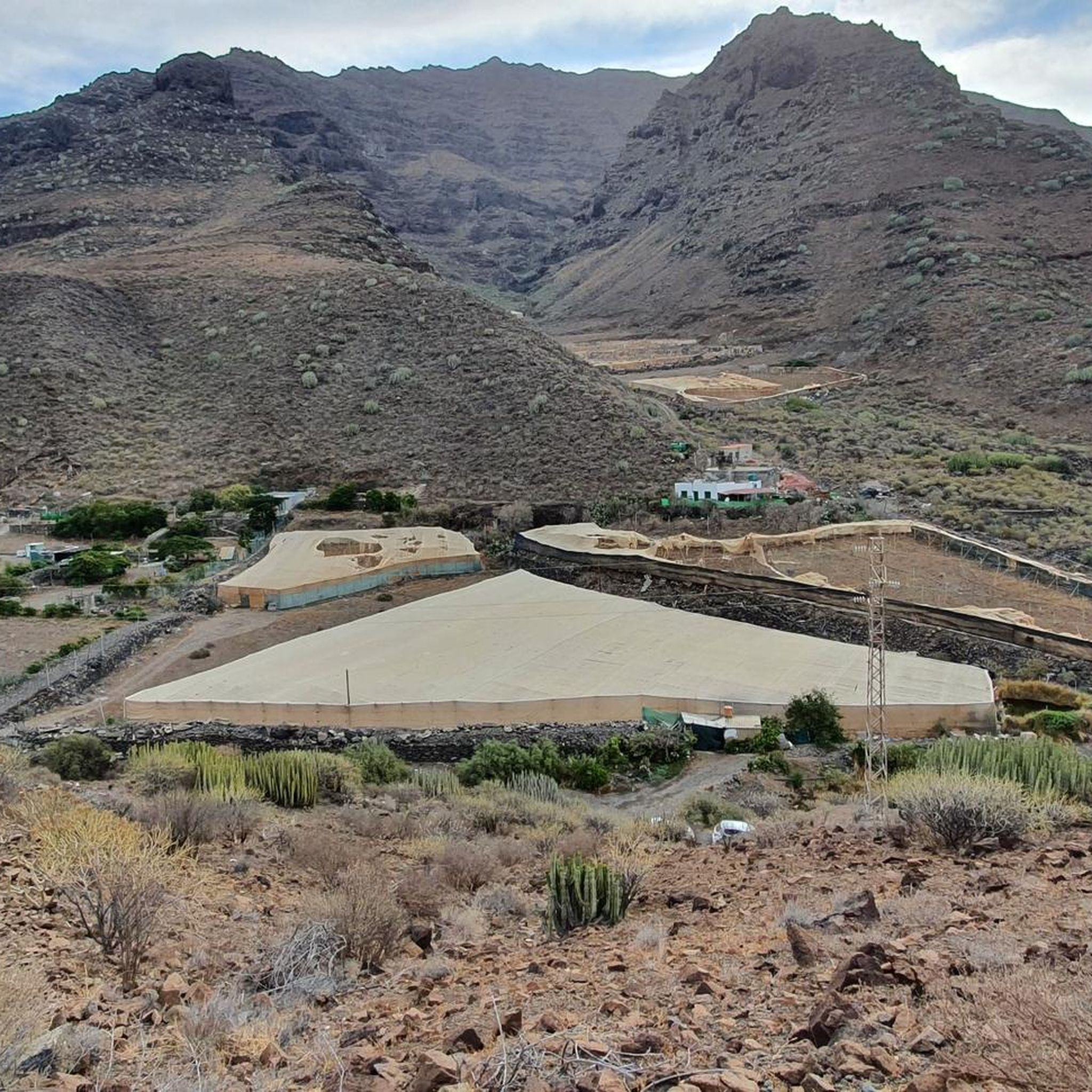
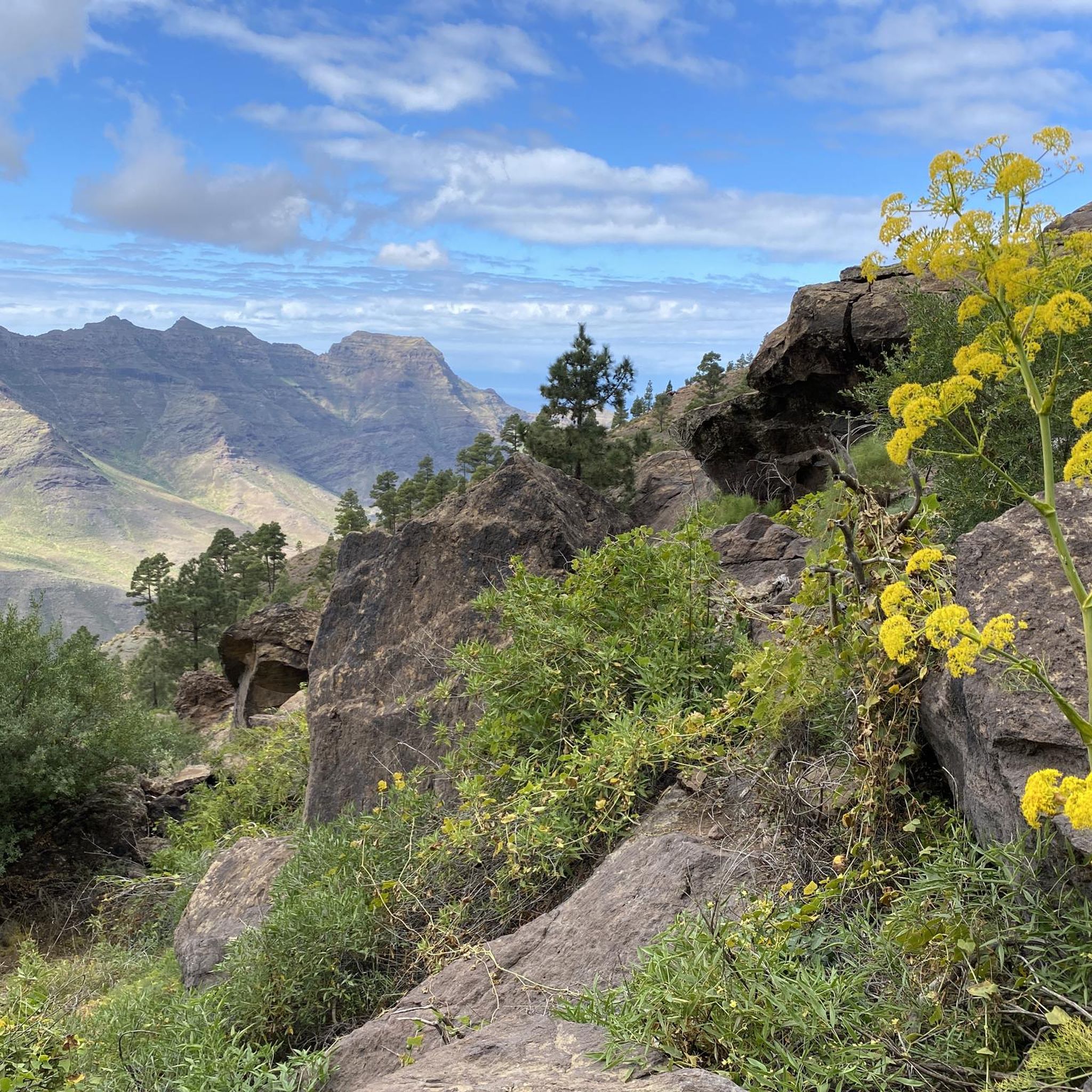

Tips from the Community

This superb ascent is in places carved, as stairs, directly into the rock. A physical climb but one that is worth every effort. Along the way, you can cool off in the various caves you will encounter.
0
0

A very impressive area with many small "highlights", a little something to "discover", never too difficult but exciting; however, a head for heights and sure footing are very advantageous.
0
0

People actually used to live in these caves: https://toponimograncanaria.blogspot.com/2012/04/berbique-cuevas-de-agaete.html You can still explore some of them today
2
0

this area of trees is like charred mosaics, beauty from the flames.
0
0
A burnt forest has its beauty too and these stunning mosaic trees were just that, beautiful.
0
0

Another cave along the way in the Tamadaba pine forest.
0
0
There are several caves on the Tamadaba circuit. This one is located right on the side of the path.
0
0

Several caves can be visited here. However, the path there is arduous and slippery. However, it is clearly visible on the hiking map.
1
0
Frequently Asked Questions
What types of caves can I explore around San Nicolás De Tolentino?
The area around San Nicolás De Tolentino offers a diverse range of caves, from natural rock formations to significant archaeological sites. You can find ancient cave dwellings, ceremonial sites, and even caves historically used as goat pens, such as the Goat Caves at Degollada de las Yeguas. Many caves provide insights into the pre-Hispanic culture of Gran Canaria.
Are there any archaeological or historical cave sites to visit?
Yes, the region is rich in archaeological and historical cave sites. Notable examples include the Berbique Caves Archaeological Site, where ancient inhabitants once lived. Other significant sites in Gran Canaria, relevant to the region, include Cueva Pintada in Gáldar, known for its geometric cave paintings, and Cuatro Puertas in Telde, a ceremonial site with four door-like openings carved into the rock.
What are some unique cave experiences in the area?
Beyond exploration, you can experience unique aspects of cave life. For instance, the Guayadeque Ravine features cave houses converted into restaurants, offering a distinctive dining experience. The Museo Etnográfico Casas Cueva de Artenara provides a vivid look into how early settlers adapted to life in cave dwellings, showcasing various rooms within a complete family home.
Are there any caves that offer impressive views?
Many cave sites are situated in scenic locations. The Rocky Cliffs and Caves Above Agaete Valley offer stunning views of the Agaete Valley after a short, steep climb. Similarly, Cuatro Puertas provides panoramic vistas from its mountain top location, and Acusa Seca offers views of Roque Nublo and Roque Bentayga.
What is the best time of year to visit the caves around San Nicolás De Tolentino?
Gran Canaria enjoys a mild climate year-round, making cave exploration possible in most seasons. However, the cooler, drier months from October to May are generally ideal for outdoor activities, including visiting caves and hiking, as temperatures are more comfortable for exploration.
Are there family-friendly caves suitable for all ages?
While some cave sites involve challenging terrain, there are options suitable for families. Sites like Cueva Pintada are now archaeological museums, offering an accessible and educational experience. For natural caves, the Tamadaba Small Rock Cave is easily accessible shortly after a parking lot, making it a good option for families.
Do I need any special equipment or permits to explore the caves?
For most accessible historical and natural cave sites, no special permits are typically required. However, for sites involving narrow mountain paths or uneven terrain, such as the Goat Caves at Degollada de las Yeguas, sure-footedness and good hiking shoes are recommended. Always check specific site requirements before visiting.
What other outdoor activities can I combine with a visit to the caves?
The rugged landscape around San Nicolás De Tolentino is perfect for various outdoor activities. You can explore numerous hiking trails, including mountain hikes like the "Cueva del Zapatero loop from Degollada de las Lajas" or the "Tamadaba Peak – Tamadaba Pine Forest loop." There are also extensive MTB trails and cycling routes available for those looking for more adventurous options.
Are there hiking trails near these caves?
Yes, many caves are integrated into or located near hiking trails. For example, the Cueva del Zapatero is found within the Tamadaba Natural Park, accessible via trails. The Goat Caves at Degollada de las Yeguas are along a narrow mountain path. You can find more details on Mountain Hikes around San Nicolás De Tolentino.
What do visitors enjoy most about the caves in this region?
Visitors frequently appreciate the blend of natural beauty and profound historical significance. The opportunity to explore ancient dwellings and ceremonial sites, like the Berbique Caves Archaeological Site, offers a unique glimpse into the lives of the island's indigenous inhabitants. The impressive rock formations and the panoramic views from many cave locations are also highly valued.
How long does it typically take to explore a cave site?
The duration varies greatly depending on the site. Archaeological museums like Cueva Pintada might take 1-2 hours. Smaller natural caves, such as the Tamadaba Small Rock Cave, can be quick stops along a longer hike. Larger complexes like Cenobio de Valerón or Risco Caído could easily fill a half-day with exploration and interpretation.
Are there any caves that were used for specific purposes by the ancient inhabitants?
Absolutely. Many caves served distinct purposes. Cenobio de Valerón was a massive collective granary used to store cereals. Cuatro Puertas was likely a ceremonial site with astronomical significance. Risco Caído, a UNESCO World Heritage site, functioned as an astronomical temple and a place for sacred rituals. The Goat Caves at Degollada de las Yeguas were historically used as pens for goats.
Most popular routes around San Nicolás De Tolentino
Most popular attractions around San Nicolás De Tolentino

Get inspired with the komoot mobile app


Explore more
Extend your search for the best caves by checking out these guides of the top ones around San Nicolás De Tolentino:
