Top 7 Caves around San Leonardo De Yagüe
Best caves around San Leonardo De Yagüe are situated in the province of Soria, Spain, an area known for its rich natural beauty and geological formations. The region is characterized by its canyons, such as the Cañón del Río Lobos Natural Park, which features significant underground systems. These natural features offer diverse opportunities for exploration, ranging from accessible caves to more challenging speleological sites. The terrain around San Leonardo De Yagüe provides a varied landscape for discovering notable landmarks and…
Last updated: July 4, 2026
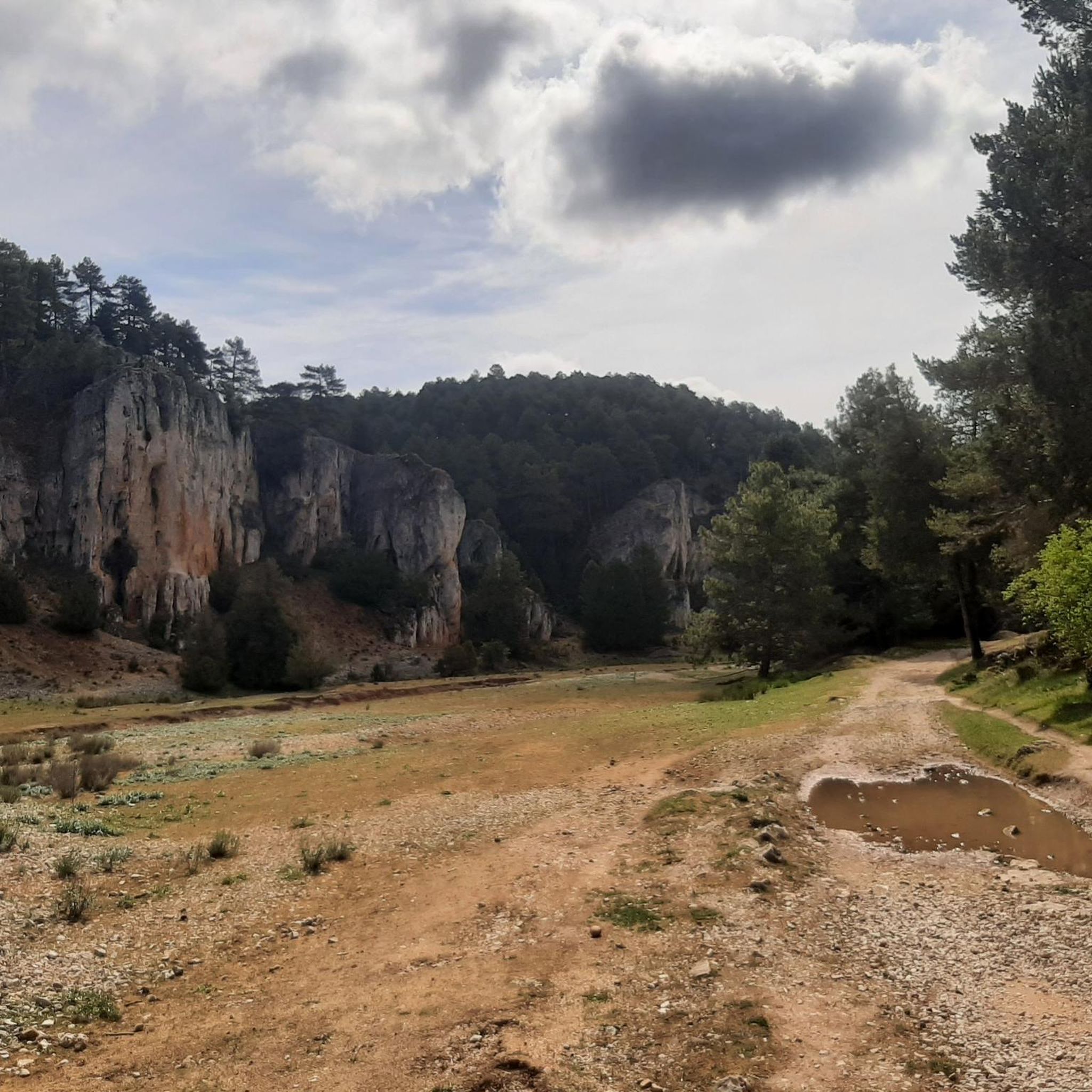
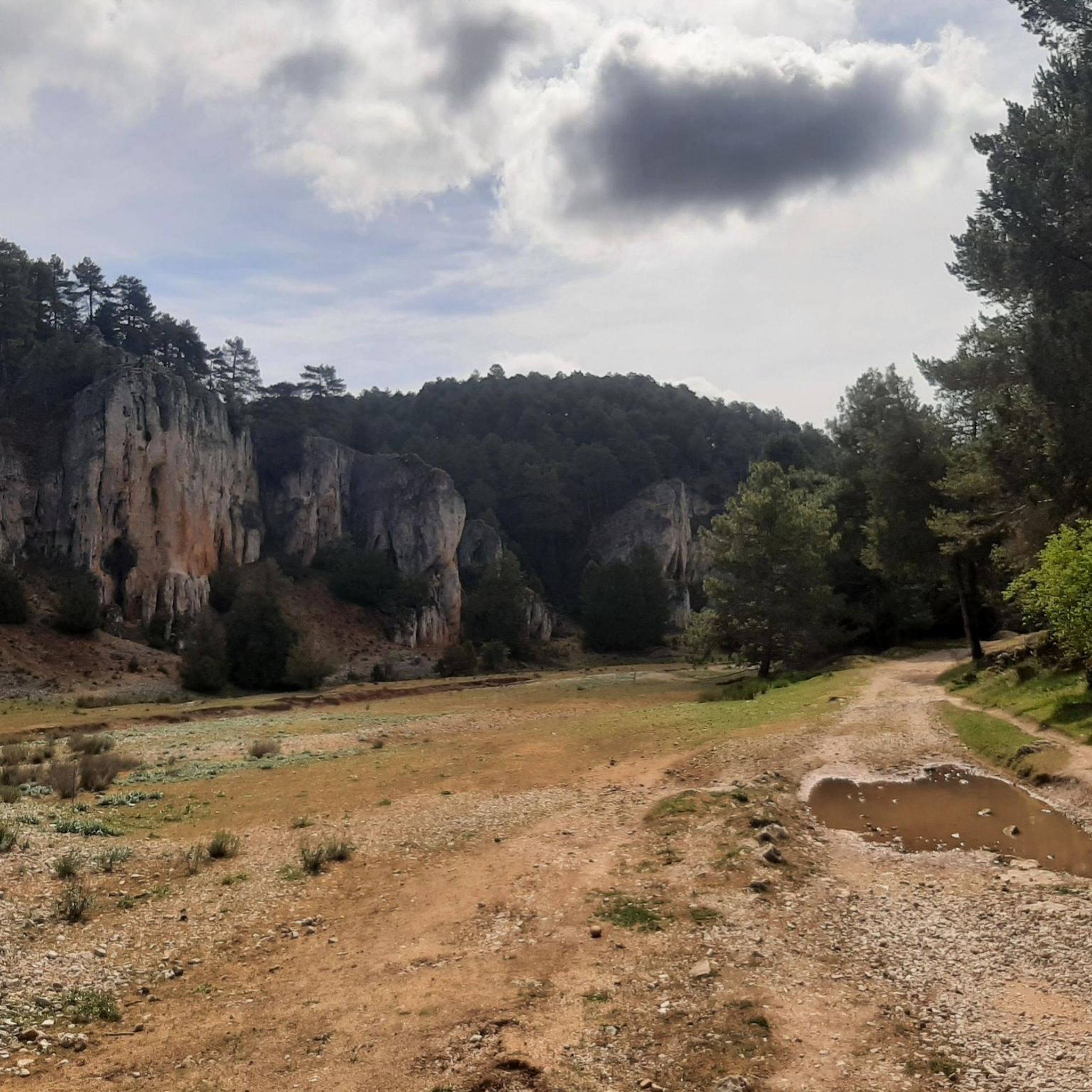
Cueva Grande (Río Lobos Canyon)
Highlight • Cave
Translated by Google •
Tip by

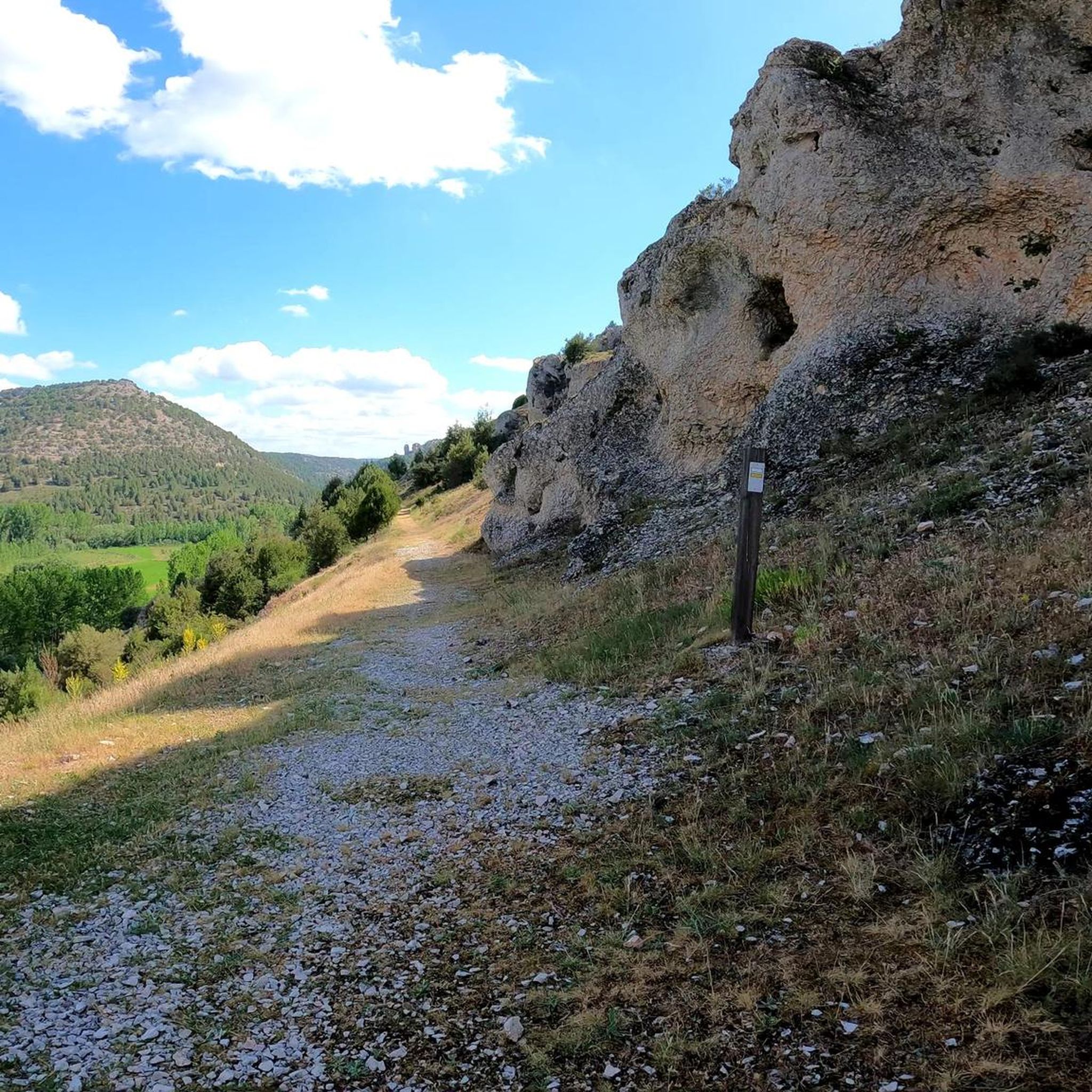
Entrance Trail to Cañón del Río Lobos from Casarejos (GR-86)
Highlight (Segment) • Trail
Translated by Google •
Tip by

Sign up now to discover places like this
Get recommendations on the best single tracks, peaks, & plenty of other exciting outdoor places.
Sign up for free
Devil's Eye (Natural Rock Arch)
Highlight • Natural Monument
Translated by Google •
Tip by

View of the Hermitage of San Bartolomé from Cueva Grande
Highlight • Cave
Translated by Google •
Tip by
La Torca Ancha
Highlight • Cave
Translated by Google •
Tip by
Sign up for free to discover even more caves around San Leonardo De Yagüe.
Sign up for free
Already have an account?
Start today with a free account
Your next adventure awaits.
Login or Signup
Tips from the Community

Spectacular area for hiking routes
0
0
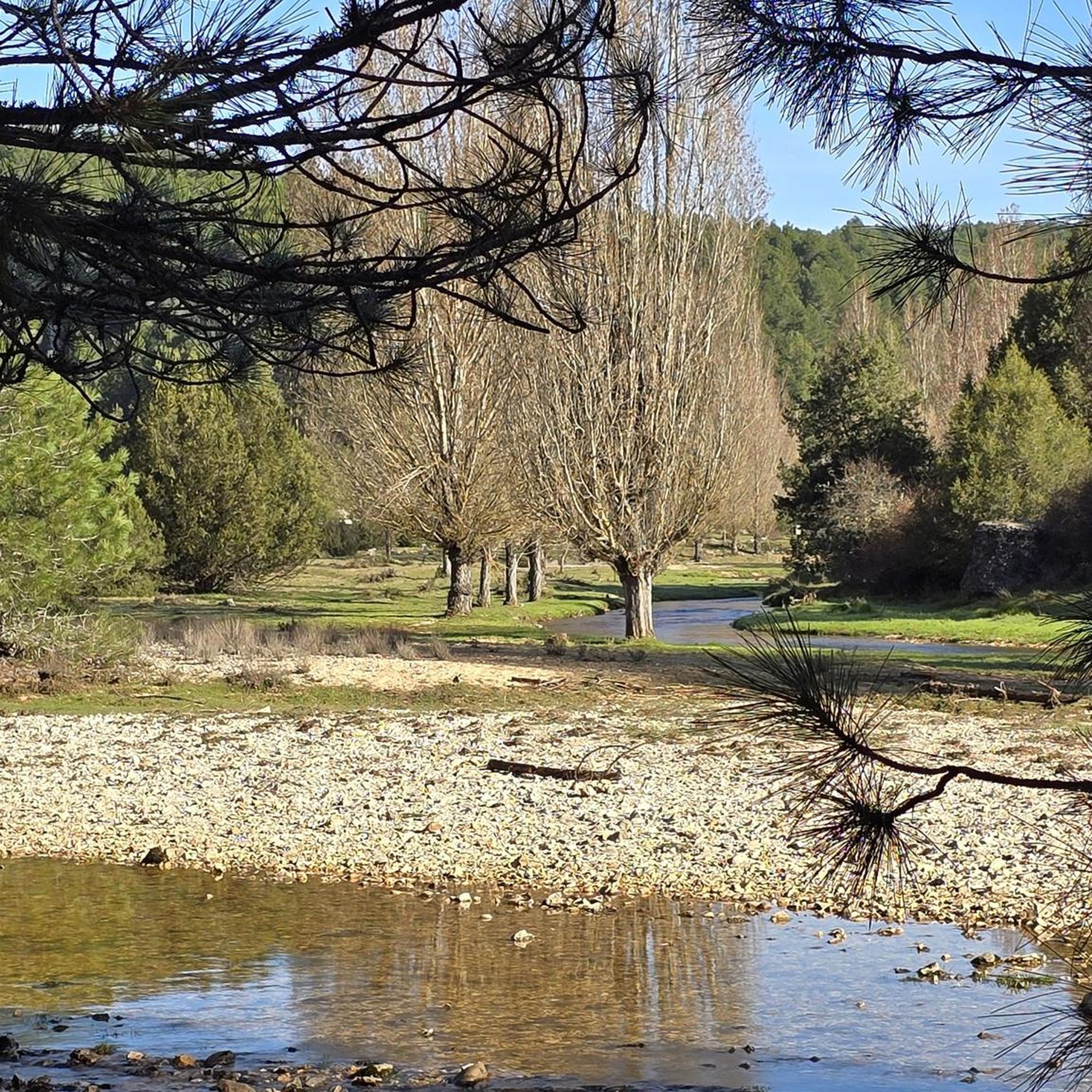
The LOBOS River canyon is worth visiting
0
0
The large cave, a large cavity in an idyllic landscape, which is the surroundings of the hermitage of San Bartolomé
0
1
The number of times I've climbed up there
0
0

Impressive cave created by nature over millions of years
1
0
A geological peculiarity: a chasm of considerable depth in the middle of the landscape. That's why it's fenced in
1
1

Very interesting and beautiful descent into the Lobos River canyon from San Leonardo.
0
0

In my case I used it to get out of the Canyon. In some sections you have to put your feet on the ground because the stones (pebbles) make it impossible for you to continue, but it is very very beautiful and cool.
0
0
Frequently Asked Questions
What types of geological features can I expect to see in the caves around San Leonardo de Yagüe?
The caves in this region, particularly within the Cañón del Río Lobos Natural Park, are rich in diverse geological formations. You can observe various lithogenic formations such as gours, columns, stalagmites, stalactites, and flowstones. For example, Cueva Grande (Río Lobos Canyon) is known for its impressive size, while Cueva de Candelones features a wide variety of speleothems in its main hall.
Are there any caves suitable for beginners or families with children?
Yes, Cueva de la Galiana offers initiation tours guided by Soriaventura, making it accessible for different skill levels, including children aged 10 and above. These tours provide an excellent introduction to speleology within the Cañón del Río Lobos Natural Park.
What outdoor activities can I combine with a visit to the caves?
The area around San Leonardo de Yagüe offers a variety of outdoor activities. You can explore numerous running trails, enjoy scenic road cycling routes, or tackle challenging MTB trails. Many of these routes pass through or near the Cañón del Río Lobos, offering views of the caves and the natural landscape.
Is there a cave known for its natural beauty or unique natural phenomena?
Cueva Serena, located near Castroviejo, is particularly known for its stunning waterfall that cascades from above the cave, often creating a rainbow effect when the sun shines. This makes for memorable visits and excellent photo opportunities.
Are permits required to access any of the caves?
While general access to natural parks like Cañón del Río Lobos is usually open, specific caves, especially those offering guided tours like Cueva de la Galiana, may require booking in advance. For more challenging caves like Cueva de Candelones, it is advisable to check with local caving associations or guides regarding access and safety protocols.
What is the best time of year to visit the caves around San Leonardo de Yagüe?
The Cañón del Río Lobos Natural Park, where many caves are located, is generally pleasant to visit during spring and autumn when temperatures are milder. Summer can also be a good time for cave exploration as it offers a cool escape from the heat. Always check for any seasonal restrictions, especially concerning bat hibernation periods which can affect cave access.
Are there any caves with historical or archaeological significance?
Yes, Cueva Serena holds archaeological significance, with rock paintings discovered in 2002. While these can be difficult to see due to deterioration, their presence adds a historical and cultural dimension to the natural wonder.
What should I wear or bring for a cave exploration in this region?
For general cave visits, sturdy footwear with good grip is essential. If you plan on guided caving tours, especially in caves like Cueva de la Galiana or Cueva de Candelones, you will likely need appropriate caving gear, including helmets, headlamps, and protective clothing. Guides typically provide this equipment or advise on what to bring.
Are there any caves directly within the municipality of San Leonardo de Yagüe?
Yes, the Cueva de San Cristóbal is located directly in San Leonardo de Yagüe. It offers a locally accessible point of interest for those curious about the geological formations right within the municipality.
Can I find any unique rock formations or natural arches near the caves?
Absolutely. Near the Templar Hermitage of San Bartolomé, you can find the Devil's Eye (Natural Rock Arch), a beautiful natural window carved into the rock within the magical setting of the Lobos River Canyon.
What is the difficulty level for exploring the caves in the area?
The difficulty varies significantly. Some caves, like the initiation routes in Cueva de la Galiana, are suitable for beginners. Others, such as Cueva de Candelones with its multiple pits and deeper sections, offer a more challenging experience for those with some caving experience. Additionally, La Torca Ancha is a fenced 20-meter sinkhole, indicating a more challenging geological feature.
Are there any gorges with caves that also offer opportunities to see wildlife?
The Hoz de Orillares Gorge and Caves is an incredible landscape where the Pilde River has created a small gorge with picturesque caves. In the upper part of this gorge, a large colony of griffon vultures can often be observed nesting on the rock walls, combining cave exploration with wildlife viewing.
Most popular routes around San Leonardo De Yagüe
Most popular attractions around San Leonardo De Yagüe

Get inspired with the komoot mobile app


Explore more
Extend your search for the best caves by checking out these guides of the top ones around San Leonardo De Yagüe:
