The best gravel rides around San Leonardo De Yagüe
4.0
(1)
24
riders
6
rides
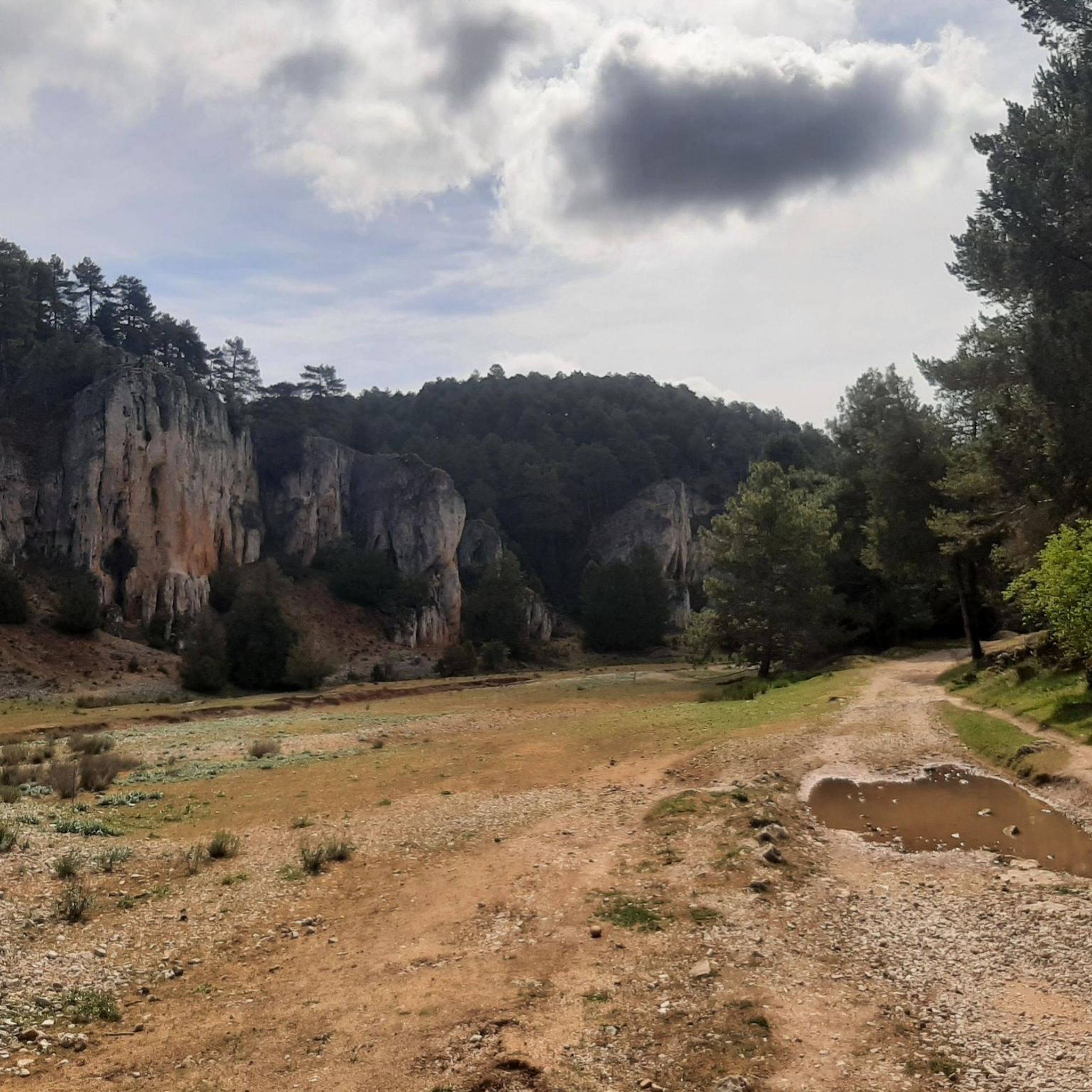
Gravel bike trails around San Leonardo De Yagüe are situated in Spain's Soria province, characterized by extensive pine forests and varied topography. The region features dramatic limestone cliffs of the Cañón del Río Lobos Natural Park and mountainous terrain from the Sierra de Urbión and Sierra de la Demanda. This geological setting provides a mix of gentle slopes, valleys, and more challenging ascents, creating diverse conditions for gravel biking.
Best gravel bike trails around San Leonardo De Yagüe
- The most popular gravel bike trail is Hermitage of Santa Lucía – Hacinas Village loop from Rabanera del Pinar, a 27.8 miles (44.7 km) trail that takes 4 hours 8 minutes to complete, winding through pine forests and offering views of traditional villages.
- Another top favourite among local gravel bikers is Cuyacabras Necropolis – Quintanar de la Sierra loop from Regumiel de la Sierra, a moderate 15.5 miles (24.9 km) path exploring ancient sites and forested routes.
- Local gravel bikers also love the Molinos de Duero – Laguna Negra Ascent. loop from Canicosa de la Sierra, a 64.2 miles (103.4 km) trail leading through mountainous terrain towards the mythical Black Lagoon, often completed in about 9 hours 27 minutes.
- Gravel biking around San Leonardo De Yagüe is defined by extensive pine forests, dramatic canyons, and mountainous terrain. The network offers options for different ability levels, from moderate routes to more difficult ascents.
- The guide includes highly-rated routes that showcase the best of the region's landscape. More than 15 gravel bikers have used komoot to explore San Leonardo De Yagüe's varied terrain.
Last updated: July 4, 2026
2
riders
44.7km
03:30
600m
600m
Hard gravel ride. Very good fitness required. Mostly paved surfaces. Suitable for all skill levels.
1
riders
Moderate gravel ride. Good fitness required. Mostly paved surfaces. Suitable for all skill levels.

Sign up for free
2
riders
22.6km
01:44
290m
290m
Moderate gravel ride. Good fitness required. Mostly paved surfaces. Suitable for all skill levels.
2
riders
Moderate gravel ride. Good fitness required. Mostly paved surfaces. Suitable for all skill levels.
3
riders
103km
08:04
1,730m
1,730m
Hard gravel ride. Very good fitness required. Mostly paved surfaces. Suitable for all skill levels.
Our route recommendations are based on thousands of hikes, rides, and runs completed by other people on komoot.
Start today with a free account
Your next adventure awaits.
Login or Signup
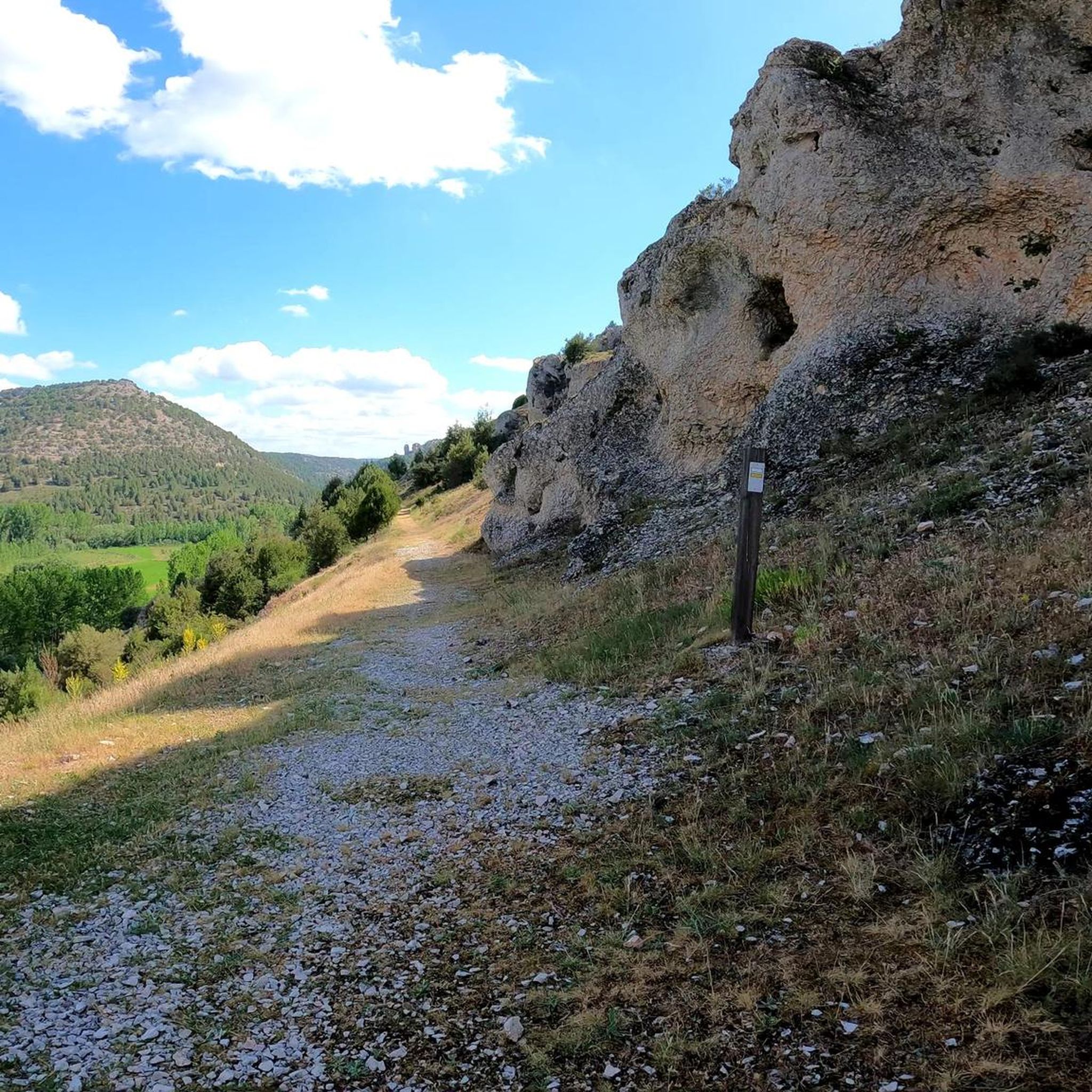
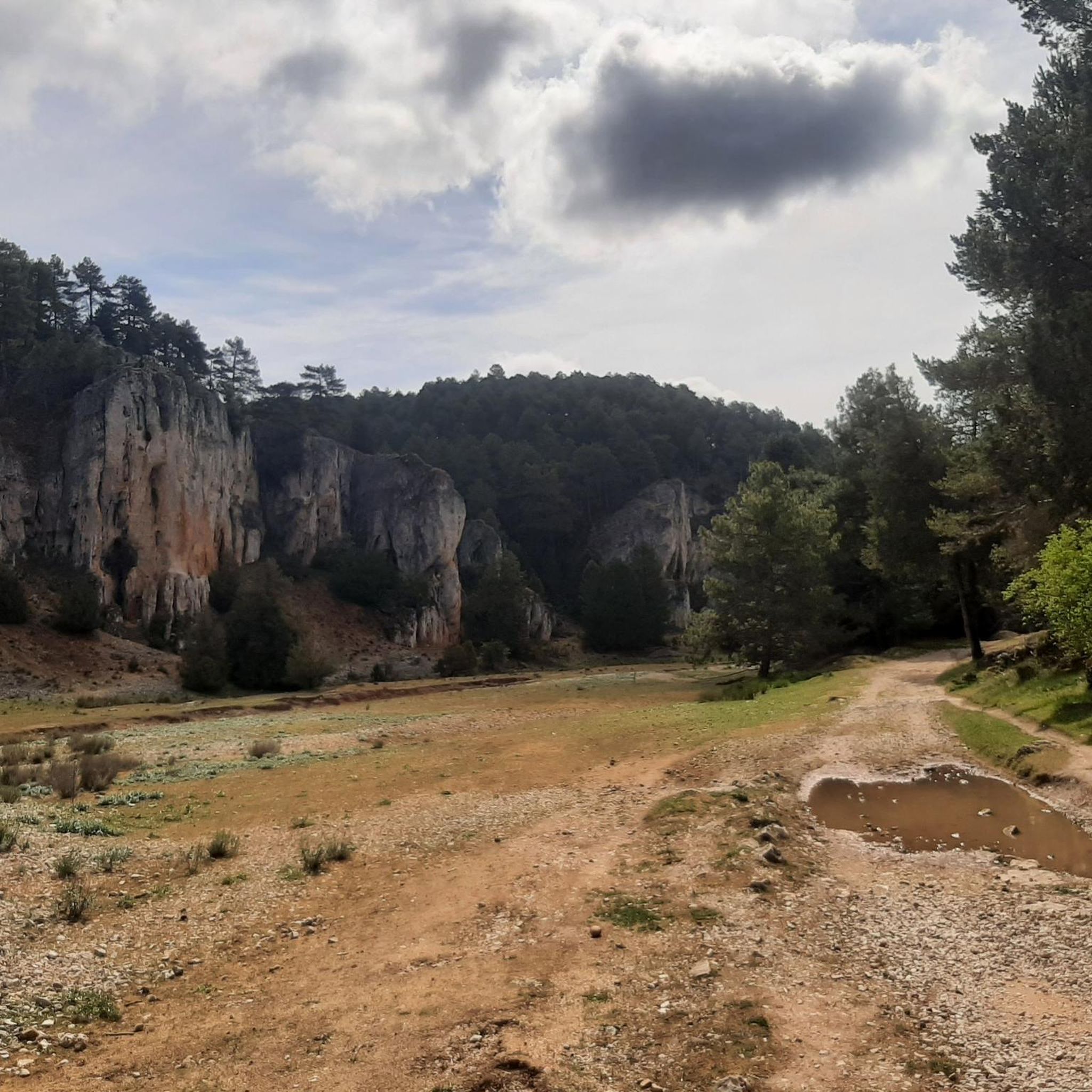
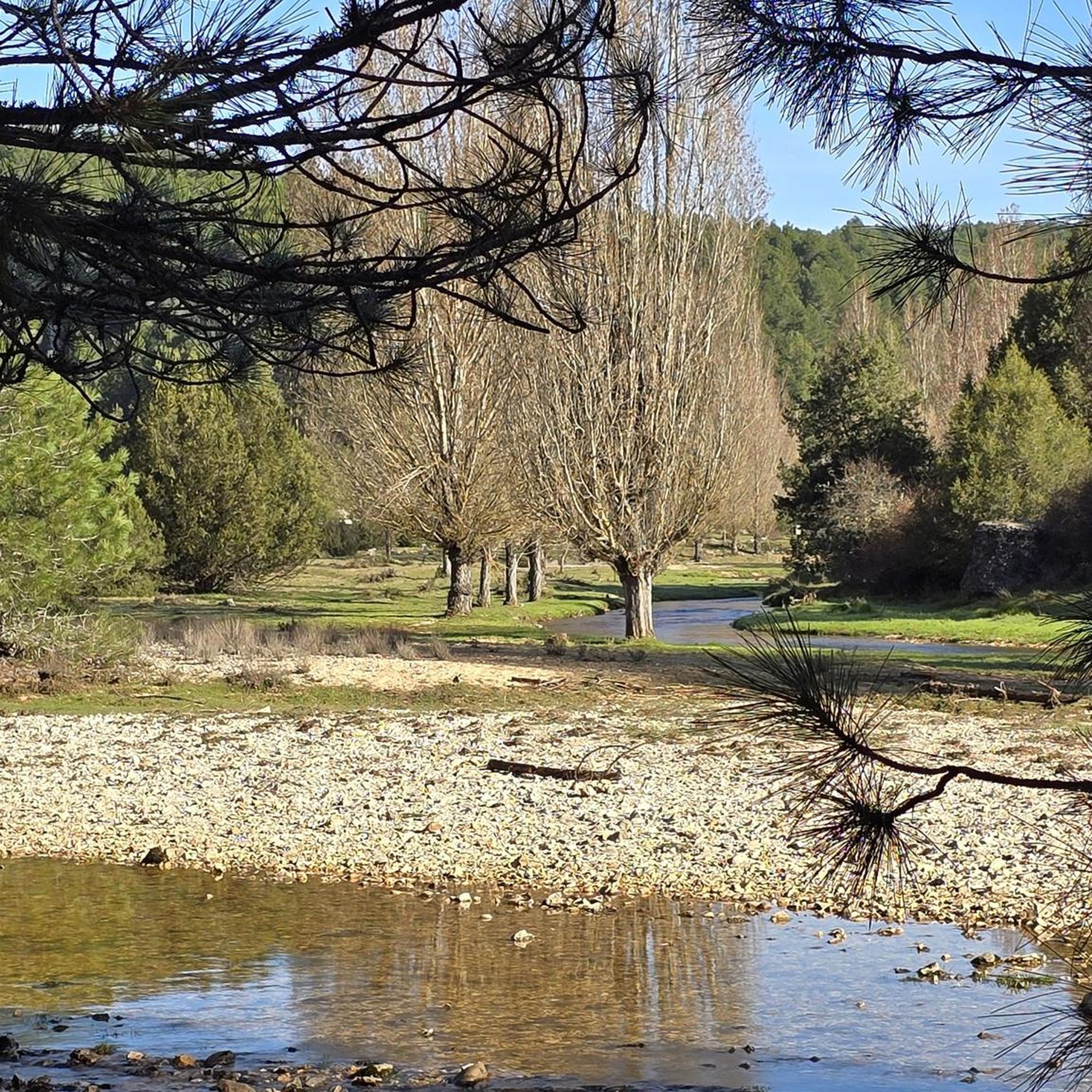
Tips from the Community

The cycle path on the railway line consists of coarse, loose gravel, so the wide shoulder on the relatively quiet national road is really relaxing
0
0

San Leonardo de Yagüe Km 61. Altitude 1,060. The Greenways and Nature Trails networks restore old railway lines from the late 19th and early 20th centuries, when engineers marked the placement of rails following the terrain and elevations, avoiding steep slopes, something unthinkable in today's railway designs. The railway weaves through the mountain pine forests and passes far from Navaleno; even the old station is off the route, although it appears to be undergoing restoration. In San Leonardo de Yagüe, however, a cinematic curiosity of the railway remains visible. Before reaching the town, the rails that were the setting for a sequence in the film Doctor Zhivago appear, where Zhivago meets Strelnikov. This scene is set with photos from the film and the famous Mikado locomotive, an interesting location for classic film lovers. The town is a fine example of the region's pine architecture. It has stately homes, remains of a 16th-century castle, and the town square features a pine tree raised during the "pingada de mayo" (May Pingada), a popular festival held by local youths who select a large pine tree from the forest and hoist it (pingan) using wooden forks and ropes until the trunk is positioned vertically in the town square. The descent to Hontoria del Pinar is fast; the bike can reach 30 kilometers per hour without applying pressure on the pedals. It's a delightful stretch in the kingdom of the pine forest. The current development of the Nature Trail ends at the entrance to the town, near the Lobos River. It looks like the end of the road, but it's actually a break in the signage work to Cascajares del Campo. These will soon be completed, and the trail will continue to the Engaña Tunnel, in the Cantabrian Mountains. In Hontoria, I have prepared a connecting section to Duruelo de la Sierra to return to Soria along the Senda del Duero. The trail is fairly simple and obvious, following the forest trails of the pine forests. It climbs up the Palacios de la Sierra road and crosses the mountain range to pass by the Presón Refuge and the Castroverde Refuge, in case anyone prefers to spend the night in the pine forest. The climb to the Balcón de Pilatos has some rather steep slopes at the end of the stage through the Umbría mountain range. It's the last warm-up before a comforting descent along the Duruelo de la Sierra road.
0
0


Nice trail area
0
0
Nice area for outdoor activities.
0
0
Nice area for outdoor activities.
0
0
This is the wildest area of the Hontoria del Pinar Natural Park.
0
0
Frequently Asked Questions
What kind of terrain can I expect on gravel bike trails around San Leonardo De Yagüe?
The region offers a diverse mix of terrains, from extensive pine forests with numerous tracks to dramatic limestone cliffs and mountainous areas. You'll find everything from gentle slopes and valleys to more challenging ascents, such as those leading towards the Sierra de Urbión and Laguna Negra. The trails are well-suited for gravel biking, combining unpaved roads, forest tracks, and secondary routes.
Are there challenging gravel routes available for experienced riders?
Yes, San Leonardo De Yagüe provides several challenging options. For instance, the Molinos de Duero – Laguna Negra Ascent. loop from Canicosa de la Sierra is a difficult 64.2-mile (103.4 km) trail with significant elevation gain, leading towards the mythical Black Lagoon. Another difficult route is the Hermitage of Santa Lucía – Hacinas Village loop from Rabanera del Pinar, covering 27.8 miles (44.7 km) through pine forests.
What natural features or landmarks can I see along the gravel bike trails?
The trails often pass through the stunning Cañón del Río Lobos Natural Park, known for its dramatic cliffs and diverse wildlife, including griffon vultures. You might also encounter the iconic "Puente de los Siete Ojos." Other notable features include the vast pine forests of the "Comarca de Pinares." For specific highlights, consider visiting the Hermitage of Saint Bartholomew or the Gullurías Viewpoint.
Are there any interesting caves or rock formations to explore?
Yes, the region is home to several fascinating geological features. The Cueva Grande (Río Lobos Canyon) is a prominent cave within the Cañón del Río Lobos Natural Park. You can also find the Devil's Eye (Natural Rock Arch) and the Hoz de Orillares Gorge and Caves, offering unique sights for exploration.
What is the best time of year for gravel biking in San Leonardo De Yagüe?
The region's climate makes spring and autumn ideal for gravel biking, offering pleasant temperatures and vibrant natural scenery. Summer can also be suitable, especially in the mornings or late afternoons, though some routes might be warmer. Winter conditions can vary, with potential for snow in higher elevations, but lower forest tracks might still be accessible.
Are there family-friendly gravel bike routes in the area?
While many routes offer varied terrain, some are more moderate and suitable for families with some cycling experience. The extensive network of forest tracks provides many options for less technical rides. For a moderate option, consider the Cuyacabras Necropolis – Quintanar de la Sierra loop from Regumiel de la Sierra, which is 15.5 miles (24.9 km) and explores ancient sites and forested paths.
Can I bring my dog on gravel bike trails in San Leonardo De Yagüe?
Many natural areas in Spain, including those around San Leonardo De Yagüe, are generally dog-friendly, especially on trails. However, it's always recommended to keep dogs on a leash, particularly in natural parks like Cañón del Río Lobos, to protect wildlife and ensure their safety. Please check specific park regulations before your visit.
Are there circular gravel bike routes available?
Yes, many of the gravel bike routes in the area are designed as loops, allowing you to start and end at the same point. Examples include the Hermitage of Santa Lucía – Hacinas Village loop from Rabanera del Pinar and the Molinos de Duero – Laguna Negra Ascent. loop from Canicosa de la Sierra. These circular routes are convenient for day trips.
Where can I park my car when starting a gravel bike tour?
San Leonardo De Yagüe and surrounding villages like Rabanera del Pinar, Regumiel de la Sierra, and Canicosa de la Sierra typically offer public parking areas. For specific trailheads, look for designated parking near natural park entrances or village centers, which often serve as starting points for cycling routes.
Is it possible to reach the trails by public transport with my bike?
Public transport options to San Leonardo De Yagüe are limited, primarily relying on bus services. While some bus companies (like ALSA) may allow bikes, it often depends on space availability and requires prior booking or specific conditions (e.g., bike disassembled and bagged). It's advisable to check with the specific transport provider in advance for their bike policy.
Do I need any special permits to cycle in natural parks like Cañón del Río Lobos?
Generally, cycling on marked trails within natural parks like Cañón del Río Lobos does not require a special permit for individual recreational use. However, it's crucial to stick to designated paths, respect park rules, and be mindful of wildlife. For large groups or organized events, specific permits might be necessary. Always check the official park website for the most current regulations.
Are there places to eat or stay overnight that are cyclist-friendly?
San Leonardo De Yagüe and the nearby towns offer various accommodation options, including rural guesthouses and small hotels, many of which are accustomed to outdoor enthusiasts. You'll also find local cafes and restaurants serving traditional cuisine, perfect for refueling after a ride. Look for establishments that offer secure bike storage or are explicitly advertised as 'bike-friendly'.
What is the overall difficulty level of gravel biking in this region?
The region caters to a range of abilities. While there are moderate routes like the Cuyacabras Necropolis – Quintanar de la Sierra loop from Regumiel de la Sierra, many trails are rated as difficult due to their length, elevation gain, or technical sections. The varied topography ensures that both casual riders and those seeking a significant challenge can find suitable routes.
Most popular routes around San Leonardo De Yagüe
Most popular attractions around San Leonardo De Yagüe

Get inspired with the komoot mobile app


Explore more
Browse the best Gravel rides in other regions.
