Top 8 Caves around Entrambasaguas
Best caves around Entrambasaguas are found in Cantabria, Spain, a region known for its rich karstic landscape. This area features a variety of intriguing underground systems, from natural springs to more complex cave networks. Entrambasaguas itself offers accessible natural features and historical sites. The region's geology provides a diverse range of cave experiences for explorers.
Best caves around Entrambasaguas
- The most popular caves is Cucabrera Cave, a cave that offers incredible views of the sea. This natural monument provides…
Last updated: May 6, 2026
Aguanaz River and Frenchman’s Cave
Highlight (Segment) • River
Translated by Google •
Tip by

Cucabrera Cave
Highlight • Cave
Translated by Google •
Tip by

Sign up now to discover places like this
Get recommendations on the best single tracks, peaks, & plenty of other exciting outdoor places.
Sign up for free
La Covachona Cave and Source of the Cubón River
Highlight • Cave
Translated by Google •
Tip by
Cubera Cave
Highlight • Cave
Translated by Google •
Tip by
Cueva de la Colodra
Highlight • Cave
Translated by Google •
Tip by

Sign up for free to discover even more caves around Entrambasaguas.
Sign up for free
Already have an account?
Start today with a free account
Your next adventure awaits.
Login or Signup
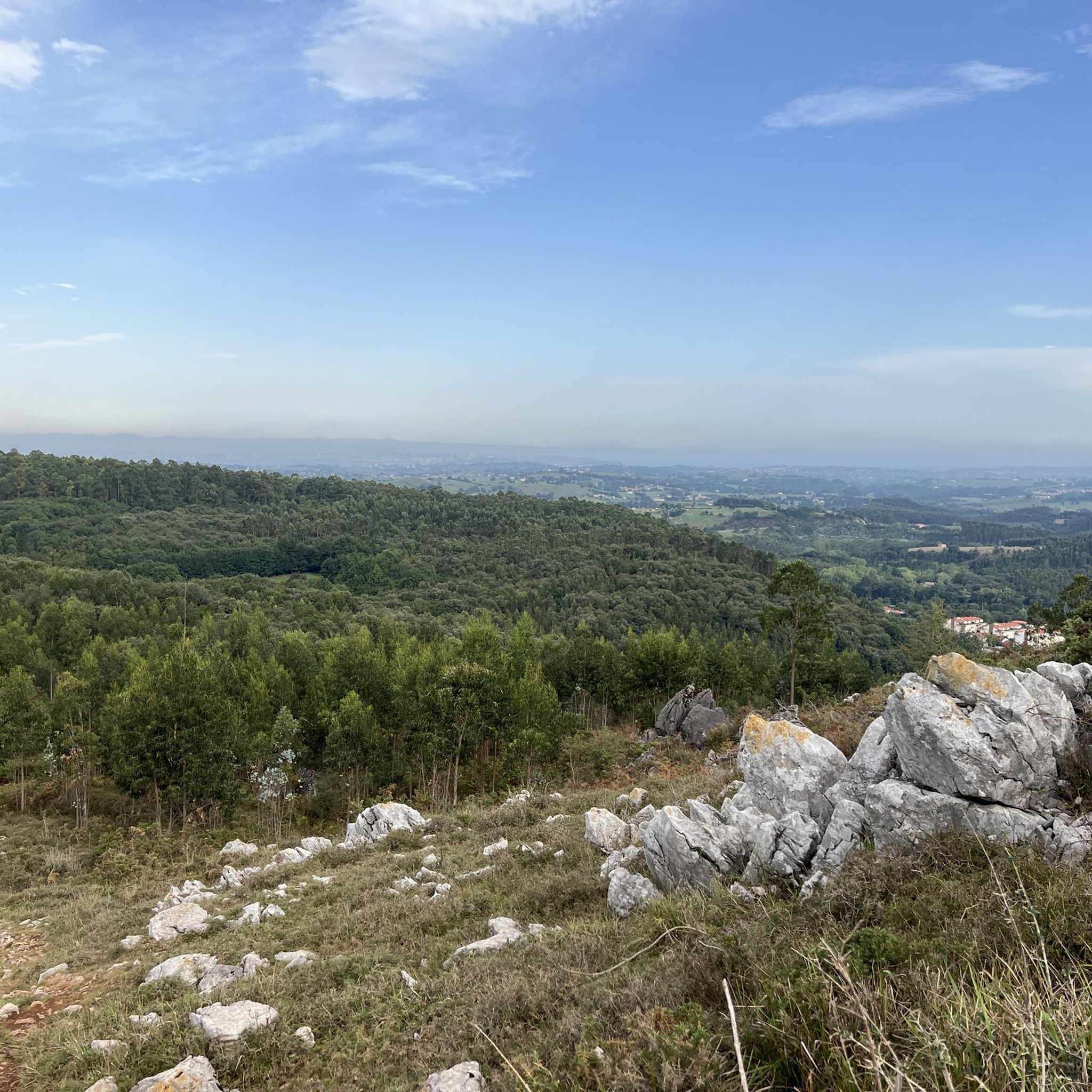
Tips from the Community

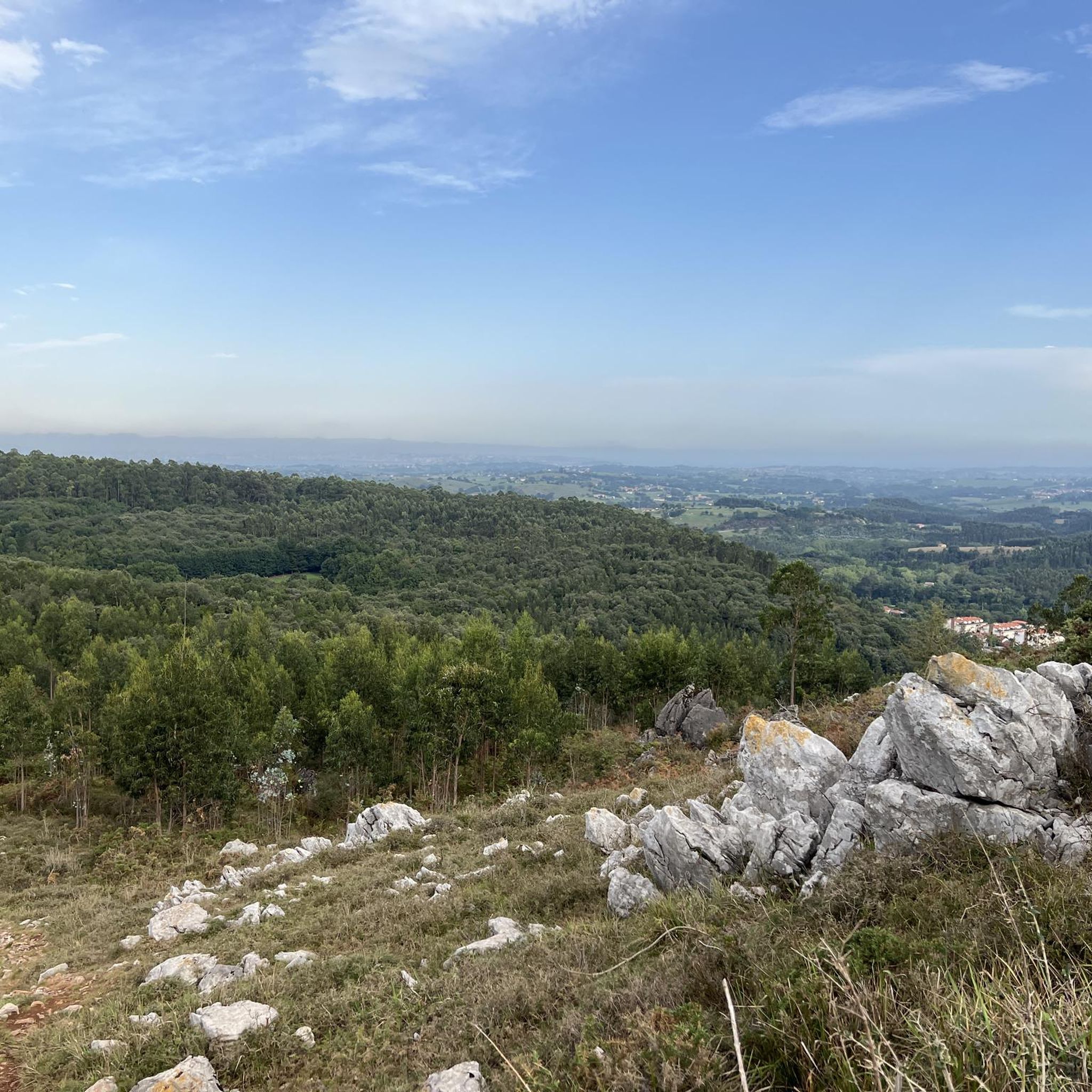
La Cueva de la Colodra is a curious cavity with the typical shape of a movie cave that you can enter its "portico" perfectly standing up but after a few steps inside you discover that it continues through a much smaller and narrower cavity in which You have to crouch down and have more trouble if you want to explore, yes, a flashlight and some basic precautions are necessary here with some more equipment in case it is necessary. It is found going up a few steps from the path that goes up to Alto de Brenas and also to Alto de los Escajos, it is a comfortable path to follow so it does not cost much to deviate and visit this cave, and just a few meters away the birth also begins from the stream of the same name. Of course, if you look calmly from inside it seems that you have a wonderful window to paradise and you breathe authentic peace and tranquility, it is a great place.
0
0

Legend has it that a French abbot, fleeing the Revolution, came to these places, hiding in the cave. And they say that, from so much crying, his eyes became irritated in such a way that they caused him bad eyesight. But, on one occasion he noticed that by washing them with the waters of the fountain, his eyes healed. Hence the discovery of the virtues of the waters and the name of the place.
1
0

Magnificent cave with beautiful views that is worth visiting. It is a few meters away from the path up to Brenas and passing through the Peñal de Brenas.
0
0

Nice and quiet path that runs along the river through the foliage of the forest.
0
0

In the middle of the Asón river path, on the way to Arredondo.
0
0
The Cubera cave is located at kilometer 2.8 of the road that goes from Arredondo to La Sia and its mouth is at the same level as the road and it has a spring that drains its waters from the currents of the system that predominates in the cave. zone. This cavity is divided into three zones according to its characteristics. Thus we have: The Fossil Network of the Sima de Cueto which is characterized by having huge corridors in which there is no water around it and the ground is made up of large stone blocks which makes it difficult to transit through this area. Another section is the Intermediate Network which is made up of a large number of caves and labyrinth-like paths, these suppose an excavation after the waters and has several levels, these connect the Sima del Cueto and La Coventosa. The third section in the Coventosa Gallery, which is located next to the previously described labyrinthine area, communicates with almost all the galleries as well as with the Cubera spring. Information taken from: https://www.viajarporcantabria.com/la-cueva-de-cubera/
3
0
In the Bº de Rioz, in Sobremazas (Medio Cudeyo), behind the public washhouse, at the bottom in the rocks is a small cave where clear and crystalline water emerges and is where the source of the Cubón river is dated. The cave also gives the name to the small park that surrounds it, which has 3 wooden tables, a fountain and a small recreational park for young children and one of the Singular Trees of Cantabria: El Castaño de Rioz.
5
0
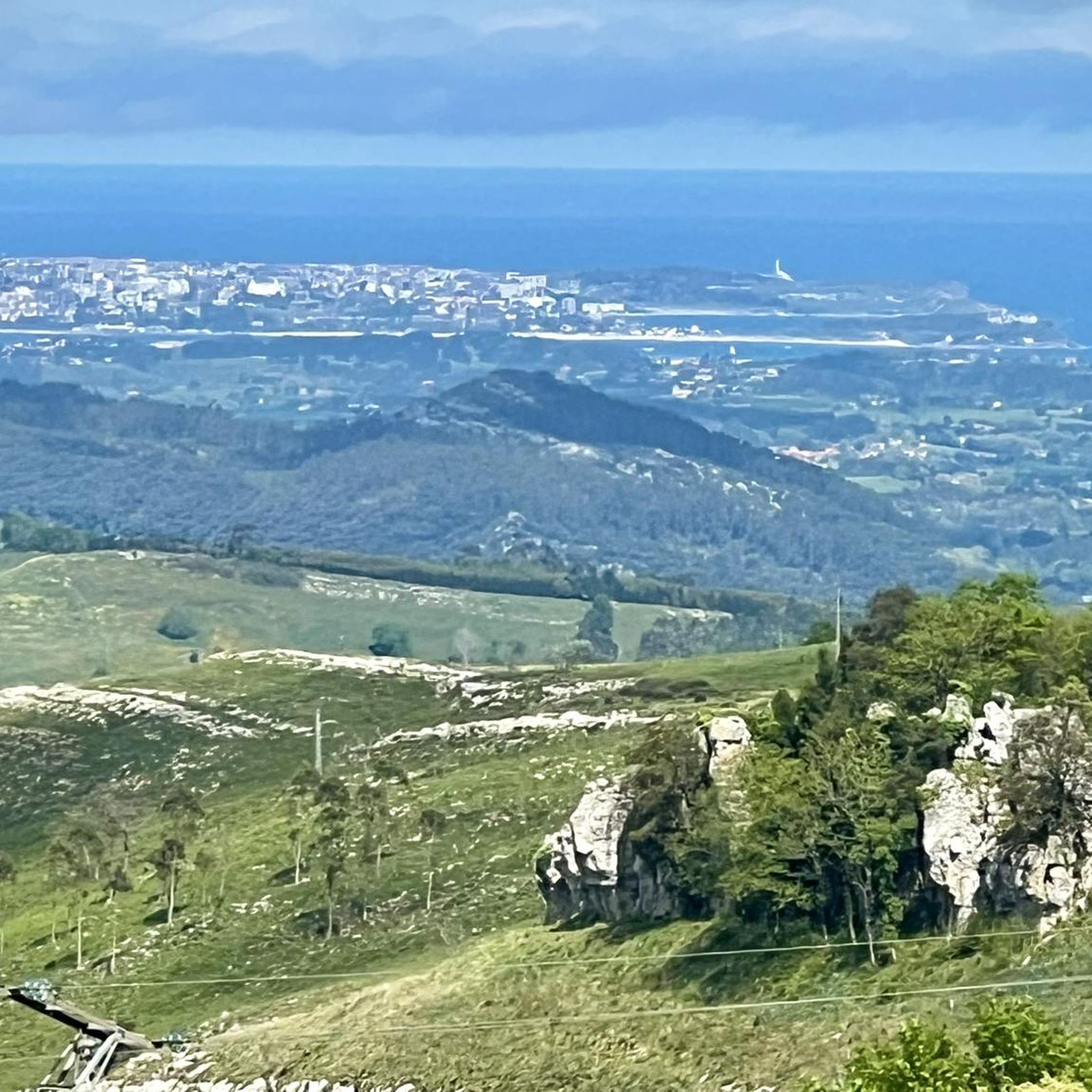
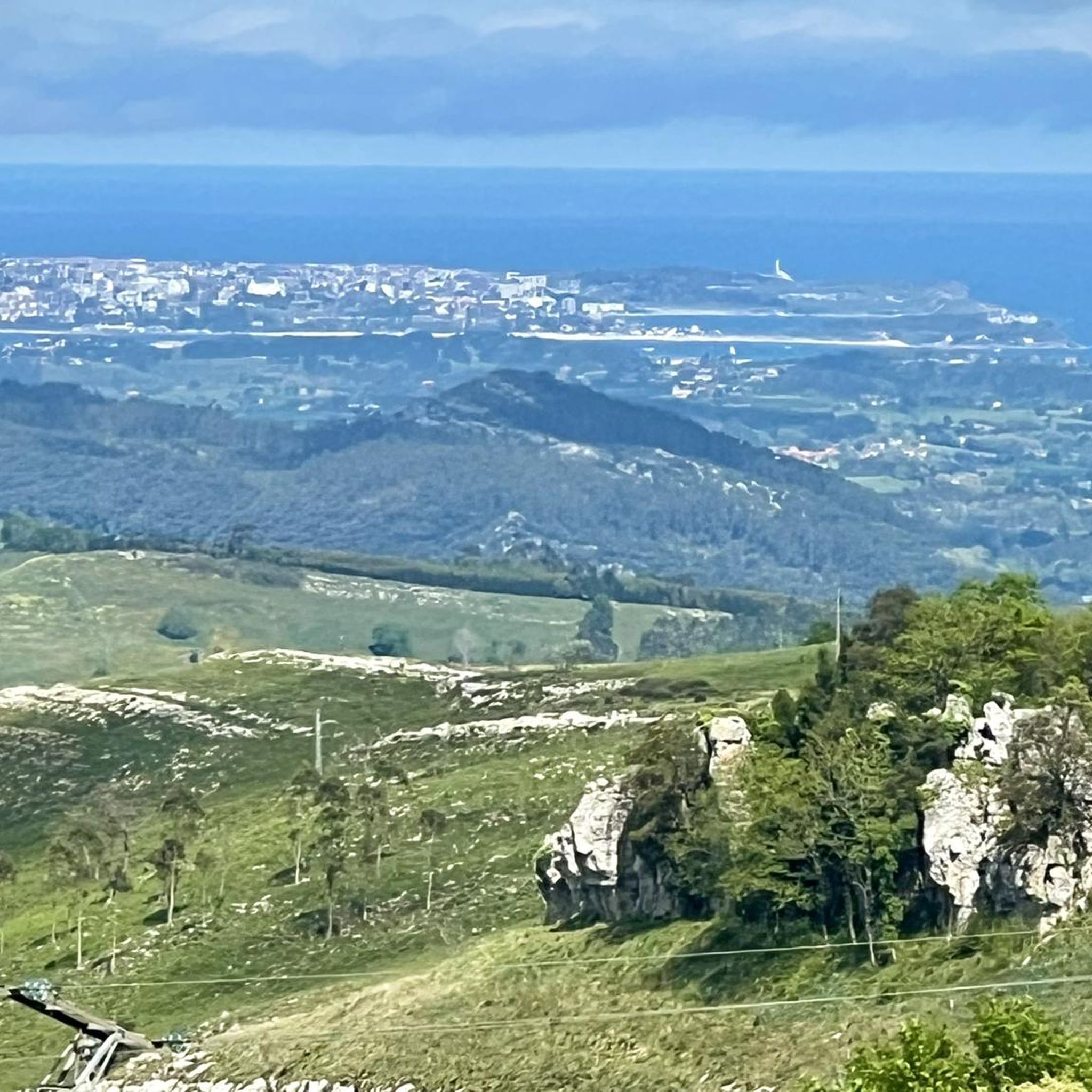
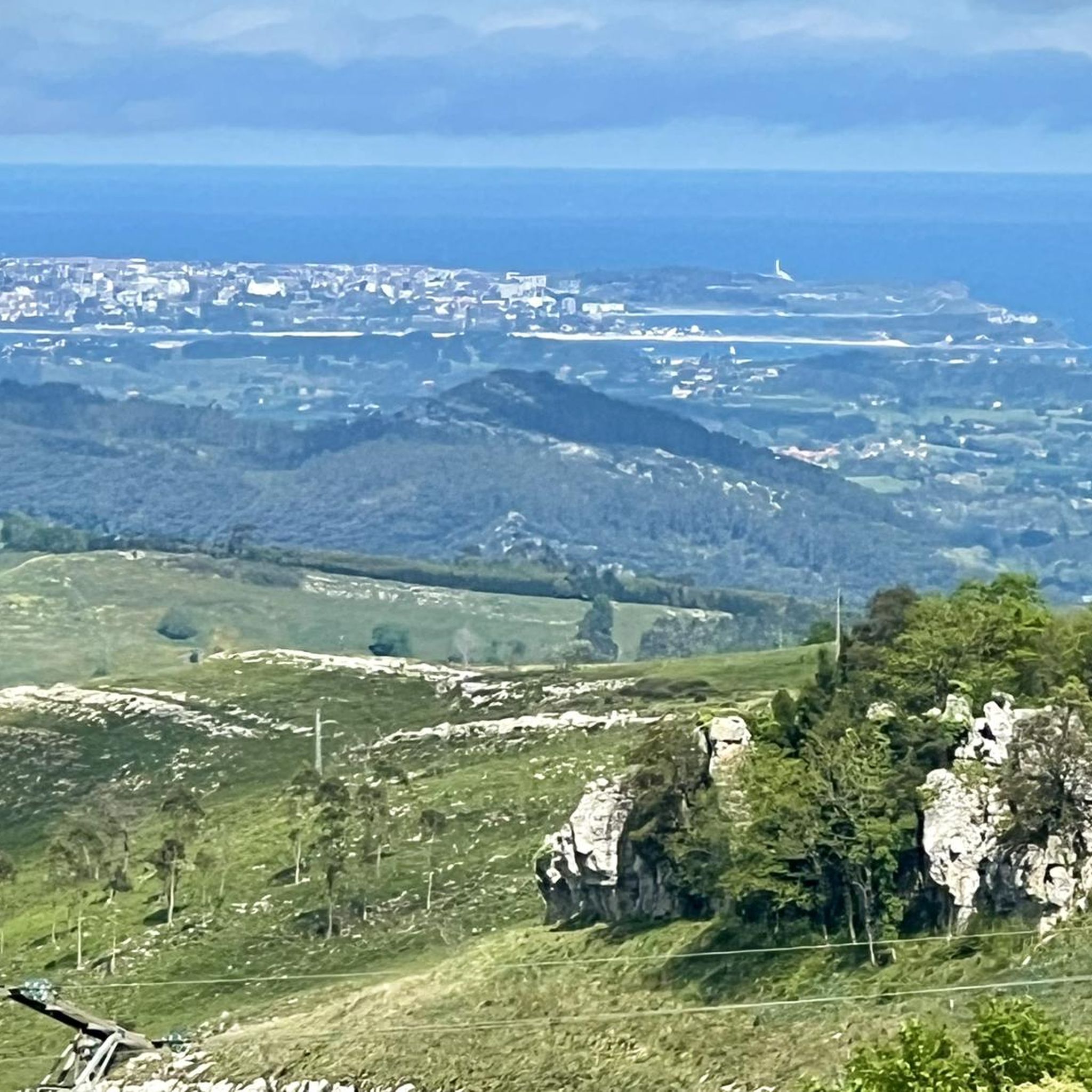
A cavity to protect you from the rain or the sun, with incredible views of the sea, which breaks at your feet. They have enabled it to rest and you can eat and even to make a small grill.
3
0
Frequently Asked Questions
What types of caves can I explore around Entrambasaguas?
Entrambasaguas and the surrounding Cantabria region offer a diverse range of caves. You can find natural springs, historical caves with local legends, and more complex underground systems. Options include caves with incredible viewpoints, sources of rivers, and challenging networks for experienced explorers.
Are there family-friendly caves to visit near Entrambasaguas?
Yes, several caves are suitable for families. Aguanaz River and Frenchman’s Cave offers a quiet river walk and a cave steeped in local legend. Another great option is La Covachona Cave and Source of the Cubón River, which features a small park with recreational facilities and is the source of the Cubón River.
Which caves offer the best views around Entrambasaguas?
For magnificent views, consider Cueva de la Colodra. It's described as a 'wonderful window to paradise' from within, offering peace and tranquility. Cucabrera Cave also provides incredible views of the sea.
What is the historical significance of the caves in this region?
The broader Cantabria region is renowned for its rich karstic landscape and numerous caves, including UNESCO World Heritage sites with Paleolithic art. Locally, Aguanaz River and Frenchman’s Cave (also known as Cueva del Francés) is steeped in legend, with tales of a French abbot finding refuge there and discovering therapeutic properties in its spring water.
Are there any challenging caves for experienced explorers?
Yes, Cubera Cave is considered challenging. It features a complex system divided into three zones, including the Fossil Network of the Sima de Cueto with large stone blocks that make transit difficult, and a labyrinthine Intermediate Network.
What natural features can I expect to see in the caves?
You can expect to see diverse geological formations, natural springs, and river sources. For example, La Covachona Cave is the source of the Cubón River, where clear, crystalline water emerges. Cubera Cave features a spring draining its waters from the system and vast corridors.
What outdoor activities can I do near the caves around Entrambasaguas?
The area around Entrambasaguas offers various outdoor activities. You can find numerous hiking trails, including easy to moderate routes like the Pico Vizmaya Trail or the Devil's Cave – Palacio de los Acevedo loop. There are also options for gravel biking and running. For more details on routes, visit the Hiking around Entrambasaguas, Gravel biking around Entrambasaguas, and Running Trails around Entrambasaguas guides.
Do I need special equipment to explore the caves?
For caves like Cueva de la Colodra, which narrows considerably inside, a flashlight is necessary for further exploration. For more challenging caves like Cubera Cave, which has difficult terrain, additional caving equipment and precautions may be required.
What is the best time of year to visit the caves in Entrambasaguas?
The caves can generally be visited year-round, but specific conditions might vary. For surface-level exploration and enjoying the surrounding natural parks, spring and autumn offer pleasant temperatures. Always check local weather conditions before planning your visit, especially if exploring more complex systems.
Are there any caves that offer a place to rest or have a meal?
Yes, Cucabrera Cave provides a sheltered spot where you can rest, eat, and even make a small grill while enjoying incredible sea views. La Covachona Cave is surrounded by a small park with wooden tables and a fountain, perfect for a picnic.
What do visitors enjoy most about the caves around Entrambasaguas?
Visitors appreciate the unique natural beauty, the sense of peace and tranquility offered by places like Cueva de la Colodra, and the incredible views from caves like Cucabrera Cave. The historical legends associated with sites like Aguanaz River and Frenchman’s Cave also add to the appeal.
Most popular routes around Entrambasaguas
Most popular attractions around Entrambasaguas

Get inspired with the komoot mobile app


Explore more
Extend your search for the best caves by checking out these guides of the top ones around Entrambasaguas:
