Top 10 Gorges around Cáñar
Canyons around Cáñar are characterized by a dramatically mountainous landscape within the Alpujarras region of Granada, Spain, and its proximity to the Sierra Nevada Natural Park. The area features impressive gorges and ravines, carved by mountain streams. This topography offers diverse natural features for outdoor exploration, including waterfalls and deep river valleys.
Best canyons around Cáñar
- The most popular canyons is Cahorros de Nigüelas Waterfall, a waterfall that maintains water flow even during dry periods. This site features a…
Last updated: June 20, 2026
Cahorros de Nigüelas Waterfall
Highlight • Waterfall
Translated by Google •
Tip by

Tajo de Cortés Waterfall
Highlight • Waterfall
Translated by Google •
Tip by

Sign up now to discover places like this
Get recommendations on the best single tracks, peaks, & plenty of other exciting outdoor places.
Sign up for free
Path through the Trevélez Gorge
Highlight • Gorge
Translated by Google •
Tip by

El Salado Ravine
Highlight • Gorge
Translated by Google •
Tip by
Interesting Trail in a Narrow River Valley
Highlight (Segment) • Trail
Translated by Google •
Tip by
Sign up for free to discover even more gorges around Cáñar.
Sign up for free
Already have an account?
Start today with a free account
Your next adventure awaits.
Login or Signup
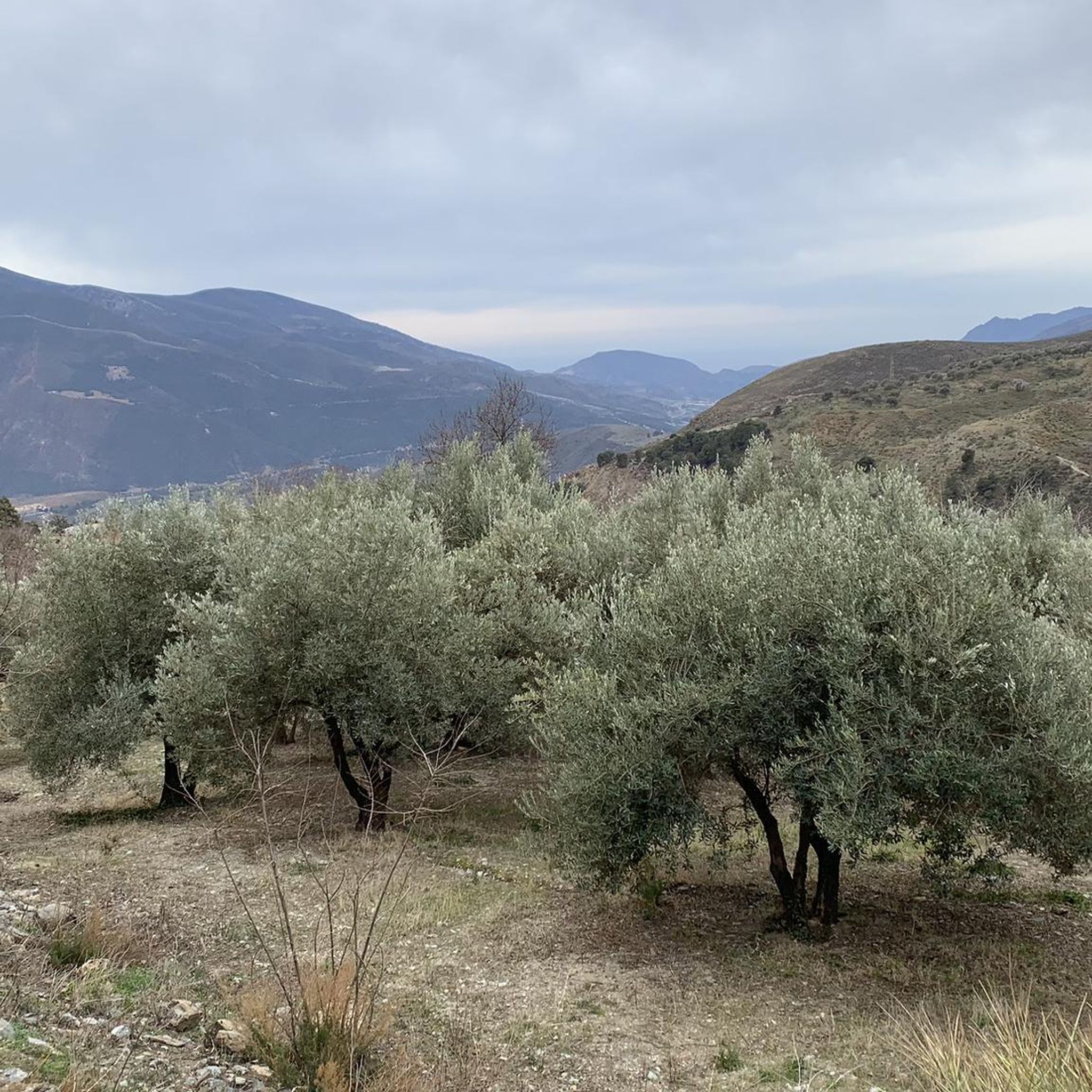
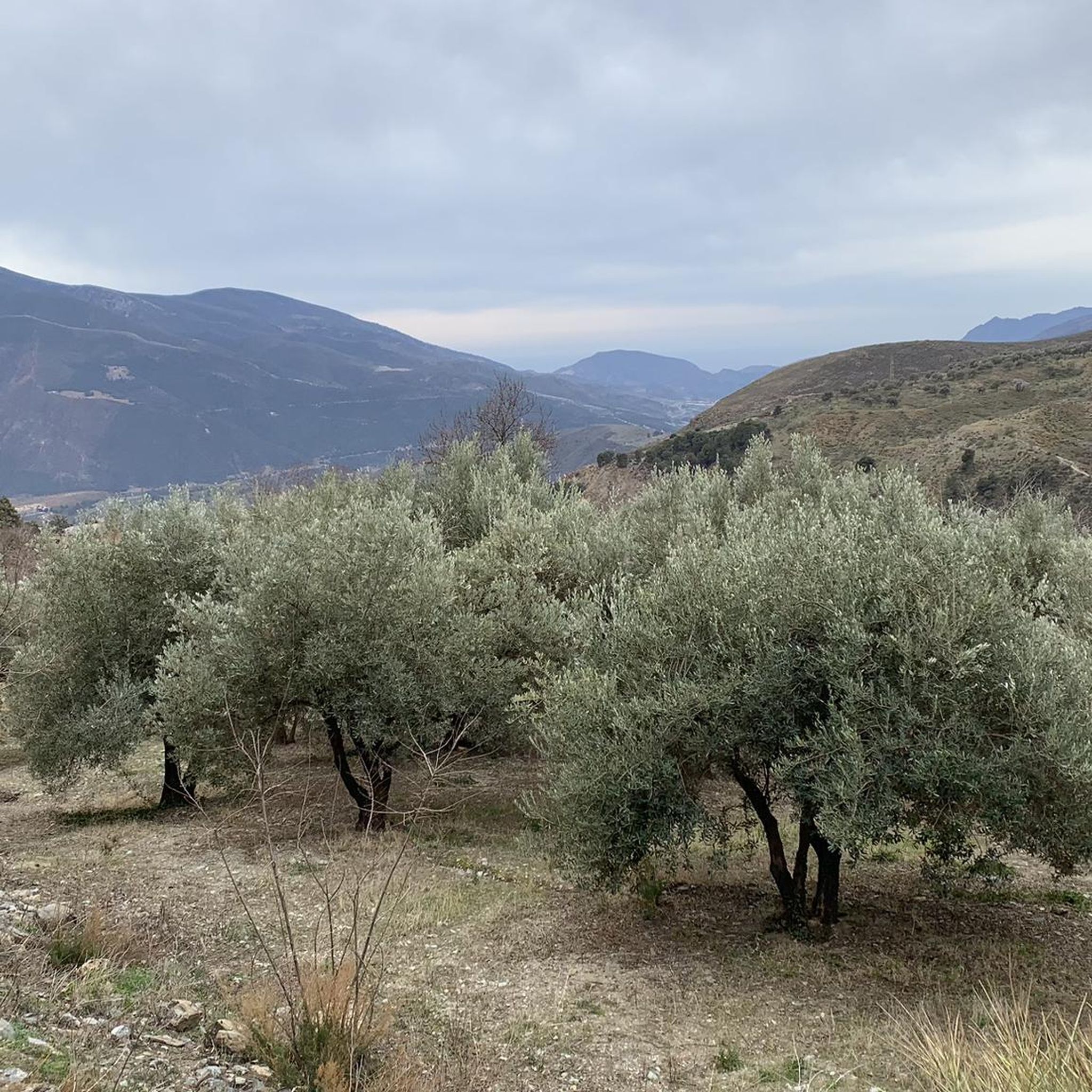
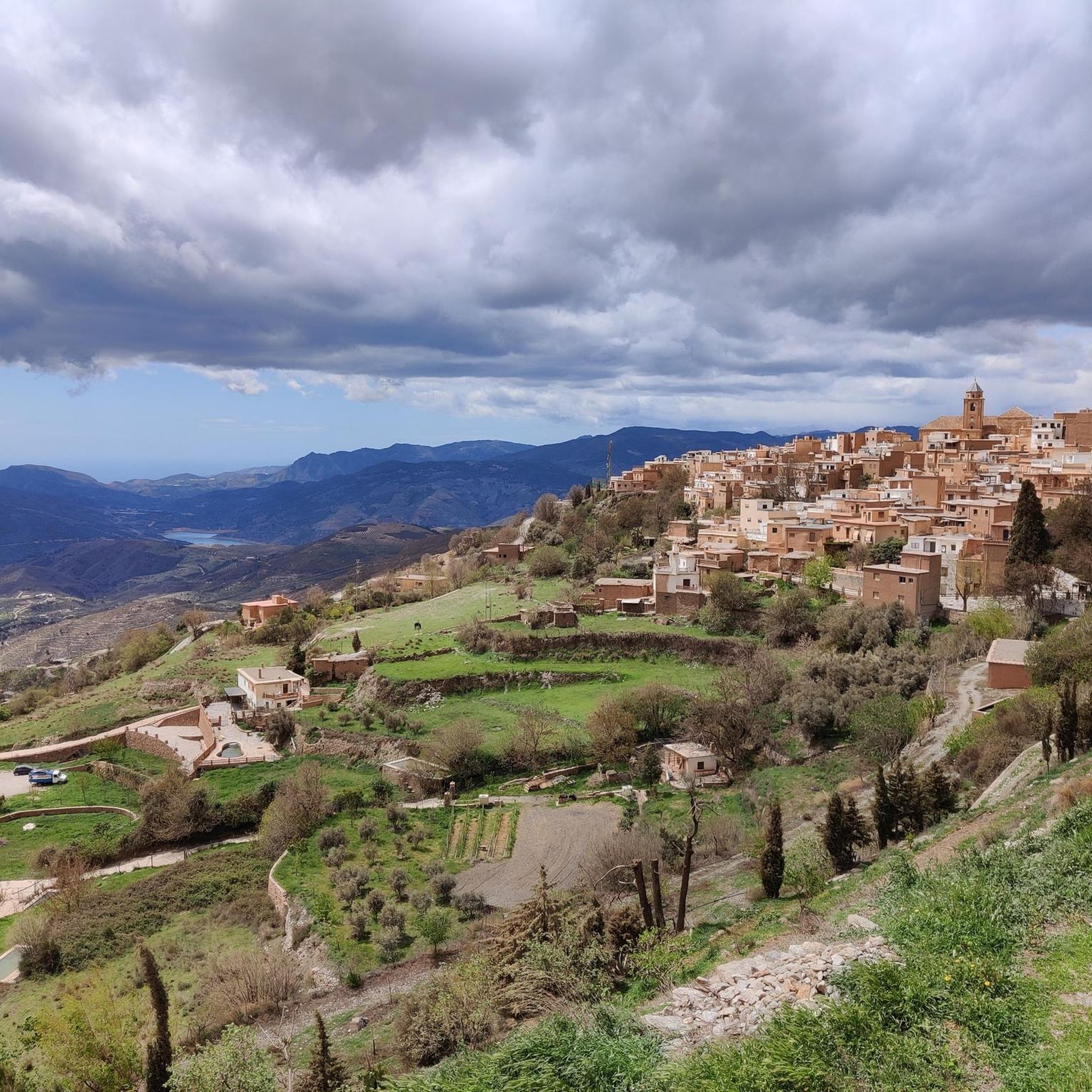
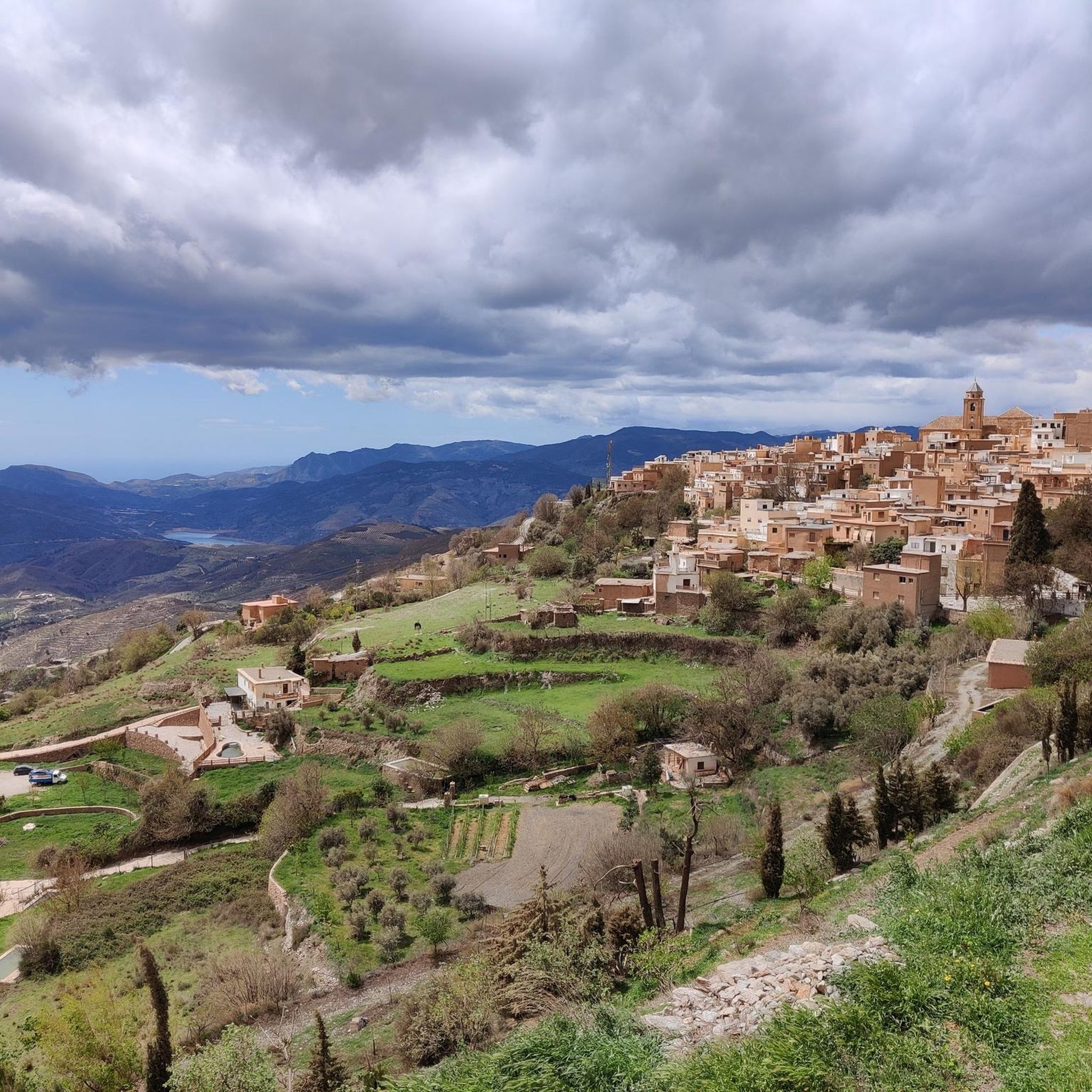


Tips from the Community

Exciting path on the eastern slope of the Poqueira River between Capileira and the Abuchite bridge over the river with magnificent views into the valley.
1
0

It is a short section, with a ladder and a rope, which the little ones usually like.
0
0

The Tajo de Cortés Waterfall is an impressive waterfall located in the Alpujarra Granadina, near the towns of Pitres and Pórtugos in Andalusia. Two routes that will take you to this beautiful waterfall: Sendero PR-A 29 from Pórtugos or the somewhat shorter Circular Route from Pitres.
1
1

This ravine is named after the dry or salty Verdelaga bush, which resists very well waters with a high content of salts and minerals like those of this ravine, which are ferruginous and carbonated.
0
1
15 m waterfall on the Bermejo river, in the municipality of Pórtugos. The river is born from the confluence of the ravines of La Chorrera and El Jabali. Through waterfalls like this one, the Bermejo River bridges a 900-meter drop in just 3.5 kilometers.
2
0
From here, a narrow but clear path (unfortunately not shown on the map!) leads down into the gorge to a bridge over the Rio Trevelez and thus to the GR-142 long-distance hiking trail, which connects the two villages of Fondales (in the northwest) and El Aguadero (in the southwest) via this bridge. I couldn't mark this great trail as a section HL because Komoot doesn't tolerate it!
2
0

The way to the waterfall is not signposted. Next to the power station (Fábrica de la Luz) there is a footpath on the left that leads directly to the waterfall. A little further ahead, the path splits again, here you have to keep left to get to the waterfall.
1
0
A great waterfall that still carries water even when it is very dry.
1
0
Frequently Asked Questions
What are some notable gorges and ravines directly around Cáñar village?
Cáñar village is nestled between two significant gullies: the Barranco de Río Chico de Cáñar and the Barranco de las Parrillas. The Barranco de Río Chico features the impressive Dique 24, a historical dam built in 1942, known for its dramatic 30-meter drop and scenic views. These formations contribute to the rugged, mountainous landscape surrounding the village.
What are the most popular canyon-like attractions near Cáñar?
Visitors frequently enjoy the Cahorros de Nigüelas Waterfall, which maintains water flow even in dry periods and features a short section with a ladder and rope. Another favorite is the Path through the Trevélez Gorge, offering a narrow path down to a bridge over the Rio Trevelez and access to the GR-142 long-distance hiking trail. The Tajo de Cortés Waterfall, a 15-meter cascade on the Bermejo river, is also highly regarded.
Are there any waterfalls to visit in the Cáñar area?
Yes, the region around Cáñar is known for its waterfalls. Two prominent examples include the Cahorros de Nigüelas Waterfall, which is accessible via a footpath next to the Fábrica de la Luz, and the Tajo de Cortés Waterfall, a 15-meter cascade on the Bermejo river, reachable via routes from Pitres or Pórtugos.
What kind of terrain can I expect when hiking in the canyons around Cáñar?
The terrain around Cáñar is dramatically mountainous, with significant elevation changes ranging from 960 meters at Barranco del Cañuelo to over 3,000 meters at Tajo de los Machos. You can expect rugged paths, deep river valleys, and impressive geological formations. Some trails, like the one to Cahorros de Nigüelas Waterfall, may include short sections with ladders or ropes.
What is Dique 24 and why is it significant?
Dique 24 is a remarkable dam constructed in 1942 within the Barranco de Río Chico de Cáñar, between Cáñar and Soportújar. It was built to control destructive flash floods and spans a deep gorge of the Chico river. It's significant as a testament to historical engineering in a dramatic natural setting, offering scenic views and serving as a crossing point for hikers on the GR7 long-distance footpath.
Are there opportunities for canyoning in the wider region accessible from Cáñar?
Yes, Cáñar serves as an entry point to the Sierra Nevada Natural Park, which is renowned for canyoning. Notable destinations include the Paterna del Río Canyon in La Alpujarra, featuring clear mountain streams and hidden waterfalls, and the Rio Verde Gorge (near Otívar/Nerja), a highly acclaimed spot for rappelling, jumping, and sliding through natural pools. These areas offer diverse canyoning experiences for various skill levels.
Are there family-friendly hiking options in the canyons near Cáñar?
While many routes in the mountainous region can be challenging, some sections are suitable for families. For example, the path to the Cahorros de Nigüelas Waterfall includes a short section with a ladder and rope that children often enjoy. When planning, look for trails described as 'easy' or 'moderate' and consider the elevation changes. The sound of the acequias (irrigation channels) often accompanies walkers, adding to a pleasant experience.
When is the best time to visit the canyons around Cáñar?
The best time to visit the canyons around Cáñar is generally during spring (April-June) and autumn (September-November). During these seasons, the weather is milder, making hiking and outdoor activities more comfortable. Summer can be very hot, especially in the lower elevations, while winter may bring colder temperatures and potential snow at higher altitudes, impacting accessibility to some areas.
What other outdoor activities can I do near the canyons of Cáñar?
Beyond exploring the gorges, the Cáñar area offers a variety of outdoor activities. You can find numerous hiking trails, including routes like the 'Dike 24 of the Río Chico – Mountain Trail at Río Chico loop from Cáñar'. For more challenging adventures, there are mountain hikes, such as those leading to Mulhacén Peak. Gravel biking is also popular, with routes like the 'View of Béznar Reservoir – Restábal Village loop from Lecrín'.
Are there specific hiking trails that lead through gorges or offer great views?
Yes, many trails in the region offer stunning views and pass through impressive gorges. The Path through the Trevélez Gorge is a notable example, leading down to a bridge over the Rio Trevelez. The GR7 long-distance footpath also crosses the stream just above Dique 24, providing excellent views of the Barranco de Río Chico. Additionally, the El Salado Ravine offers a unique landscape named after its salt-resistant vegetation.
Where can I find food and accommodation near the canyons of Cáñar?
Cáñar is a small village, but it and nearby towns in the Alpujarras region offer various options for food and accommodation. You'll find local cafes and restaurants serving traditional Andalusian cuisine. For accommodation, there are guesthouses, rural hotels, and holiday rentals available in Cáñar itself and in neighboring villages like Soportújar, Pampaneira, and Órgiva, which are popular bases for exploring the Sierra Nevada.
Do I need a permit for canyoning in the Sierra Nevada region?
For some canyoning routes within the Sierra Nevada Natural Park, especially those in protected or sensitive areas, permits may be required. It's crucial to check with local authorities or specialized canyoning guides in advance for the specific canyon you plan to visit. This ensures compliance with regulations and helps protect the natural environment.
What makes the canyons around Cáñar unique compared to other canyoning spots in Sierra Nevada?
The canyons around Cáñar offer a blend of dramatic natural beauty and historical engineering, such as the Dique 24. While other Sierra Nevada spots like Rio Verde are famous for pure canyoning adventure, Cáñar's immediate surroundings provide a more integrated experience of village life, traditional acequias, and accessible hiking alongside its impressive gorges. The region's significant elevation changes also create diverse microclimates and landscapes.
Most popular routes around Cáñar
Most popular attractions around Cáñar

Get inspired with the komoot mobile app


Explore more
Already discovered everything in this region? See additional gorges around Cáñar for your next adventure:
