Top 6 Waterfalls around Ceranesi
Waterfalls around Ceranesi, situated in the Ligurian Apennines, offer natural escapes and scenic beauty. The area features diverse landscapes, from urban parks to mountain trails, providing varied experiences for visitors. These locations are characterized by lush vegetation and natural water features. The region is known for its combination of natural and man-made attractions.
Best waterfalls around Ceranesi
- The most popular waterfalls is Serpent Waterfall, a waterfall that is an enchanting natural spectacle immersed in the lush vegetation of the…
Last updated: June 30, 2026
Villetta Di Negro Park and Waterfall
Highlight • Parking
Translated by Google •
Tip by

Serpent Waterfall
Highlight • Waterfall
Translated by Google •
Tip by

Sign up now to discover places like this
Get recommendations on the best single tracks, peaks, & plenty of other exciting outdoor places.
Sign up for free
Manzù Lake Waterfall
Highlight • Waterfall
Translated by Google •
Tip by

Rio Monte Cucco Waterfall
Highlight • Waterfall
Translated by Google •
Tip by

Rio Gandolfi Waterfalls
Highlight • Waterfall
Translated by Google •
Tip by

Start today with a free account
Your next adventure awaits.
Login or Signup
Tips from the Community

The trail is fairly easy to follow, a bit confusing at the beginning where you have to cross the stream (without taking off your shoes, just find the right spot... and then you have to follow the chain-link fence on the right, to simplify things).
0
0

The Cascata del Serpente is an enchanting natural spectacle immersed in the lush vegetation of the Ligurian Apennines. This waterfall, which takes its name from its sinuous shape, plunges with a suggestive leap into a pool of crystalline water. Easily accessible via a short hiking trail, the Cascata del Serpente is an ideal destination for nature lovers, offering a cool refuge on hot summer days and a perfect place for a regenerating break during walks.
1
0

Villetta Di Negro, for many Genoese “Dinegro” just to save space, is a municipal park in the center of the city of Genoa, on a small hill overlooking Piazza Corvetto and Piazzale Mazzini, partially covered with the bastions, called “Luccoli”, the walls dating back to the 17th century. The villa was built at the beginning of the 19th century by the Marquis Gian Carlo Di Negro and the park was decorated both with tall trees and paths with flowerbeds leading to the main villa, from which the view extended to the sea, with the presence of numerous statues, in keeping with the classical style of the period. In the second half of the 19th century, after the death of the Marquis Di Negro, the complex was bought by the City of Genoa and the villa was used as the Botanical Garden of the University of Genoa. During the bombings of World War II, the villa was practically destroyed except for the terrace overlooking the buildings in Piazza Fontane Marose, and in the following years it was rebuilt in modern style to house the Edoardo Chiossone Museum of Oriental Art. In the period between the two world wars, the garden was enriched both with alien plants and with two artificial "caves", one large and one small. In addition, the waterfall was designed by creating overhangs and pools to make the flow of water more spectacular.
1
0

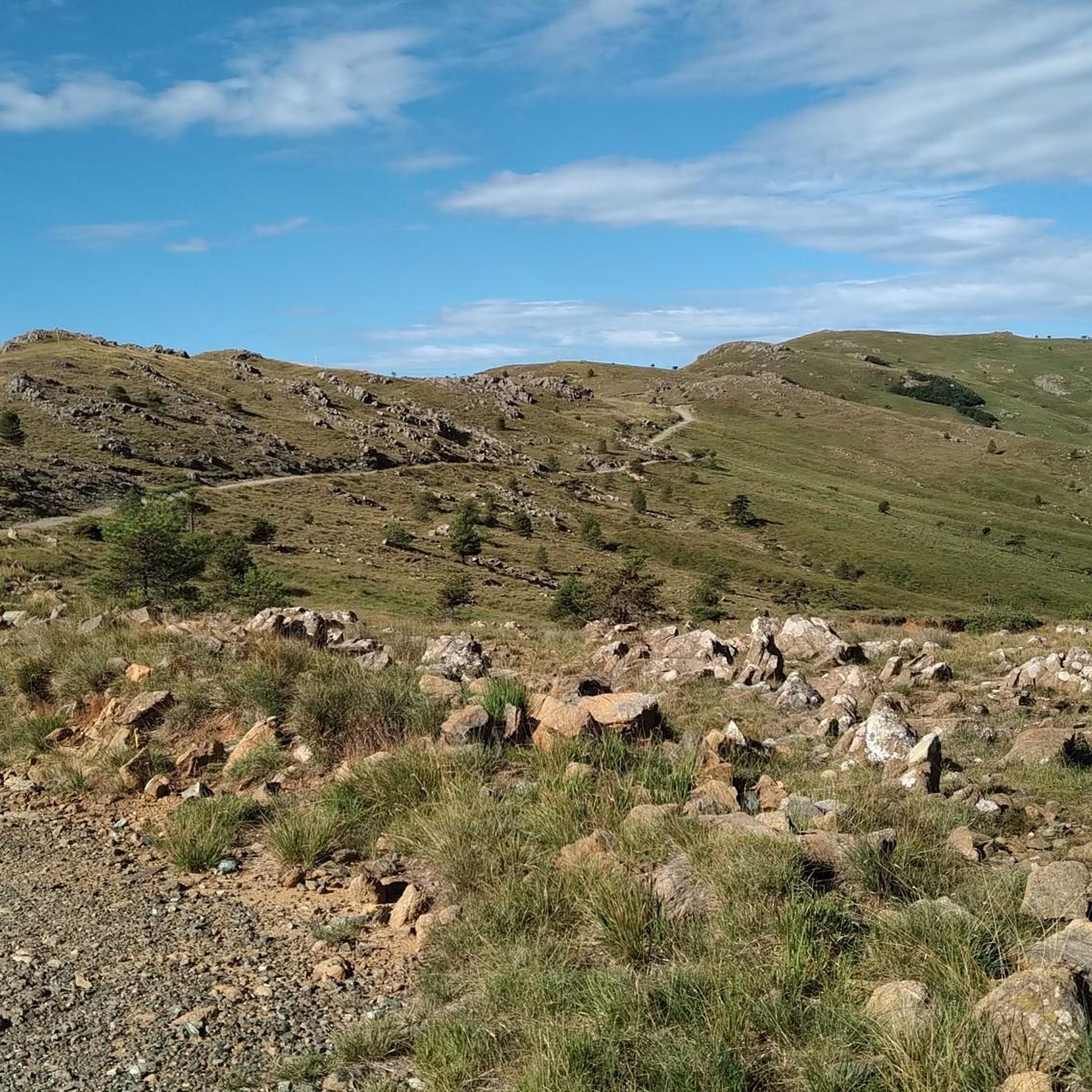
They can be reached from S. Carlo di Cesa after repeated fords of the Rio Gandolfi. From here we start a climb towards Punta del Corno
0
0

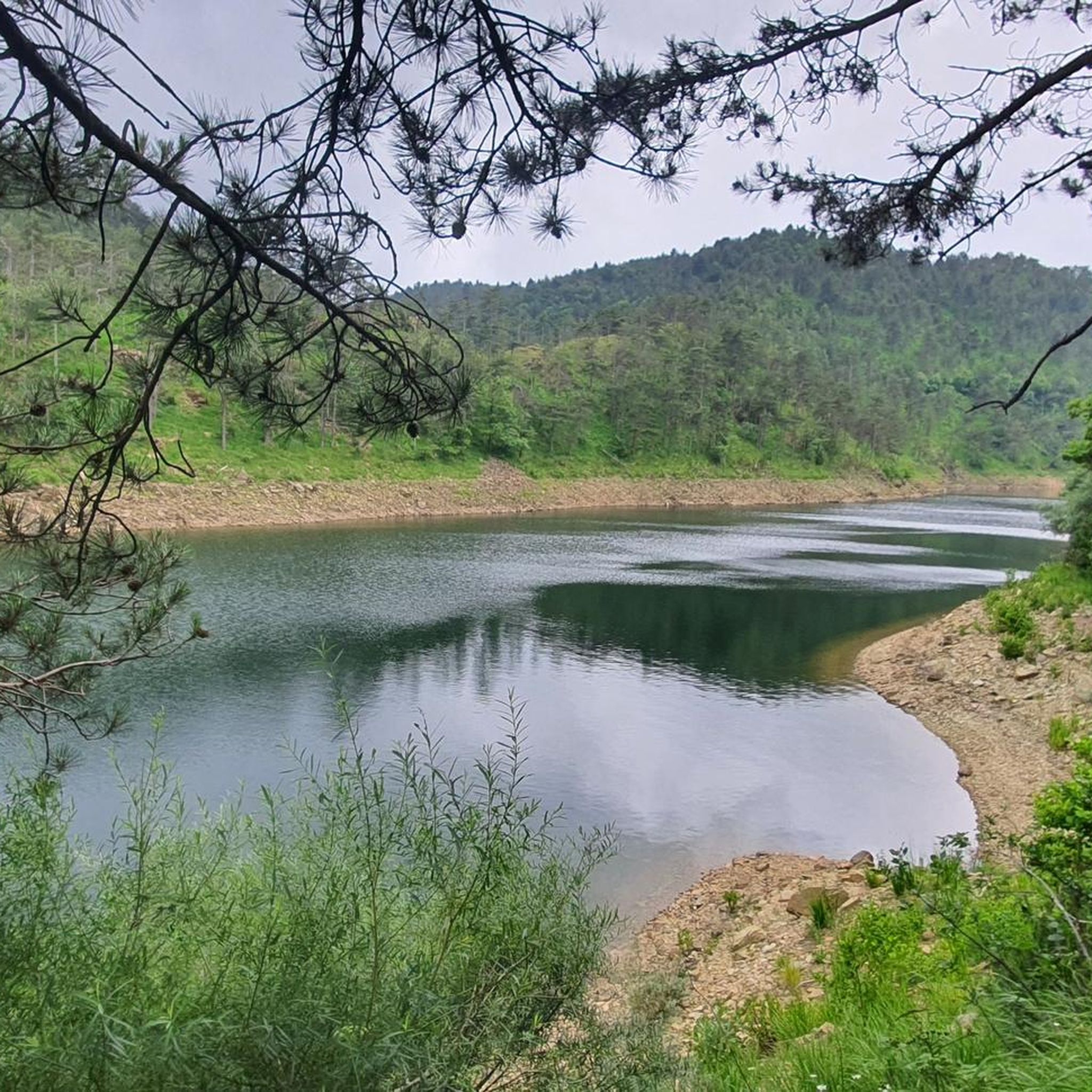
Beautiful lake in the middle of nature, crystal clear waters. You can get there in about 45 minutes of walking after traveling along an impervious 3km path
0
0

Along the way you can admire some pools formed by the streams that flow from the heights of Prà towards the sea, in spring they are excellent for cooling off along the way
0
0

A beautiful public park with a waterfall. From here you have a good view over the city and the harbour. It is also an oasis of calm.
1
1

Villetta Di Negro is a public park located in the Castelletto district, a short distance from the central Corvetto square. It houses a scenic green oasis of about 2 hectares, where in the sixteenth century the bulwark of Santa Caterina stood, an integral part of the defensive walls of the city. In 1785, when the military function fell, the area was given in concession to Ippolito Durazzo, who planted a botanical garden there. The Marquis Gian Carlo Di Negro bought the land in 1802 and founded a school of botany here. Di Negro also built the park, where he added finds from classical antiquity to the botanical collection. Ten years later, following the death of the Marquis, the Municipality of Genoa bought the park and the villa, making several changes on several occasions: between 1863 and 1892 the caves, the waterfall and the gardener's house were built, a building that it was destroyed during the Second World War by the naval bombardments of the allies. In 2014, the restoration work that affected all its parts returned the park to the city. Among the botanical peculiarities there are two monumental plane trees, dating back to the foundation of the park, and three sequoias laid around 1870. Currently the Villa is home to the Chiossone Oriental Art Museum, in the rationalist architecture building designed in 1953 by Mario Labò . www.visitgenoa.it/villetta-di-negro
0
0
Frequently Asked Questions
What are some of the most notable waterfalls to visit around Ceranesi?
The Ceranesi area features both natural and artificial waterfalls. Among the most popular are the Serpent Waterfall, known for its sinuous shape and crystalline pool, and the Villetta Di Negro Park and Waterfall, an artificial cascade within a historic urban park offering city views.
Are there family-friendly waterfalls in the Ceranesi region?
Yes, both the Serpent Waterfall and the Villetta Di Negro Park and Waterfall are considered family-friendly. The Serpent Waterfall is accessible via a short, easy hiking trail, while Villetta Di Negro is a public park within Genoa, offering a serene environment for all ages.
What kind of natural features can I expect to see near the waterfalls?
Near the waterfalls, you can discover diverse natural features. The Serpent Waterfall is nestled in lush Ligurian Apennine vegetation with a natural pool. The Manzù Lake Waterfall is associated with a beautiful lake and crystal clear waters in a natural setting. Many locations also offer scenic viewpoints.
Are there any historical sites or landmarks near the waterfalls?
Yes, the Villetta Di Negro Park and Waterfall is a significant historical site. This municipal park in Genoa features an artificial waterfall constructed between 1863 and 1892, and it now houses the Edoardo Chiossone Oriental Art Museum. The park itself has botanical and historical significance.
What is the best time of year to visit the waterfalls around Ceranesi?
While the Villetta Di Negro Park and Waterfall is an urban oasis enjoyable year-round, natural waterfalls like the Serpent Waterfall are particularly refreshing during warm summer days. Spring also offers lush vegetation and good water flow. Always check local conditions before your visit.
Is parking available near the waterfalls in the Ceranesi area?
For the Serpent Waterfall, you can reach the vicinity by car from Masone, followed by approximately a 30-minute walk to the falls. For the Villetta Di Negro Park and Waterfall, being in the heart of Genoa, city parking options would be available nearby.
What are the difficulty levels of trails leading to Ceranesi waterfalls?
The Serpent Waterfall is easily reachable via a short, generally easy hiking trail. The path to Manzù Lake Waterfall involves about 45 minutes of walking along a path that can be considered intermediate to challenging due to some impervious sections.
Can I find places to eat or drink near the waterfalls?
For the Villetta Di Negro Park and Waterfall, located in central Genoa, numerous cafes and restaurants are readily available in the surrounding city area. Near the Serpent Waterfall, which is closer to Masone, you would find options in the nearby towns.
Are there other outdoor activities or routes near the waterfalls in Ceranesi?
Yes, the Ceranesi region offers various outdoor activities. You can find numerous running trails, including loops from Manesseno and Genova San Biagio, with varying difficulties. There are also gravel biking routes and road cycling routes available. For more details, you can explore the Running Trails around Ceranesi, Gravel biking around Ceranesi, and Road Cycling Routes around Ceranesi guides.
What do visitors enjoy most about the waterfalls in the Ceranesi area?
Visitors appreciate the refreshing natural escapes and scenic beauty. The Serpent Waterfall is loved for its enchanting spectacle and as a cool refuge. The Villetta Di Negro Park and Waterfall offers a serene urban oasis with panoramic city views. The diverse landscapes and unique water features are frequently highlighted.
Can I swim in the pools beneath the waterfalls?
The small lake beneath the Serpent Waterfall is a popular spot for bathing, offering a refreshing experience during warmer months. For other waterfalls, it's advisable to check local regulations and conditions before attempting to swim.
Are there any specific botanical itineraries near the waterfalls?
Yes, near the Serpent Waterfall, a botanical itinerary is available. This offers an opportunity to learn about the local plant species within the Parco naturale regionale del Beigua, enhancing the natural exploration experience.
Most popular routes around Ceranesi
Most popular attractions around Ceranesi

Get inspired with the komoot mobile app


Explore more
Happy to travel a little further afield? Then browse these guides for the best waterfalls around Ceranesi:
