Top 6 Castles around Montignoso
Best castles around Montignoso are found in a region known for its strategic historical importance and diverse landscape. Montignoso is situated on a hill overlooking the coast and Lake Porta, offering panoramic views. The area has been a crucial crossroads for centuries, with fortifications dating back to the Lombard era. Its location allowed for control of the sea and important ancient routes, making it a significant historical and natural destination.
Best castles around Montignoso
- The most popular castles is Ducal…
Last updated: June 30, 2026
Ducal Palace of Massa
Highlight • Historical Site
Translated by Google •
Tip by

Castruccio Tower
Highlight • Historical Site
Translated by Google •
Tip by

Sign up now to discover places like this
Get recommendations on the best single tracks, peaks, & plenty of other exciting outdoor places.
Sign up for free
Monteggiori Village
Highlight • Settlement
Translated by Google •
Tip by

Malaspina Castle
Highlight • Castle
Translated by Google •
Tip by
Rocca di Sala
Highlight • Castle
The Rocca is of Lombard origin and has great historical and …
Translated by Google •
Tip by
Sign up for free to discover even more castles around Montignoso.
Sign up for free
Already have an account?
Start today with a free account
Your next adventure awaits.
Login or Signup
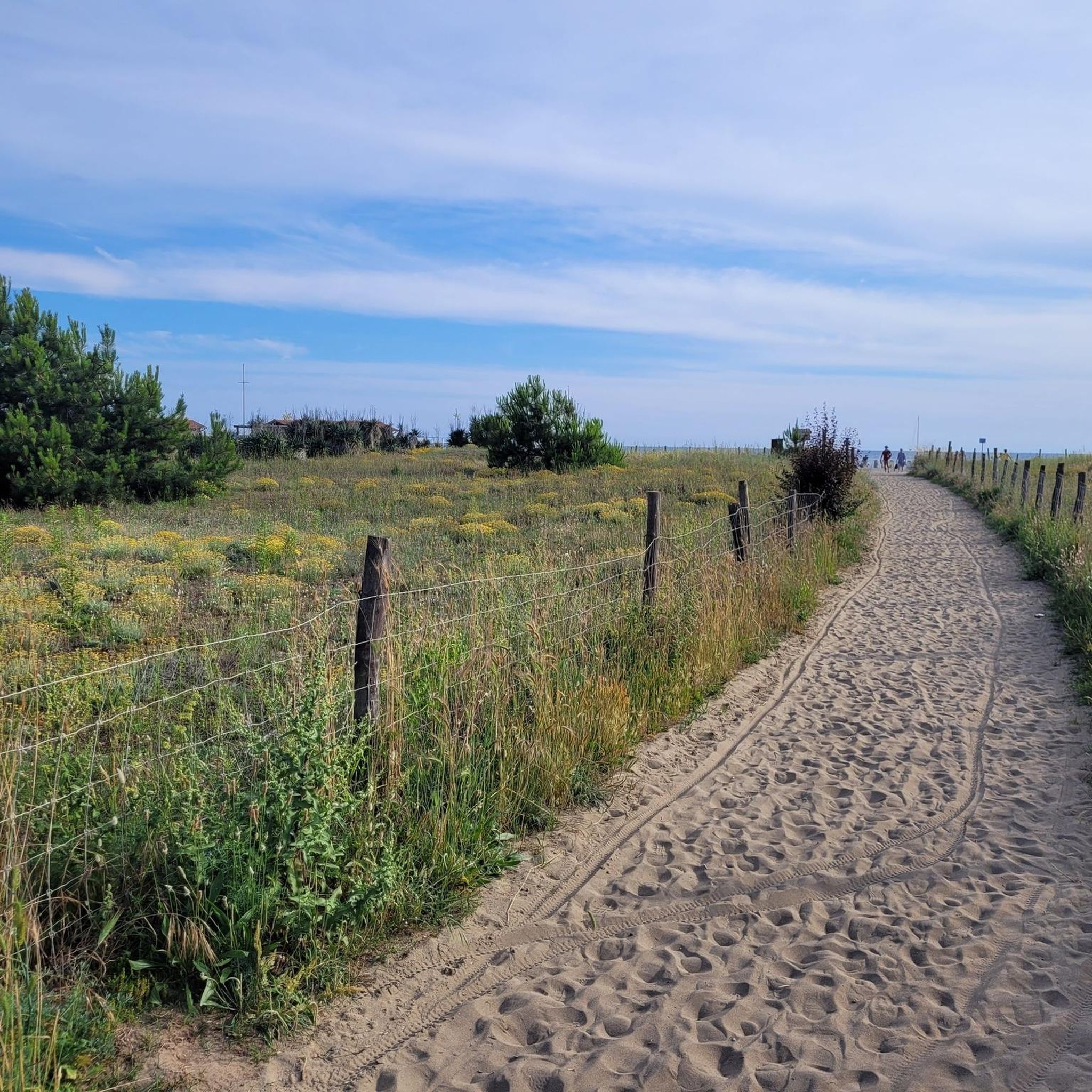
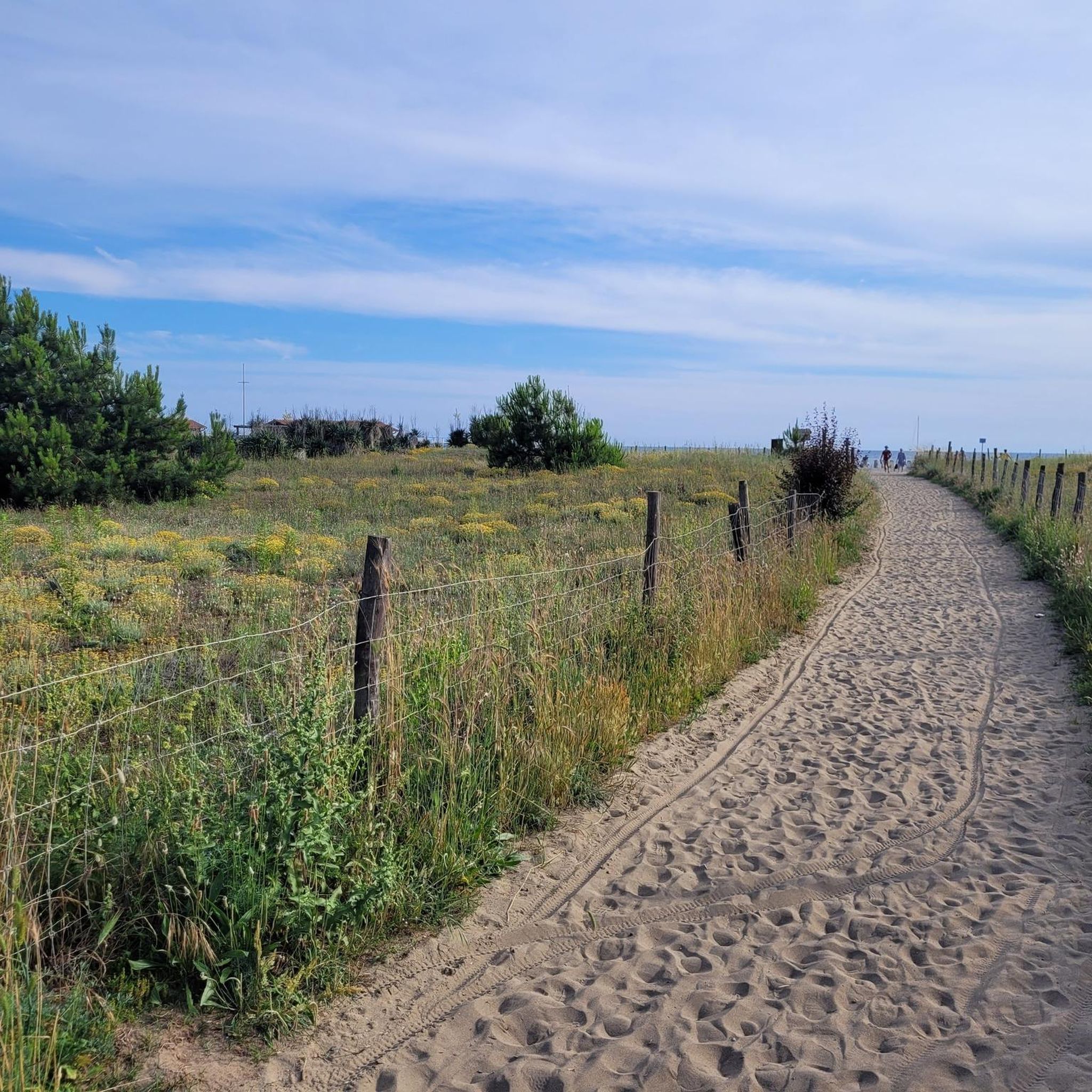
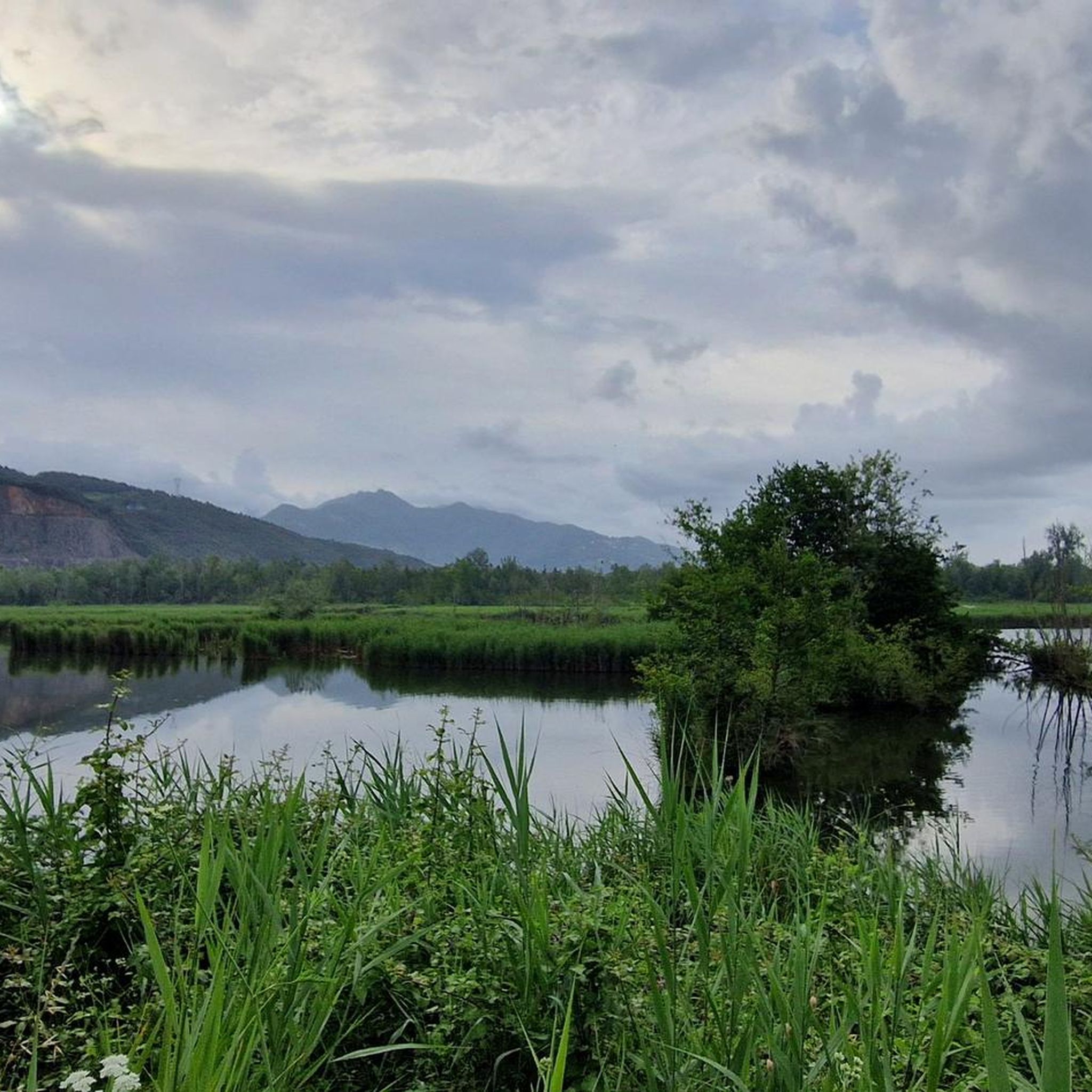
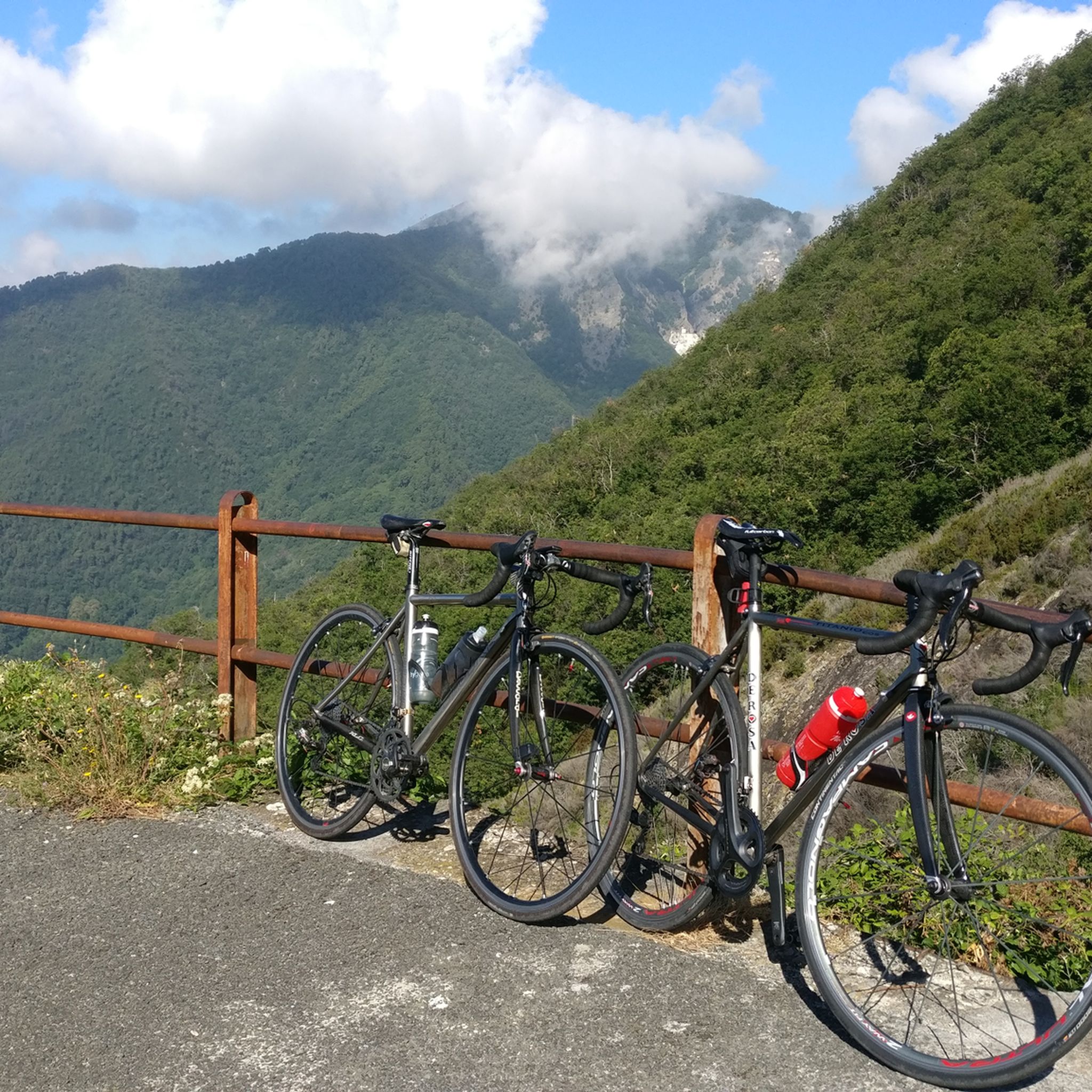

Tips from the Community

The Palazzo Ducale is an important monument in Massa, located in Piazza Aranci. It was built in the mid-16th century according to the wishes of Prince Alberico I Cybo-Malaspina. Hence it is also called Palazzo Cybo-Malaspina. The impressive façade overlooking the square offers a color scheme of red and white (in the marble and stucco). Beyond the main entrance opens a large courtyard, surrounded by columns, staircases, loggias and marble portals. At the far end is a nymphaeum with a statue of Neptune riding the waves.
4
0

The mighty Malaspina castle/fortress dominates the center of the city of Massa from the top of one of the rocky hills that end the valleyi of the Frigido stream. The toponym 'Massa' is high and easily identified in Tuscany; its original meaning was 'extensive landholdings'. More info at www.castellitoscani
2
0
Piazza Aranci in Massa is named after the double row of orange trees, which were planted in the early nineteenth century after the hotly debated demolition of the church of San Pietro on the orders of Countess Elisa Baciocchi, Napoleon's niece. In the beginning, sweet citrus trees were selected and strict laws were in place to ensure that tourists and passers-by did not pick the fruits, which were instead given to charities. Over time, less tasty bitter citrus fruits were planted, which turned out to be stronger in winter. Giacomo Leopardi and Giosué Carducci were equally captivated by these trees and mentioned them in letters after visiting the square.
2
1

Beautiful square with lots of orange trees around it
4
1
Castle where a prison was located during the war
3
0
The Torre di Castruccio is a military fortress located in Via Gino Menconi in Avenza, in the province of Massa-Carrara, near the Carrione River and Via Francigena. It is considered one of the main attractions of the city of Carrara. The tower has a cylindrical shape, with a base slightly wider than the upper part. Inside the tower is visible a tunnel that once connected the fortress with the nearby Piazza Carlo Finelli. In 2013, graffiti depicting symbols of Christ's passion were discovered, made by prisoners in the tower between the 16th and 18th centuries. In 2015, two more passages were discovered connecting the tower to the banks of the Carrione River and the center of the old town. After the unification of Italy, the fortress was sold by the Italian state to private owners to be used as a quarry, and in 1883 only the intervention of the German historian Theodor Momsen saved it from total destruction. Before the 'scientific dismantling' it consisted of three large round towers and one square one.
5
0

The village of Monteggiori, part of which dates back to the 13th century, houses the ruins of the walls of the castle of the same name, as well as its entrance door.
0
0
The Rocca di Sala, also known as Rocca Ghibellina, is one of the fortresses in the town of Pietrasanta. The Rocca is of Lombard origin and has great historical and cultural importance. Historical personalities who passed through Pietrasanta and stayed there, such as Charles VIII and Charles V, found shelter in this room. You can already see the Rocca di Sala from the main square in the center of Pietrasanta. In the 18th century it was disarmed and sold by order of Leopold I, Grand Duke of Tuscany. Since then, the Rocca has gradually passed through a state of almost complete abandonment, leading to the loss of part of its walls and of the Palazzo Guinigi, the noble residence located within.
4
0
Frequently Asked Questions
What are the most historically significant castles in the Montignoso area?
The most historically significant fortification is the Aghinolfi Castle in Montignoso itself, with origins dating back to the Lombard era in the 8th century. Its strategic location controlled the coast and important ancient routes. Other notable sites include Ducal Palace of Massa, built in the 16th century to project the state's image, and Rocca di Sala, a fortress of Lombard origin that sheltered historical figures like Charles VIII.
Which castles near Montignoso offer panoramic views?
The Aghinolfi Castle, perched on a hill, provides spectacular views of the Apuan coast of Versilia, the sea, and Lake Porta. Similarly, Monteggiori Village, a historical settlement with a castle aspect, offers panoramic vistas from its elevated position. Rocca di Sala also serves as a great viewpoint.
Are there any family-friendly castles or historical sites around Montignoso?
Yes, several sites are suitable for families. The Ducal Palace of Massa is a historical site that can be enjoyed by all ages. Monteggiori Village is a charming place to explore with family, offering a glimpse into a historical settlement. Additionally, Rocchetta Arrighina and Porta a Pisa are historical monuments that can be interesting for families.
What unique architectural features can I find among the castles in this region?
The Aghinolfi Castle is particularly notable for its octagonal keep (tower), which has been recognized as one of Italy's most interesting Lombard military monuments. The Ducal Palace of Massa features an impressive façade and a large courtyard with columns and marble portals, showcasing Renaissance architecture. The Castruccio Tower is a distinctive cylindrical military fortress.
What outdoor activities can I do near the castles in Montignoso?
The Montignoso area offers various outdoor activities. You can find numerous hiking trails, such as the 'Lago di Porta Nature Reserve – Lake Porta loop from Castello Aghinolfi' which is a moderate 9.7 km hike. For gravel biking, routes like 'Alto Tirreno – View of Massa and the Sea loop' are available. You can explore more options for hiking, gravel biking, and running in the vicinity.
Are there any castles with museum exhibitions in the Montignoso area?
Yes, the octagonal tower of the Aghinolfi Castle now houses a museum exhibition. This museum showcases the structure's evolutionary phases and archaeological excavations, providing educational insights into its long history.
What is the best time of year to visit the castles around Montignoso?
The Montignoso area, being in Tuscany, is pleasant to visit during spring (April-May) and autumn (September-October) when the weather is mild and comfortable for exploring historical sites and enjoying outdoor activities. Summer (June-August) can be warm, but also offers vibrant coastal experiences. Winter (November-March) is generally cooler and quieter.
Can I explore the Gothic Line history near Montignoso's castles?
Yes, the Aghinolfi Castle played a significant role as a Nazi stronghold along the Gothic Line during World War II. The surrounding area offers nature trails, some of which trace parts of the Gothic Line, providing an additional layer to the historical experience. You can find hiking routes like 'Gothic Line Ridge and Bunker – Le Forche loop' near Pasquilio.
What are some visitor tips for exploring the castles and historical sites?
When visiting sites like Aghinolfi Castle or Monteggiori Village, be prepared for climbs as many are located on hills for strategic advantage. Wear comfortable shoes, especially if you plan to explore the surrounding trails. Check opening hours for specific sites like the Aghinolfi Castle museum before your visit. For more information on the Aghinolfi Castle, you can visit Visit Tuscany.
Are there any less crowded historical sites to visit near Montignoso?
While Aghinolfi Castle is a primary attraction, exploring smaller historical settlements like Monteggiori Village can offer a more intimate experience. These charming villages often provide a quieter atmosphere while still boasting historical significance and beautiful views.
What kind of historical insights can I gain from visiting the castles in Montignoso?
Visiting the castles in Montignoso offers a journey through over a millennium of history. From the Lombard origins of Aghinolfi Castle and its role in medieval conflicts, to the Renaissance grandeur of the Ducal Palace of Massa, you can trace the evolution of military architecture and regional power struggles. The sites also reveal their strategic importance in controlling ancient trade routes and their impact during more recent conflicts like World War II.
Are there any natural attractions or reserves near the castles?
Yes, the Montignoso area is close to the Lake Porta Nature Reserve. This natural area offers opportunities for walks and birdwatching, complementing a visit to the historical sites. Several hiking routes, such as 'Lago di Porta Nature Reserve – Lake Porta loop', start from or pass near the Aghinolfi Castle.
Most popular routes around Montignoso
Most popular attractions around Montignoso

Get inspired with the komoot mobile app


Explore more
Looking for the best castles somewhere else? Discover other guides around Montignoso:
