Top 9 Caves around Montignoso
Best caves around Montignoso are found within the Apuan Alps, a region known for its extensive karst cave systems. Montignoso is situated in Tuscany, bordering this geological complex celebrated for its deep karst cavities. The area offers opportunities to explore a variety of underground formations, from natural grottoes to historical cave sites. This region is part of the Apuan Alps UNESCO Global Geopark, highlighting its geological significance.
Best caves around Montignoso
- The most popular caves is Monte Folgorito WWII Radio…
Last updated: June 30, 2026
Tambura Ridge
Highlight • Summit
Translated by Google •
Tip by

Wild Man's Den
Highlight • Cave
Translated by Google •
Tip by

Sign up now to discover places like this
Get recommendations on the best single tracks, peaks, & plenty of other exciting outdoor places.
Sign up for free
Chimera Abyss
Highlight • Cave
Already approaching the entrance to the cave you will notice a strong flow of cold …
Translated by Google •
Tip by

Henraux Marble Quarry
Highlight • Structure
It is possible to visit it paying attention to the unprotected chasms of the inner perimeter of the extraction area.
Translated by Google •
Tip by

Pozzo della Madonna (Serra Stream)
Highlight • River
Translated by Google •
Tip by

Sign up for free to discover even more caves around Montignoso.
Sign up for free
Already have an account?
Start today with a free account
Your next adventure awaits.
Login or Signup
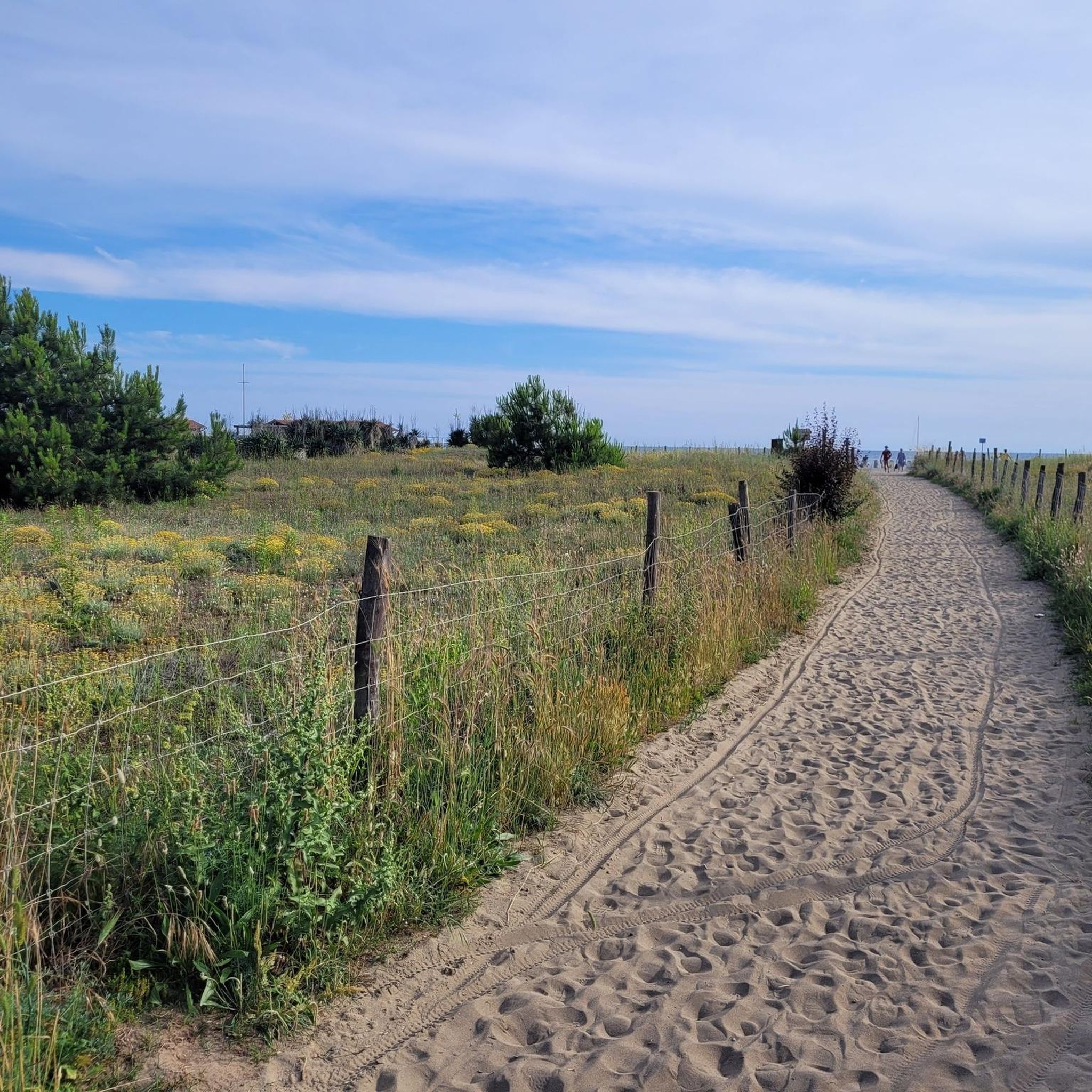
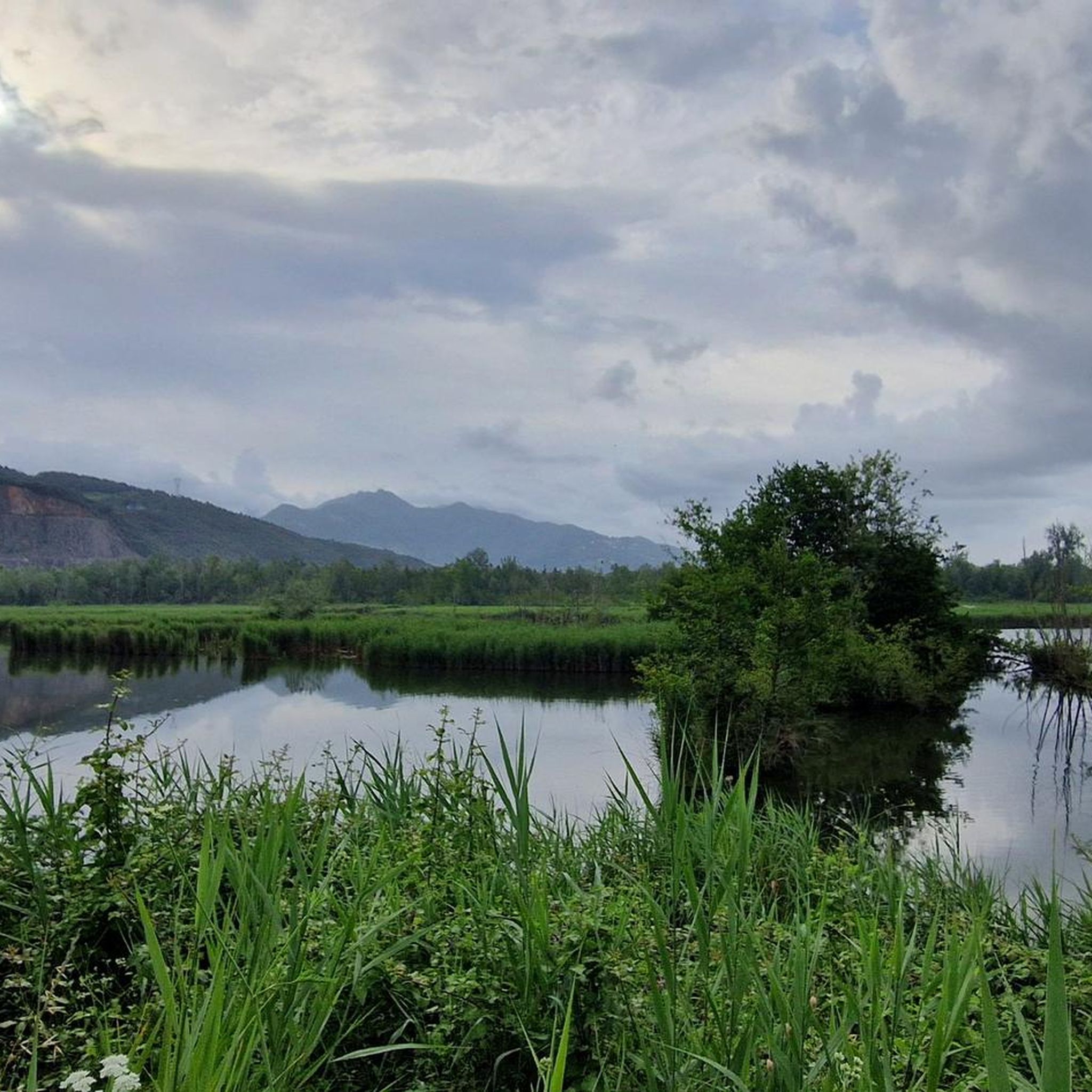
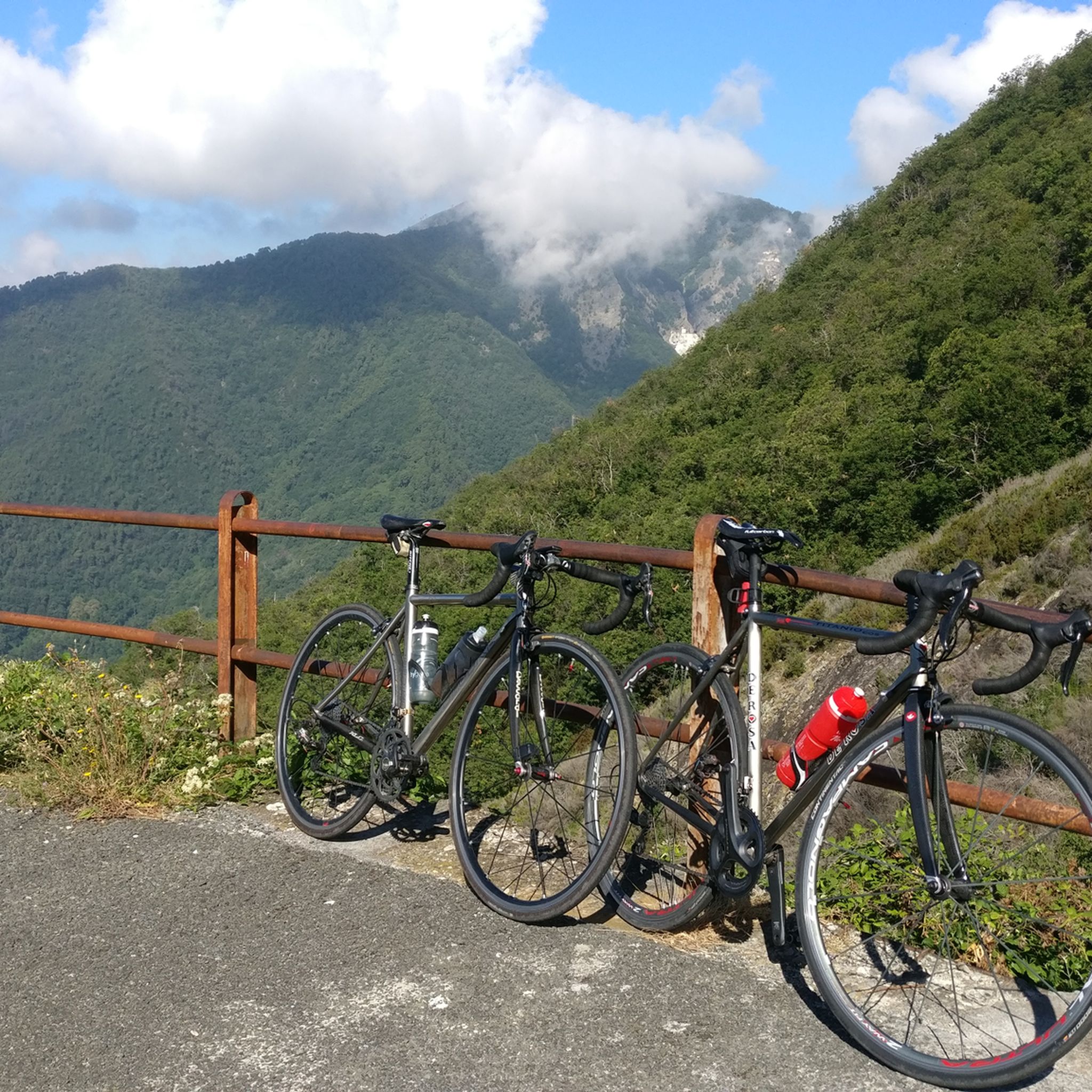

Tips from the Community


Impressive quarries, owner one of the most famous companies operating in the Apuan Alps. A disconcerting situation to say the least, the mountain literally eaten.
0
0

An attraction and a place with beautiful views on the route
0
0

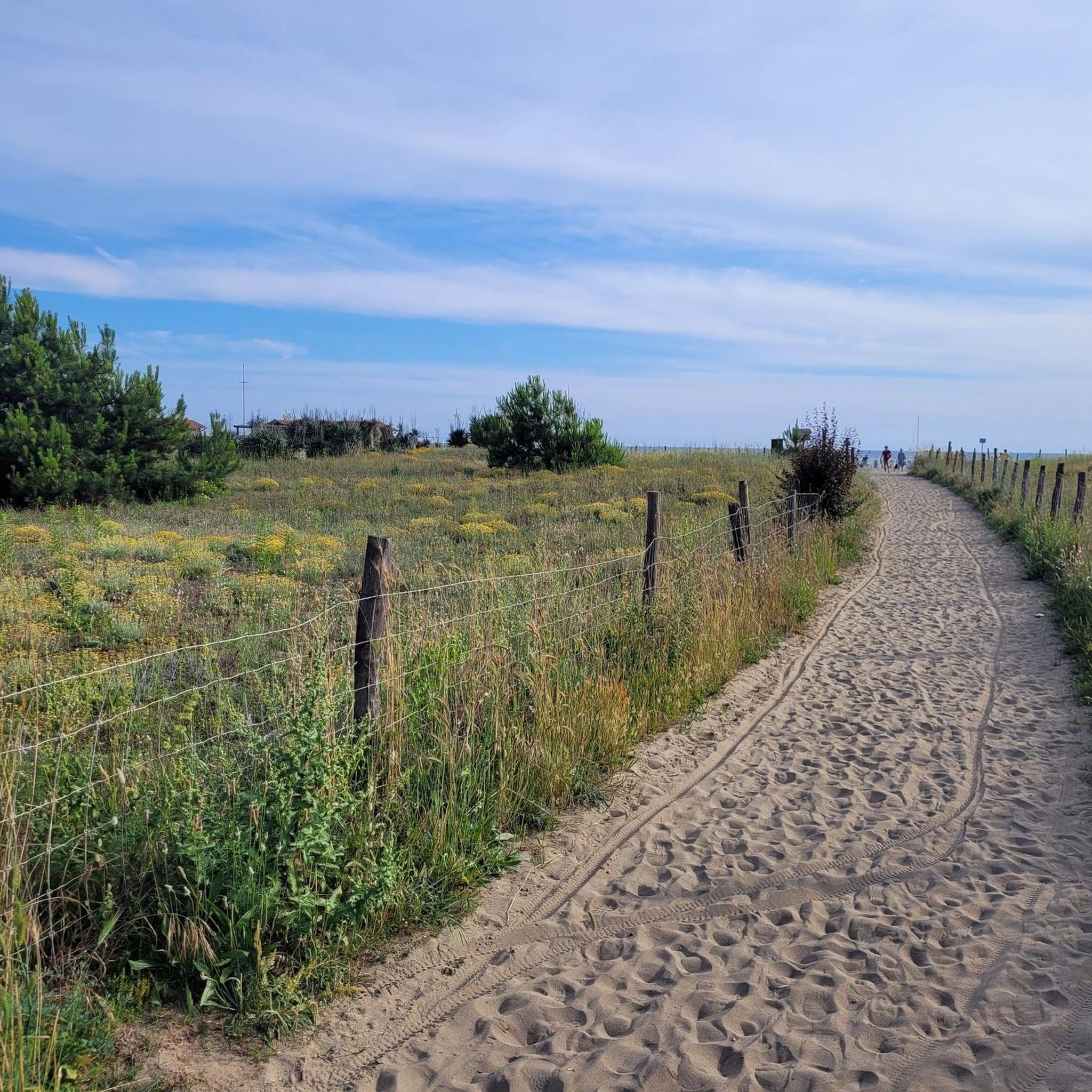
located in a secluded area and not overcrowded. The first half hour along the road is a bit arduous, but then you get into the countryside.
0
0


Narrow path between brambles and mixed forest that leads from the paved municipal road of Riomagno (prohibited for motor vehicles) to one of the most beautiful natural pools of the Serra stream, which is locally known as Pozzo della Madonna.
1
1

Amphibian as rare as it is fascinating. Do not touch them because the difference in body temperature causes them skin burns
0
0
Frequently Asked Questions
What kind of caves can I expect to find around Montignoso?
Montignoso is situated in the Apuan Alps, a region renowned for its extensive karst cave systems. You can expect to find a variety of underground formations, from natural grottoes and deep karst cavities to historical cave sites. The area is part of the Apuan Alps UNESCO Global Geopark, highlighting its significant geological features.
Are there any major show caves near Montignoso that are open to tourists?
While Montignoso itself doesn't host major show caves, the broader Apuan Alps region offers several significant and well-equipped options. These include the Antro del Corchia, Italy's largest karst complex, and the Grotta del Vento, known for its diverse guided paths. The Grotte Equi Terme also offer a geo-archeo-adventure park experience.
What is the geological significance of the caves in the Montignoso area?
The Montignoso area, being part of the Apuan Alps, is globally recognized for its deep karst cavities and extensive cave networks. The region boasts over a thousand identified karst caves, including some of Italy's deepest and longest. This geological complex is celebrated for its marble and the unique formations created by water erosion over millennia.
Are there any caves with historical significance near Montignoso?
Yes, the area features caves with historical importance. For instance, the Monte Folgorito WWII Radio Station Depot Cave was used as a deposit during the Second World War. Additionally, the Wild Man's Den is known for local folklore and legends linked to the 'wild man' figure.
What are some unique natural features to see in the caves around Montignoso?
Beyond the caves themselves, the region offers impressive natural features. The Tambura Ridge, for example, is a summit that includes cave formations within its natural monument status, offering panoramic views. The broader Apuan Alps are known for spectacular karst formations, including stalactites, stalagmites, and underground rivers, particularly in the major show caves like Antro del Corchia and Grotta del Vento.
Are there family-friendly options for exploring caves near Montignoso?
While some caves in the region involve challenging terrain, the Grotte Equi Terme offer a Geo-Archeo-Adventure Park setting, which can be more interactive and engaging for families. For general views of the geological landscape, the View of the Carrara Marble Quarries from Colonnata is considered family-friendly and offers a glimpse into the region's unique geology.
What outdoor activities can I do near the caves around Montignoso?
The area around Montignoso and its caves is excellent for various outdoor activities. You can find numerous mountain hikes, including challenging routes to summits like Monte Tambura. There are also road cycling routes and gravel biking trails that allow you to explore the diverse terrain of the Apuan Alps.
What is the best time to visit the caves around Montignoso?
The best time to visit the caves in the Apuan Alps region generally depends on the specific cave and your activity. For major show caves like Antro del Corchia or Grotta del Vento, they typically have specific opening seasons, often from spring through autumn. For exploring smaller, unguided caves or combining cave visits with hiking, spring and early autumn offer pleasant weather conditions, avoiding the peak heat of summer and potential winter closures or adverse weather.
Do I need a permit to visit caves near Montignoso?
For major tourist caves like Antro del Corchia or Grotta del Vento, you typically need to purchase tickets and join guided tours, which act as your 'permit' for entry. For smaller, unguided caves or those on hiking trails, specific permits might not be required, but it's crucial to check local regulations and ensure you have appropriate caving experience and gear for safety. Always prioritize safety and respect natural environments.
What should I wear when exploring caves in the Montignoso area?
When exploring caves, even those with tourist infrastructure, it's advisable to wear sturdy, closed-toe shoes with good grip. Caves maintain a constant cool temperature, so layers of clothing are recommended, even on a warm day. For unguided or more adventurous caving, a helmet with a headlamp, appropriate caving gear, and protective clothing are essential. Always check specific requirements for any guided tours you plan to join.
What do visitors enjoy most about the caves and surrounding area near Montignoso?
Visitors frequently appreciate the unique blend of natural beauty and historical intrigue. The panoramic views from spots like Tambura Ridge are highly praised. The historical context of sites like the Monte Folgorito WWII Radio Station Depot Cave and the legends surrounding the Wild Man's Den also captivate many. The opportunity to explore a vast underground world within the Apuan Alps is a major draw.
Are there any abandoned quarries or historical mining sites with cave-like features?
Yes, the region, famous for its marble, features historical mining sites. The Henraux Marble Quarry, now abandoned, offers a unique exploration opportunity with its chasms and historical significance. While not natural caves, these sites provide a glimpse into the region's industrial past and its interaction with the geological landscape.
Most popular routes around Montignoso
Most popular attractions around Montignoso

Get inspired with the komoot mobile app


Explore more
Extend your search for the best caves by checking out these guides of the top ones around Montignoso:
