Top 5 Castles around Marliana
Best castles around Marliana are found within a region characterized by its medieval villages and strategic historical fortifications. The area, situated on the slopes of the Pistoiese Apennines, offers panoramic views across the Tuscan landscape. Marliana's municipality includes ancient fortified settlements, reflecting its past as a defensive outpost. The surrounding terrain features varied elevations, contributing to the strategic placement of historical structures.
Best castles around Marliana
- The most popular castles is Cozzile Castle and the Clock Tower, a castle…
Last updated: June 30, 2026
Cozzile Castle and the Clock Tower
Highlight • Castle
Translated by Google •
Tip by

Cozzile Medieval Village
Highlight • Settlement
Translated by Google •
Tip by

Sign up now to discover places like this
Get recommendations on the best single tracks, peaks, & plenty of other exciting outdoor places.
Sign up for free
Porta Nuova, Cozzile
Highlight • Historical Site
Translated by Google •
Tip by
Vinacciano Historic Village
Highlight • Settlement
Translated by Google •
Tip by

View of Montecarlo and the Valdinievole Valley
Highlight • Viewpoint
Inside the Castle you won't be able to see too much from the surrounding area.
Tip by

Sign up for free to discover even more castles around Marliana.
Sign up for free
Already have an account?
Start today with a free account
Your next adventure awaits.
Login or Signup

Tips from the Community

Unknown to most people, this small town, a hidden gem on the eastern side of the Montalbano hills, is the most typical, genuine and representative of an ancient Tuscan village. Its origins, very far back in time, date its construction back to the end of the 10th century as a castle or rather as a fortified village, appointed in the following centuries to guard the borders of the free municipality of Pistoia. This ancient walled village is located on the northern slopes of the Montalbano hills on the side that looks east, towards the city of Pistoia at an altitude of 264 meters above sea level.
0
0

Cozzile was probably founded at the end of the 12th century around fortification works with lookout and extreme defense functions. Even at the beginning of the 14th century they hosted a castellan and a small garrison on behalf of the people of Lucca. Around the fortress a fortified town arose with a structure similar to that of Massa, organized in a "fishbone" pattern on both sides of the road that crossed it and which, exiting at the other end of the town, led towards the Apennines and towards Modena. The houses were grouped into two neighborhoods or "deeds" (Volata to the East, and Cessana to the West of the main road) with the square located to the north and the church to the south. In the city walls, of which important remains are still visible incorporated into the houses built above them, three doors opened: one to the east, corresponding to the entrance to the town of the medieval road from Massa (gate to Massa), one to the west , on the diametrically opposite side (Porta Vecchia)
0
0
Cozzile was probably founded at the end of the 12th century around fortification works with lookout and extreme defense functions. Even at the beginning of the 14th century they housed a castellan and a small garrison on behalf of the people of Lucca. Around the fortress a fortified town arose with a structure similar to that of Massa, organized in a "fishbone" pattern on both sides of the road that crossed it and which, exiting at the other end of the town, led towards the Apennines and towards Modena. The houses were grouped into two neighborhoods or "deeds" (Volata to the East, and Cessana to the West of the main road) with the square located to the north and the church to the south. In the city walls, of which important remains are still visible incorporated into the houses built above them, three doors opened: one to the east, corresponding to the entrance to the town of the medieval road from Massa (gate to Massa), one to the west , on the diametrically opposite side (Porta Vecchia)
0
0
Cozzile was probably founded at the end of the 12th century around fortification works with lookout and extreme defense functions. Even at the beginning of the 14th century they housed a castellan and a small garrison on behalf of the people of Lucca. Around the fortress a fortified town arose with a structure similar to that of Massa, organized in a "fishbone" pattern on both sides of the road that crossed it and which, exiting at the other end of the town, led towards the Apennines and towards Modena. The houses were grouped into two neighborhoods or "deeds" (Volata to the East, and Cessana to the West of the main road) with the square located to the north and the church to the south. In the city walls, of which important remains are still visible incorporated into the houses built above them, three doors opened: one to the east, corresponding to the entrance to the town of the medieval road from Massa (gate to Massa), one to the west , on the diametrically opposite side (Porta Vecchia)
0
0

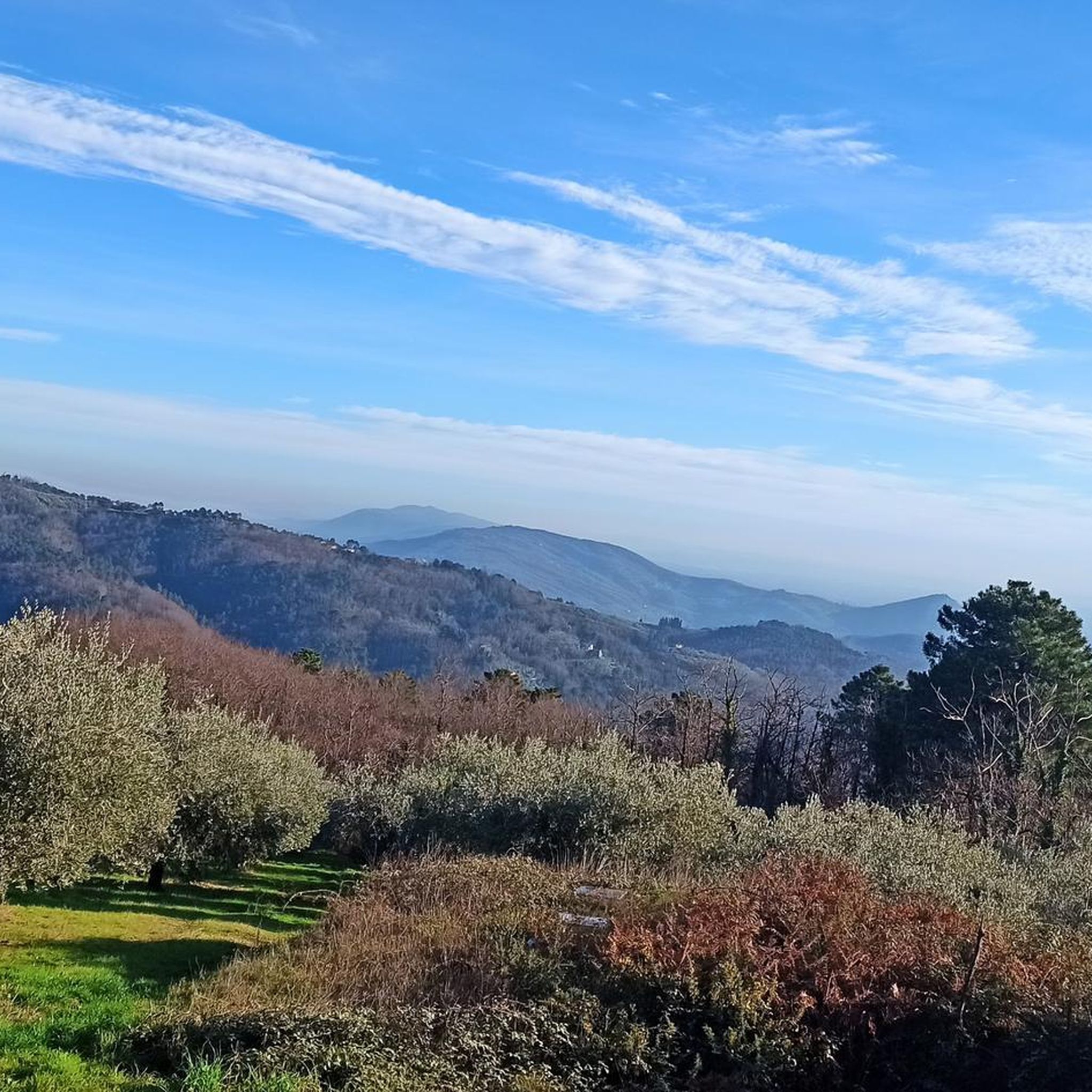
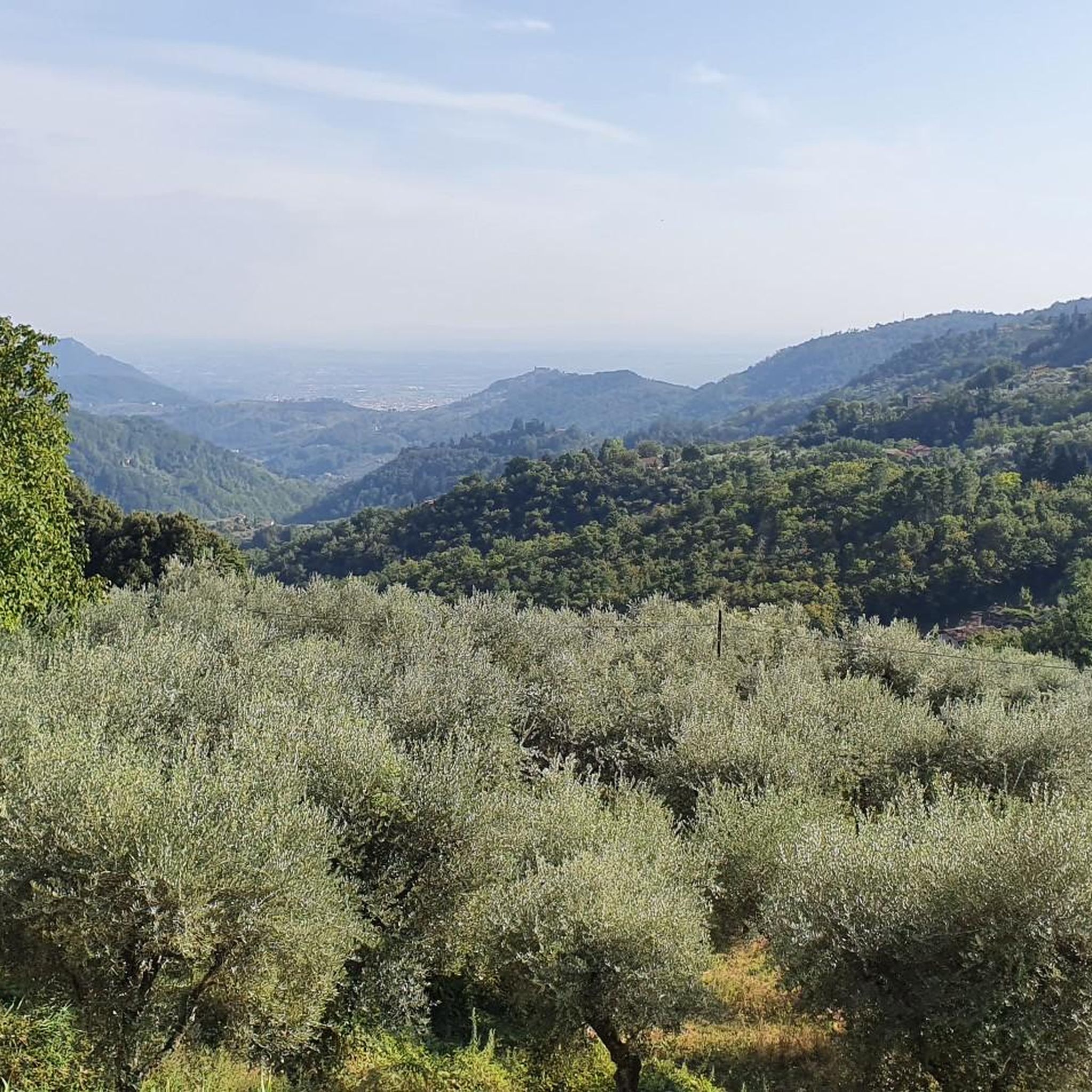
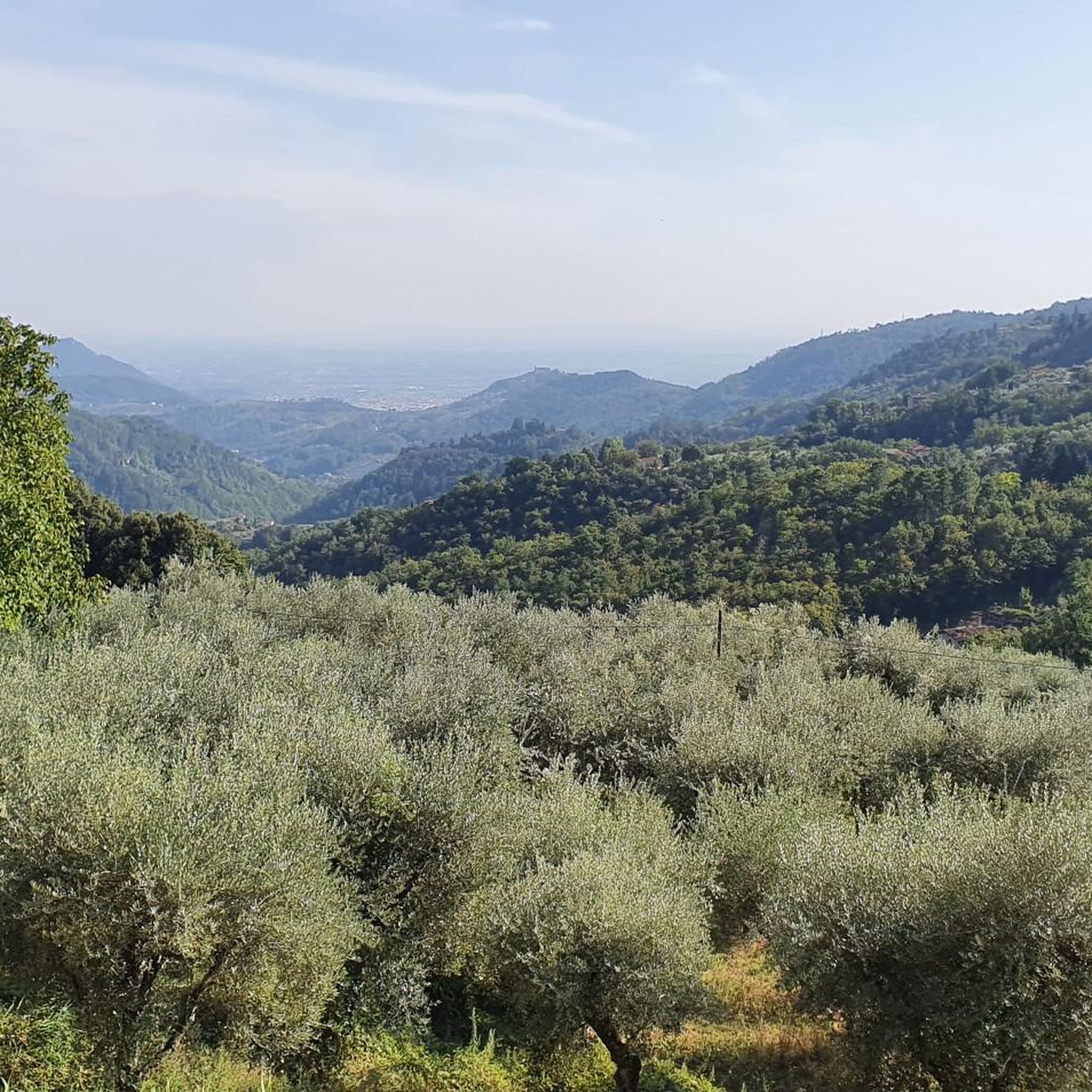
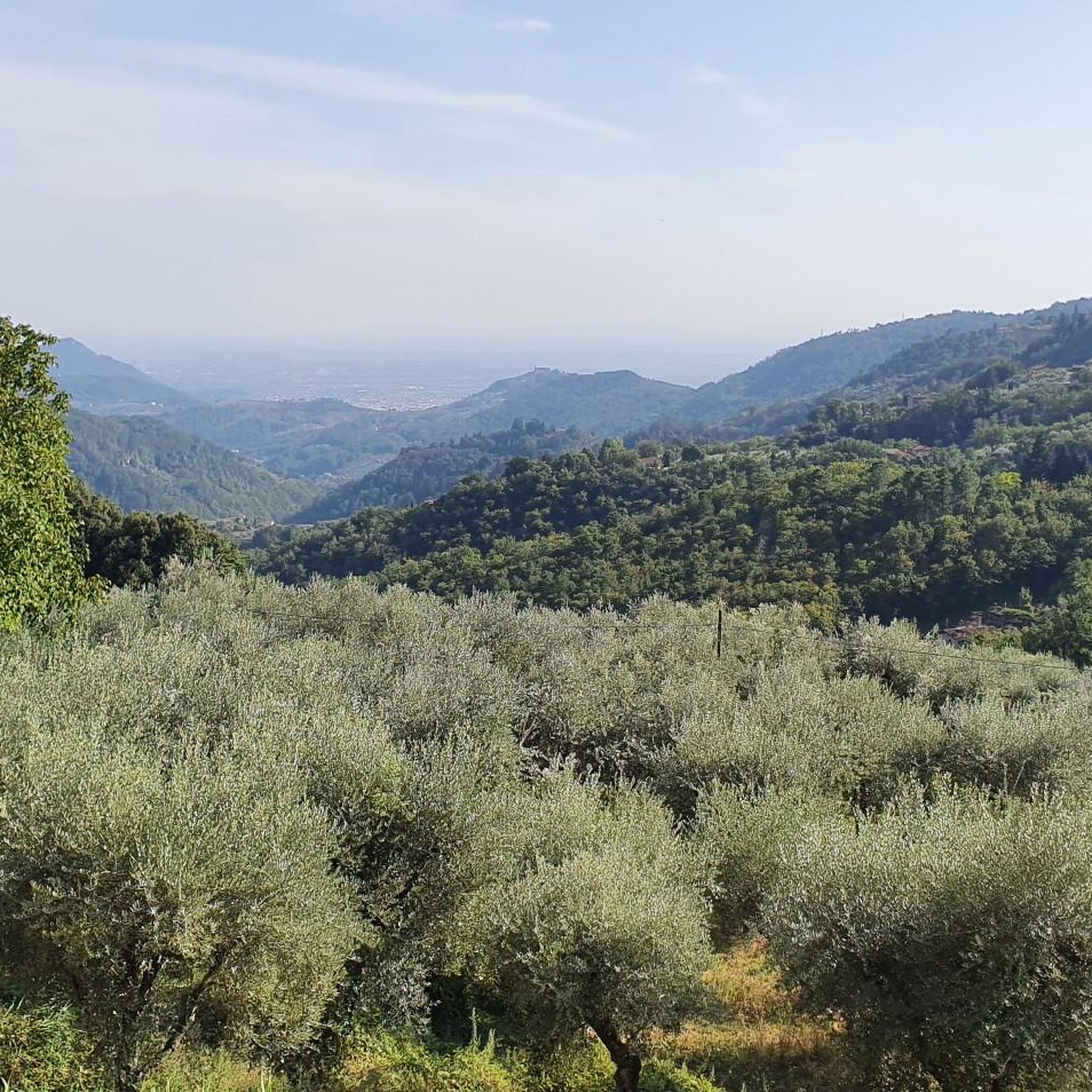
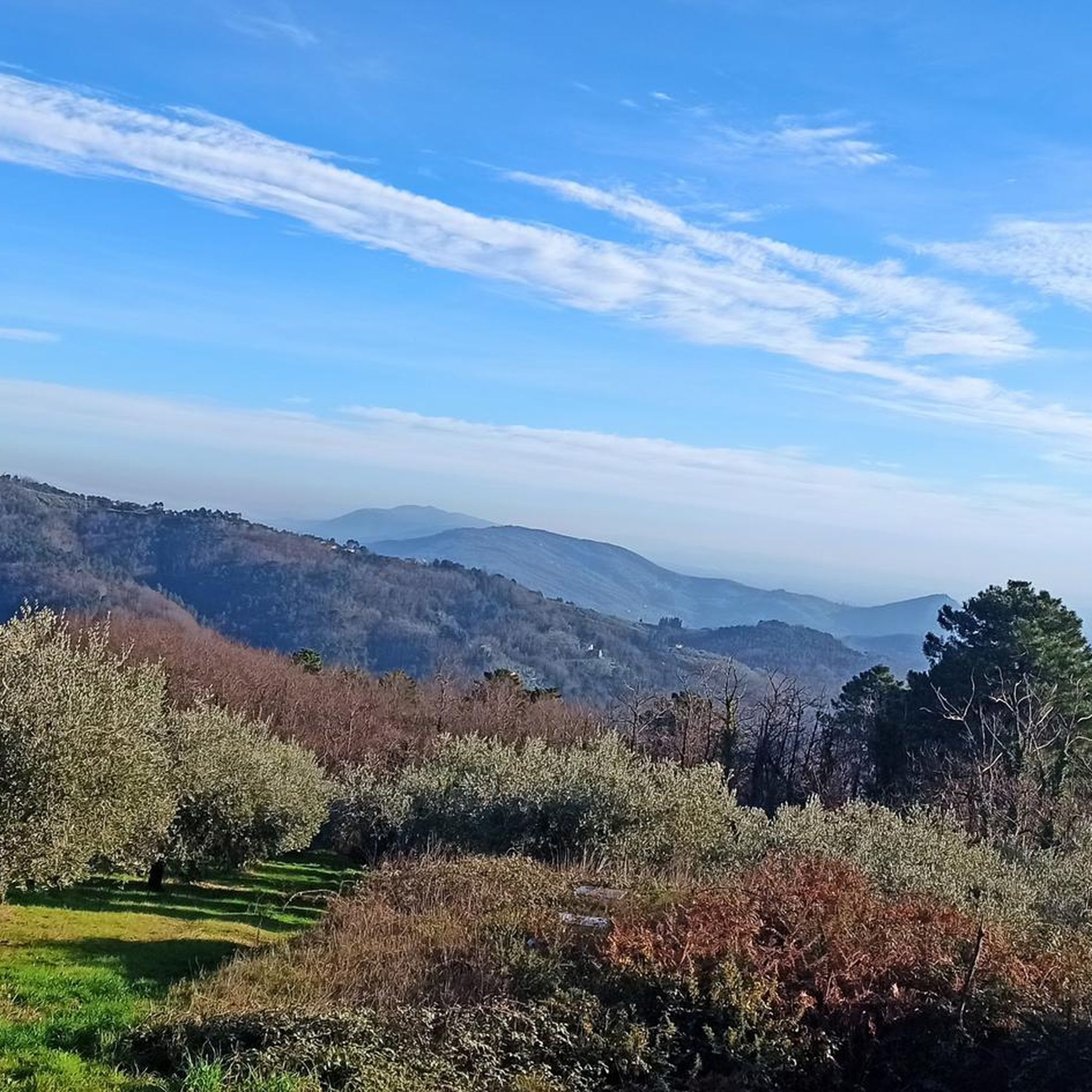
Early medieval castle still inhabited today, which is preserved in excellent condition and offers a vast panorama towards the south over the Valdinievole and all of Tuscany
0
0

Great Viewpoint, but Look out when the Tower is open, otherwise there's a good view from the Restaurants balcony. Inside the Castle you won't be able to see too much from the surrounding area.
0
0
Frequently Asked Questions
What historical insights can I gain from visiting castles around Marliana?
The castles and fortified villages around Marliana offer a deep dive into medieval history. For example, Cozzile Castle and the Clock Tower was founded in the late 12th century as a defensive outpost, housing a castellan and a small garrison. Its structure, similar to Massa, reveals how fortified towns were organized. Nearby, Serravalle Pistoiese, though not directly in Marliana, was a crucial strategic point contested by Florence, Lucca, and Pistoia, with its Rocca Nuova and Barbarossa Tower showcasing robust military architecture.
Which castles or villages offer the best panoramic views in the Marliana area?
For breathtaking panoramic views, Cozzile Medieval Village offers a vast panorama towards the south over the Valdinievole and all of Tuscany. Additionally, the ancient fortified village of Casore del Monte, within Marliana's municipality, provides exceptional 360-degree views stretching from the Valdinievole plain to the plains of Pistoia, Prato, and Florence, and even to the Tyrrhenian Sea on clear days. You can also find great views from the restaurant balconies near View of Montecarlo and the Valdinievole Valley when the castle tower is not open.
Are there family-friendly castle sites or activities near Marliana?
Visiting the medieval villages themselves, such as Cozzile Medieval Village or Casore del Monte, can be a family-friendly experience. Children can enjoy exploring the ancient streets and imagining life in medieval times. The well-preserved structures and panoramic views offer an engaging historical outing. Serravalle Pistoiese, with its explorable Rocca Nuova fortress, also provides an interactive historical experience for families.
What are the best outdoor activities or routes near these castles?
The area around Marliana offers various outdoor activities. You can find numerous running trails, such as the 'Running loop from Montecatini Alto' (6.9 km, moderate) or the 'Avaglio Church loop from Avaglio' (9.4 km, moderate). For cycling enthusiasts, there are routes like the 'Giuseppe Giusti Square – Romea Strata Riverside Path loop from Montecatini Alto' (35.8 km, difficult). Gravel biking is also popular, with routes like 'Massarella – Bridge on a canal loop from Il Terzo' (33.7 km, moderate). You can explore more options on the Running Trails around Marliana, Cycling around Marliana, and Gravel biking around Marliana guide pages.
What is the best season to visit the castles around Marliana?
The best season to visit the castles and fortified villages around Marliana is typically spring (April-June) and autumn (September-October). During these months, the weather is generally mild and pleasant for exploring, hiking, and enjoying the panoramic views without the intense heat of summer or the chill of winter. The landscapes are also particularly beautiful during these times.
Are there any less crowded castle sites near Marliana for a more tranquil experience?
While popular sites like Cozzile can attract visitors, the ancient fortified village of Casore del Monte, within the municipality of Marliana, might offer a more tranquil experience. It's known for its well-preserved medieval urban structure and historical integration of a former fort into the village church, rather than a standalone castle. Its strategic position offers stunning views, and it's a fascinating site for those interested in medieval village life without the typical crowds of larger castle attractions.
How long should I plan for a visit to a castle or fortified village near Marliana?
The duration of your visit depends on the site. For a smaller fortified village like Casore del Monte or Cozzile Medieval Village, you might spend 1-2 hours exploring the village, its historical features, and enjoying the views. For a more extensive site like Serravalle Pistoiese, which includes the Rocca Nuova and Barbarossa Tower, you could easily spend 2-3 hours, especially if you explore the fortress interiors and the village itself. If you combine a visit with a hike or a meal, plan for half a day.
What are the parking options available at castles around Marliana?
Parking availability varies by location. For fortified villages like Cozzile or Casore del Monte, you will typically find parking available in designated areas just outside the historic center, as many medieval villages restrict vehicle access within their ancient walls. For Serravalle Pistoiese, there are usually parking areas near the village entrance, allowing for easy access to the Rocca Nuova and other attractions.
Can I bring my dog to the castle sites near Marliana?
Many outdoor areas and medieval villages in Tuscany are generally dog-friendly, especially for walks around the exterior of castles or through fortified villages. However, access to specific indoor areas, such as museums, churches, or within the Rocca Nuova at Serravalle Pistoiese, might be restricted. It's always advisable to keep your dog on a leash and check specific site regulations beforehand. Exploring the surrounding hiking and walking routes with your dog is usually welcomed.
Are there restaurants or dining options near the castles?
Yes, you can find dining options near many of these historical sites. For instance, near View of Montecarlo and the Valdinievole Valley, there are restaurants with balconies offering good views. Fortified villages like Cozzile and Serravalle Pistoiese often have local trattorias or cafes where you can enjoy traditional Tuscan cuisine. It's a great way to experience the local culture after exploring the historical sites.
What makes Vinacciano Historic Village a notable site?
Vinacciano Historic Village is a hidden gem on the eastern side of the Montalbano hills. Its origins date back to the end of the 10th century as a fortified village, appointed to guard the borders of the free municipality of Pistoia. It's considered a typical, genuine, and representative ancient Tuscan village, offering a glimpse into the region's rich history and architecture.
What should I bring for a visit to the castles and fortified villages?
For a comfortable visit, consider bringing comfortable walking shoes, as many sites involve uneven cobblestone paths and stairs. A water bottle is advisable, especially during warmer months. If you plan to take photos, bring your camera. Sunscreen and a hat are recommended for sunny days, and a light jacket might be useful for cooler evenings or higher elevations. Binoculars can enhance the experience of enjoying the panoramic views.
Most popular routes around Marliana
Most popular attractions around Marliana

Get inspired with the komoot mobile app


Explore more
Looking for the best castles somewhere else? Discover other guides around Marliana:
