The best road cycling routes around Marliana
4.4
(520)
13,920
riders
287
rides
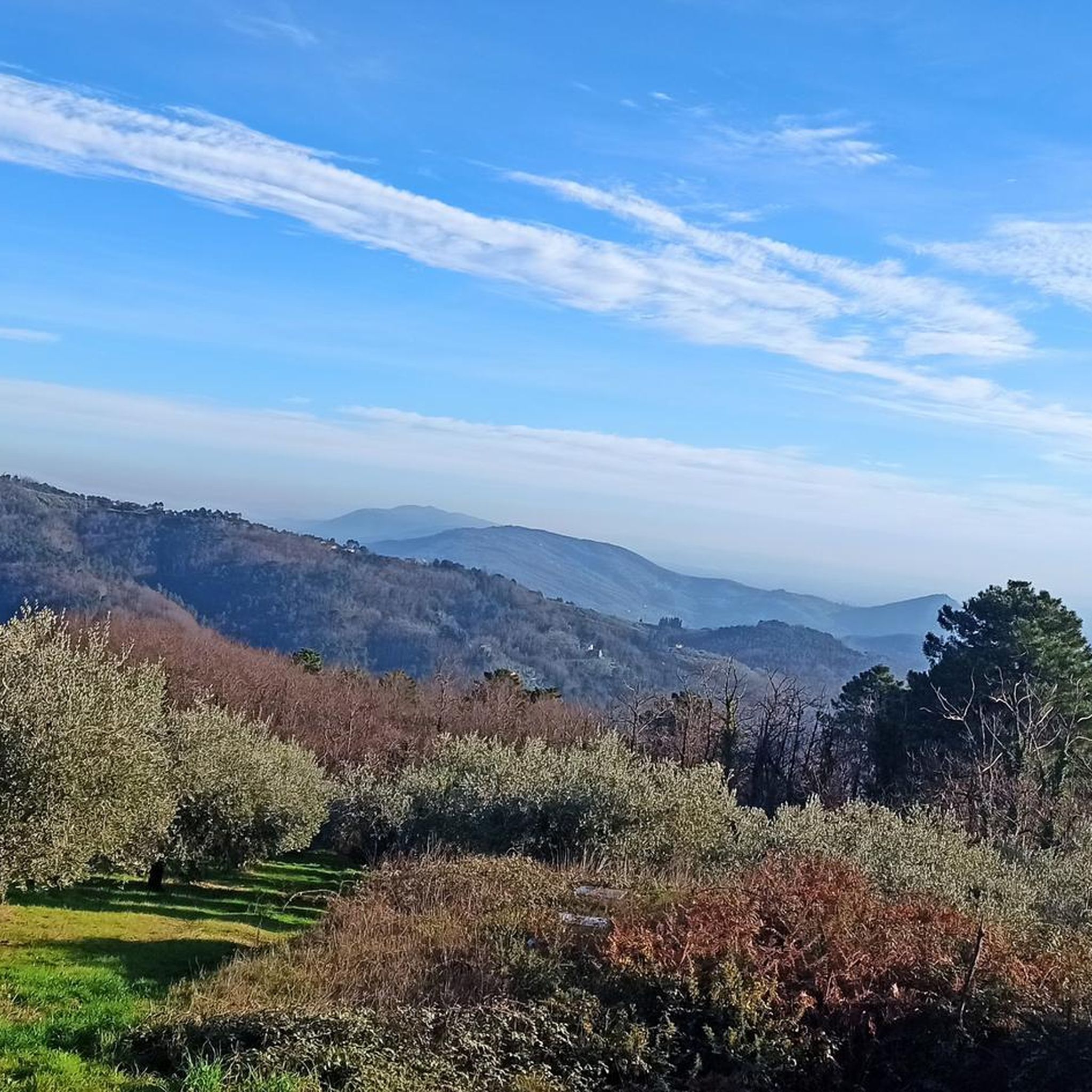
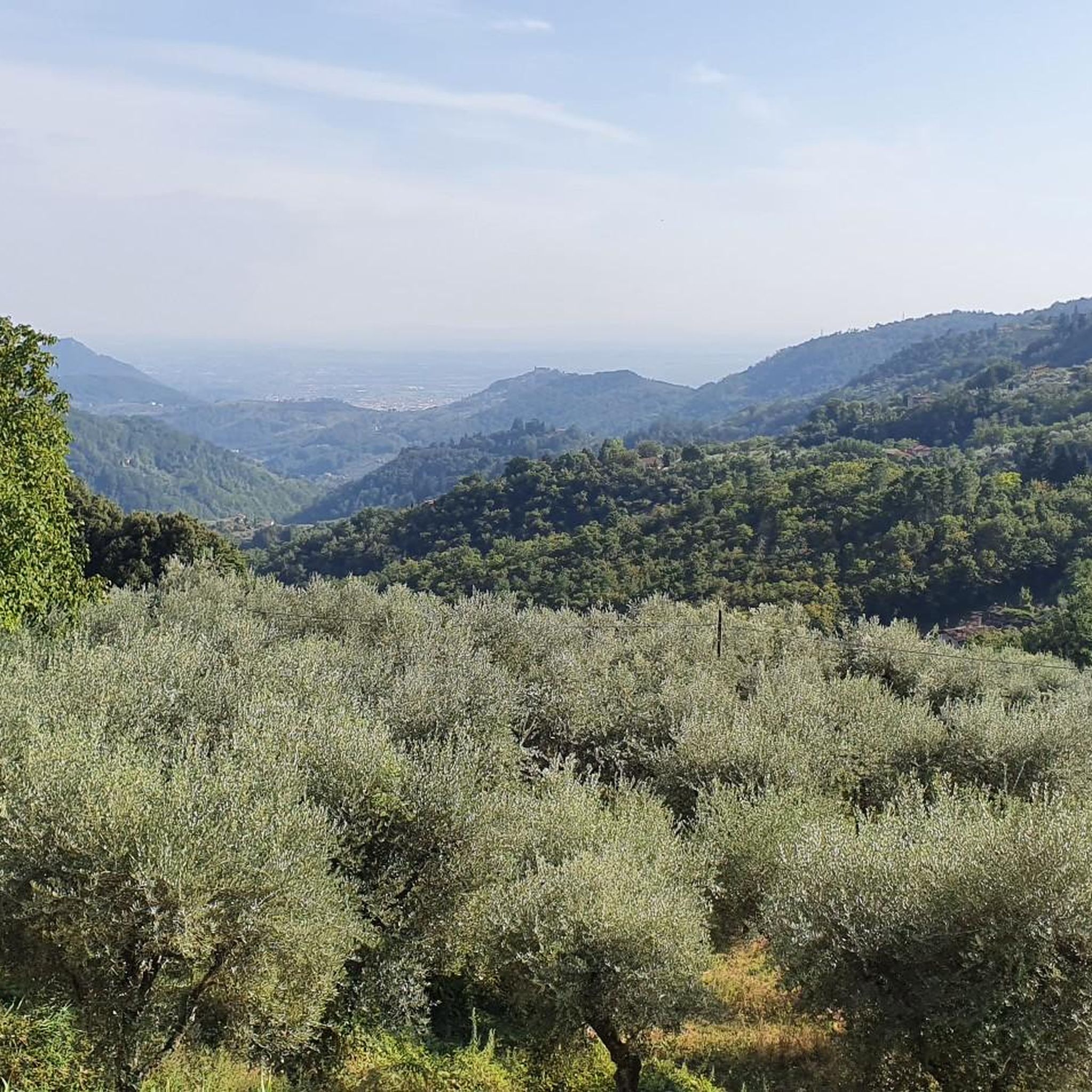
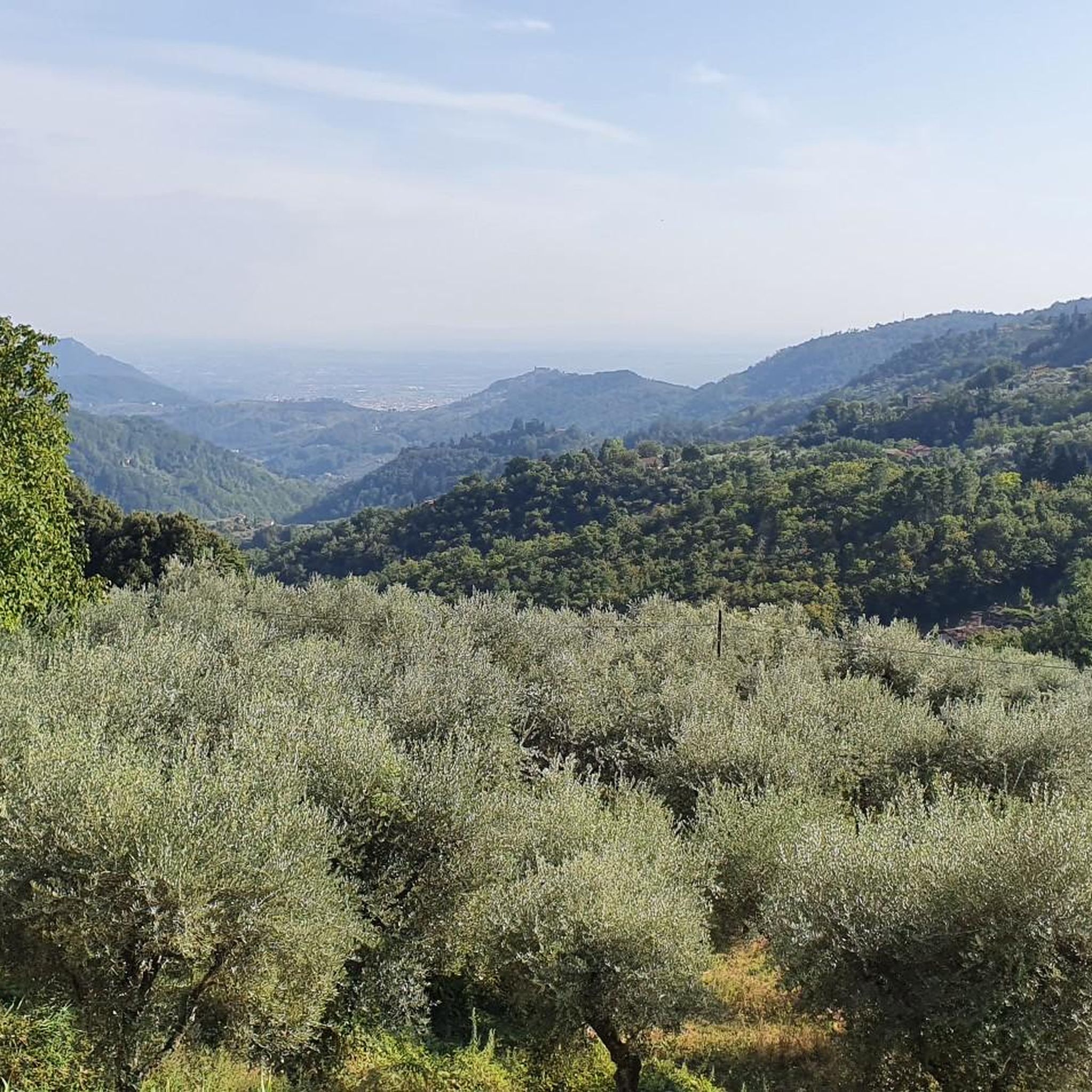
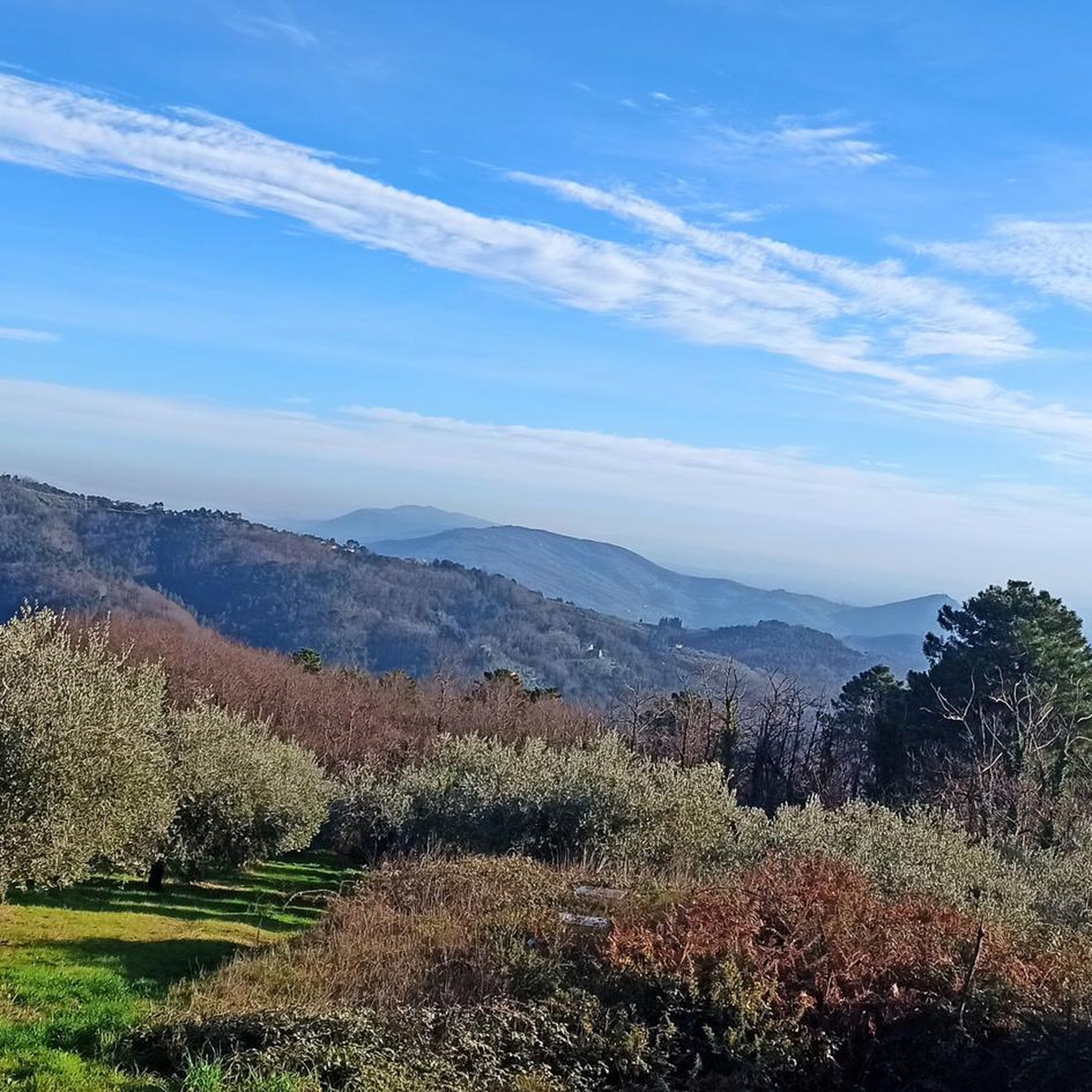
Road cycling routes around Marliana are situated where the Valdinievole meets the Pistoia Mountains, extending towards the Tuscan-Emilian Apennines. The region features a mix of valleys and mountainous areas, providing diverse terrain with significant elevation changes. Cyclists encounter well-paved surfaces and panoramic views overlooking Pistoia, the Apennine mountains, and hillside hamlets. This landscape includes lush natural settings such as chestnut groves and potato fields.
Best road cycling routes around Marliana
- The most popular road cycling route is Piazza del Duomo…
Last updated: October 26, 2026
4.7
(7)
184
riders
67.1km
02:56
470m
470m
Moderate road ride. Good fitness required. Mostly well-paved surfaces and easy to ride.
3.5
(2)
139
riders
Moderate road ride. Good fitness required. Mostly well-paved surfaces and easy to ride.

5.0
(1)
52
riders
55.1km
02:28
470m
470m
Moderate road ride. Good fitness required. Mostly well-paved surfaces and easy to ride.
5.0
(1)
30
riders
39.9km
02:45
1,260m
1,260m
Hard road ride. Very good fitness required. Some segments of this route may be unpaved and difficult to ride.
5.0
(3)
34
riders
73.3km
04:36
1,950m
1,950m
Hard road ride. Very good fitness required. Mostly well-paved surfaces and easy to ride.
Get access to more routes and recommendations from other explorers.
Already have an account?
Our route recommendations are based on thousands of hikes, rides, and runs completed by other people on komoot.
Start today with a free account
Your next adventure awaits.

Tips from the Community

Prato - SF 38 towards Fermont and Calances is a segment of a cycling route (fietspad) mapped on the Komoot platform. The route is part of a loop itinerary that crosses the Tuscan Apennines, starting and ending in Larciano, passing through locations such as Vico and Passo della Femminamorta.
0
0

The Walls of Lucca are one of the most significant and best-preserved historical monuments in Europe, an imposing Renaissance ring of walls that has remained completely intact, entirely enclosing the historic center of the Tuscan city. Built between 1504 and 1648 primarily as a defensive deterrent, they were never used for warfare. In the early decades of the 19th century, by the will of Maria Luisa of Bourbon, they were converted into a splendid public promenade and elevated urban park.
1
0

The Porta Sant'Anna (officially Porta Vittorio Emanuele) is one of the newer city gates in Lucca's historic city walls. In contrast to the mighty Renaissance gates of the fortress, this is a modern, purely functional opening from the early 20th century.
0
0
The historic center of Lucca is one of the best-preserved medieval hearts of Europe, enclosed entirely by a splendid, intact Renaissance city wall from the 16th-17th century. Known as the city of "100 churches" for its extraordinary density of religious buildings, the center is a large pedestrian area full of cobbled streets, soaring medieval towers, and unique squares.
2
0
The Walls of Lucca are one of the most famous historical monuments in Italy, known worldwide for being the only Renaissance city walls to have survived completely intact to this day. Built between 1504 and 1648 mainly to defend against the expansionist ambitions of Florence, they completely surround the historic center of the city. During the 19th century, by the will of Maria Luisa of Bourbon, the military fortification was transformed into an immense elevated public park and a charming tree-lined promenade.
3
0

Further on, there is a shady area under the trees
1
0
The Walls of Lucca are one of the most famous historical monuments in Italy, known worldwide for being the only Renaissance city walls to have survived completely intact to this day. Built between 1504 and 1648 mainly to defend against the expansionist ambitions of Florence, they completely surround the historic center of the city. During the 19th century, by the will of Maria Luisa of Bourbon, the military fortification was transformed into an immense elevated public park and a charming tree-lined promenade.
2
0

Frequently Asked Questions
What kind of terrain can I expect on road cycling routes around Marliana?
Marliana offers a diverse mix of valleys and mountainous areas, providing varied terrain for road cyclists. You'll encounter significant elevation changes, with both challenging climbs and rewarding descents. The region is known for its mostly well-paved surfaces, ensuring a smooth riding experience.
Are there road cycling routes suitable for beginners or those looking for an easier ride?
Yes, while many routes feature substantial elevation, Marliana offers options for various ability levels. Out of nearly 300 routes, 49 are considered easy, and 158 are moderate. A good moderate option is the Villa Bellavista – Vico loop from Massa, which covers 24.5 miles (39.4 km) with over 800 meters of elevation gain, offering scenic views without extreme difficulty.
What are some challenging road cycling routes in the Marliana area?
For experienced cyclists seeking a challenge, Marliana provides routes with significant elevation gains. For example, the Piazza del Duomo of Pistoia – Vico loop from Montecatini Alto is a difficult 33.6-mile (54.1 km) route with over 1,000 meters of elevation. Another demanding option is the Vico – Avaglio Church loop from Montecatini Alto, a 24.9-mile (40.0 km) trail with over 1,200 meters of climbing.
Are there any long-distance road cycling routes around Marliana?
Yes, for those looking for longer rides, Marliana has several options. The Villa Bellavista – Vinci loop from Montecatini Alto is a challenging route spanning nearly 56 miles (89.9 km). Another substantial ride is the Vico – Cappella di Macchia Antonini loop from Prunetta, which covers over 45 miles (73.3 km) with significant climbing.
What scenic views can I expect while road cycling in Marliana?
Road cycling in Marliana offers splendid panoramic views. You can enjoy vistas overlooking Pistoia, the majestic Apennine mountains, and charming hillside hamlets like Sarripoli. The routes often wind through lush natural settings, including chestnut groves and potato fields, adding to the picturesque scenery.
What historical or cultural points of interest can I see along the cycling routes?
Many routes in Marliana pass through or near historical sites, blending physical activity with cultural exploration. You might cycle past the medieval walls of Montagnana or the Cozzile Castle and its Clock Tower. The region's proximity to the Tuscan-Emilian Apennines also offers a chance to explore routes with historical significance.
Are there any notable attractions near the road cycling routes in Marliana?
Absolutely. Beyond the routes themselves, you can explore attractions like the Ferriere Suspension Bridge, Italy's longest suspension bridge. The Montecatini Terme Funicular, the oldest operating funicular in Italy, connects Montecatini Terme with Montecatini Alto, a common starting point for rides.
What do other road cyclists say about the routes in Marliana?
The road cycling routes in Marliana are highly rated by the komoot community, with an average score of 4.5 stars from over 470 reviews. Cyclists often praise the varied terrain, the stunning panoramic views, and the generally well-paved surfaces that make for an enjoyable riding experience.
When is the best time of year to go road cycling in Marliana?
Marliana's diverse landscapes are enjoyable throughout much of the year. Spring and autumn generally offer pleasant temperatures for cycling. Summer can be warm, especially in the valleys, but the higher elevations towards the Pistoia Mountains and Apennines can provide cooler conditions.
Are the road cycling routes around Marliana typically loop routes?
Yes, many of the road cycling routes available around Marliana are designed as loops, allowing you to start and finish at the same point. This is convenient for planning your ride and returning to your starting location without needing additional transport.
Where are common starting points for road cycling routes in Marliana?
Many routes often start from towns and villages within or near Marliana, such as Montecatini Alto or Massa. These locations typically offer amenities and access to the diverse network of roads that wind through the region's valleys and mountainous areas.
Most popular attractions around Marliana

Get inspired with the komoot mobile app


Explore more
Browse the best Road cycling routes in other regions.
