Top 9 Caves around Altopiano Della Vigolana
Caves around Altopiano Della Vigolana offer a diverse range of underground and karst phenomena within the Trentino region of Italy. This plateau, situated between the Vigolana and Marzola mountain massifs, is characterized by extensive karst landscapes. The area features both natural caves and historical tunnels, providing insights into geological processes and past human activities. Visitors can explore various formations, from significant cave systems to surface karst features.
Best caves around Altopiano Della Vigolana
- The most popular caves is Tunnel of…
Last updated: June 29, 2026
Gorgo Santo
Highlight • Cave
Rainwater and snow water are not retained by the Luserna Plateau due to the karst composition of the …
Translated by Google •
Tip by

Tunnel of the Riflemen
Highlight • Historical Site
Translated by Google •
Tip by

Sign up now to discover places like this
Get recommendations on the best single tracks, peaks, & plenty of other exciting outdoor places.
Sign up for free
Via Ferrata Giulio Segata – Upper Section
Highlight • Climb
Translated by Google •
Tip by

Soprasasso Military Tunnel (1915)
Highlight • Historical Site
Translated by Google •
Tip by

Grotta del Dos del Raita
Highlight • Cave
Translated by Google •
Tip by

Sign up for free to discover even more caves around Altopiano Della Vigolana.
Sign up for free
Already have an account?
Start today with a free account
Your next adventure awaits.
Login or Signup
Popular around Altopiano Della Vigolana
Free your energy! The mountain bike routes of Alpe Cimbra
Mountain biking in Trentino in Italy – 10 varied routes
Hiking around Altopiano Della Vigolana
Cycling around Altopiano Della Vigolana
Road Cycling Routes around Altopiano Della Vigolana

Gravel biking around Altopiano Della Vigolana
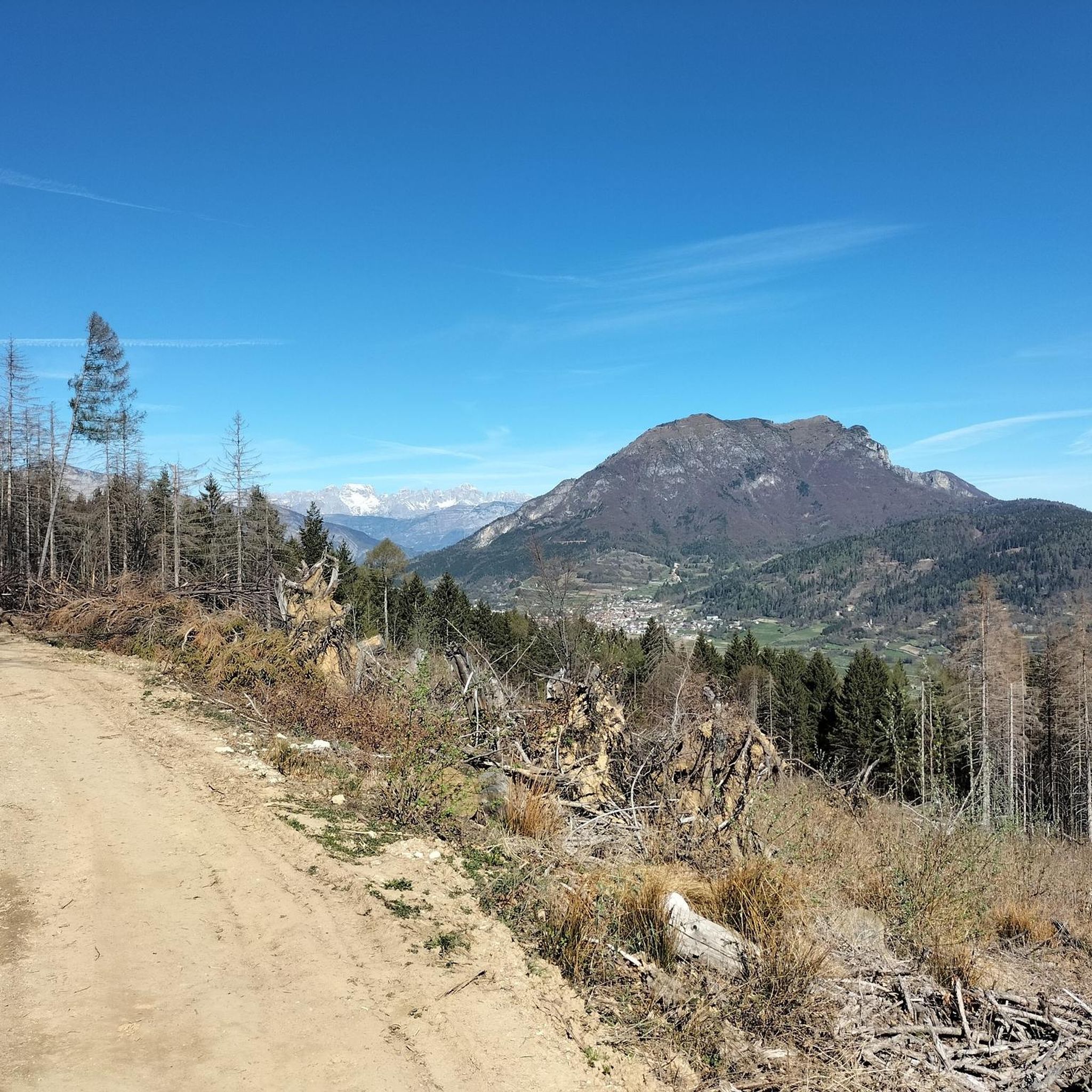
MTB Trails around Altopiano Della Vigolana
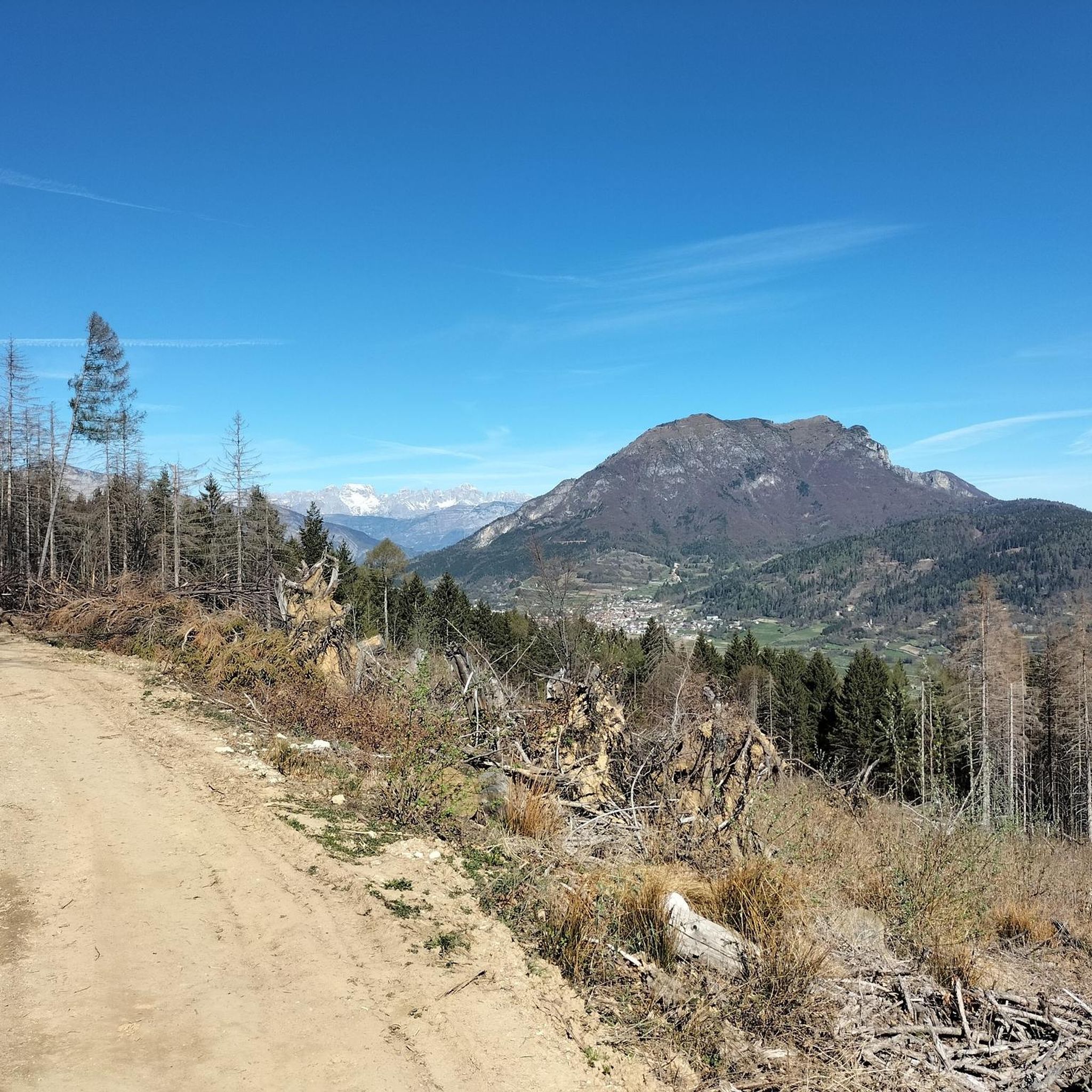
Running Trails around Altopiano Della Vigolana

Mountain Hikes around Altopiano Della Vigolana


Tips from the Community

It is located on the hill above the Prati della Casara, heading towards the Canopa del Raita
0
0

A foaming and thunderous waterfall cascades from the spring known as 'Gorgo Santo' (which can be visited a little further along, climbing the trail —> see related highlight). The small bridge actually spans two waterfalls, one upstream and one downstream. I recommend descending to the paved road below, on the border between the hamlets of Scalzeri and Longhi, for a spectacular view of the stream cascading through a series of rapid drops before flowing into the Astico River. I also recommend visiting this site after days of rain or when the snow has melted in the mountains, to see the water swollen and rushing!
0
0

Unexpectedly, coming out of the woods the view opens up with a beautiful panorama, recommended especially on a clear day. The place is barren and dry, I find the contrast with the woods all around enchanting: when you return to the trees you feel even more like the forest is full of life.
0
0

The Vis Ferrata Giulio Segata is a short, tough via ferrata that is divided into two sections. The second section is even harder than the first section, but becomes easier again as you go up. It starts over long smooth steep walls (E). At the top you climb through a cave with all kinds of stepping aids (C).
2
0

A tunnel carved into the rock and reinforced with reinforced concrete, which was part of the fortifications on the Soprasasso. There are still numerous such caverns and tunnels on this mountain, some of which are in varying states of preservation. They served as camp or crew quarters.
0
0
The Gorgo Santo is a spring that features a very rare phenomenon... Rainwater and snow water are not retained by the Luserna Plateau due to the karst composition of the terrain; instead, it flows down the valley through tortuous underground passages. Under normal conditions, it flows from the lower Gorgo Santo cave; however, in heavy rain or snow, the cave may be unable to handle the full flow, so the water is also released from the upper Gorgo Santo cave... a sort of safety valve. Pope Boniface IV (7th century) happened to pass through these parts during a trip and blessed the whirlpool: hence the name "santo." But there is another, more evocative and legendary, theory behind the name: it is said that here, Saint George defeated the Great Dragon that dwelt in the cave and dominated the valley! The presence or absence of water depends on rainfall or snowfall: to find a good flow of water, you should visit on days after it has rained; otherwise, you'll visit the whirlpool in its "dry" state.
0
0
'Tunnel dei Fucilieri' in the signage: Austro-Hungarian defensive tunnel from the Great War, which passes through the grassy hill of Smelzar, at the foot of Forte Dosso delle Somme, with posts at regular intervals aimed at the underlying Val Terragnolo. Upon exiting, you suddenly emerge onto an exposed but extraordinary panoramic balcony between Val Terragnolo and the Altopiano di Lavarone, before arriving with a steep climb to the fortress.
0
0

extremely difficult via ferrata and not signposted the approach ... personally I did not find the start, I traveled back through the life of escape and climbed the second stretch .... do not contend with the nearby aided path .... you can see immediately when it goes up that this via ferrata is not trivial
2
0
Frequently Asked Questions
What types of caves and geological features can I find around Altopiano Della Vigolana?
The Altopiano Della Vigolana region offers a diverse range of underground and karst phenomena. You can explore natural karst caves, historical military tunnels, and unique rock-cut trails. The area is also rich in surface karst formations like "campi solcati" (karst pavements) and "crepacci carsici" (karst fissures), which are visible on the landscape.
Are the caves around Altopiano Della Vigolana suitable for general tourists or only experienced cavers?
Many of the deeper natural caves in Altopiano Della Vigolana, such as Grotta Giulio Gabrielli, Abisso Cosentino, and Grotta degli Stambecchi, are primarily for experienced speleologists and require specialized equipment, knowledge, and often permits. However, there are accessible historical tunnels and surface karst features that can be explored by general visitors and hikers.
What is the best time of year to visit the caves and karst features in Altopiano Della Vigolana?
For surface karst features and historical tunnels, spring through autumn generally offers the most pleasant weather for exploration. If you plan to visit natural springs like Gorgo Santo, visiting after periods of heavy rain or snowmelt will allow you to see the water flow at its most impressive.
Can I visit historical military tunnels in the Altopiano Della Vigolana region?
Yes, the region has several historical military tunnels. A notable one is the Tunnel of the Riflemen, an Austro-Hungarian defensive tunnel from the Great War that passes through the grassy hill of Smelzar, offering panoramic views upon exit. Another is the Soprasasso Military Tunnel (1915), carved into the rock as part of the fortifications.
Are there any unique natural phenomena related to water in the caves of Altopiano Della Vigolana?
Yes, Gorgo Santo is a cave featuring a rare spring phenomenon. Rainwater and snowmelt flow through underground passages, emerging from this spring. Its water flow is highly dependent on recent precipitation, making it particularly impressive after heavy rains or snowmelt.
What are some of the significant natural karst caves for experienced speleologists in the region?
For experienced speleologists, the region offers challenging sites like Grotta Giulio Gabrielli, a significant cave system with meander-like passages and a large shaft. The Abisso Cosentino (also known as Abisso di Bosentino) and Grotta degli Stambecchi are also important hypogean areas recognized for their geological interest, primarily suited for scientific exploration or highly experienced cavers.
Are there surface karst features I can explore without specialized caving equipment?
Yes, on the south and southwest slopes of Becco di Filadonna, you can observe "campi solcati" (karst pavements) and "crepacci carsici" (karst fissures). These accessible surface features provide excellent examples of the geological processes that have shaped the Altopiano, appealing to hikers and nature enthusiasts.
What outdoor activities can I combine with a visit to the caves around Altopiano Della Vigolana?
The Altopiano Della Vigolana region is excellent for various outdoor activities. You can find numerous hiking trails, including challenging routes like the Becco di Filadonna via Rifugio Casarota Trail. There are also extensive MTB trails and road cycling routes, such as the Lake Caldonazzo loops. For more details, explore the Hiking around Altopiano Della Vigolana, MTB Trails around Altopiano Della Vigolana, and Road Cycling Routes around Altopiano Della Vigolana guides.
Are there hiking trails that incorporate cave or tunnel features?
Yes, the region features trails with unique underground elements. The Rock-Cut Trail and Tunnel is particularly evocative, with sections dug directly into the rock and cycle tunnels, offering a distinctive hiking experience.
Are there any family-friendly options for exploring the underground or karst landscape?
While many natural caves require expertise, historical tunnels like the Tunnel of the Riflemen and the Rock-Cut Trail and Tunnel can be suitable for families, offering an engaging way to experience the region's unique geology and history. Surface karst features are also accessible for family exploration.
What should I know about permits or access for caving in Altopiano Della Vigolana?
For the deeper and more complex natural caves in the Altopiano Della Vigolana, such as Grotta Giulio Gabrielli or Abisso Cosentino, access is typically restricted to expert visitors. These sites often require specialized permits and must be explored with a guide due to their challenging nature and the need for specific equipment. There are no indications that these are developed as 'show caves' for general public access.
Where can I find accommodation or dining options near the Altopiano Della Vigolana caves?
The Altopiano Della Vigolana region has various towns and amenities where you can find accommodation, cafes, and restaurants. Consider looking in towns within the plateau for options that suit your needs.
How can I get to the Altopiano Della Vigolana region by public transport?
Public transport options to the Altopiano Della Vigolana region are available, connecting it to larger centers in Trentino. It's advisable to check local bus schedules and routes depending on your specific starting point and desired destination within the plateau.
What equipment is recommended for exploring the more challenging caves or karst areas?
For exploring challenging natural caves or complex karst areas, specialized caving equipment is essential. This includes helmets with lights, appropriate protective clothing, sturdy footwear, ropes, and other safety gear. It is highly recommended to go with experienced guides and proper training for such explorations.
Most popular routes around Altopiano Della Vigolana
Most popular attractions around Altopiano Della Vigolana

Get inspired with the komoot mobile app


Explore more
Extend your search for the best caves by checking out these guides of the top ones around Altopiano Della Vigolana:
