Top 4 Castles in Danube-Ipoly National Park
Best castles in Danube-Ipoly National Park are situated in a region known for its significant historical fortifications, particularly along the scenic Danube Bend. This area offers a glimpse into Hungary's rich past, featuring castles perched on hillsides with panoramic views of the river and surrounding landscapes. The national park's terrain provides a natural setting for these historical sites, blending cultural heritage with outdoor exploration. Visitors can explore various architectural styles and historical periods within these ancient structures.
Best castles in…
Last updated: October 2, 2026
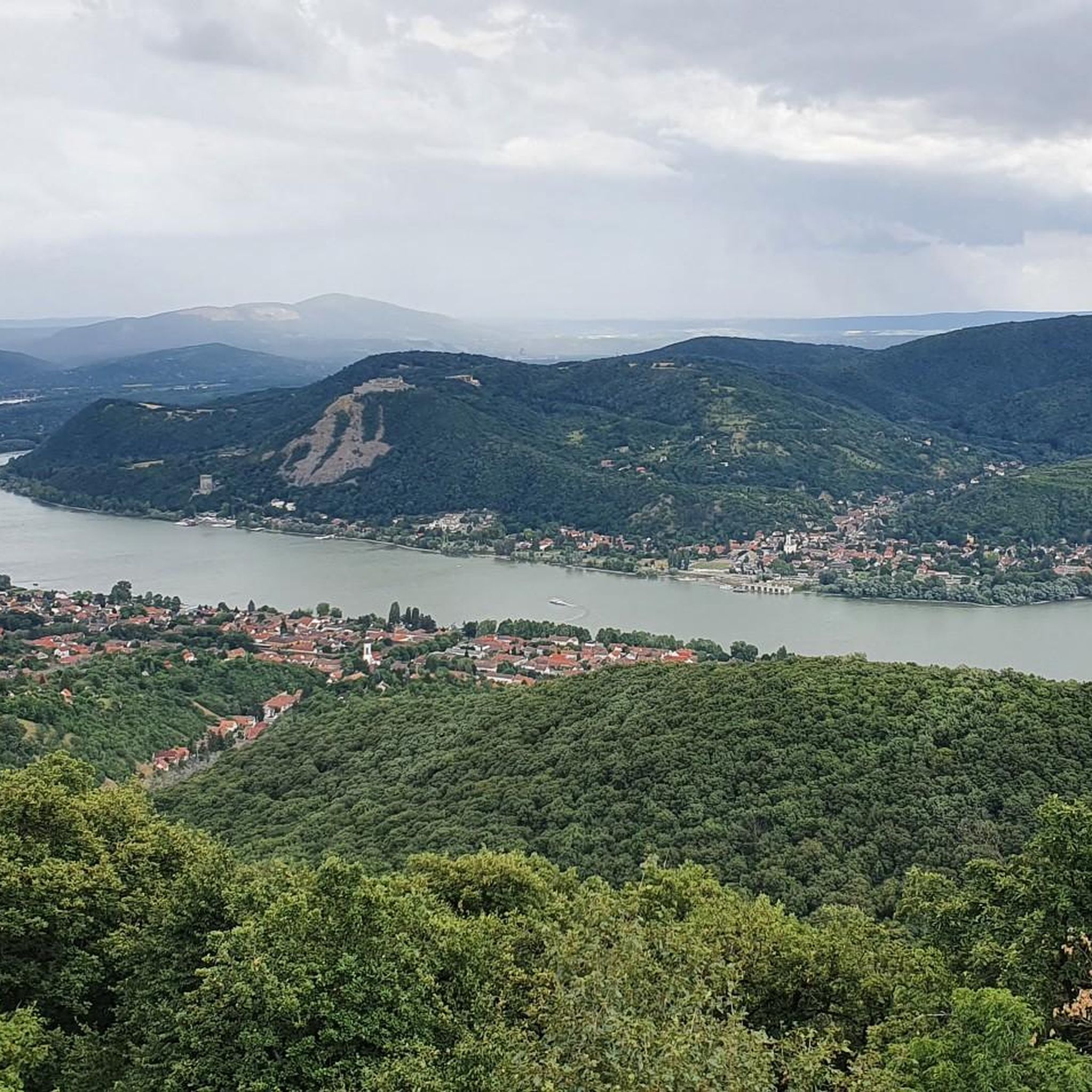
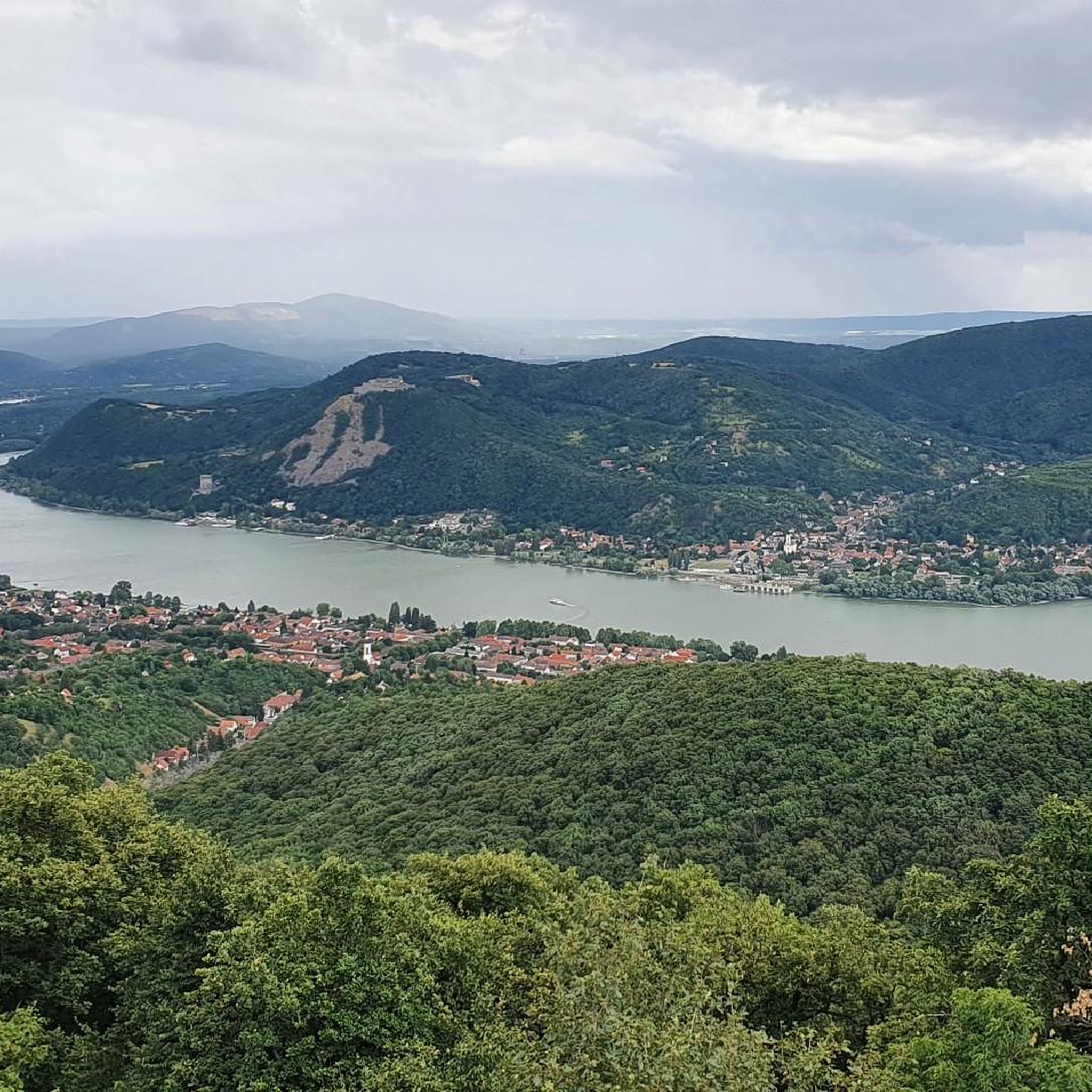
View of the Danube Bend and Visegrád Castle
Highlight (Segment) • Viewpoint
Tip by

Visegrád Castle
Highlight • Castle
Tip by

Sign up now to discover places like this
Get recommendations on the best single tracks, peaks, & plenty of other exciting outdoor places.
Visegrád Citadel on Várhegy Hill
Highlight • Castle
Tip by

Replica of Eger Castle
Highlight • Castle
Translated by Google •
Tip by

Egri Castle Ruins
Highlight • Castle
Translated by Google •
Tip by
Sign up for free to discover even more castles in Danube-Ipoly National Park.
Already have an account?
Start today with a free account
Your next adventure awaits.
Popular around Danube-Ipoly National Park
Tips from the Community

The Danube Bend (Dunakanyar) is one of Hungary's most scenic and historically rich sections. It is located about 30 to 50 kilometers north of Budapest, where the Danube changes its course and bends sharply to the south.
0
1

What a beautiful view of the Danube Bend ☺️. But the castle has much more to offer that you can see.
0
0

A very beautiful castle, with a steep climb and a steep descent. But with a bit of time and determination, it's doable. Great views over the Danube.
0
0

There is no longer a ferry to Szob
1
0

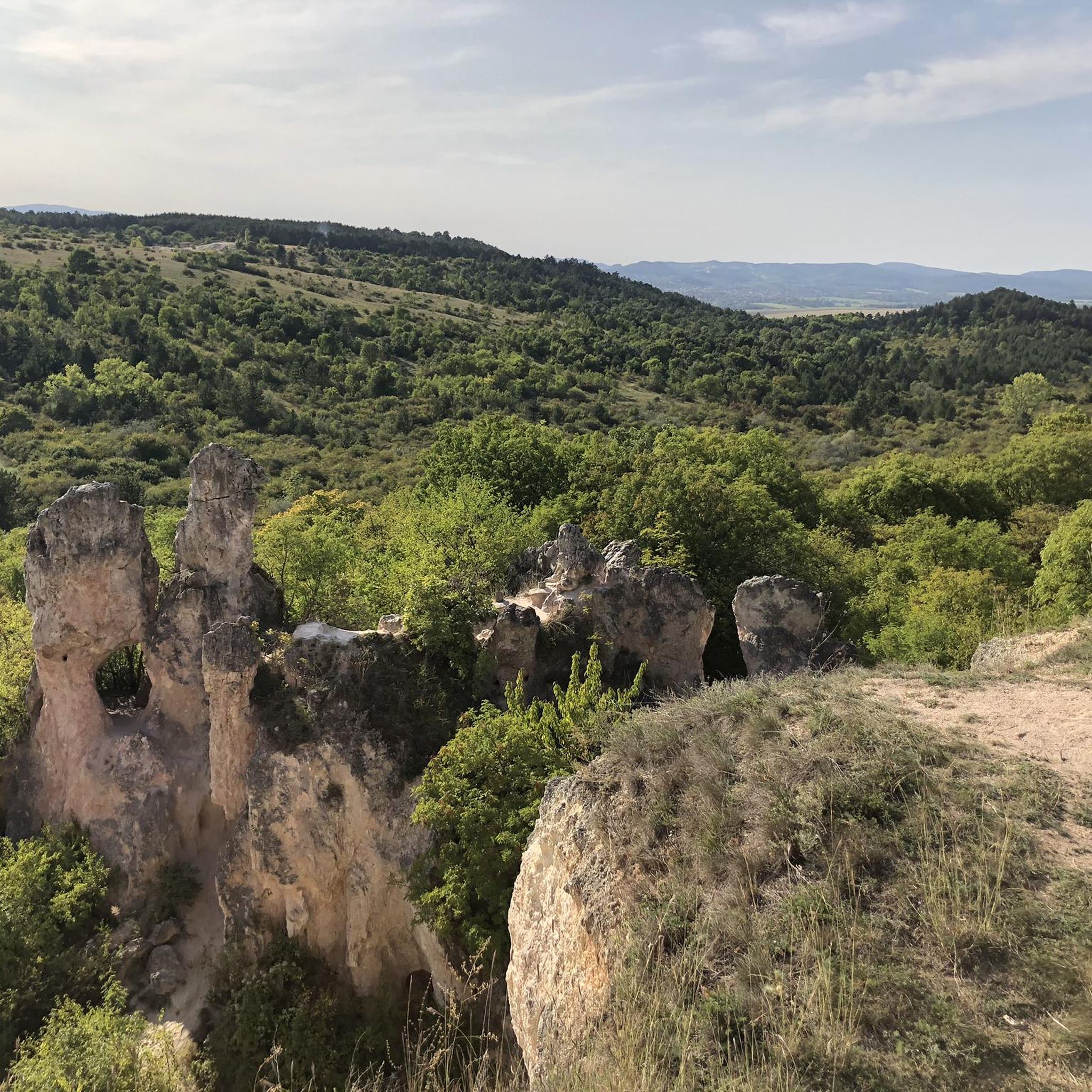
In other words, it is rather a COPY of Eger Castle, in the outskirts of Pilisborosjenő, the location of the former film shooting (Eger Stars)
2
0


Good bike path to the Hungarian/Slovak border.
3
0

Frequently Asked Questions
Which castles offer the best panoramic views of the Danube Bend?
For breathtaking panoramic views of the Danube Bend, you should visit Visegrád Castle, particularly its Upper Castle (Fellegvár). Another excellent spot is the Visegrád Citadel on Várhegy Hill, which provides an impressive panorama. Esztergom Castle also offers stunning views from its White Tower, overlooking the Danube and surrounding mountains.
Are there family-friendly castles to visit in the Danube-Ipoly National Park?
Yes, several castles in the region offer family-friendly experiences. Egri Castle Ruins are listed as family-friendly. Visegrád Castle, with its interactive exhibitions, medieval games (during special events), and the opportunity to explore ancient courtyards, is also a great option for families. The hike to the Upper Castle at Visegrád can be an adventure in itself.
What outdoor activities can I do near the castles in Danube-Ipoly National Park?
The Danube-Ipoly National Park offers a variety of outdoor activities near its castles. You can find numerous cycling routes, such as those mentioned in the Cycling in Danube-Ipoly National Park guide, which include scenic paths along the Danube. There are also many hiking opportunities, from easy walks to more challenging mountain hikes, detailed in guides like Easy hikes in Danube-Ipoly National Park and Mountain Hikes in Danube-Ipoly National Park.
What is the historical significance of Visegrád Castle?
Visegrád Castle is historically significant as a former royal residence and a key center of medieval Hungarian politics. It famously hosted the 1335 Congress of Visegrád, a crucial diplomatic event. The castle complex includes the Upper Castle, the Solomon Tower, and the Royal Palace, showcasing centuries of Hungarian history, including its role in housing the Hungarian coronation jewels.
What is the historical significance of Esztergom Castle?
Esztergom Castle holds profound historical significance as Hungary's former capital and royal seat from the 10th to the mid-13th century. It was the birthplace and crowning place of Hungary's first king, Stephen I. The castle allows visitors to explore archaeological layers spanning over 2,000 years, including remains of earthwork castles and a notable castle chapel with Gothic elements.
What natural features can I explore near the castles?
The castles in Danube-Ipoly National Park are nestled within a region rich in natural beauty. The most prominent natural feature is the Danube Bend itself, offering stunning river views, especially from viewpoints like View of the Danube Bend and Visegrád Castle. The surrounding national park provides forests, hills, and riverbanks, perfect for hiking and cycling, allowing you to combine historical exploration with nature appreciation.
What is the best time of year to visit the castles in Danube-Ipoly National Park?
The best time to visit the castles is generally during spring (April-May) and autumn (September-October) when the weather is pleasant for exploring and hiking. Summer (June-August) is also popular, especially for events like the annual International Palace Games at Visegrád in July, but it can be warmer. Winter offers a different, often quieter, experience, though some outdoor activities might be limited by weather.
Are there any special events or festivals at the castles?
Yes, Visegrád Castle is particularly known for its annual International Palace Games, typically held in July. This event brings the past to life with costumed knights, tournaments, and medieval festivities, offering a unique cultural experience that complements the historical exploration of the castle.
How long should I plan for a visit to the major castles?
For major castles like Visegrád Castle or Esztergom Castle, plan at least 3-4 hours to explore the various sections, museums, and enjoy the views. If you wish to combine it with a hike or visit nearby attractions, a full day might be more appropriate. Smaller sites or ruins like the Replica of Eger Castle might only require an hour or two.
Is parking available at the major castles?
Yes, parking is generally available near the major castles. For Esztergom Castle, there are parking options in the vicinity of the Basilica and the castle hill. For Visegrád Castle, parking is available at the base of the hill, with a walk or shuttle option to the Upper Castle, and also closer to the Royal Palace and Solomon Tower.
Can I reach the castles using public transport?
Yes, the castles in the Danube Bend region are accessible by public transport. You can typically take a train or bus from Budapest to towns like Visegrád or Esztergom. From there, local buses, taxis, or a walk can take you to the castle sites. For example, Visegrád Castle is reachable by bus from Szentendre or Esztergom, or by ferry along the Danube.
What makes Esztergom Castle unique compared to other castles in the region?
Esztergom Castle stands out due to its profound historical significance as Hungary's first royal seat and the birthplace of King Stephen I. Its uniqueness lies in its deep archaeological layers, allowing visitors to see over 2,000 years of history, and its blend of Romanesque and early Gothic architecture. Its proximity to the Esztergom Basilica also creates a powerful historical and visual complex.
Are there any lesser-known or 'hidden gem' castles to explore?
While Visegrád and Esztergom are prominent, the region also features other historical sites. The Replica of Eger Castle, though a set from a film, offers an interesting walk and a glimpse into a different kind of historical representation. Exploring the various ruins and fortifications scattered throughout the Danube-Ipoly National Park can reveal less-trafficked historical spots.
Most popular routes in Danube-Ipoly National Park
Most popular attractions in Danube-Ipoly National Park

Get inspired with the komoot mobile app


