Top 20 Caves around Parco Nazionale Cilento Vallo di Diano e Alburni
Best caves around Parco Nazionale Cilento Vallo di Diano e Alburni are found within a region characterized by significant karst features, including sinkholes and underground rivers. This national park in Southern Italy encompasses diverse landscapes, from the Alburni Mountains to the Cilento coast, shaped by millennia of natural erosion. The area is known for its geological formations and historical significance, with evidence of ancient human and animal presence in many cave systems.
Best caves around Parco Nazionale Cilento Vallo di…
Last updated: July 13, 2026
Vallivona Sinkhole
Highlight • Cave
Translated by Google •
Tip by

Sanctuary of Madonna della Neve
Highlight • Religious Site
Translated by Google •
Tip by

Sign up now to discover places like this
Get recommendations on the best single tracks, peaks, & plenty of other exciting outdoor places.
Sign up for free
Water Cave
Highlight • Cave
Translated by Google •
Tip by

Sant'Angelo a Fasanella
Highlight • Settlement
Translated by Google •
Tip by

WWF Oasis of the Bussento Caves
Highlight • Cave
Translated by Google •
Tip by

Sign up for free to discover even more caves around Parco Nazionale Cilento Vallo di Diano e Alburni.
Sign up for free
Already have an account?
Start today with a free account
Your next adventure awaits.
Login or Signup
Popular around Parco Nazionale Cilento Vallo di Diano e Alburni
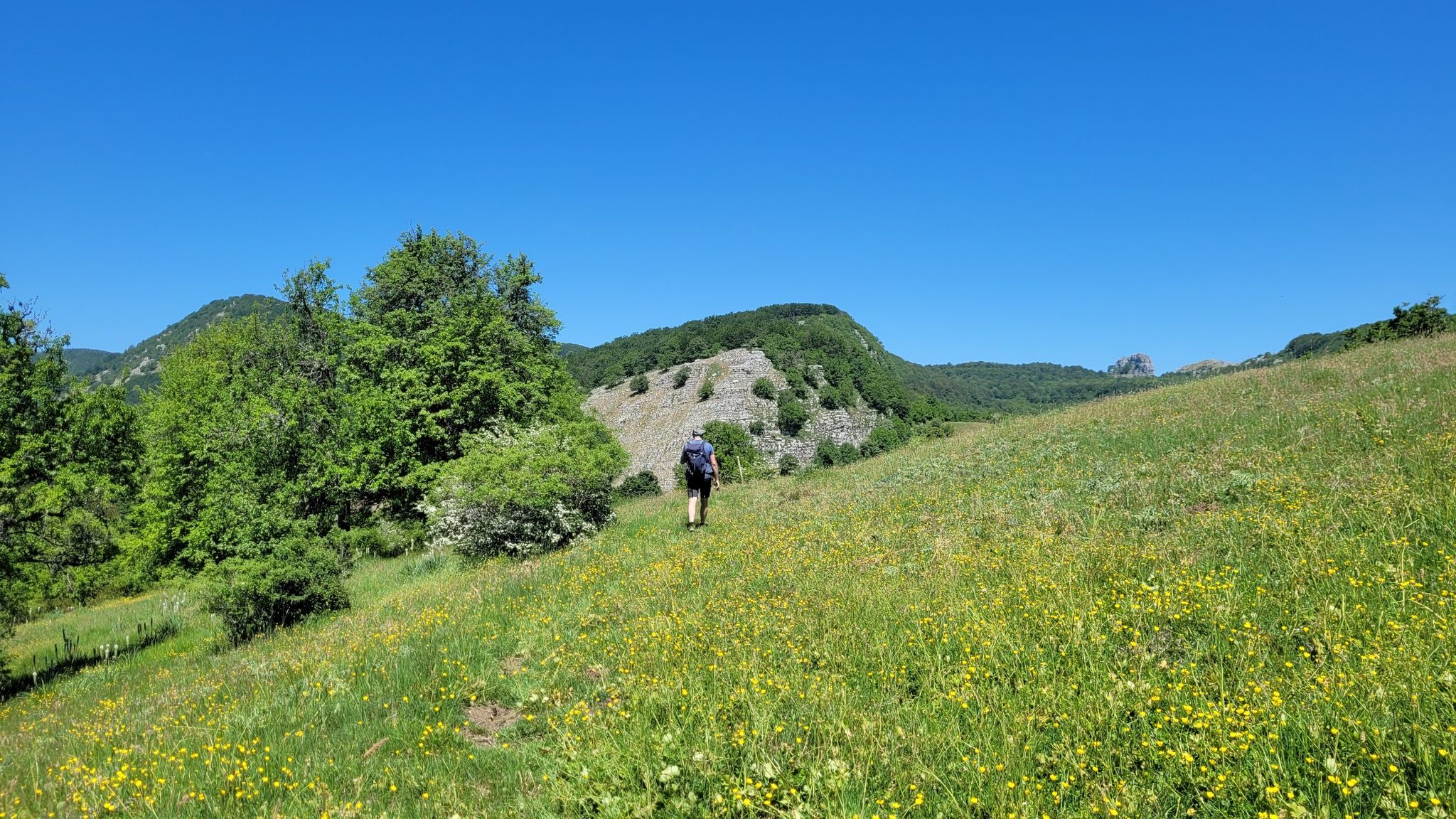
Sentiero Italia – A journey into the heart of Campania
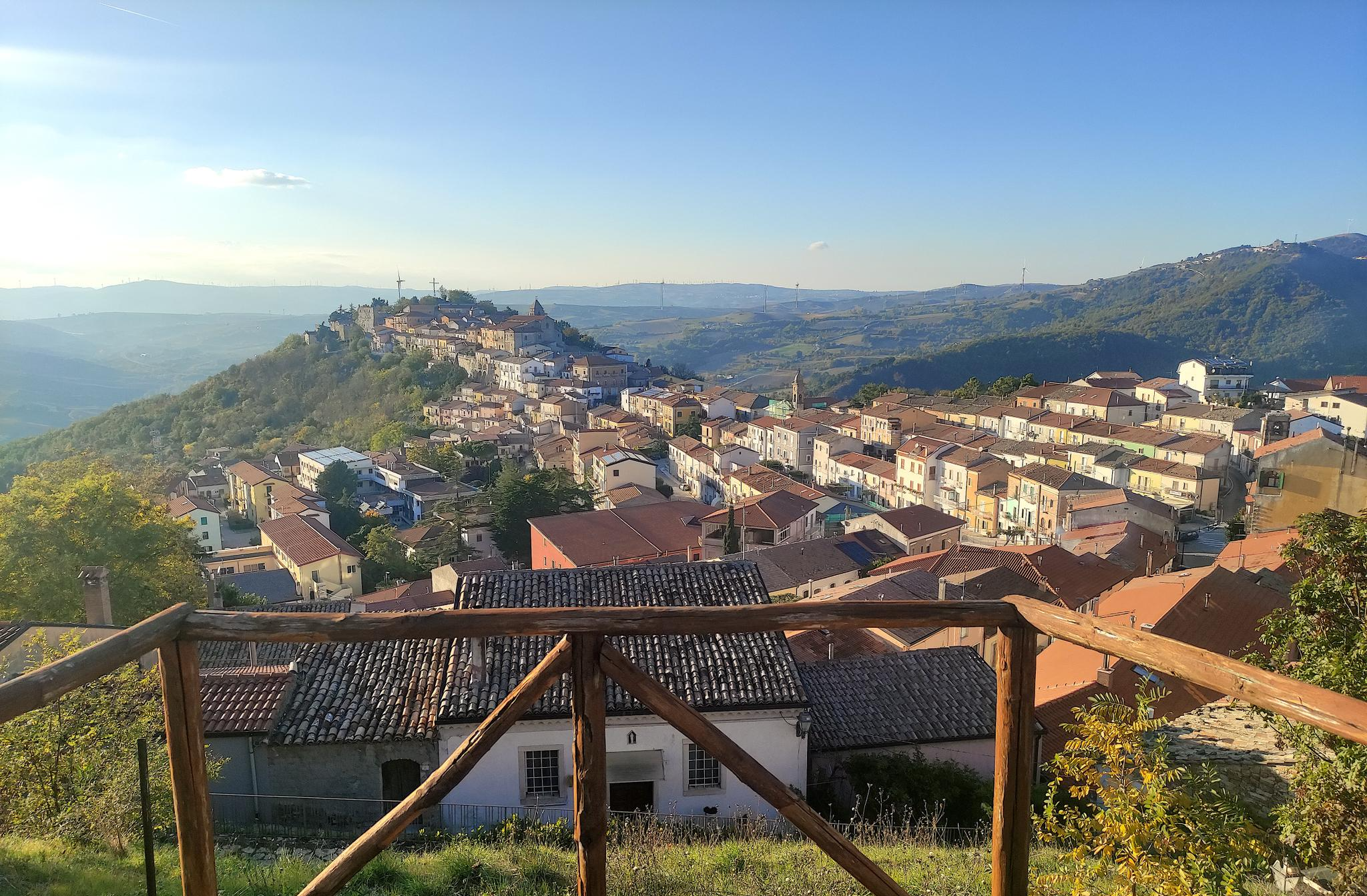
Campania by bike – rides among villages, valleys and water landscapes
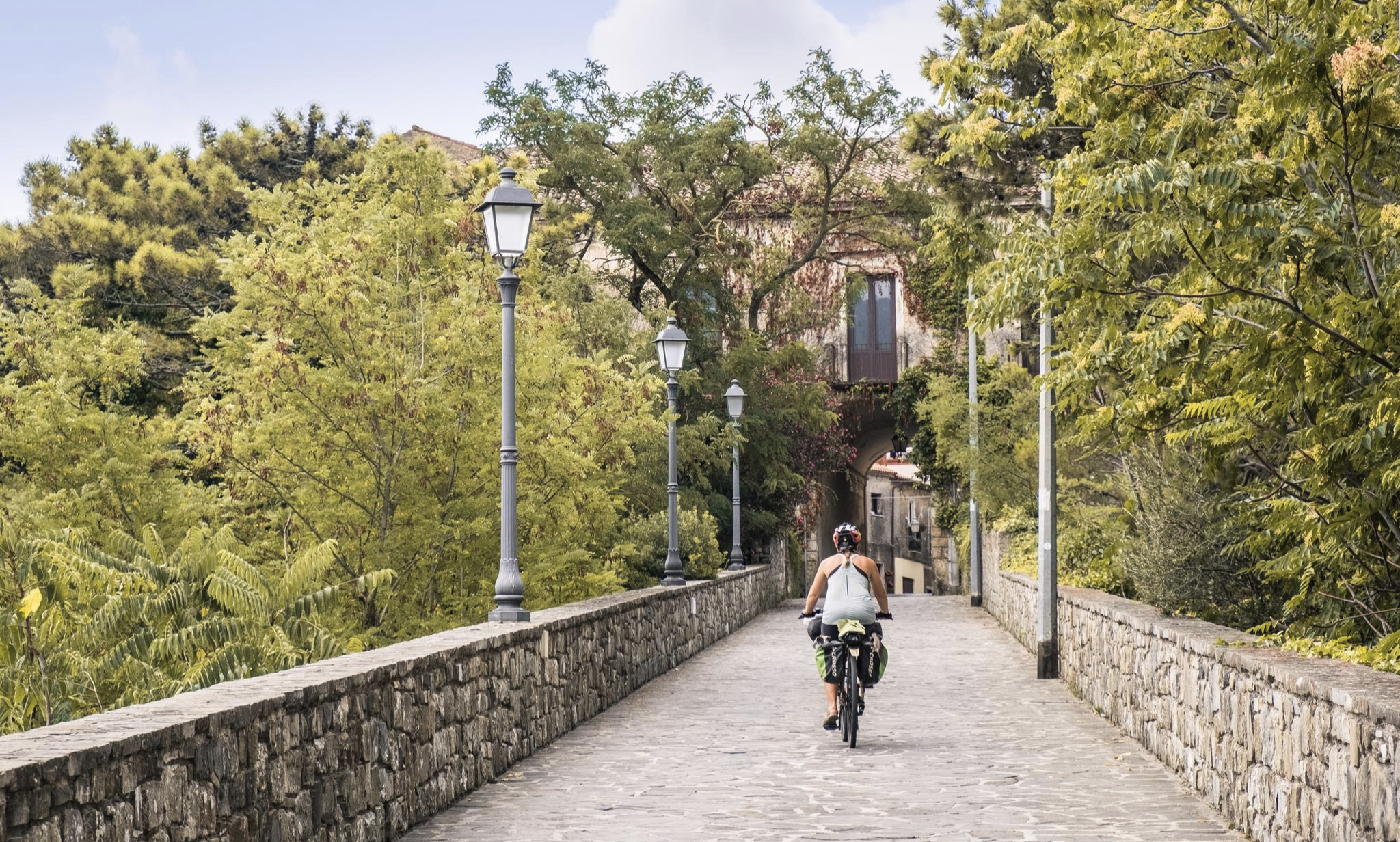
The Silent Way by bike - wilderness and gentle humanity
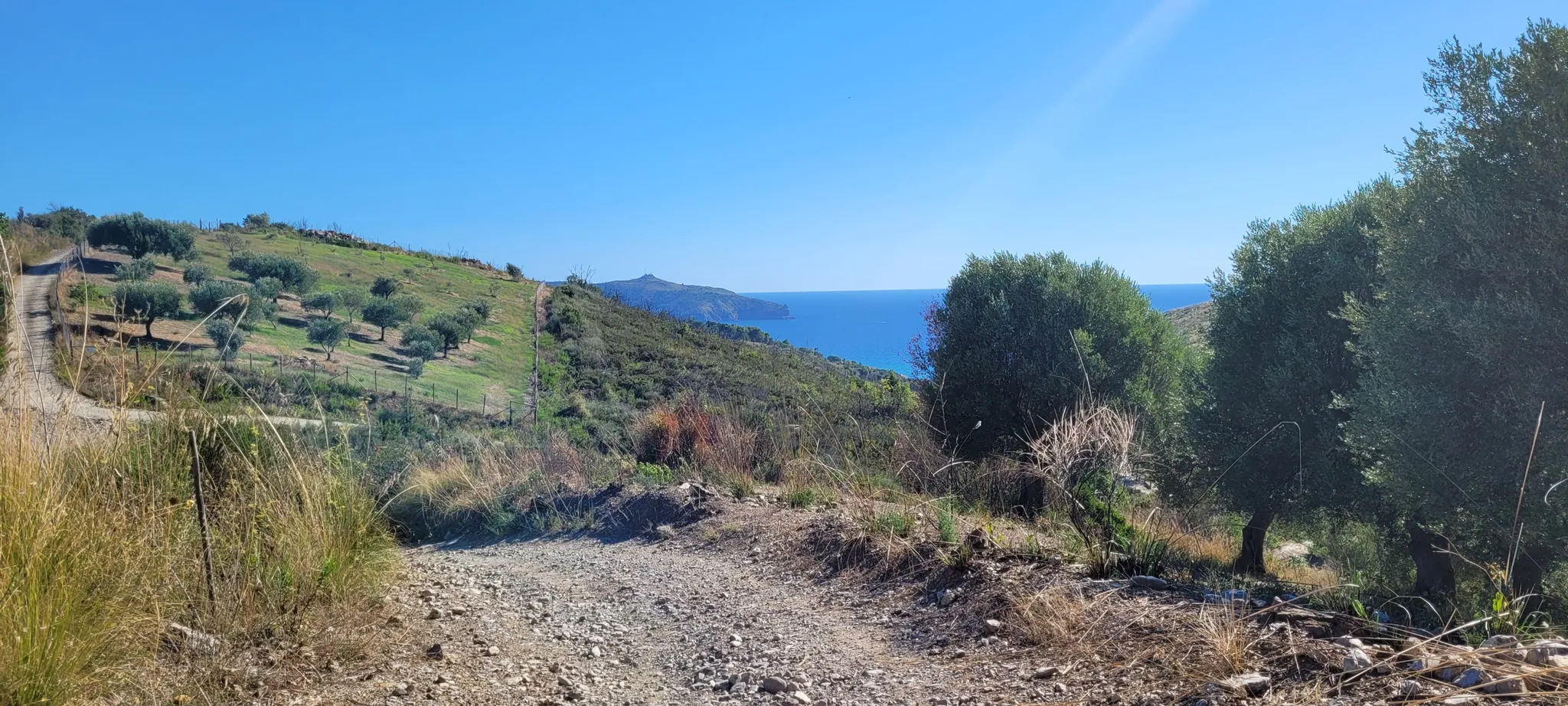
Way of St. Nilus - a slow journey into the heart of the Cilento region
In search of longevity – Ancient Cilento Ring
Hiking around Parco Nazionale Cilento Vallo di Diano e Alburni
Cycling around Parco Nazionale Cilento Vallo di Diano e Alburni
MTB Trails around Parco Nazionale Cilento Vallo di Diano e Alburni
Road Cycling Routes around Parco Nazionale Cilento Vallo di Diano e Alburni
Running Trails around Parco Nazionale Cilento Vallo di Diano e Alburni
Other adventures around Parco Nazionale Cilento Vallo di Diano e Alburni


Tips from the Community

The Sanctuary of the Madonna della Neve (or Madonna del Cervato) is a suggestive place of worship located at about 1850 meters above sea level on Mount Cervati, in the Cilento National Park, near Sanza. Characterized by a chapel nestled in a natural cave, it is a destination for pilgrimages, especially between the end of July and August 5th, and represents one of the highest and most fascinating peaks in Campania. https://blogcamminarenellastoria.wordpress.com/2022/12/14/il-monte-cervati-e-la-madonna-della-neve/
1
0

A brief explanation of the patronage of 'MARY OF THE SNOW', which visitors don't encounter very often: This takes us far back in church history to the fourth/fifth century, and geographically to Rome. On August 5, 363, the so-called "miracle of the snow" occurred at the site where the Basilica of Santa Maria Maggiore now stands. That is to say, on that day, in the middle of summer, snow lay there in the morning because the Virgin Mary wished to have a church dedicated to her built on that spot. She conveyed this wish in a vision to a wealthy couple – who subsequently initiated and financed the construction – and to the Bishop of Rome, who at that time was Pope Liberius. The Roman church holds the rank of a patriarchal basilica (papal basilica) and is the origin of all churches and chapels with this patronage. In the liturgical calendar of the Catholic Church, August 5th, the feast day of the church's consecration (in the year 432 by Pope Sixtus III), is an optional memorial. Santa Maria Maggiore in Rome was the focus of international attention last year because Pope Francis, who died on Easter Monday 2025, had chosen this church as his final resting place.
0
0

Absolutely worth a visit, a town that has remained authentic and is unfortunately depopulating, but which has so much to offer.
0
0

Impressive grotto just above the beach
0
0
Here is the info on the Vallivona Affondator: https://www.archeotrekking.net/it/scheda_singola/188-l-affondamento-di-vallivona.html
3
0
Here is the info: https://drive.google.com/file/d/1UlQWiWK45afivZjuXxtYBWe77kqg_A5U/view?usp=drive_link
3
0

Suggestive cave that can be found in the final part of the steep descent towards the Molara beach
1
0
Frequently Asked Questions
What makes the caves in Parco Nazionale Cilento, Vallo di Diano e Alburni unique?
The region is characterized by significant karst features, including extensive cave systems, sinkholes, and underground rivers. You can find everything from vast speleological wonders with impressive formations to marine caves with unique light effects, and even caves where rivers flow through or re-emerge.
Which caves offer boat tours or unique water experiences?
The Grotte dell'Angelo (Pertosa Caves) are unique in Italy for offering an underground boat tour on the Negro River. Another captivating water experience is at the Water Cave near Molara beach, which is a suggestive destination found a few meters above sea level, offering a lookout point to its interior.
Are there caves with historical or archaeological significance in the region?
Yes, several caves hold significant historical value. The Grotte di Castelcivita have archaeological deposits dating back 40,000 years, revealing evidence of human and animal presence. The Pertosa Caves also have archaeological significance, with artifacts from the Stone Age and Bronze Age found within. Additionally, the Grotta Azzurra in Marina di Camerota is near other archaeologically significant marine caves like Grotta della Cala and Grotta della Serratura, which have yielded prehistoric remains.
What are some family-friendly caves to visit?
While specific 'family-friendly' categories aren't always listed, many caves offer tourist routes suitable for general visitors. The Grotte di Castelcivita, for example, have a 1,200-meter tourist route. The WWF Oasis of the Bussento Caves offers a nature trail with wooden bridges, making it an engaging experience for families to explore the river's resurgence.
What should I wear when visiting the caves?
Cave interiors typically maintain a constant cool temperature, regardless of the outside weather. It's advisable to wear layers, including a light jacket or sweater, and comfortable, sturdy shoes with good grip, as paths can be damp or uneven. Some caves, like the Vallivona Sinkhole, may require flashlights for exploration.
Are there any caves that are also religious or cultural sites?
Yes, the Grotta di San Michele Arcangelo, located in the village of Sant'Angelo a Fasanella, is a notable example. Also, the Sanctuary of Madonna della Neve, near Monte Cervati, is situated in a karst environment with caves and is a significant pilgrimage destination.
What kind of geological formations can I expect to see in these caves?
The caves in this region are rich in spectacular limestone formations. For instance, the Grotte di Castelcivita boast abundant stalactites, stalagmites, and draperies, with specific features like the 'Sala del Castello' and the 'Waterfall of Colors'. The Pertosa Caves also feature impressive concretions with evocative names such as the Columns of Hercules and the Cascade of Diamonds.
What outdoor activities can I do near these caves?
The Parco Nazionale Cilento, Vallo di Diano e Alburni offers various outdoor activities. You can find easy hikes like the 'Molara Beach – Water Cave loop from Scario' or explore more challenging road cycling routes such as 'From Palinuro to Marina di Camerota – loop on the Via Silente'. For more options, check out the easy hikes, road cycling routes, and gravel biking routes in the area.
Are there any challenging cave explorations for experienced cavers?
Yes, for experienced cavers, the Grotte di Castelcivita offer a more adventurous 'cave-amateur' path spanning 3,000 meters, leading to the 'Sifone Lake' and 'Lago Terminale'. Additionally, the Vallivona Sinkhole is described as a challenging natural monument, a crossing cave about 500 meters long that can be explored with flashlights, offering a perception of its size and naturalistic value.
What is the best time of year to visit the caves in this region?
While many caves are open year-round, the spring and autumn months often provide pleasant weather for exploring the surrounding natural park before or after your cave visit. Marine caves like Grotta Azzurra are best visited during warmer months when boat tours are more frequent and the sea is calmer, typically from late spring to early autumn.
Can I see marine caves in the Parco Nazionale Cilento?
Yes, the region is home to stunning marine caves. The Grotta Azzurra in Marina di Camerota is particularly famous for its intense blue water, created by sunlight refraction, and is accessible by sea via kayak, pedal boats, or organized tours. This area also features other significant marine caves like Grotta della Cala.
Most popular routes around Parco Nazionale Cilento Vallo di Diano e Alburni
Most popular attractions around Parco Nazionale Cilento Vallo di Diano e Alburni

Get inspired with the komoot mobile app


Explore more
Extend your search for the best caves by checking out these guides of the top ones around Parco Nazionale Cilento Vallo di Diano e Alburni:
