Top 15 Gorges around National Park Sierra y los Cañones Guara
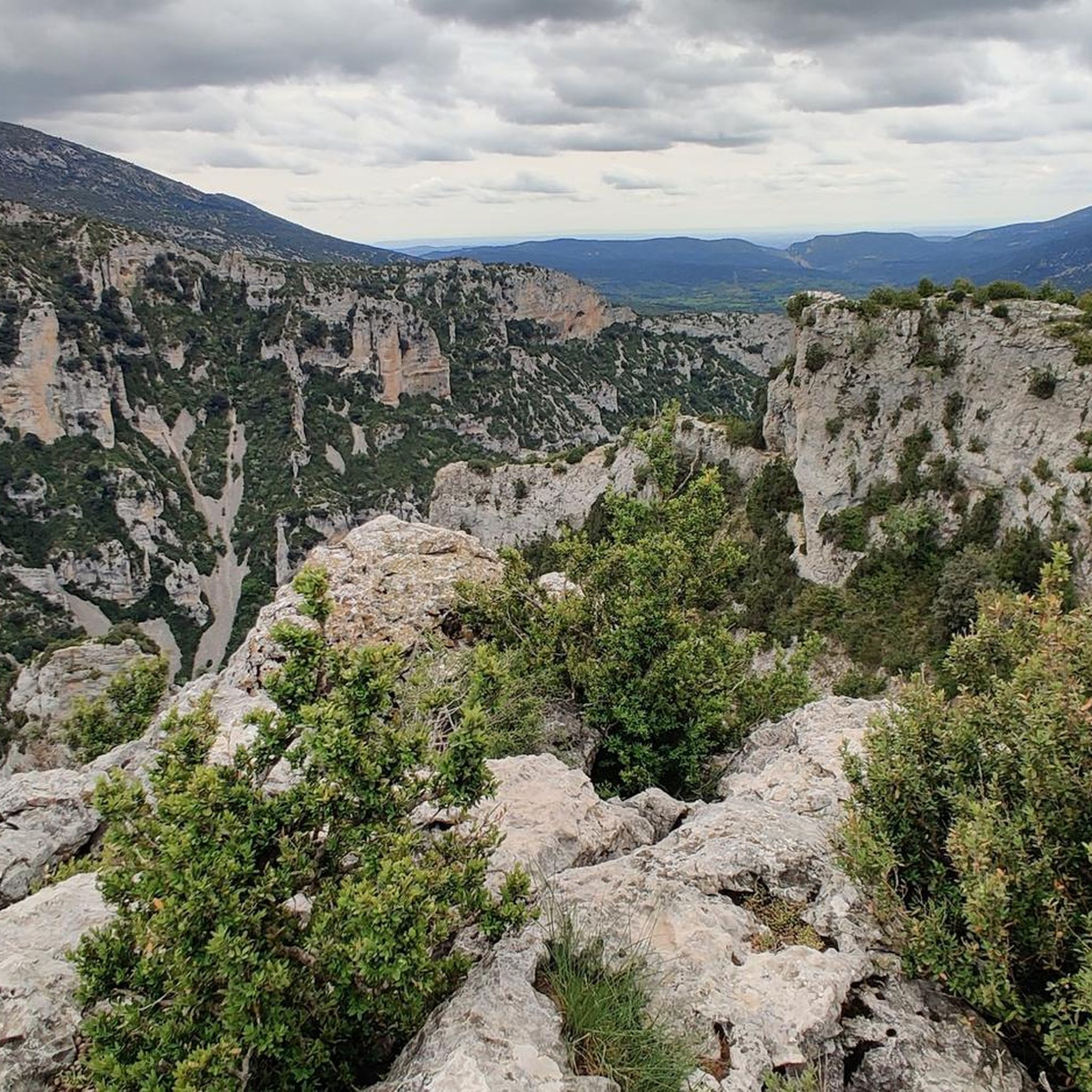
Best canyons around National Park Sierra y los Cañones Guara are located in the province of Huesca, Spain, a region known for its dramatic canyons and karstic landscapes. The park features limestone cliffs, clear rivers, and diverse ecosystems, making it a destination for outdoor activities. The area's unique geology includes caves, chasms, and canyons formed in limestone, as well as conglomerate formations. This natural park also holds cultural significance with over 60 listed caves and their paintings recognized as a…
Last updated: June 28, 2026
Salto Roldán Viewpoint
Highlight • Viewpoint
Translated by Google •
Tip by

Puente de Villacantal
Highlight • Bridge
Translated by Google •
Tip by
Sign up now to discover places like this
Get recommendations on the best single tracks, peaks, & plenty of other exciting outdoor places.
Sign up for free
Tamara Spring
Highlight • River
Translated by Google •
Tip by

Waterfall and Pools on the Vero River Walkways (Pasarelas del Vero)
Highlight • Waterfall
Translated by Google •
Tip by
Vadiello Dam
Highlight • Lake
Translated by Google •
Tip by
Sign up for free to discover even more gorges around National Park Sierra y los Cañones Guara.
Sign up for free
Already have an account?
Start today with a free account
Your next adventure awaits.
Login or Signup
Popular around National Park Sierra y los Cañones Guara
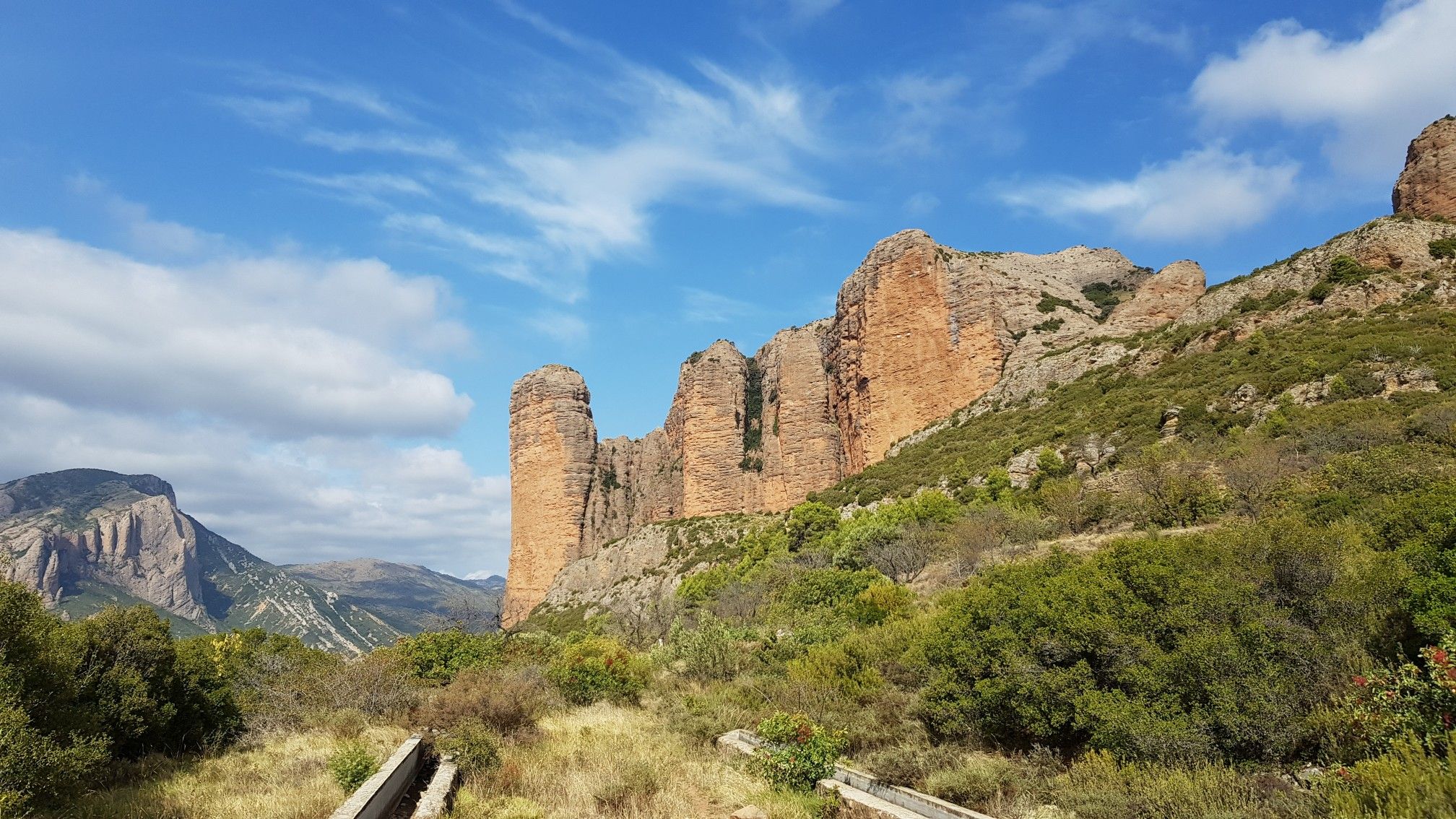
Monumental landscapes and culture — the Pre-Pyrenees by MTB
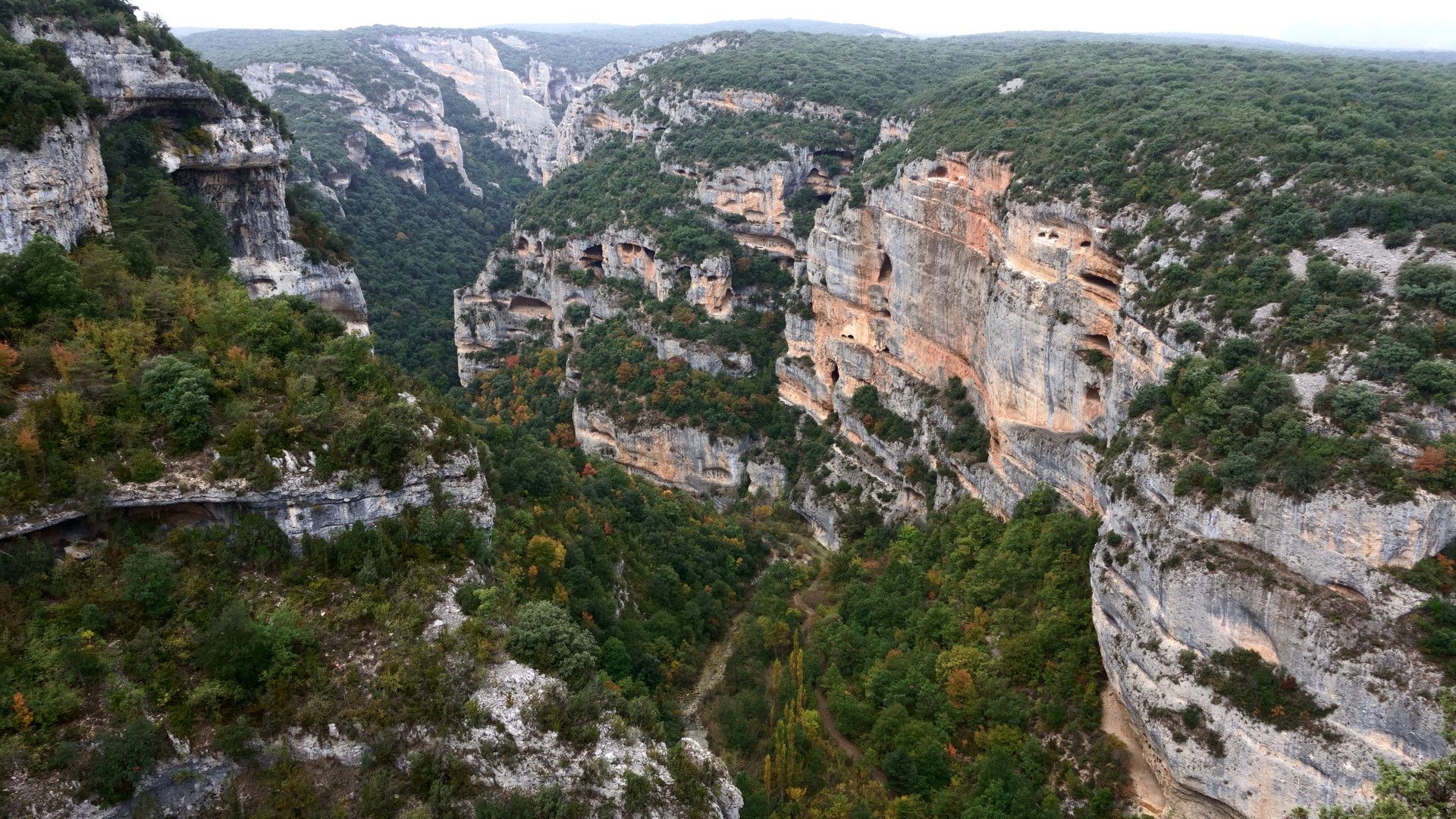
Trails and paths – Sierra de Guara and Biello Sobrarbe
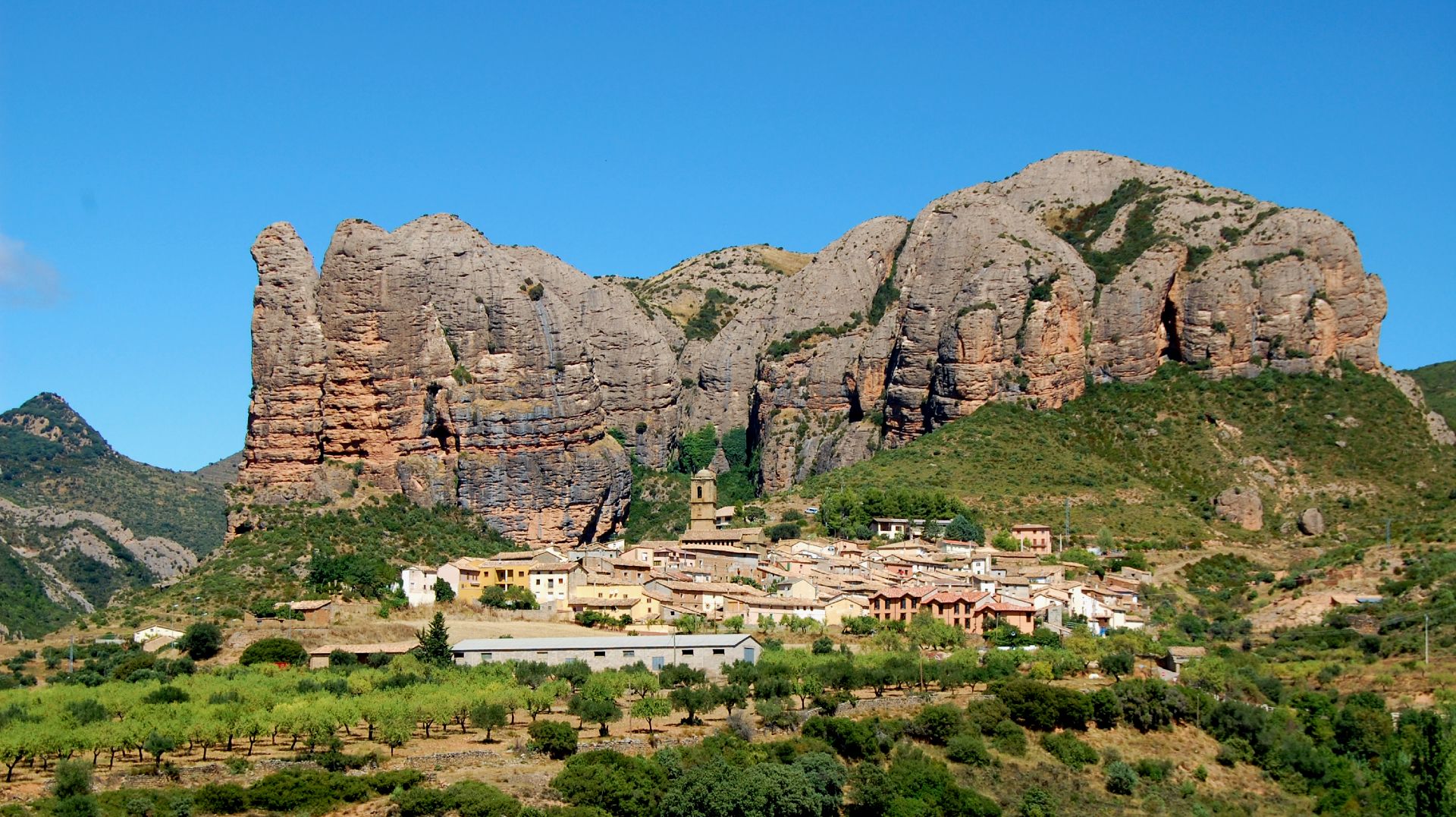
Land of rock and water – Sendero Histórico en Aragón
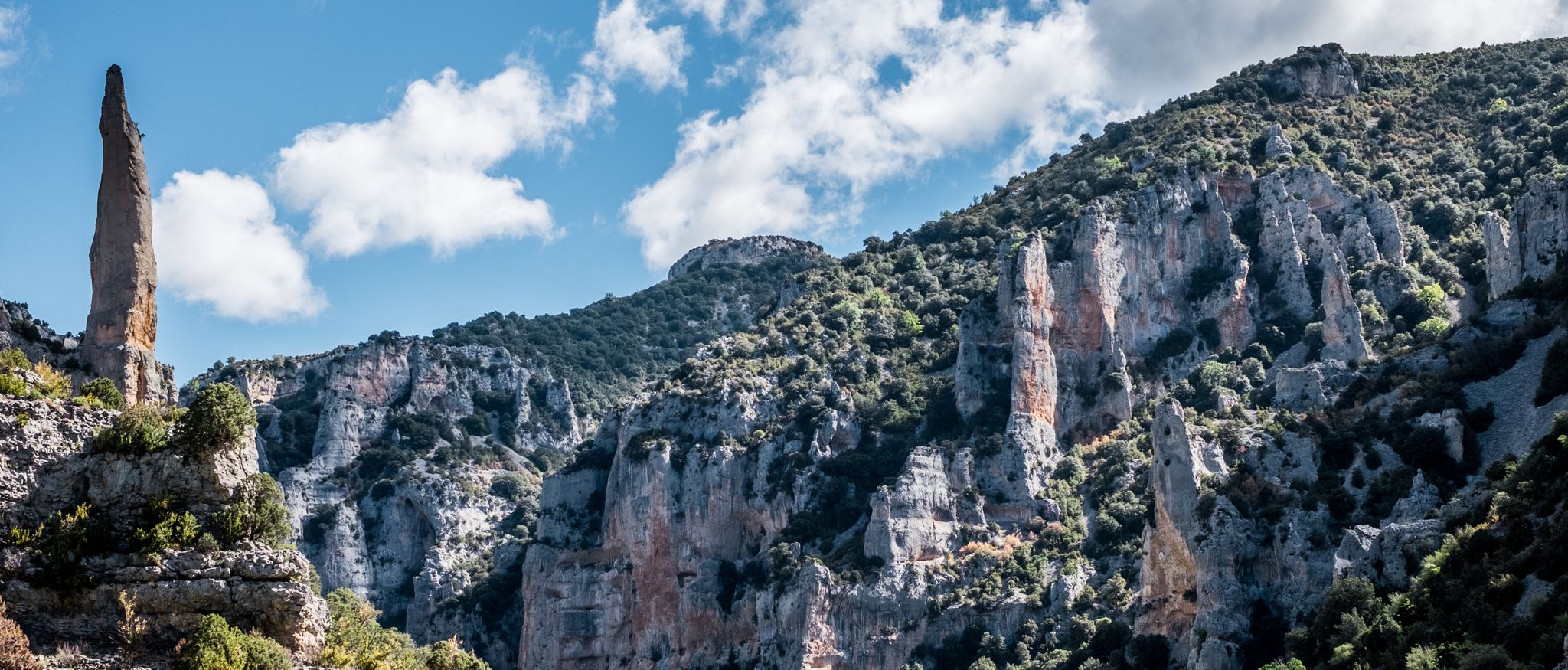
Sierra de Guara — steep rocks and green mountains
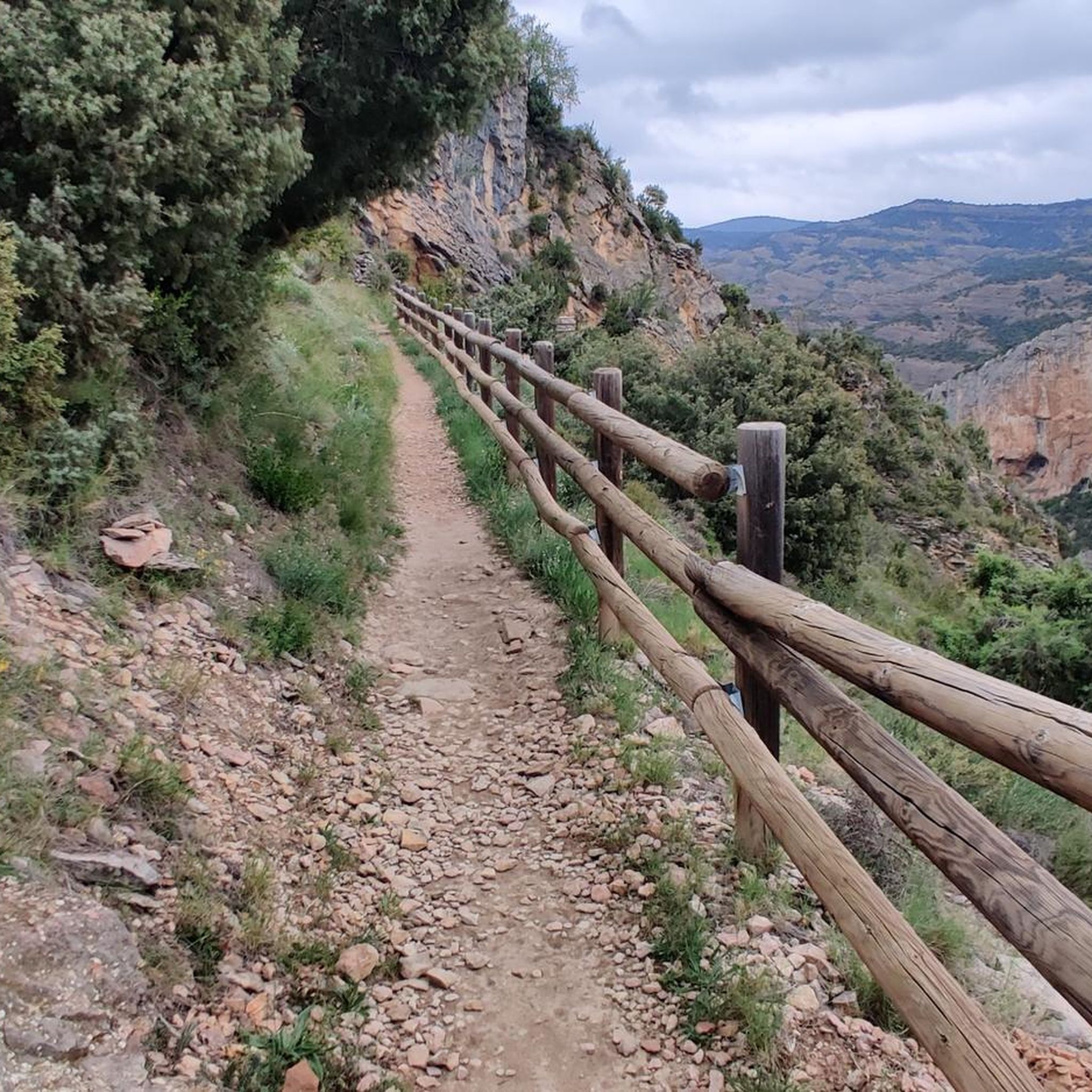
Hiking around National Park Sierra y los Cañones Guara
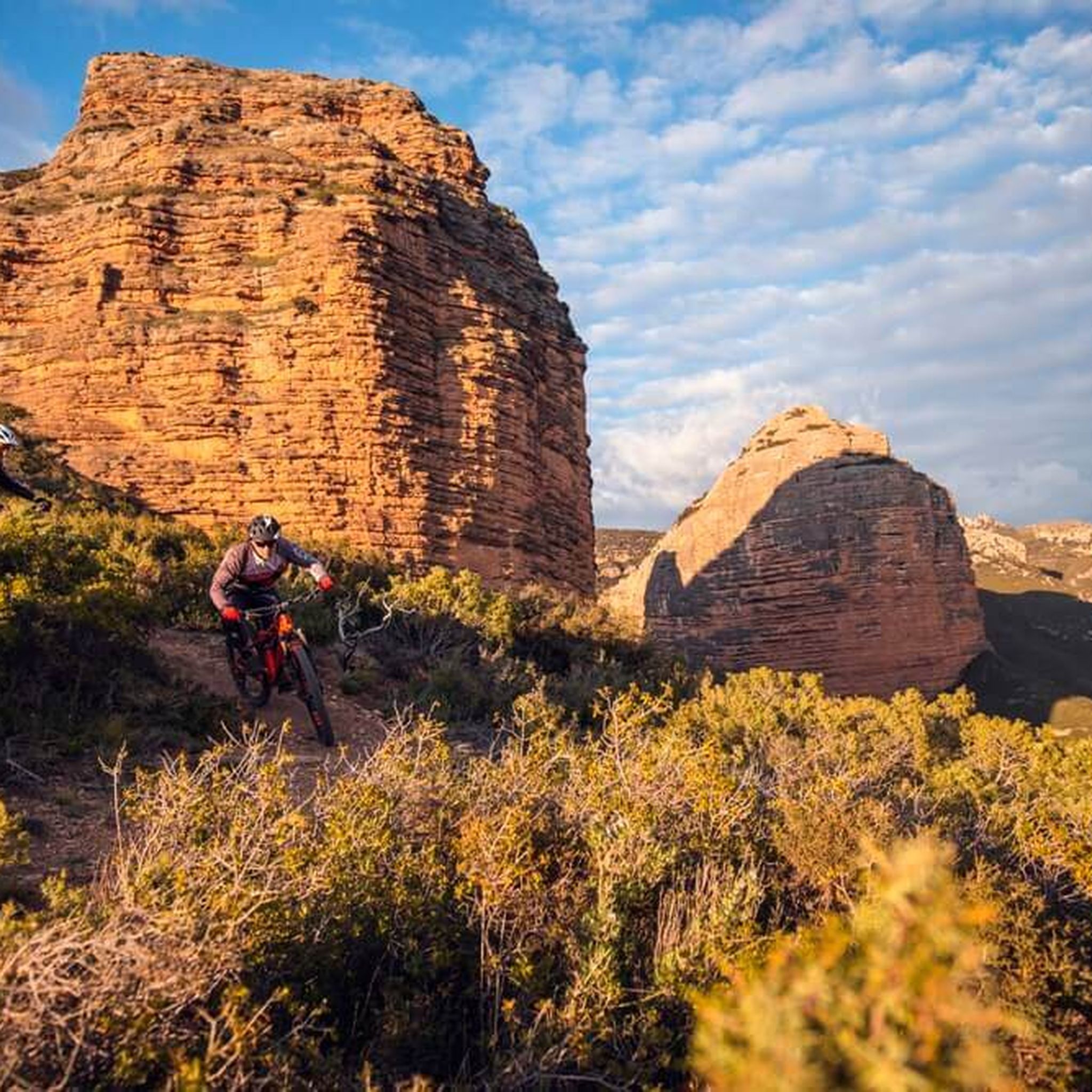
MTB Trails around National Park Sierra y los Cañones Guara
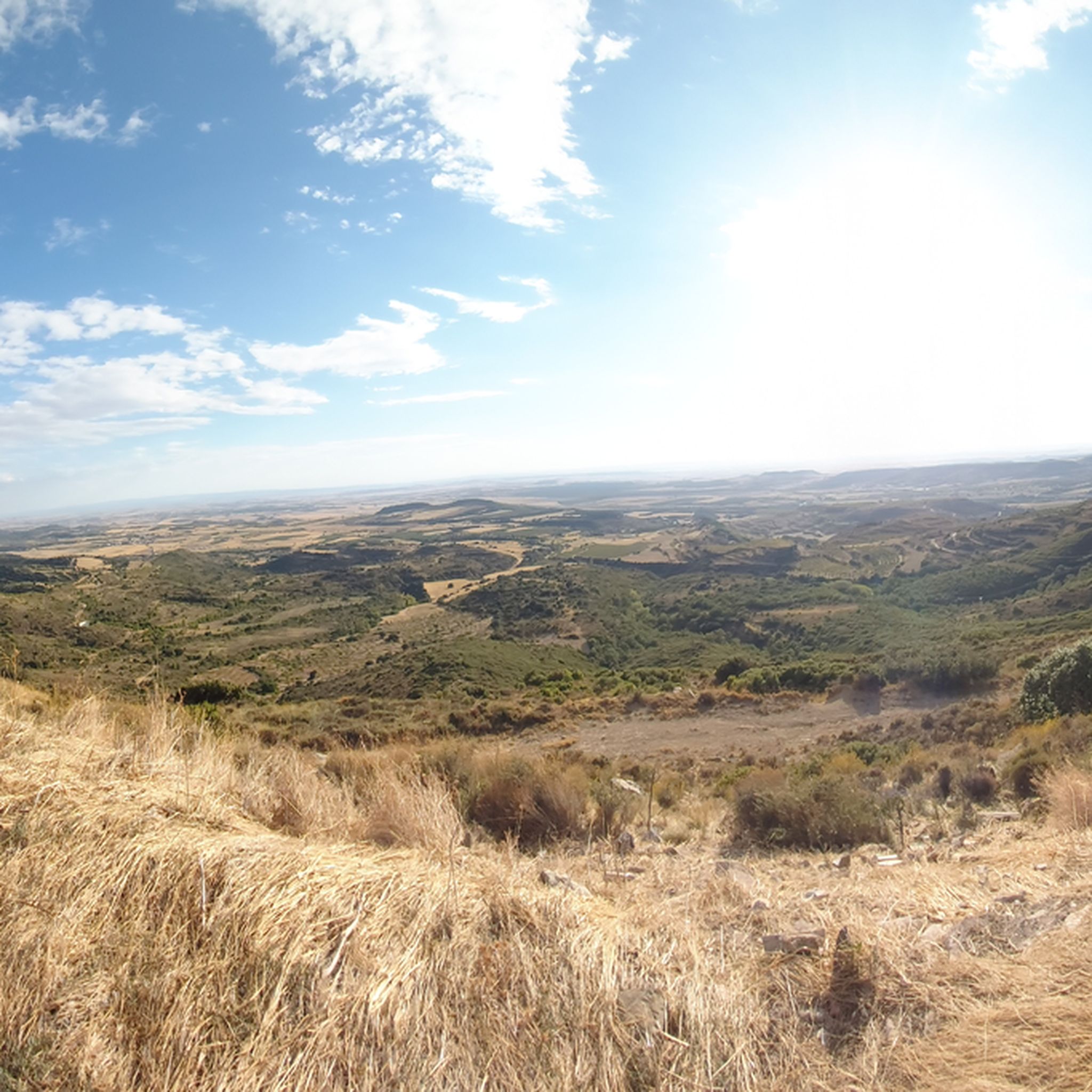
Road Cycling Routes around National Park Sierra y los Cañones Guara
Cycling around National Park Sierra y los Cañones Guara
Running Trails around National Park Sierra y los Cañones Guara

Gravel biking around National Park Sierra y los Cañones Guara
Other adventures around National Park Sierra y los Cañones Guara


Tips from the Community

Magnificent place! The water is clear but cold! Ideal for relaxing at the end of the canyon or for spending a quiet day by the river.
0
0

This is not a Roman bridge, but a Roman bridge. Here for the translation AI to learn: Roman vs. Romanic, in English Roman vs. Romanic. The bridge is called Puente de Villacantal (with dots so the stupid AI doesn't translate it into, for example, "City Song Bridge": P.u.e.n.t.e d.e V.i.l.l.a.c.a.n.t.a.l The hike here is very beautiful, with an elevation gain of about 250 meters. You can take a refreshing swim.
0
1

Gorgeous, and the trails in the area are spectacular.
0
0


Some people took advantage of the day to take a bath in the pool.
5
0

This idyllic and solitary spot formed by the water of the reservoir, the river itself and its ravines and the monumental mallos that surround it, is a must-see for anyone who wants to get to know the Guara Natural Park and enjoy nature and silence. just fifteen minutes from the city of Huesca.
8
0
Although oral tradition attributes its construction, like that of many other stone bridges, to the Romans, it is a work from the 16th century.
6
0
Villacantal Bridge. Through this bridge, the Vero river was crossed along the path that descended from Sobrarbe to Barbastro. Located at the exit of the Vero canyon, it contributes with its presence to increase the beauty of this environment, one of the most spectacular in Guara Somontano.
6
0
Frequently Asked Questions
What types of canyoning experiences can I find in Sierra y los Cañones de Guara Natural Park?
The park offers a wide range of canyoning experiences, from technically easier, aquatic descents to more challenging routes involving rappels and jumps. The karstic landscape, with its limestone gorges and conglomerate formations, provides diverse conditions for all skill levels. For example, the Río Vero Canyon is known for its playful, aquatic descent with bypassable jumps and slides, while the Formiga Canyon offers a complete descent with both aquatic sections and rappels, suitable for learning basic rope techniques.
Are there family-friendly canyoning options in Sierra y los Cañones de Guara?
Yes, several canyons are suitable for families. The Río Vero Canyon is particularly recommended due to its technically easier nature, featuring small slides, snorkeling, and jumps that can all be bypassed. Its conclusion near the medieval village of Alquézar also adds a cultural element. Additionally, the Waterfall and Pools on the Vero River Walkways offer a beautiful, accessible experience with opportunities for swimming.
When is the best time to visit the canyons for canyoning?
The best time to visit for canyoning is typically from May to mid-July. During this period, water levels are generally suitable, and the weather is pleasant. It's always advisable to check current weather conditions and water levels before planning your trip.
What are some notable canyons for more experienced canyoners?
For those seeking more challenging experiences, the Mascún Canyon is often described as mythical and magical, offering a long and complete descent with jumps, rappels, and swims. The Balces Canyon (Oscuros de Balces) also provides a technical challenge, starting with an 8-meter rappel and featuring downclimbing sections and optional underwater passages within a narrow, high-walled corridor.
Do I need permits for canyoning in Sierra y los Cañones de Guara Natural Park?
Yes, permits are generally required for canyoning in Sierra y los Cañones de Guara Natural Park to manage visitor numbers and protect the natural environment. It's crucial to obtain the necessary permits in advance and be aware of any specific regulations for each canyon you plan to visit.
What natural features characterize the canyons of Sierra y los Cañones de Guara?
The canyons are characterized by their stunning karstic landscapes, featuring limestone cliffs, clear rivers, and diverse flora and fauna. Water erosion has sculpted impressive formations, including narrow 'barrancos,' block chaos, and natural pools. The characteristic blue-green color of the water in many canyons is due to cyanophyceous algae thriving in the clear, well-lit limestone bedrock.
Are there opportunities for wild swimming near the canyons?
Absolutely. The region offers several spots for refreshing wild swims. The Tamara Spring, for instance, features a large, calm basin formed by the Río Alcanadre with clear, turquoise water perfect for swimming. The Waterfall and Pools on the Vero River Walkways also provide popular spots for a dip.
What cultural or historical sites can I visit near the canyons?
Beyond the natural beauty, the region is rich in history. The Sierra y Cañones de Guara Natural Park is home to over 60 listed caves with prehistoric paintings, recognized as a UNESCO World Heritage Site. You can also visit historical structures like Puente de Villacantal, a 16th-century bridge located at the exit of the Vero canyon, which is part of a scenic hike.
What other outdoor activities can I do near the canyons?
The park is a hub for various outdoor activities. Besides canyoning, you can enjoy hiking, rock climbing, and cycling. There are numerous routes for different sports, such as cycling tours around the region, including routes like 'Albarda Medieval Bridge – View of the Vero River Canyon loop from Alquézar' found in the Cycling around National Park Sierra y los Cañones Guara guide. Gravel biking and road cycling are also popular, with guides like Gravel biking around National Park Sierra y los Cañones Guara offering routes like 'Vadiello Reservoir – Montearagón Castle loop from Formiga'.
What should I bring for a canyoning trip in Sierra de Guara?
For canyoning, you should typically bring appropriate swimwear, sturdy shoes or booties for walking in the river, a helmet, a wetsuit (often rented from local outfitters), and a waterproof bag for essentials. It's also wise to carry water and snacks. Some highlights, like the Tamara Spring, specifically recommend packing swimwear.
Are there any viewpoints to enjoy the canyon landscapes?
Yes, the region offers spectacular viewpoints. The Vadiello Dam provides an idyllic and solitary spot with views of the reservoir, river, and monumental 'mallos' (rock formations) that surround it. The Waterfall and Pools on the Vero River Walkways also offer excellent views of the Vero River Canyon.
What is the geological makeup of the canyons in Sierra y los Cañones de Guara?
The canyons are primarily formed in karstic landscapes, meaning they are composed of limestone, which has been sculpted by water over millions of years into caves, chasms, and deep gorges. Additionally, conglomerate formations are present, which are sedimentary rocks made of rounded pebbles and boulders cemented together, also carved by water into narrow 'barrancos'.
Most popular routes around National Park Sierra y los Cañones Guara
Most popular attractions around National Park Sierra y los Cañones Guara

Get inspired with the komoot mobile app


Explore more
Already discovered everything in this region? See additional gorges around National Park Sierra y los Cañones Guara for your next adventure:
