The best gravel rides around National Park Sierra y los Cañones Guara
4.2
(7)
87
riders
19
rides
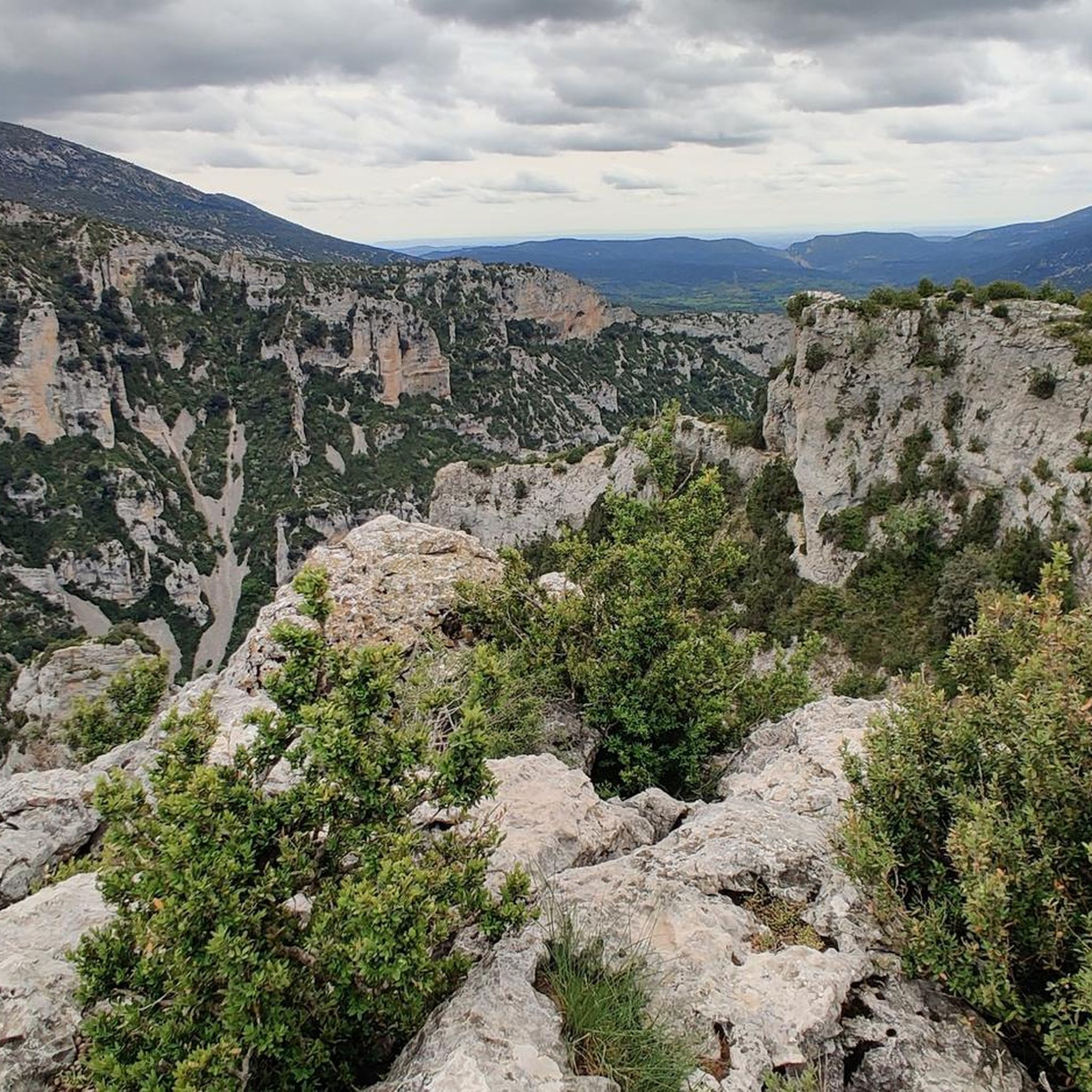
Gravel biking around National Park Sierra y los Cañones Guara offers diverse terrain within Aragon's largest protected natural area. The region is characterized by a distinctive karstic topography, featuring hills and canyons carved by rivers such as the Alcanadre and Vero. Riders encounter varied landscapes, from Mediterranean forests with holm oaks to areas with gall oaks and beeches. This geological formation provides a challenging backdrop for gravel biking.
Best gravel bike trails around National Park Sierra y los Cañones Guara
…Last updated: July 8, 2026
1.0
(2)
20
riders
55.7km
04:49
890m
890m
Hard gravel ride. Very good fitness required. Mostly paved surfaces. Suitable for all skill levels.
9
riders
101km
08:15
1,970m
1,970m
Hard gravel ride. Very good fitness required. Mostly paved surfaces. Suitable for all skill levels.

Sign up for free
5.0
(1)
5
riders
54.6km
04:09
920m
920m
Hard gravel ride. Very good fitness required. Mostly paved surfaces. Suitable for all skill levels.
7
riders
Hard gravel ride. Very good fitness required. You may need to push your bike for some segments of this route.
3
riders
33.5km
03:02
920m
920m
Hard gravel ride. Very good fitness required. Mostly paved surfaces. Suitable for all skill levels.
Get access to more routes and recommendations from other explorers.
Sign up for free
Already have an account?
Our route recommendations are based on thousands of hikes, rides, and runs completed by other people on komoot.
Start today with a free account
Your next adventure awaits.
Login or Signup
Popular around National Park Sierra y los Cañones Guara
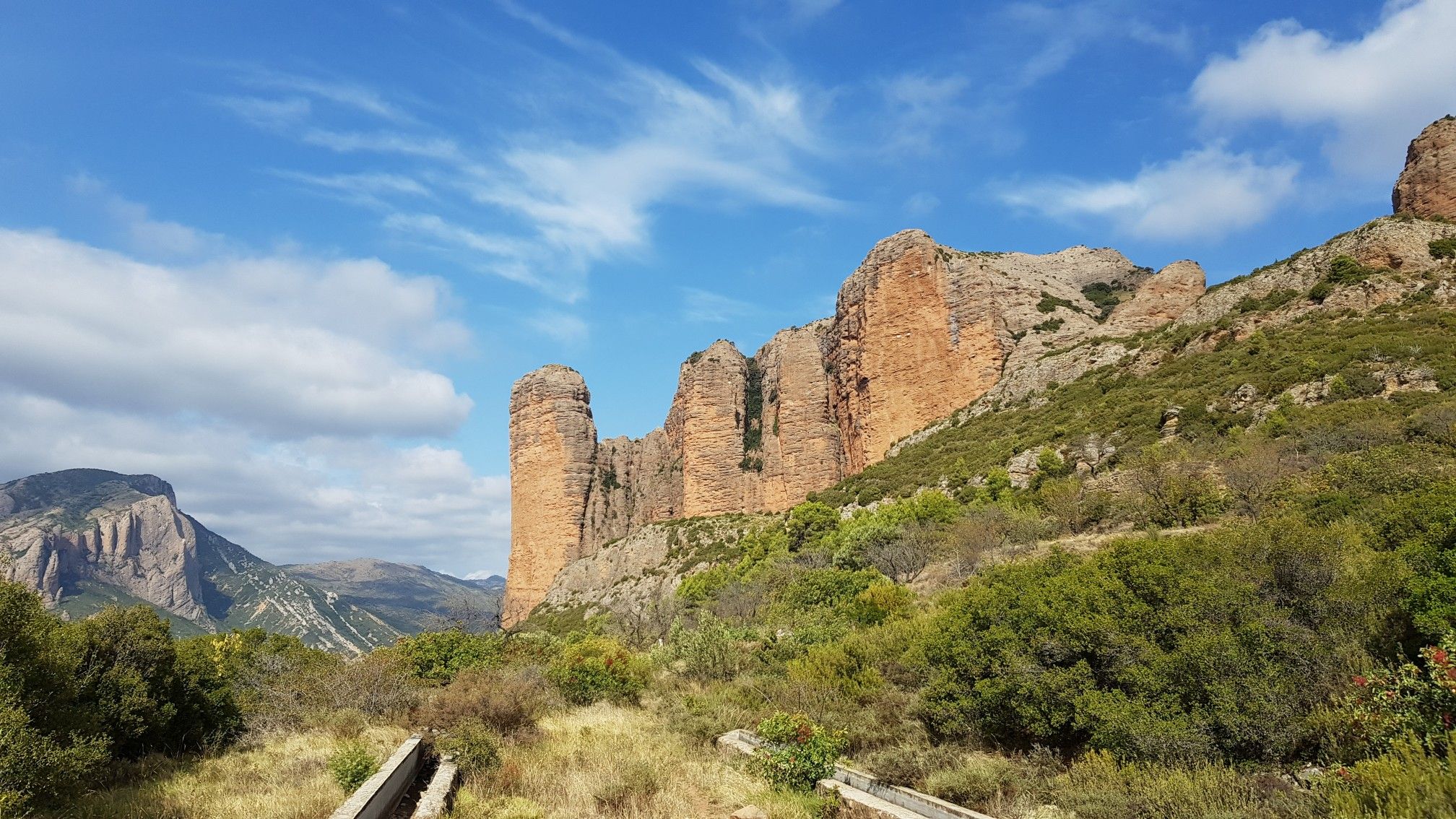
Monumental landscapes and culture — the Pre-Pyrenees by MTB
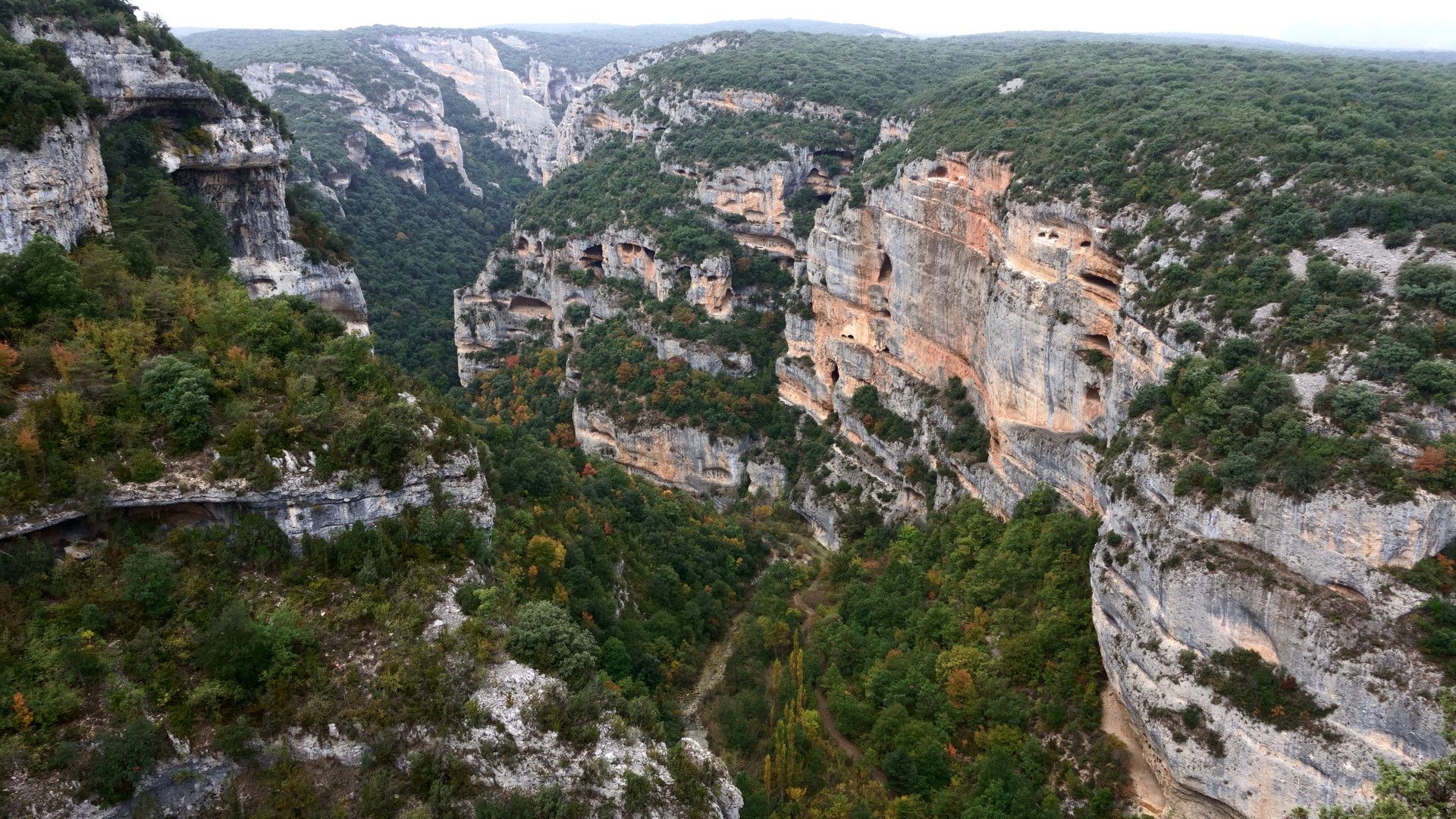
Trails and paths – Sierra de Guara and Biello Sobrarbe
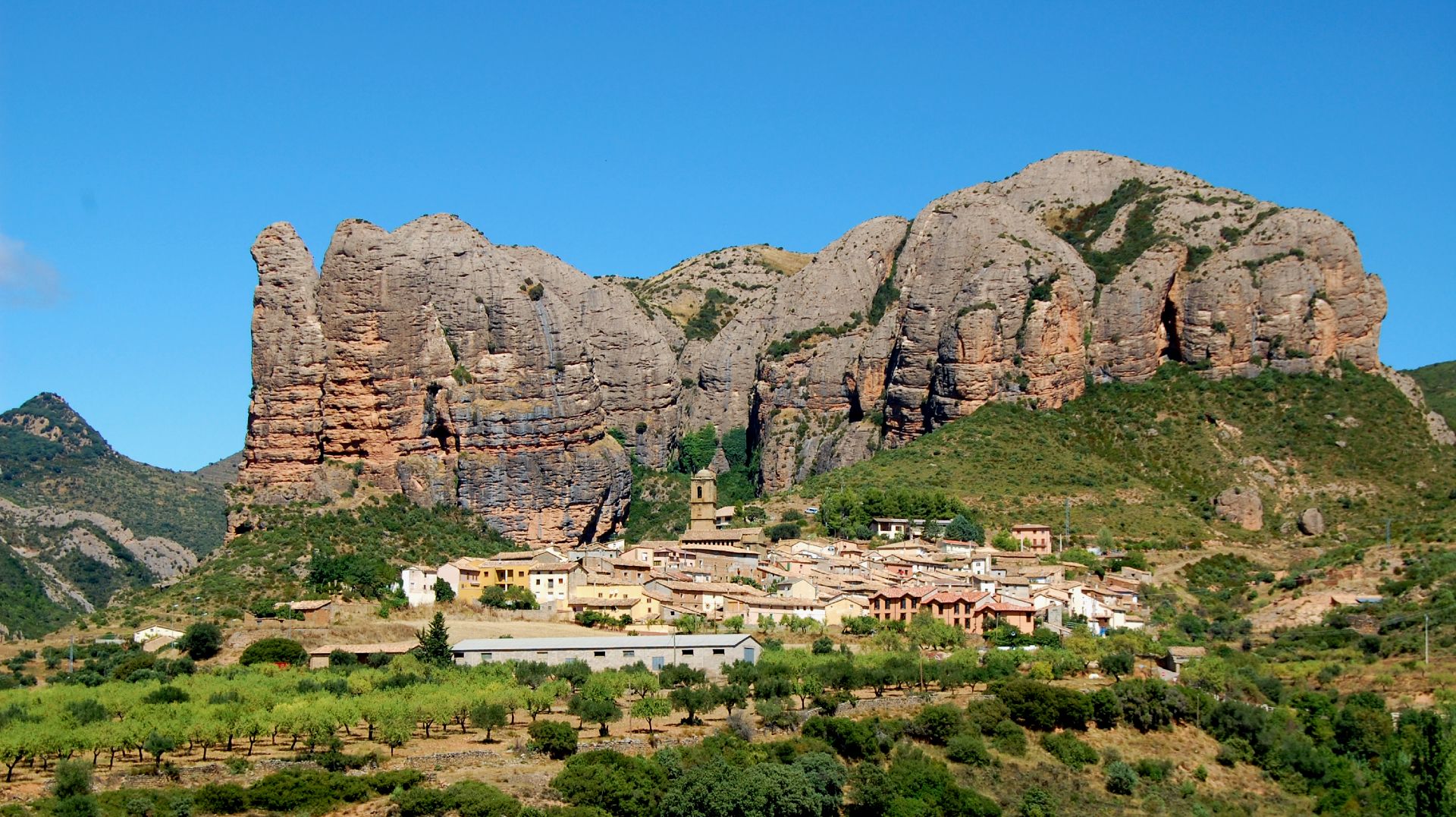
Land of rock and water – Sendero Histórico en Aragón
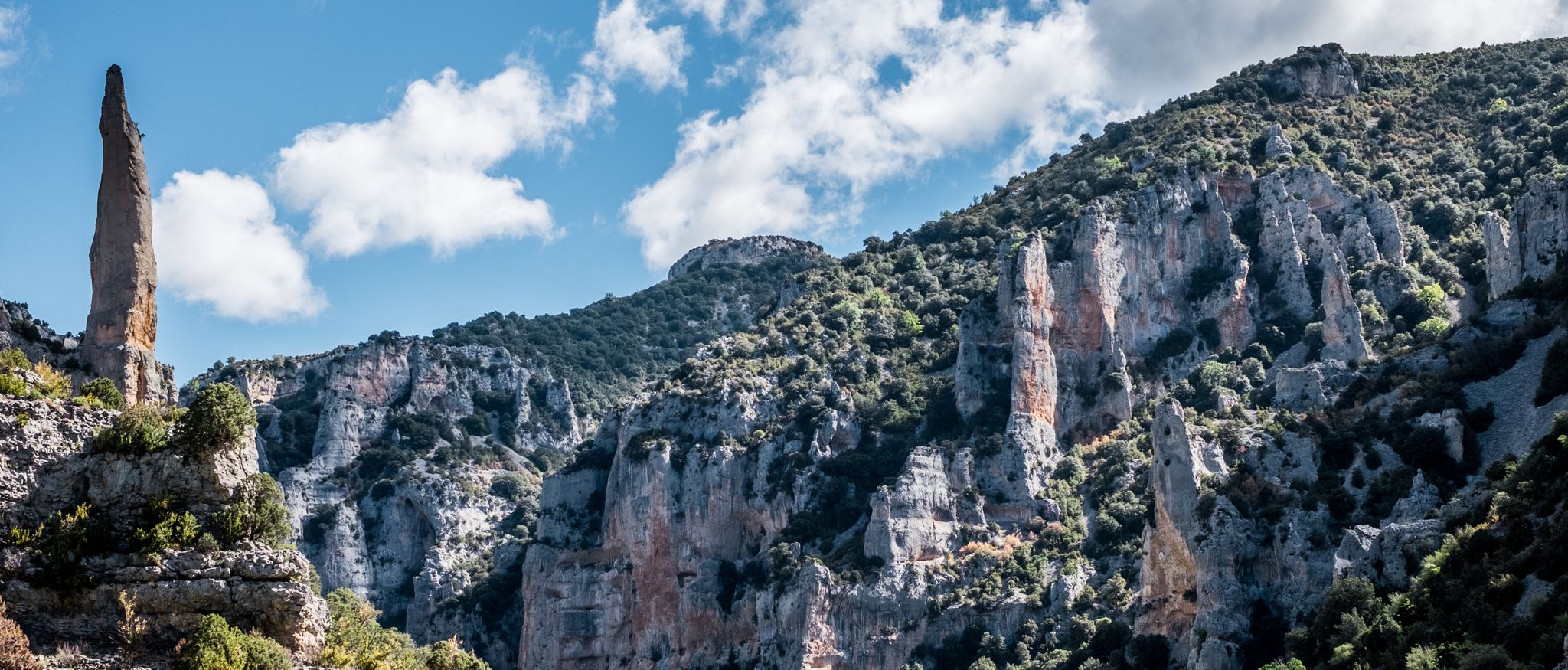
Sierra de Guara — steep rocks and green mountains
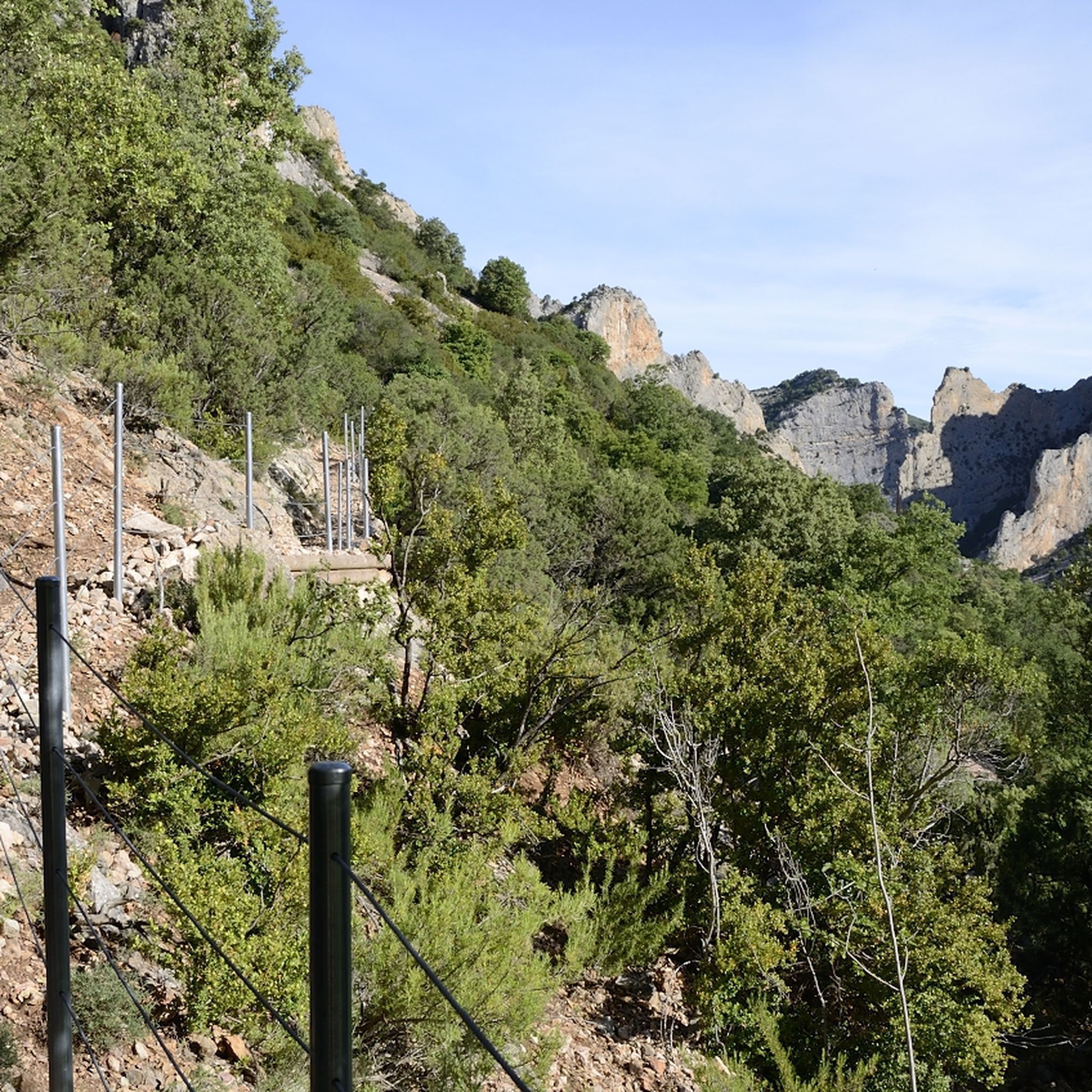
Hiking around National Park Sierra y los Cañones Guara
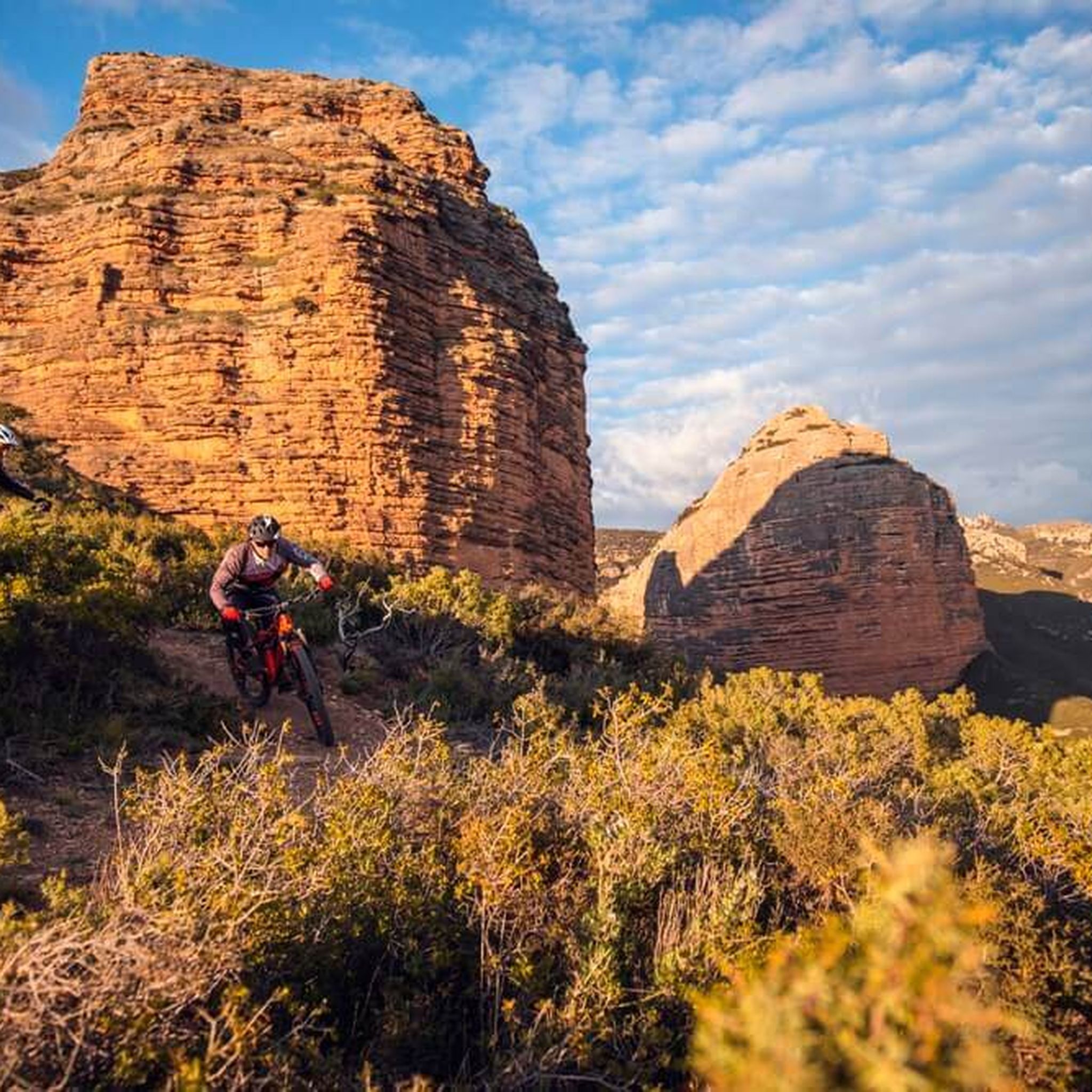
MTB Trails around National Park Sierra y los Cañones Guara
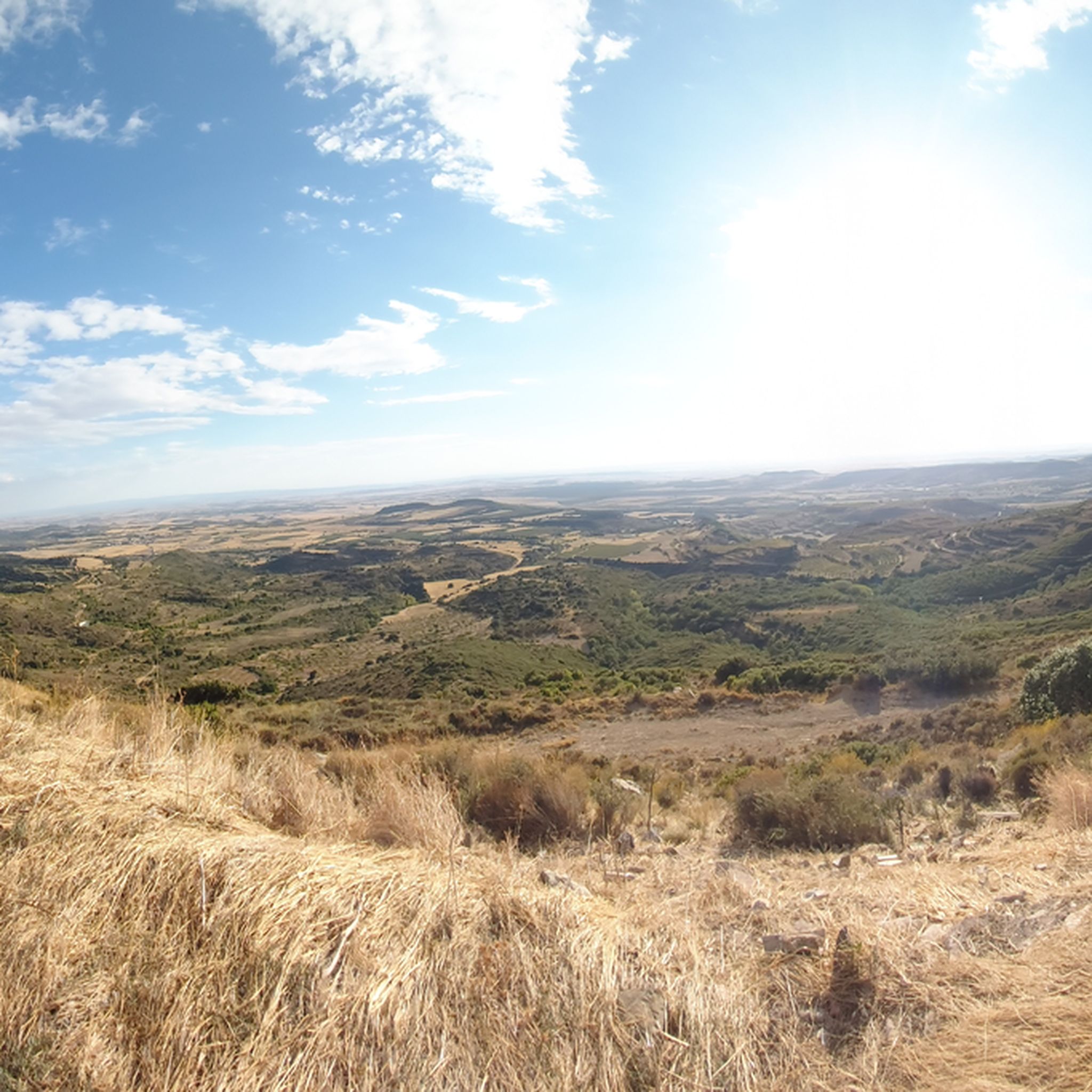
Road Cycling Routes around National Park Sierra y los Cañones Guara
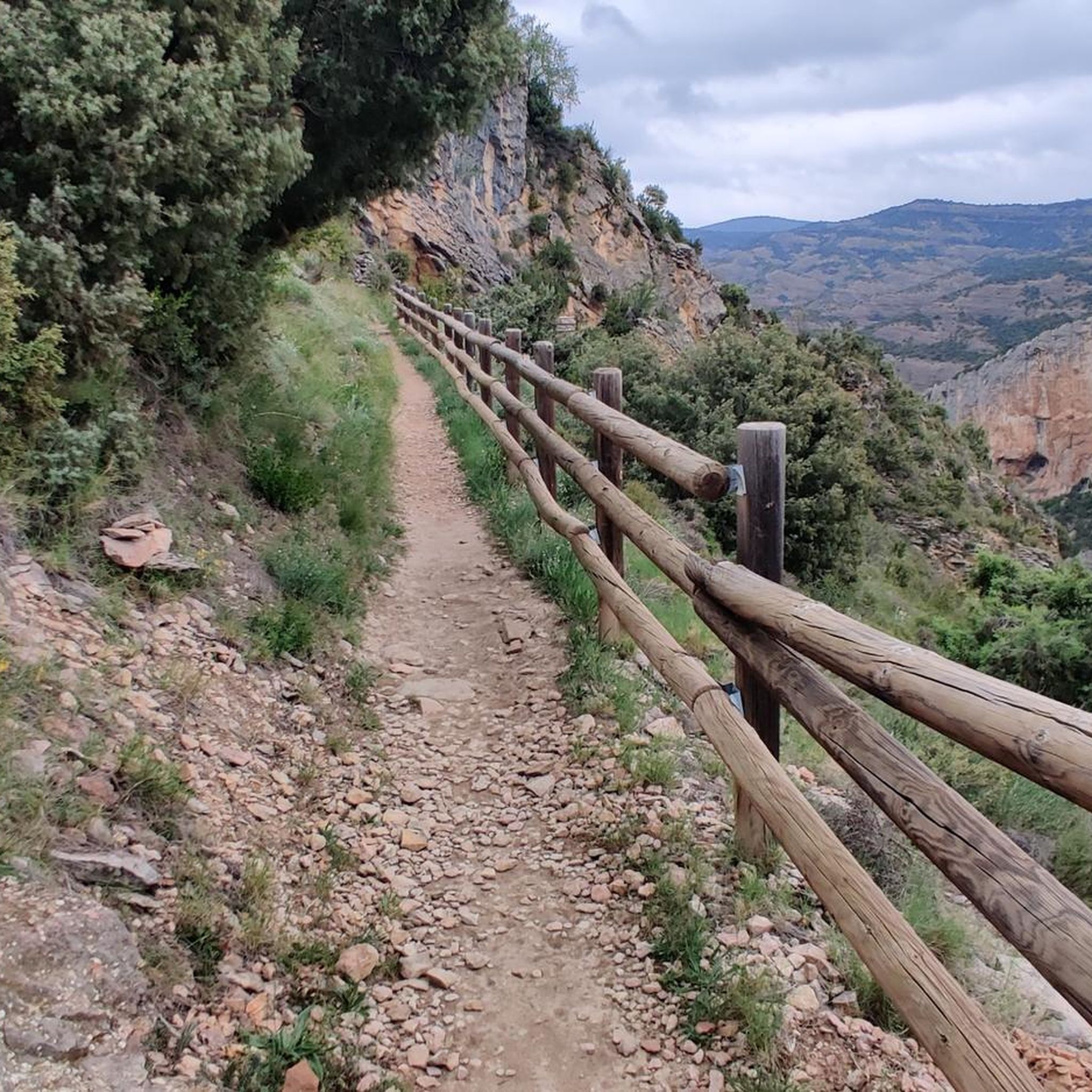
Cycling around National Park Sierra y los Cañones Guara
Running Trails around National Park Sierra y los Cañones Guara
Other adventures around National Park Sierra y los Cañones Guara


Tips from the Community

Beautiful waterfall that can be seen from the bridge.
0
0

The infamous church of gravel as we called it. Nice to look at, and conveniently placed next to great gravel roads and even a single track!
0
0
Beautiful descend with great views. A bit rocky in parts but perfectly doable on a gravel bike!
0
0
Really beautiful castle in the middle of a semi arid landscape with perfect gravel roads. Surprisingly empty!
1
0

Founded and built by Sancho Ramírez of Aragón in Romanesque style in the 11th and 12th centuries, Montearagón Castle was a fortified complex that included military housing, a church and a royal monastery. It is located on a strategic promontory in the Huesca town of Quicena, in the Hoya de Huesca region, Aragon. Although its military function ended with the taking of Huesca and the end of the Spanish-Arab wars, it continued to house the canonical abbey under the name of the Abbey of Jesús de Nazaret de Montearagón. Several Aragonese kings were buried in the castle in addition to its founder, Sancho Ramírez of Aragón.
2
0
The church of San Martín de Foces is a linear Gothic style temple from the 14th century. It was ordered to be built by Ximeno de Foces in 1249 as a family pantheon, and later donated to the Order of Saint John of Jerusalem. It is the only vestige of the ancient town of Foces, and was declared a National Monument in 1916. It is highly appreciated for the sarcophagi and the fresco paintings located in the side arms of the temple.
0
0
Liesa is a town in the Hoya de Huesca region, in the province of Huesca, community of Aragón. This small town, whose place name comes from the Latin "eclesia", is above all known for the hermitage of Santa María del Monte, a late Romanesque building, common in the area, but which stands out for the interior paintings that cover the entirety of its walls. walls. It was declared a National Monument in 1931.
0
0
Frequently Asked Questions
How many gravel bike trails are available in National Park Sierra y los Cañones Guara?
There are over 18 gravel bike trails available for exploration in National Park Sierra y los Cañones Guara, offering a variety of experiences across its unique landscapes.
What kind of terrain can I expect on gravel bike trails in Sierra y los Cañones de Guara?
You can expect a diverse and dramatic karstic landscape, characterized by deep canyons, narrow gorges, and impressive ravines carved by rivers. The trails combine stretches of paved roads with rural paths, forest tracks, and scenic 'slow driving' roads, navigating through Mediterranean forests with holm oaks, gall oaks, and beeches. The varied terrain offers both challenging climbs and rewarding views.
What is the best time of year to go gravel biking in Sierra y los Cañones de Guara?
The park's strategic position between the Ebro steppes and the Pyrenees creates a diverse climate. While specific recommendations depend on personal preference, spring and autumn generally offer the most pleasant temperatures for gravel biking, avoiding the intense heat of summer and potential colder conditions in winter. Always check local weather forecasts before your ride.
Are there any easy or beginner-friendly gravel bike routes in the park?
Most of the gravel bike routes in National Park Sierra y los Cañones Guara are rated as difficult due to significant elevation changes and varied terrain. For example, the Labata Village and Church – Path from Siétamo to Sipán loop from Formiga is a challenging 44.6 km route. While generally 100% cyclable, beginners should be prepared for demanding sections.
What makes the gravel biking trails in Sierra y los Cañones de Guara challenging?
The challenging nature of the trails stems from the park's karstic topography, which results in significant elevation gains and descents. Routes like the Vadiello Reservoir – Montearagón Castle loop from Formiga, at over 100 km with nearly 2000 meters of elevation gain, require good fitness. The varied surfaces, from paved roads to rougher forest tracks, also add to the technical demand.
Can I find circular gravel bike routes in the area?
Yes, many of the gravel bike routes in Sierra y los Cañones de Guara are designed as circular loops, allowing you to start and end at the same point. Examples include the Church of San Martín de Foces – Monasterio de Casbas loop from Formiga and the Vadiello Reservoir – Vadiello Dam loop from Formiga.
What natural features or viewpoints can I see along the gravel bike routes?
The park is rich in natural beauty. You can encounter spectacular waterfalls, siphons, caves, and natural pools with turquoise waters formed by rivers like the Vero and Alcanadre. Notable features include the Puente de Villacantal over the Vero river and the Waterfall and Pools on the Vero River Walkways. The Vadiello Dam also offers scenic views.
Are there any historical or cultural landmarks accessible by gravel bike?
Yes, the region is dotted with historical and cultural sites. You can explore charming villages like Alquézar, which serves as an excellent base. The Río Vero Rock Art Sites, housing World Heritage cave paintings, are also within the park. Some routes pass by historic structures such as the Monasterio de Casbas or offer views of ancient settlements.
Are there opportunities for wild swimming after a gravel bike ride?
The rivers within the park, such as the Vero, Mascún, and Alcanadre, carve through the mountains, forming spectacular natural pools with striking turquoise waters. These spots can offer refreshing opportunities for wild swimming, particularly during warmer months, after a challenging ride.
Is public transport available to reach gravel bike trailheads in Sierra y los Cañones de Guara?
Public transport options directly to specific gravel bike trailheads within the National Park Sierra y los Cañones de Guara can be limited. It's often recommended to use a personal vehicle or consider local taxi services to reach more remote starting points. Check regional transport schedules for connections to larger towns near the park, such as Huesca, and plan accordingly.
Where can I find parking for gravel biking in the National Park?
Parking is generally available in and around the villages that serve as common starting points for routes, such as Formiga or Alquézar. As you plan your ride, look for designated parking areas in these settlements. For more remote trailheads, roadside parking might be an option, but always ensure you are parking legally and safely.
Are there any cafes or pubs near the gravel trails for a break?
Yes, the charming villages within and around the park, such as Alquézar and other smaller settlements, often have cafes, restaurants, and pubs where you can refuel and relax. These spots are excellent for a break, offering local cuisine and a chance to experience the regional culture.
Are the gravel bike trails in Sierra y los Cañones de Guara suitable for families?
Given that most routes are rated as difficult with significant elevation changes, many of the gravel bike trails in Sierra y los Cañones de Guara may not be ideal for young children or families seeking very easy rides. However, some sections of forest tracks or less technical rural paths might be suitable for older, more experienced cycling families. Always review the route details, including distance and elevation, to determine suitability.
What do other gravel bikers enjoy the most about gravel biking in National Park Sierra y los Cañones Guara?
The area is highly rated by the komoot community, with an average score of 4.0 stars from 5 reviews. Reviewers often praise the unique karstic topography, the stunning views of deep canyons and diverse forests, and the sense of discovery when exploring solitary and less accessible areas, including deserted villages. The challenging yet rewarding nature of the rides is also a frequently highlighted aspect.
Most popular routes around National Park Sierra y los Cañones Guara
Most popular attractions around National Park Sierra y los Cañones Guara

Get inspired with the komoot mobile app


Explore more
Browse the best Gravel rides in other regions.
