Top 4 Castles around the Zncara
Best castles around the Zncara are found in the heart of Castilla-La Mancha, Spain, often situated along the Záncara river. This region features a landscape of plains and hills, providing strategic locations for historical fortresses. The area is characterized by its rich past, with castles reflecting medieval, Renaissance, and Islamic architectural influences. Exploring these sites offers insight into the historical significance and defensive structures of the region.
Best castles around the Zncara
- The most popular castles is Castle of Santiago de la Torre, a castle that served as a fortress for the Villena family. This medieval treasure, known locally as Santiaguillo, is located next to the Záncara river.
- Another must-see spot is Castle of Villaescusa de Haro, a historical site with a viewpoint. This 15th-century Renaissance castle offers panoramic views of the Záncara River and the surrounding plain.
- Visitors also love Castle and church of Huerta de la Obispalía, a castle and religious building. The ruins of the old castle stand on a small hill next to a 16th-century Renaissance church.
- Zncara is known for its medieval, Renaissance, and Islamic-origin castles. Visitors can explore a variety of historical structures, from well-preserved ruins to those offering significant architectural details.
- The castles around the Zncara are appreciated by the komoot community, with 9 upvotes and 11 photos shared by visitors.
Last updated: May 16, 2026
Castle of Santiago de la Torre
Highlight • Castle
Explore this medieval treasure and immerse yourself in its legacy! 🏰🌿
Translated by Google •
Tip by

Castle of Villaescusa de Haro
Highlight • Castle
Translated by Google •
Tip by

Sign up now to discover places like this
Get recommendations on the best single tracks, peaks, & plenty of other exciting outdoor places.
Sign up for free
Castle and church of Huerta de la Obispalía
Highlight • Castle
Translated by Google •
Tip by
Castillo de Torrebuceit
Highlight • Castle
There is an old viaduct that can be seen from the hill of the fortress, looking towards the valley below nearby.
On the curve from the road you can also see some caves that were hermitages.
Translated by Google •
Tip by

Start today with a free account
Your next adventure awaits.
Login or Signup


Tips from the Community

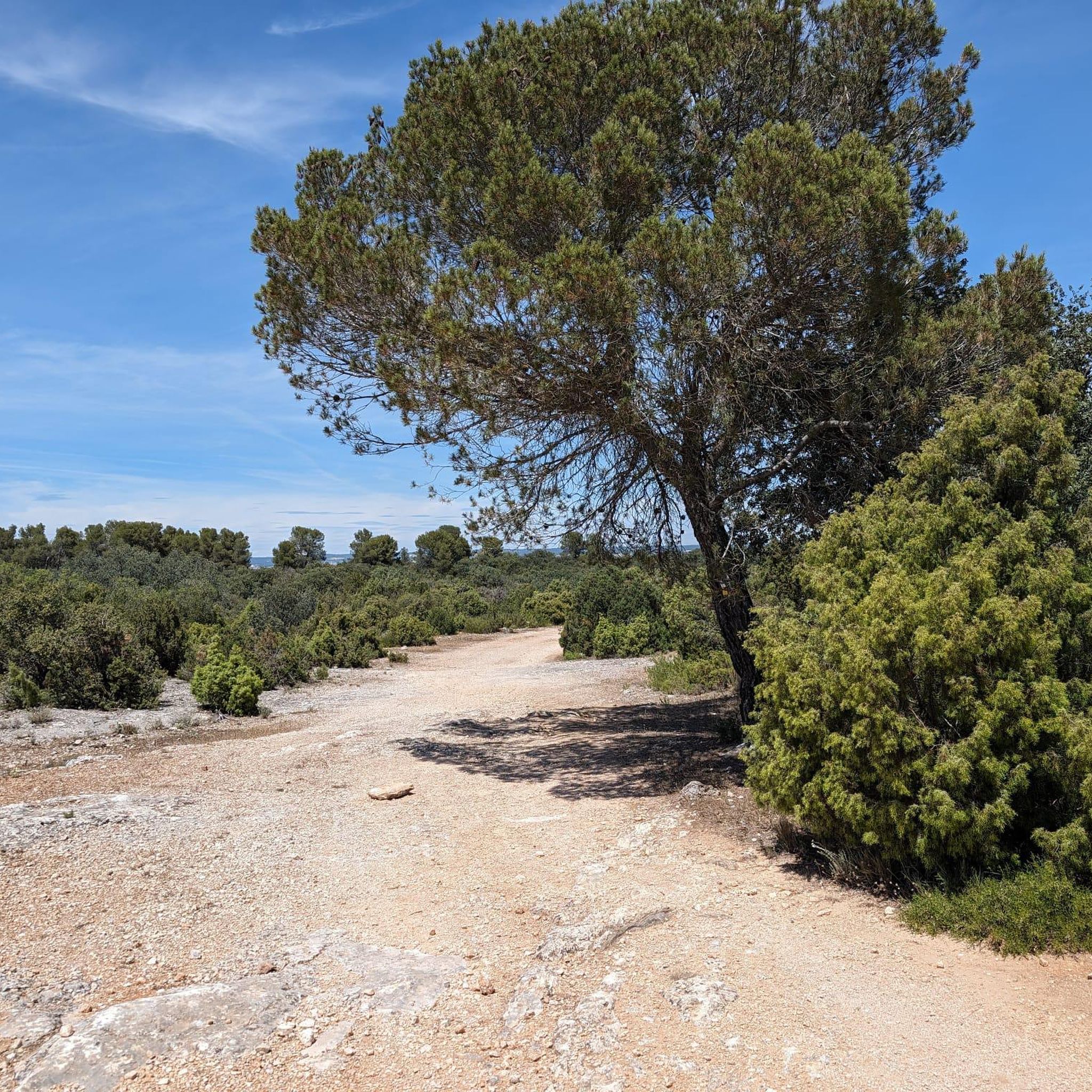
Old fortress of Islamic origin, 13th century. It consists of several buildings, but since it is private, you cannot visit it, at most see the outside if the owners are not there or ask their permission. There is an old viaduct that can be seen from the hill of the fortress, looking towards the valley below nearby. On the curve from the road you can also see some caves that were hermitages.
0
0

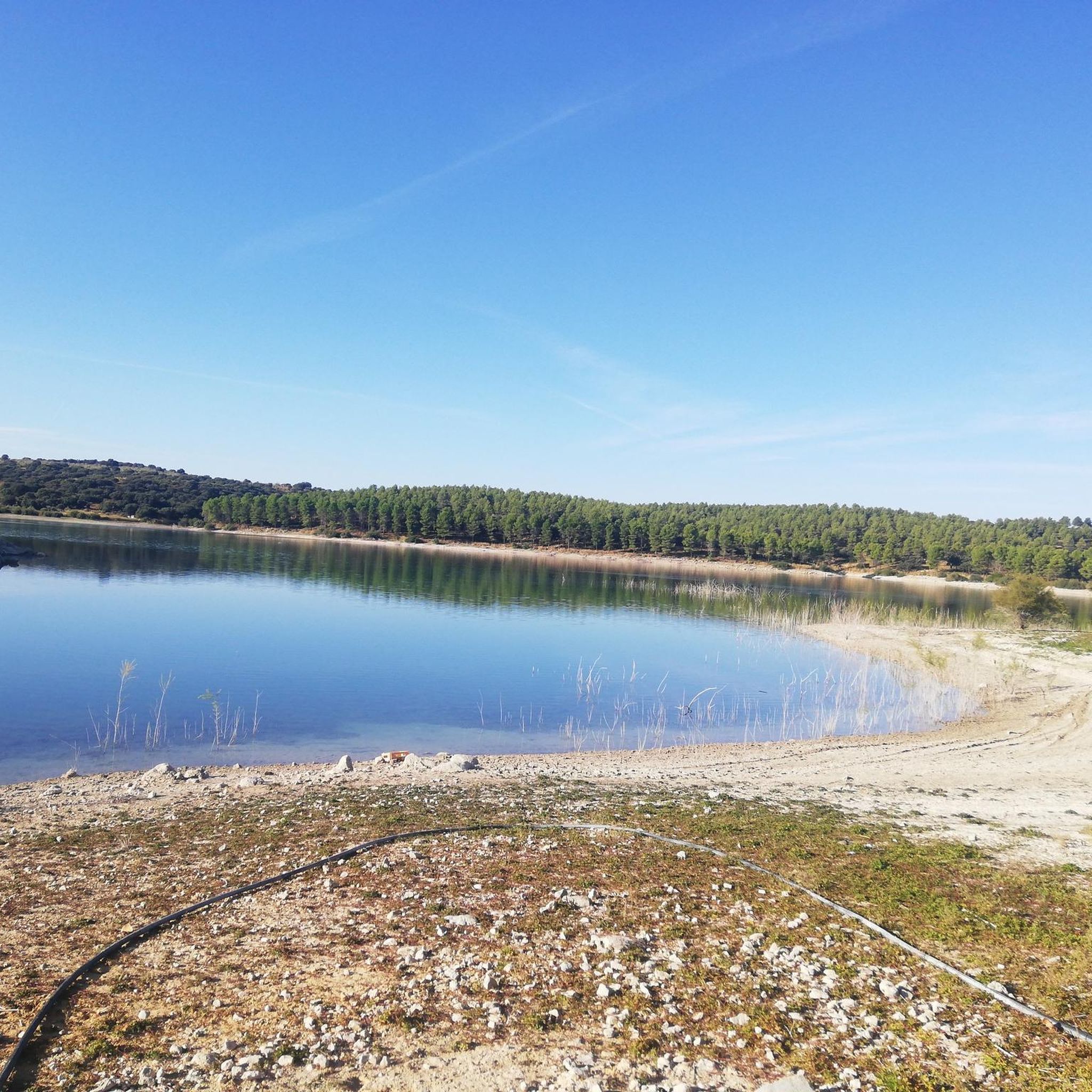
The Castle of Santiago de la Torre, known in the region as Santiaguillo, is a medieval fortress located in the village of the same name. Although after its disappearance it was annexed to the municipality of San Clemente, its heart remains Provencian. This castle is located in the southwest of the province of Cuenca, in the heart of the region of Castilla-La Mancha, Spain. Explore this medieval treasure and immerse yourself in its legacy! 🏰🌿
3
0

The town of Huerta de la Obispalía is located at the top of a hill where you can see the group of houses that form the same nucleus. But from afar you can see the ruins of what used to be his castle!
0
1

Apart from the interesting Renaissance castle from the 15th century, the place offers wonderful panoramic views of the nearby Záncara river and the entire surrounding plain.
0
0

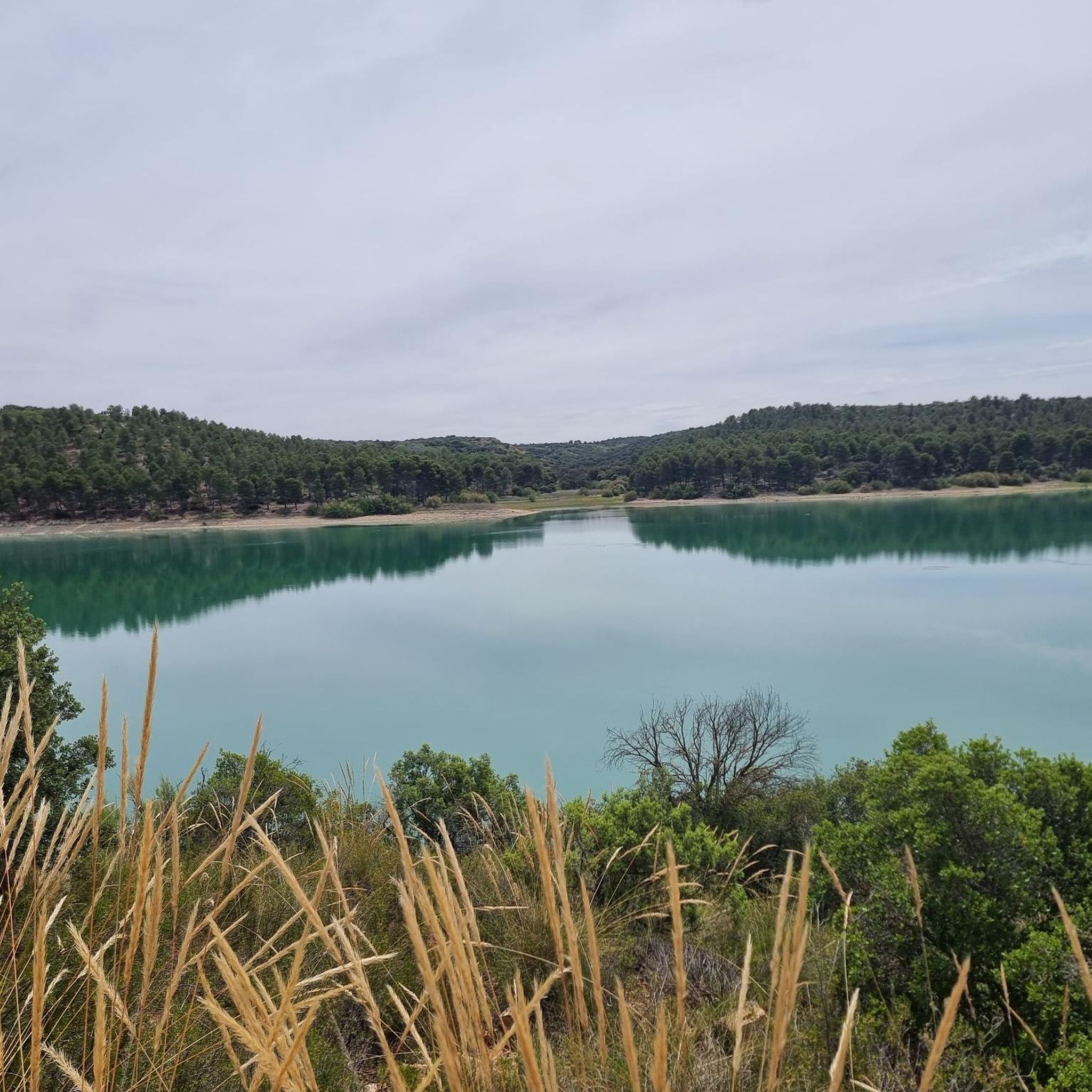
The castle is located next to the Záncara river between the municipalities of El Provencio and San Clemente. This historical marvel from the 11th century served as a fortress for the Villena family and can now be visited.
2
0
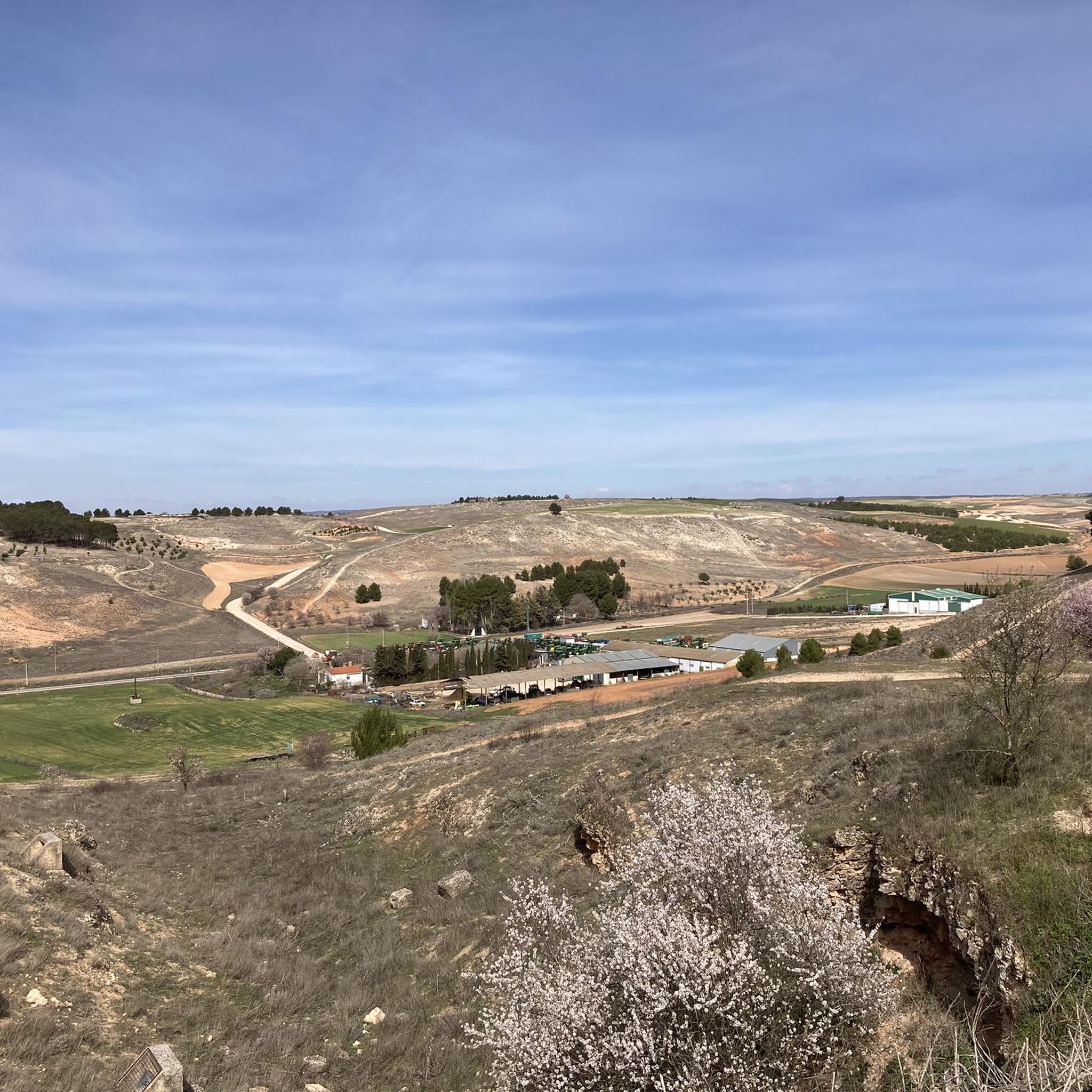
It is a 15th century Renaissance castle. It is located on top of a hill and, currently, you can only visit the outside. From the top, you get privileged views of the Záncara River and the plain.
1
0

The ruins of the old castle stand out as they are on the top of the small hill and next to them is the Renaissance church from the 16th century.
1
0
The castle of Haro dates from the 15th century and since then it still remains in a remote place that allows you to appreciate the beautiful landscape of this region. In Renaissance style, it was originally built in the 13th century and after the destruction suffered by the ravages of Sancho IV of Castile, it was rebuilt in the way it can be seen today.
3
0
Frequently Asked Questions
What are some of the most historically significant castles in the Zncara region?
The Zncara region is rich in history, featuring castles with medieval, Renaissance, and Islamic architectural influences. Notable examples include the Castle of Santiago de la Torre, a medieval fortress that served the Villena family, and the Castle of Villaescusa de Haro, a 15th-century Renaissance castle offering panoramic views. The Castle and church of Huerta de la Obispalía also presents significant ruins alongside a 16th-century church.
Are there any castles in the Zncara region that offer panoramic views?
Yes, the Castle of Villaescusa de Haro is a 15th-century Renaissance castle situated on a hilltop. From its location, you can enjoy privileged panoramic views of the Záncara River and the surrounding plain.
What is the best time of year to visit the castles around the Zncara?
The Zncara region, located in Castilla-La Mancha, Spain, generally experiences hot, dry summers and mild winters. Spring (April-June) and Autumn (September-October) are often ideal for visiting, as the weather is pleasant for exploring historical sites without extreme heat. Winter visits are possible, but some sites might have reduced hours, and the landscape will be cooler.
Are there any hidden gem castles in the Zncara area?
While not always open for full interior visits, the Castillo de Torrebuceit is an old fortress of Islamic origin from the 13th century. It's a private property, but you can often view its exterior and appreciate its historical significance. Nearby, you can also spot an old viaduct and caves that were once hermitages, adding to its unique charm.
What kind of outdoor activities can I do near the castles in the Zncara region?
The Zncara region offers various outdoor activities. You can explore MTB trails like 'La Calzadilla Trail' or 'Circuito de los Humedales de la Mancha'. For road cycling, there are routes such as the 'Campo de Criptana and Pedro Muñoz Loop' or the 'Villalgordo del Marquesado and La Alberca de Záncara Loop' found in the Road Cycling Routes around the Zncara guide. Running enthusiasts can find trails like 'Route through Villarrobledo' or 'Running loop from Alconchel de la Estrella' in the Running Trails around the Zncara guide.
Are there family-friendly castles to visit in the Zncara region?
While specific family-friendly amenities vary, exploring the ruins and exteriors of castles like the Castle of Santiago de la Torre or the Castle and church of Huerta de la Obispalía can be an engaging historical adventure for families. The open spaces and historical context provide a great opportunity for imaginative play and learning about the past.
What are the typical visiting times for castles in the Zncara area?
Visiting times for castles in the Zncara area can vary significantly. Many are historical ruins or private properties, like the Castillo de Torrebuceit, which may only be viewable from the exterior. For castles with visitor access, it's always best to check their official websites or local tourist information for current opening hours, as these can change seasonally.
Is public transport available to reach the castles around the Zncara?
Public transport options to reach individual castles in the rural Zncara region can be limited. It is generally recommended to travel by car for flexibility and ease of access to these historical sites, many of which are located in more remote areas. Some castles might be accessible via local bus services to nearby towns, followed by a walk or taxi.
Are there cafes or dining options near the castles in the Zncara region?
Many of the castles in the Zncara region are situated in or near small villages. While direct cafes at every castle might not be available, you can often find local eateries, bars, or small shops in the nearby towns where you can get refreshments or a meal. For example, the Castle of Santiago de la Torre is near the village of the same name, and the Castle and church of Huerta de la Obispalía is part of a small settlement.
What do visitors enjoy most about the castles around the Zncara?
Visitors appreciate the rich historical significance and the opportunity to explore structures reflecting medieval, Renaissance, and Islamic influences. The panoramic views from sites like the Castle of Villaescusa de Haro are highly valued. The komoot community has shared 11 photos and given 9 upvotes, highlighting the visual appeal and historical depth of these sites.
Are the castles in the Zncara region generally wheelchair accessible?
Accessibility for wheelchairs can be challenging at many historical castle sites, especially those that are ruins or located on hills, such as the Castle and church of Huerta de la Obispalía. While exterior views might be possible, interior access or navigating uneven terrain, stairs, and ancient pathways can be difficult. It's advisable to check specific accessibility details for each castle before visiting.
Can I bring my dog to the castles in the Zncara area?
Policies regarding dogs vary by site. For castles that are open-air ruins or have extensive grounds, dogs on a leash might be permitted in outdoor areas. However, for interiors or more preserved sites, restrictions are common. It's best to verify the specific pet policy for each castle you plan to visit, especially for private properties like the Castillo de Torrebuceit.
Most popular routes around the Zncara
Most popular attractions around the Zncara

Get inspired with the komoot mobile app


Explore more
Looking for the best castles somewhere else? Discover other guides around the Zncara:
