The 13 Most Amazing Peaks in the T'aeback-Sanmaek
Best mountain peaks in the T'aeback-Sanmaek are found within the principal mountain range of the Korean Peninsula, stretching approximately 500 to 600 kilometers along its eastern edge. This significant range averages about 1,000 meters in height and is the source of major South Korean rivers. The T'aeback-Sanmaek features a distinct topography with steep eastern slopes and more gradual western slopes. It offers diverse experiences, from challenging hikes with panoramic vistas to serene cultural explorations.
Best mountain peaks in the T'aeback-Sanmaek
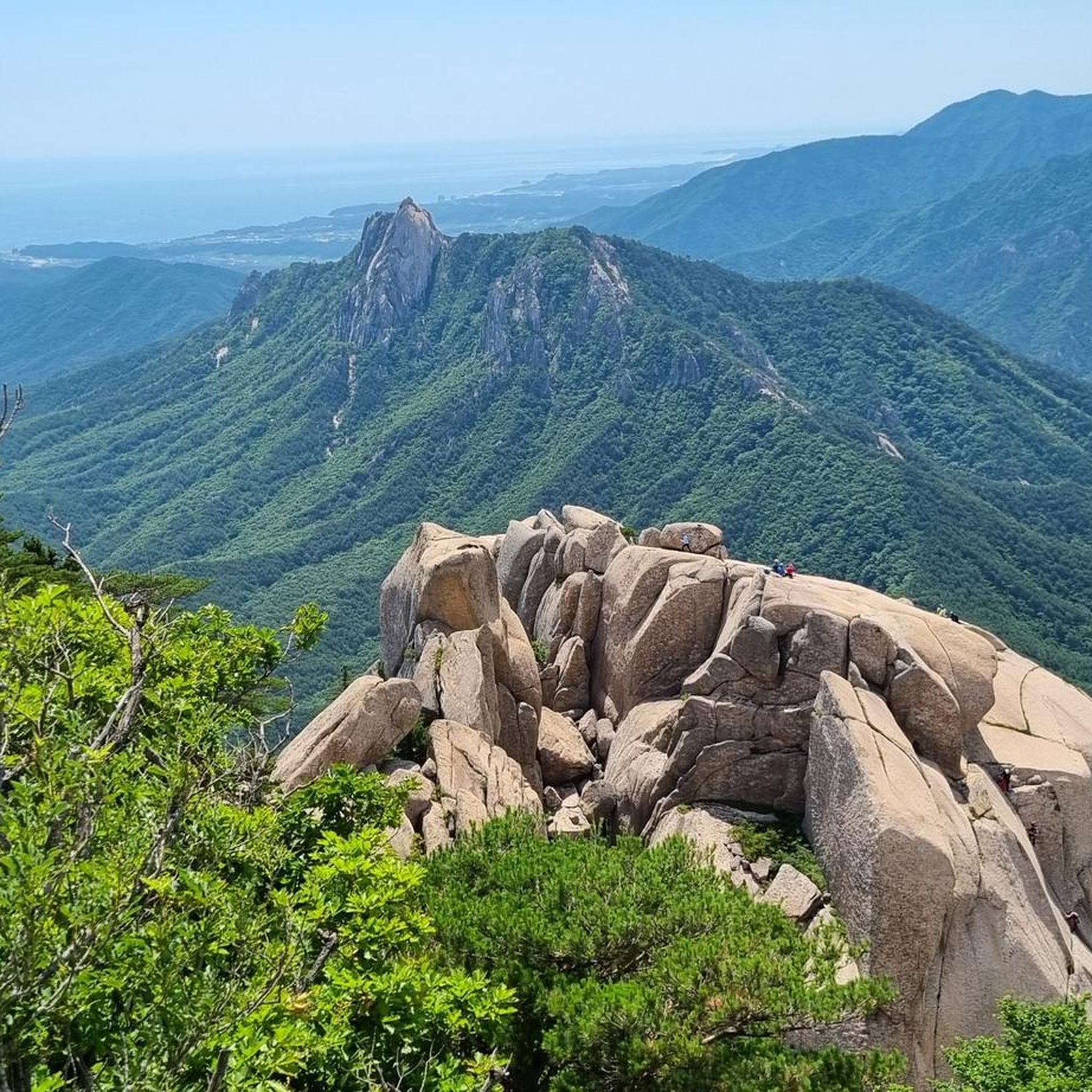
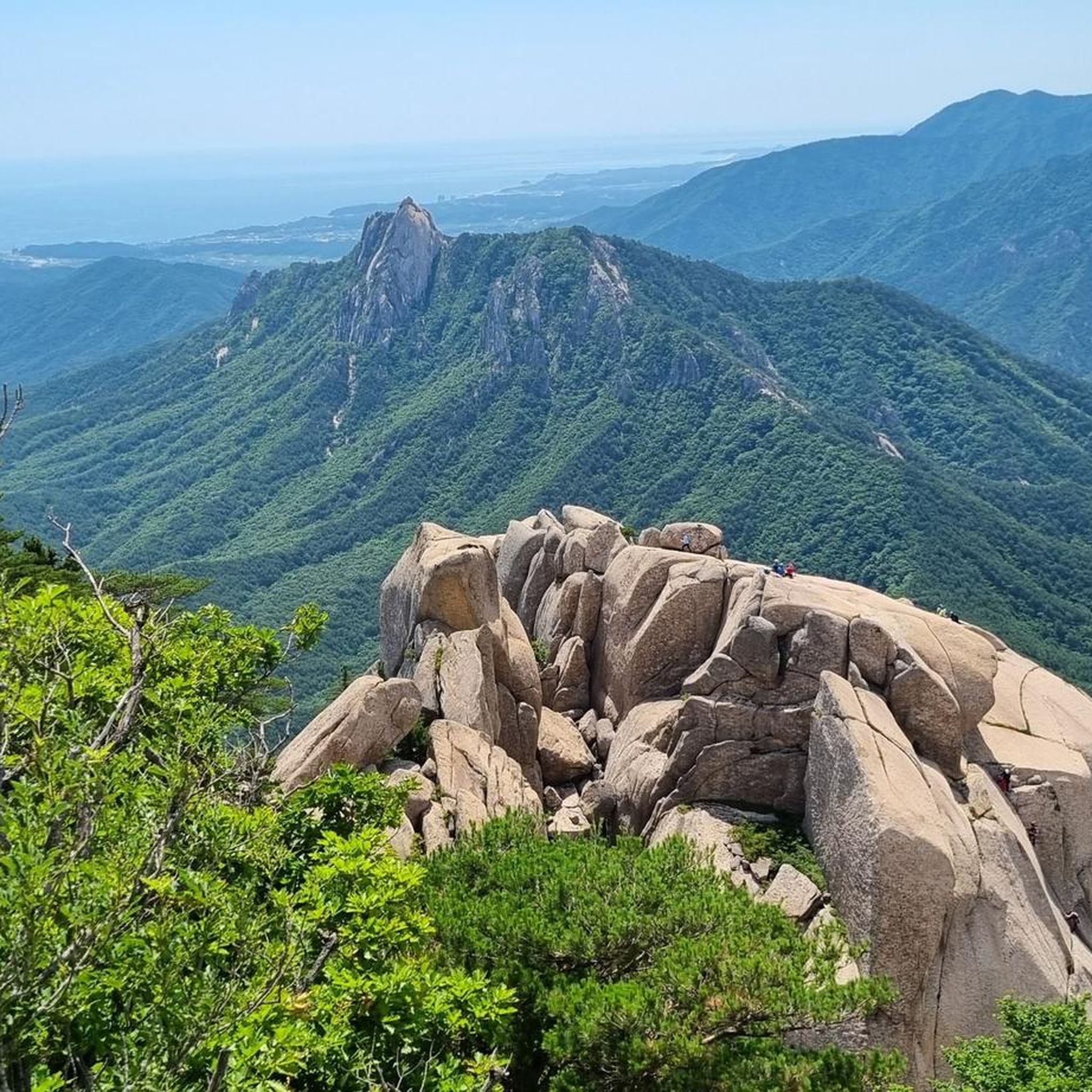
- The most popular mountain peaks is Ulsanbawi Peak, Seoraksan National Park, a summit that offers an ascent with much to see and a view at the top. The climb is strenuous but does not require special equipment.
- Another must-see spot is Seoraksan National Park, a natural monument. Visitors can expect extensive natural routes with varying difficulty levels, including challenging tours and options for those who prefer a cable car.
- Visitors also love Jangsan Summit, a summit with a view of the city. This peak is special for its panoramic views of Busan's skyscrapers from the top.
- T'aeback-Sanmaek is known for summits, viewpoints, and natural monuments. The region offers a variety of mountain peaks to see and explore, from challenging climbs to intermediate trails.
- The mountain peaks in the T'aeback-Sanmaek are appreciated by the komoot community, with 171 upvotes and 49 photos across 14 highlights.
Last updated: October 1, 2026
Seoraksan National Park
Highlight • Natural Monument
For those who don't want to walk: There is also a cable car that takes you to one of the peaks.
The entrance fee for the park was 3000 won for an adult. The cable car costs 7000 won per person.
Translated by Google •
Tip by

Ulsanbawi Peak, Seoraksan National Park
Highlight • Summit
Translated by Google •
Tip by

Sign up now to discover places like this
Get recommendations on the best single tracks, peaks, & plenty of other exciting outdoor places.
Wonhyobong Peak
Highlight • Summit
A story handed down from Wonhyobong Peak tells of General Kim Yushin training the Hwarang (Silla's elite young military). The soldiers urinated on the rocks after standing at attention for a long time, then a Hwarang member planted a small pine tree on that spot. This pine tree boasted its freshness, overcoming rainstorms for many years, so people called the rock on which General Kim Yushin was standing "Kim Yushin Pine Rock". However, its exact location cannot be known.
Tip by

Jangsan Summit
Highlight • Summit
Tip by

Gwongeum Fortress
Highlight • Castle
Ensure you wear appropriate hiking shoes, especially in winter, as the trail to the peak does not get cleared of snow. Try to come in the morning, as it can get very crowded during the day.
Tip by

Sinbulsan
Highlight • Summit
Translated by Google •
Tip by

Jaeyaksan
Highlight • Summit
Translated by Google •
Tip by
Paribong Peak
Highlight • Summit
Translated by Google •
Tip by
View from Cheonhwangsan (Sajabong)
Highlight • Viewpoint
Translated by Google •
Tip by
Peak 1408
Highlight • Summit
Translated by Google •
Tip by

Sign up for free to discover even more peaks in the T'aeback-Sanmaek.
Already have an account?
Start today with a free account
Your next adventure awaits.
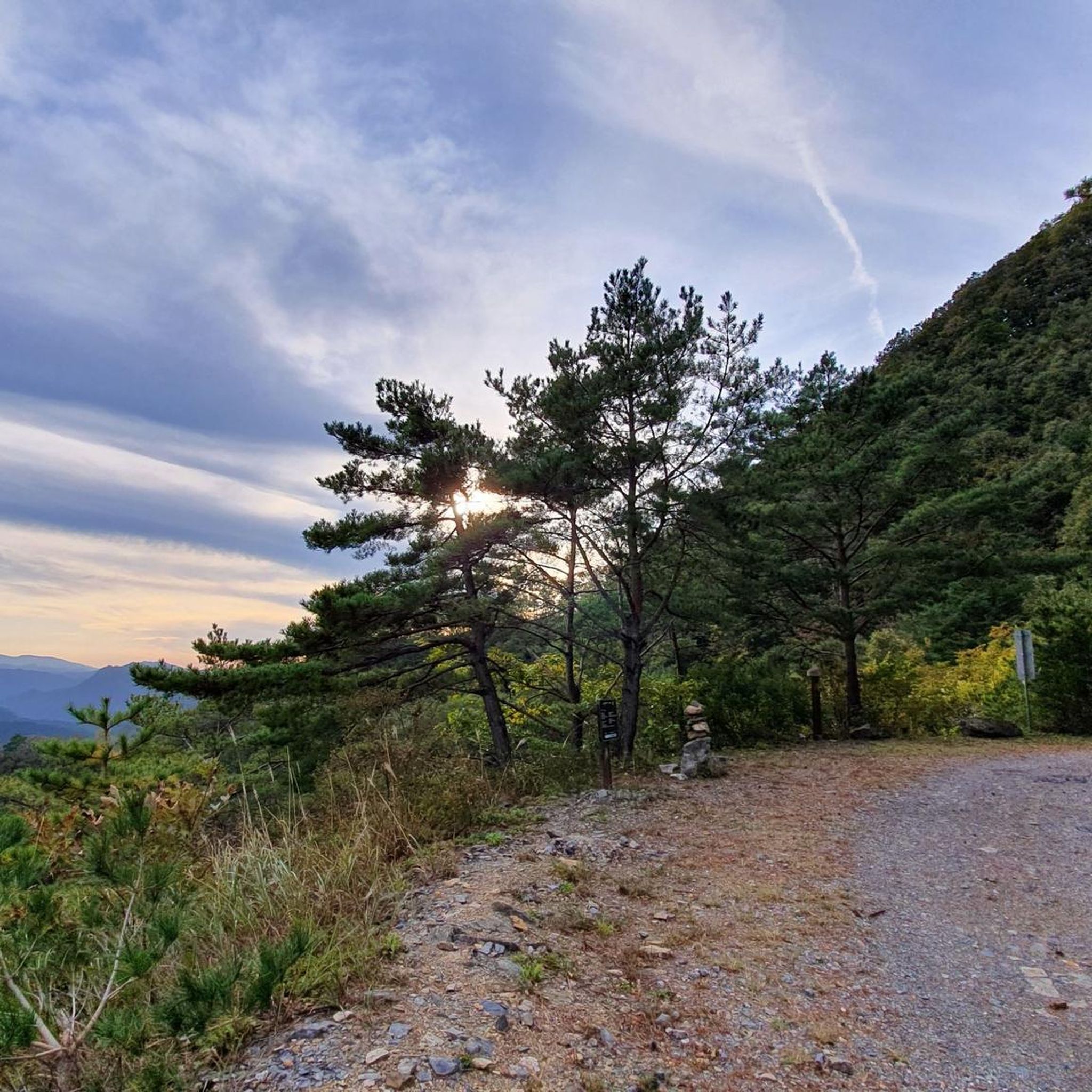
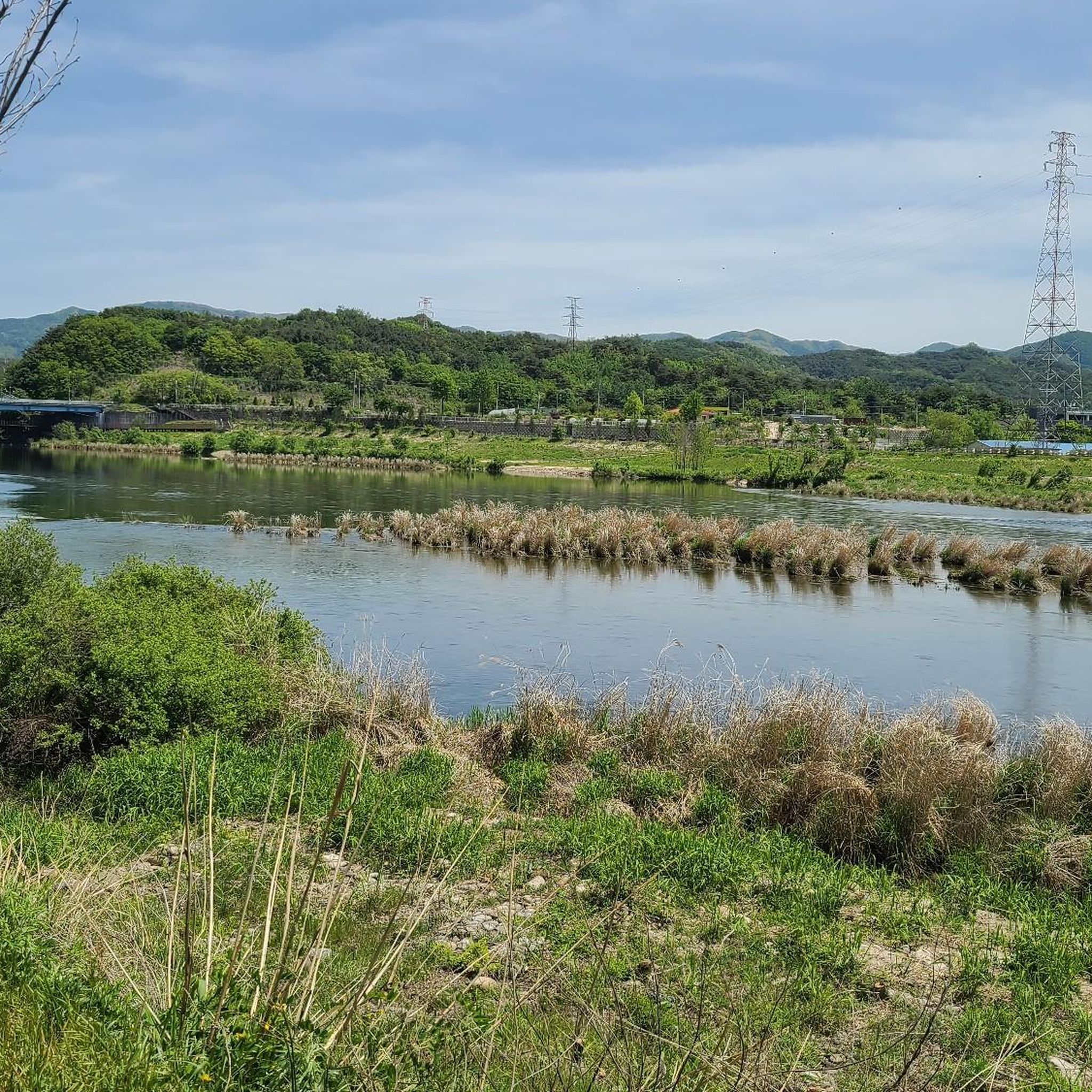

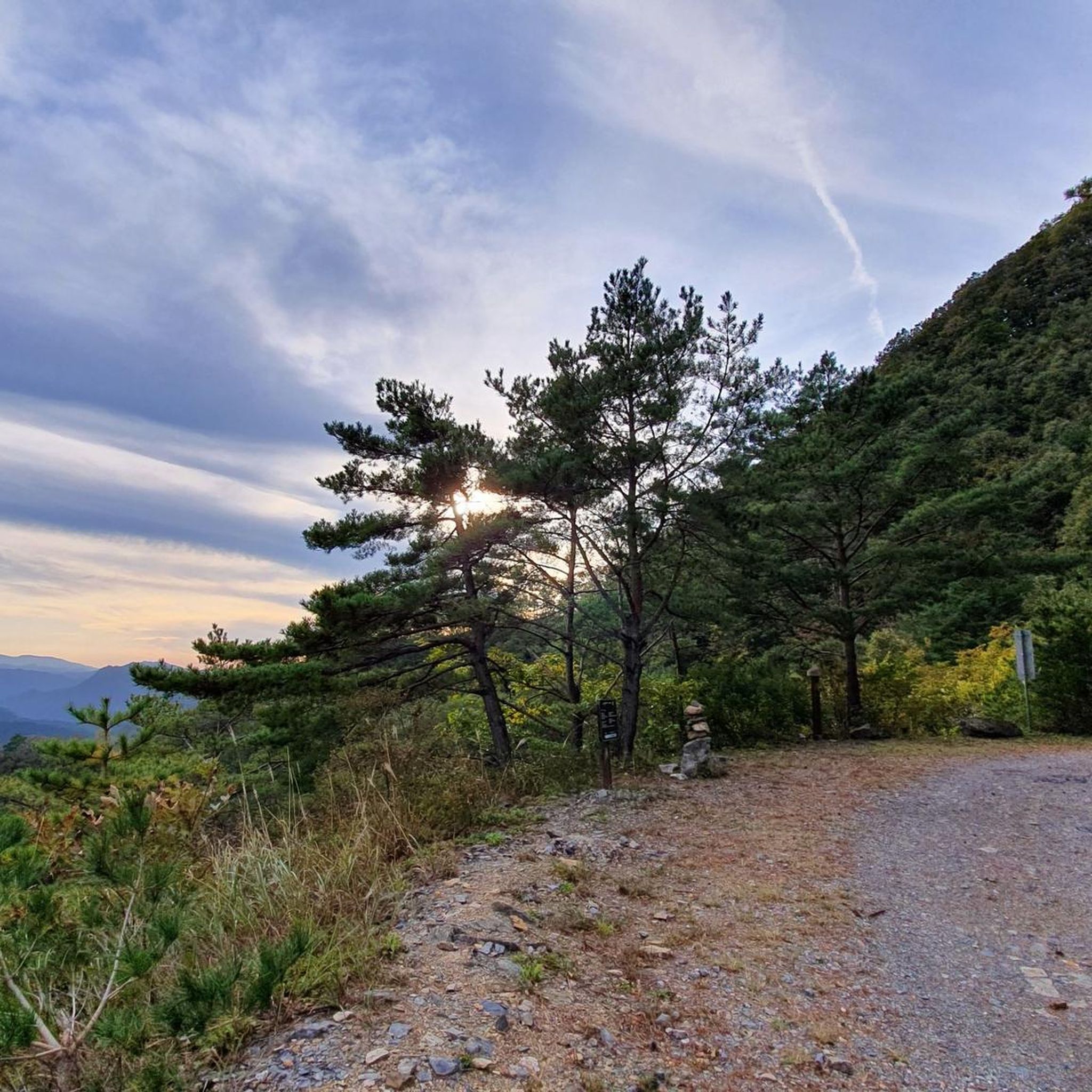
Tips from the Community

It was dawn so I couldn't enjoy the view.
0
0

Wonhyobong Peak (687m) is the highest peak in the east of Geumjeongsan Mountain. Like blooming apricot bathed in the light of the rising sun in the East Sea, it has a glamorous appearance as if embroidered with multiple hues. It is therefore called Wonhyobong Peak, meaning "the first of dawn". Located above the fourth lookout tower of Geumjeongsanseong Fortress, it also serves as a lookout with panoramic views of the boundless East Sea. A story handed down from Wonhyobong Peak tells of General Kim Yushin training the Hwarang (Silla's elite young military). The soldiers urinated on the rocks after standing at attention for a long time, then a Hwarang member planted a small pine tree on that spot. This pine tree boasted its freshness, overcoming rainstorms for many years, so people called the rock on which General Kim Yushin was standing "Kim Yushin Pine Rock". However, its exact location cannot be known.
1
0

Beautiful views up there. Easy to reach, just take bus 7 or 7-1 from Sokcho and disembark on the very last stop. The route does not require any special equipment as it's mostly gravel and stairs (with handrail). Leave your poles at home, even sturdy mountain shoes are not particularly necessary. The last part is quite steep, so bring decent fitness. I did this trail in summer which can be very warm. We came early (the first bus from Sokcho runs at ~6.30) and the ascent was in the shadow mostly. Would not recommend to come later in the day as the sun will roast you. As everywhere in Korea, there's an abundance of toilets, the last one before the ascent is clearly marked as such.
0
0

There are restrooms along the way. As is typical in Korea: clean, tidy, and free to use.
0
0
Just before the summit, there's a guardhouse. Pass it and take the stairs 200 meters further toward the summit. From the summit, the skyscrapers of Busan don't look so tall anymore. :-)
0
0

12km from Beomeosa Temple Station to Gyemyeongbong, Gap-Obong, Godangbong, Bukmun, and Dongmun
0
0


Summit accessible from multiple trails and from the cable car. Very beautiful 360 degree views.
0
0
Frequently Asked Questions
Which mountain peaks in the T'aeback-Sanmaek are most popular for visitors?
Among the many peaks, Seoraksan National Park is highly popular, known for its dramatic granite peaks and diverse ecosystems. Within Seoraksan, Ulsanbawi Peak offers a strenuous but rewarding ascent with magnificent views. Another favorite is Jangsan Summit, which provides panoramic views of Busan's city skyline.
What are the difficulty levels for hiking trails in the T'aeback-Sanmaek mountains?
The T'aeback-Sanmaek offers a range of hiking difficulties. For example, trails within Seoraksan National Park vary from intermediate to challenging, with some tours being quite strenuous. Ulsanbawi Peak is considered challenging, especially the last kilometer. Other peaks like Wonhyobong Peak and Jangsan Summit offer intermediate routes.
Are there any family-friendly hiking options in the T'aeback-Sanmaek region?
Yes, Seoraksan National Park is noted as family-friendly, offering extensive natural routes with varying difficulty levels, including options for those who prefer a cable car. While specific easy trails are not detailed for all peaks, national parks generally provide more accessible paths suitable for families.
What natural features and viewpoints can I expect to see in the T'aeback-Sanmaek?
The region is rich in natural beauty. Seoraksan National Park is famous for its dramatic granite peaks, deep valleys, and diverse ecosystems. Peaks like Ulsanbawi Peak, Jangsan Summit, and Sinbulsan offer magnificent panoramic views. Taebaeksan is known for its ancient yew trees and azalea bushes, while Kumgangsan features stunning rock formations and waterfalls.
What cultural or historical sites are associated with the T'aeback-Sanmaek mountains?
Taebaeksan is particularly significant for its cultural heritage, including the Manggyeongsa Temple, which houses a statue of the Bodhisattva of Wisdom, and Cheonjedan, ancient Shamanist altars on its summit ridge. Gwongeum Fortress is another historical site offering both cultural insight and scenic views.
What is the best time to visit the T'aeback-Sanmaek for hiking?
The T'aeback-Sanmaek offers beauty year-round. Seoraksan is particularly celebrated for its vibrant azalea and rhododendron blooms in spring and summer, and its spectacular colorful foliage in autumn. Taebaeksan is known for its unique beauty when ancient yew trees are adorned with rime frost in winter or surrounded by azalea blossoms in spring.
How can I access the mountain peaks in the T'aeback-Sanmaek, particularly Seoraksan National Park?
Seoraksan National Park is easily accessible from Sokcho; you can take the green 7-1 bus from the intercity or express bus station. For those who prefer not to hike all the way, a cable car is available to take you to one of the peaks within Seoraksan. Parking information for specific trailheads varies, but national parks typically have designated parking areas.
Are there less crowded mountain peaks or trails in the T'aeback-Sanmaek for a more tranquil experience?
Odaesan National Park, located in Gangwon Province, is known for its remote location and offers a more serene and less crowded experience compared to other national parks in the region. It provides peaceful hiking opportunities for those seeking tranquility.
What outdoor activities, besides peak bagging, can I do near the T'aeback-Sanmaek mountain peaks?
Beyond summiting peaks, the T'aeback-Sanmaek region offers diverse outdoor activities. You can find numerous hiking trails, including moderate to difficult routes like the 'Great Buddha of Sinheungsa – Seoraksan National Park loop'. For more options, explore the Hiking in the T'aeback-Sanmaek guide. There are also dedicated Mountain Hikes and Running Trails guides for the region.
What should I know about the challenging trails in the T'aeback-Sanmaek?
Some trails, particularly to peaks like Ulsanbawi Peak and Jaeyaksan, are marked as challenging or strenuous. They may involve scrambling over rocks, climbing stairs, or navigating steep sections. It's advisable to wear sturdy shoes and be prepared for demanding conditions, especially in winter when spikes might be necessary for black ice.
Are there any specific tips for visiting Seoraksan National Park?
When visiting Seoraksan National Park, be aware that challenging tours are genuinely strenuous. Sturdy shoes, ample time, and a good fitness level are recommended. The entrance fee is typically around 3000 won for adults, and the cable car costs about 7000 won per person. The park is easily reachable by bus from Sokcho.
What makes Taebaeksan a unique mountain to visit?
Taebaeksan stands out for its spiritual significance and cultural sites. It features the Manggyeongsa Temple, home to South Korea's highest spring, and the ancient Shamanist altars of Cheonjedan on its summit. The mountain is also renowned for its ancient yew trees and azalea bushes, which create stunning scenery, especially during winter with rime frost or in spring with blossoms. An annual snow festival is also held nearby.
Most popular routes in the T'aeback-Sanmaek
Most popular attractions in the T'aeback-Sanmaek

Get inspired with the komoot mobile app


Explore more
See even more amazing summits in the T'aeback-Sanmaek with these guides:
