Top 20 Gorges in the Cantabrian Mountains
Best canyons in the Cantabrian Mountains are found within a dramatic mountain range stretching across northern Spain. These geological formations are often located within protected natural parks, showcasing the region's biodiversity. The area features deep gorges, limestone formations, and river-carved canyons. This region offers diverse landscapes for outdoor activities.
Best canyons in the Cantabrian Mountains
- The most popular canyons is 6 km on the Ruta del Cares, a gorge that offers spectacular views and nature. The first 6 kilometers…
Last updated: May 15, 2026
6 km on the Ruta del Cares
Highlight • Gorge
Translated by Google •
Tip by

Dwarves' Tunnels on the Cares Trail
Highlight • Structure
Translated by Google •
Tip by
Sign up now to discover places like this
Get recommendations on the best single tracks, peaks, & plenty of other exciting outdoor places.
Sign up for free
Bridge
Highlight • Bridge
Translated by Google •
Tip by

Crystal-clear stream near the Cares River
Highlight • River
Do …
Translated by Google •
Tip by
Cares Gorge (Garganta Divina) – Picos de Europa National Park
Highlight • Gorge
You …
Translated by Google •
Tip by

Route of the Xanas
Highlight (Segment) • Gorge
Translated by Google •
Tip by
Beach of the Cathedrals
Highlight • Beach
Translated by Google •
Tip by

Tunnels along the Cares Gorge
Highlight • Gorge
Translated by Google •
Tip by
Through the stones
Highlight • Natural Monument
Translated by Google •
Tip by
Desfiladero de Peñas Juntas on the Senda del Oso
Highlight • Gorge
Moderate your speed: remember that we share the road with pedestrians.
Translated by Google •
Tip by

Sign up for free to discover even more gorges in the Cantabrian Mountains.
Sign up for free
Already have an account?
Start today with a free account
Your next adventure awaits.
Login or Signup
Popular around Cantabrian Mountains
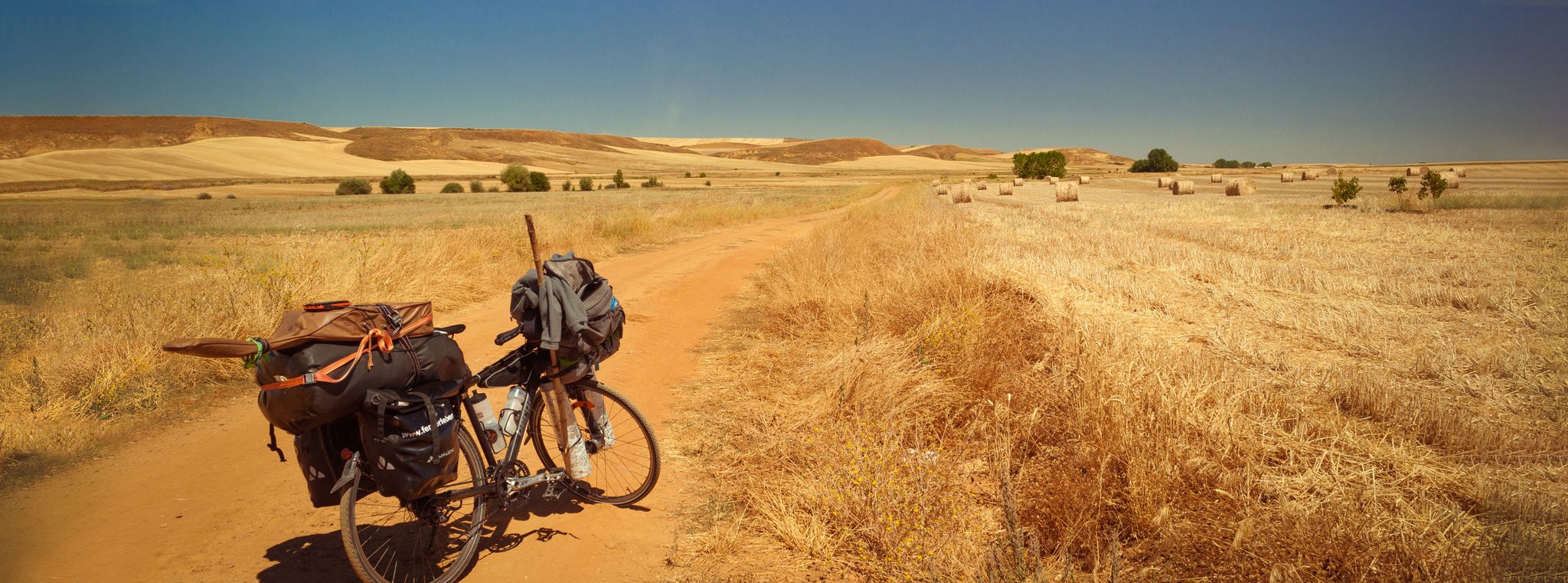
Camino Francés and Camino Finisterre – Cycling pilgrimages in Spain
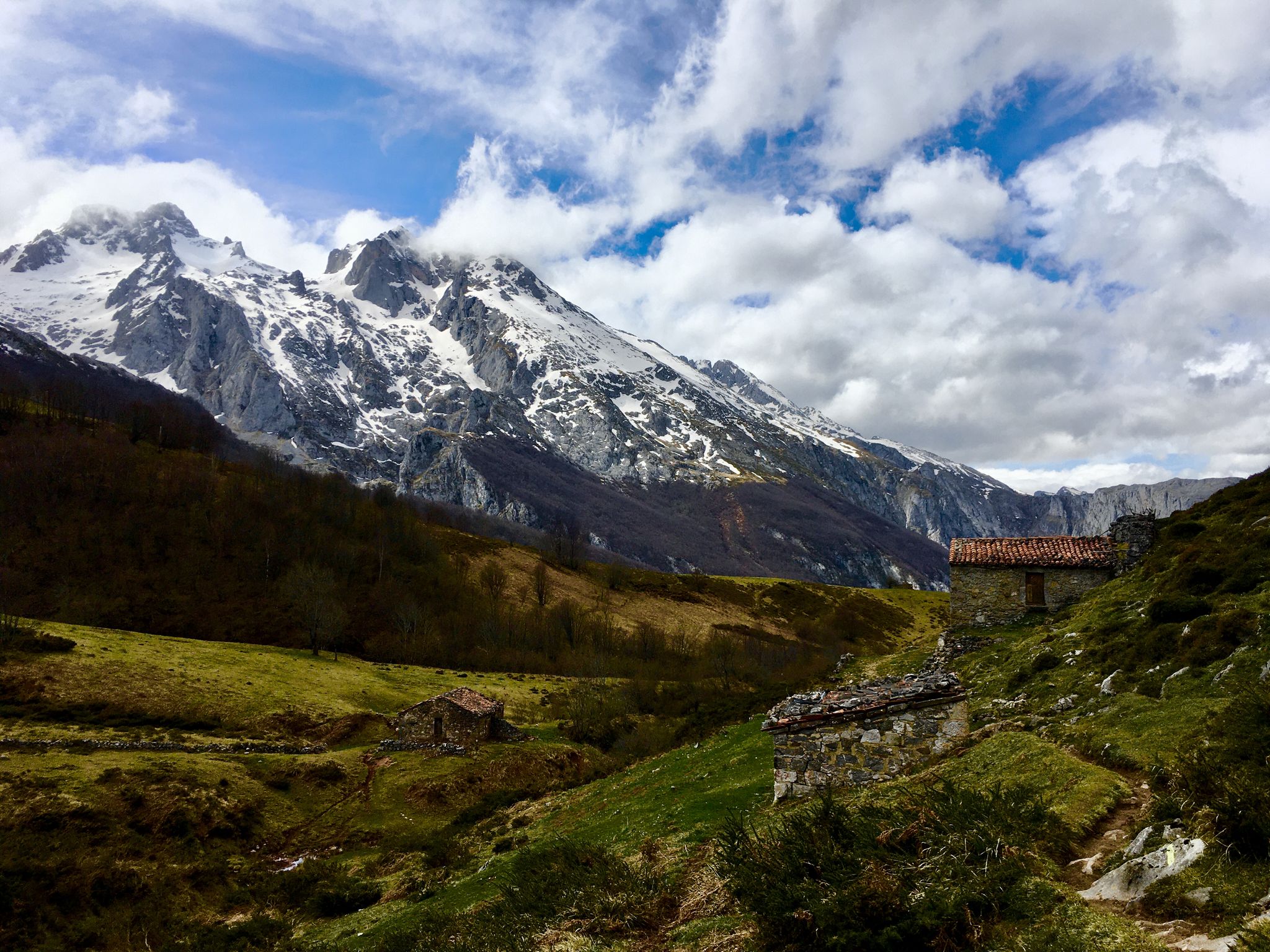
Route of the Reconquest (GR 202) – In the footsteps of an army
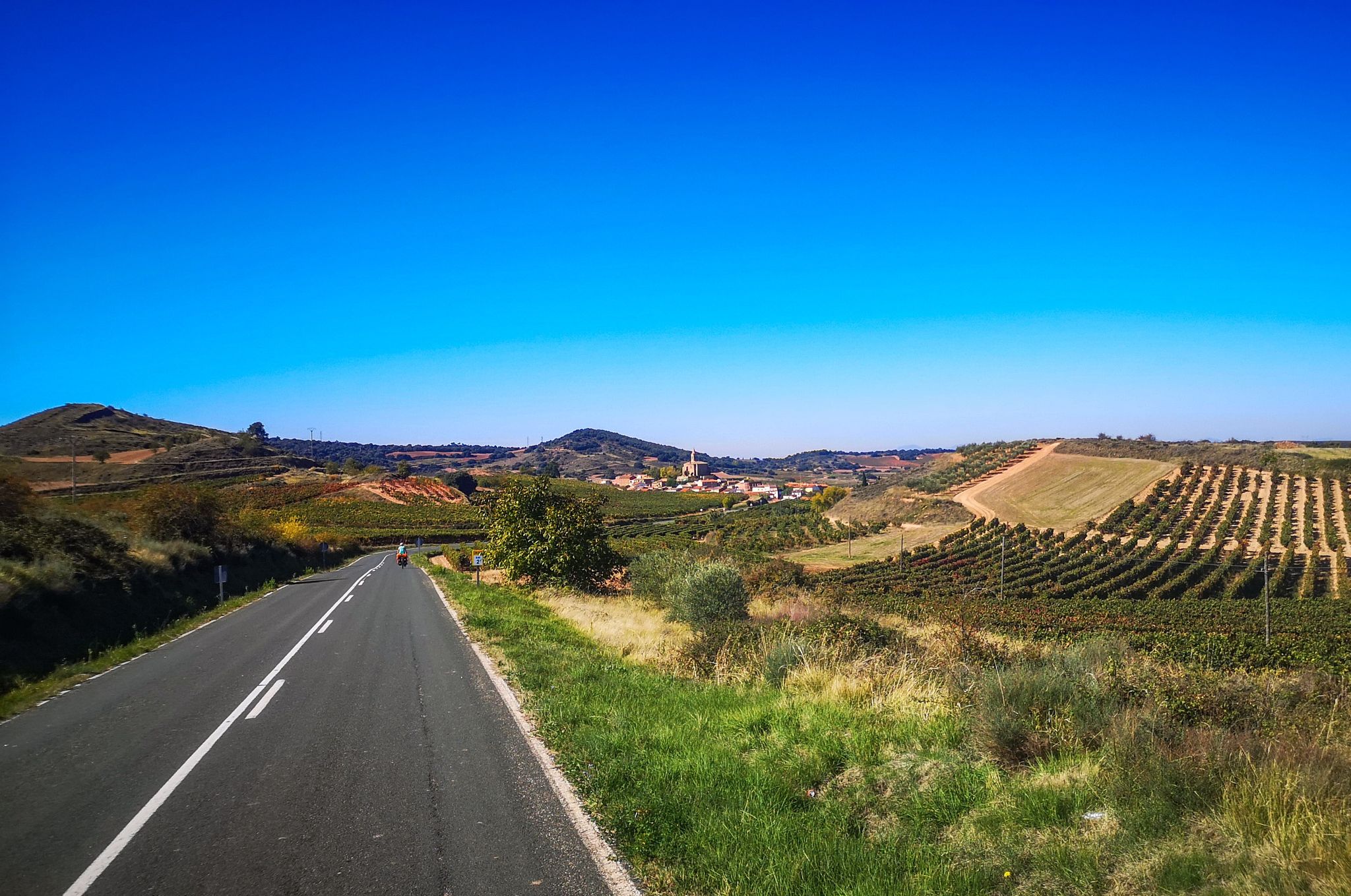
Santiago de Compostela – A journey through northern Spain (10 days)
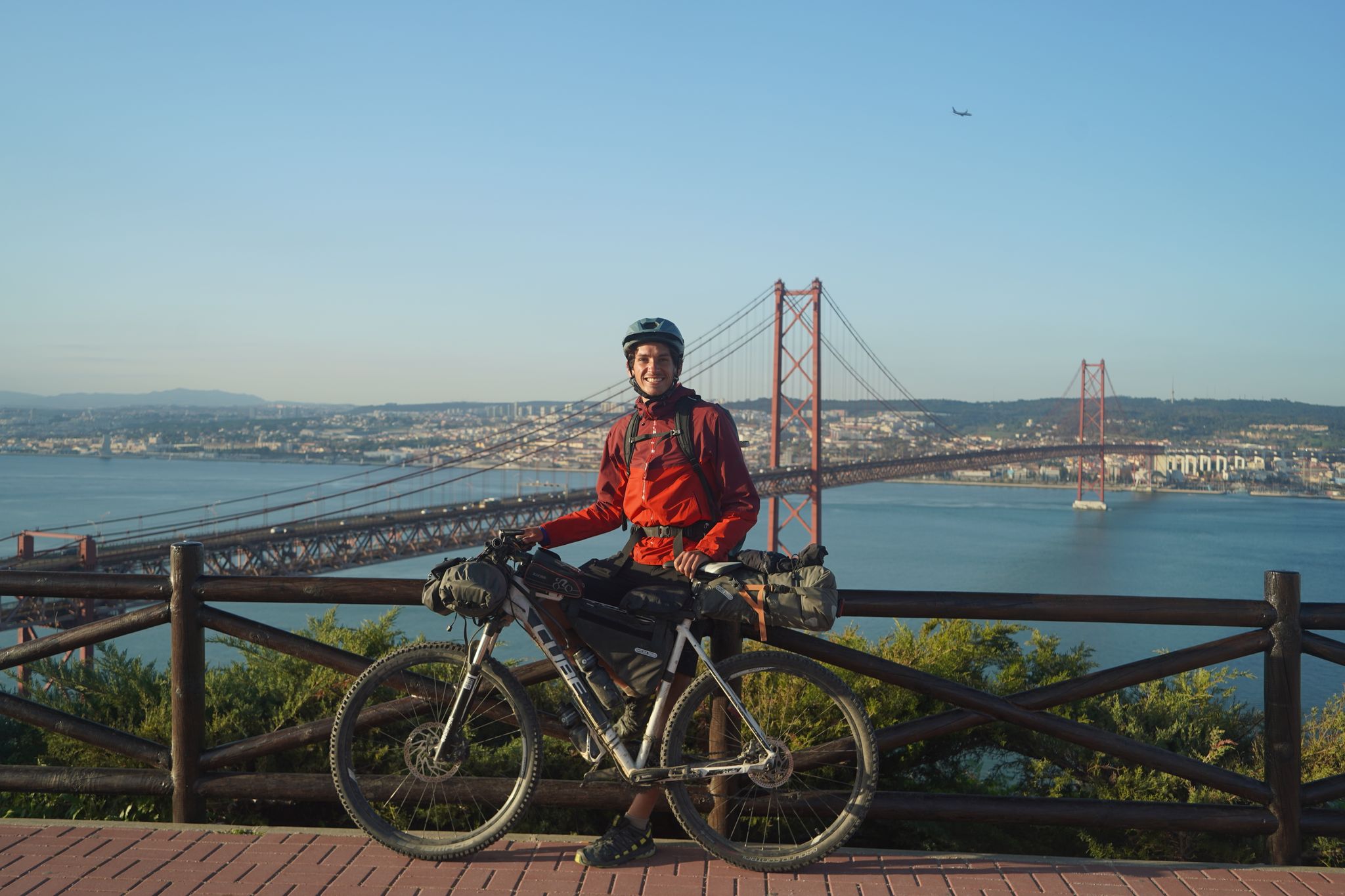
Road to Lisbon – bikepacking the Alps, Pyrenees and Picos de Europa
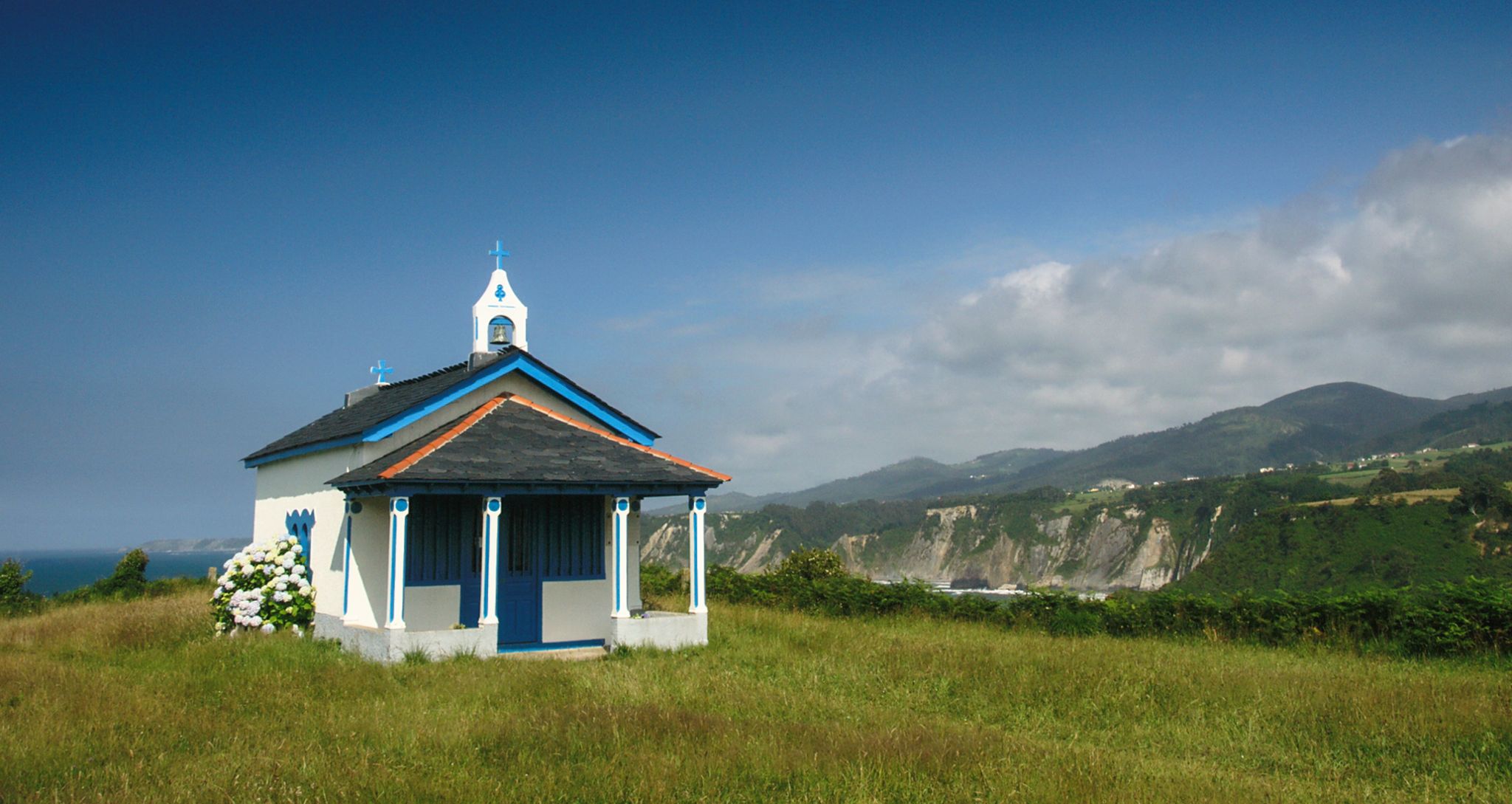
Camino del Norte – 15 stages
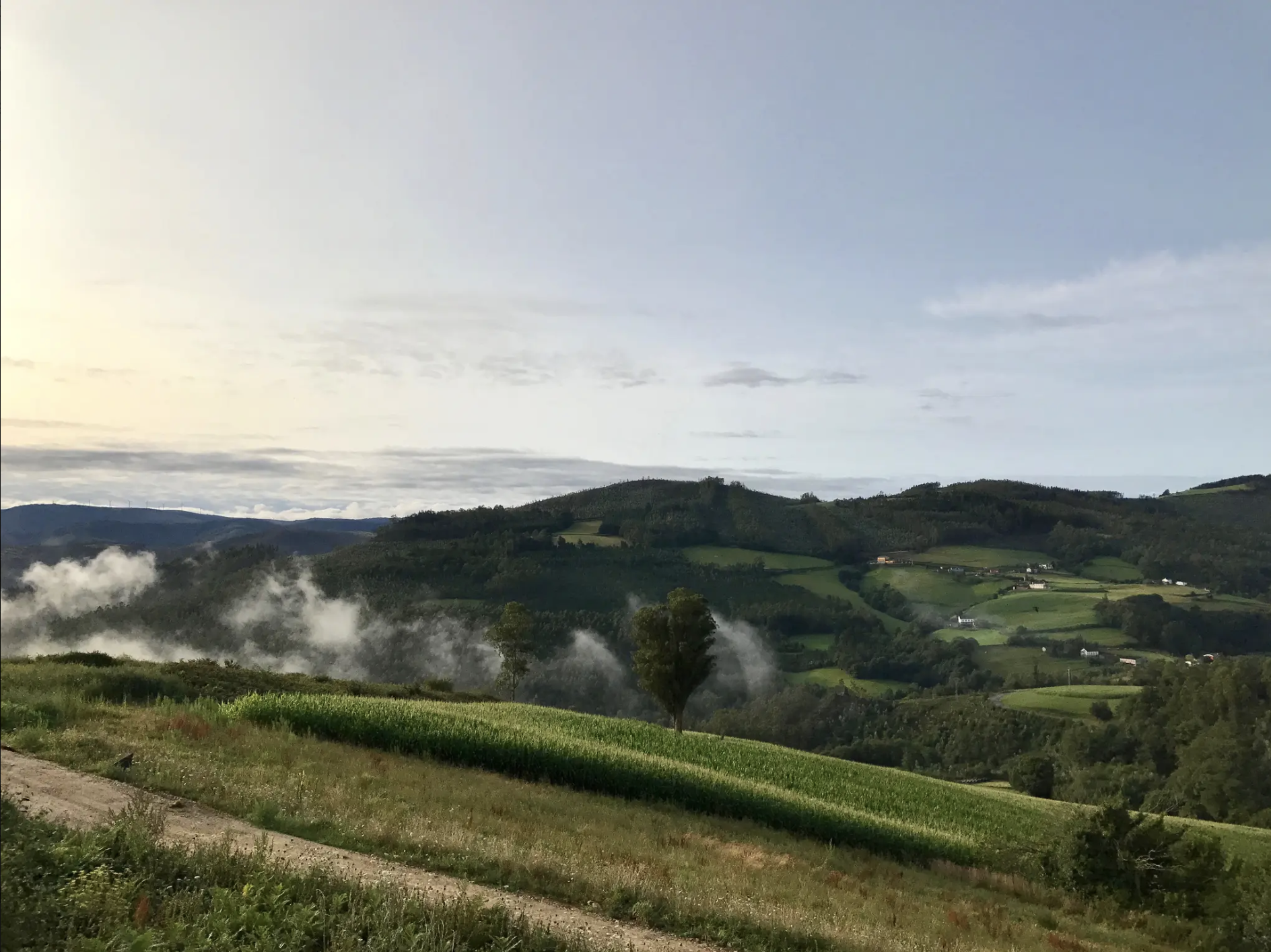
Camino del Norte (in reverse) – Discovering northern Spain's stunning coastline
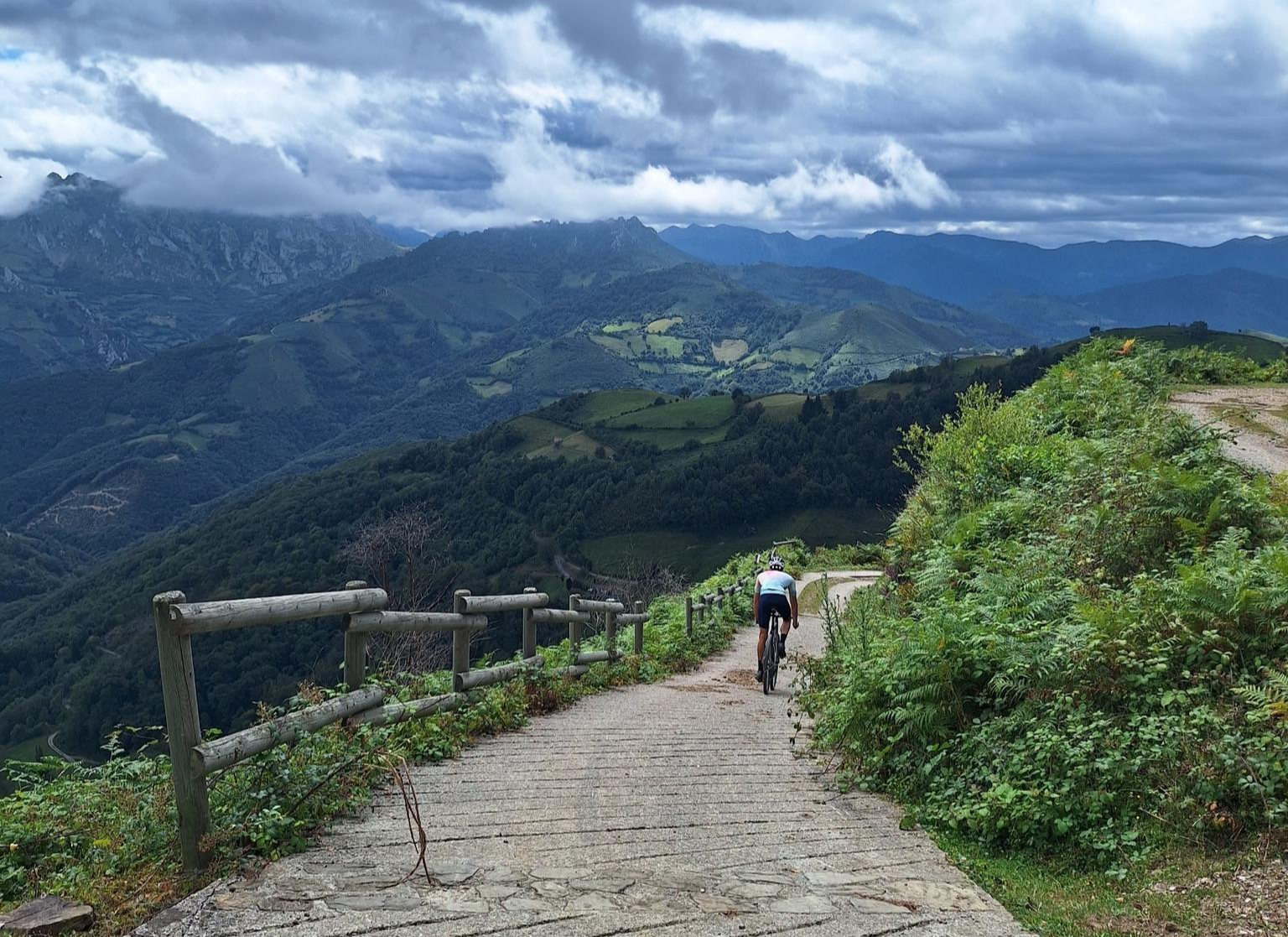
Central Mountain Cycling Ring GR 208 - Tour of the Asturian Mountains
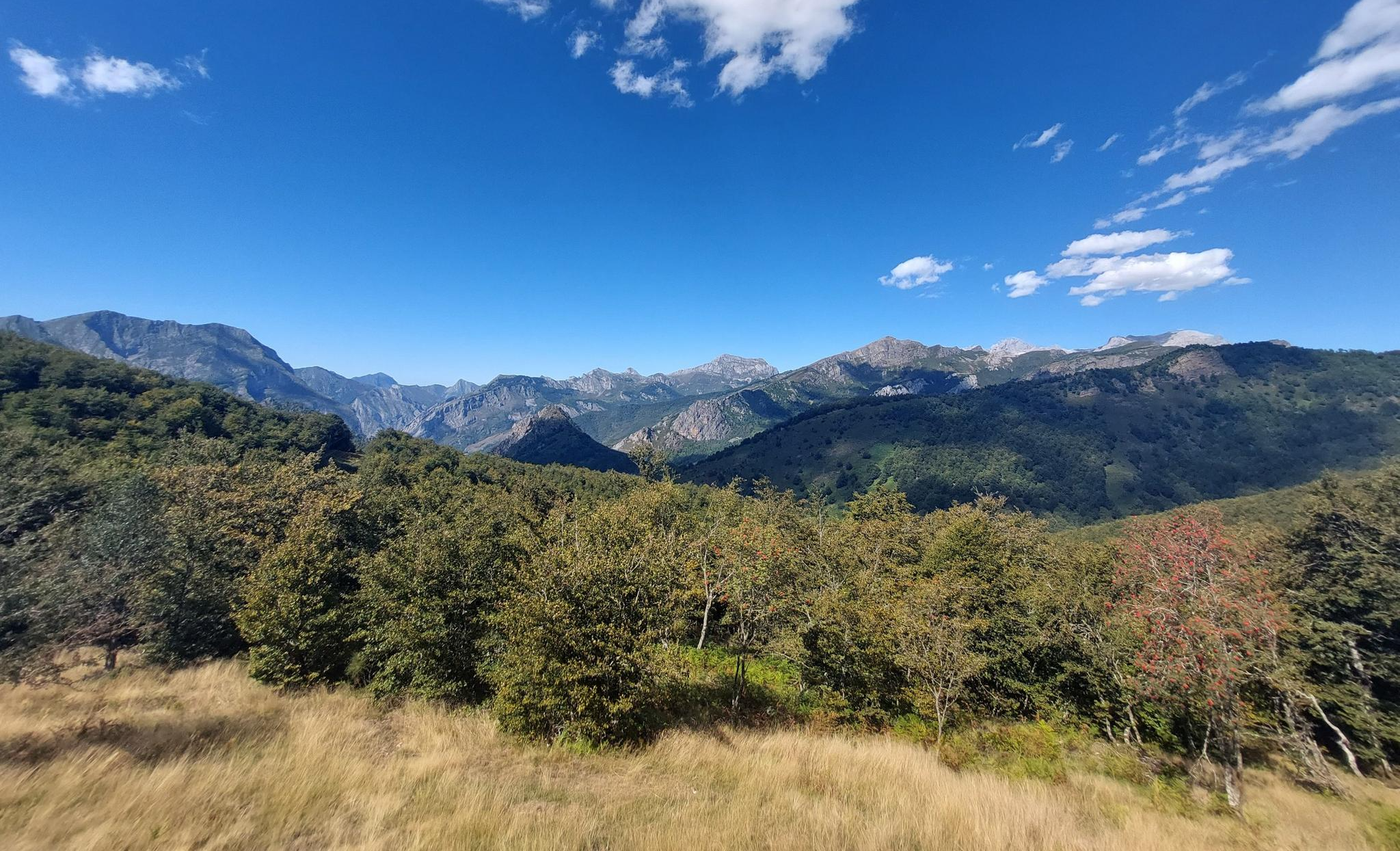
Senda del Arcediano (GR 210) - A historical hike through the Picos del Picos
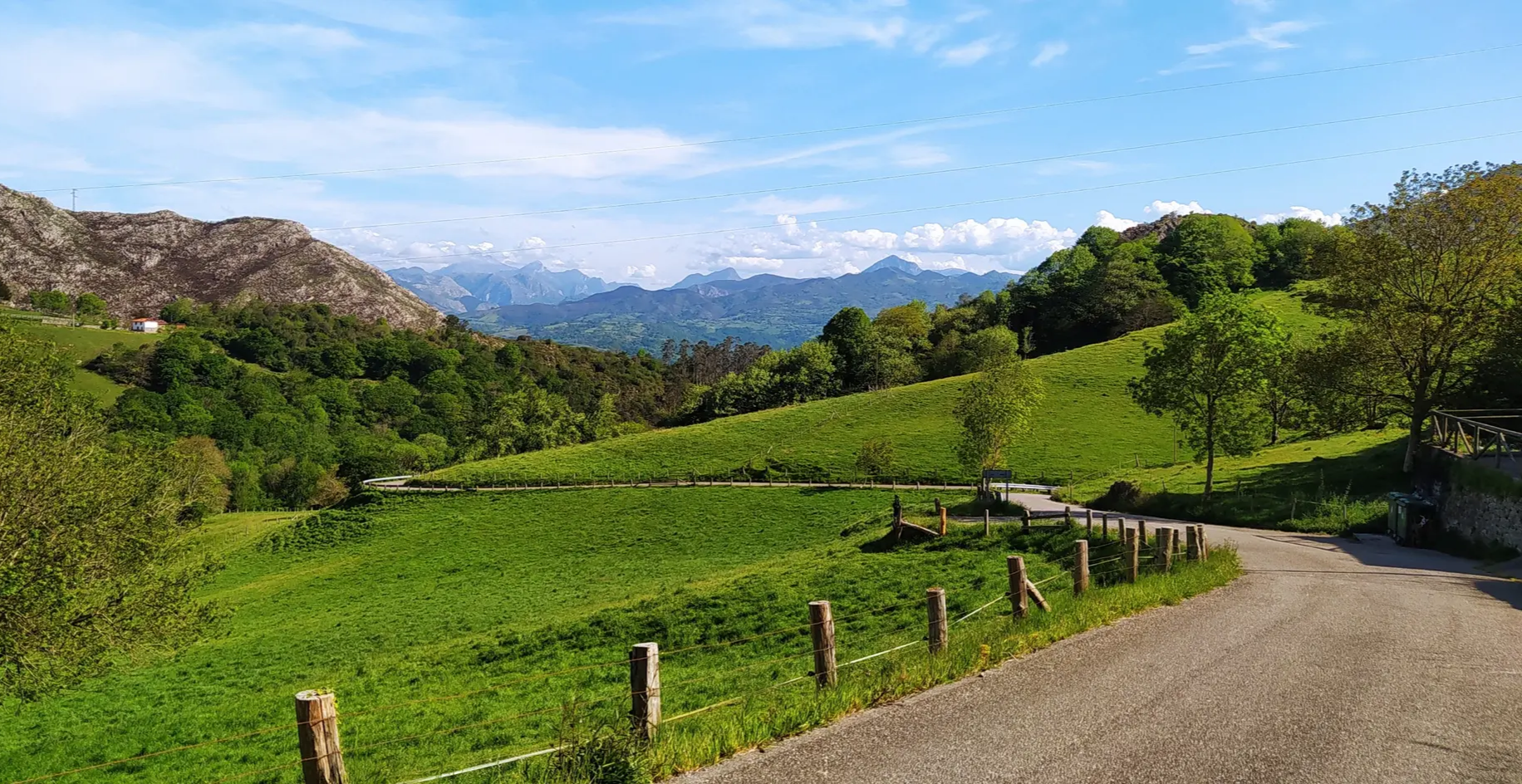
Great mountain passes of Picos de Europa on road bikes
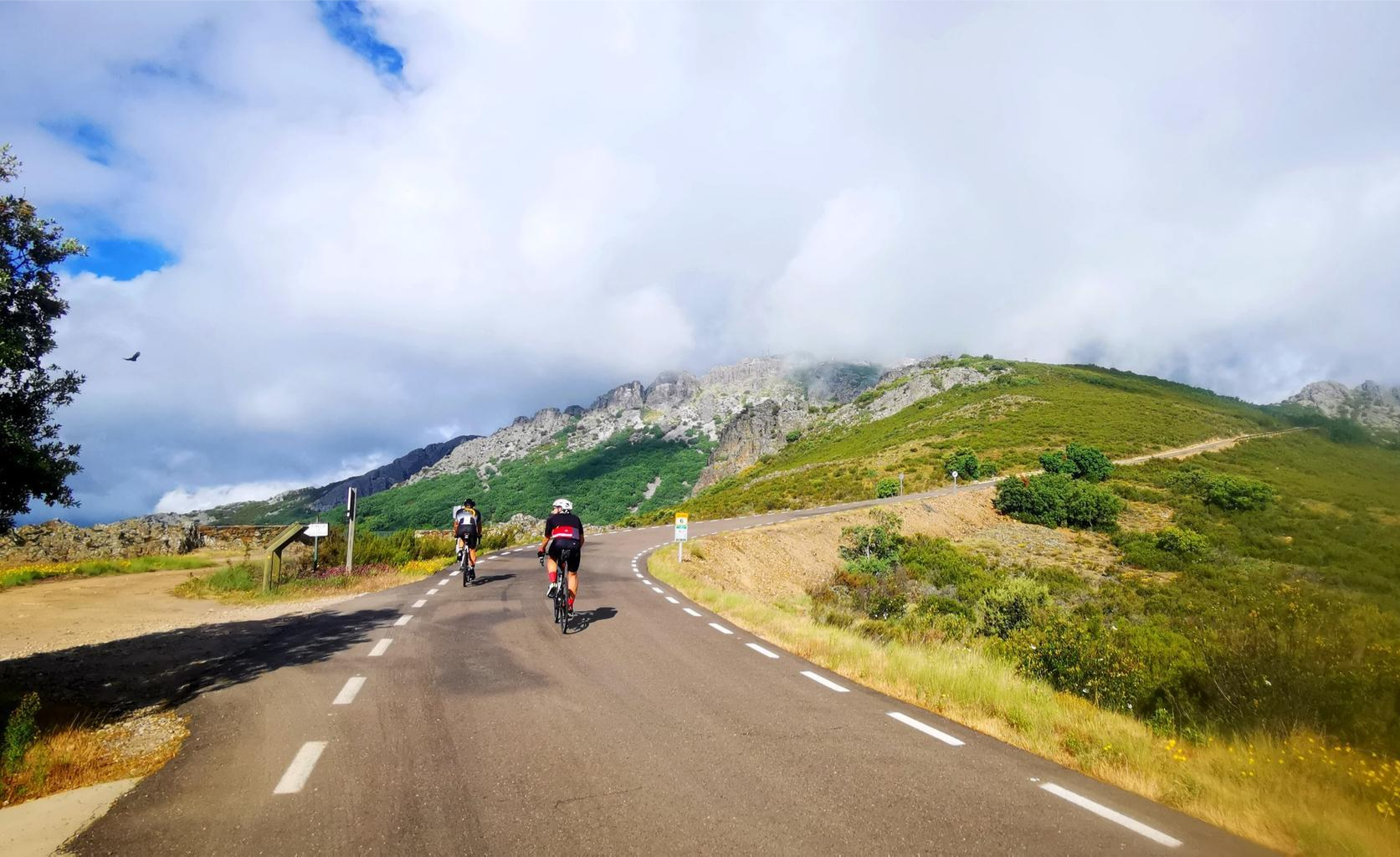
Legendary climbs - Ports of La Vuelta a España
Other adventures in the Cantabrian Mountains


Tips from the Community

The Bolín Bridge, in Posada de Valdeón (León), is a small but significant mountain bridge that is part of several hiking trails in the Picos de Europa, especially as an access route to the challenging Canal de Trea. It is located on the outskirts of Posada de Valdeón, towards the Mirador del Tombo and the beginning of the Canal de Trea. It is close to Fuente Prieta and areas such as El Agua Las Huertas, in a natural setting of great beauty.
3
0

One of many impressive rock formations.
1
0
It's worth going through here carefully.
1
0

This trail is very easy to walk, as it's mostly shaded. However, you should still wear good, sturdy shoes.
0
0

A fantastic swimming spot in the VERY cold Cares River. Highly recommended, especially after a hike!
0
0

The "Xanas," after whom the gorge is named, are Asturian mountain stream nymphs who enchant shepherds on St. John's Eve. The path was created in the 1930s as preparatory work for a planned road from Villanueva to Pedroveya, which ultimately never came to fruition.
1
0
Frequently Asked Questions
What are the most popular hiking trails through the canyons in the Cantabrian Mountains?
The most renowned hiking experience is the Ruta del Cares, often called the "Garganta Divina" (Divine Gorge). This iconic trail, carved into the limestone cliffs, follows the Cares River through a dramatic gorge in the Picos de Europa National Park. The section known as 6 km on the Ruta del Cares from Cain is particularly scenic, offering breathtaking views. Another popular option is the Route of the Xanas in Asturias, which features a gorge with similar characteristics to the Cares, including tunnels and lush vegetation.
Are there family-friendly canyoning options in the Cantabrian Mountains?
Yes, several canyons in Cantabria are suitable for families and beginners. The Navedo Canyon, located in the Hermida Gorge, is considered beginner-friendly with a medium difficulty level, featuring slides, waterfalls, and abseils. The Yera Canyon in Vega de Pas is also perfect for newcomers, divided into two straightforward sections. For a shorter, fun experience, the Viaña Canyon in the Pas Valleys is ideal for school trips or those new to the sport, with descents lasting about 2 hours.
What natural features can I expect to see in the canyons of the Cantabrian Mountains?
The canyons are characterized by dramatic limestone formations, deep river gorges, and impressive cliffs. You'll encounter features like the Dwarves' Tunnels on the Cares Trail, which are man-made passages through the rock, and natural elements such as crystal-clear streams, waterfalls, and diverse vegetation. Many canyons are within protected natural parks, showcasing rich biodiversity and stunning scenery.
What is the best time of year to visit the canyons in the Cantabrian Mountains?
The best time to visit is generally from late spring to early autumn (May to October). During these months, the weather is typically milder and more stable, making hiking and canyoning conditions more favorable. Summer offers warmer temperatures, which are ideal for water-based activities like canyoning, while spring and autumn provide pleasant temperatures for hiking and vibrant natural colors.
What outdoor activities can I do near the canyons in the Cantabrian Mountains?
Beyond hiking and canyoning, the region offers a wide range of outdoor activities. You can explore numerous road cycling routes, including challenging climbs like the Trail to the Lakes of Covadonga. For mountain biking enthusiasts, there are extensive MTB trails, such as the Ándara Massif Loop. Additionally, the area is rich in waterfall hikes, with trails like the Lamiña Waterfalls offering scenic walks.
Are there any canyons suitable for experienced canyoners looking for a challenge?
For experienced canyoners, the Aján Canyon in Vega de Pas is described as the most complete in the area. It features a variety of obstacles, slides, jumps, and abseils, making it suitable for experts or guided beginners seeking a more demanding descent. Descents typically last around 4-5 hours, offering a comprehensive canyoning experience.
What kind of wildlife might I encounter in the Cantabrian Mountains' canyons?
The canyons and surrounding natural parks are home to rich biodiversity. In areas like the Picos de Europa National Park and Fuentes del Narcea, Degaña e Ibias Natural Park, you might spot various bird species, including raptors. The Cantabrian brown bear and capercaillie are also present in some protected areas, though sightings are rare. Along popular trails like the Ruta del Cares, it's common to see mountain goats.
Where can I find parking for popular canyon trails like the Ruta del Cares?
For the Ruta del Cares, you can typically find parking at the Poncebos hydroelectric power station. This area also often has restaurants. Alternatively, you can continue to the cog railway station to Bulnes or even further along the road towards the beginning of the gorge. It's advisable to arrive early during peak season as parking can fill up quickly.
What makes the Hermida Gorge a notable canyon destination?
The Hermida Gorge, carved by the Deva River, is a magnificent natural environment within the Picos de Europa. It is particularly notable for being home to the Navedo Canyon, which is one of the most popular and visited spots for canyoning in Cantabria. The gorge itself offers spectacular views and distinctive vegetation, making it a scenic drive or a starting point for adventures.
Are there any canyons in the Cantabrian Mountains that are part of UNESCO Biosphere Reserves?
Yes, the Redes Natural Park in Asturias, which features impressive limestone gorges like the Alba River Gorge and Los Arrudos Gorge, is a UNESCO Biosphere Reserve. This designation highlights its rugged terrain, dense forests, and significant ecological value. The park offers excellent hiking opportunities, particularly for families, allowing visitors to explore its natural beauty and rich ecosystems.
What is the typical duration for hiking the main canyon trails?
The duration varies depending on the trail. The full Ruta del Cares, for example, is approximately 22 km round trip and can take about 7-8 hours to complete. Shorter sections, like the first 6 kilometers from Cain, offer a more manageable experience. Canyoning descents, such as those in Navedo or Yera canyons, typically last around 3 hours, while more challenging ones like Aján can take 4-5 hours.
What are the characteristics of the canyons in Fuentes del Narcea, Degaña e Ibias Natural Park?
This natural park in northwestern Spain is known for its mountainous landscape, rugged peaks, and deep canyons, particularly in the Degaña municipality area. It protects a significant natural landscape at the sources of the Narcea and Ibias rivers. The park offers stunning outdoor recreation opportunities with its diverse landscapes and wildlife, including routes like the Ruta del Desfiladero de Bustelin (Bustelin Gorge Route).
Most popular routes in the Cantabrian Mountains
Most popular attractions in the Cantabrian Mountains

Get inspired with the komoot mobile app


Explore more
Already discovered everything in this region? See additional gorges in the Cantabrian Mountains for your next adventure:
