The best mountain hikes in the Cantabrian Mountains
4.7
(17)
163
hikers
21
hikes
Mountaineering in the Cantabrian Mountains offers a diverse range of challenges across northern Spain's rugged landscape. The region is characterized by dramatic limestone formations, including the iconic Picos de Europa National Park, with peaks rising sharply from deep valleys. High elevations feature lush mountain meadows, while lower altitudes are covered in oak, chestnut, and beech forests. This varied geology and ecosystem provide a compelling environment for mountaineers seeking challenging ascents and extensive routes.
Best mountaineering routes in the Cantabrian Mountains
…Last updated: August 19, 2026
5.0
(2)
18
hikers
10.3km
07:20
1,190m
1,190m
Hard mountaineering route. Very good fitness required. Sure-footedness, sturdy shoes and alpine experience required.
5.0
(1)
13
hikers
3.55km
02:30
340m
340m
Hard mountaineering route. Good fitness required. Sure-footedness, sturdy shoes and alpine experience required.

Sign up for free
2.0
(1)
15
hikers
10.8km
06:05
1,120m
1,120m
Hard mountaineering route. Very good fitness required. Sure-footedness, sturdy shoes and alpine experience required.
10
hikers
8.99km
03:12
520m
530m
Moderate mountaineering route. Good fitness required. Easily-accessible paths. Suitable for all skill levels.
5.0
(3)
15
hikers
11.0km
06:31
1,150m
1,150m
Hard mountaineering route. Very good fitness required. Sure-footedness, sturdy shoes and alpine experience required.
4.3
(3)
5
hikers
11.8km
06:24
1,020m
1,020m
Hard mountaineering route. Very good fitness required. Sure-footedness, sturdy shoes and alpine experience required.
5.0
(2)
7
hikers
13.3km
06:01
950m
950m
Hard mountaineering route. Very good fitness required. Mostly accessible paths. Sure-footedness required.
5
hikers
12.6km
04:31
650m
650m
Moderate mountaineering route. Good fitness required. Mostly accessible paths. Sure-footedness required.
5.0
(1)
8
hikers
27.5km
09:00
1,270m
1,270m
Hard mountaineering route. Very good fitness required. Mostly accessible paths. Sure-footedness required.
4
hikers
13.1km
07:31
1,220m
1,220m
Hard mountaineering route. Very good fitness required. Sure-footedness, sturdy shoes and alpine experience required.
Get access to more routes and recommendations from other explorers.
Sign up for free
Already have an account?
Our route recommendations are based on thousands of hikes, rides, and runs completed by other people on komoot.
Start today with a free account
Your next adventure awaits.
Login or Signup
Popular around Cantabrian Mountains
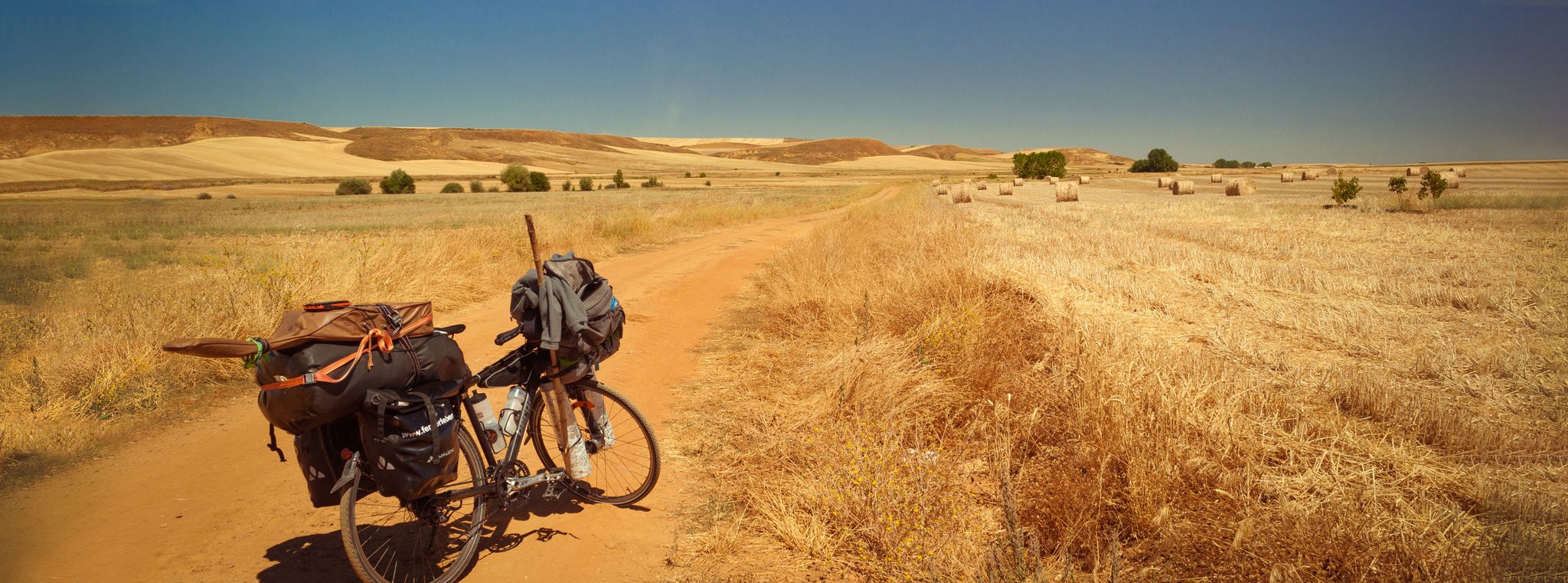
Camino Francés and Camino Finisterre – Cycling pilgrimages in Spain
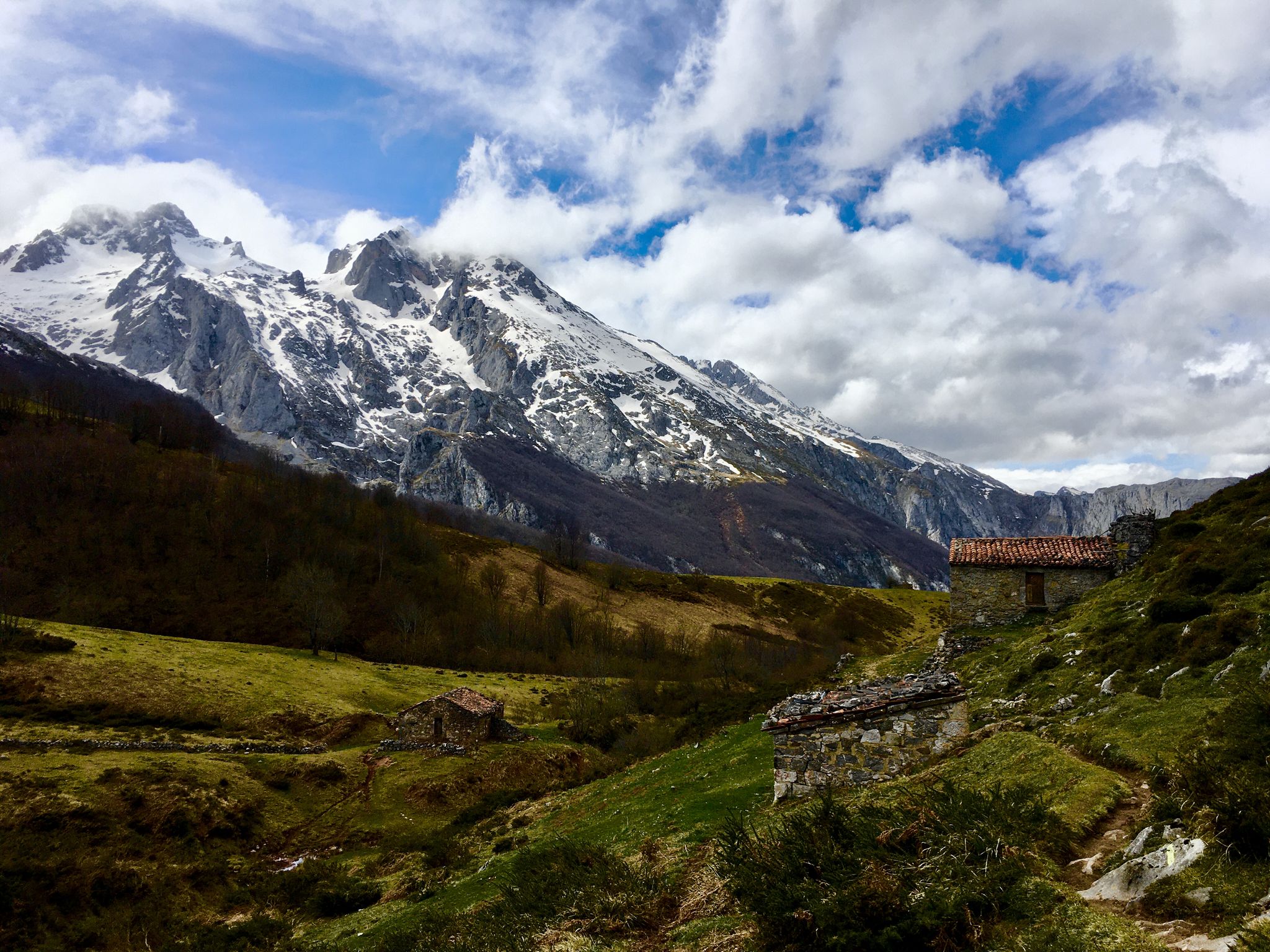
Route of the Reconquest (GR 202) – In the footsteps of an army
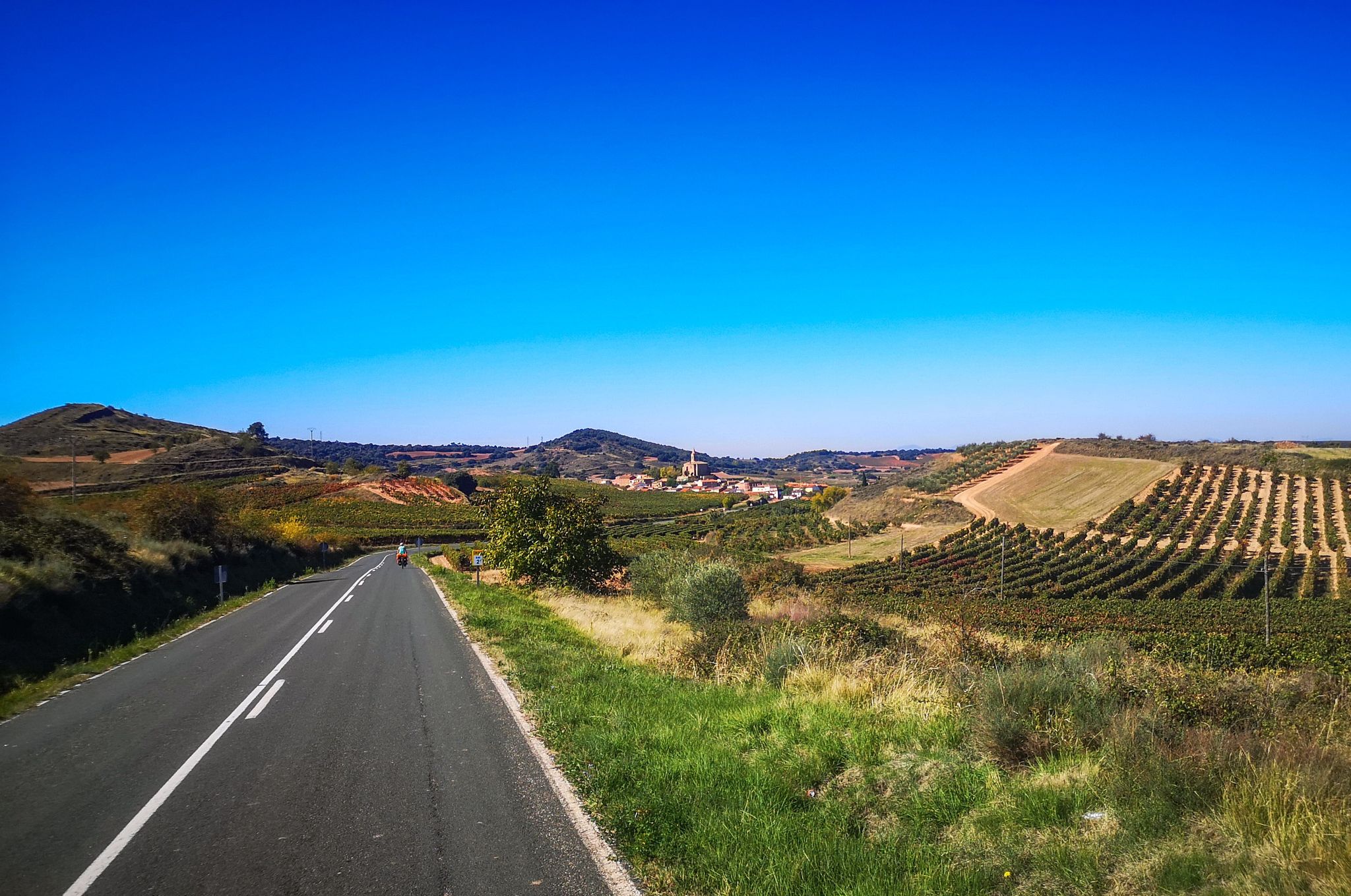
Santiago de Compostela – A journey through northern Spain (10 days)
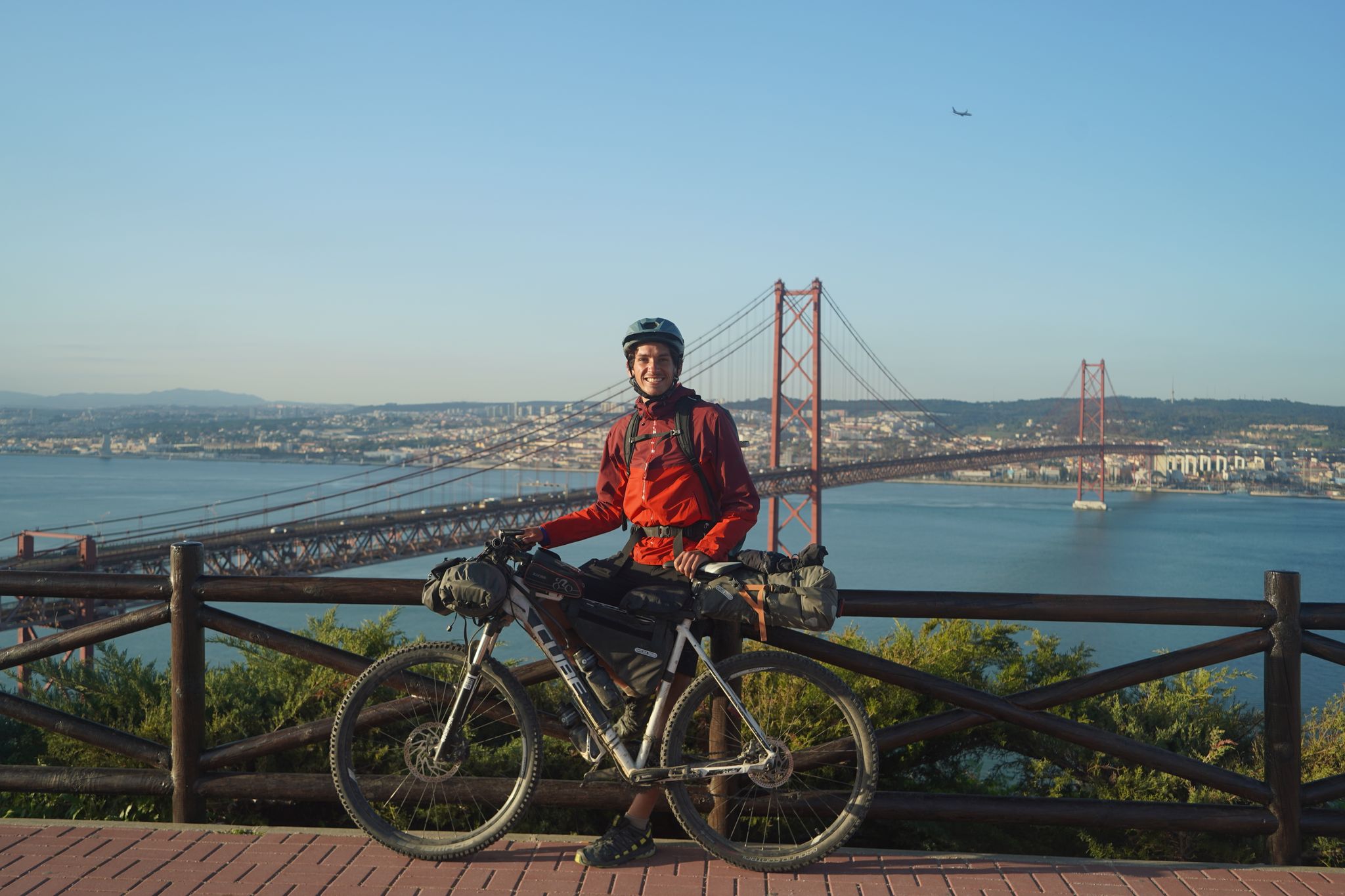
Road to Lisbon – bikepacking the Alps, Pyrenees and Picos de Europa
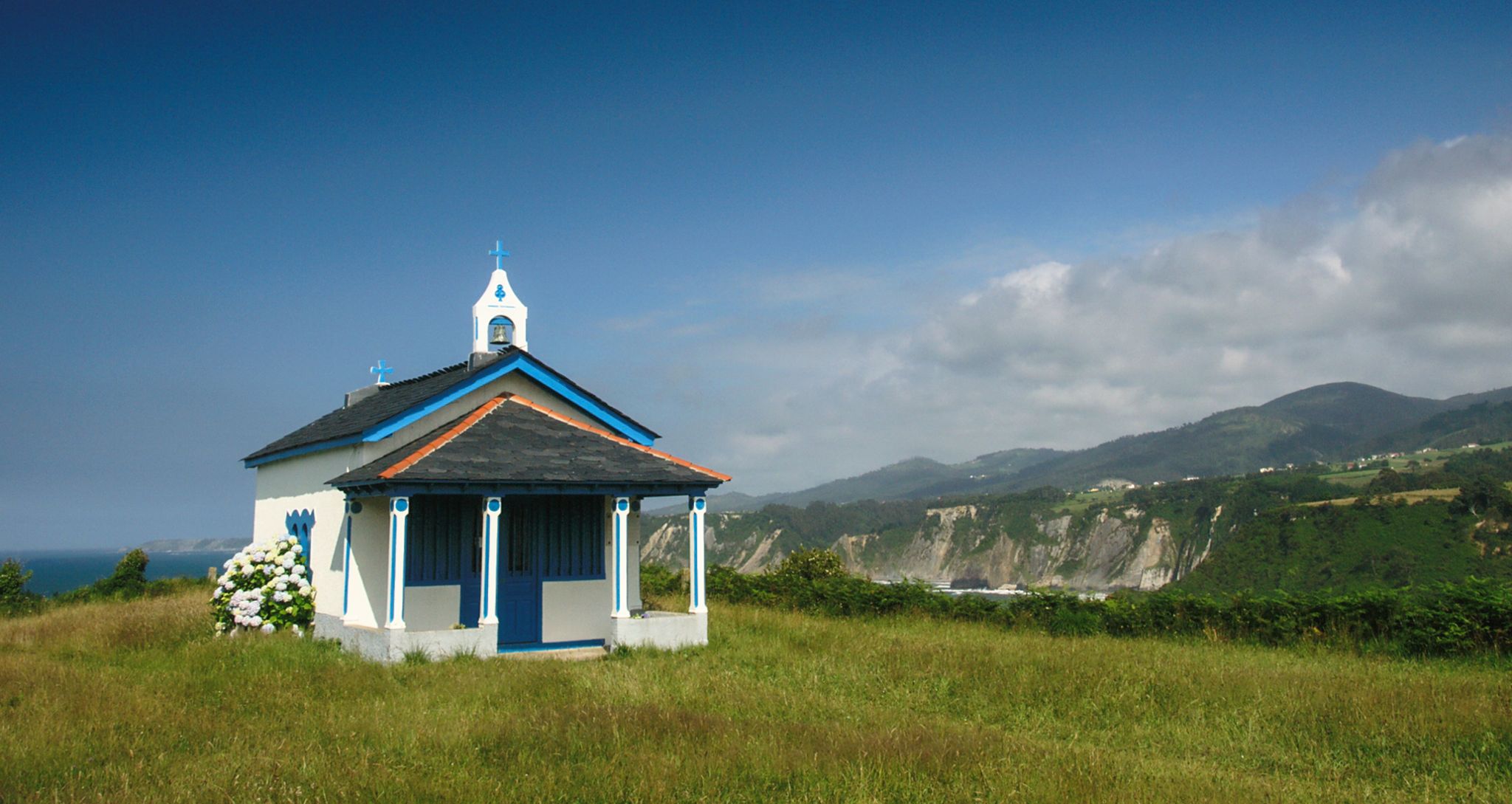
Camino del Norte – 15 stages
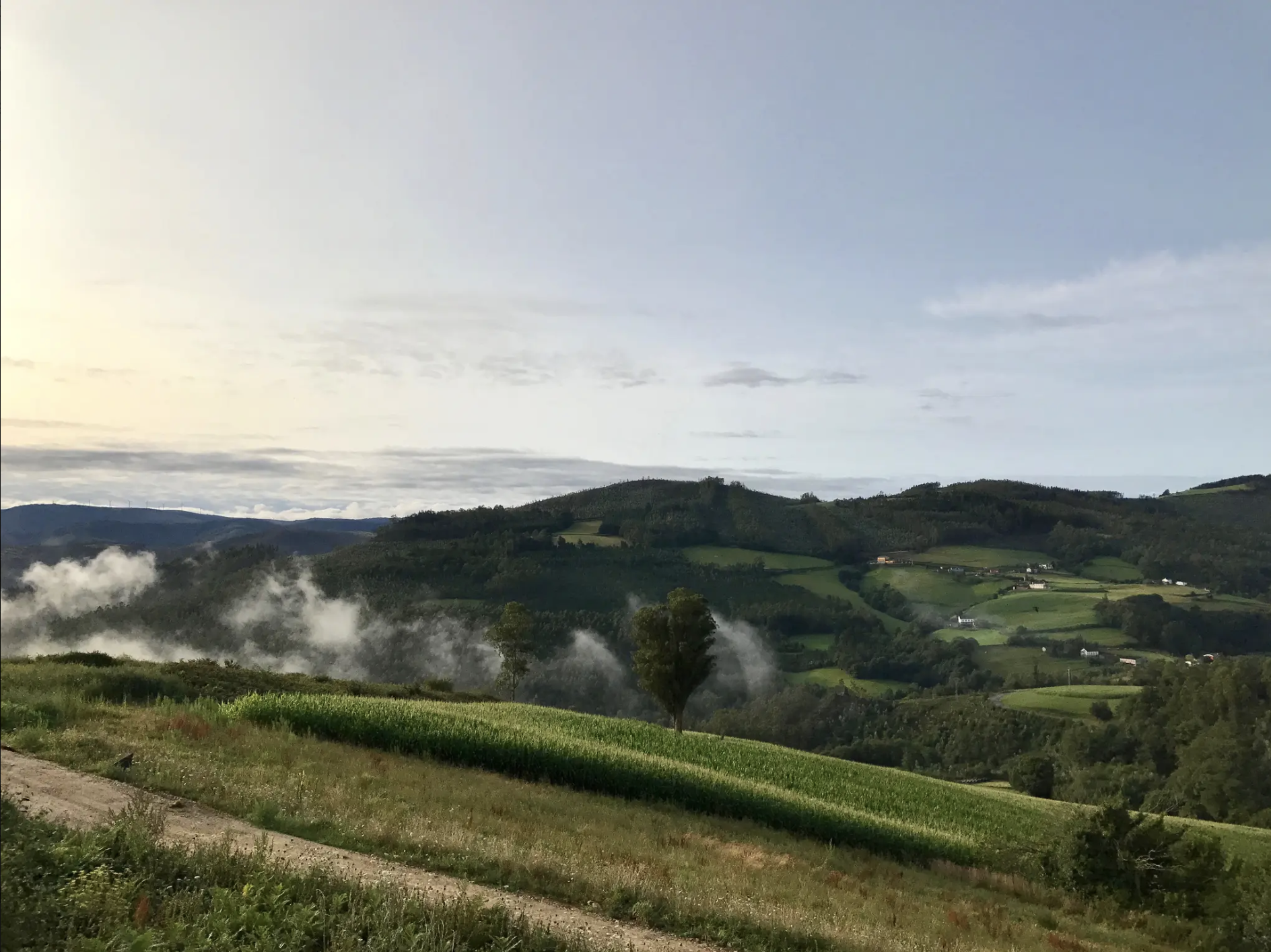
Camino del Norte (in reverse) – Discovering northern Spain's stunning coastline
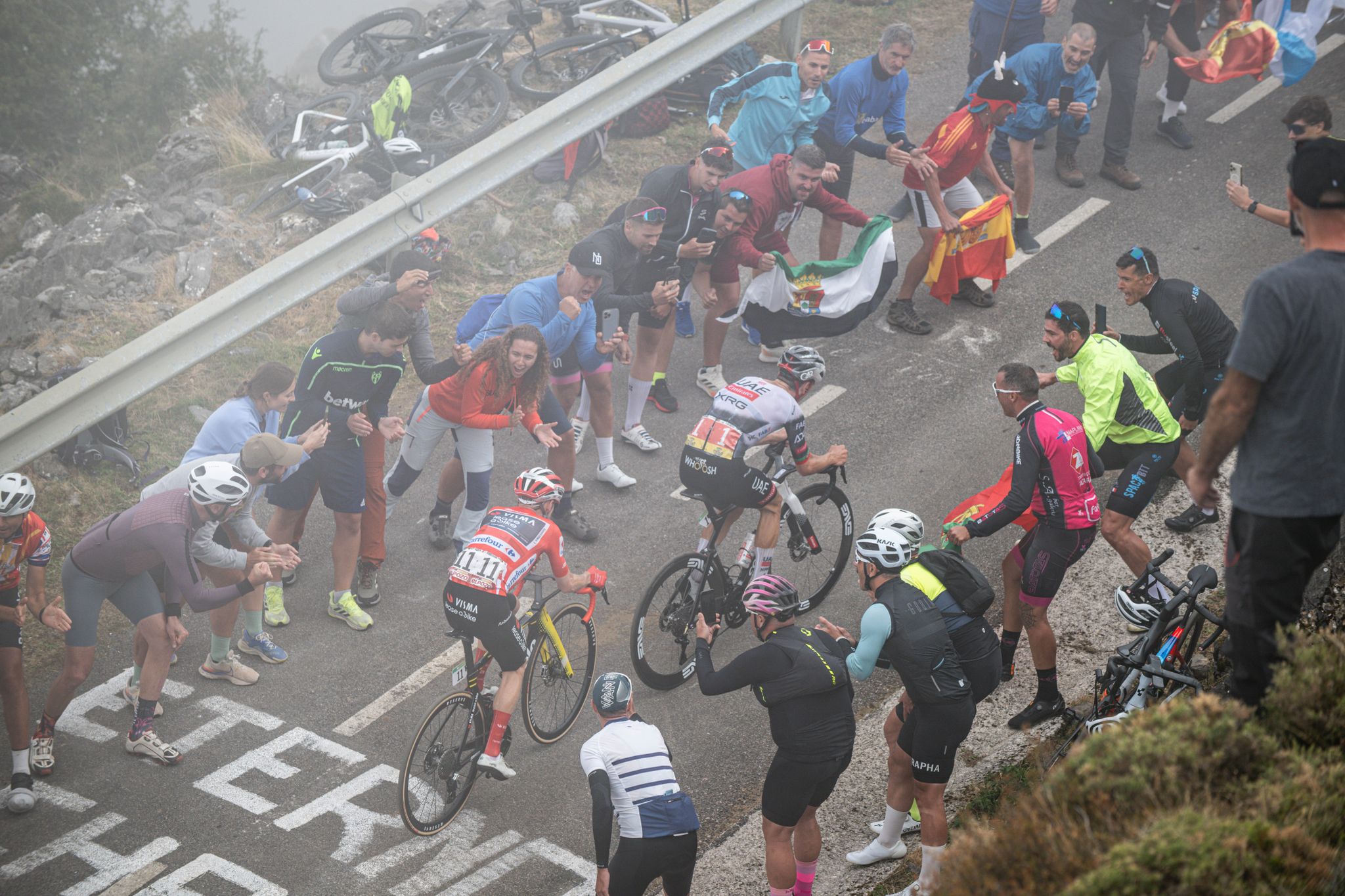
Mythical Passes and Sections of La Vuelta
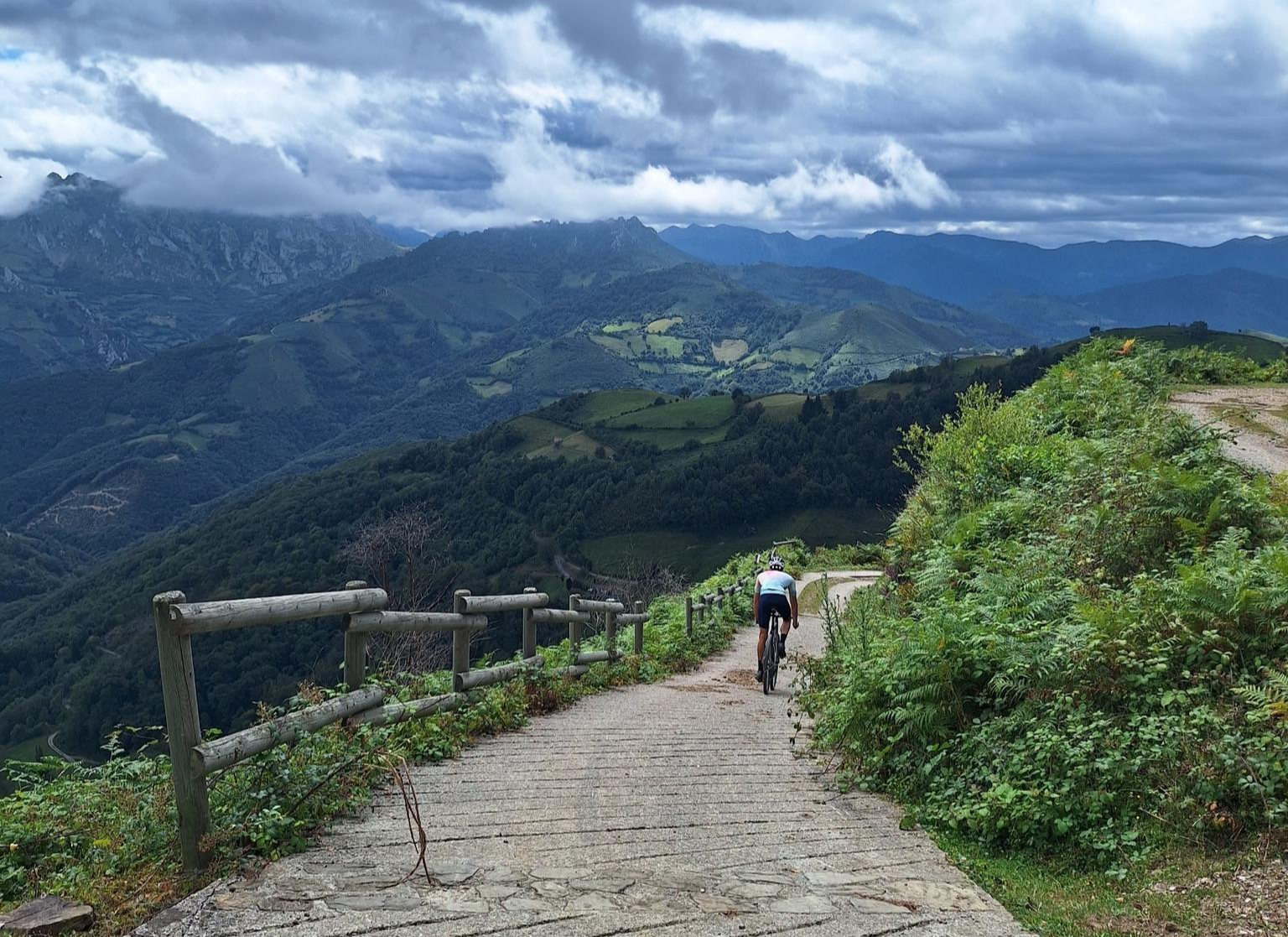
Central Mountain Cycling Ring GR 208 - Tour of the Asturian Mountains
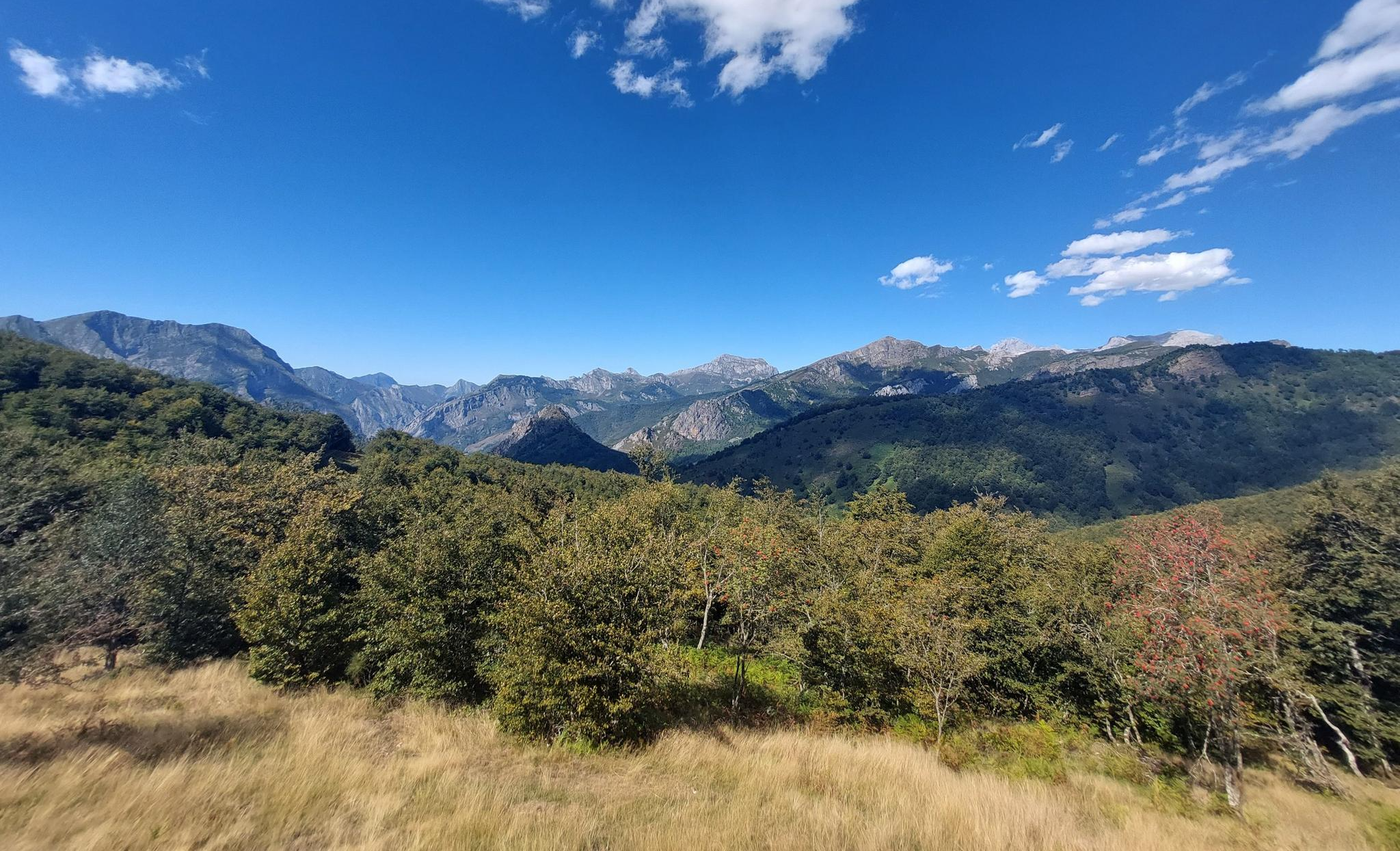
Senda del Arcediano (GR 210) - A historical hike through the Picos del Picos
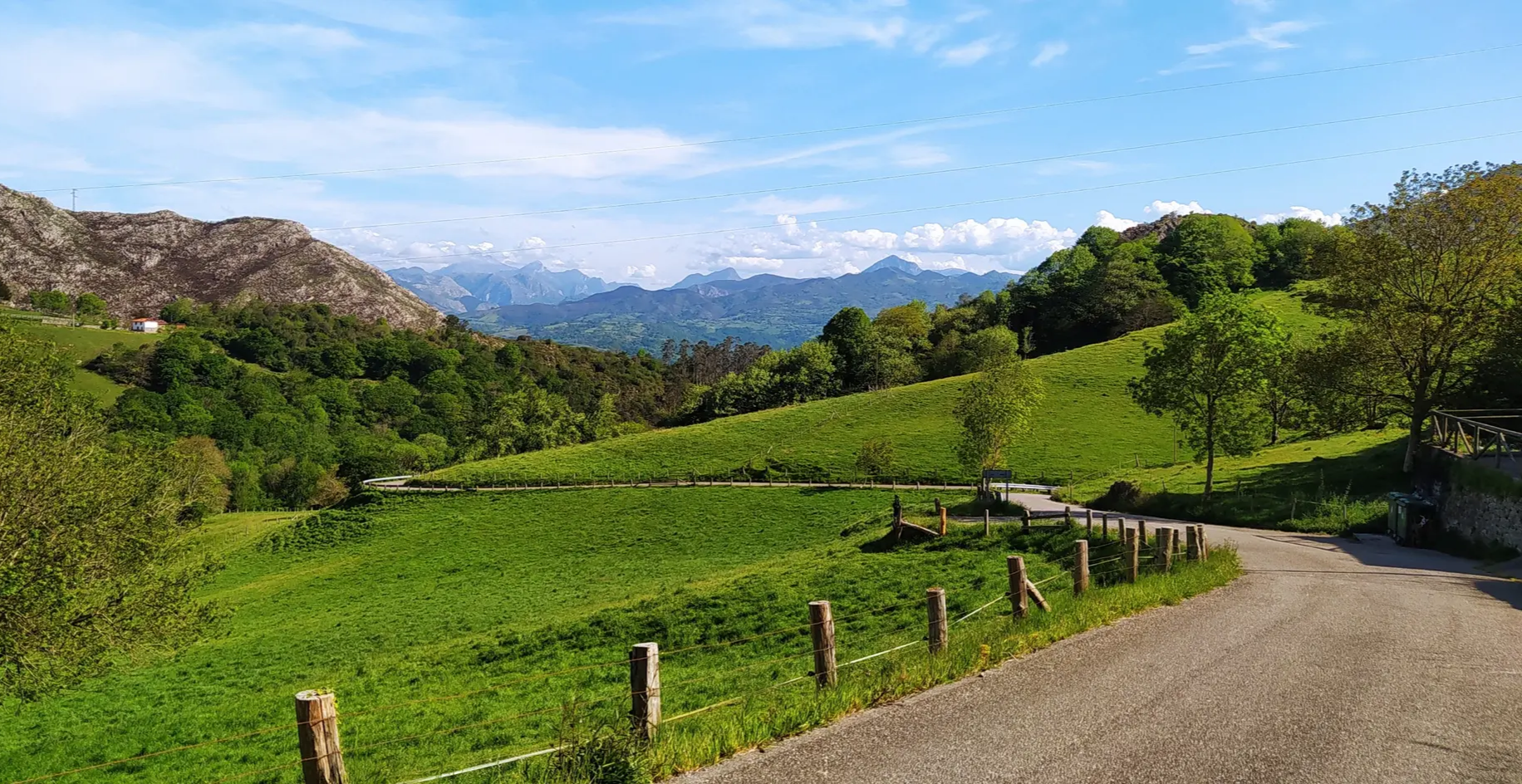
Great mountain passes of Picos de Europa on road bikes
Other adventures in the Cantabrian Mountains


Tips from the Community

The food is very good, and the people who run it are very attentive. I recommend contacting them via WhatsApp to make a reservation.
0
0

The start of the Valdeón Via Ferrata is located on the outskirts of the village of Cordiñanes de Valdeón, in the Valdeón Valley, within the Picos de Europa National Park.
4
0
The Mirador del Tombo is one of the most impressive views in the Valdeón Valley, in the Picos de Europa. Located very close to the village of Cordiñanes de Valdeón, it offers spectacular views of the Cares Gorge and the Central Massif of the Picos de Europa.
4
0
Cordiñanes de Valdeón is a small mountain village located in the Valdeón Valley, within the Picos de Europa National Park, in the province of León. Although less well-known than Caín or Posada de Valdeón, it offers access to spectacular trails and high-mountain landscapes.
4
0

An easy peak for beginners in the Picos de Europa. Excellent views and a spectacular drop into the Vega de Liordes.
2
0

Great place for an overnight stay. A fantastic view of the sunset (just a few meters from the hut)!
0
0
Since there are a lot of cars parked at the cable car, it is recommended to take the bus or a taxi (10 €) from Arenas to Poncebo.
3
0

Frequently Asked Questions
How many mountaineering routes can I find in the Cantabrian Mountains?
The Cantabrian Mountains offer a wide array of mountaineering experiences, with over 30 routes available on komoot. While most are rated as difficult, there are also a few moderate and one easy route to explore.
What do other mountaineers enjoy most about the routes in the Cantabrian Mountains?
The routes in the Cantabrian Mountains are highly rated by the komoot community, with an average score of 4.7 stars from over 50 reviews. Mountaineers often praise the dramatic limestone formations, the extensive vistas across areas like the Picos de Europa, and the challenging ascents that define the region's unique character.
Are there any beginner-friendly mountaineering routes in the Cantabrian Mountains?
While the Cantabrian Mountains are known for their challenging terrain, there is one route specifically rated as easy, and eight routes rated as moderate. These can be a good starting point for those new to mountaineering in the region, allowing you to experience the stunning landscapes without tackling the most demanding ascents immediately.
What are some of the most challenging mountaineering routes in the Cantabrian Mountains?
For experienced mountaineers seeking a significant challenge, the Cantabrian Mountains offer numerous difficult routes. One notable option is the Picu Urriellu – Collado Valleju loop from Estaciòn inferior Poncebos (Funicular de Bulnes), a demanding 22.4 km (13.9 mi) route with over 1,700 meters of elevation gain, offering an intense experience in the heart of the Picos de Europa.
Are there any circular mountaineering routes in the Cantabrian Mountains?
Yes, many of the mountaineering routes in the Cantabrian Mountains are designed as loops, allowing you to start and finish at the same point. For example, the Viewpoint – Horcados Rojos loop from Fuente Dé is a popular circular option, providing panoramic views of the rugged terrain.
What kind of natural features and attractions can I see along the mountaineering routes?
The Cantabrian Mountains are rich in natural beauty. Along the routes, you can encounter dramatic limestone gorges like those found on the Ruta del Cares, stunning viewpoints such as El Cable Viewpoint, and beautiful glacial lakes like Lake Ercina and Lago Enol, particularly within the Picos de Europa National Park.
Is it possible to access the higher mountain areas easily?
Yes, for easier access to higher elevations and panoramic views, especially in the Picos de Europa, you can utilize the Fuente Dé Cable Car. This provides a spectacular ascent to around 1,823 meters, opening up access to various mountaineering routes and high-altitude trails.
What is the best time of year for mountaineering in the Cantabrian Mountains?
The Cantabrian Mountains offer comfortable climbing and mountaineering conditions even during the summer months, unlike some other regions that can become too hot. Spring and autumn also provide excellent weather, with vibrant flora and fauna. Winter mountaineering is possible but requires specific equipment and experience due to snow and ice.
Are there any routes that offer views of significant landmarks or bodies of water?
Absolutely. Many routes provide breathtaking views. For instance, the View of Embalse de Riaño loop from Riaño offers stunning vistas of the Embalse de Riaño, a large reservoir nestled within the mountainous landscape. Other routes, particularly in the Picos de Europa, provide extensive views of the iconic jagged peaks.
Can I spot wildlife while mountaineering in the Cantabrian Mountains?
The Cantabrian Mountains are home to diverse ecosystems and a rich array of wildlife. While mountaineering, you might be lucky enough to spot chamois, red deer, and various bird species. The region is also known for supporting larger mammals like wolves and brown bears, though sightings are rare. The varied landscapes, from forests to high meadows, provide habitats for many species.
Are there any routes that pass through traditional villages or cultural landscapes?
Yes, some routes offer glimpses into the region's unique cultural heritage. For example, the Bulnes Village loop from Estaciòn inferior Poncebos (Funicular de Bulnes) takes you through areas where you can observe traditional stone houses and elevated granaries (hórreos), reflecting centuries of mountain living and local traditions.
Are permits required for mountaineering in the Cantabrian Mountains?
While many areas are freely accessible, some specific zones within protected areas like the Picos de Europa National Park or other Natural Parks might require permits for certain activities, especially for climbing specific peaks or accessing sensitive areas. It's always advisable to check with the local park authorities for the most up-to-date regulations before planning your trip.
Most popular routes in the Cantabrian Mountains
Most popular attractions in the Cantabrian Mountains

Get inspired with the komoot mobile app


Explore more
Browse the best Mountain Hikes & Routes in other regions.
