Top 10 Caves in L'Aquila
Best caves in L'Aquila are found within a region characterized by its diverse karst phenomena, including extensive underground systems and active resurgence caves. The area, nestled within national and regional parks like Gran Sasso and Monti della Laga and Sirente-Velino, offers a variety of geological formations. These natural features provide insights into both geological processes and historical human presence. The caves in L'Aquila are notable landmarks for their unique natural characteristics and archaeological significance.
Best caves in L'Aquila
- The most popular caves is San Benedetto Cave, a cave that has a width of 20 meters. From this location, there are views of Monte Cafornia and the Conca del Fucino.
- Another must-see spot is Fairy Cave, a cave where pure and transparent water flows, forming the Fondillo stream. This cavity is known for the sound of its waters.
- Visitors also love Stiffe Waterfall, an exciting grotto that can be visited as part of a guided tour. Inside, the temperature is consistently 10 degrees Celsius, and it features impressive stalactites and stalagmites.
- L'Aquila is known for its active resurgence caves, historical caves, and those with significant archaeological findings. The region offers a variety of caves to see and explore, from those with underground rivers and waterfalls to those revealing ancient human activity.
- The caves in L'Aquila are appreciated by the komoot community, with 21 upvotes and 14 photos shared by users.
Last updated: August 21, 2026
Gorges of San Venanzio
Highlight • Gorge
Translated by Google •
Tip by

Hermitage of San Michele Arcangelo of Pescocostanzo
Highlight • Religious Site
Translated by Google •
Tip by
Sign up now to discover places like this
Get recommendations on the best single tracks, peaks, & plenty of other exciting outdoor places.
Sign up for free
Pozzo Caldaio
Highlight • Natural Monument
Tip by

San Benedetto Cave
Highlight • Cave
Tip by

Stiffe Waterfall
Highlight • Waterfall
More information is available at visitsandemetrio.it/place/grotte-di-stiffe.
Translated by Google •
Tip by

Fairy Cave
Highlight • Cave
Translated by Google •
Tip by

Grotta a Male
Highlight • Cave
Translated by Google •
Tip by

Hermitage of San Domenico
Highlight • Religious Site
The path is easy and suitable for families. It starts from the village of Villalago to reach the Lake of San Domenico and then the Hermitage.
A few steps from the hermitage is the characteristic bridge over the lake, a suggestive passage suspended over intensely colored waters, from which you can enjoy an excellent unique view of the Lake of San Domenico and the surrounding valley.
Showing Translation
Tip by

San Michele Cave
Highlight • Cave
Translated by Google •
Tip by

Grotta di Sant'Angelo di Monte Bove
Highlight • Cave
The cave is famous for its cycle of frescoes dating back to the second half of the 13th century, created by a local artist with references to Byzantine art.
The apse arch depicts the Madonna enthroned breastfeeding the Child Jesus (known as “Virgo Lactans”), on whose sides appear Saint Lucia and Saint Margherita, while Saint Biagio and Saint Michael the Archangel close the pictorial cycle.
On the back wall is the representation of Christ Pantocrator flanked by two angels.
The cave is linked to numerous popular traditions: it is said, for example, that the Madonna left a braid of hair petrified in the rock and that resting the head in a particular hollow provides benefits against migraines.
Translated by Google •
Tip by

Sign up for free to discover even more caves in L'Aquila.
Sign up for free
Already have an account?
Start today with a free account
Your next adventure awaits.
Login or Signup
Popular around L'Aquila
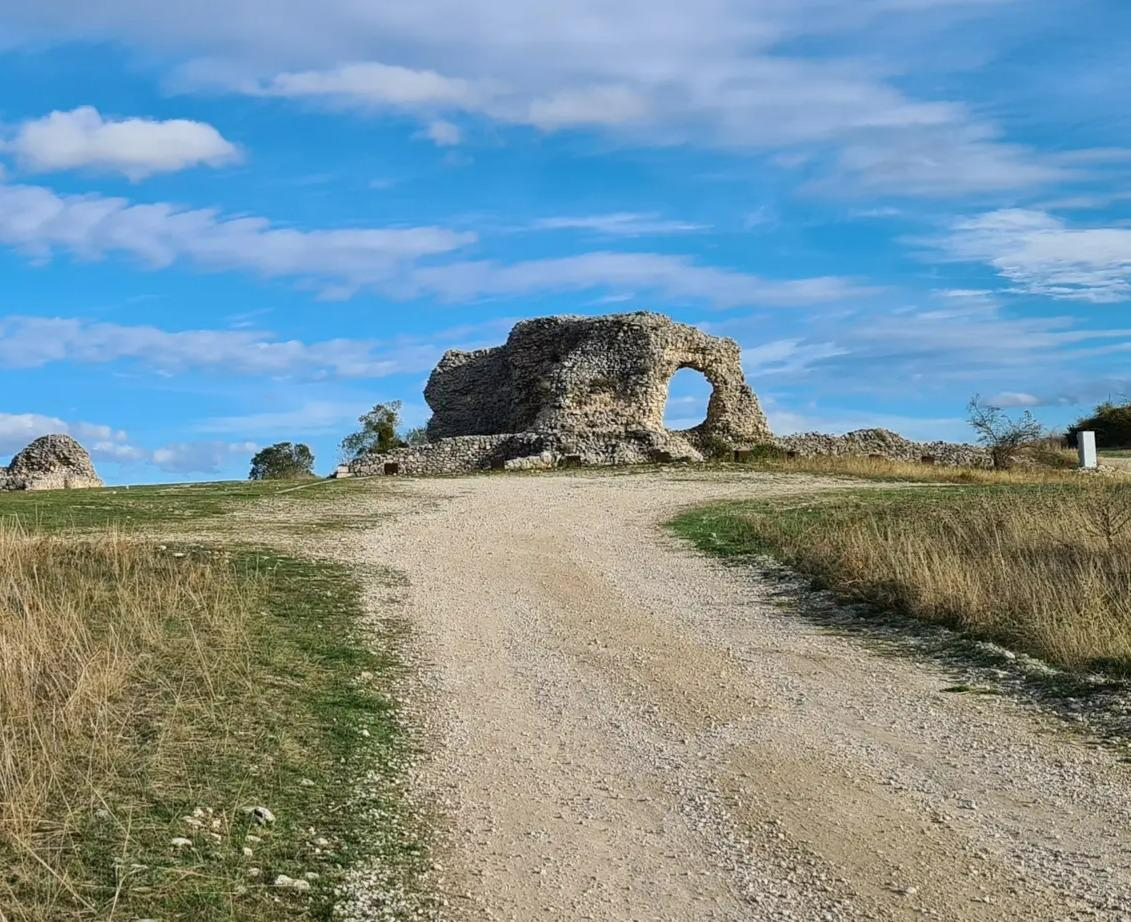
Tratturo Magno – On the roads of transhumance
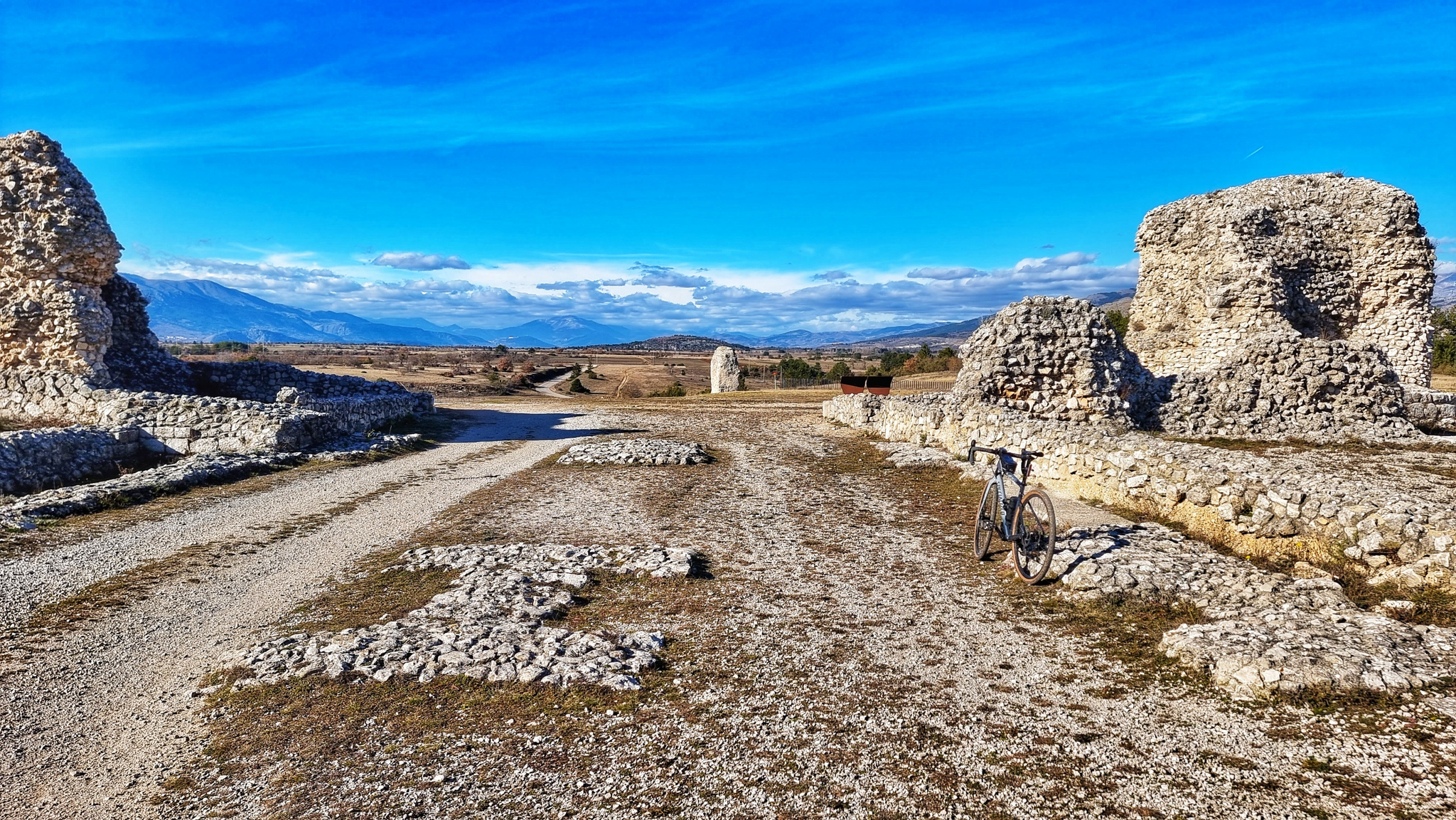
The Tratturo Magno – From the Apennines to the TavoIiere, 300 kilometers
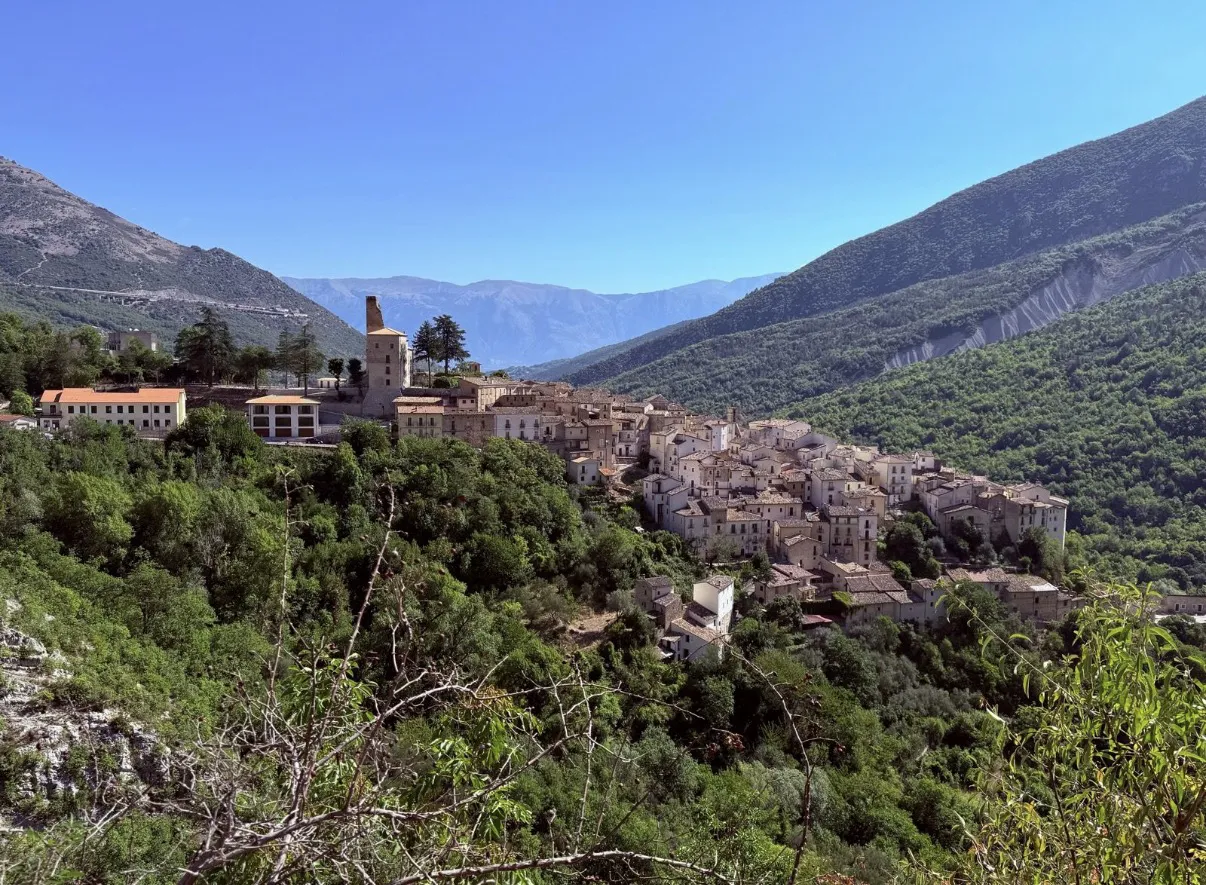
Cycling in Abruzzo – among villages, history and nature
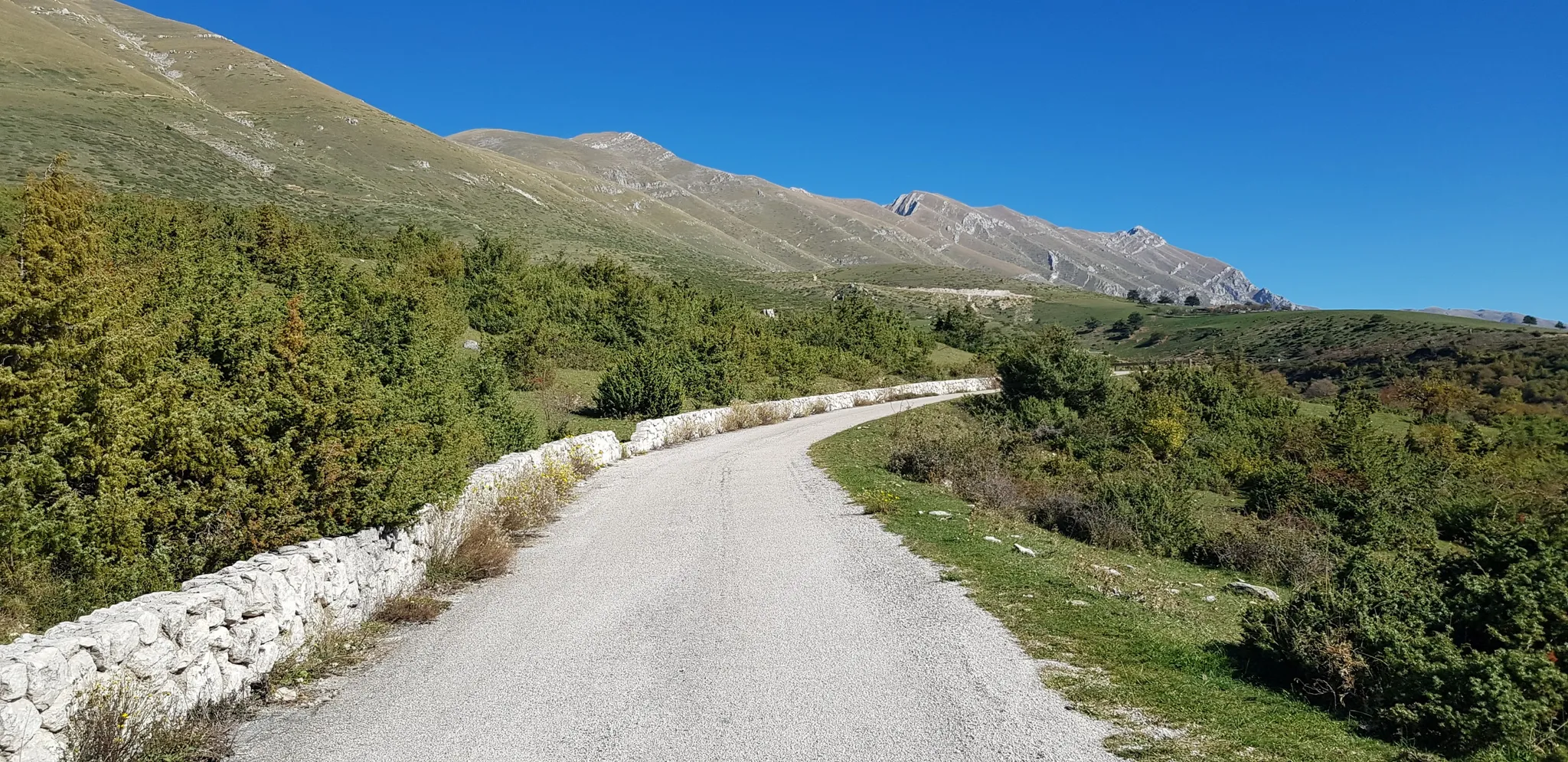
The Apennine Cycleway (Part 2) - From Umbria to Calabria
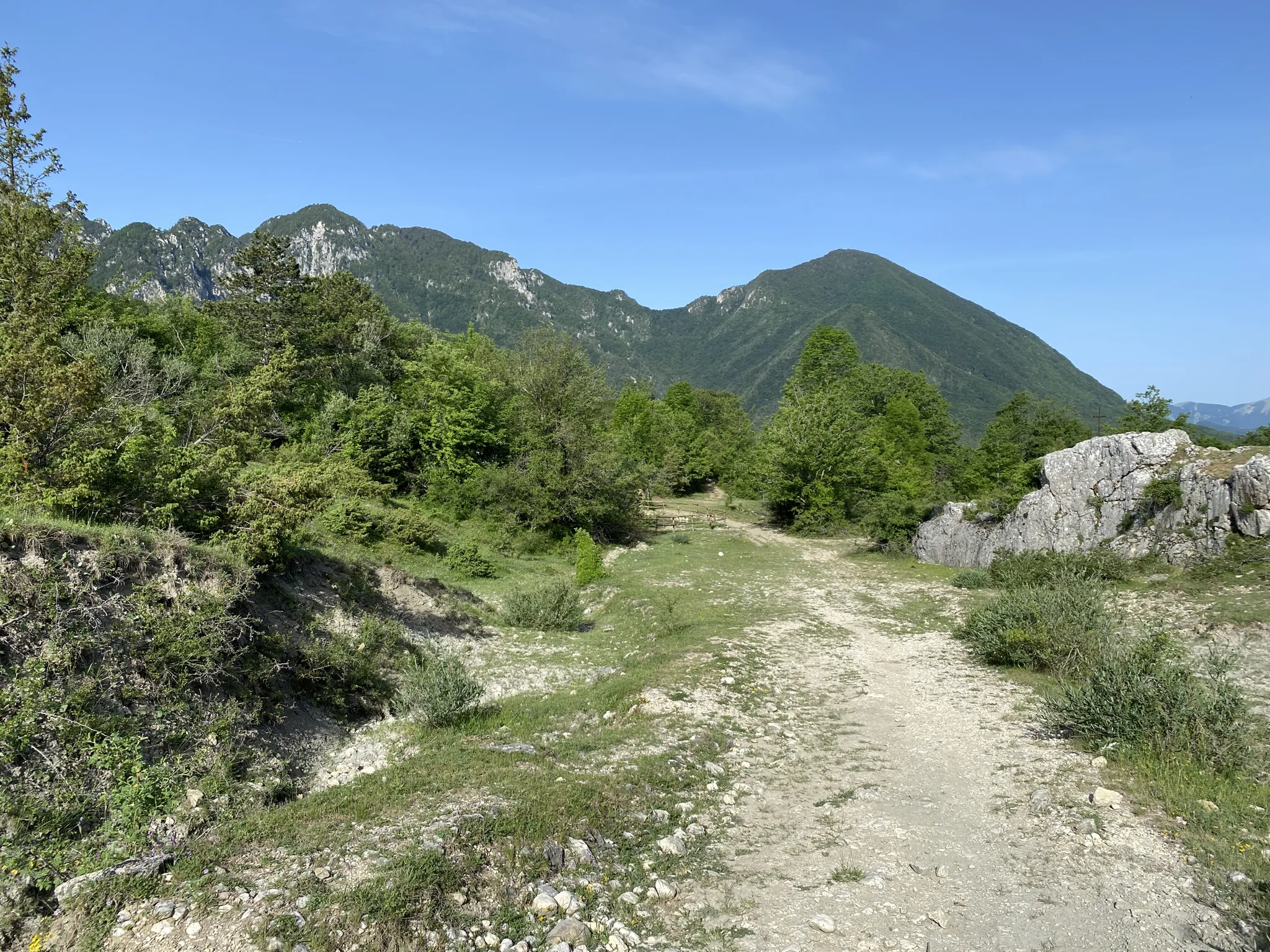
Hike along shepherds tracks in Italy – Via del Tratturo
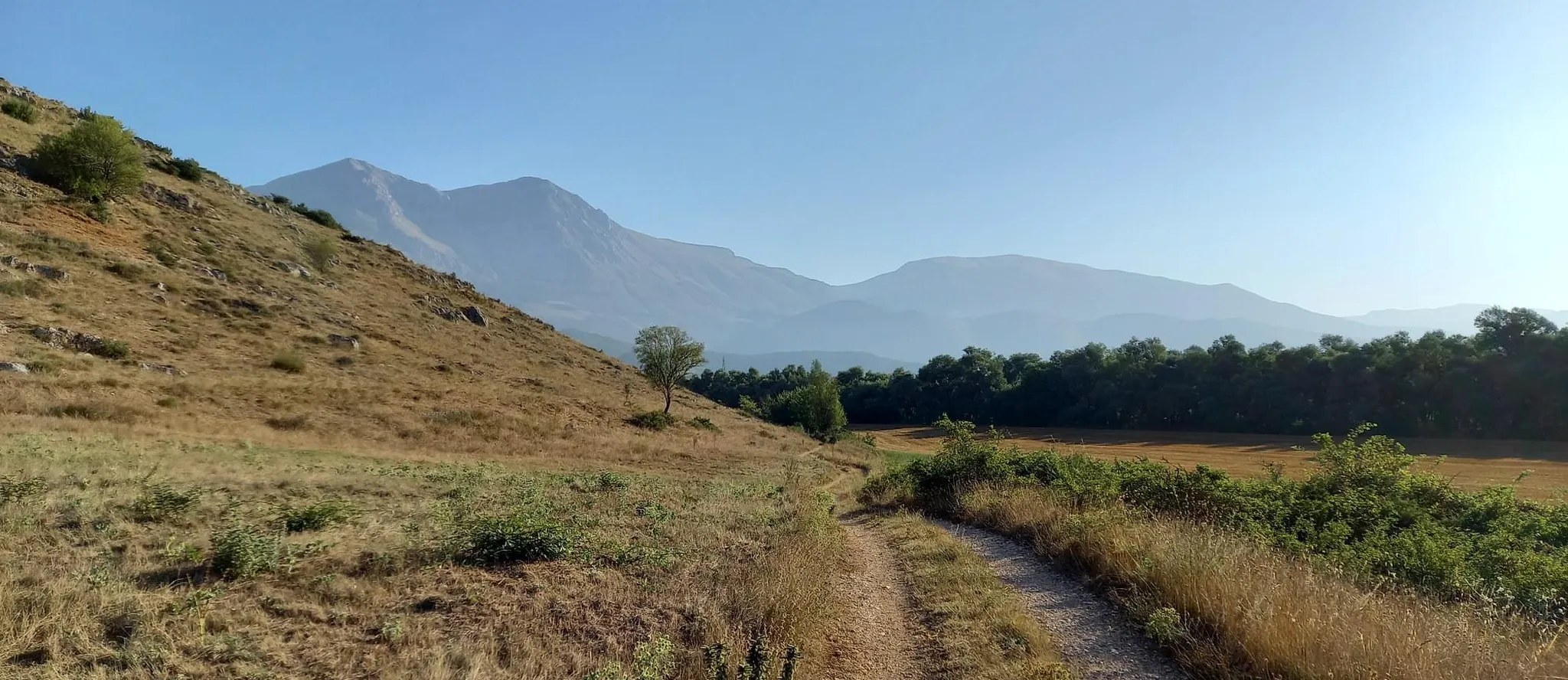
Hike from Rome to the Adriatic Sea – Way of St. Thomas
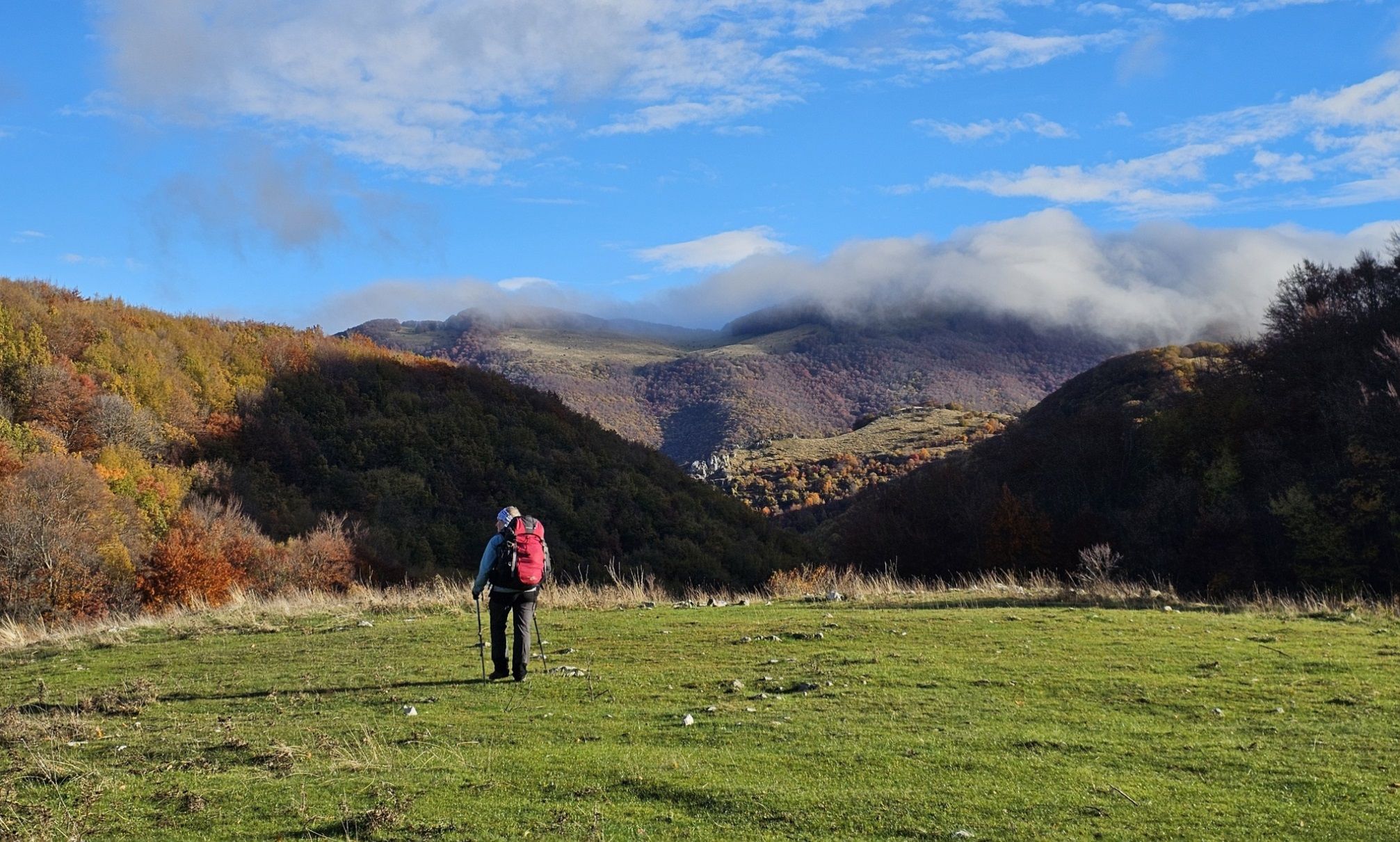
A colourful journey – hike in the Simbruini Mountains
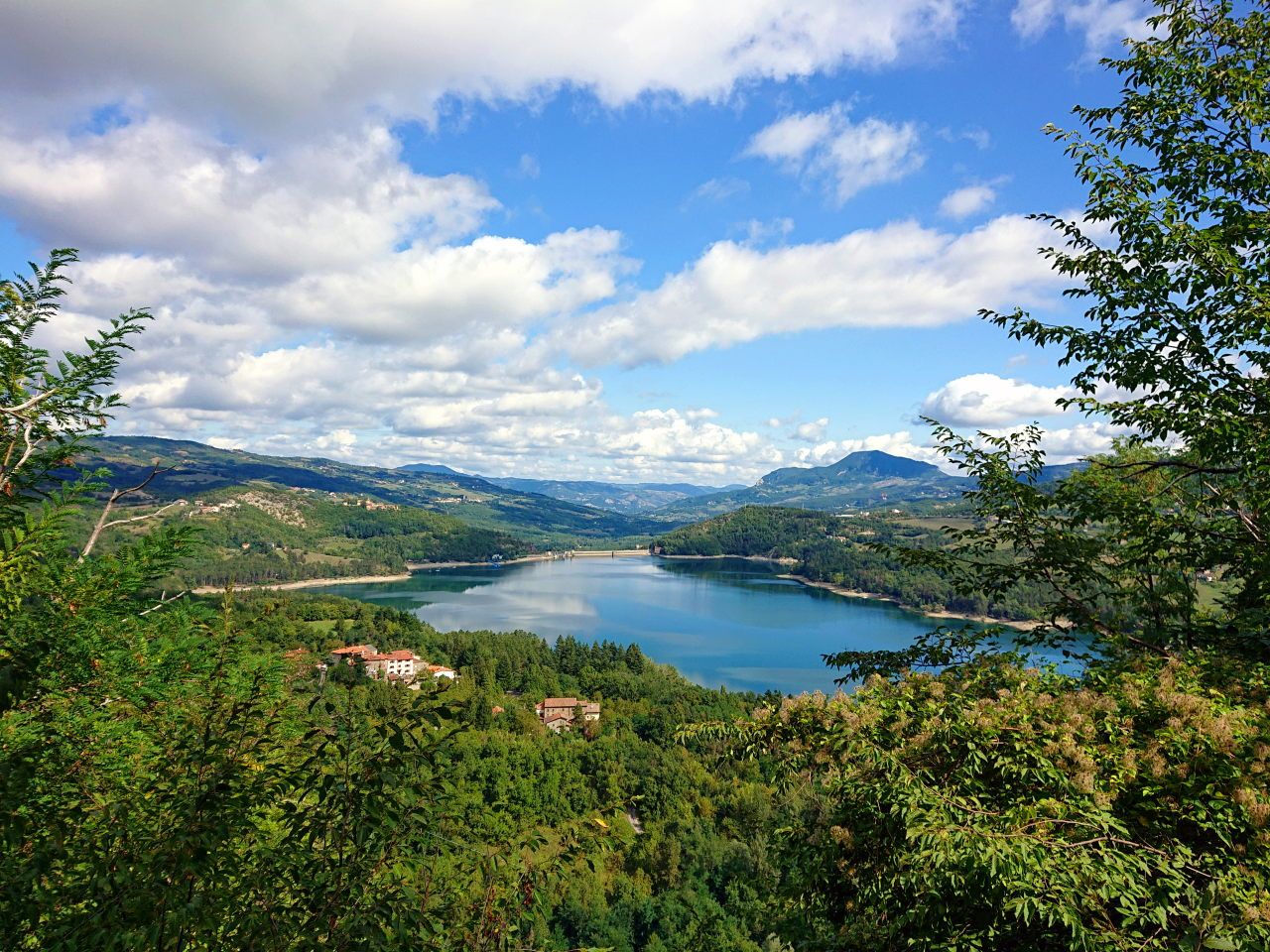
Interiora - A Journey into the Remote Areas of Italy
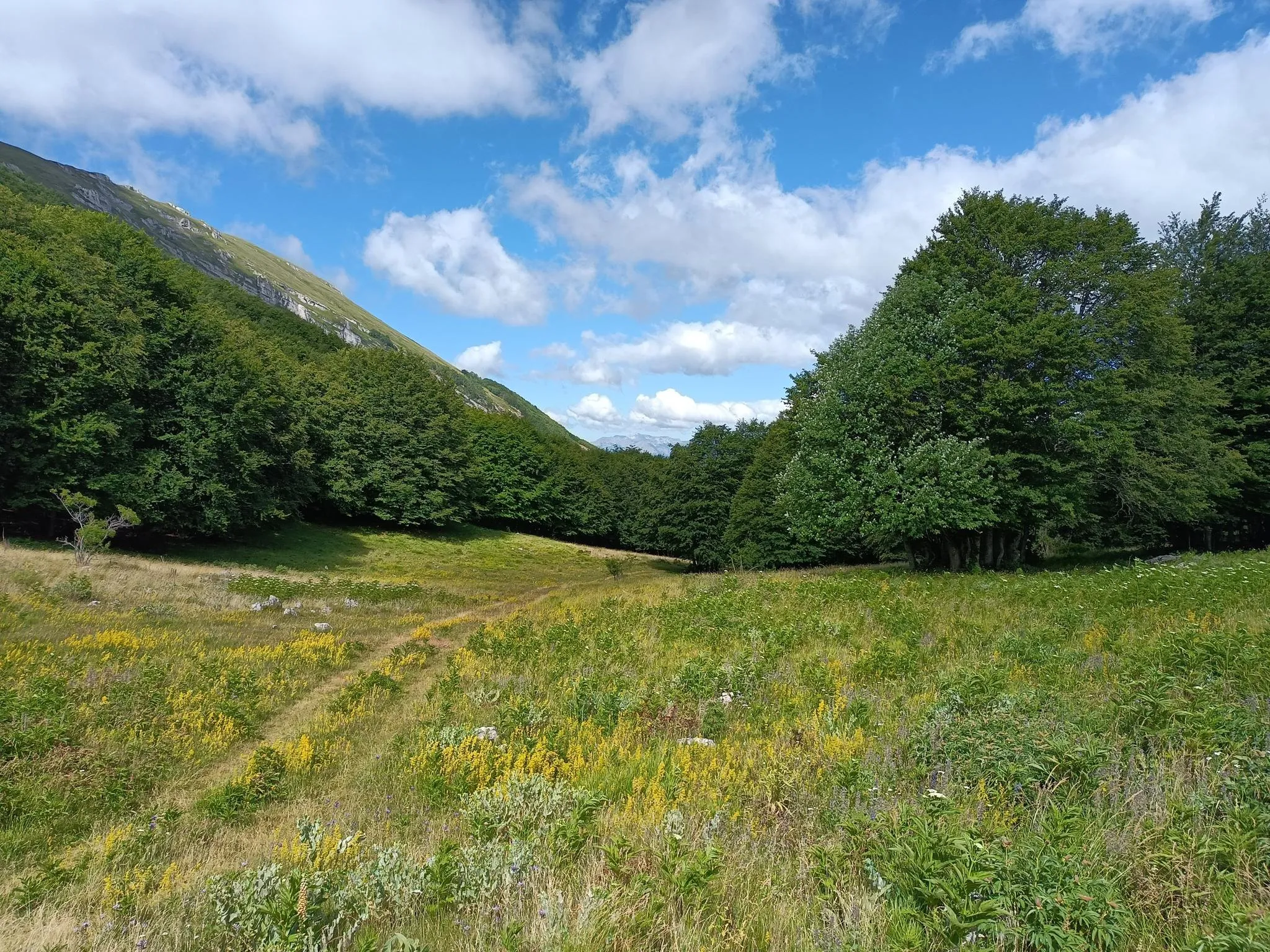
Natural Park Walk – part 4 from Accumoli to L'Aquila
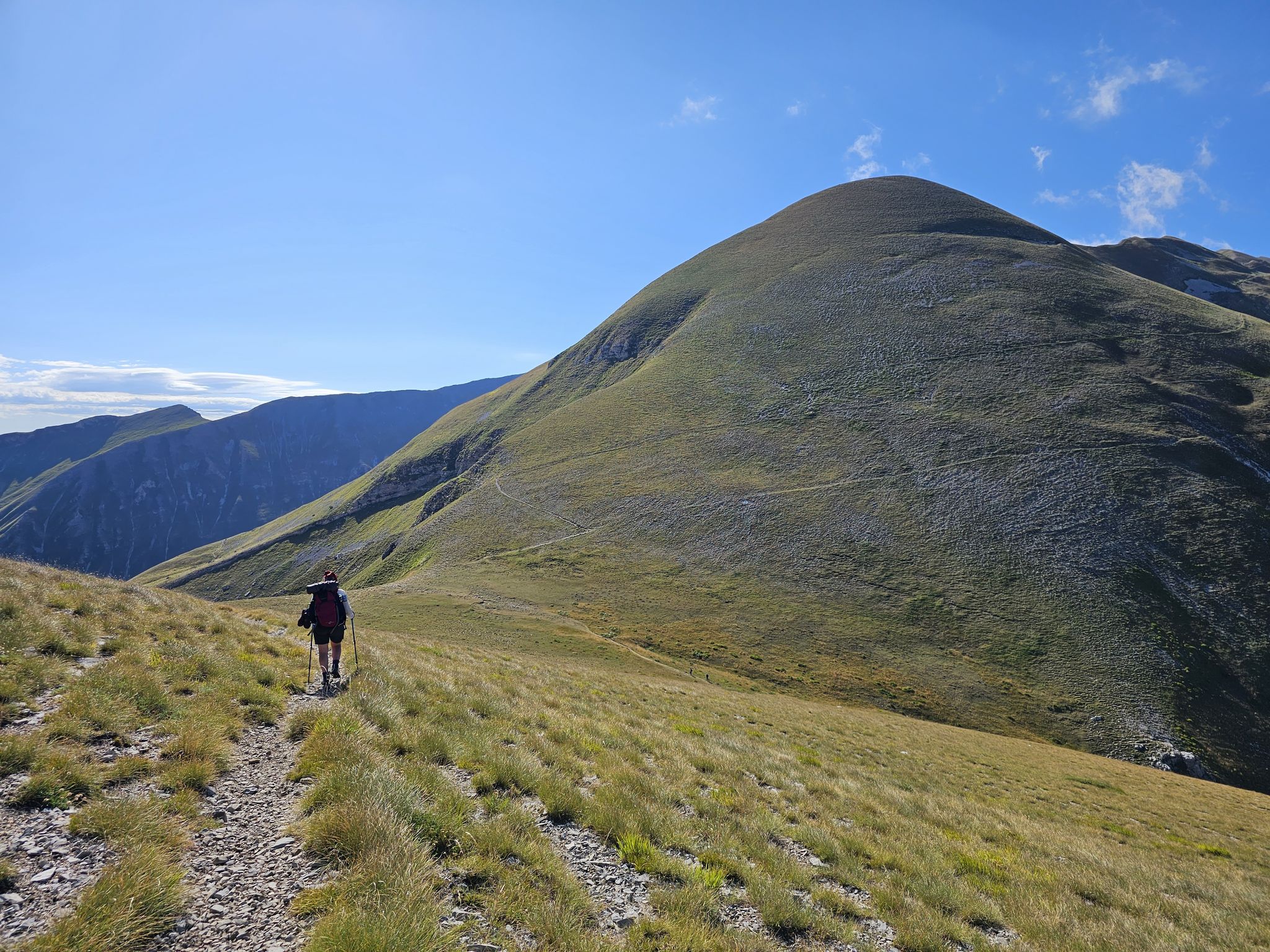
The Sibillini Mountains to Gran Sasso – the Great Apennine Crossing
Other adventures in L'Aquila


Tips from the Community

inside the hermitage of San Domenico
0
0

According to local tradition, the hermitage was dug by Saint Dominic, around the year 1000, in a bank made of sandstone, travertine, clay, and graphite. The hermitage is part of the monastic complex of Prato di Cordoso, known by devotees as the "Monastery of Plataneto". Entering the sanctuary, at the bottom on the left of the tabernacle, you will find a door that will lead you to a cave where the Saint used to go to rest. The path is easy and suitable for families. It starts from the village of Villalago to reach the Lake of San Domenico and then the Hermitage. A few steps from the hermitage is the characteristic bridge over the lake, a suggestive passage suspended over intensely colored waters, from which you can enjoy an excellent unique view of the Lake of San Domenico and the surrounding valley.
1
0

According to tradition, the cult dates back to the 12th century and is linked to the figure of Berardo dei Marsi, a local saint who went to pray in the cave. The cave is famous for its cycle of frescoes dating back to the second half of the 13th century, created by a local artist with references to Byzantine art. The apse arch depicts the Madonna enthroned breastfeeding the Child Jesus (known as “Virgo Lactans”), on whose sides appear Saint Lucia and Saint Margherita, while Saint Biagio and Saint Michael the Archangel close the pictorial cycle. On the back wall is the representation of Christ Pantocrator flanked by two angels. The cave is linked to numerous popular traditions: it is said, for example, that the Madonna left a braid of hair petrified in the rock and that resting the head in a particular hollow provides benefits against migraines.
0
0

Short via ferrata but not suitable for those who suffer from vertigo. Important to do it one at a time so as not to unbalance the other.
0
0
Important equipment and technical clothing. Short via ferrata but not suitable for those who suffer from vertigo.
0
0

It is a wonderful place located a few steps from the Roccacasale Tower, the view is beautiful
0
0
The cave is located just before the Torre di Roccacasale, it is worth a visit and can be reached by a wonderful "singletrack"
0
0

The gorge becomes less bad just after the Hermitage of San Venanzio, the Aterno river flows calmly.
0
0
Frequently Asked Questions
What kind of natural features can I expect to see in L'Aquila's caves?
The caves in L'Aquila offer a variety of natural wonders. You can expect to see impressive stalactites and stalagmites, underground rivers, and even spectacular waterfalls, particularly in active resurgence caves like the Grotte di Stiffe. Some caves also feature deep underground lakes and unique rock formations sculpted by water over millennia.
Are there any caves with significant historical or archaeological importance in L'Aquila?
Yes, several caves in the L'Aquila region hold significant historical and archaeological value. For instance, Grotta a Male is historically important as the first cavity explored speleologically in Italy in 1573, with archaeological findings from the Neolithic to the Bronze Ages. The Grotte di Pietrasecca, particularly Grotta del Cervo, have yielded Roman coins and fossilized remains of Pleistocene species, indicating human and animal presence from prehistory to the Roman age.
What makes the Grotte di Stiffe unique?
The Grotte di Stiffe are almost unique in Italy as an 'active resurgence' cave, meaning an underground river flows through it, creating spectacular rapids and waterfalls. The guided tour highlights features like the 'Waterfall Hall' with a thunderous 20-meter waterfall and the 'Black Lake'. The constant presence of water sculpts the rock into ever-changing formations, offering a rare natural experience.
What are the characteristics of Grotta a Male?
Grotta a Male is the most extensive known cave in the Gran Sasso massif, stretching for about 480-500 meters. It features an equipped and illuminated path, though it can be challenging. Inside, you'll find various chambers like the Sala del Tronco, Sala dell'Organo, and Sala dei Colossi, along with lakes and an active spring. The internal temperature is around 12°C with high humidity.
What can I expect when visiting the Grotte di Pietrasecca?
The Grotte di Pietrasecca Natural Reserve hosts two spectacular caves: Grotta dell'Ovito and Grotta del Cervo. Grotta dell'Ovito features a long gallery leading to a lake and chambers like the Sala dei Tre Archi, also home to a bat community. Grotta del Cervo is known for its extraordinary white concretions and significant archaeological and paleontological findings, including Roman artifacts and Pleistocene fossils.
Are there family-friendly caves in L'Aquila?
Yes, the Grotte di Stiffe offer a guided tourist route that is generally suitable for families, providing an accessible way to experience an active resurgence cave with impressive waterfalls. Additionally, the Hermitage of San Michele Arcangelo of Pescocostanzo, which includes a cave, is categorized as family-friendly.
How difficult are the caves to explore in L'Aquila?
The difficulty varies. Tourist caves like the Grotte di Stiffe offer guided, accessible paths. However, some caves, such as Grotta a Male and San Benedetto Cave, are described as challenging and may require specific equipment or be more suitable for experienced groups due to tortuous paths or via ferrata sections.
What is the best time of year to visit the caves in L'Aquila?
The Grotte di Stiffe are particularly spectacular during rainy periods or in winter, when the underground river's flow is most powerful, enhancing the waterfalls. Generally, the internal temperature of caves like Grotte di Stiffe and Stiffe Waterfall remains consistently cool (around 10-12°C) year-round, making them a refreshing escape in summer and an interesting destination in cooler months.
What should I wear when visiting caves in L'Aquila?
Given the consistent cool temperatures (around 10-12°C) and high humidity inside many caves, it's advisable to wear layers of clothing, including a jacket or sweater, even in summer. Comfortable, sturdy shoes with good grip are also essential, especially for caves with uneven or wet terrain.
What other outdoor activities can I do near the caves in L'Aquila?
The L'Aquila region offers diverse outdoor activities. You can find numerous hiking opportunities, including challenging trails like Corno Grande in Gran Sasso or moderate ones like the Camosciara and Nymphs' Waterfall Trail. There are also options for gravel biking with routes of varying difficulty. For more details, explore the Hiking in L'Aquila or Gravel biking in L'Aquila guides.
Are there hiking trails near the caves?
Yes, many caves are situated within natural parks offering extensive hiking trails. For example, Grotta a Male is within the Gran Sasso and Monti della Laga National Park, and the Grotte di Stiffe are in the Sirente-Velino Regional Natural Park, both areas rich in hiking opportunities. You can find various trails, from easy to difficult, in the Hiking in L'Aquila guide.
What do visitors appreciate most about the caves in L'Aquila?
Visitors frequently appreciate the unique natural spectacle of the caves, especially the active resurgence features and powerful waterfalls found in places like the Grotte di Stiffe. The impressive stalactites and stalagmites, the cool internal temperatures, and the sense of exploring ancient, untouched natural environments are also highly valued. The historical and archaeological significance of some sites adds another layer of interest.
Most popular routes in L'Aquila
Most popular attractions in L'Aquila

Get inspired with the komoot mobile app


Didn’t find what you were looking for?
Discover more caves in L'Aquila region by region:
Explore more
Extend your search for the best caves by checking out these guides of the top ones in L'Aquila:
