Top 6 Waterfalls in Þingeyjarsveit
Best waterfalls in Þingeyjarsveit are primarily fed by the Skjálfandafljót river, which originates from the Vatnajökull glacier in North Iceland. This municipality offers a collection of waterfalls with diverse natural features. The landscape includes powerful cascades and serene flows, often set against geological formations such as basalt columns and lava fields.
Best waterfalls in Þingeyjarsveit
- The most popular waterfall is Goðafoss, a waterfall that flows over 30 meters wide horseshoe-shaped cliffs. It is divided in the middle by rocks,…
Last updated: June 27, 2026
Goðafoss
Highlight • Waterfall
Translated by Google •
Tip by

Goðafoss Waterfall
Highlight • Waterfall
Translated by Google •
Tip by

Sign up now to discover places like this
Get recommendations on the best single tracks, peaks, & plenty of other exciting outdoor places.
Sign up for free
Aldeyjarfoss Waterfall
Highlight • Waterfall
Translated by Google •
Tip by

Goðafoss Waterfall Photo Point
Highlight • Waterfall
Translated by Google •
Tip by
Skjálfandafljót
Highlight • River
Translated by Google •
Tip by
View of Geitafoss from the bridge
Highlight • Viewpoint
Translated by Google •
Tip by
Hrafnabjargafoss
Highlight • Waterfall
Translated by Google •
Tip by

Start today with a free account
Your next adventure awaits.
Login or Signup
Popular around Þingeyjarsveit
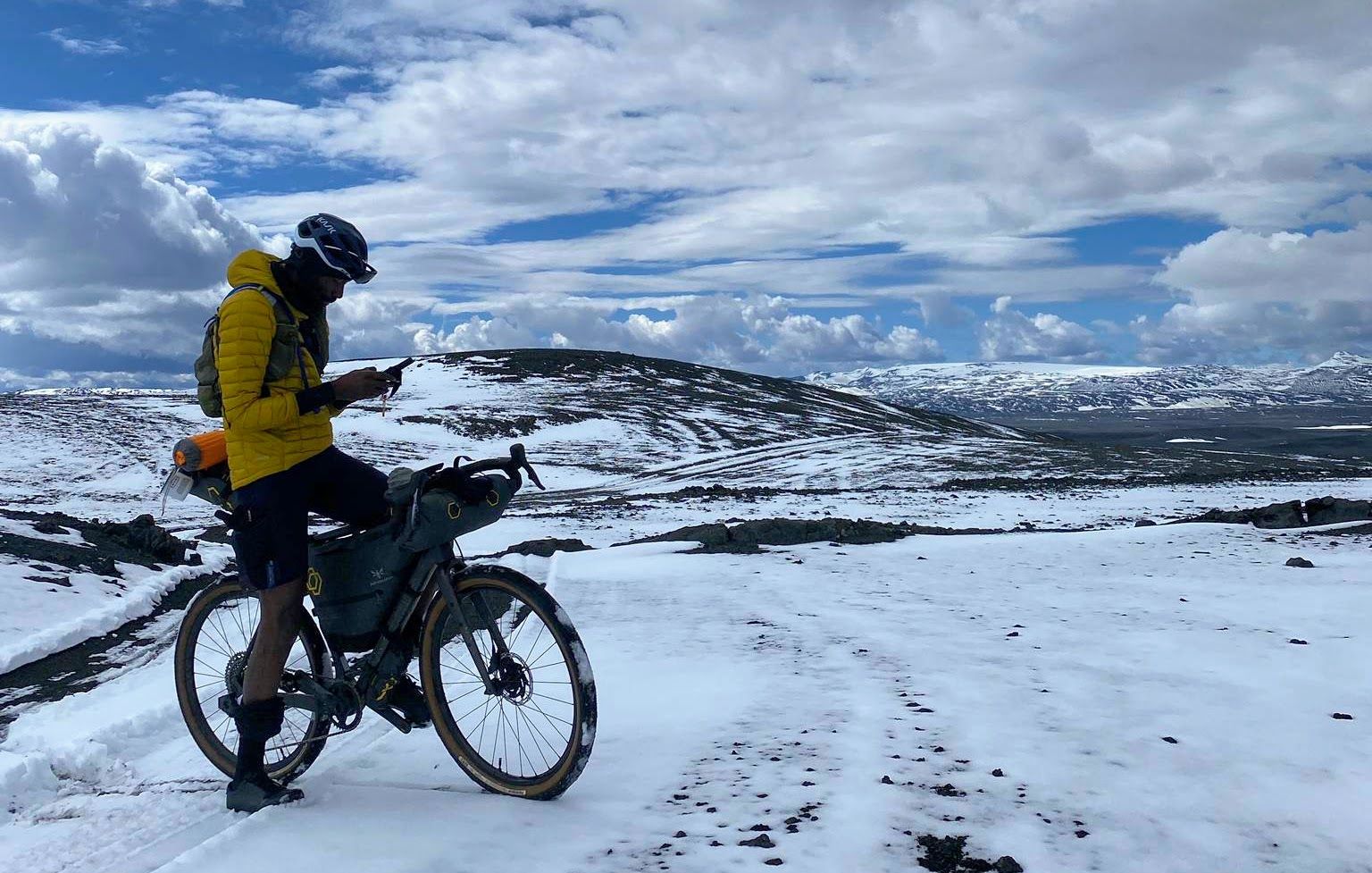
Iceland Divide – Lava fields, icy glaciers and river crossings
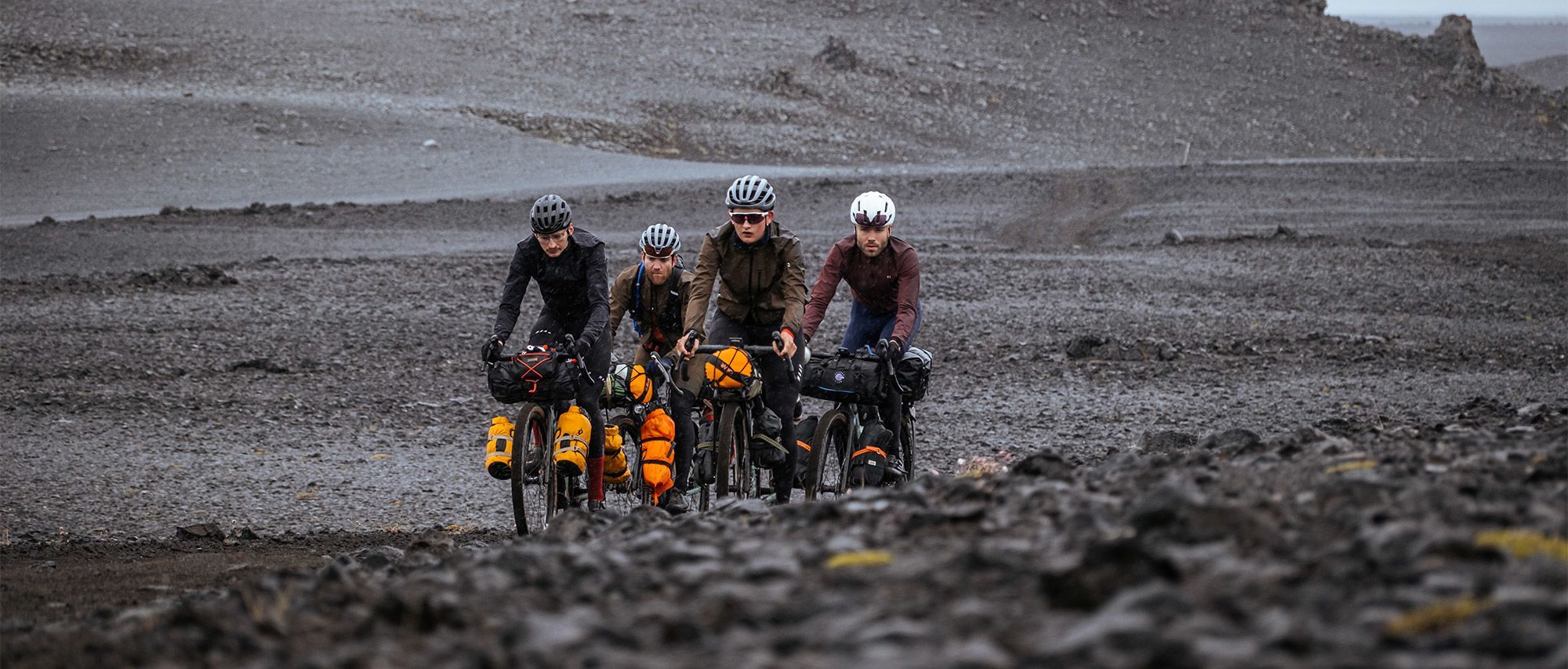
Iceland Divide — Ride Beyond Crew: between fire and ice
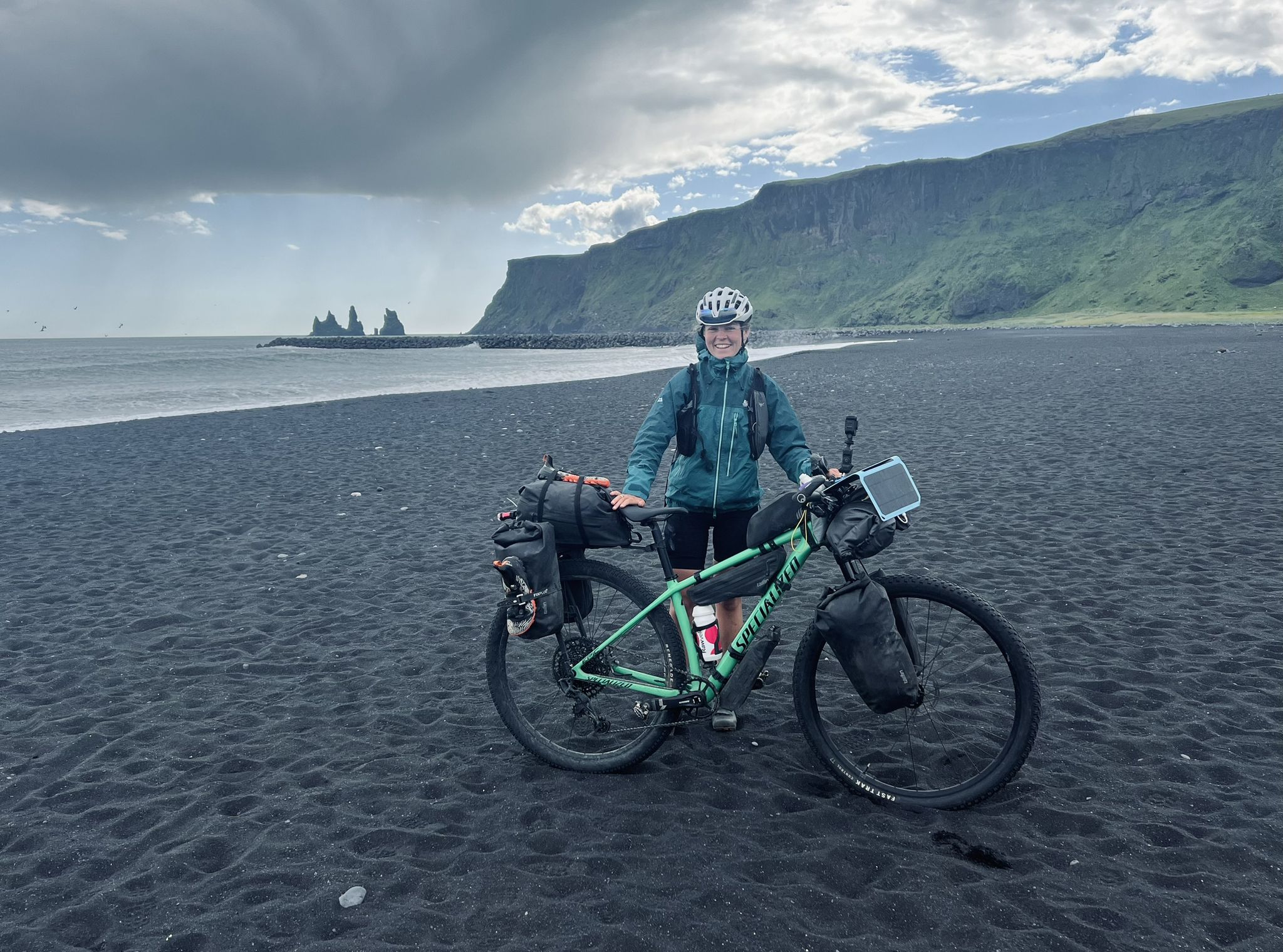
Solitude in the saddle – Iceland Divide
Hiking in Þingeyjarsveit
Running Trails in Þingeyjarsveit
Cycling in Þingeyjarsveit
MTB Trails in Þingeyjarsveit
Road Cycling Routes in Þingeyjarsveit
Other adventures in Þingeyjarsveit


Tips from the Community

About halfway between Akureyri and Lake Mývatn lies the Goðafoss waterfall. Although only a modest 12 meters high, the thunderous cascade is impressive with its masses of water plunging across a wide gorge. The waterfall's edge was formed at the edge of the Frambruni lava flow, which erupted from the shield volcano Trölladyngja around 8,000 years ago and reached a length of 105 km. The waterfall's name is likely related to the Ljósvetninga saga. In the year 1000, the gode Þorgeir, as law speaker at the Þing meeting, ensured the adoption of Christianity as the official religion. He likely acted primarily for political reasons, fearing the timber embargo threatened by the Norwegian King Olaf if the Icelanders remained pagans. This, however, would have meant the end of vital shipbuilding. Relieved after the successful Þing session, Þorgeir sank his idols in the nearest waterfall, which has since been called Goðafoss, or Gods Waterfall.
0
0

A very impressive waterfall. There are no hiking trails there. You have to find your own way.
0
0
A magnificent waterfall on the F26 road, accessible only by four-wheel drive. The 40 km of gravel road are definitely worth the drive.
1
0
One of the most beautiful waterfalls in Iceland. However, you'll have to endure about 40 km of gravel road to get there.
1
0

You go down a few steps and have a nice view of the falls from a different perspective.
2
0
It is not one of the largest waterfalls, but it is one of the most beautiful.
2
0


The photo point is at the height of the river. You have to cross loose stones/rocks. But this is perhaps the place to be for the real connoisseurs.
10
0
Frequently Asked Questions
Which waterfalls in Þingeyjarsveit are easily accessible for families or those with limited mobility?
The most accessible waterfall is Goðafoss, known as the 'Waterfall of the Gods'. It is easily reached year-round from the Ring Road (Route 1) and features well-maintained trails and viewpoints on both sides of the river. Geitafoss, a smaller waterfall near Goðafoss, is also considered family-friendly and offers beautiful scenery.
Are there any waterfalls in Þingeyjarsveit known for unique geological formations?
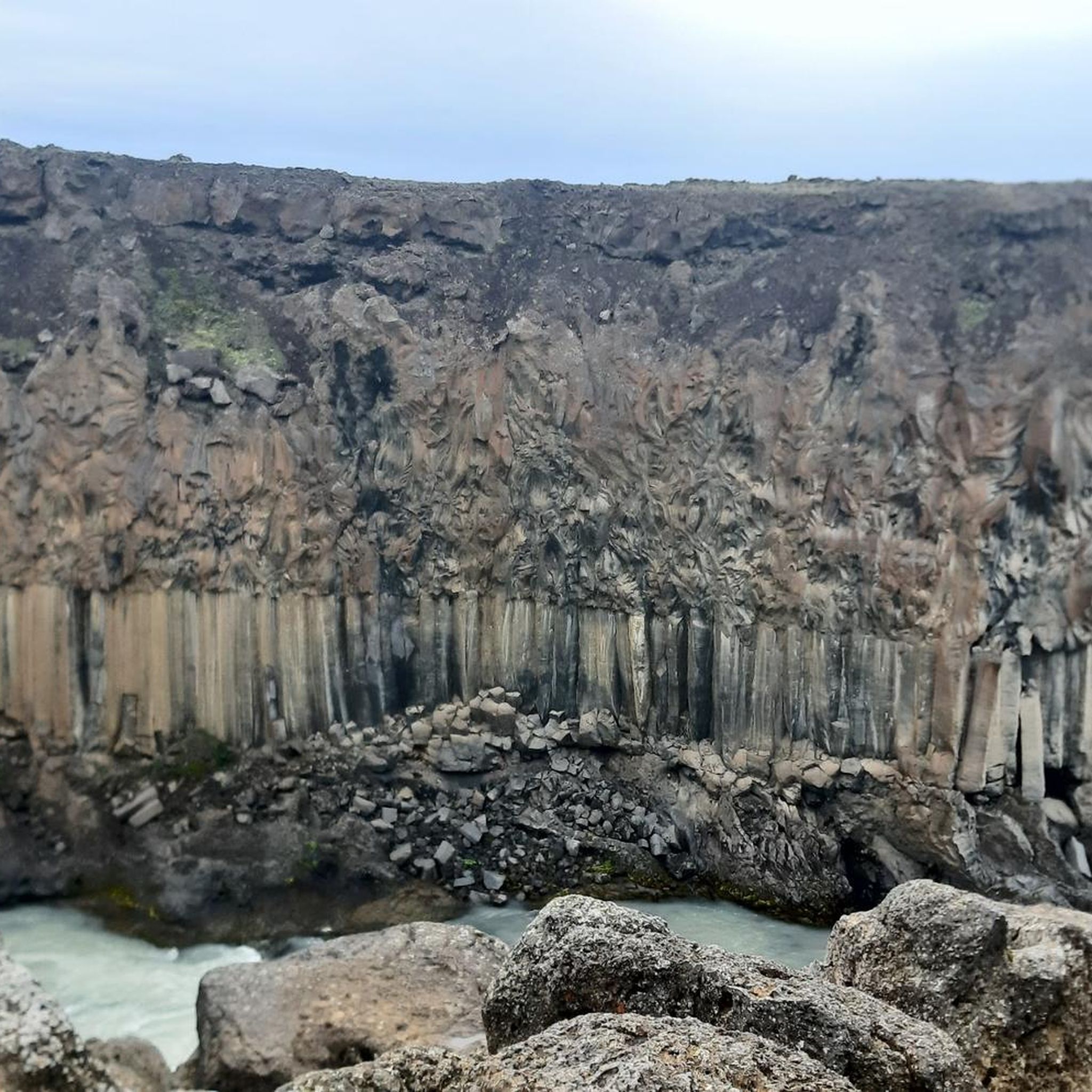
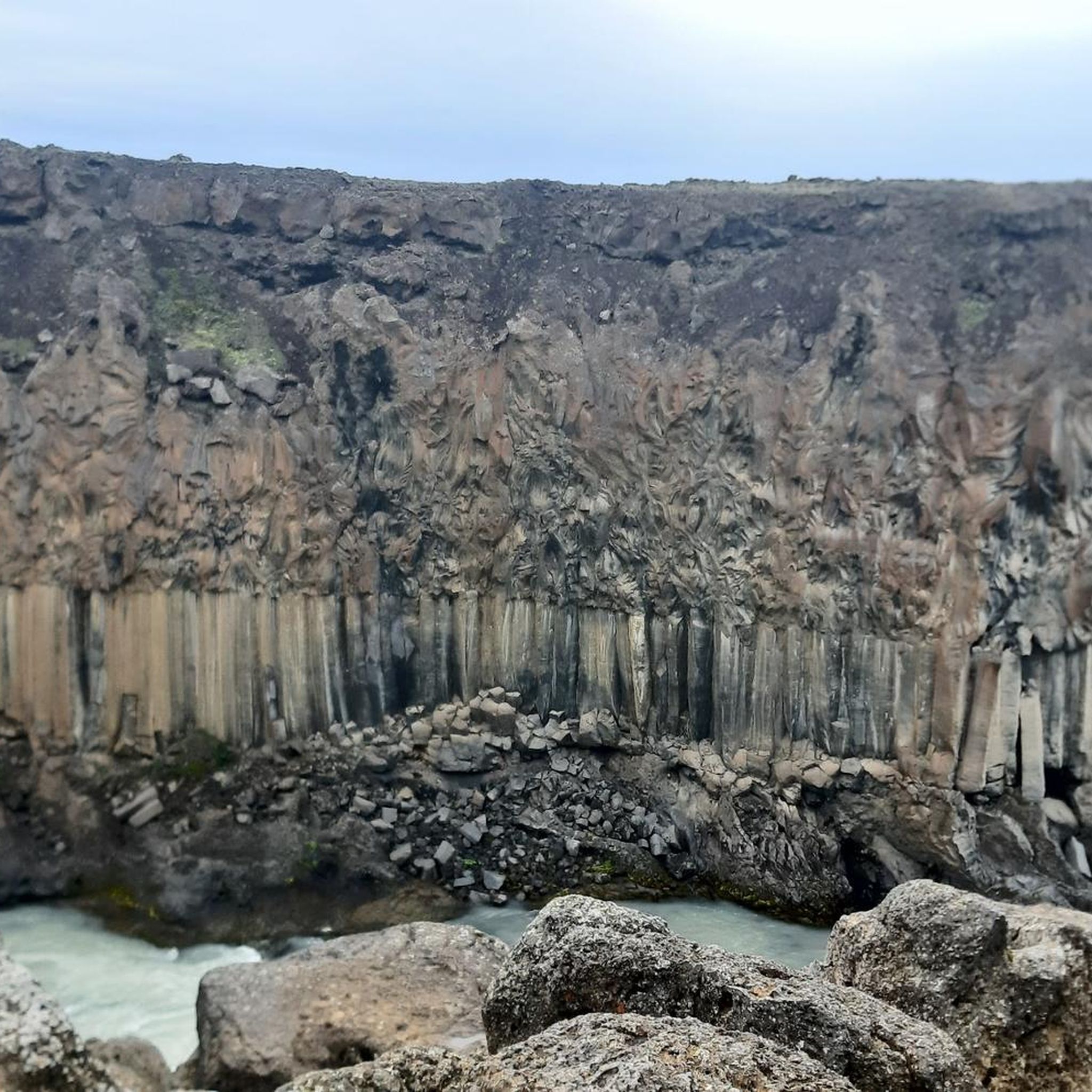
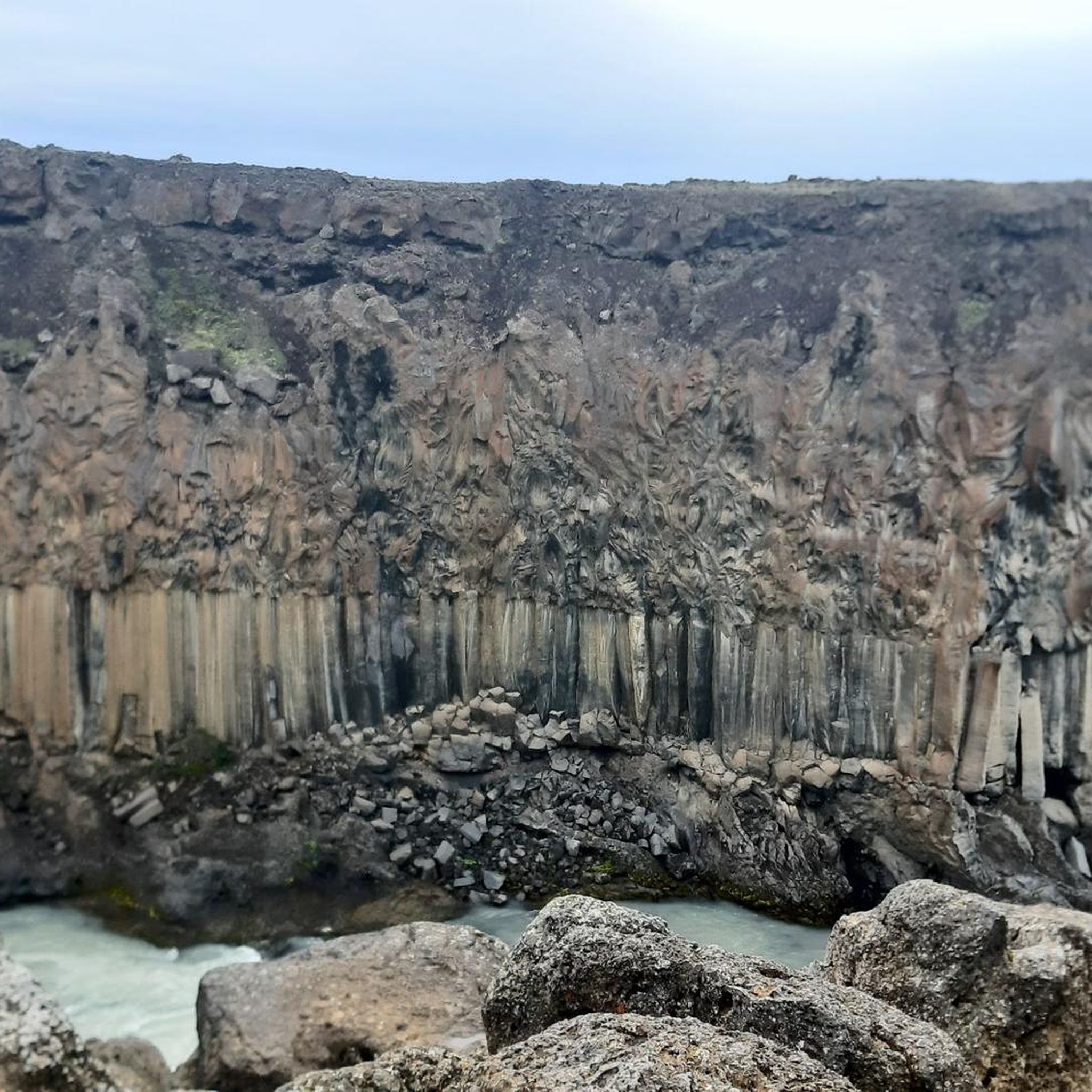
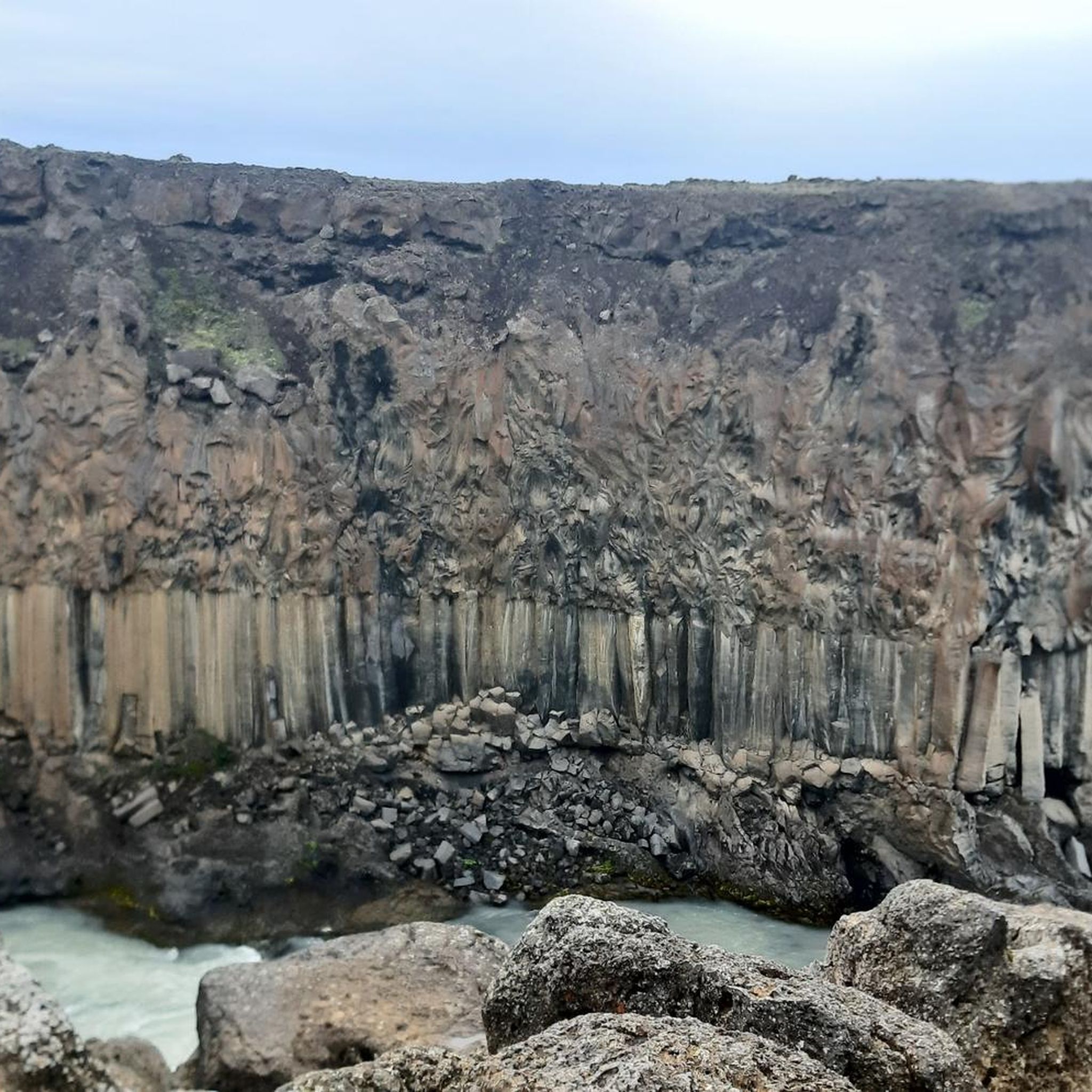
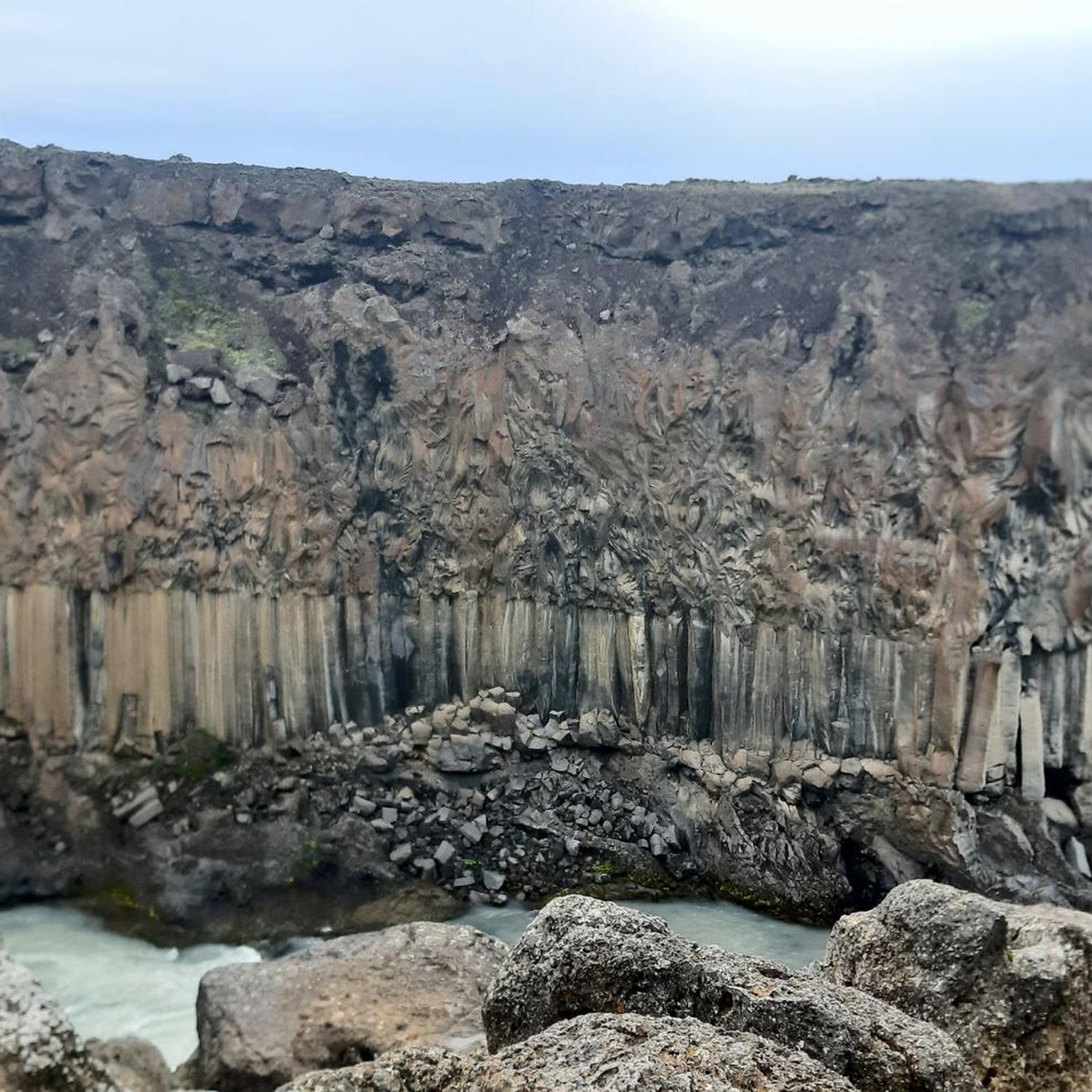
Yes, Aldeyjarfoss Waterfall is famous for its perfectly formed, symmetrical hexagonal basalt columns that frame the cascade. These multi-colored columns create a striking visual contrast with the plunging water. Goðafoss also flows over a 7,000-year-old lava field, with black basalt formations at its base.
What historical or legendary significance do some of Þingeyjarsveit's waterfalls hold?
Goðafoss, meaning 'Waterfall of the Gods', is steeped in history. Legend has it that in 1000 AD, Þorgeir Ljósvetningagoði, a lawspeaker, threw his pagan idols into the falls after Christianity became the official religion of Iceland. Additionally, Barnafoss (Children's Falls) in the Skjálfandafljót river is known for an ancient, tragic legend about children perishing in the falls.
Which waterfalls offer a more secluded or 'hidden gem' experience?
Hrafnabjargafoss is considered a hidden gem, offering a peaceful experience away from larger crowds. Ingvararfoss, located between Aldeyjarfoss and Hrafnabjargafoss, is often overlooked but provides a quieter experience. Ullarfoss on the Svartá river also offers a tranquil retreat and is generally less crowded than more famous sites.
What is the best time of year to visit the waterfalls in Þingeyjarsveit?
While Goðafoss is easily accessible year-round, some of the more remote waterfalls like Aldeyjarfoss and Hrafnabjargafoss often require a 4x4 vehicle, especially outside of the summer months due to road conditions (F-roads). Summer generally offers the best conditions for exploring all waterfalls, with lush greenery and easier access.
Are there opportunities for hiking or outdoor activities near the waterfalls?
Yes, the region offers various outdoor activities. You can find numerous running trails, road cycling routes, and mountain biking trails in Þingeyjarsveit. For specific routes and their difficulty, you can explore the Running Trails in Þingeyjarsveit, Road Cycling Routes in Þingeyjarsveit, and MTB Trails in Þingeyjarsveit guides.
What kind of vehicle is recommended for reaching some of the waterfalls?
While Goðafoss is easily accessible by any vehicle, reaching waterfalls like Aldeyjarfoss and Hrafnabjargafoss often requires a 4x4 vehicle, especially when traveling on the F26 Sprengisandur Route or other gravel roads in the northern highlands.
What makes Geitafoss unique compared to its famous neighbor, Goðafoss?
Geitafoss, located about 200 meters downstream from Goðafoss, is smaller but known for its pure and wild nature. The river narrows significantly here, creating impressively fast and turbulent water. It offers a more intimate and peaceful experience compared to the grandeur of Goðafoss, often passed by those who don't take the time to appreciate its subtle beauty.
Can I find visitor facilities like cafes or restrooms near the waterfalls?
Yes, near Goðafoss, there is a visitor center where you can find souvenirs, snacks, warm coffee, and restrooms. Facilities near more remote waterfalls like Aldeyjarfoss or Hrafnabjargafoss are generally limited or non-existent, so it's advisable to plan accordingly.
What do visitors appreciate most about the waterfalls in Þingeyjarsveit?
Visitors frequently praise the indescribable beauty and overwhelming power of waterfalls like Goðafoss. The unique geological formations at Aldeyjarfoss are a highlight for many, often described as a personal favorite. The dramatic current and beautiful scenery of smaller falls like Geitafoss are also highly admired by those who discover them.
Are there any waterfalls that are part of a larger river system?
Many of Þingeyjarsveit's waterfalls, including Goðafoss, Geitafoss, Aldeyjarfoss, and Hrafnabjargafoss, are fed by the Skjálfandafljót river. This river is the fourth longest in Iceland, originating from the Vatnajökull glacier and flowing north into Skjálfandi Bay. Ullarfoss is on the Svartá river, a sizeable tributary that flows into Skjálfandafljót.
Most popular routes in Þingeyjarsveit
Most popular attractions in Þingeyjarsveit

Get inspired with the komoot mobile app


Explore more
Happy to travel a little further afield? Then browse these guides for the best waterfalls in Þingeyjarsveit:
