Top 4 Caves in Main-Taunus-Kreis
Caves in Main-Taunus-Kreis are found within the broader Taunus mountain range, a region characterized by diverse geology including phyllite, greenschist, and sandstone. This geological makeup, originating from the Devonian period, contributes to the formation of various subterranean features. While large show caves are not common directly within the district, the area offers smaller rock grottoes and natural monuments. The Taunus Nature Park, encompassing parts of the region, provides opportunities to explore these natural formations.
Best caves in Main-Taunus-Kreis
- The most…
Last updated: April 29, 2026
Gagern Cave
Highlight • Cave
Translated by Google •
Tip by

Hohler Stein near Ruppertshain
Highlight • Natural Monument
Translated by Google •
Tip by

Sign up now to discover places like this
Get recommendations on the best single tracks, peaks, & plenty of other exciting outdoor places.
Sign up for free
Steep Descent to Gagernhöhle
Highlight (Segment) • Trail
Translated by Google •
Tip by

Start today with a free account
Your next adventure awaits.
Login or Signup
Popular around Main-Taunus-Kreis
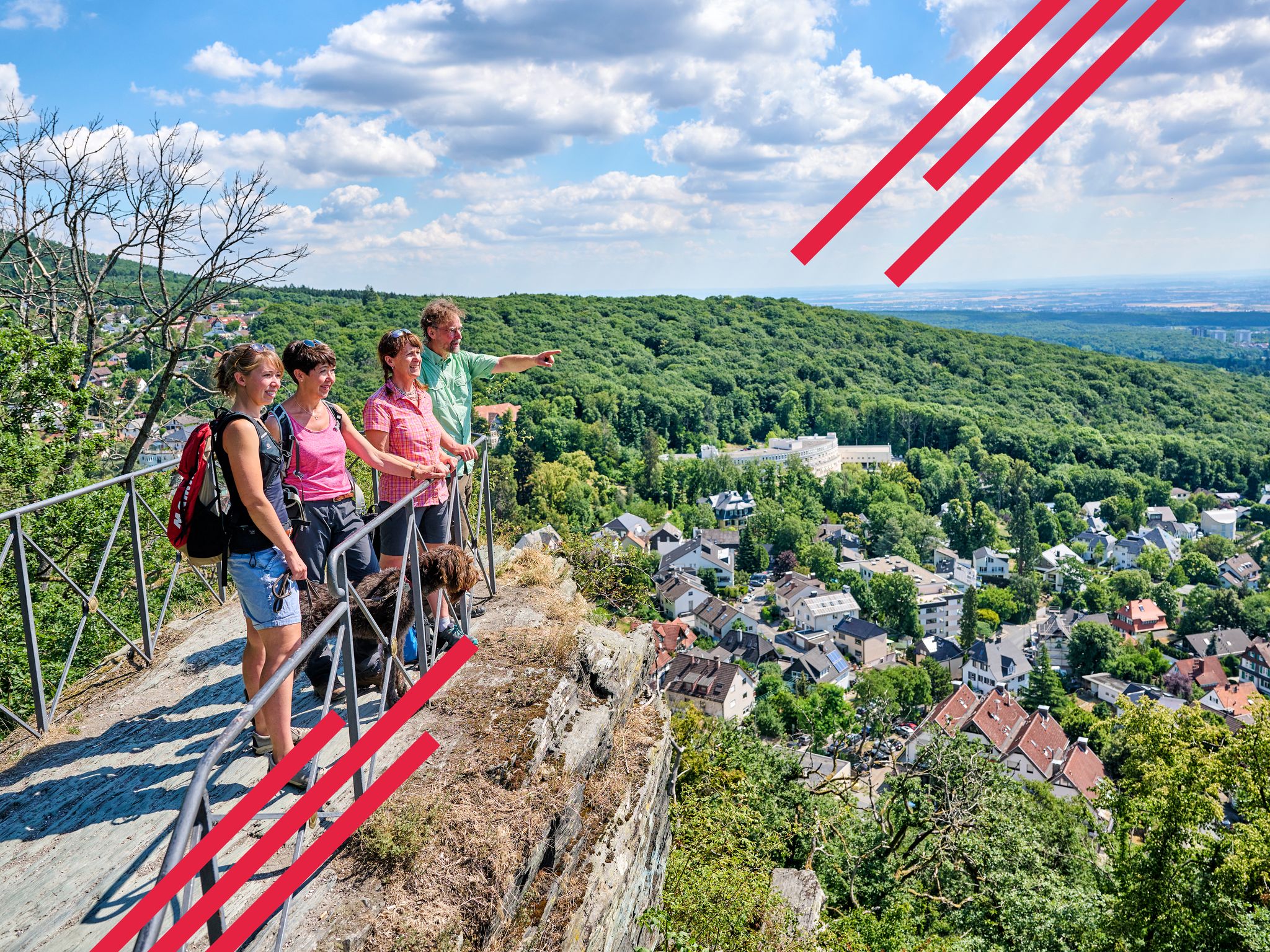
Delightfully scenic hiking in the Taunus range
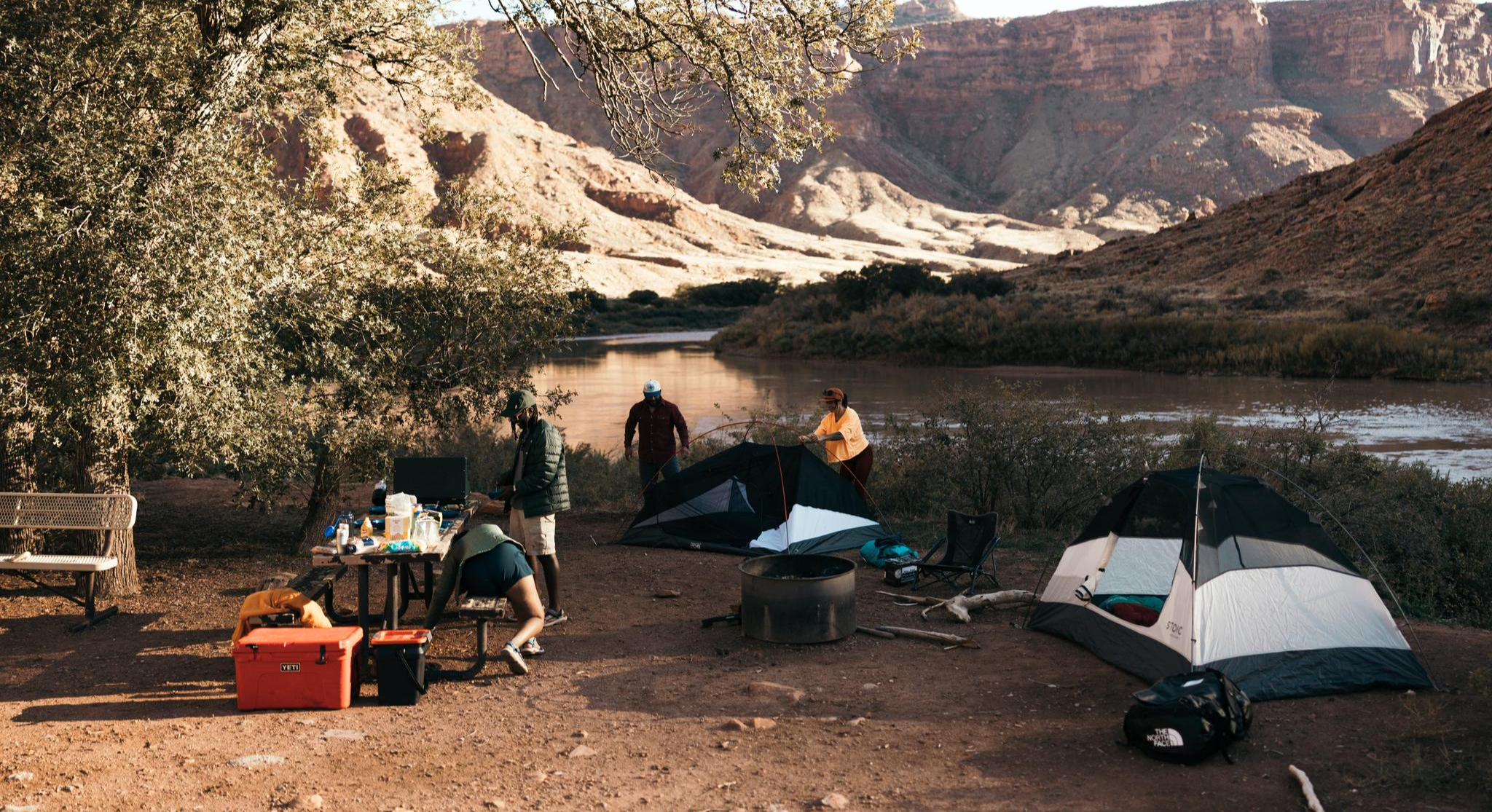
Glamping Adventures on Foot

Riesling Loops – 14 routes rich in wine and history

By bike and train into the green - cycling Tours around the EUROBIKE

Orchards, vineyards, taverns – hikes in the RMV area
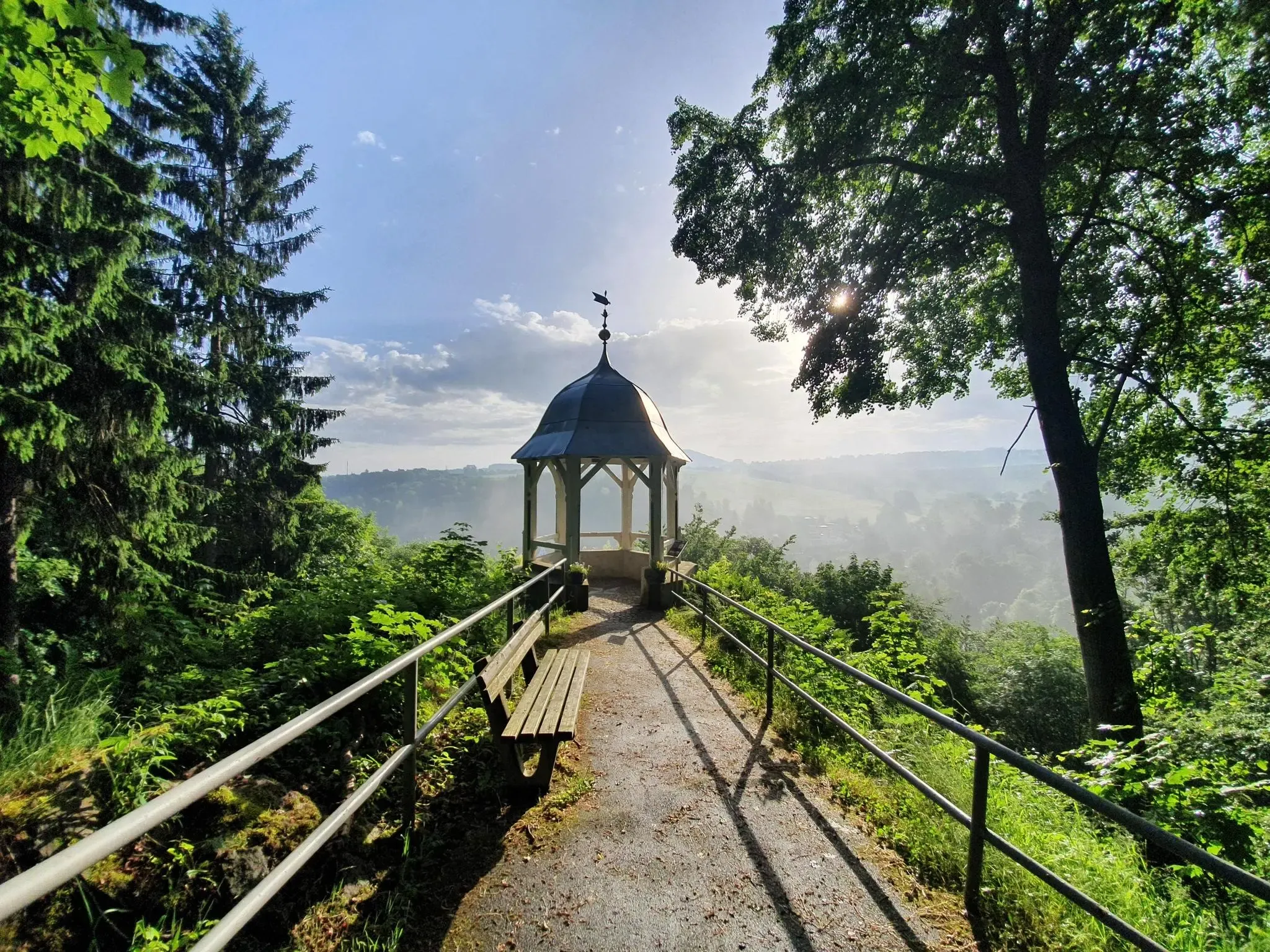
#GoFurther – discover the views of Germany!

The journey is the adventure – hikes in Germany’s Taunus Mountains

On the Bonifatius Route from Mainz to Fulda

Onto the train, out into the snow – winter hiking for all ages in the Rhine-Main
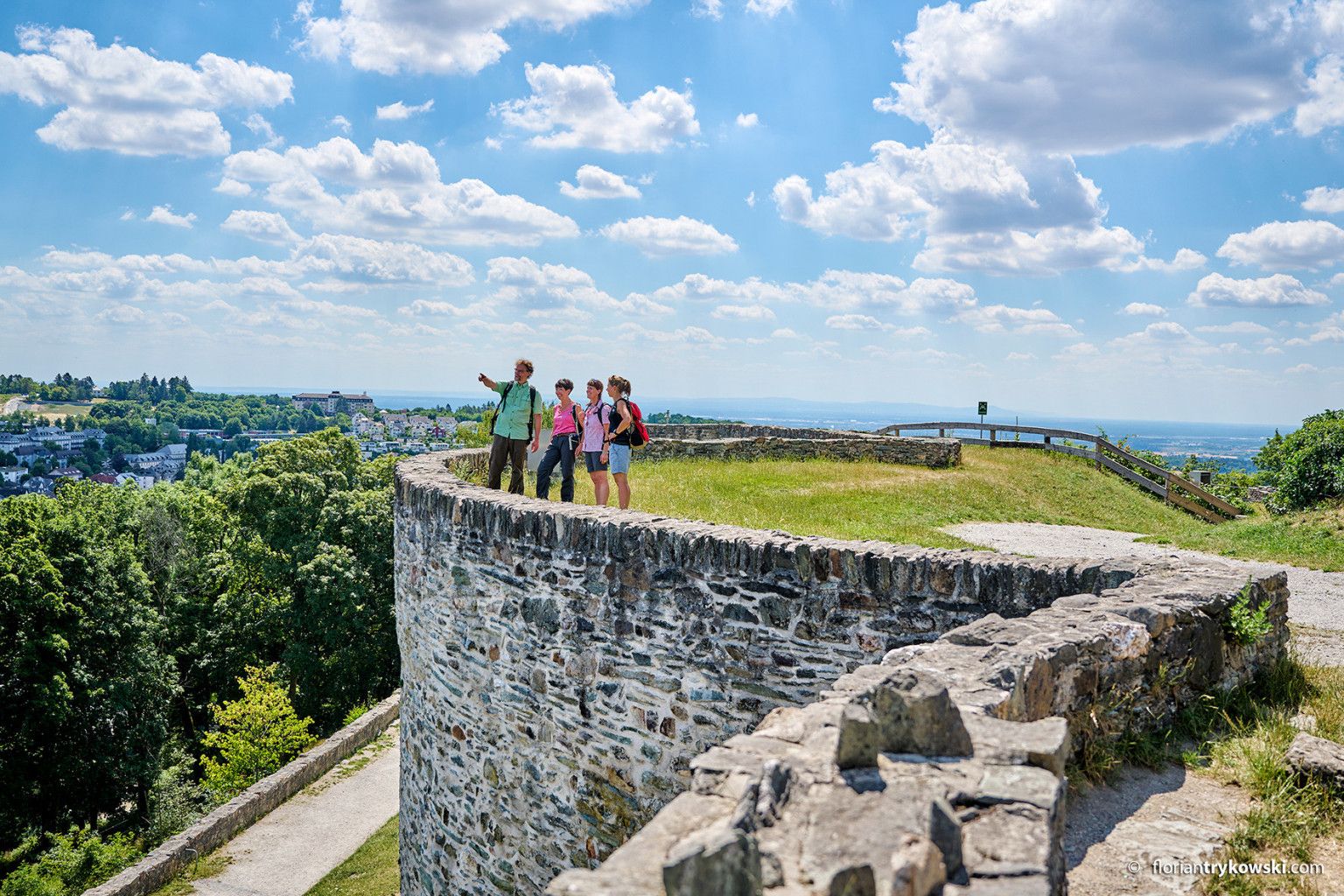
Experience nature and culture — hiking in Germany’s Taunus region
Other adventures in Main-Taunus-Kreis


Tips from the Community

The Fuchshöhle (Fox Cave), also known as Ofterdingen Cave, lies near a small footbridge over the Liederbach stream and can be reached from Gagernring. Legend has it that the minnesinger Heinrich von Ofterdingen lived there in the Middle Ages after returning from the singing competition at Wartburg Castle. However, it is more likely that this small rock grotto below the Gräbenwald forest was created or enlarged at the suggestion of Friedrich von Gagern, who particularly enjoyed spending time there during his visits to Hornau. The Gagern Cave is first mentioned in writing on April 14, 1834.
17
0
A great way to drive the path along the Liederbach
4
0
A small path along the stream a bit tricky to drive the way but really great
4
0

You should look at this rock from all sides. What is special about it cannot be seen from the path.
0
0

August 2023: completely added with branches. Barely passable
1
0

The "Hohle Stein" is an imposing quartzite rock here above Ruppertshain.
4
0
Very steep S3 descent, about halfway down the Chickenway to the right to Gagernhöhle.
1
0
Frequently Asked Questions
What types of caves can I explore in the Main-Taunus-Kreis region?
The Main-Taunus-Kreis region primarily offers smaller rock grottoes, natural monuments, and historical cave sites. These subterranean features are often integrated into hiking trails, providing a blend of natural exploration and outdoor activity. While large show caves are not common directly within the district, the broader Taunus region features diverse geological formations.
Are there any historical caves in Main-Taunus-Kreis?
Yes, the region features historical sites like Gagern Cave, also known as Ofterdingen Cave. Legend suggests this small rock grotto below the Gräbenwald forest was once a dwelling for the minnesinger Heinrich von Ofterdingen in the Middle Ages. It's a charming spot with a rich local history.
What natural monuments related to caves can I visit?
You can visit the Hohler Stein near Ruppertshain, an imposing quartzite rock and natural monument. This site features a small rock massif that visitors can explore, offering a unique natural experience at the gates of Ruppertshain.
Are there family-friendly cave experiences in the area?
Many of the smaller rock grottoes and natural monuments in Main-Taunus-Kreis, such as Gagern Cave and Hohler Stein near Ruppertshain, are considered family-friendly. They are often accessible via hiking trails, making them suitable for an outing with children.
What are the geological characteristics of the caves in Main-Taunus-Kreis?
The caves and rock formations in Main-Taunus-Kreis are part of the broader Taunus mountain range, known for its diverse geology. This includes phyllite, greenschist, gneiss, slates, and sandstone, originating from the Devonian period. This geological makeup contributes to the formation of various subterranean features, from small grottoes to impressive rock massifs.
What outdoor activities can I do near these caves?
The caves in Main-Taunus-Kreis are often integrated into hiking trails. You can find various routes nearby, including easy hikes, mountain hikes, and even gravel biking routes. For example, the Steep Descent to Gagernhöhle is a challenging trail leading directly to Gagern Cave.
Are there any significant caves in the wider Taunus region that are worth visiting?
While Main-Taunus-Kreis has smaller formations, the broader Taunus area offers more prominent caves. The Kubach Crystal Cave near Weilburg, though a bit further afield, is notable for its abundant calcite crystals and is considered the largest natural underground single cavity in Germany open to visitors. It features guided tours and a cave museum.
What do visitors say about the caves in Main-Taunus-Kreis?
Visitors appreciate the unique natural experiences and historical significance of the sites. For instance, the Hohler Stein near Ruppertshain is described as an 'imposing quartzite rock' and a 'small rock massif' that's fun to explore. The Gagern Cave is valued for its historical legends and tranquil forest setting.
Are there any challenging trails leading to caves in the region?
Yes, for those seeking a more adventurous approach, the Steep Descent to Gagernhöhle offers a challenging trail directly to the Gagern Cave. This route provides a direct and adventurous way to reach one of the region's notable subterranean features.
Are permits required for cave exploration in Main-Taunus-Kreis?
For the publicly accessible rock grottoes and natural monuments mentioned, such as Gagern Cave and Hohler Stein near Ruppertshain, no special permits are typically required for general exploration. These are usually open to the public as part of hiking trails or natural areas.
Can I find any hidden gem caves in the Taunus region?
Beyond the well-known spots, the broader Taunus region has smaller, less developed caves. For example, the Bear Cave near Königstein im Taunus is a small, hidden cave accessible via a narrow path, offering a unique, whimsical experience for hikers. Many smaller rock shelters are known to locals and speleologists, some even serving as bat habitats.
Most popular routes in Main-Taunus-Kreis
Most popular attractions in Main-Taunus-Kreis

Get inspired with the komoot mobile app


Didn’t find what you were looking for?
Discover more caves in Main-Taunus-Kreis region by region:
Explore more
Extend your search for the best caves by checking out these guides of the top ones in Main-Taunus-Kreis:
