Top 5 Caves around Niederschönenfeld
Best caves around Niederschönenfeld are situated within the Danube-Ries region, an area characterized by its unique geological formations and historical significance. This landscape features notable underground attractions, offering insights into natural processes and prehistoric human activity. The region's karst topography contributes to the formation of various caves, making it a point of interest for geological exploration. These sites provide a glimpse into both natural history and early human settlements.
Best caves around Niederschönenfeld
- The most popular caves is Mauerner Caves…
Last updated: May 14, 2026
Mauerner Caves (Weinberg Caves)
Highlight • Cave
Translated by Google •
Tip by

Antoniberghöhle
Highlight • Cave
Translated by Google •
Tip by

Sign up now to discover places like this
Get recommendations on the best single tracks, peaks, & plenty of other exciting outdoor places.
Sign up for free
Mauern Caves
Highlight • Cave
Translated by Google •
Tip by

Weinberghöhlen Nature Reserve near Mauern
Highlight • Cave
Translated by Google •
Tip by

Start today with a free account
Your next adventure awaits.
Login or Signup
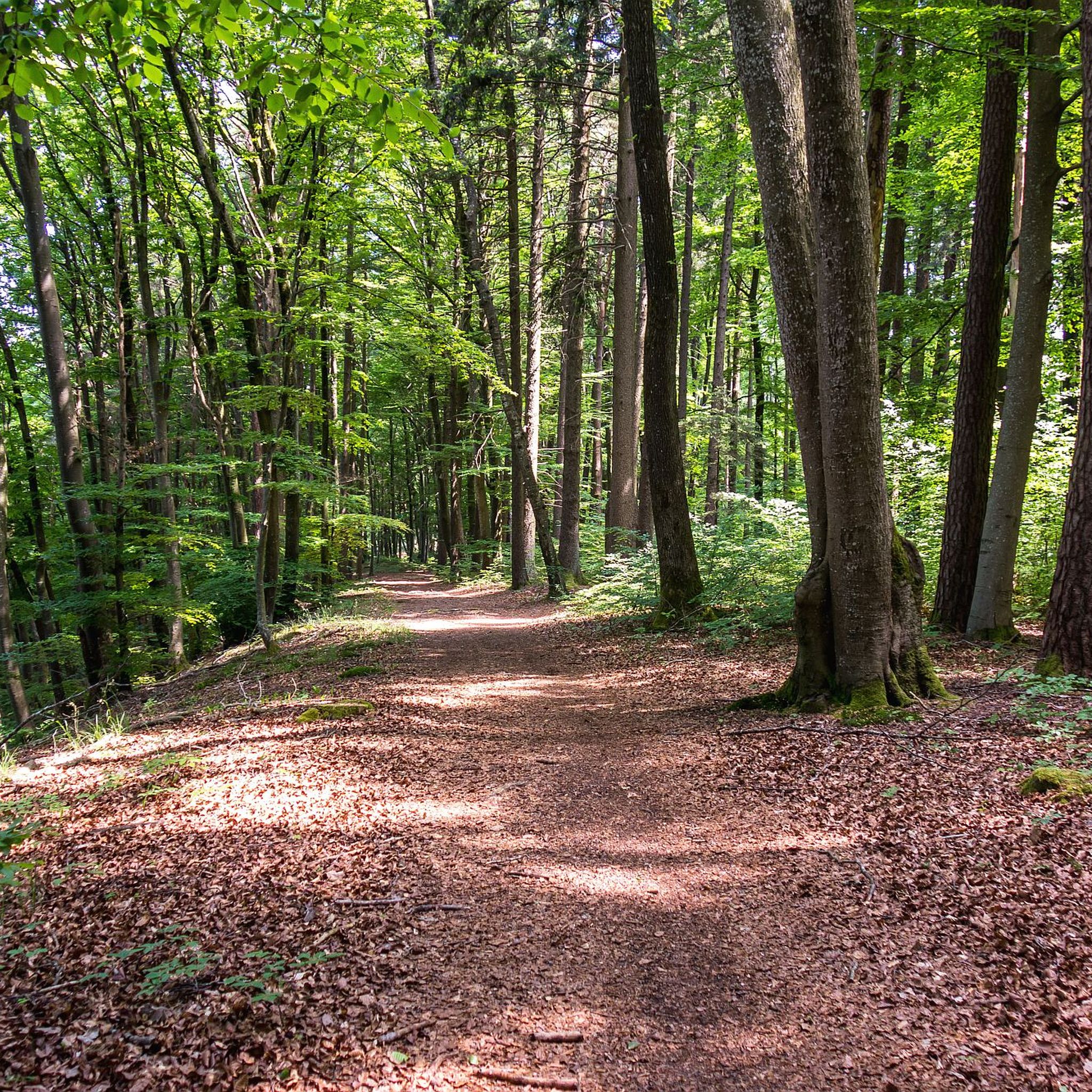
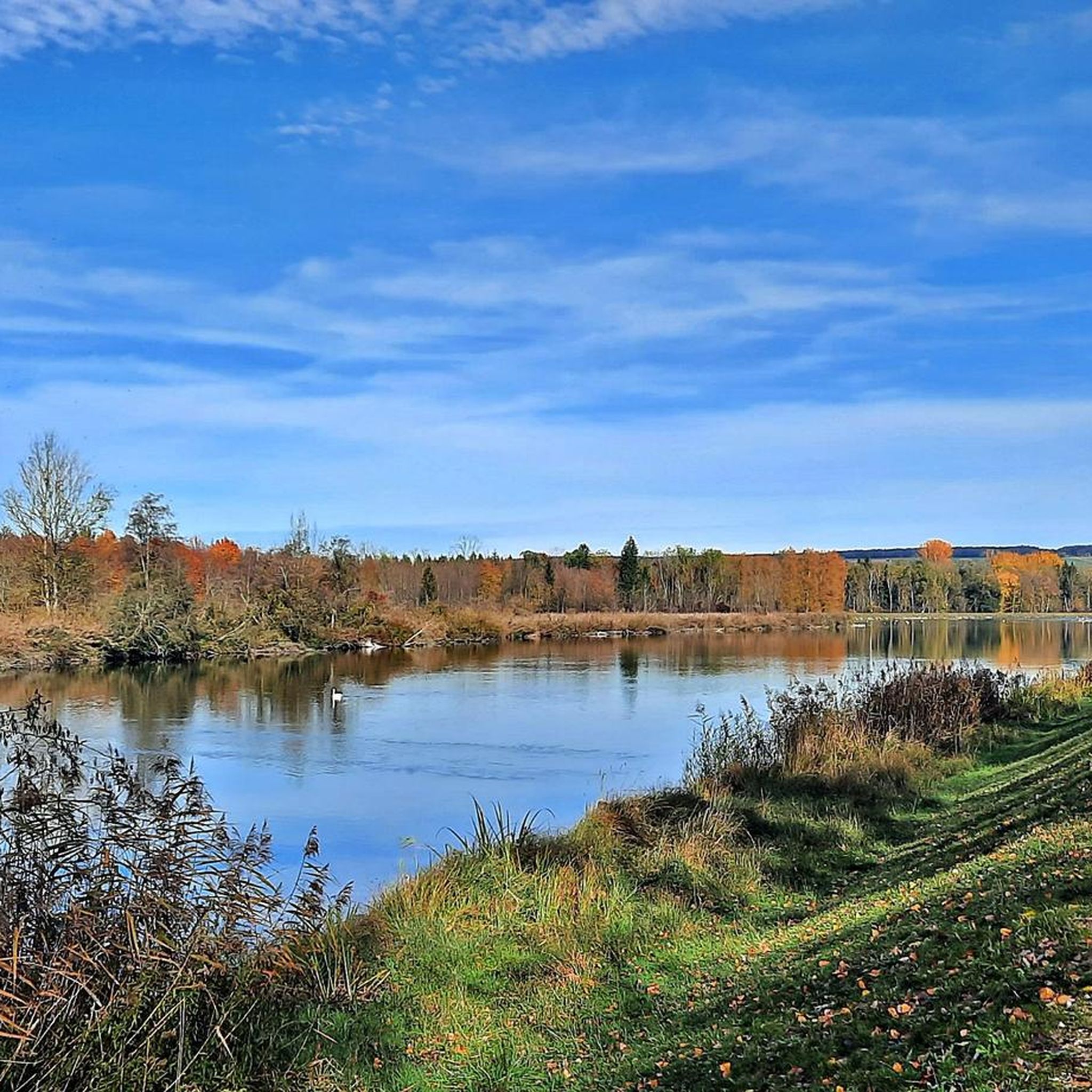
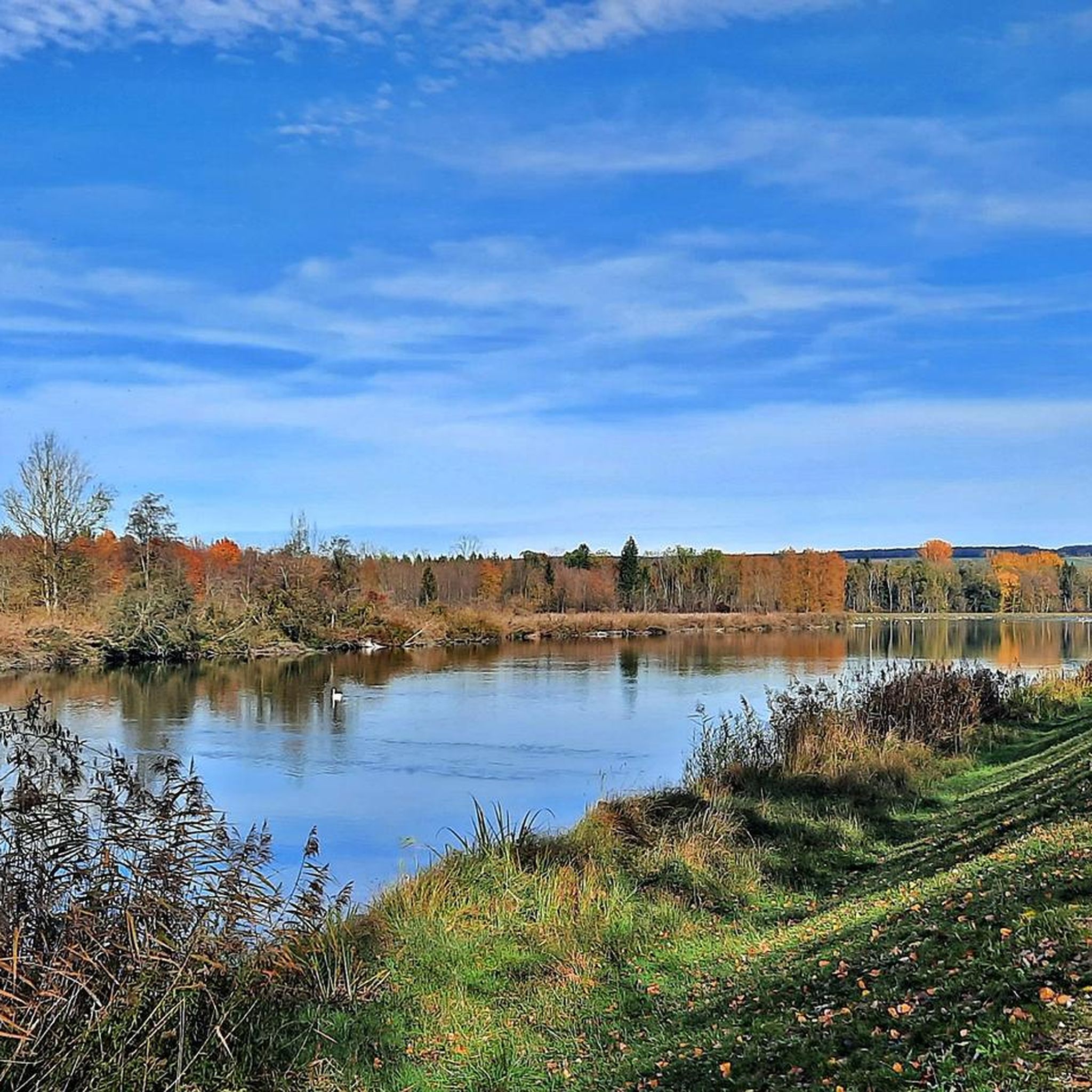
Tips from the Community

The Strudelloch is located on a beautiful trail directly on the Danube below the Antoniberg near Steppberg.
0
0

The nature reserve encompasses the caves and the surrounding areas of the Jura slope. It was designated a protected area in 1979 (size: 7.03 hectares) due to the geological and ecological significance of the caves and the biodiversity of the adjacent dry grasslands. The Mauerner Höhlen Nature Reserve is located at the entrance to the Wellheim Urdonautal Valley, north of Mauern. It is known for its karst caves, which were inhabited by humans until the Paleolithic period and contain significant archaeological finds. The area is characterized by limestone slopes with rare vegetation, especially flowers and insects. Features of the Nature Reserve: •Karst caves: The caves are a geotope and natural monument that offers insights into the earth's history and the way of life of early humans. •Archaeological finds: Significant finds have been made in the caves, including animal and human remains, tools, and a limestone figure. •Limestone slopes: The steep slopes are covered with rare vegetation created by sheep grazing. •Flora and fauna: Numerous flowers and insects, such as the Argus Blue butterfly, are native here. •Hiking trails: There are well-maintained paths along the slope that invite you to hike and enjoy nature. •Nature conservation: The caves are protected by grilles to prevent collapse and looting.
1
0
The caves are beautifully situated on the dry slope near Mauern. You can take great pictures from inside the caves.
0
0

Very beautiful there, the caves and the area in the Urdonautal
0
0


A small footpath away from the bike path
0
0
I also think it's a shame that you can't go any further inside. But the area there is very nice, great view of the Urdonautal with walls and Rennertshofen, the path past the rock face, coming from Wellheim, is also very nice... and above all a quiet area,
3
0
Frequently Asked Questions
What kind of geological formations can I expect to see in the caves around Niederschönenfeld?
The region around Niederschönenfeld is characterized by its unique karst topography, which leads to the formation of various natural caves. You can expect to see features like dolomite scree, stalactites, and cistern-like depths with rushing water in some of the larger caves. These formations offer insights into the earth's history.
Are there any caves with historical or archaeological significance in the region?
Yes, several caves in the area hold significant historical and archaeological value. The Mauerner Caves (Weinberg Caves), for instance, were used as shelters since the Paleolithic Age, with excavations revealing stone tools and animal bones over 27,000 years old. The Great and Small Ofnet Caves, located in the limestone of Riegelberg, are also historically significant for early human settlements.
Which caves are suitable for families or beginners?
While specific 'family-friendly' categories aren't always noted, many natural caves can be explored by those with a basic level of fitness. The Mauern Caves are accessible via a small footpath and are considered very beautiful, making them a good option for a pleasant visit. For more adventurous families, the Hohlenstein Cave is described as 'very beautiful' and easily accessible, though a detour to the 'Cave in Hell' requires sure-footedness.
What outdoor activities can I combine with a visit to the caves near Niederschönenfeld?
The region offers various outdoor activities. You can find numerous routes for gravel biking, hiking, and MTB trails. For example, there are moderate hiking loops around the Rain Reservoir or easy MTB trails like the 'Europaweiher Burgheim – Bertoldsheim Reservoir loop from Rain'.
What makes the Weinberghöhlen Nature Reserve near Mauern special?
The Weinberghöhlen Nature Reserve near Mauern encompasses the caves and the surrounding Jura slope. It's a protected area due to the geological and ecological significance of its karst caves and the biodiversity of its dry grasslands. It offers insights into earth's history and early human life, with significant archaeological finds. The area is also known for rare vegetation and diverse flora and fauna.
Can you tell me more about the Antoniberghöhle?
The Antoniberghöhle, also known as Strudlerloch, is an interesting natural monument. While the area around it can be overgrown, especially in summer, it offers a unique natural experience. It's considered an intermediate to challenging spot, particularly if you're exploring the surrounding terrain.
Are there any other notable natural caves in the broader Danube-Ries region?
Beyond the immediate vicinity, the broader Danube-Ries region features other interesting caves. The Bumper Cave near Otting-Weilheim is approximately 240 meters long, featuring dolomite scree, stalactites, and cistern-like depths with rushing water. It also has additional chambers to explore.
What should I wear when exploring caves in this area?
When exploring caves, it's generally advisable to wear sturdy, closed-toe shoes with good grip, as surfaces can be uneven and slippery. Layers of clothing are also recommended, as cave temperatures can be cooler than outside, even in summer. For deeper or more adventurous explorations, a headlamp or flashlight is essential.
Is there parking available near the caves?
While specific parking details for every cave are not always provided, many natural attractions in the region, especially those accessible by footpaths, typically have designated or informal parking areas nearby. It's advisable to check local signage or maps for the specific cave you plan to visit.
Are permits required to visit the caves around Niederschönenfeld?
For most publicly accessible natural caves in the region, permits are generally not required for casual visits. However, some caves, particularly those within nature reserves like the Weinberghöhlen Nature Reserve near Mauern, may have specific rules or restricted access to protect sensitive areas or archaeological sites. Always respect any posted signs or barriers.
What do komoot users enjoy most about the caves around Niederschönenfeld?
Komoot users appreciate the diverse exploration opportunities offered by the caves around Niederschönenfeld. With over 170 upvotes and 200 photos, visitors highlight the beautiful landscapes, top paths for biking and hiking near the caves, and the interesting natural monuments. The historical significance of sites like the Mauerner Caves is also a major draw.
Are there opportunities for hiking near these caves?
Yes, the area around Niederschönenfeld offers excellent hiking opportunities. You can find various hiking routes, including easy loops like 'Idyllic Swimming Lake – Streams and lakes loop from Niederschönenfeld' or moderate trails such as 'Pink Crane at Rain Reservoir – Lech Lakes loop from Niederschönenfeld'.
What is the best time of year to visit the caves?
The caves can generally be visited year-round, but the best time often depends on the surrounding outdoor conditions. Spring and autumn offer pleasant temperatures for exploring the natural areas around the caves. During winter, some paths might be slippery, but the caves themselves maintain a more consistent temperature. Always check local weather conditions before your visit.
Most popular routes around Niederschönenfeld
Most popular attractions around Niederschönenfeld

Get inspired with the komoot mobile app


Explore more
Extend your search for the best caves by checking out these guides of the top ones around Niederschönenfeld:
