The 4 Most Amazing Peaks around Lossatal
Best mountain peaks around Lossatal are found within a landscape characterized by elevated areas and hills, rather than towering mountains. This region in Saxony, Germany, features the Hohburg Hills, which rise prominently up to 120 meters from the surrounding plain and are composed primarily of quartz-porphyry. The area offers numerous opportunities for hiking and exploring diverse geological formations, including former quarries that have left steep rock faces and lakes. Lossatal provides accessible paths through forests and offers scenic views, making…
Last updated: May 14, 2026
Albert Tower on the Collmberg
Highlight • Monument
Translated by Google •
Tip by

Johannas Höh Observation Tower
Highlight • Viewpoint
Translated by Google •
Tip by

Sign up now to discover places like this
Get recommendations on the best single tracks, peaks, & plenty of other exciting outdoor places.
Sign up for free
Quarry on the Gaudlitzberg
Highlight • Natural Monument
Translated by Google •
Tip by

View of Collm Hill
Highlight • Viewpoint
Translated by Google •
Tip by

Löbenberg
Highlight • Summit
Translated by Google •
Tip by

Sign up for free to discover even more peaks around Lossatal.
Sign up for free
Already have an account?
Start today with a free account
Your next adventure awaits.
Login or Signup
Popular around Lossatal
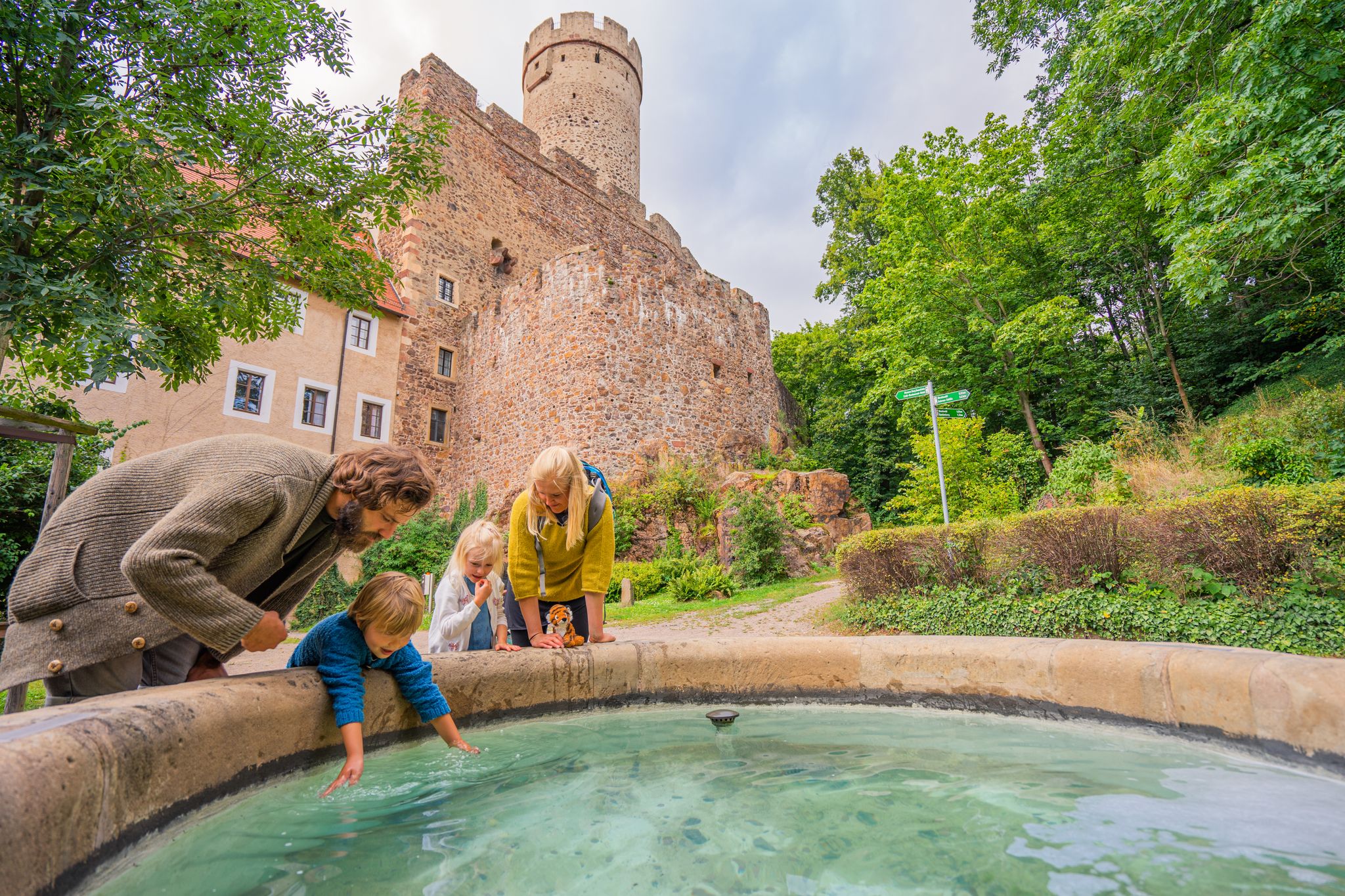
Time for little adventures – family hikes in the Leipzig region
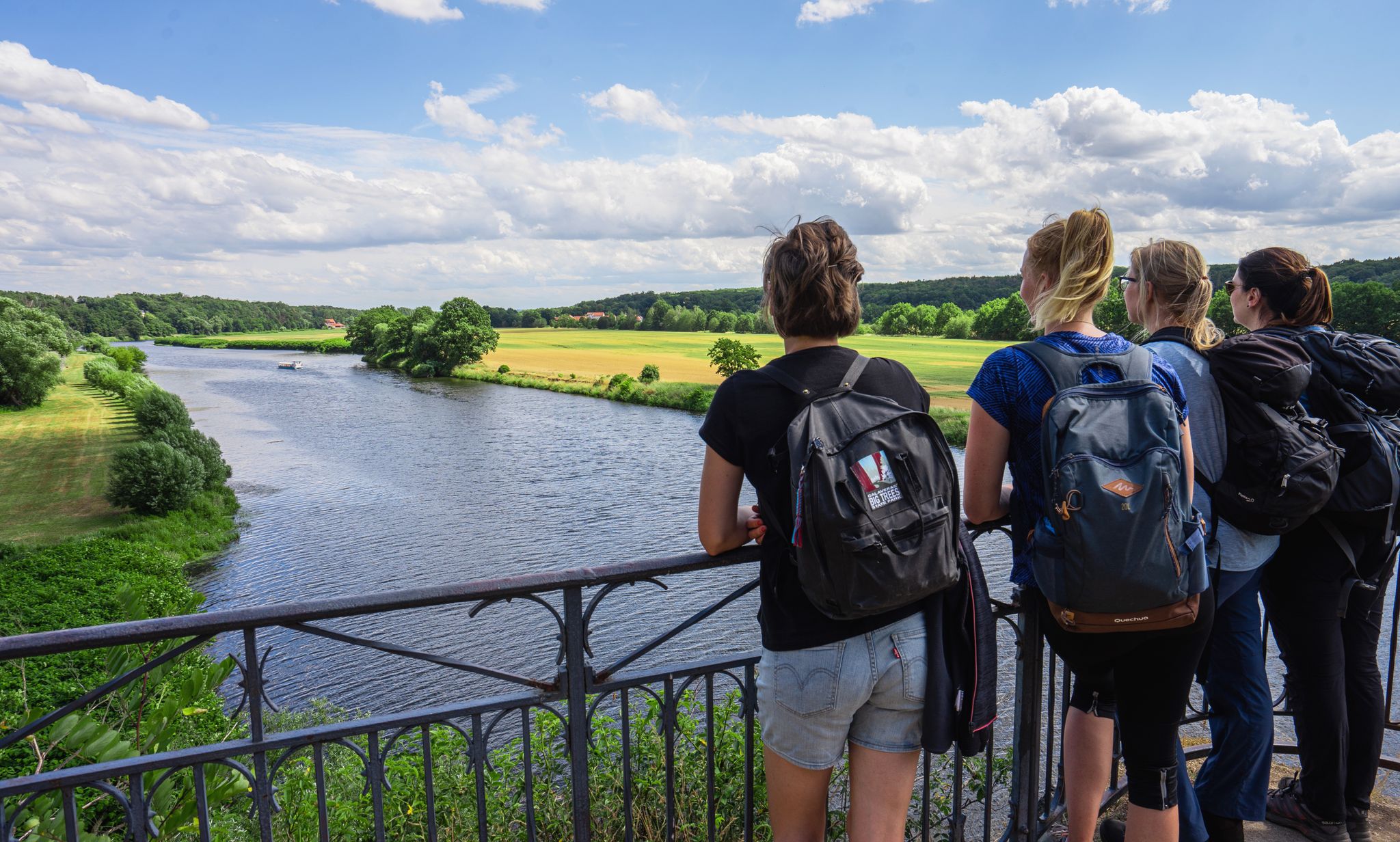
Hiking between big city and nature – urban escapism Leipzig
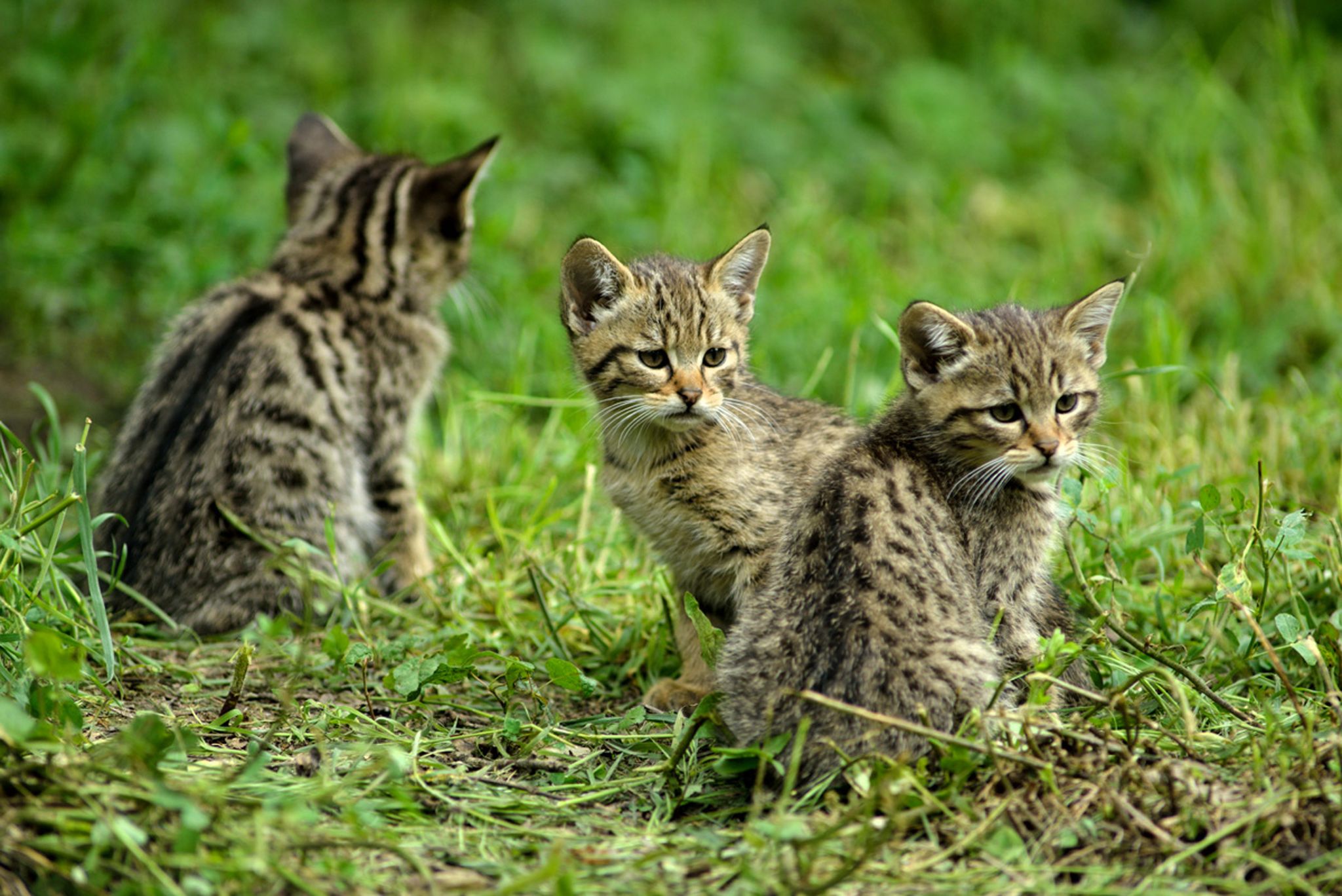
Hike with BUND on the trail of the European wildcat

Rafting. Climbing. Hiking — awesome fun around Leipzig
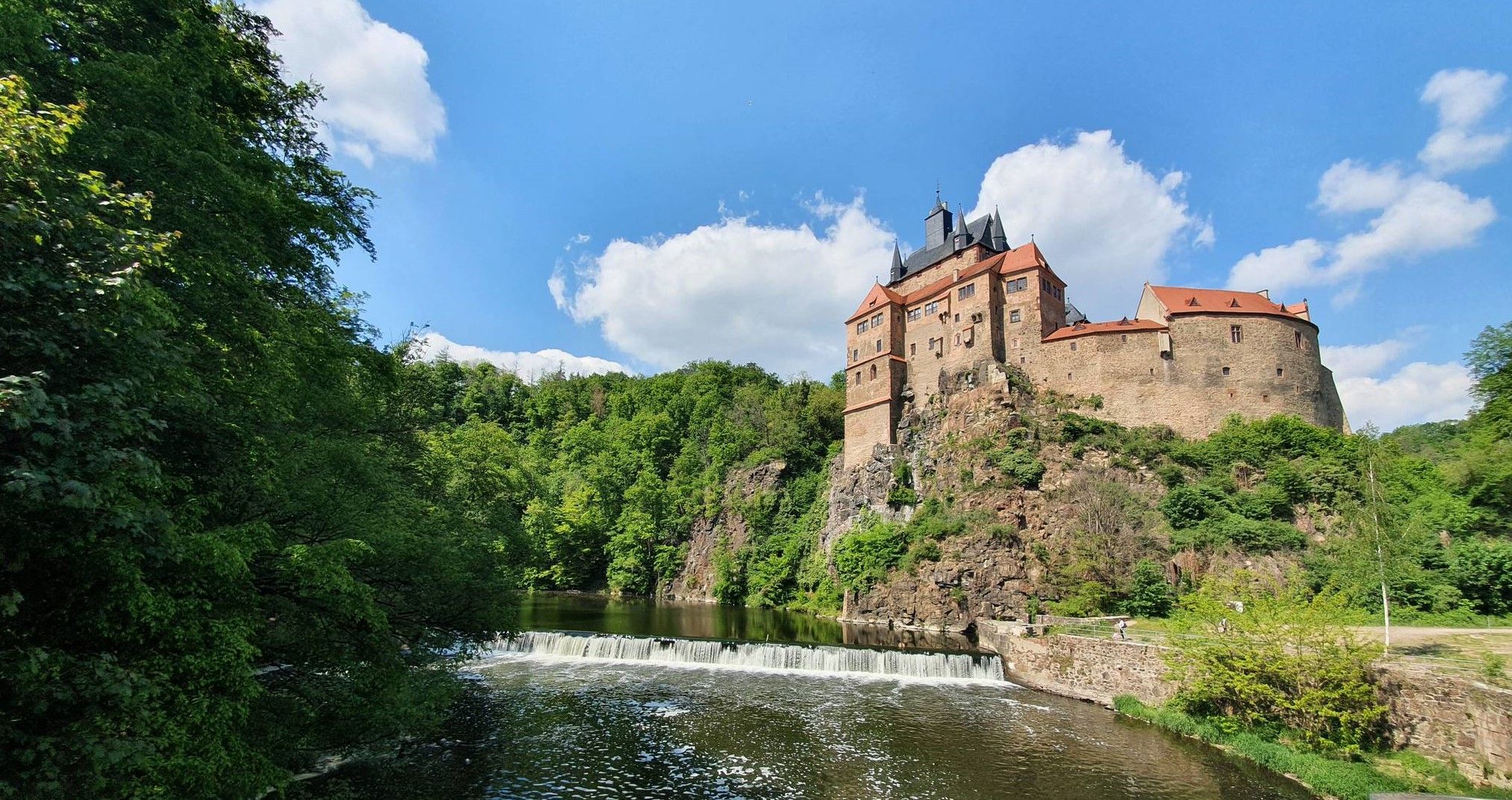
Don't forget your crampons – a high-altitude hike around flat Leipzig
Hiking around Lossatal
Cycling around Lossatal
MTB Trails around Lossatal
Road Cycling Routes around Lossatal
Running Trails around Lossatal
Other adventures around Lossatal


Tips from the Community

Beautiful viewing tower and resting place. The tower is accessible (but unfortunately not always).
0
0

Once you've fought your way up 😉, you'll be rewarded with a fantastic view. Awesome 🤩 For the descent, I recommend heading south and then west around the ravine. The two straight southern sections are too extreme. (for me)
0
0

The Collm can be seen from afar. In front of the village of Collm you can see the course of the road high up Collm where there are trees without leaves.
0
0


radio tower collm The Oschatz transmitter is a basic network transmitter of Deutsche Funkturm GmbH for broadcasting radio signals. It is located on the Collm six kilometers west of Oschatz. A 90 meter high reinforced concrete tower, which was built in 1960, was originally used as the antenna carrier. @wikipedia
5
1


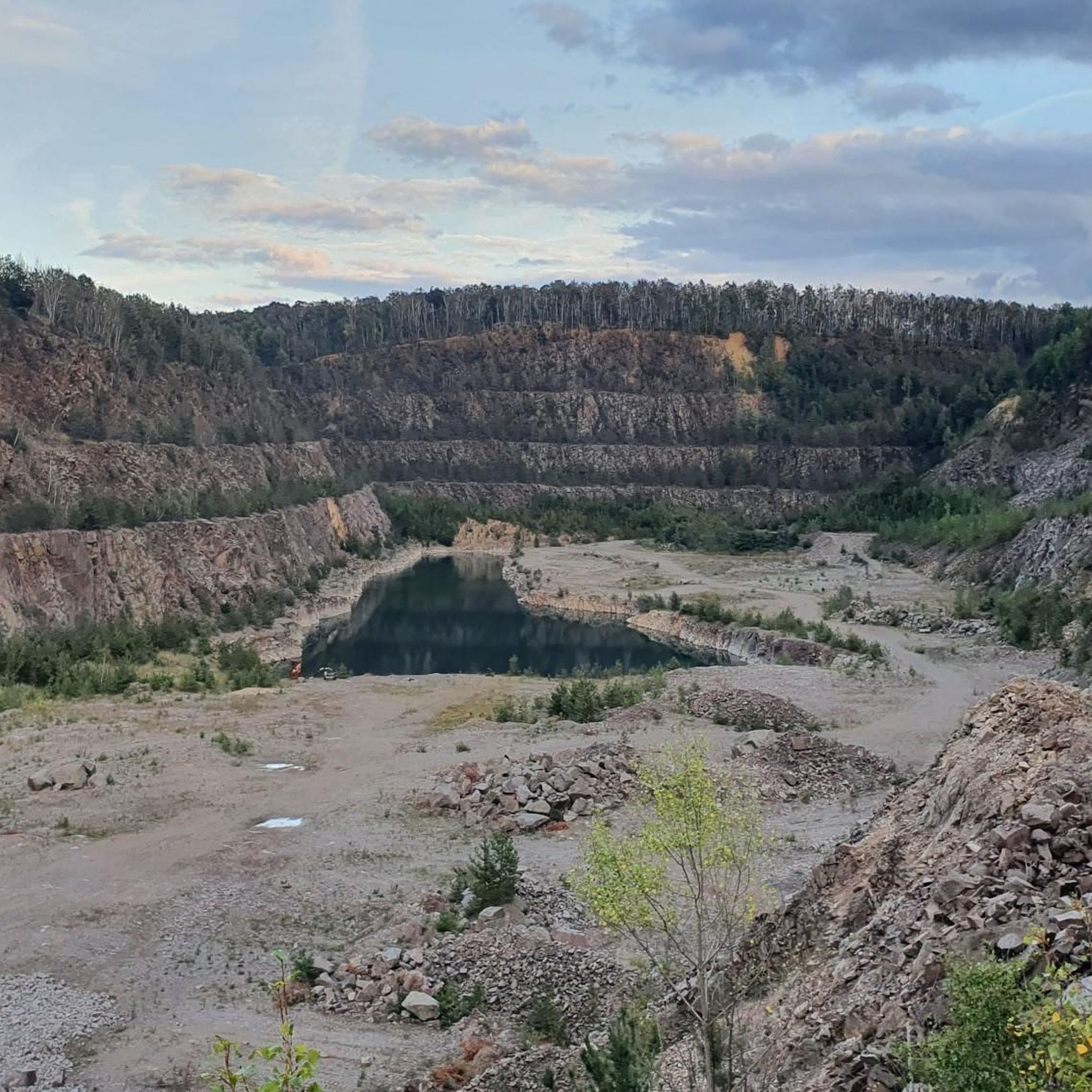
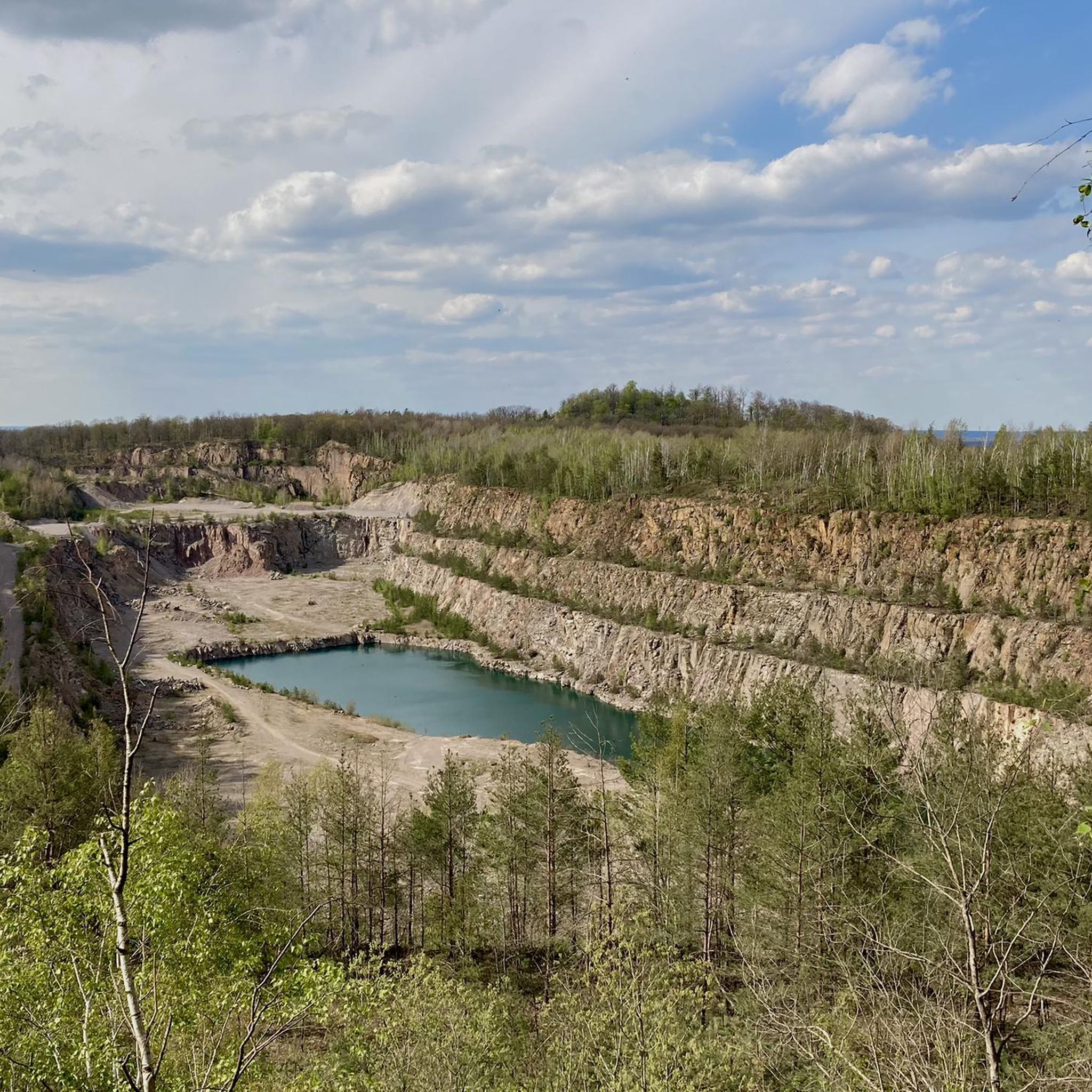
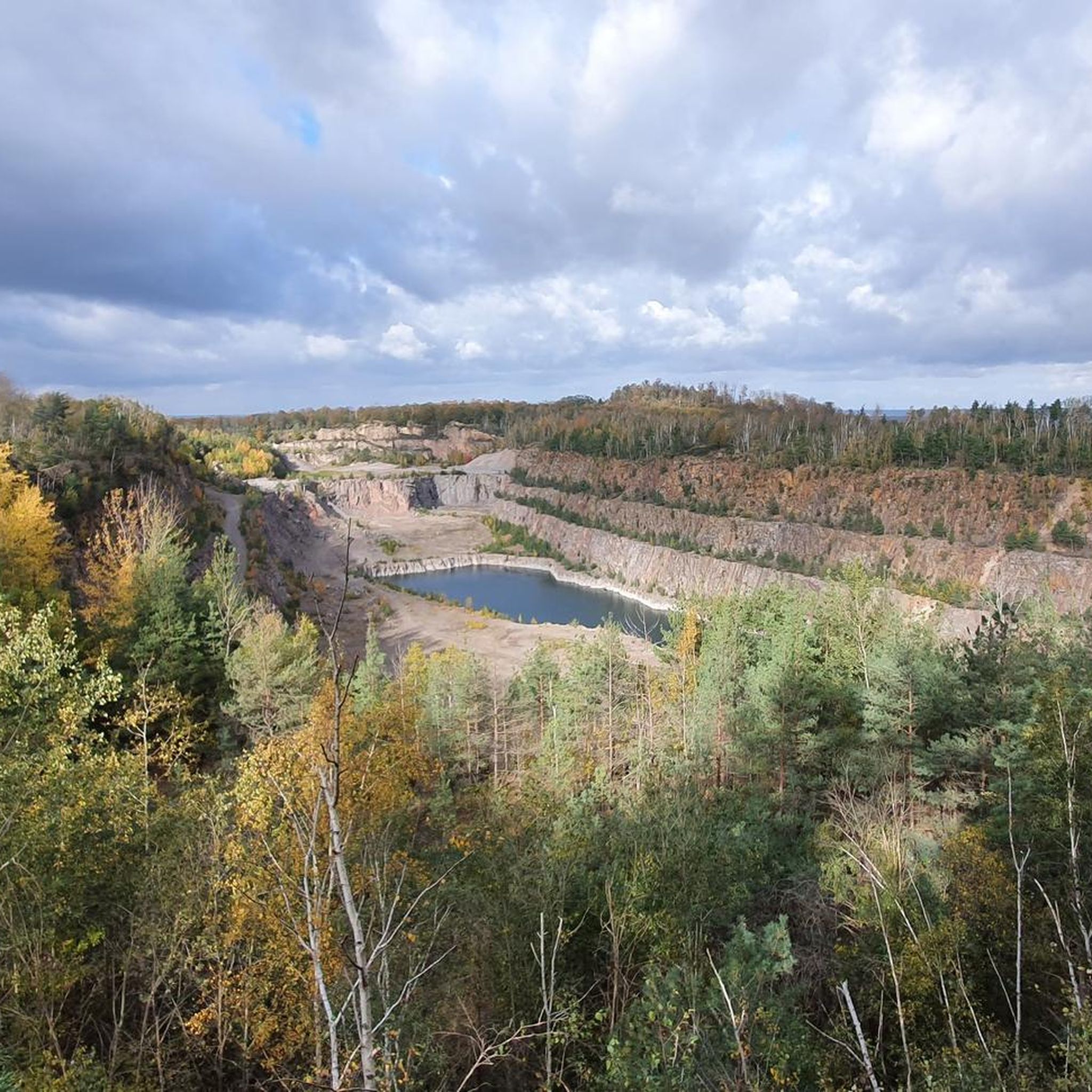
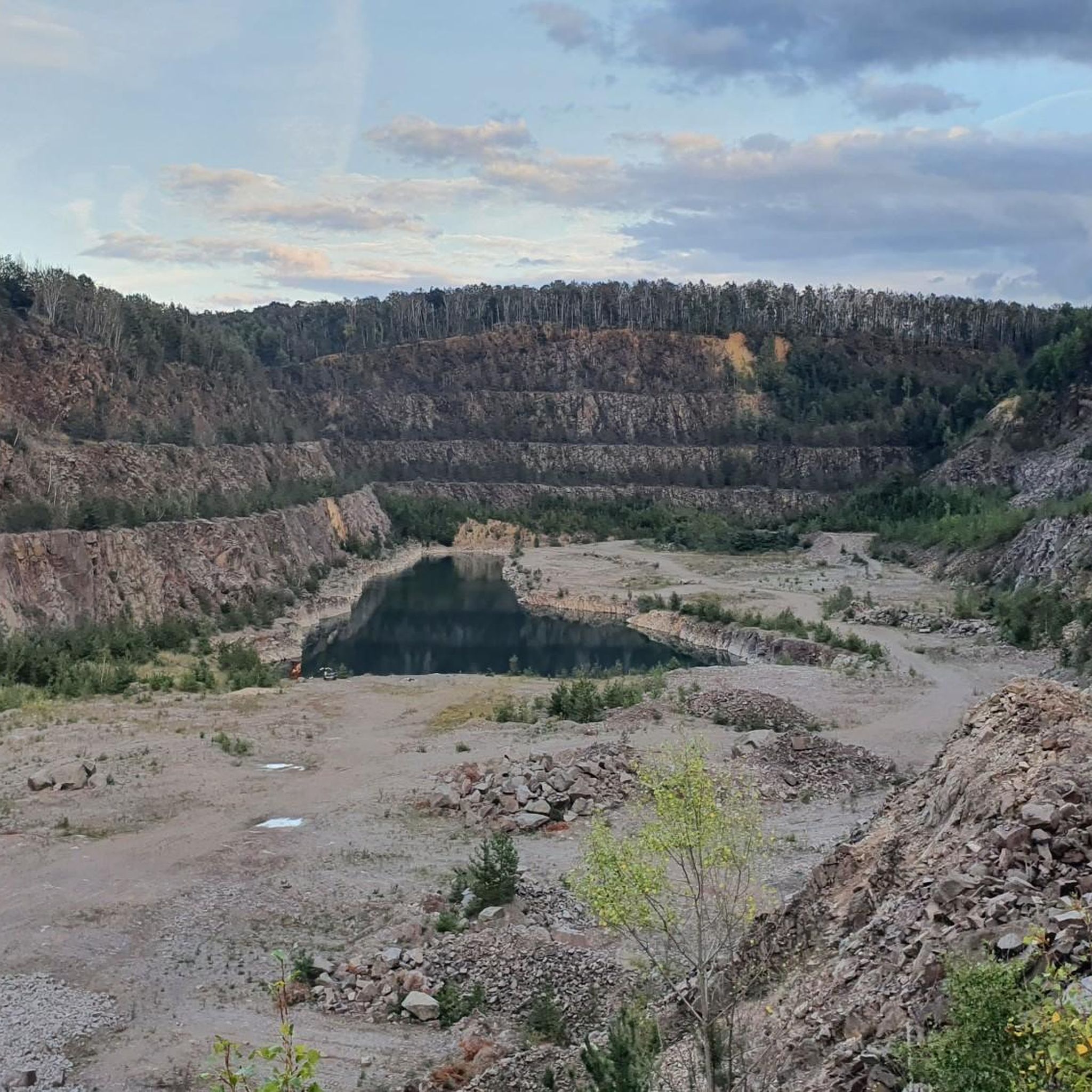
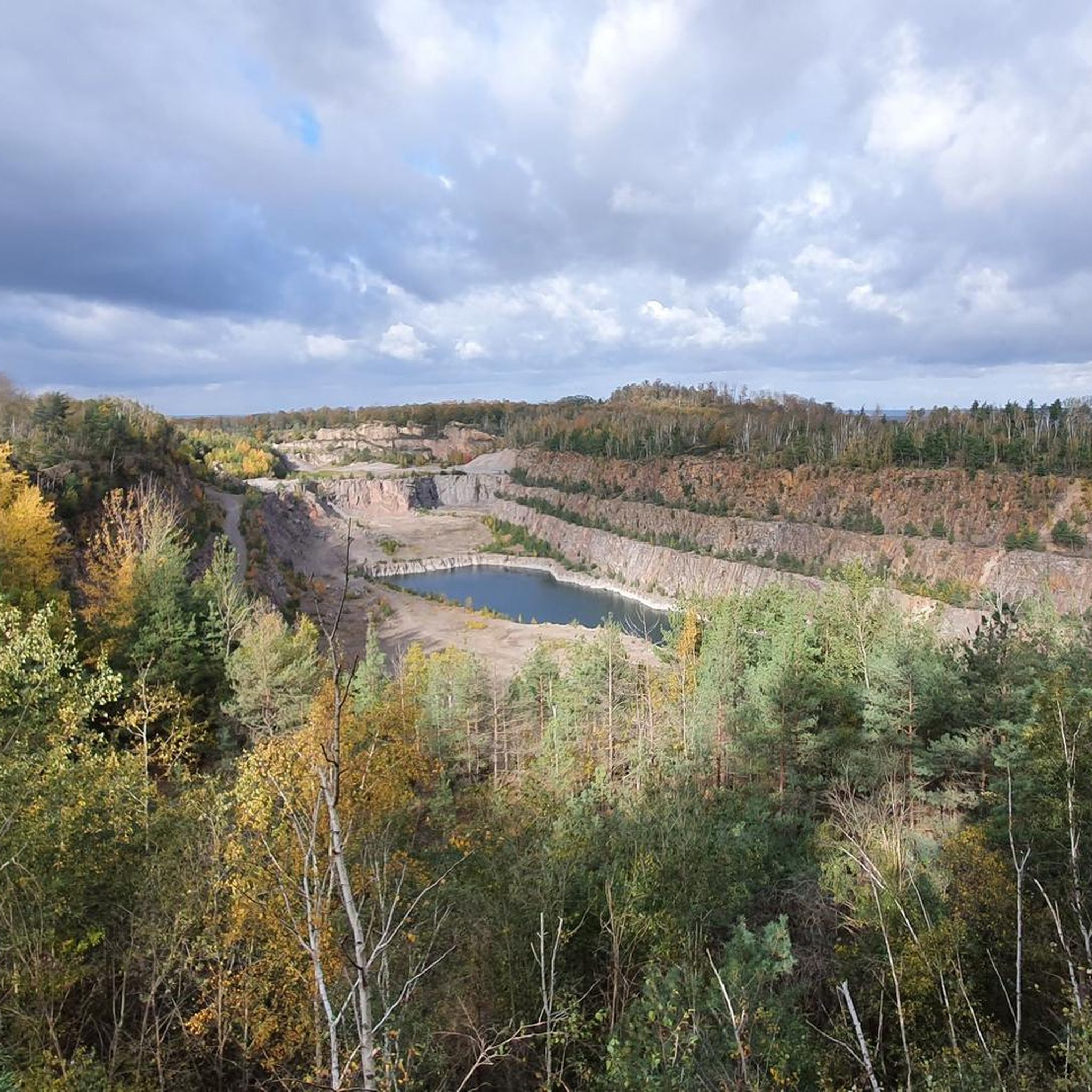
The former quarry at Gaudlitzberg illustrates the great importance of regional rock quarrying and is a popular destination in the Geopark Porphyrland. The geotope "Quarry on the Gaudlitzberg" is located about one kilometer south of Röcknitz. The summit of the 220 meter high Gaudlitzberg is covered with sand loess from the Ice Age. Climbing the crest by bike is not recommended. It's a very steep climb, the descent is no less difficult.
1
0

When the weather is nice, you have a very wide view (among other things, you can see the Monument to the Battle of the Nations in Leipzig). To get to the tower, you have to overcome 102 steps.
6
2
Frequently Asked Questions
What are some of the most popular viewpoints in the Lossatal region?
The Lossatal region offers several excellent viewpoints. Among the most popular is the Albert Tower on Collmberg, which provides expansive panoramas from its 18-meter-high structure. Another highly regarded spot is the Johannas Höh Observation Tower, offering wonderful views over the Muldeland. Additionally, the View from Burzelberg, at 221 meters, gives a good perspective of the wide countryside towards Trebsen on clear days.
What makes the Collmberg a significant peak in the Lossatal area?
The Collmberg, standing at 312 meters, is a prominent elevation in the broader Lossatal region. Its significance comes from the Albert Tower, an 18-meter-high observation tower built in 1854, which offers impressive, far-reaching views. Historically, the Collmberg also served as a crucial 1st order station for land surveying in Saxony, with a monolith embedded in the tower marking its central position in the region's triangular network.
What are the Hohburg Hills known for?
The Hohburg Hills (Hohburger Berge) are a defining feature of Lossatal, known for their picturesque landscape, geological significance, and well-maintained hiking paths. Elevations like the Löbenberg (240 m), Kirschberg, and Galgenberg offer wide views. The area has a history of quarrying, and trails like the 'Bergbaupfad Hohburg' provide insights into the region's stone industry and lead through idyllic forests to old quarries. The 'Kleiner Berg' in Hohburg is also notable for its geological evidence related to Pleistocene inland glaciation.
Are there good hiking opportunities in the Lossatal region?
Yes, the Lossatal region, particularly the Hohburg Hills, offers numerous hiking opportunities. The paths are generally easily accessible, catering to various fitness levels. You can explore idyllic forests, discover old quarries, and enjoy scenic views from elevated points. The 'Bergbaupfad Hohburg' (Mining Trail Hohburg) is a great example, combining natural beauty with historical insights into the region's geological past.
What kind of outdoor activities can I do near the mountain peaks of Lossatal?
Beyond hiking, the Lossatal region provides diverse outdoor activities. You can enjoy gravel biking, with routes like the 'Heron Pond – Albert Tower on Collmberg loop from Wermsdorf'. For road cycling, options include the 'Monument of the Encounter – Hartenfels Castle loop from Hohburg'. There are also general cycling routes, such as the 'Kaolin Lake Kleintscheppa – Schildbürger Fountain loop from Kleiner Berg Hohburg'.
Are there family-friendly mountain walks in Lossatal?
The Hohburg Hills in Lossatal are praised for their easily accessible paths, making them suitable for various fitness levels, including families. While specific 'family_friendly' tags are not extensively listed for all peaks, the general nature of the hills and their well-maintained trails suggest many enjoyable nature experiences for families through forests and past geological formations.
What historical sites can be found near Lossatal's elevated areas?
The region around Lossatal offers several historical points of interest. The Hohburg Hills have a history of quarrying, and trails like the 'Bergbaupfad Hohburg' lead past old quarries. The Albert Tower on Collmberg itself is a historical monument, built in 1854. Further afield, the Beucha Hill Church (Beuchaer Kirchberg) features a notable 13th-century church, visible from a distance, and is set on a hill historically quarried for granite porphyry.
What geological features can I explore in the Lossatal region?
Lossatal is rich in geological interest, particularly within the Hohburg Hills. The area is part of the Porphyrland Geopark, known for its porphyry rock formations. You can explore old quarries, remnants of the region's stone industry. The 'Kleiner Berg' in Hohburg is significant as it provided geological evidence that helped Saxon geologists develop their theory of Pleistocene inland glaciation. The Kirchbruch, a small lake near Beucha Hill Church, is also a national geotope.
What is the best time to visit Lossatal for hiking?
While specific seasonal recommendations are not provided, the easily accessible paths and diverse natural beauty of Lossatal suggest that spring, summer, and autumn would be ideal for hiking. These seasons offer pleasant weather for exploring the forests, geological formations, and enjoying panoramic views from the observation towers.
What do visitors enjoy most about the mountain peaks around Lossatal?
Visitors particularly enjoy the expansive and fantastic views from the observation towers, such as the Albert Tower on Collmberg and the Johannas Höh Observation Tower. The well-maintained hiking paths through idyllic forests and past geological formations in the Hohburg Hills are also highly appreciated. The region's blend of natural beauty, historical significance, and accessible trails makes it a rewarding destination for outdoor enthusiasts.
Are there any hidden gems or less-known spots among Lossatal's elevated areas?
While the Collmberg and Hohburg Hills are well-known, exploring the specific trails within the Hohburg Hills, beyond the main viewpoints, can reveal quieter spots. The 'Bergbaupfad Hohburg' offers a deeper dive into the region's history and geology, leading to less-trafficked old quarries. The Kirschberg and Galgenberg, also within the Hohburg Hills, offer wide views and a sense of discovery away from the more prominent towers.
Most popular routes around Lossatal
Most popular attractions around Lossatal

Get inspired with the komoot mobile app


Explore more
See even more amazing summits around Lossatal with these guides:
