The best cycling routes around Lossatal
4.6
(88)
325
riders
85
rides
Touring cycling around Lossatal offers routes through a landscape characterized by rolling hills, lush forests, and the Lossa river floodplains. The region is part of the National Geopark Porphyrland, featuring geological formations and historical quarry sites. Cyclists can explore areas like the Hohburg Hills, which provide wide vistas. This varied terrain provides a suitable setting for touring cycling.
Best touring cycling routes around Lossatal
- The most popular touring cycling route is Schmannewitz Church – Schildbürger Fountain loop from Frauwalde,…
Last updated: June 24, 2026
5.0
(5)
16
riders
39.5km
02:28
300m
300m
Moderate bike ride. Good fitness required. Mostly paved surfaces. Suitable for all skill levels.
5.0
(4)
18
riders
Easy bike ride. Great for any fitness level. Mostly paved surfaces. Suitable for all skill levels.

Sign up for free
4.6
(5)
9
riders
Moderate bike ride. Good fitness required. Mostly paved surfaces. Suitable for all skill levels.
5.0
(2)
8
riders
Moderate bike ride. Good fitness required. Mostly paved surfaces. Suitable for all skill levels.
5.0
(3)
12
riders
Easy bike ride. Great for any fitness level. Mostly paved surfaces. Suitable for all skill levels.
Get access to more routes and recommendations from other explorers.
Sign up for free
Already have an account?
Our route recommendations are based on thousands of hikes, rides, and runs completed by other people on komoot.
Start today with a free account
Your next adventure awaits.
Login or Signup
Popular around Lossatal
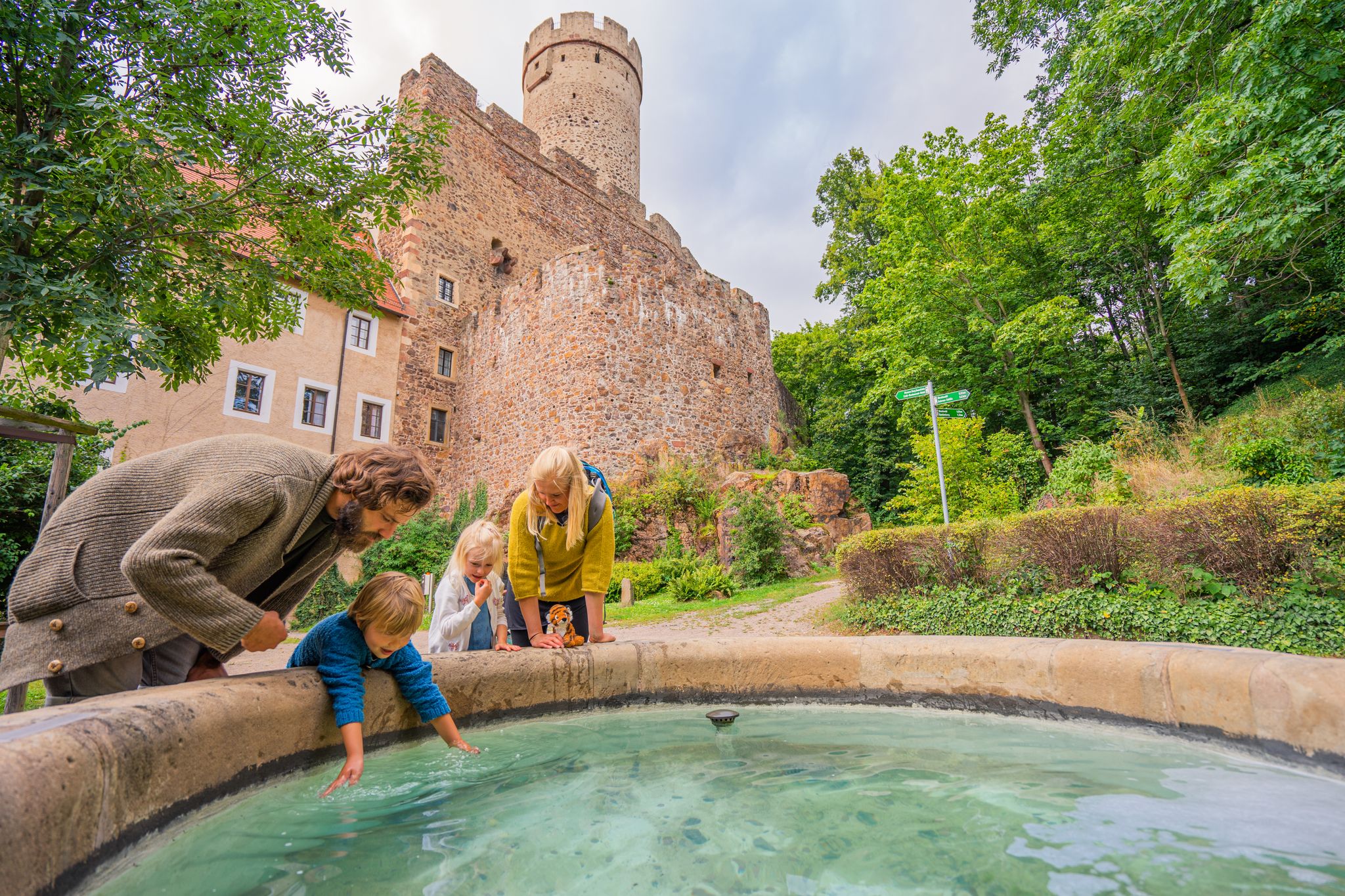
Time for little adventures – family hikes in the Leipzig region
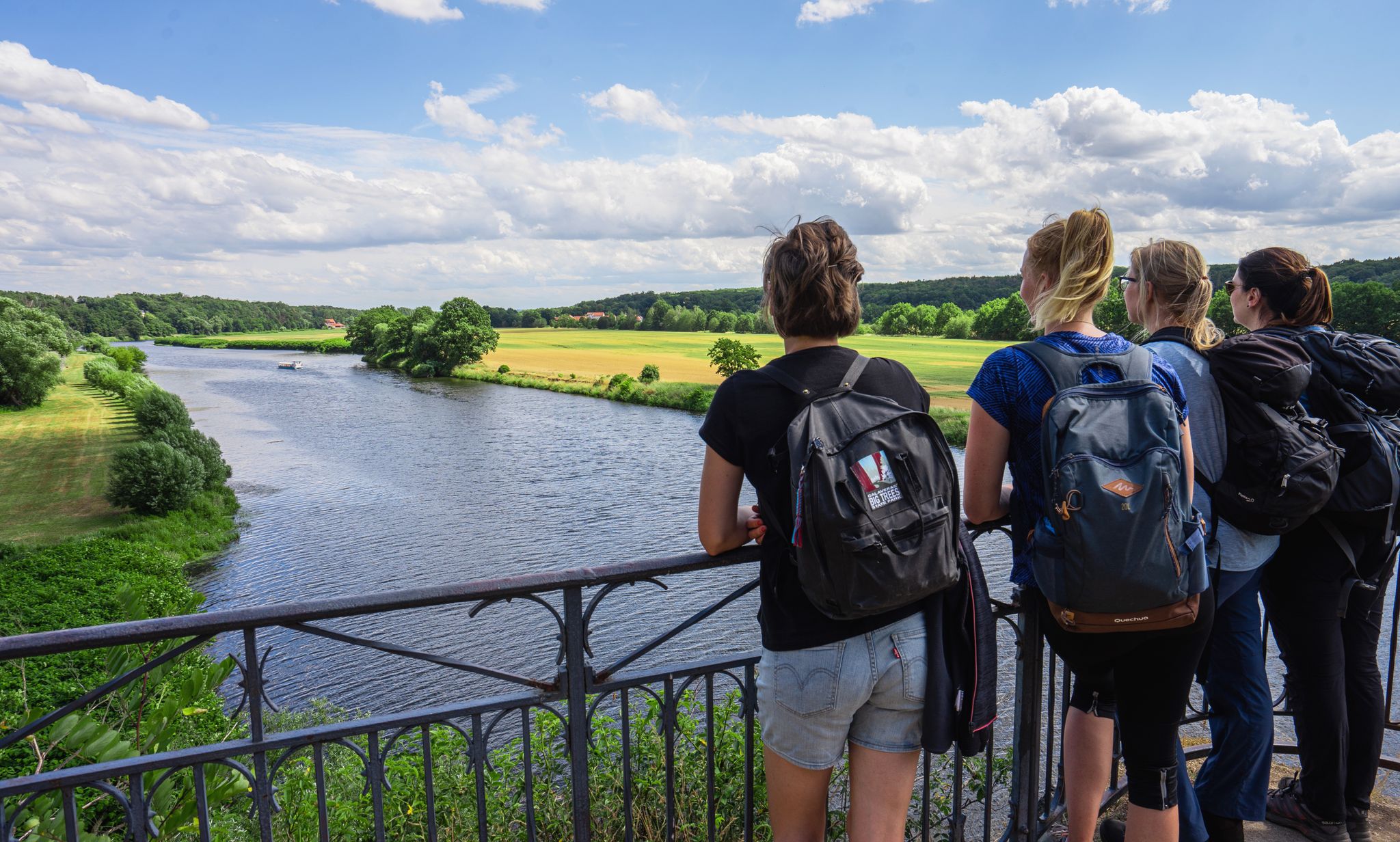
Hiking between big city and nature – urban escapism Leipzig

Hike with BUND on the trail of the European wildcat

Rafting. Climbing. Hiking — awesome fun around Leipzig
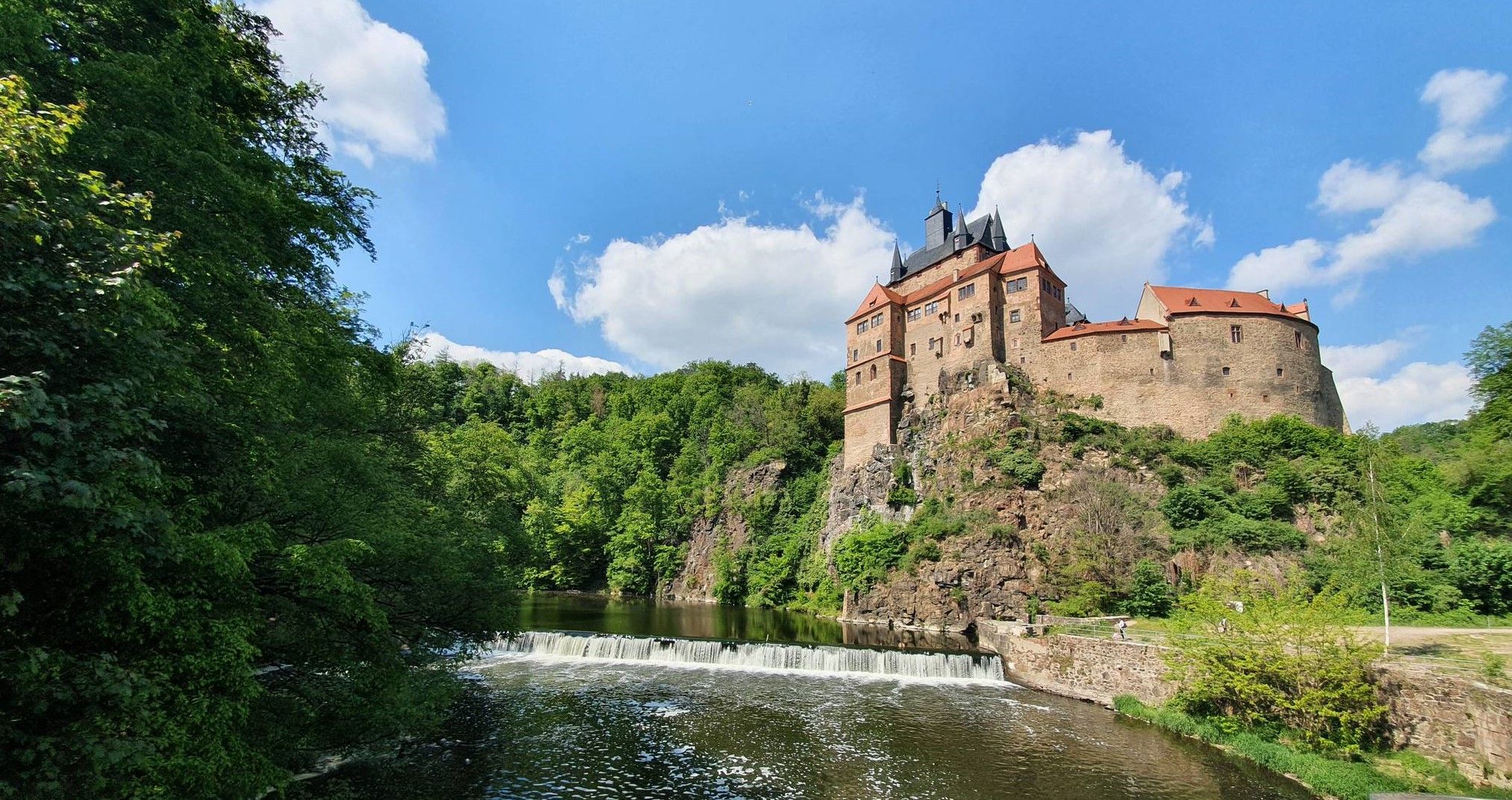
Don't forget your crampons – a high-altitude hike around flat Leipzig
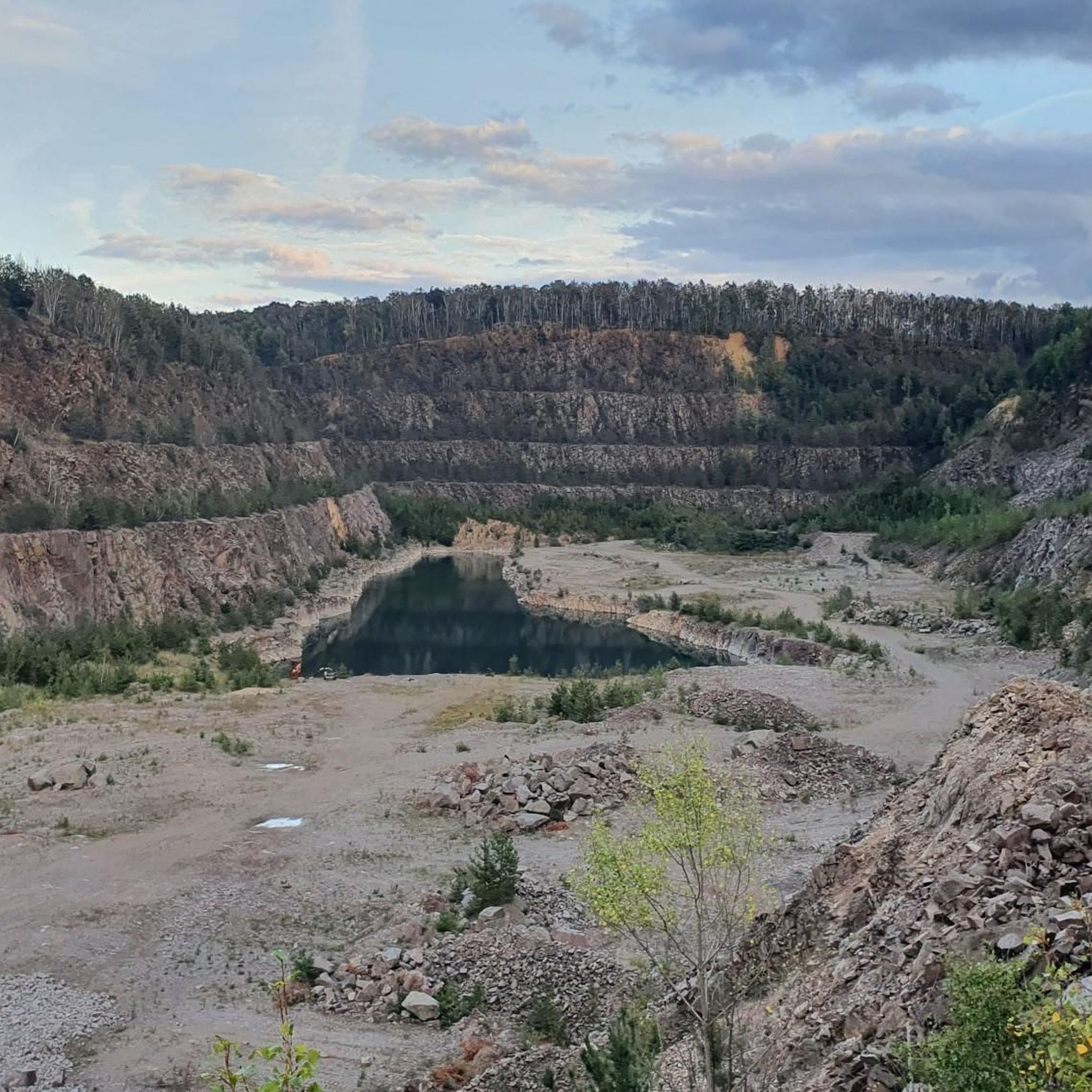
Hiking around Lossatal
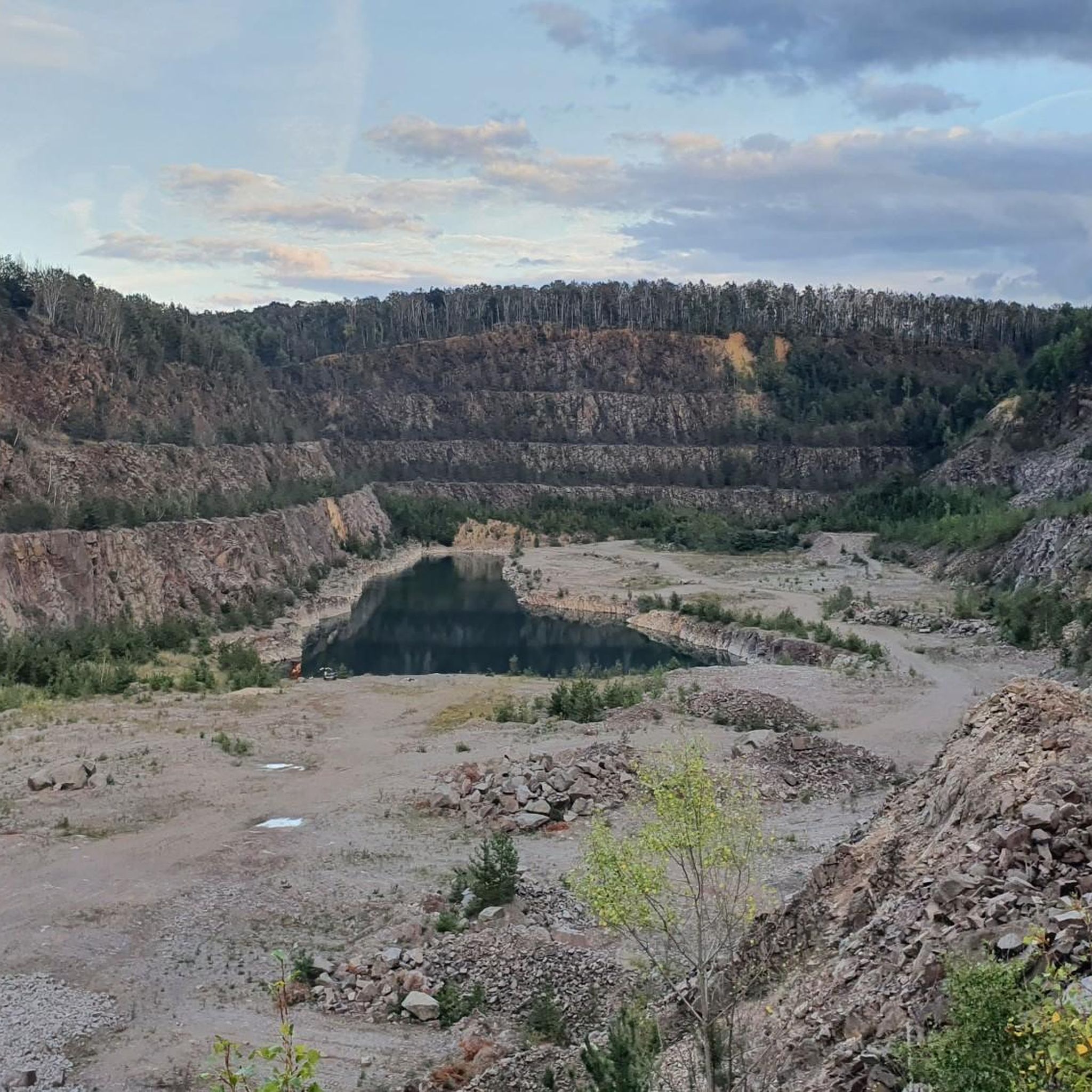
Road Cycling Routes around Lossatal
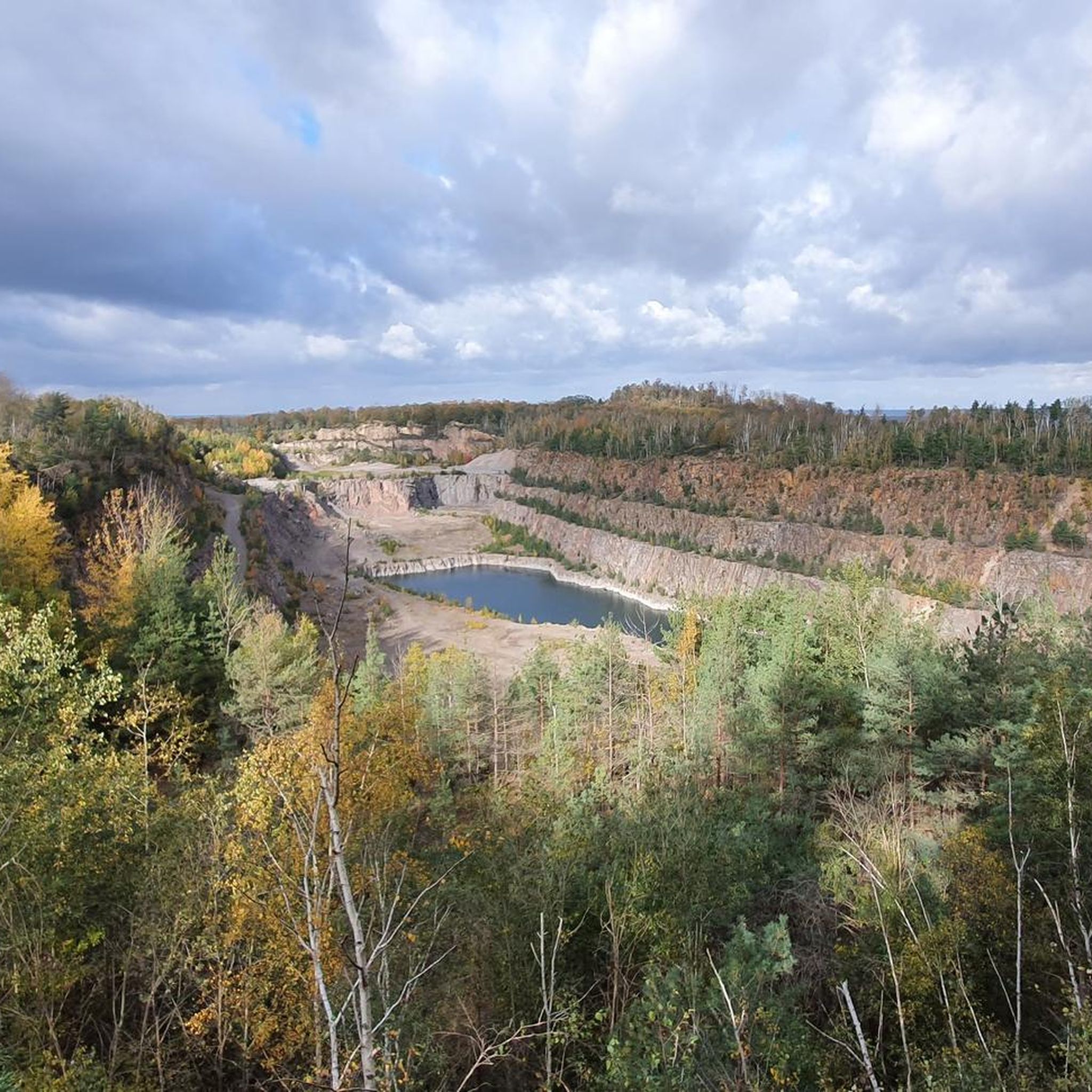
MTB Trails around Lossatal
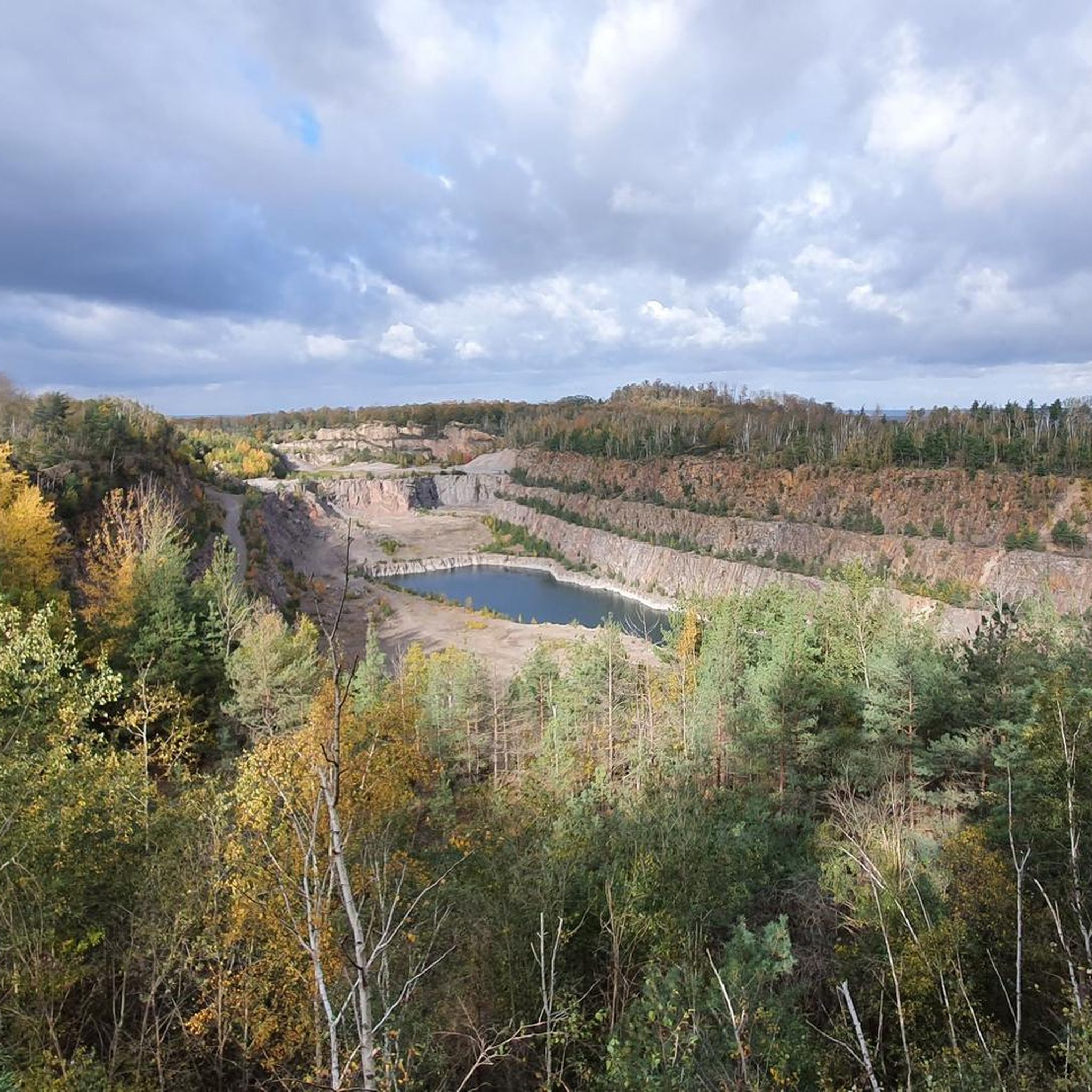
Running Trails around Lossatal
Gravel biking around Lossatal
Other adventures around Lossatal


Tips from the Community

The Sacred Heart Church in Wurzen is a Catholic church that was built at the end of the 19th century on the then eastern outskirts of Wurzen. It is the parish church of the parish of St. Francis Wurzen in the Deanery of Leipzig of the Diocese of Dresden-Meissen. The building is a listed monument.
0
0


The design for the Schmannewitz church comes from George Bähr, the architect of the Dresden Frauenkirche. Schmannewitz boasts a cultural and historical landmark in its Baroque village church. Built as a single-nave structure in 1731/32, the octagonal tower and the interior furnishings, including the galleries, date from the late 18th century. The residents of Schmannewitz were in for a surprise when the tower was renovated in 1961/62. An eight-page parchment was discovered, revealing that the design for the Schmannewitz church was indeed by the renowned George Bähr, the architect of the Frauenkirche in Dresden. The old Rühle organ is also well-preserved. Those who visit Schmannewitz at the right time can enjoy wonderful concerts here. - Restrooms available for visitors https://www.leipzig.travel/poi/george-baehr-kirche-zu-schmannewitz
0
0

The Schildbürgers lived in the fictional town of Schilda and pretended to be stupid to make fun of people
2
0

Beautifully clad with wooden shingles and a slanted church tower.
0
0
Between 1509 and 1513, Bishop Johann VI of Saalhausen had the chancel added, whose ribbed cell vault still stands today. The church tower was also completed during this period.[1] In 1499, the church burned down completely and was rebuilt in 1513 in the late Gothic style. With the help of Elector Johann Friedrich, the pastor Johann Hofmann from Thammenhain became the first Evangelical Lutheran pastor at St. Wenceslai on September 12, 1539. Since then, the church has been Protestant.[2] During the Thirty Years' War – during the "Wurzen Martyrdom Week" in March 1637 – it was destroyed again. In 1663, the citizens of Wurzen began its reconstruction. In 1673, St. Wenceslai was completed as a post-Gothic hall church with a four-bay nave and octagonal pillars.[3] In 1673, lightning struck the church tower, causing part of it to collapse. As a result, it was shortened to the height of the bell tower in 1679, rebuilt as an octagon, and given a Baroque, slate-covered dome complete with lantern, spire, and turret finial.[4] After the extensive renovation in 1873 and 1874, the church, partly because its gallery had been equipped with two rows of seats, offered space for 880 people – a number appropriate for the then prosperous small town with a burgeoning economy and a high proportion of residents belonging to the Evangelical Lutheran denomination. The next major renovation took place between 1926 and 1927.[5] Source: https://de.wikipedia.org/wiki/Stadtkirche_St._Wenceslai
3
0
After Wurzen was first mentioned in a document by Emperor Otto I in 961 as "vurzine civitas" (as the center of the castle ward at the Mulde crossing on the old salt road from Magdeburg to Bohemia), the Wencels suburb, among others, soon developed as an old settlement center with its own church of St. Wenceslas. St. Wenceslas (according to an old folk tradition) is considered a saint of merchants and traders, but also of thieves, robbers, and highwaymen. Our parish church of St. Wenceslas, which defines the townscape, stands on Sperlingsberg. The walled-in head of a Slavic idol sacrificial stone, on the inside left corner of the north portal, indicates the hill's Slavic past as a sanctuary: a symbol of the victory of the Christian church over the Slavic nature religion. Thus, the idol must now support the church building. It must be noted that this interpretation is not scientifically proven. Its location as a city church "outside the walls" is considered a unique feature. Hence the saying recorded in Schöttgen's Chronicle (1717): "When the people of Wurzen are supposed to go to church, they run out the gate." It was founded in the mid-13th century and first mentioned in a document in 1275. In 1340 AD, it is mentioned as a "little chapel" in the St. Wenceslas churchyard and "incorporated" into the Wurzen collegiate chapter, meaning that services and income from St. Wenceslas accrued to the canons. As the main church, it soon replaced the older St. James's Church, which by 1340 was only ministered to by a "vicarius" (a vicar who "served further up the hill"). The current church dates essentially from the beginning of the 16th century. The date on the tower entrance, M:CCCCC:XIII (1513), probably indicates the provisional completion of a new building during this period. It is a late Gothic hall church (four-bay nave with octagonal pillars). The mighty square tower still has a gable roof in Dilich's 1628 city view. Source: https://de.wikipedia.org/wiki/Stadtkirche_St._Wenceslai
3
0
The Evangelical Lutheran City Church of St. Wenceslai in Wurzen is a three-aisled hall church whose current appearance dates from 1663 to 1673. The church belongs to the Evangelical Lutheran Church of Saxony in Wurzen, in the Leipzig district of Saxony. It is a cultural monument in the Free State of Saxony. Its patron saint is the martyr Wenceslas of Bohemia. With its distinctive church tower, it is an integral part of the cityscape. Source: https://de.wikipedia.org/wiki/Stadtkirche_St._Wenceslai
3
0
Frequently Asked Questions
What kind of terrain can I expect on touring cycling routes in Lossatal?
Lossatal's touring cycling routes are characterized by rolling hills, lush forests, and the scenic floodplains of the Lossa river. The region is also part of the National Geopark Porphyrland, offering geological formations and historical quarry sites, particularly around the Hohburg Hills, which provide wide vistas.
Are there many touring cycling routes available in Lossatal?
Yes, Lossatal offers a wide array of touring cycling routes. There are over 80 routes available, catering to various preferences and skill levels, from easy to moderate and even some more challenging options.
What are some family-friendly touring cycling routes in Lossatal?
For families looking for an easier ride, the route Joachim Ringelnatz Fountain, Wurzen Market Square – Wurzen Post Mile Column loop from Lüptitz is an excellent choice. This easy 9.9-mile (16.0 km) path explores cultural landmarks and river valleys, making it suitable for a relaxed family outing.
Can I find circular touring cycling routes in Lossatal?
Absolutely. Many routes in Lossatal are designed as loops, allowing you to start and end at the same point. A popular moderate circular route is Schmannewitz Church – Schildbürger Fountain loop from Frauwalde, which covers 24.4 miles (39.3 km) through varied natural scenery.
What are some notable landmarks or attractions I can see while cycling in Lossatal?
Lossatal is rich in historical and natural attractions. You can cycle past historic sites like the Old Hunting Lodge Wermsdorf, or explore the geological significance of the region at the Geoportal Museum Steinarbeiterhaus Hohburg. The Trebsen Castle and Machern Castle are also nearby, offering glimpses into the area's rich history.
Are there any routes that offer scenic viewpoints?
Yes, the region offers several spots with expansive views. The Collmberg, at 312 meters, features the 18-meter-high Albert Tower, providing fantastic panoramic views. The Hohburg Hills also offer wide vistas from locations like Skiwiese, Kirschberg, and the south side of Galgenberg.
What is the general difficulty level of touring cycling routes in Lossatal?
The routes in Lossatal cater to a range of abilities. The majority, over 50 routes, are classified as easy, while around 30 are moderate. There are also a few more challenging routes for experienced cyclists. This variety ensures there's something for everyone.
What do other touring cyclists say about the routes in Lossatal?
The touring cycling routes in Lossatal are highly regarded by the komoot community, with an average rating of 4.6 stars from over 80 reviews. Cyclists often praise the varied terrain, from rolling hills to lush forests, and the well-maintained paths that make for enjoyable rides.
Are there any routes that pass by lakes or water features?
Yes, the region features several quarry lakes. The route Kaolin Lake Kleintscheppa – Schildbürger Fountain loop from Kleiner Berg Hohburg, a 34.4-mile (55.4 km) trail, leads through areas with these distinctive water bodies and the Hohburg Hills.
How long do touring cycling routes in Lossatal typically take to complete?
Route durations vary significantly based on length and difficulty. For example, an easy route like Schwanenteich Roitzsch – Herz-Jesu Church Wurzen loop from Lossatal (10.1 miles / 16.3 km) can be completed in about 1 hour and 5 minutes, while longer moderate routes might take over 3 hours, such as the Muldentalbahn Cycle Path – Wachtelberg Bismarck Tower loop from Falkenhain (25.8 miles / 41.5 km).
What is the best time of year for touring cycling in Lossatal?
Lossatal's landscapes, with their rolling hills and lush forests, are particularly appealing during spring and autumn when the weather is mild and the natural scenery is at its most vibrant. Summer also offers great cycling conditions, though it can be warmer.
Most popular attractions around Lossatal

Get inspired with the komoot mobile app


Explore more
Browse the best Cycling routes in other regions.
