Top 13 Caves around Neu-Anspach
Caves near Neu-Anspach offer insights into the region's geological features and local history. Located within the Taunus Nature Park, Neu-Anspach is characterized by green forests and gentle peaks. While large show caves are not prominent, the area features smaller natural rock formations and historical mine adits. These natural attractions provide opportunities for exploration and connect to local folklore.
Best caves around Neu-Anspach
- The most popular caves is Gute Hoffnung Bat Cave, a cave that serves as a hibernation area…
Last updated: July 10, 2026
Bear cave with stuffed animals
Highlight • Cave
To reach it via a narrow path that goes from the main path.
Translated by Google •
Tip by

Bear Cave
Highlight • Cave
No bears to be seen 😂
At least an angel smiled at me 👌😉
Translated by Google •
Tip by

Sign up now to discover places like this
Get recommendations on the best single tracks, peaks, & plenty of other exciting outdoor places.
Sign up for free
Entrance to the Goldgrube Mine Adit
Highlight • Historical Site
Translated by Google •
Tip by

Fra von Seel Cave
Highlight • Cave
Translated by Google •
Tip by

Gute Hoffnung Bat Cave
Highlight • Cave
All around there is a natural outdoor area. A little detour that is really worth it!
Translated by Google •
Tip by
Sign up for free to discover even more caves around Neu-Anspach.
Sign up for free
Already have an account?
Start today with a free account
Your next adventure awaits.
Login or Signup
Popular around Neu-Anspach

History, forest and gnomes – hiking in Germany’s Hochtaunus region

A journey through time – the most beautiful routes in the Taunus Nature Park
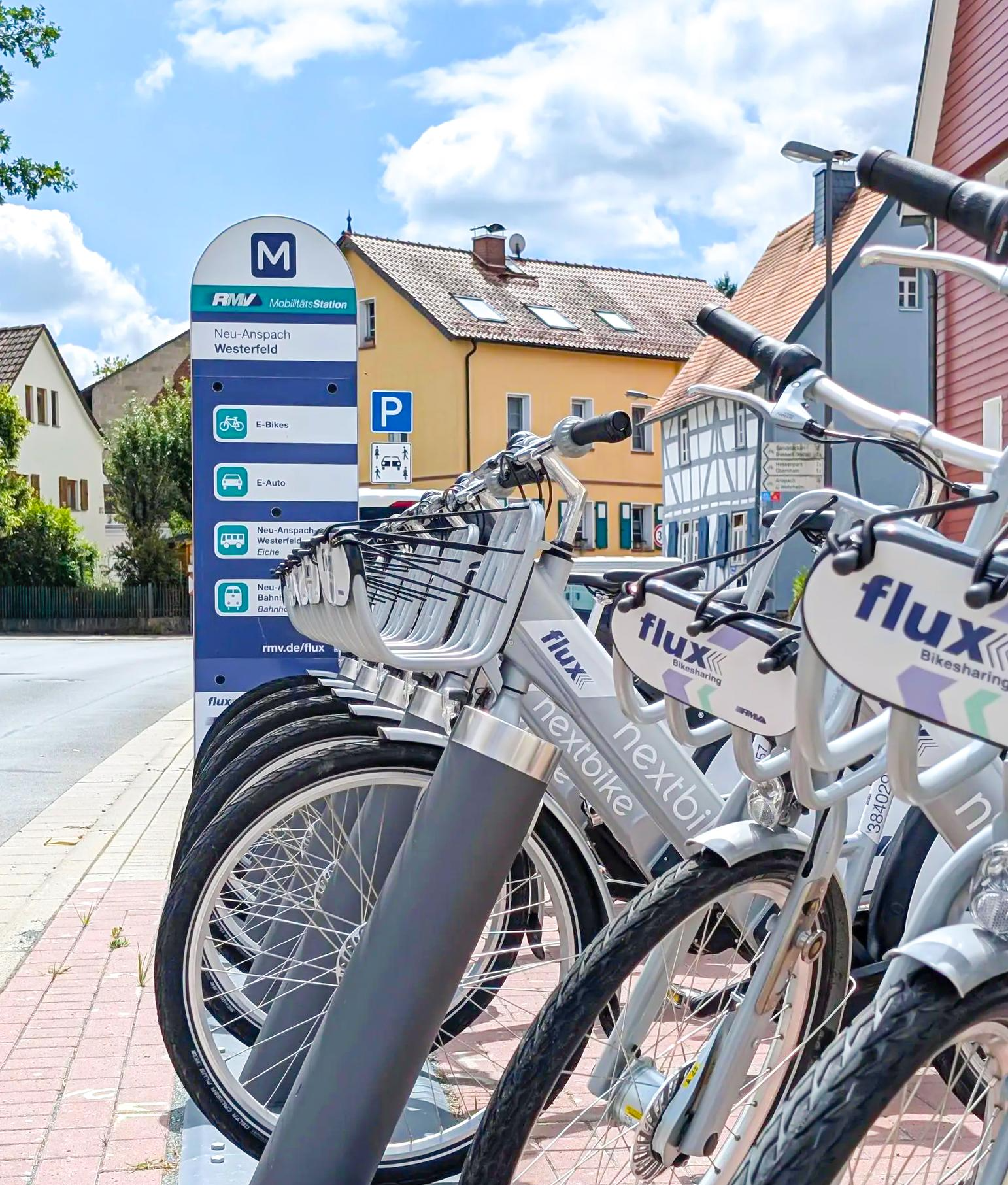
Mit flux & Bahn – Radtouren im Usinger Land
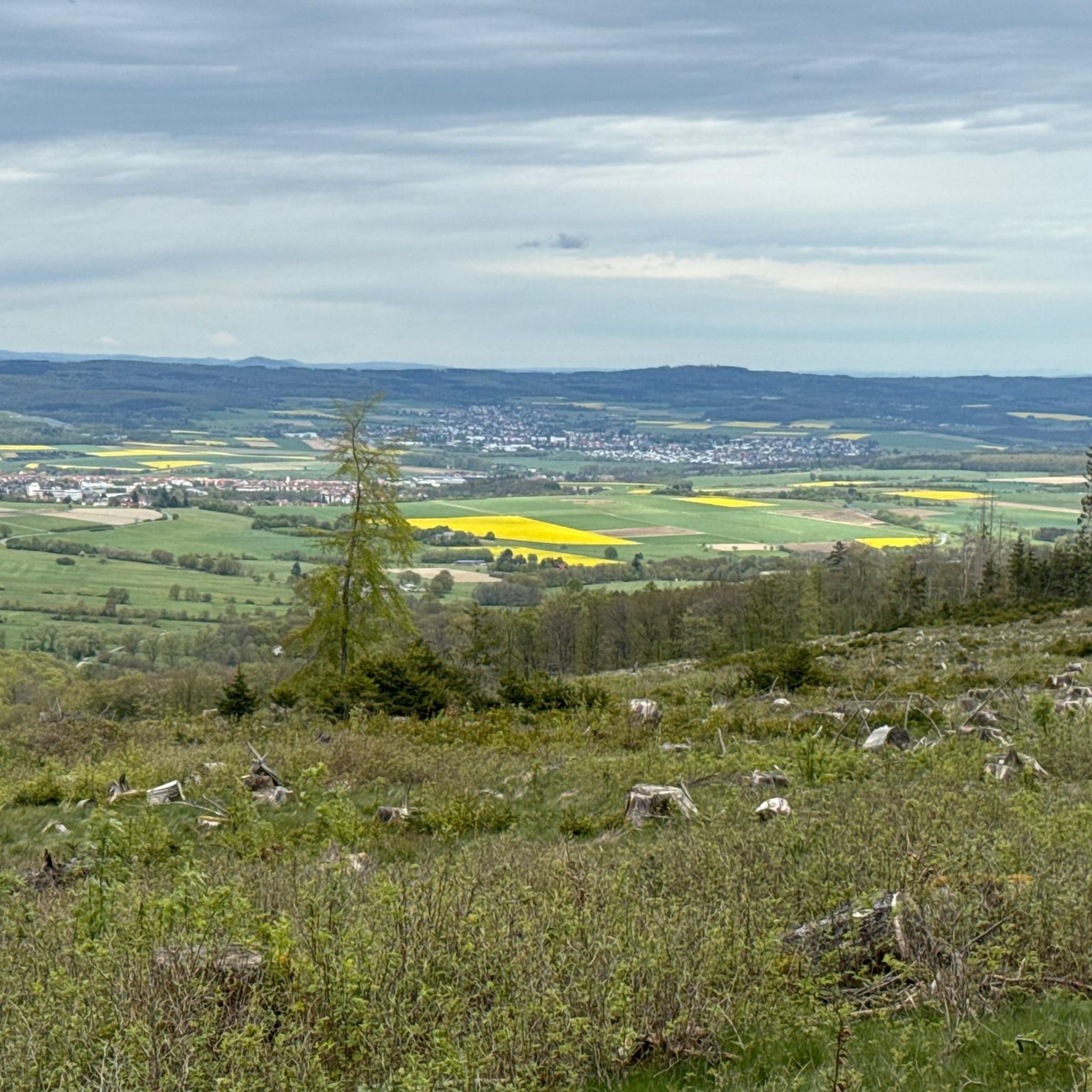
Hiking around Neu-Anspach
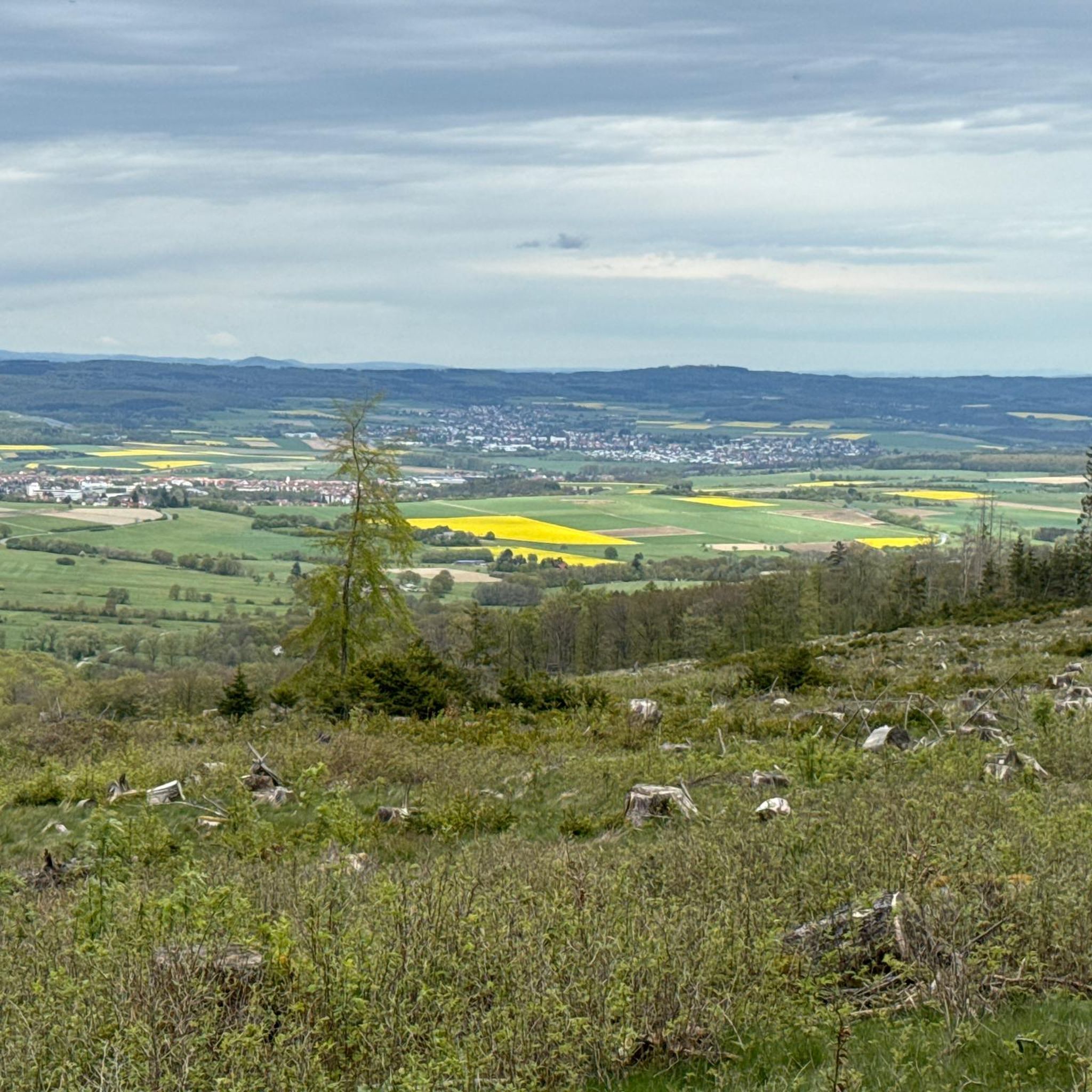
Cycling around Neu-Anspach
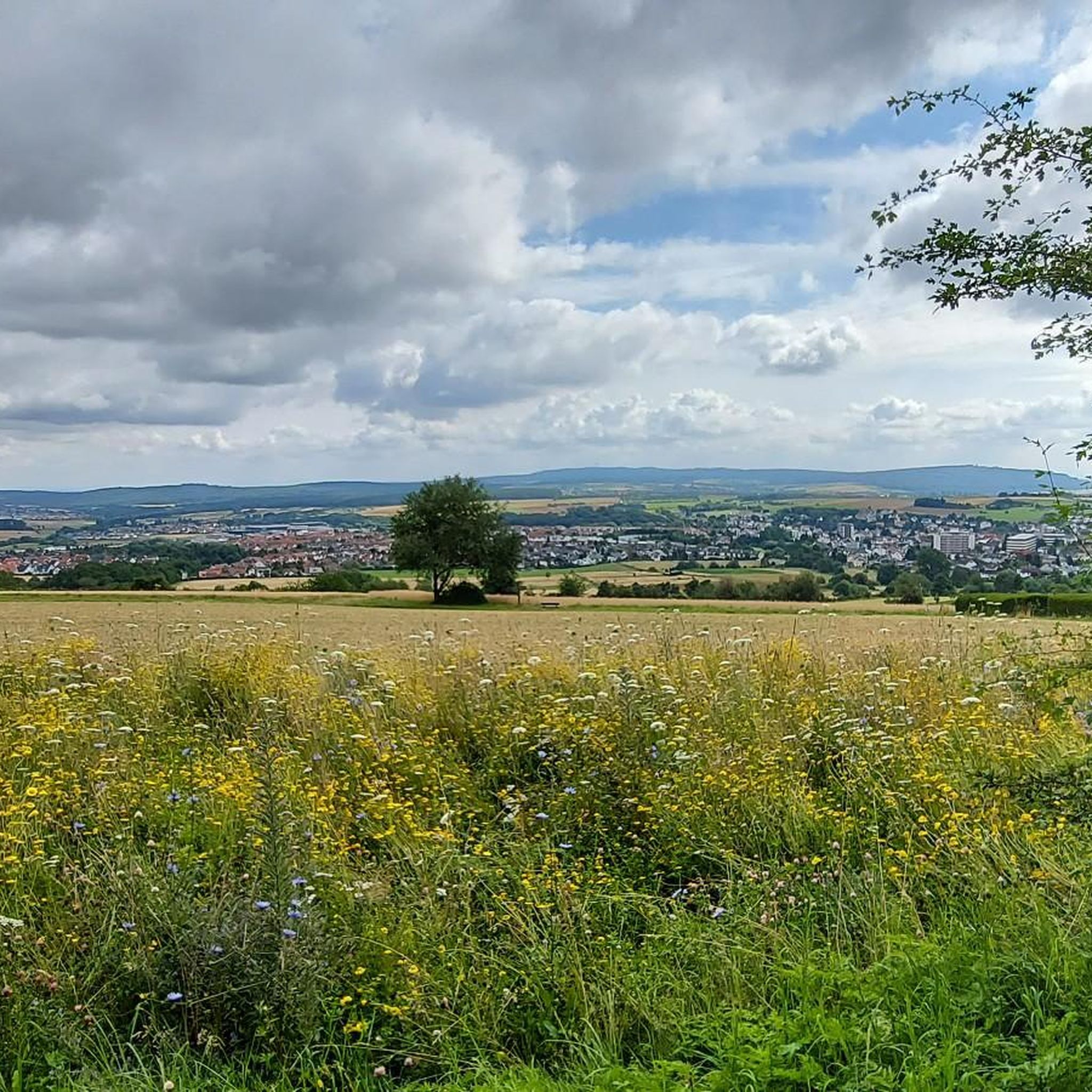
Road Cycling Routes around Neu-Anspach
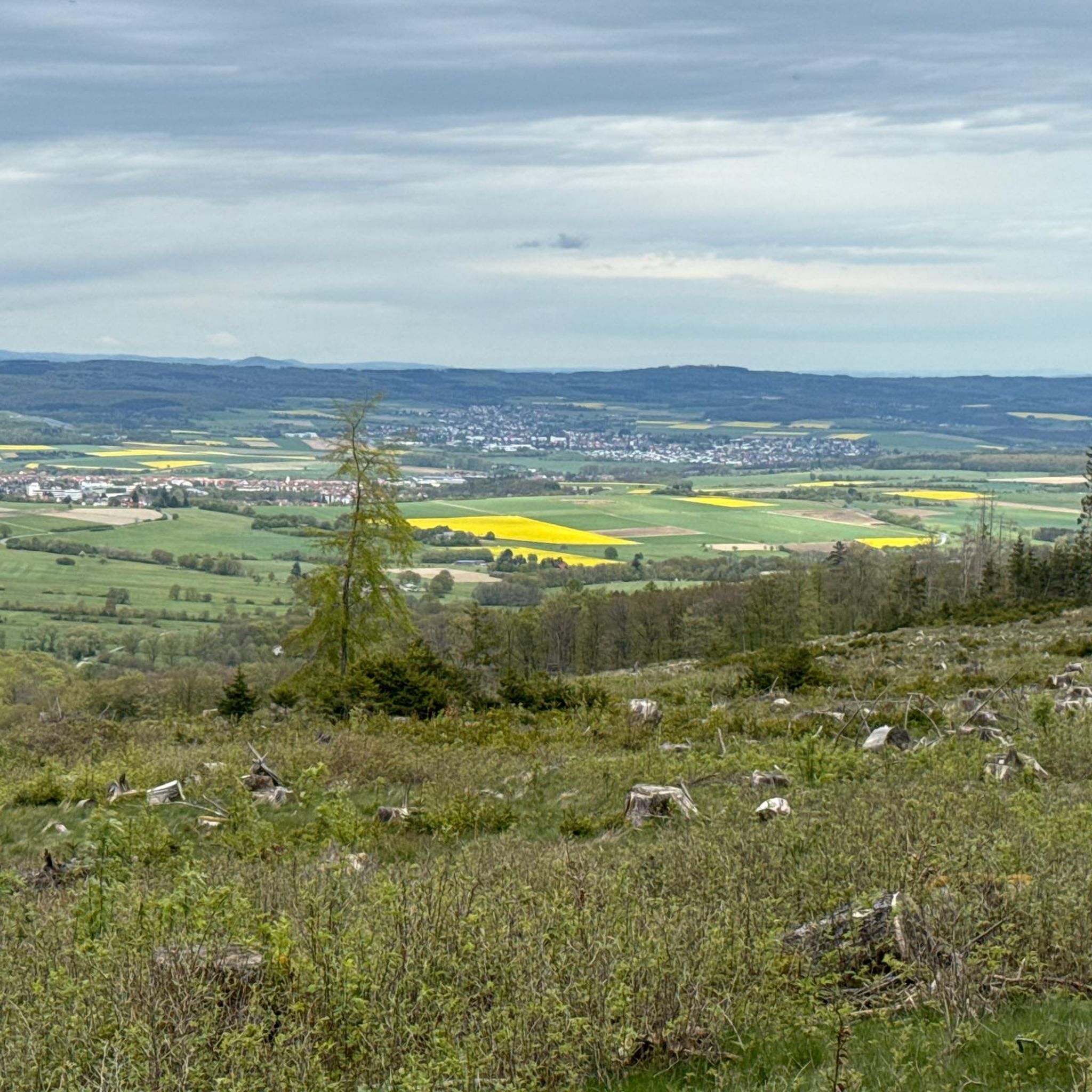
MTB Trails around Neu-Anspach
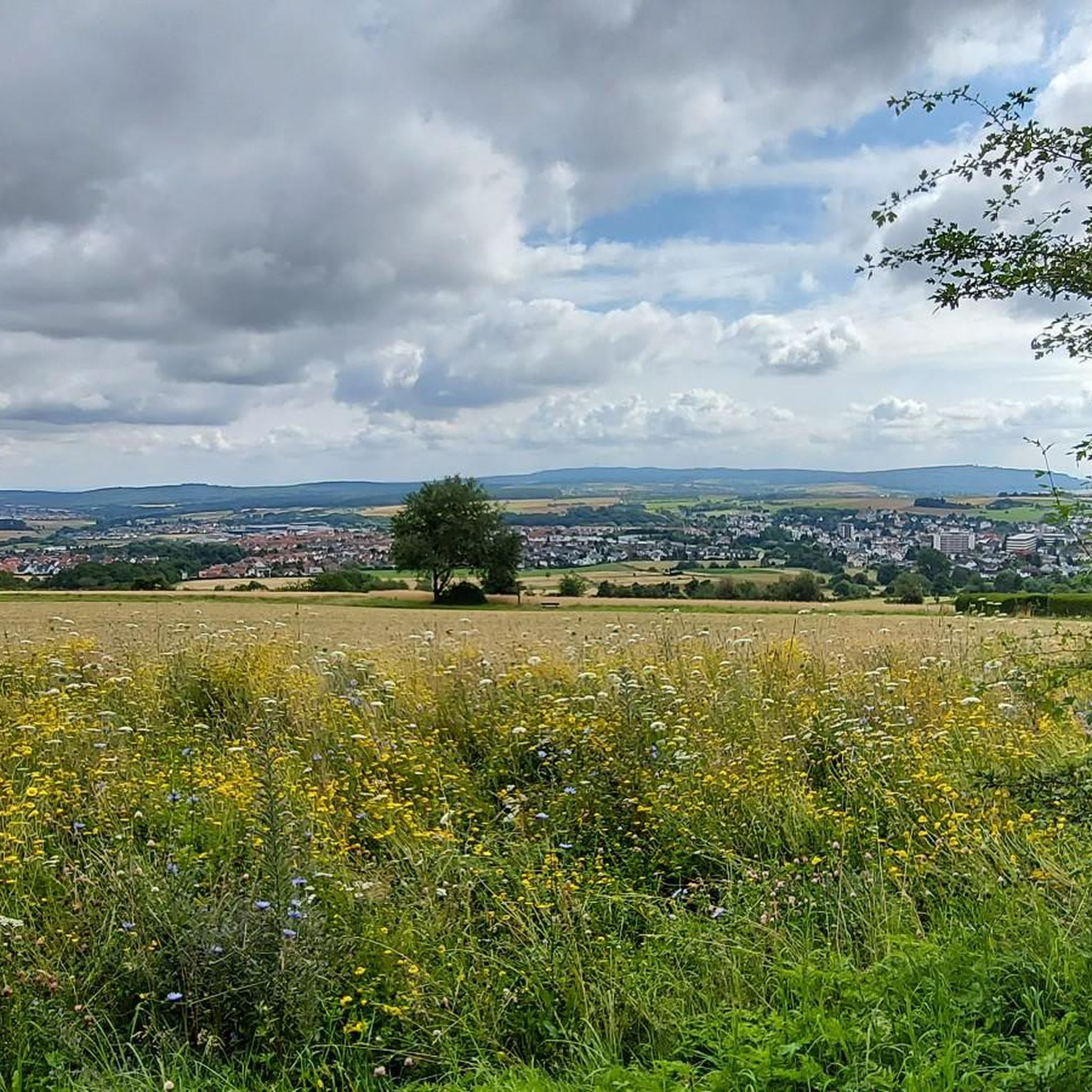
Running Trails around Neu-Anspach

Gravel biking around Neu-Anspach

Mountain Hikes around Neu-Anspach
Other adventures around Neu-Anspach


Tips from the Community

The gold mine 🪙💰 near Oberursel was an experimental mine with several shafts, which probably dates back to Roman times or possibly even to Celtic origins. The visible tunnel now serves as a bat quarters🦇🦇🦇. Please avoid unnecessarily illuminating the tunnel entrance. 🕯️
4
0

If you want to know what the name means, you can find an explanation on Riedelbach's website. https://www.riedelbach.de/index.php/landschaft/sehenswuerdigkeiten/frafindersel-fra-von-seel#:~:text=Als%20Frafindersel%20oder%20Fra%20von,Zeit%20der%20ersten%20Besiedlung%20zur%C3%BCckreicht.
1
0
There is no recognizable path to the grotto. As everything is overgrown with blackberry bushes in summer, it is better to visit outside of the growing season. Be careful: there is a short, very steep section to overcome, as well as fallen trees/broken branches.
2
0

I crawled into the little cave again today. No bears to be seen 😂 At least an angel smiled at me 👌😉
8
0

A place steeped in history and surrounded by many rumors.
1
0
The Goldgrube (Gold Mine) on the mountain of the same name was an experimental mine with three tunnels and several shafts, probably dating back to Roman times but possibly also of Celtic origin. In 1719, two abandoned old tunnels were rediscovered at the foot of the Hangelstein mountain, and since then, the mountain has also been called the Goldgrube (Gold Mine). The lower and upper tunnels were discovered; the third tunnel, located further south, was unknown at the time. Shortly after the rediscovery of the two tunnels, exploration work began for mineable ore. However, nothing was found, and operations ceased in 1739. Of the three tunnels in the Goldgrube (Gold Mine), only the lower tunnel is accessible; it was explored in 1985. The mine building is fenced and serves as a hibernation area for bats. From: https://de.wikipedia.org/wiki/Goldgrube_(Bad_Homburg)
7
1

Small cave with surprises do you dare to look in 😜
3
0

Frequently Asked Questions
What types of caves can I explore around Neu-Anspach?
The Neu-Anspach region, situated within the Taunus Nature Park, features smaller natural rock formations, historical mine adits, and grottos rather than large show caves. These include sites that serve as bat habitats and locations tied to local legends.
Are there any historical caves or mine adits in the area?
Yes, the region has historical mine adits. A notable example is the Entrance to the Goldgrube Mine Adit. This site was an experimental mine, possibly dating back to Roman or Celtic origins, and its lower tunnel now serves as a wintering place for bats.
Can I visit caves that are important for wildlife?
Absolutely. The Gute Hoffnung Bat Cave is a former mining tunnel that serves as a crucial hibernation area for bats, toads, and fire salamanders. It's part of a natural outdoor area and offers a unique insight into local wildlife conservation.
Are there family-friendly caves to visit near Neu-Anspach?
The Bear Cave is considered family-friendly. It's a small cave where visitors have placed figures, offering a unique and often surprising discovery for those exploring the trails. The Fra von Seel Cave also offers a treasure hunt-like exploration that can be fun for families interested in local folklore.
What is the Fra von Seel Cave, and is it worth visiting?
The Fra von Seel Cave, also known as Frafindersel, is a small, rocky cave near Glashütten. According to local legend, a woman and her goat found refuge there during the Thirty Years' War. While not a large cave system, it offers a unique experience for those interested in local folklore, history, and a bit of adventure in seeking out a hidden natural curiosity. Access can be steep and overgrown, so it's best visited outside of the growing season.
What kind of outdoor activities can I combine with a cave visit?
The Taunus Nature Park, where Neu-Anspach is located, offers numerous hiking and running opportunities. You can find various routes, including easy and moderate options, that pass by some of these geological features. For hiking, explore routes like the 'Bat Cave Taunus loop from Neu-Anspach' on Hiking around Neu-Anspach or Easy hikes around Neu-Anspach. For running, check out options on Running Trails around Neu-Anspach.
Are the caves around Neu-Anspach accessible for everyone?
Many of the caves and rock formations in the Neu-Anspach area are natural and may involve uneven terrain, narrow paths, or steep sections. For example, accessing the Fra von Seel Cave involves a short, very steep section. The Bear Cave is small and might be a bit low for tall people. These are generally not wheelchair accessible, and some require a degree of physical agility.
When is the best time to visit the caves in the Neu-Anspach region?
The best time to visit depends on the specific cave. For caves serving as bat habitats, like the Gute Hoffnung Bat Cave or the Goldgrube Mine Adit, it's important to respect their hibernation periods, typically in winter. For caves with overgrown access, like the Fra von Seel Cave, visiting outside the growing season (e.g., late autumn to early spring) can make the approach easier. Generally, spring and autumn offer pleasant hiking weather for exploring the surrounding trails.
Are dogs allowed on trails leading to the caves?
The Taunus Nature Park generally welcomes dogs on trails, provided they are kept on a leash. However, specific access to the interior of some smaller caves or mine adits might be restricted or impractical for dogs due to tight spaces or conservation efforts. Always observe local signage and be mindful of wildlife, especially near bat habitats.
Do I need any special equipment or permits for exploring these caves?
For most of the natural rock formations and accessible mine adits around Neu-Anspach, no special permits are typically required. However, sturdy footwear is highly recommended due to uneven and potentially slippery terrain. A headlamp or flashlight can be useful for exploring darker sections of smaller caves or adits. Always prioritize safety and avoid disturbing wildlife.
Where can I find parking when visiting caves near Neu-Anspach?
Parking availability varies by location. Many trails leading to these natural sites originate from designated hiking parking lots in and around Neu-Anspach or nearby villages. It's advisable to check specific trailheads or local maps for parking options closest to your intended cave visit. Some areas might require a short walk from the nearest parking.
What makes the caves around Neu-Anspach unique?
The uniqueness of the caves around Neu-Anspach lies in their blend of natural geological features, historical significance, and local folklore. They are not grand show caves but rather intimate discoveries that offer insights into the region's past mining activities, serve as vital wildlife habitats, and are often associated with intriguing local legends, like the Fra von Seel Cave.
Are there any hidden or less-known caves to discover?
Many of the smaller rock formations and grottos in the Taunus Nature Park are less commercially developed and can feel like hidden gems. The Bear cave with stuffed animals, for instance, is described as 'something hidden' and 'hard to find' by visitors, offering a delightful surprise for those who seek it out. Exploring the numerous hiking trails often leads to such unexpected discoveries.
Most popular routes around Neu-Anspach
Most popular attractions around Neu-Anspach

Get inspired with the komoot mobile app


Explore more
Extend your search for the best caves by checking out these guides of the top ones around Neu-Anspach:
